My name is Neta Gimpel, and I have been working in the tourism industry for over 13 years. Today I manage partnerships with leading travel service providers – from car rentals and insurance to hotels, airlines, local guides, and top attractions worldwide. In addition, I am an active travel blogger and an expert who lives and breathes travel every day. If you are planning a trip and want to make it comfortable, well-planned, and truly unforgettable, I will be happy to help. Let’s turn your travel dream into reality!

Car rental in Montenegro
Montenegro is a country designed for road trips. With its winding serpentines offering stunning views of the Adriatic Sea, mountain roads leading to national parks, and charming villages in the interior, exploring this beautiful landscape is best done with your own transportation. Renting a car in Montenegro allows you to discover the true treasures of the Balkans that are not accessible by public transport.
Key Takeaways
- Freedom to Explore – Renting a vehicle in Montenegro gives you access to spectacular sights like the Đurđevića Bridge, the Kotor serpentine with its 30 sharp turns, and the Durmitor and Lovćen national parks, which are unreachable by public transport.
- Local Companies vs. International Chains – Local rental services like MTL Rent a Car and Milos Dzeri Ivanovic offer rentals without requiring deposits or with minimal deposits (around €300), unlike larger companies like Hertz or Sixt, which often impose credit card holds of €800-1500.
- Seasonal Price Fluctuations – The cost of an economy car ranges from €20-25 per day in the off-season to €45-60 during July and August. Additional charges for automatic transmission are usually €10-15, while full insurance costs €10-20 per day.
- Driving in the Mountains – Low beam headlights are mandatory at all times, and local drivers tend to be aggressive, often tailgating. Fines for driving without headlights range from €30-80, and speeding fines range from €40-150.
- New Electric Vehicle Opportunities – The Cupra Born offers a range of 400 km at a daily rate of €50-60. There are Eco Charger stations in Tivat, Budva, and Žabljak, with a full charge costing €20 compared to €50-60 for gasoline.
- Problem-Free Cross-Border Trips – The Green Card insurance covers travel to Croatia, Bosnia, Serbia, and Albania. Dubrovnik is just 90 km from Kotor, but be prepared for summer border queues that can last 1-2 hours.
What This Guide Covers
This comprehensive guide to car rental services in Montenegro provides all the practical information you need for independent travel around the Balkans with your own vehicle. The article includes a comparison of international chains and local companies, a detailed breakdown of prices by season, specifics about mountain driving, and a complete overview of required documentation.
Topics Covered:
- Company Selection – From Hertz to local rentals without deposits.
- Pricing – Seasonal fluctuations, deposits, and hidden fees.
- Documents and Licenses – National vs. international, age restrictions.
- Insurance – Basic CDW vs. full coverage with zero excess.
- Road Specifics – Mountain serpentines, local driving styles, and traffic rules.
- Electric Vehicles – Overview of the new trend and charging infrastructure.
- Cross-Border Trips – Required documents, popular routes, and border crossings.
Should You Rent a Car in Montenegro: Pros and Cons
Advantages of Having Your Own Transport
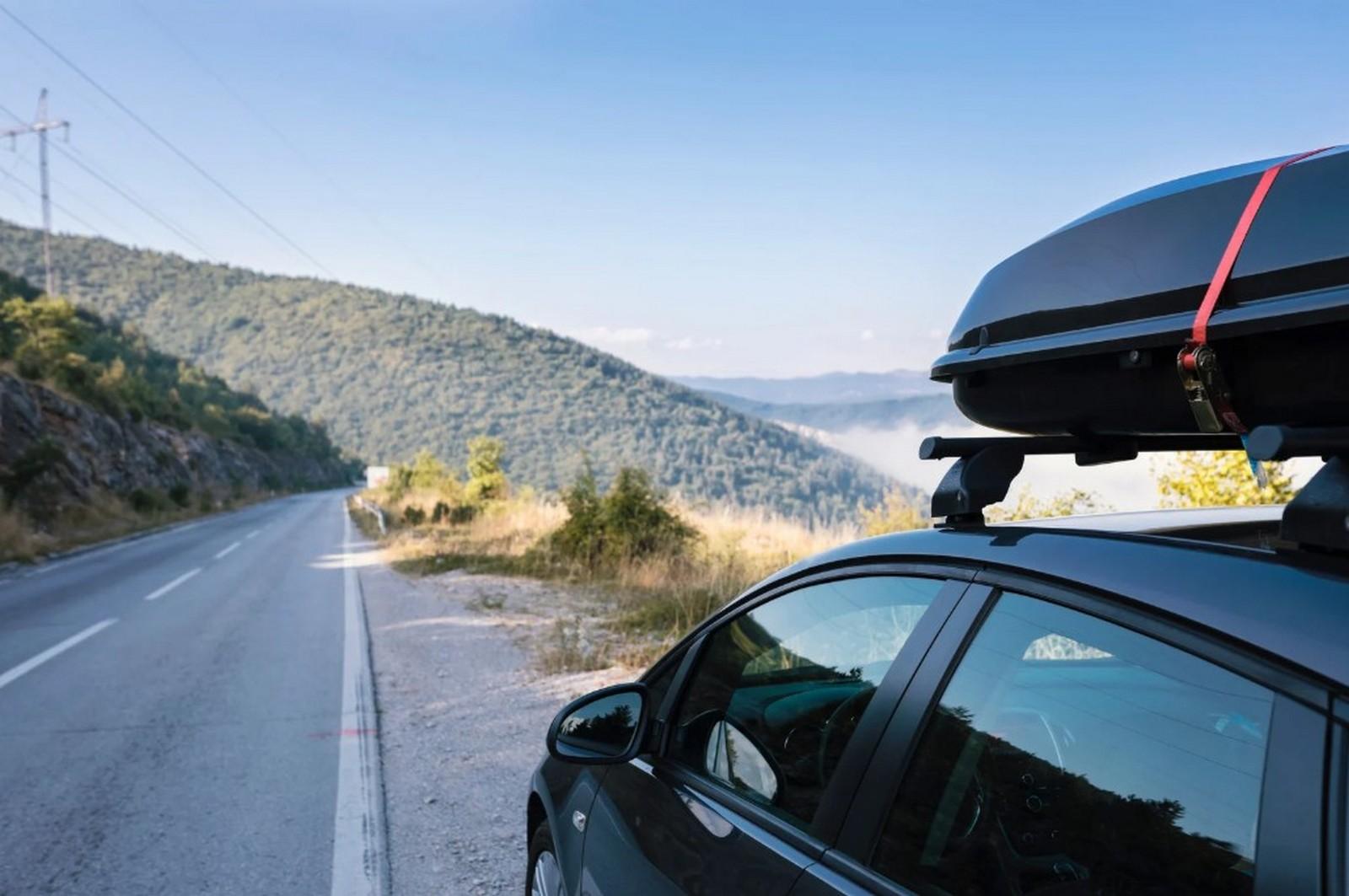
The primary advantage of renting a car in Montenegro is the freedom it offers. You can easily access breathtaking locations like the Đurđevića Bridge and the Kotor serpentine, where you are treated to stunning panoramas of the Bay of Kotor. Public transport mainly operates on major routes, and many scenic spots can only be reached by car.
Time savings are particularly noticeable during the high season. A car trip from Budva to Kotor takes about 20 to 30 minutes in the early morning, while a bus journey with transfers can take at least an hour. During peak hours, this journey can extend to 2.5 hours.
Renting a vehicle in Montenegro allows for impromptu stops at places you may wish to explore, whether it’s a hidden beach or a roadside tavern serving home-cooked meals. This spontaneity can make your travel experiences truly unforgettable.
Potential Challenges
Mountain roads in Montenegro require certain driving skills. Serpentines with 30-40 sharp turns can be particularly challenging for inexperienced drivers, especially on the road to Lovćen or the route to Durmitor.
The local driving style tends to be aggressive. Montenegrins are accustomed to their roads and often drive at high speeds, do not consistently use turn signals, and enjoy overtaking in unexpected places. It is essential to stay calm and maintain a safe distance.
Parking in tourist areas during the summer can be quite a challenge. In Kotor’s old town or along Budva’s waterfront, finding a parking spot is extremely difficult, and rates can reach up to €5 per hour.
Click here to learn more about creating a personal itineraryDocuments and Requirements for Car Rental
Required Documents
To rent a car in Montenegro, you will need a standard set of documents:
- Passport or ID card
- National driving license (or International Driving Permit)
- Credit or debit card for the deposit
The driver must be at least 21 years old and have a minimum of one year of driving experience. Some premium vehicles are only available to drivers over the age of 25.
International License: When Needed
Montenegro is a signatory of the Vienna Convention on Road Traffic, allowing drivers from most countries to use their national licenses. The main requirement is that licenses must be printed in Latin letters.
In some cases, obtaining an International Driving Permit is recommended. While many local rental agencies accept national licenses, it is advisable to have one to avoid potential issues with law enforcement.
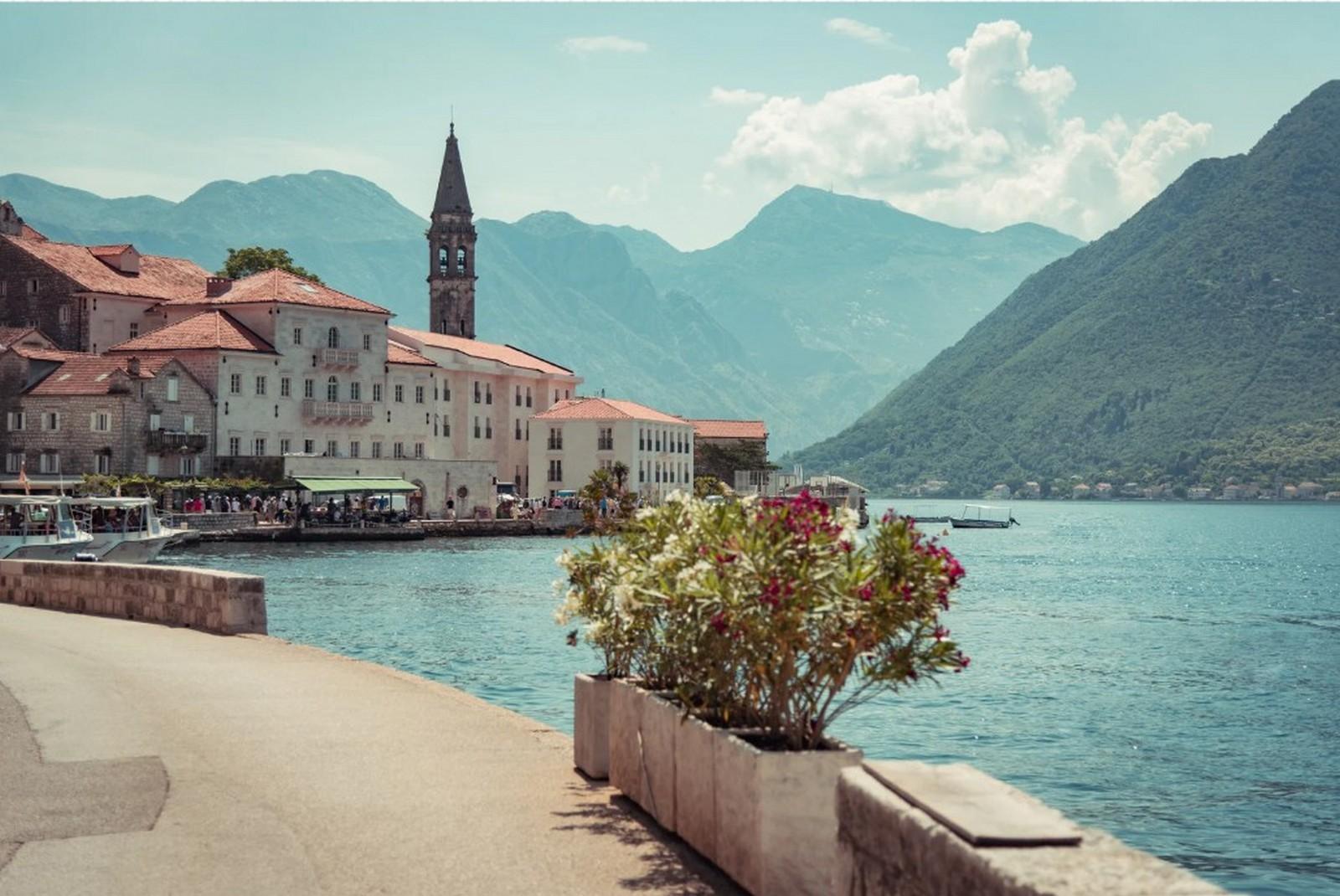
Where to Rent a Car in Montenegro: Best Companies and Services
International Chains
Hertz, Sixt, Europcar, and Enterprise operate at Podgorica and Tivat airports. The main advantages of these companies include reliability, newer vehicles, and 24/7 customer support. Prices start at €35-45 per day for economy class during the low season and can increase to €80-100 in July and August.
A significant drawback of major companies is that deposits generally range from €800 to €1500 and are blocked on credit cards. Additionally, services such as adding a second driver or GPS come at extra costs.
Local Companies: Personal Approach
MTL Rent a Car Montenegro has established itself as a reliable local option. The fleet consists of relatively new cars, and deposits typically do not exceed €300. The office operates from 8:00 AM to 8:00 PM but can arrange meetings at other times by prior agreement.
Milos Dzeri Ivanovic warrants special attention as a private rental operator that requires no deposit. The price includes car delivery straight to your hotel, with a variety of vehicles available at different price points. You can reach them through social media or messaging apps.
Zovi Vozi (zovivozi.com) provides car rental services in Montenegro without the need for credit cards or deposits. Their slogan, “No credit card, no deposit, unlimited mileage,” clearly reflects their customer-friendly approach.
Green Motion often has promotions offering a 10% discount, and they provide a free second driver when you book through their website. They’re conveniently located at Podgorica Airport, ideal for travelers in transit.
Online Aggregators: Convenient but Cautious
LocalRent.com is a popular aggregator that partners with local companies. They offer appealing rates starting at €15 per day, along with a €300 cash deposit. You only pay 15% when booking, with the remainder due in cash upon car collection.
The primary drawback of using aggregators is the uncertainty regarding which company you will be dealing with. Sometimes, you may find yourself with a car from a different company or a private individual instead of the one you initially selected.
Click here to create a personal itinerary for MontenegroRental Costs and Money-Saving Tips
Price Categories by Season
Car rental prices in Montenegro are heavily influenced by the season. In May and September, economy class vehicles (such as Fiat Panda or Renault Clio) can be rented for €25-30 per day, while compact class cars (like Volkswagen Golf or Skoda Fabia) cost between €35 and €45.
Expect peak pricing during July and August, when the same economy class vehicles may cost €45-60 per day, with an extra €10-15 for automatic transmission. For example, renting a Skoda Fabia automatic for five days in August could amount to €410 when including full insurance.
During the off-season (October-April), prices drop to €20-25 for economy cars and €30-35 for compact models. However, keep in mind that snow may be present in mountainous areas, which could limit travel options.
Deposits and Payment Methods
Deposit amounts vary widely, ranging from €100-300 at local companies to €1500 at international chains. Many smaller rentals accept cash deposits, which is convenient for those without credit cards.
Some companies, such as Enterprise, accept debit cards but may charge an additional €40 per day for this option.
No-deposit rentals do exist. Companies like Zovi Vozi and private operators such as Milos Dzeri Ivanovic provide these services, although serious damages may still incur repair costs.
Additional Expenses
Expect to pay €5-10 per day for a second driver at international chains, but this service is often free at local companies. Child seats typically cost about €5 per day, although some local rentals offer them at no charge.
GPS navigation can run you €8-10 per day, but using smartphones with offline maps is a more convenient alternative. A Wi-Fi router rental is an additional €8-12 per day; however, mobile internet service is generally reliable in Montenegro.
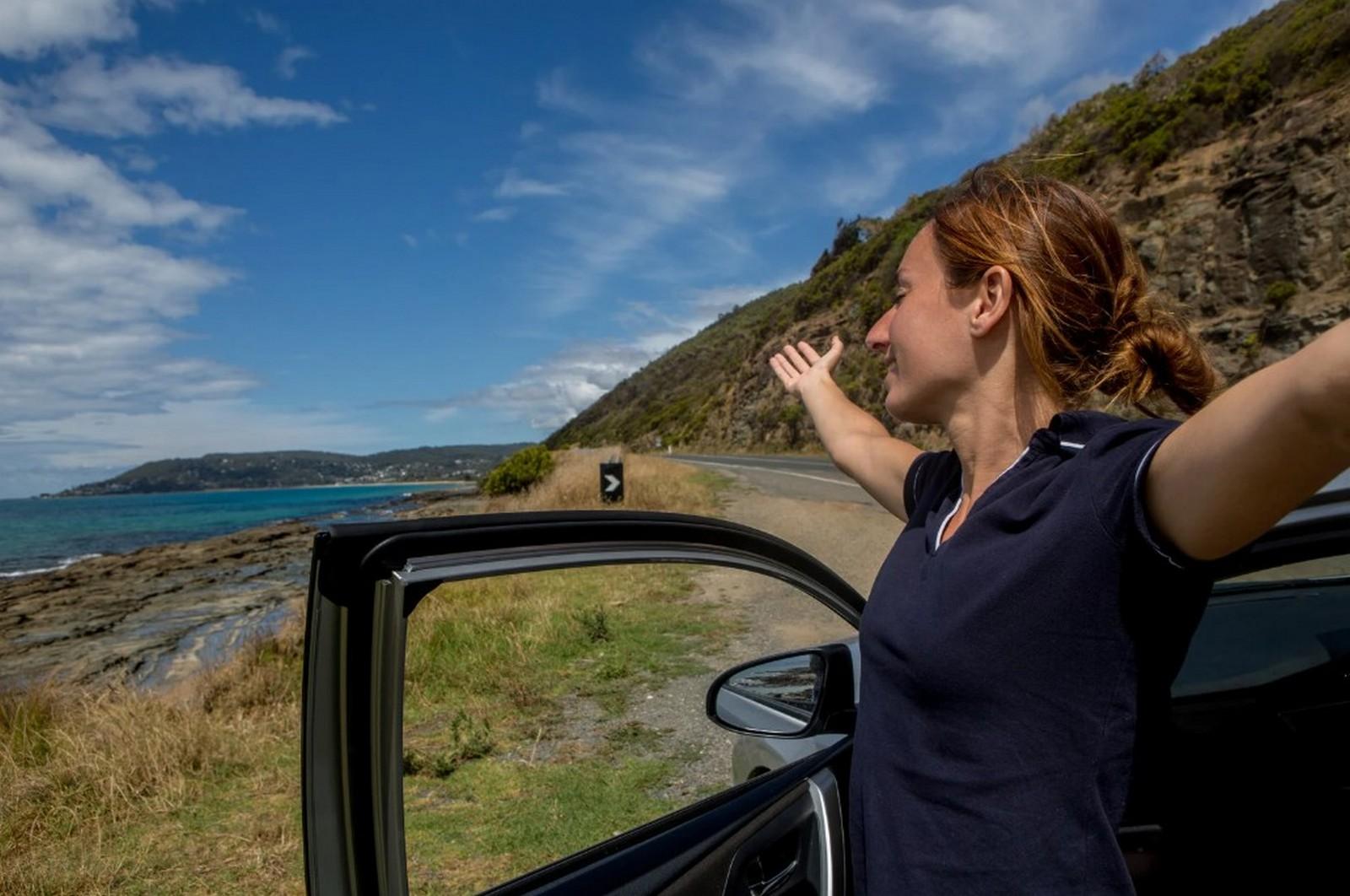
Insurance: What to Choose and What Protection to Get
Insurance Types
Basic insurance (CDW – Collision Damage Waiver) is included in the rental cost. It covers major damages, but the excess can be as high as €800-1200. This means that minor scratches and dents will still require personal payment.
Full Coverage is available for an additional €10-20 per day, reducing the excess to zero. This is a reasonable investment for peace of mind, especially on narrow mountain roads.
The Green Card for visits to neighboring countries is included in the basic package and covers Croatia, Bosnia and Herzegovina, Serbia, and Albania. Travel to other countries will incur separate fees.
Important Contract Points
When collecting your vehicle, consider the following:
- Carefully review the insurance coverage (tires, rims, mirrors, and glass are often
excluded). - Photograph all existing damages.
- Record any scratches and dents in the handover report.
- Check the fuel level and note it in the documents.
- Ensure that the registration is valid for the entire rental period.
On Montenegro’s mountain roads, roadside stones frequently damage paintwork or headlights. Documenting the car’s condition will help prevent unpleasant surprises upon return.
Since 2015, our website has specialized in individual planning of unique routes, taking into account personal preferences and desires. Each of you will receive a unique PDF file from us, which contains everything you need: travel routes, car rentals, hotels, the best tourist attractions, attractions for kids and everything you need for a perfect vacation. During the trip, we are available for you by phone via WhatsApp. Our personal service provides information from A to Z, taking into account many small details that can become a decisive factor on the way from a wasted trip to an unforgettable vacation. Our service will make your trip comfortable, save a lot of time on planning and preparation, and most importantly – will allow you to become freer and fully enjoy the pleasure of the trip.
Road Features and Driving in Montenegro
Road Conditions
The coastal highway from Herceg Novi to Ulcinj is generally in good condition, but summer often brings active reconstruction. The Tivat-Budva section can be particularly problematic, with roadworks extending a 30-minute journey to up to 2 hours during peak times.
Mountain roads are winding but have quality asphalt. The Kotor serpentine includes about 30 sharp turns, taking 15-20 minutes to navigate. When it rains, the asphalt can become slippery, necessitating an early reduction in speed.
The roads leading to Durmitor and Lovćen national parks are well-paved but narrow. While two cars can pass, it requires attention due to congestion created by buses and trucks on the serpentines.
Traffic Rules
The main traffic regulations in Montenegro are as follows:
- Low beam headlights must be on at all times (24/7).
- Speed limits are 50 km/h in cities, 80 km/h on regular roads, and 130 km/h on
highways. - A 40 km/h limit is enforced near schools.
- There is a zero tolerance policy for alcohol (0.0 per mille).
Fines for driving with lights switched off during the day range from €30-80, and from €60-150 in the evening. Speeding by 10-20 km/h incurs fines of €40-100, while speeding by 20-30 km/h results in fines of €60-150. Exceeding the speed limit by more than 30 km/h may lead to license suspension.
Local Driving Style Specifics
Montenegrin drivers tend to be aggressive and confident. They are familiar with the roads and often exceed speed limits, especially on sections they know well. They maintain close distances, so tourists should ensure a two-car gap.
Use of turn signals is rare, and locals may change lanes or turn without warning. When merging from secondary roads, they may cut in front of you, assuming you will adjust accordingly.
It is not uncommon for two cars on opposite lanes to stop mid-road for a conversation, blocking traffic for several minutes. Honking is generally considered rude, so it’s better to wait patiently.
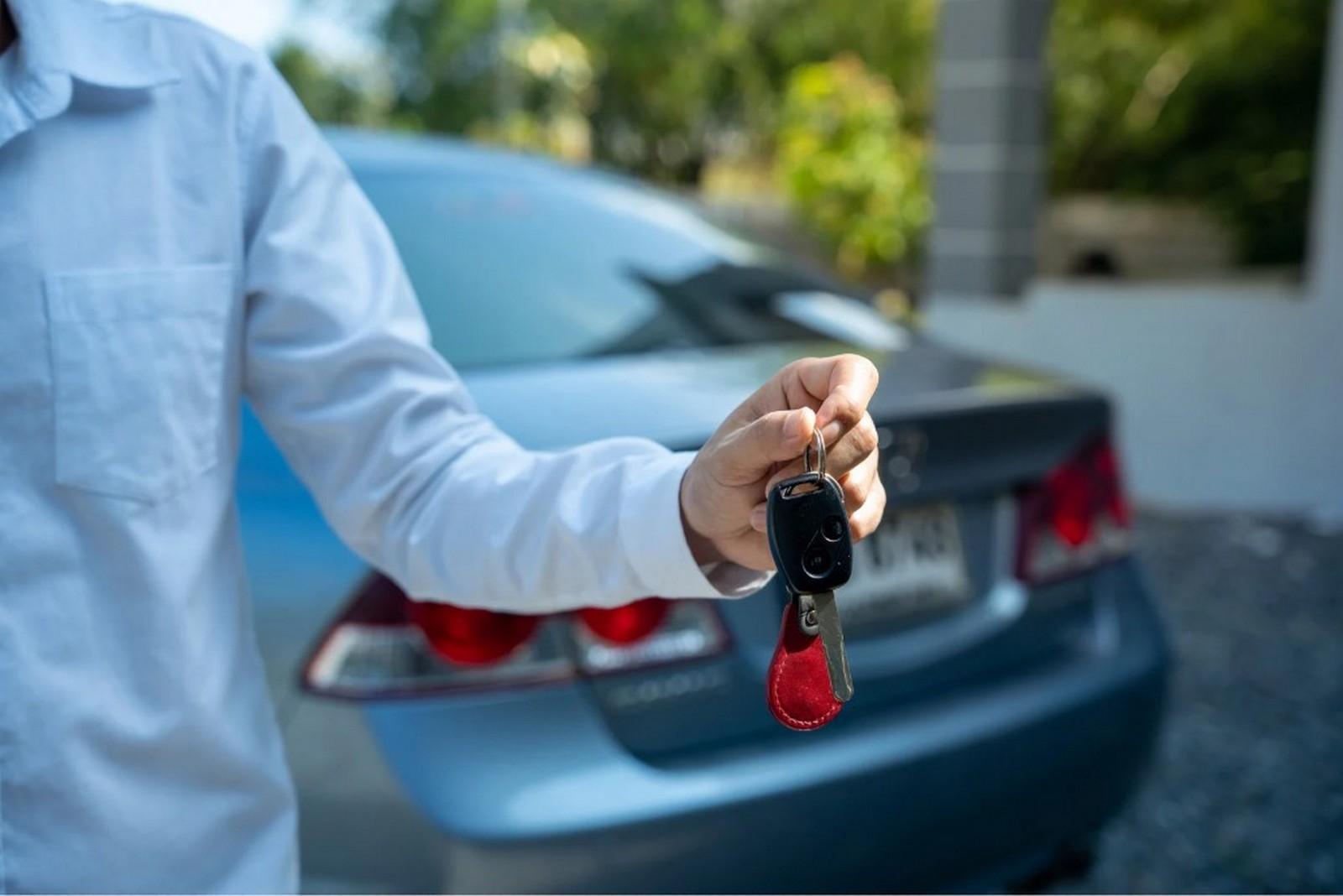
Electric Vehicles in Montenegro: A New Trend
Available Models
Electric cars, such as the Cupra Born with a 400 km range, are becoming available for rental. With a full charge, you can circle Montenegro’s entire coast twice. However, electric vehicles have not yet gained widespread popularity, as tourists often worry about possible charging issues.
The rental costs for electric cars are comparable to those of conventional vehicles in the same class. For instance, the Cupra Born may cost around €50-60 per day, which is only slightly higher than similar combustion engine cars.
Charging Infrastructure
Montenegro has only two Tesla Superchargers, both located at Porto Montenegro. Access is restricted; you must pass through two security checkpoints and obtain permission from the marina office. The operating hours are from 8:00 to 20:00.
The Eco Charger network is more extensive and accessible, with stations in Tivat, Budva, Podgorica, and even the mountain town of Žabljak. The charging process is straightforward: get a card from the counter, tap it at the terminal, charge your vehicle, and pay based on the time used.
A fast charge to 25% takes about 30 minutes and costs around €9-10. A full charge from zero is approximately €20, compared to €50-60 for a full tank of gas.
Practical Electric Car Travel Tips
Here are some key tips for operating an electric vehicle in Montenegro:
- Plan your routes in advance, taking into account the locations of charging stations.
- Download the PlugShare app to locate functioning chargers.
- Choose hotels that offer free charging—overnight slow charging can provide 20-30% of your vehicle’s battery capacity.
- Be aware that driving in mountainous areas will increase energy consumption.
- Keep backup charging options in mind, as many stations may be occupied.
For mountain trips, thorough route planning is essential. Climbing to Žabljak or Durmitor can drain your battery quickly; without intermediate charging, you may lack sufficient power for the return trip.
Click here to create a personal itinerary for MontenegroCross-Border Trips with Rental Cars
Required Documents
If you plan to travel across borders with rental cars, you’ll need:
- A Green Card (usually included with basic insurance).
- A permit from the rental company for vehicle export.
- Vehicle registration documents.
- A driving license and passport.
The Green Card covers Croatia, Bosnia and Herzegovina, Serbia, and Albania. Be sure to mention any border crossing plans when booking, as some companies may charge an additional fee of €45-100 for the necessary permission.
Popular Routes
Montenegro → Croatia (Dubrovnik) – This is the most popular route. The distance from Kotor to Dubrovnik is only 90 km, but expect potential delays at the border. During peak season, crossing can take 1-2 hours.
An alternative route through the Vitalina-Kobila crossing is usually less congested. Locals recommend crossing early in the morning or late in the evening when traffic is lighter.
Montenegro → Albania – This route offers scenic views along Skadar Lake. The roads are in good condition, and border processing is quick. Just make sure your Green Card includes coverage for Albania, as some local insurance policies may exclude it.
Practical Nuances
At the borders, officials may check vehicle documents, so be sure to have your registration and Green Card handy. Police may also inquire about the purpose of your trip and the duration of your stay, but these questions are typically a formality.
Returning cars to other countries incurs a surcharge of €100-200. However, some companies, like Milos Dzeri Ivanovic, offer free delivery of cars to Dubrovnik and collection from hotels.
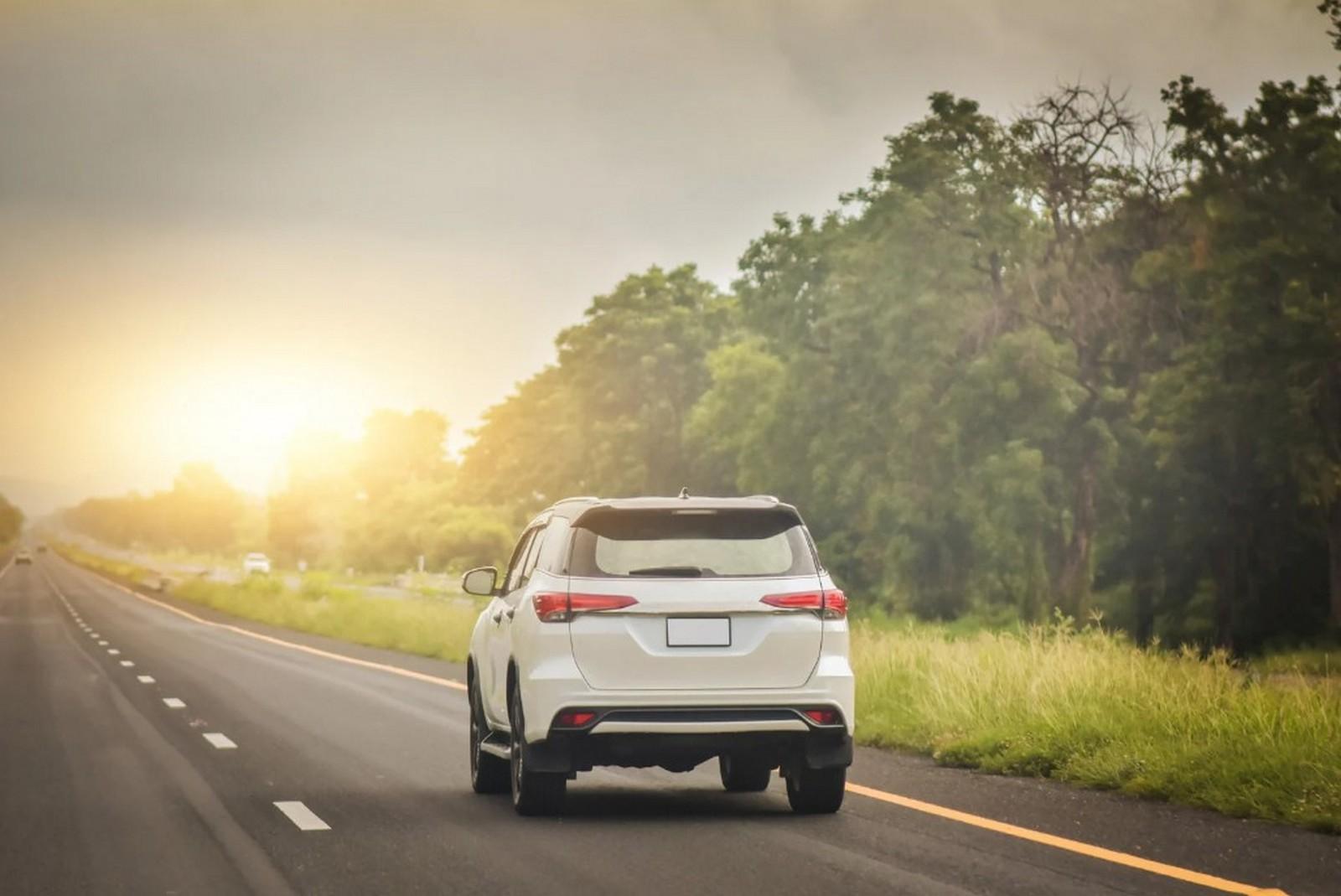
Expert Review on Montenegro Car Rental
Car rental services in Montenegro provide more than just transportation; they offer a gateway to truly exploring the country. Many tourists make the common mistake of prioritizing price over service quality. While it’s possible to find cars for €15 per day, these often come with issues like bald tires for mountain roads or undisclosed windshield chips. It’s wiser to spend an extra €5-10 for better service.
A crucial yet often overlooked factor is the booking season. Most people flock to Montenegro in July and August, when temperatures can soar to 40°C, making trips uncomfortable and prices significantly higher. In contrast, May and September present ideal conditions: temperatures around 25°C, pleasantly warm sea waters, three times fewer tourists, and rental prices that can be nearly half. In September, you can find quality cars for €25-30 compared to €60-70 during peak season.
Another important consideration is the psychology of driving in the mountains. Many visitors arrive with experience on European highways but struggle on their first serpentine turns. The key is not to try to keep pace with the locals. Montenegrins are accustomed to these roads, while your priority should be to drive safely and enjoy the views. Use your hazard lights, stay close to the right edge, and let faster drivers pass. It’s better to take an extra 20 minutes on the road than to jeopardize your vacation with accidents or stress.
Click here to learn more about creating a personal itineraryFrequently Asked Questions
Can I rent without a credit card?
Yes, many local companies accept debit cards or cash deposits. Zovi Vozi does not require any deposit. Enterprise may accept debit cards, but there is a €40 daily surcharge.
What’s the minimum age for rental?
Most companies require renters to be at least 21 years old with a minimum of one year of driving experience. Premium vehicles may necessitate that drivers be 25 or older. Drivers under 25 typically incur a €10-15 daily surcharge.
What should I do in case of breakdowns or accidents?
Rental agreements include support phone numbers. Major companies will provide towing and replacement vehicles. In the event of an accident, always contact the police and record all involved parties’ information.
Should I choose automatic or manual transmission?
For driving on Montenegro’s mountain roads, automatic transmission is recommended, especially for inexperienced drivers. Automatics significantly ease driving during frequent stops and starts on serpentine roads. There is a surcharge of €10-15 per day for this option.
Diesel or gasoline?
Diesel engines are 20-30% more fuel-efficient, particularly for long trips. Diesel costs approximately €1.17 per liter, compared to €1.27 for gasoline. For weekly rentals involving significant travel, savings can reach €20-30.
Is full insurance worth it?
Given the high risk of minor damage on Montenegro’s narrow mountain roads, full insurance for €10-15 per day can be a worthwhile investment. It alleviates concerns about potential excess payments of €800-1200, ensuring a more relaxed vacation.
Latest articles