My love for Japan began the moment I arrived in Tokyo. The country amazed me with its harmony of ancient traditions, cutting-edge technology, breathtaking nature, and a culture unlike any other. Since then, Japan has become a part of my life, and I return there again and again. Today I help travelers discover the real Japan: I create personalized itineraries, give lectures, and prepare guests for their unforgettable journey. I would be delighted to open Japan for you too!



Volcanoes in Japan
Japan lies on the Pacific Ring of Fire and is home to 67 active or dormant volcanoes – mountains that can “wake up” at any time. Their energy has shaped the Japanese islands, influenced local culture, and even defined the way many communities live. Today, volcanoes in Japan are one of the most exciting directions for family travel: national parks, viewing platforms, sacred shrines, hot springs, unique landscapes, and routes that create truly unforgettable experiences.
Where Are the Main Volcanoes in Japan Located – and How to Reach Them?
Mount Fuji (Fuji-san) – Honshu Island, 90 km from Tokyo
Height: 3,776 m
Crater diameter: 505 m
Crater depth: 250 m
There is easy access by JR trains and buses from Tokyo to the 5th Station. The official climbing season runs from 1 July to 13 August. Entrance is free, although there is an ecological contribution.
Sakurajima – Kagoshima Prefecture, Kyushu Island
Sakurajima is one of the most active volcanoes in the world, erupting on a regular basis. It is reachable by a ferry from Kagoshima, running 24 hours a day, seven days a week.
Click here to learn more about creating a personal itineraryAso (Mount Aso) – Kumamoto Prefecture, Kyushu
Mount Aso has one of the largest calderas in the world, measuring approximately 18×25 km. The active center is the Nakadake crater. Access to the crater area may be restricted during high-alert periods.
Aogashima – Remote Volcanic Island in the Izu Archipelago
Aogashima is a remote volcanic island that is difficult to reach. Access is only by boat or helicopter, and the small harbor operates only in calm weather. Around 200 people live on the island.
Is Renting a Car Recommended?
Yes. A rental car makes it much easier for families to move between lakes, viewpoints, small towns, and national parks. Parking near many volcanoes is free or inexpensive.
Tip from the Itinerary Expert: A rental car is especially convenient around Fuji and Aso, where distances are long and public transport can be irregular.
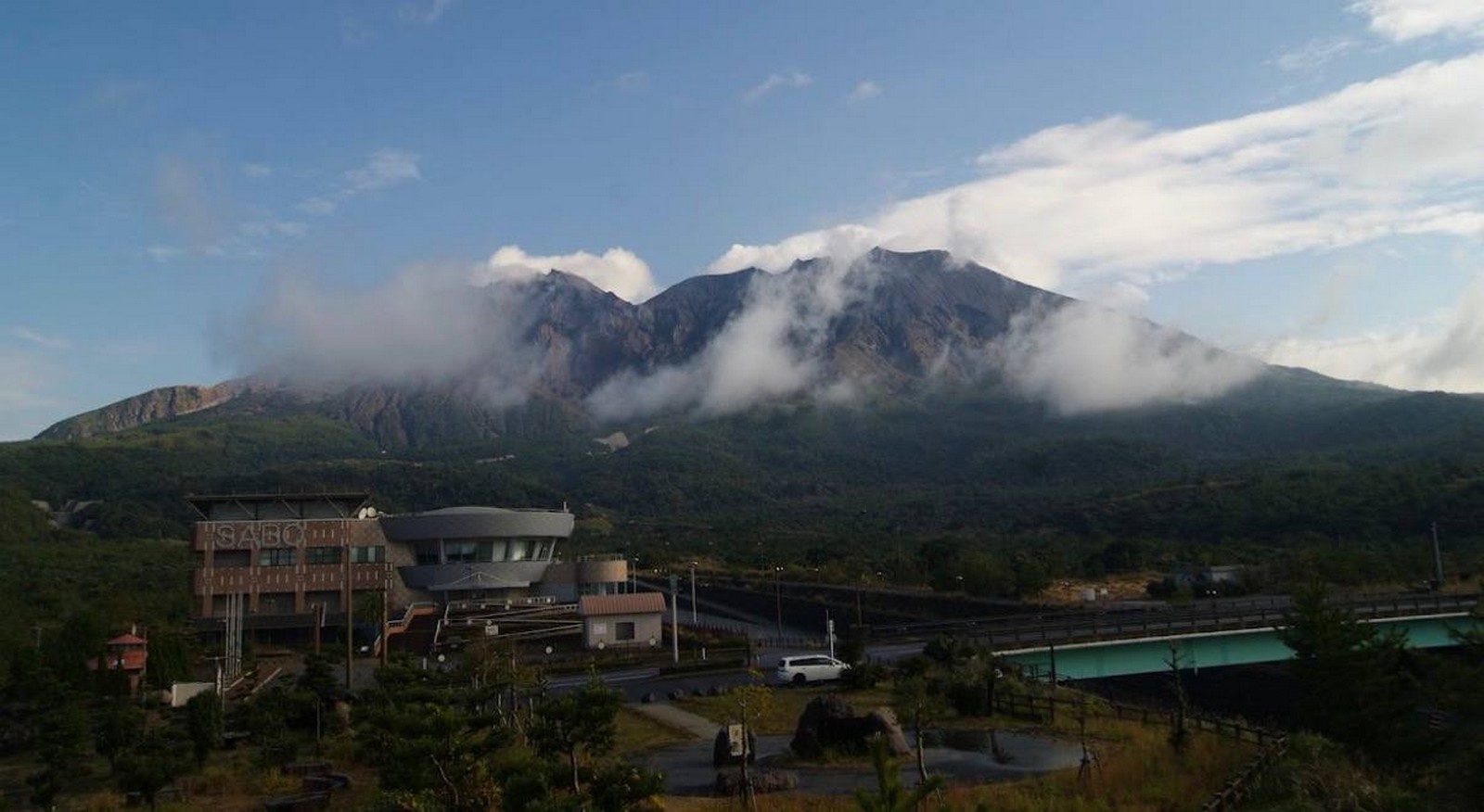
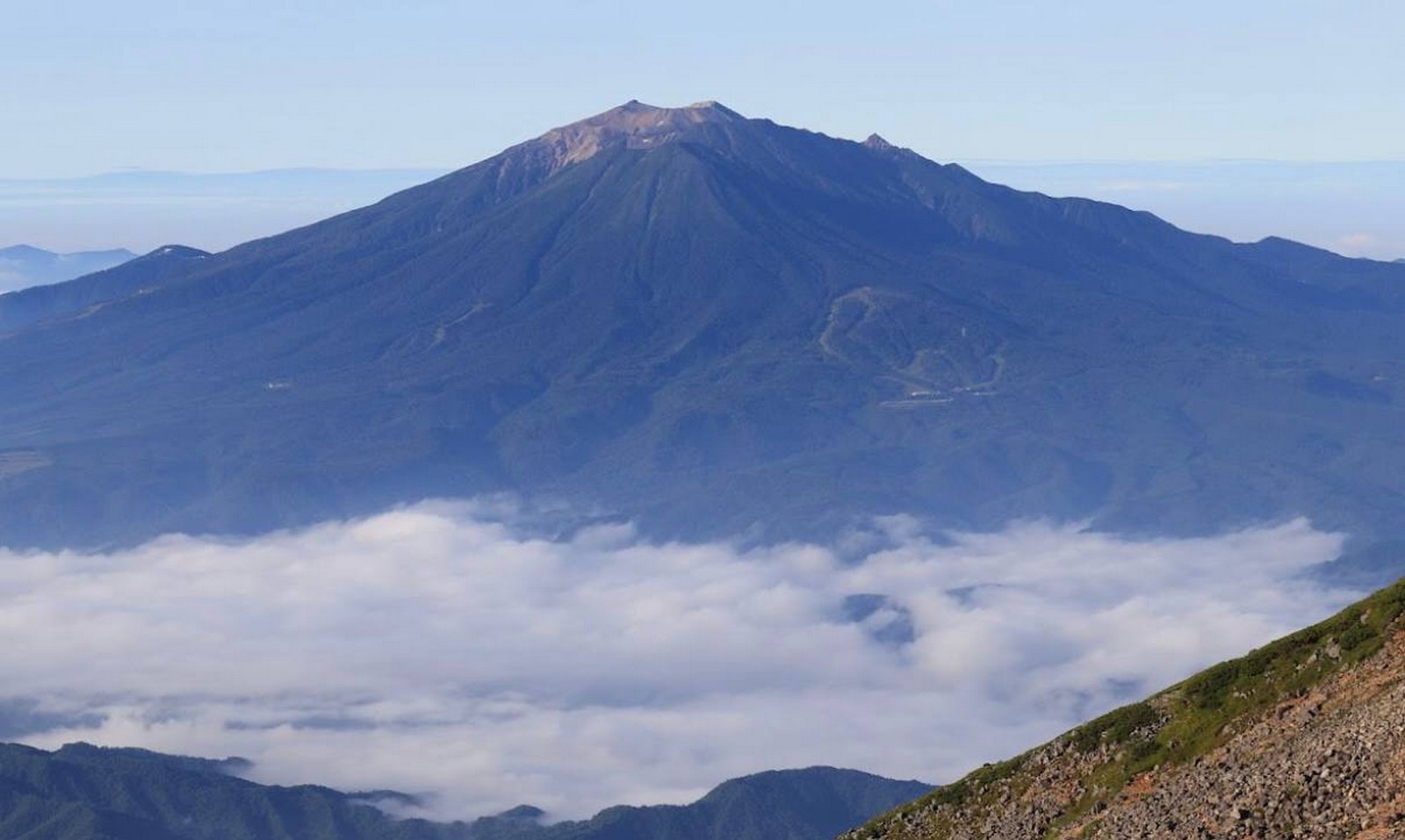
Mighty Sakurajima rising through drifting clouds — a powerful reminder that Japan’s volcanic heart is always alive.
What to See: Volcanoes in Japan Through the Eyes of a Family Traveller?
Mount Fuji: What Makes This Volcano Unforgettable?
Fuji is not only Japan’s most iconic volcano – it is also a national cultural symbol. The summit is often hidden by clouds, making clear days especially valuable. In good weather, the mountain can be seen from up to 80 km away.
Key highlights include the crater measuring 505 meters across and 250 meters deep, the ancient summit shrines visited by pilgrims for centuries, and impressive panoramas such as the “sea of clouds,” the Goraikō sunrise, and views from Lake Kawaguchiko or Oshino Hakkai. Travellers often note that the sunrise is spectacular, but the descent feels harder than the ascent; the summit wind is extremely cold; and on cloudy days Fuji may not be visible at all.
Climbing to the summit is allowed only during the official season and requires solid physical fitness. For this reason, families with children typically stay at the 5th Station, where there are beautiful views, mild weather, shops, and no demanding hike.
Tip from the Itinerary Expert: Leave early and check live webcams, as weather conditions can change within minutes.
Click here to create a personal itinerary for JapanSakurajima: What Makes Japan’s Most Active Volcano a Must-See?
Sakurajima erupts almost daily – some years exceeding 1,000 eruptions. It has remained active continuously since 1955. Families can visit viewing platforms facing the active crater, see partially buried torii gates left behind by the major 1914 eruption, and explore the Sakurajima Museum. This is one of the few places where children can safely observe volcanic activity almost in real time.
Tip from the Itinerary Expert: Bring a light mask or scarf, as wind can quickly carry ash toward the city.
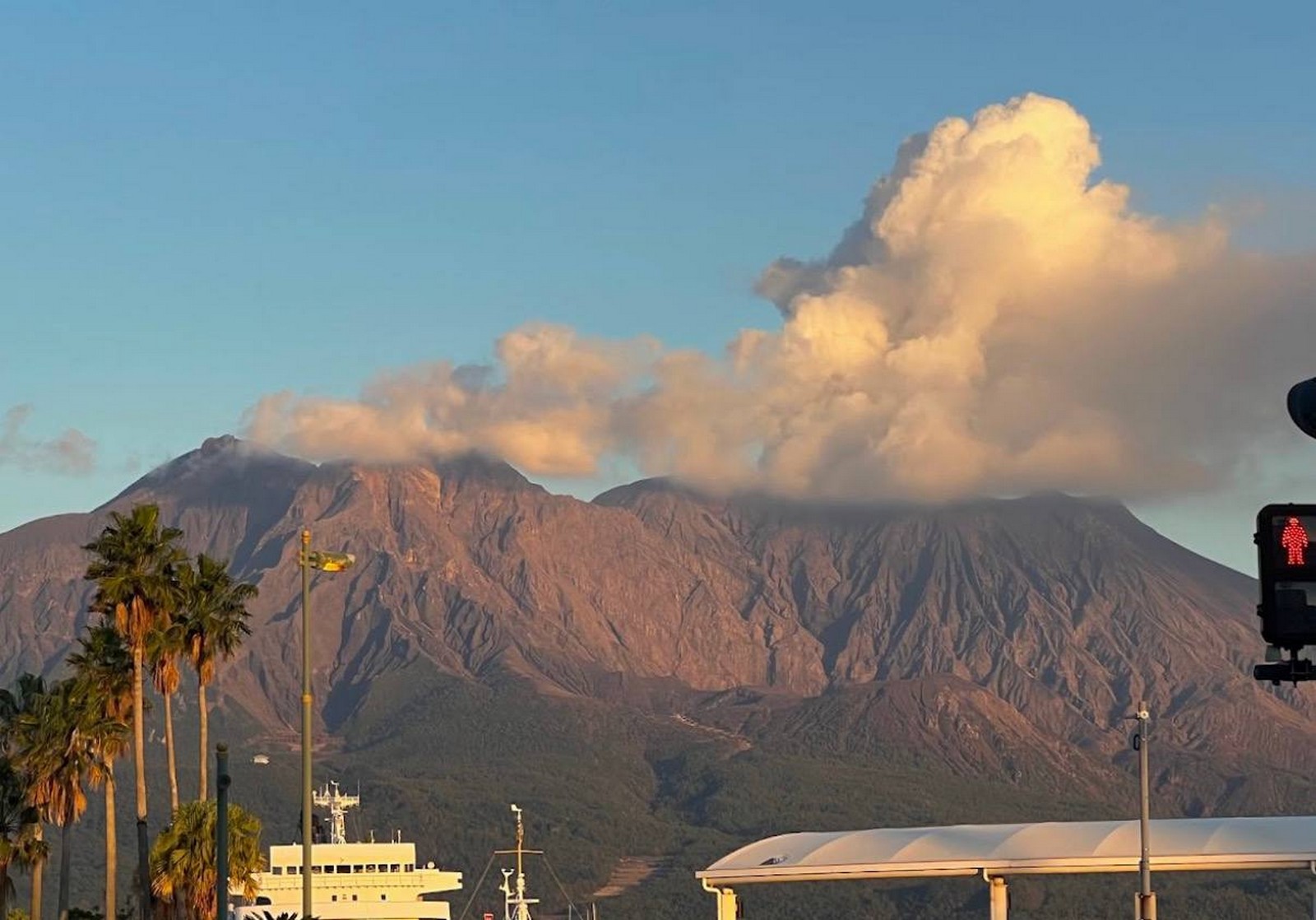
Sakurajima glowing at sunset — volcanic energy wrapped in golden light.
Aso: What Makes One of the World’s Largest Calderas Special?
The Aso caldera spans roughly 18×25 km and contains five major peaks, including the active Nakadake crater. Around 50,000 people live inside this immense volcanic basin. Visitors can view the active crater, observe steam plumes rising from the landscape, and explore areas shaped by recent eruptions in 2021, 2016, and 2014.
Because access sometimes closes during higher alert levels, it is essential to check current conditions before visiting.
Tip from the Itinerary Expert: Bring windproof jackets – temperatures near the crater drop sharply.
Since 2015, our website has specialized in individual planning of unique routes, taking into account personal preferences and desires. Each of you will receive a unique PDF file from us, which contains everything you need: travel routes, car rentals, hotels, the best tourist attractions, attractions for kids and everything you need for a perfect vacation. During the trip, we are available for you by phone via WhatsApp. Our personal service provides information from A to Z, taking into account many small details that can become a decisive factor on the way from a wasted trip to an unforgettable vacation. Our service will make your trip comfortable, save a lot of time on planning and preparation, and most importantly – will allow you to become freer and fully enjoy the pleasure of the trip.
Aogashima: Why Visit Japan’s Most Remote Double Volcano?
Aogashima is a distinctive “volcano within a volcano,” featuring a large outer crater and a smaller inner peak named Maruyama (423 m). The island is home to roughly 200 residents.
Its dramatic double-crater structure forms a natural amphitheater, while the surrounding Kuroshio Current creates a warm subtropical climate. The local salt-making tradition, using volcanic steam to evaporate seawater, is also unique. For many children, the island feels like stepping into a “lost world.”
Tip from the Itinerary Expert: Plan a stay of 2-3 days. Boat service is often cancelled due to waves.
4-Day Self-Drive Volcanoes in Japan (Kyushu) – Family Route
Day 1 – Fukuoka → Mount Aso Caldera (10:00-18:00)
At 10:00, pick up your car in Fukuoka and drive to Mount Aso – about two hours (140 km) via the toll highway. Around 12:00, stop in Aso town for lunch at a simple family restaurant near Aso Station, offering curry, ramen, and kids’ sets. By 13:30, begin exploring the vast Aso caldera by car, stopping at viewpoints, grasslands, and small open areas where children can run and take photos. The caldera covers roughly 18×25 km and includes several central peaks. At 17:00, check into a ryokan or a hotel with an onsen in the Aso area.
Day 2 – Aso Nakadake Crater (10:00-18:00)
At 10:00, drive along the Aso park road toward the Nakadake crater, checking access and gas restrictions in the morning. In summer, typical opening hours are 8:30-18:00. From 10:30 to 13:00, park near the crater and spend 2-3 hours taking short walks between viewpoints overlooking the large volcanic bowl and rising steam. Children usually enjoy the experience of seeing an active crater up close. Around 13:30, stop for lunch again in Aso town or choose a simple roadside diner. At 15:00, take a relaxed scenic drive across the caldera with additional stops at viewpoints and small farm shops. Return to your accommodation by 18:00.
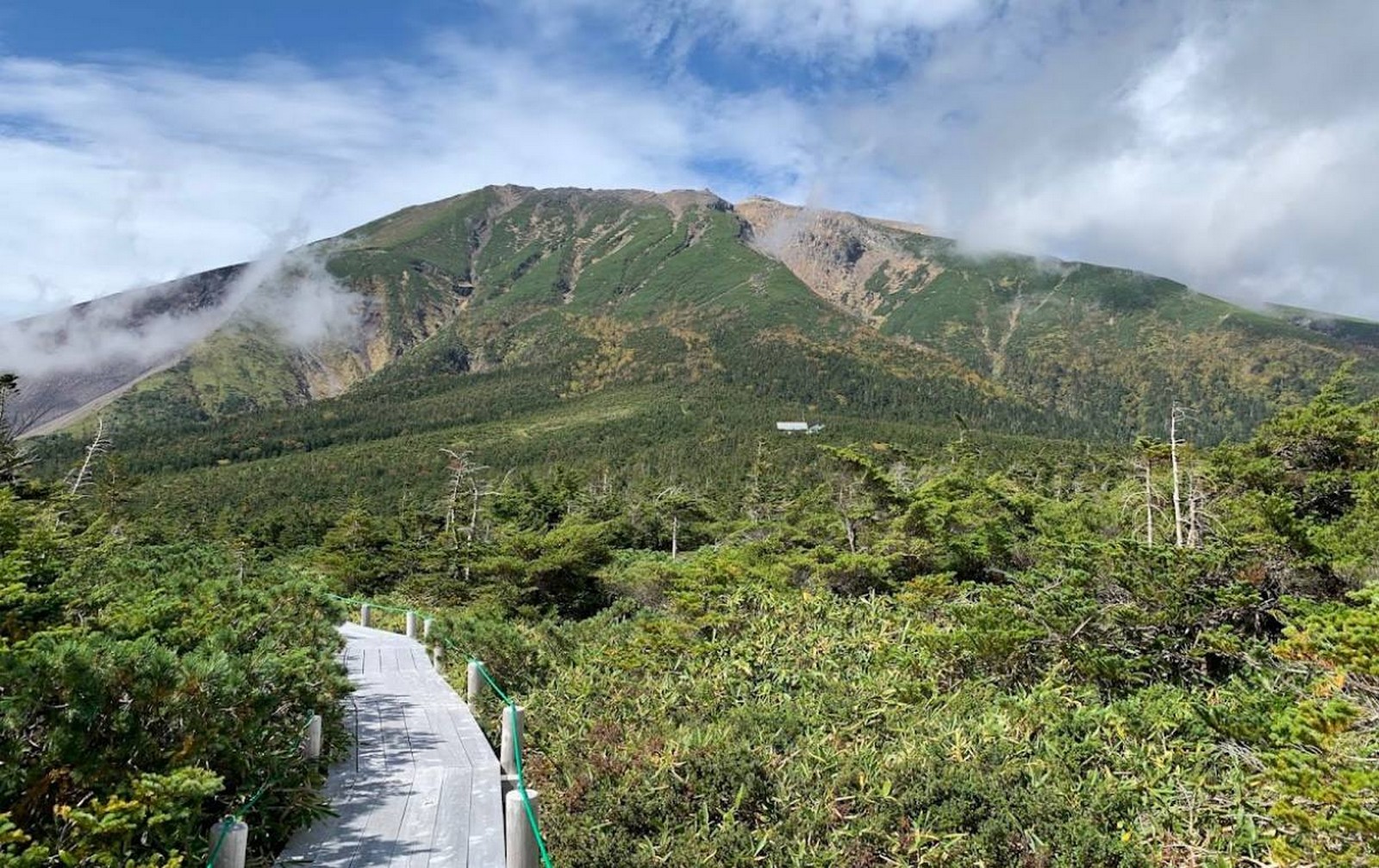
A peaceful mountain trail leading into fresh alpine air — Japan’s nature at its purest.
Day 3 – Aso → Kagoshima Bay (10:00-18:00)
At 10:00, leave the Aso region and drive to Kagoshima, a journey of about three hours (approximately 210 km). Around 13:30, check into a hotel near Kagoshima Port and enjoy a late lunch at a casual waterfront restaurant. At 15:00, walk along the bayfront and visit nearby playgrounds – a great time for photos of the bay and distant Sakurajima. Around 18:00, make a brief shopping stop in the central arcade before returning to the hotel for the evening.
Day 4 – Sakurajima Volcano Day (10:00-18:00)
At 10:00, go to Kagoshima Port and take the Sakurajima Ferry. The ferry runs 24/7, leaves every 15-20 minutes, and takes about 15 minutes to cross. The fare is around ¥250 per adult and ¥130 per child. From 10:30 to 13:30, use a car or the local bus to visit two or three viewpoints facing the active crater, and stop at a seaside park with a footbath, leaving time for photos and a small picnic. At 13:30, have lunch at a local restaurant on Sakurajima or return to Kagoshima Port. At 15:00, consider taking a second ferry ride – children often enjoy this – followed by a relaxed afternoon along the bayfront. By 18:00, return the car in Kagoshima or keep it if continuing your trip.
Click here to create a personal itinerary for JapanTraveler Reviews
- Emily Carter – April 2023 (Mount Fuji)
We visited Mount Fuji on a clear April morning, and the view from the 5th Station felt almost unreal. The sea of clouds stretched endlessly below us. It became cold very quickly, even in spring, so warm layers were essential. We spent several hours taking photos and enjoying the fresh air – a perfect stop for families. - Daniel Brooks – August 2025 (Mount Fuji Climb)
I climbed Fuji with my teenage son last August. Watching the sunrise from the summit was unforgettable. The descent, however, was much harder – the loose volcanic gravel made it slippery. We noticed people renting horses between stations, which can help with fatigue. My suggestion: rent proper hiking boots at the base. - Olivia Hayes – November 2019 (Aso Caldera)
Driving across the Aso caldera and stopping at different viewpoints was one of the highlights of our trip. The size of the caldera – 18×25 km – amazed the children. Strong winds near Nakadake made jackets necessary. The steam vents and wide grasslands were especially memorable. - Jason Miller – April 2024 (Mount Aso)
During our road trip through Kyushu, we stopped at Mount Aso and saw areas still shaped by recent eruptions. Some paths were closed due to alert level changes, but the viewpoints offered excellent panoramas. The scale of the caldera impressed the whole family. Windproof coats were essential – the temperature changed constantly. - Anthony Reed – September 2018 (Fuji 5th Station)
We didn’t climb Fuji, but the drive to the 5th Station was worth it. The road was foggy at first and then opened into bright sunshine with a perfect view. The round Fuji thistles were surprisingly charming. I recommend arriving early to avoid crowds and catch the best light. - Michael Turner – August 2023 (Mount Fuji Night Hike)
I joined a night hike on the Yoshida Trail. The starry sky, cool air, and line of headlamps created a unique atmosphere. I struggled with mild altitude symptoms near the upper stations and had to take frequent breaks. Going slowly helped. The sunrise above the clouds made the entire effort worthwhile. - Laura Bennett – October 2022 (Sakurajima)
We took the ferry to Sakurajima in the morning, and watching the volcano constantly release smoke was incredible. Some roads were restricted due to activity levels, but the viewing platforms were easy to reach and safe. A light scarf was useful when ash drifted with the wind. A great half-day outing for families. - Ethan Collins – March 2019 (Fuji from Kawaguchiko)
We spent a quiet morning around Lake Kawaguchiko, and Fuji appeared completely clear – a rare sight. The reflections on the water made for beautiful photos. Visiting several viewpoints around the lake gave us a peaceful and enjoyable experience. Mornings definitely offer the best visibility. - Sarah Mitchell – August 2023 (Mount Fuji Summit)
I reached the summit just before dawn and watched the sky turn gold. The crater was larger and deeper than I expected. The wind was extremely cold, so warm gloves were crucial. The descent was long and demanding, but the sense of achievement was unforgettable. - David Harris – May 2021 (Aogashima Island)
We spent two days on Aogashima, one of the most remote places I’ve visited. The double-crater structure is stunning, and walking along the inner slopes felt like stepping into another world. Supplies are limited on the island, so preparation is essential. The quiet atmosphere and volcanic scenery made it a memorable experience.
Tips from the Itinerary Expert
- Check visibility for Mount Fuji before leaving
Fuji can disappear behind clouds within minutes. I always check live webcams early in the morning and leave only if the summit is visible – this prevents wasting several hours with no view. - Dress for sudden temperature drops
Both Fuji and Aso can feel cold even in warm seasons. I always pack windproof jackets, gloves, and warm layers for children. Strong winds at the summit or near Nakadake can make the area feel like winter. - Bring coins and small cash for Fuji mountain huts
During my climb, every restroom stop and small purchase required coins. Prices also increase with altitude. Preparing ¥100 coins in advance made everything smoother. - Plan a slow pace on Fuji if anyone is sensitive to altitude
Altitude sickness is unpredictable. I have seen strong hikers slow down while beginners managed well. Extra breaks between the 7th and 9th stations and proper hydration make a big difference. - On Sakurajima, carry a scarf or mask
Wind can shift at any moment, bringing short ash showers. A light scarf kept my family comfortable and allowed us to continue exploring without irritation. - Drive carefully to Fuji’s 5th Station – fog can be intense
On one visit, dense fog covered the mountain road for nearly 20 minutes before clearing suddenly into full sunshine. Slow and cautious driving is essential. - On Aogashima, bring all essentials with you
Supplies are very limited, and boat schedules depend heavily on sea conditions. I always bring extra snacks, water, and essentials before leaving the mainland. - Expect restrictions near active craters like Aso and Sakurajima
Access may close without much notice when alert levels rise. I always check conditions early in the morning so we can adjust plans – there are still many viewpoints available even during partial closures.
Insights from the Itinerary Expert
I visited several of Japan’s volcanic regions between 2019 and 2024, and each location left a distinct impression. Mount Fuji surprised me with how quickly the entire atmosphere can change – one moment the road is covered in fog, and the next you are standing above the clouds with a completely clear view. Checking webcams before leaving became essential; it saves time and prevents disappointment.
Mount Aso provides a very different experience. The 18×25 km caldera feels like a world of its own, and the wind near Nakadake can be extremely strong, even during warm months. When I visited in 2023, my children were amazed by how close you can get to active steam vents, though access closes when the alert level rises. It remains one of the most dramatic landscapes in Japan.
Sakurajima impressed me with its constant activity. On a clear afternoon in 2022, we watched small plumes rise every few minutes. A light scarf helped when the wind shifted and carried ash toward us – a simple precaution I now recommend to all families.
Aogashima, however, felt almost surreal. Reaching the island is challenging, but standing inside a double crater feels like visiting another planet. Supplies are limited, so careful planning is essential. The quiet atmosphere and unique volcanic scenery make it one of the most memorable destinations I have experienced.
Japan’s volcanoes combine scenery, adventure, and natural forces in a way few places can. They offer a remarkable experience for families who enjoy outdoor landscapes, open spaces, and meaningful photo moments. I invite you to create a fully personalised itinerary with me – designed around your family’s pace, interests, and travel style.
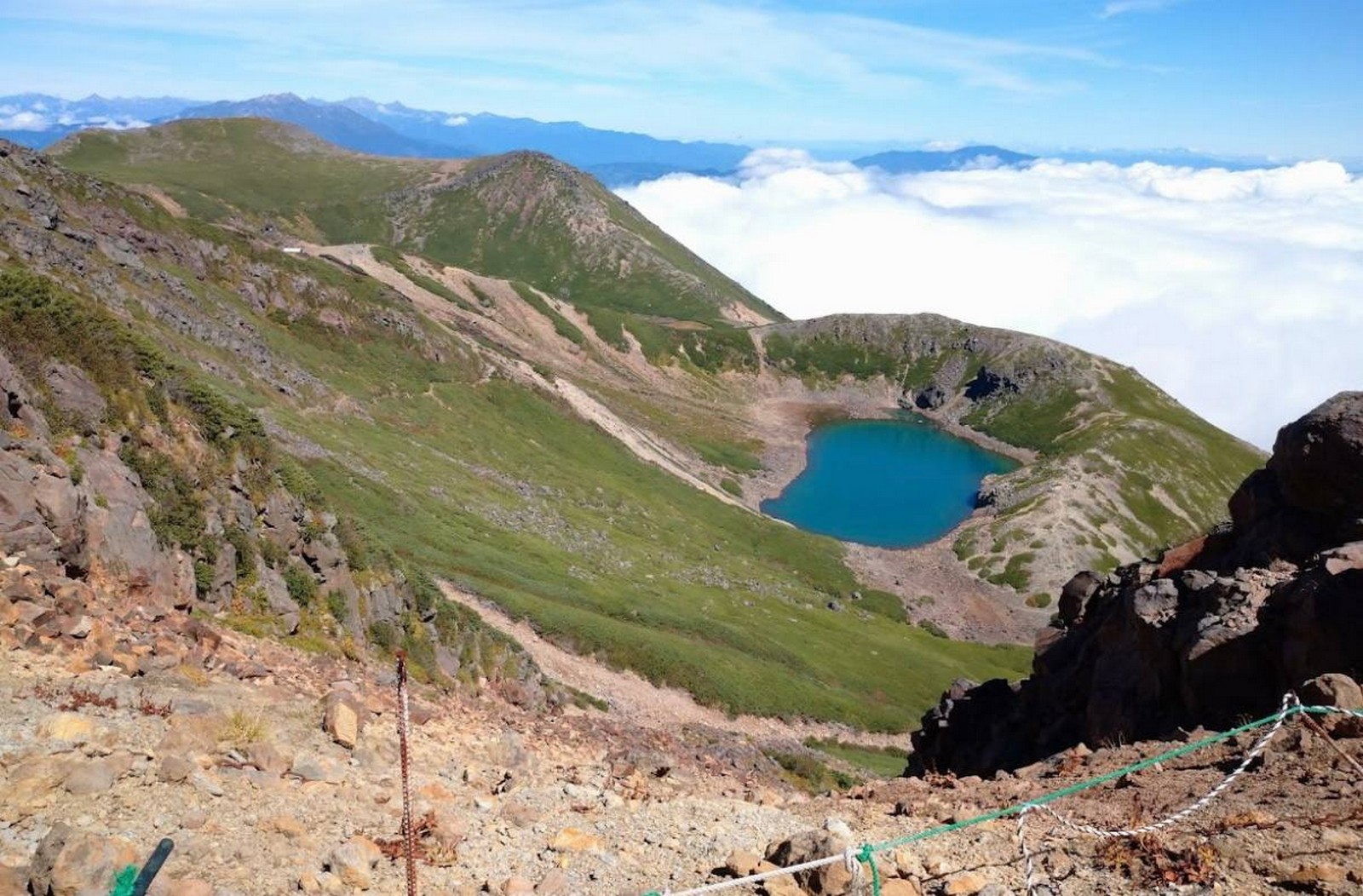
A crystal-blue crater lake hidden above the clouds — a breathtaking reward for the climb.
Japan Volcano Travel – Price Table
| Category | Description | Price |
| Budget Hotel (per couple) | Business-style hotels in cities near volcano areas such as Kagoshima, Fuji-Yoshida, Kumamoto, and Toyako. Small, simple rooms, usually without breakfast. | $60-$110 / night |
| Mid-Range Hotel (per couple) | 3★-4★ hotels near regions like Fuji-Hakone-Izu, Aso, Unzen, or central Kagoshima. Often include breakfast and larger rooms. | $120-$190 / night |
| Luxury Hotel / Ryokan (per couple) | 4★-5★ ryokan with hot springs, spacious rooms, and volcano views (Sakurajima, Fuji, Unzen). | $250-$500 / night |
| Holiday Apartment (family of 5) | Apartments with a full kitchen in areas such as Fuji-Yoshida, Kagoshima, or Kumamoto. | $140-$260 / night |
| Car Rental | Best for reaching remote craters and caldera areas; ideal for flexible family travel in regions like Aso, Unzen, Usu, and Fuji. | $55-$120 / day |
| Private Driver | A convenient option for long-distance routes between volcano sites and in-depth nature tours. | $280-$450 / day |
| Public Transport (per person) | Local buses, JR trains, and the 24/7 Sakurajima ferry. | $6-$20 / day |
| City-Center Parking | Parking in Kagoshima, Kumamoto, or Fuji-Yoshida. Lots usually fill after 11:00. | $6-$15 / day |
| Street Food / Lunch (per person) | Ramen, udon, steamed dishes, volcanic-steam cooking (Unzen), island salt (Aogashima), and Fuji-area soups. | $7-$15 |
| Entry to Main Attractions | Mostly free natural sites. Paid museums, tours, ferry rides, and the Fuji ecological fee. | $0-$20 |
Popular Questions
- Is it safe to visit active volcanoes like Sakurajima with children?
Yes. Viewing areas on Sakurajima are designated safe zones. Some roads may close during higher alert levels, but official platforms remain accessible and suitable for families. - What is the best time of day to see Mount Fuji clearly?
Morning. Fuji often becomes covered by clouds later in the day. Early arrival offers the highest chance of clear visibility; the mountain can disappear within minutes. - Can families reach Mount Aso’s crater by car?
Yes, although access to the Nakadake crater depends on the volcanic alert level. Restrictions are applied during Level 2-3 for safety. - Is Aogashima suitable for a day trip?
No. Access depends heavily on sea conditions, and the island has minimal infrastructure. Staying at least one night is recommended. - Are there age limitations for climbing Mount Fuji?
There is no strict age limit, but the ascent is demanding. Many families stop due to cold, wind, or altitude symptoms. The 5th Station is an excellent alternative for children. - How much time should we plan for Sakurajima?
A half-day is usually enough to visit several viewpoints and enjoy the ferry ride. The volcano is active, so short ash showers may occur. Bring a scarf or light mask. - Is the weather at Fuji and Aso really colder than expected?
Yes. Both regions can feel very cold even in warm seasons. Strong winds are common, so windproof clothing is essential. - How remote is Aogashima?
Very remote. It is the most isolated inhabited island in the Izu archipelago, home to about 200 residents and a small harbor that closes during rough seas. - Do volcano areas have food and rest stops?
Yes. Fuji has huts, toilets, drinks, and simple meals. Sakurajima and Aso have visitor centers. Aogashima offers only very limited services. - Can we take good photos without hiking long distances?
Absolutely. Fuji’s 5th Station, Aso’s viewpoints, and Sakurajima’s platforms offer excellent panoramic views accessible even with children.
What we propose Emma Heidi Take all the stress out of planning your trip! With our experts, you can create the perfect itinerary for you – complete, comfortable, and tailored to all your dreams, wishes, and needs. We take care of every little detail, so you can simply focus on enjoying your journey. We’ve been designing personalized itineraries since 2015, and over the years we’ve created thousands of custom itineraries for happy clients. Save time, avoid confusion – we do the work for you. Our service saves you weeks of searching, reading, comparing, and complicated planning. Instead of wasting endless hours – you receive a ready-to-use, accurate and clear itinerary. A tailor-made itinerary – built just for you. Your itinerary is personally designed based on our experts’ real field experience and genuine feedback from hundreds of travelers – including hidden discoveries and insider tips that don’t appear in any travel guide. Smart accommodation selection – often saves you hundreds or even thousands of dollars. We help you choose verified and recommended places to stay, checking availability for your exact travel dates. Sometimes we suggest hotels not “in the center,” but in safe, convenient, and highly strategic locations – which can significantly reduce travel costs and save you even thousands of dollars. We’re by your side even during the trip. We stay with you throughout your vacation – providing professional help whenever needed. If the weather changes, there’s a strike, a local event, heavy crowds, or any unexpected situation – we are here to update, guide, and adjust your itinerary in real time. Easy-to-use itinerary – with direct navigation links. Your itinerary includes direct Waze / Google Maps links – no need to search for parking addresses, no stress, no mistakes. Just tap – and go. Want to know if it’s really worth it? Take a look at the experiences of travelers who built their personal itinerary with us. Click here and let’s start building the itinerary that will save you time, money, and stress – and turn your vacation into perfection. Of course, your first inquiry is completely free – with no commitment whatsoever. How it works
Customer Experience Manager


Service cost: from only $420. (Special price for short itineraries up to 5 days). Clients tell us the itinerary saves them costly mistakes, fines, wrong choices – plus exclusive discounts on car rentals, better-priced accommodations, and money-saving local tips.


Latest articles
Natural History Museum Vienna

Natural History Museum Vienna (Natural History Museum Vienna) is one […]
Kaprun Dam (Hochgebirgsstauseen)
Kaprun Dam (Kaprun Hochgebirgsstauseen) is a high-altitude reservoir complex set […]