My love for Japan began the moment I arrived in Tokyo. The country amazed me with its harmony of ancient traditions, cutting-edge technology, breathtaking nature, and a culture unlike any other. Since then, Japan has become a part of my life, and I return there again and again. Today I help travelers discover the real Japan: I create personalized itineraries, give lectures, and prepare guests for their unforgettable journey. I would be delighted to open Japan for you too!


Nagano
Nestled in the center of Honshu, Japan’s main island, Nagano Prefecture welcomes visitors with a captivating blend of outdoor adventures, natural splendor, and rich cultural heritage. This mountainous region, made famous by the 1998 Winter Olympics, boasts some of Japan’s finest ski resorts, awe-inspiring temples, therapeutic hot springs, and diverse wildlife. This guide unveils the secrets of exploring the region like someone who truly knows its hidden corners.
Getting to Nagano
The Shinkansen (bullet train) offers the smoothest journey to Nagano from Tokyo. This high-speed marvel whisks travelers away in roughly ninety minutes, making it perfect for a day trip or as the starting point for a longer adventure through the Japanese Alps.
Foreign visitors often find the Japan Rail Pass to be remarkably cost-effective for traveling between cities across Japan. This pass grants unlimited access to JR lines, including the Shinkansen, for fixed periods of 7, 14, or 21 days.
Upon arrival in Nagano, the central station serves as a transportation hub with buses and trains connecting to various attractions throughout the prefecture. Helpful staff at information counters provide English-language maps and travel itineraries.
Must-See Attractions
Zenkoji Temple
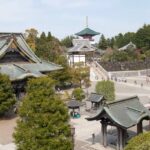
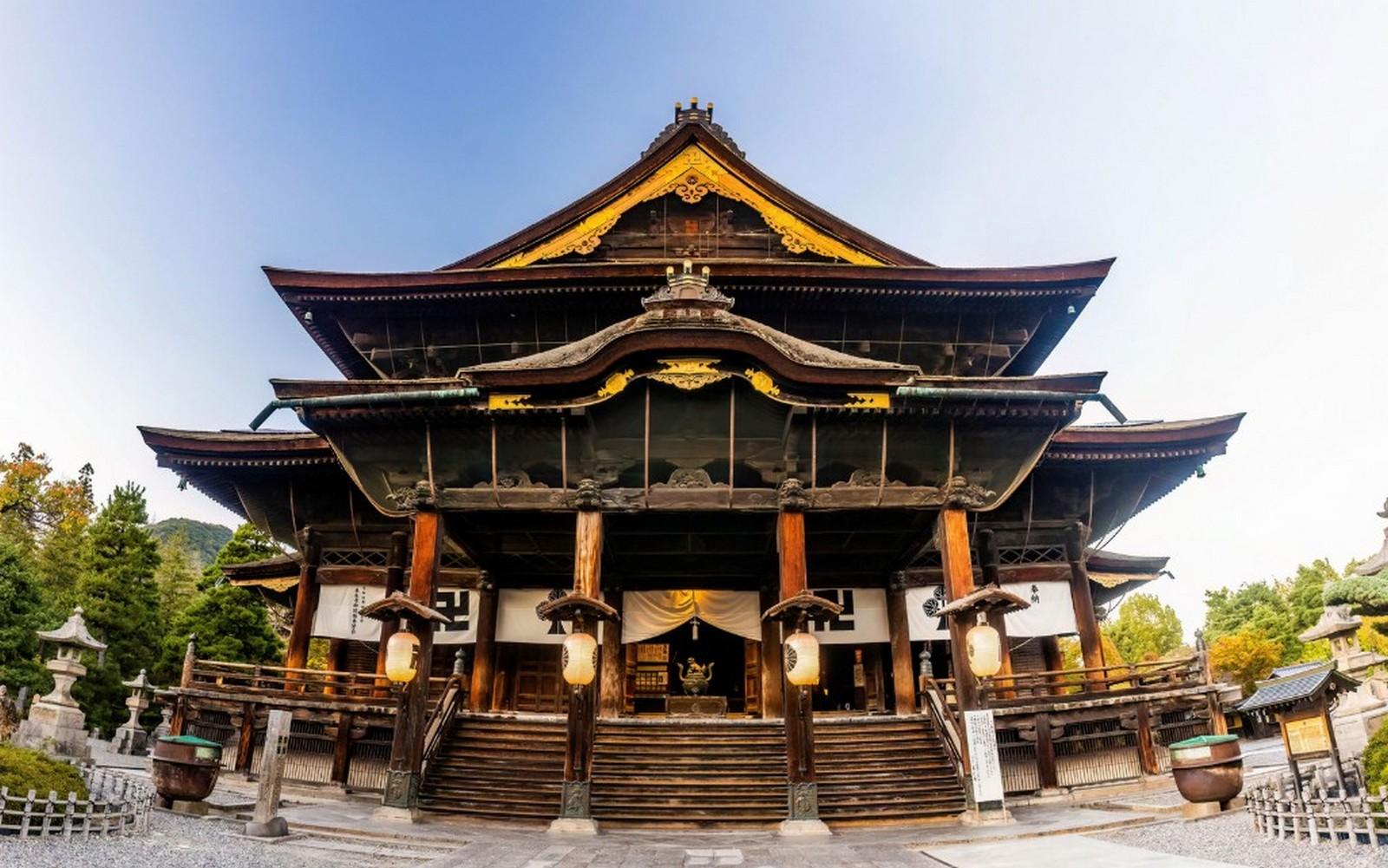
Zenkoji Temple stands as one of Japan’s most significant Buddhist temples and forms the spiritual heart of Nagano City. While the original Buddhist statue brought to Japan in 654 CE remains hidden from public view, a replica appears during special ceremonies held every six years.
The temple grounds feature several remarkable structures, including the main hall with its inner sanctuary where visitors can approach the central altar. An unforgettable experience awaits those who navigate the pitch-dark corridor beneath the main hall, searching for a key said to bestow salvation and enlightenment upon those who touch it.
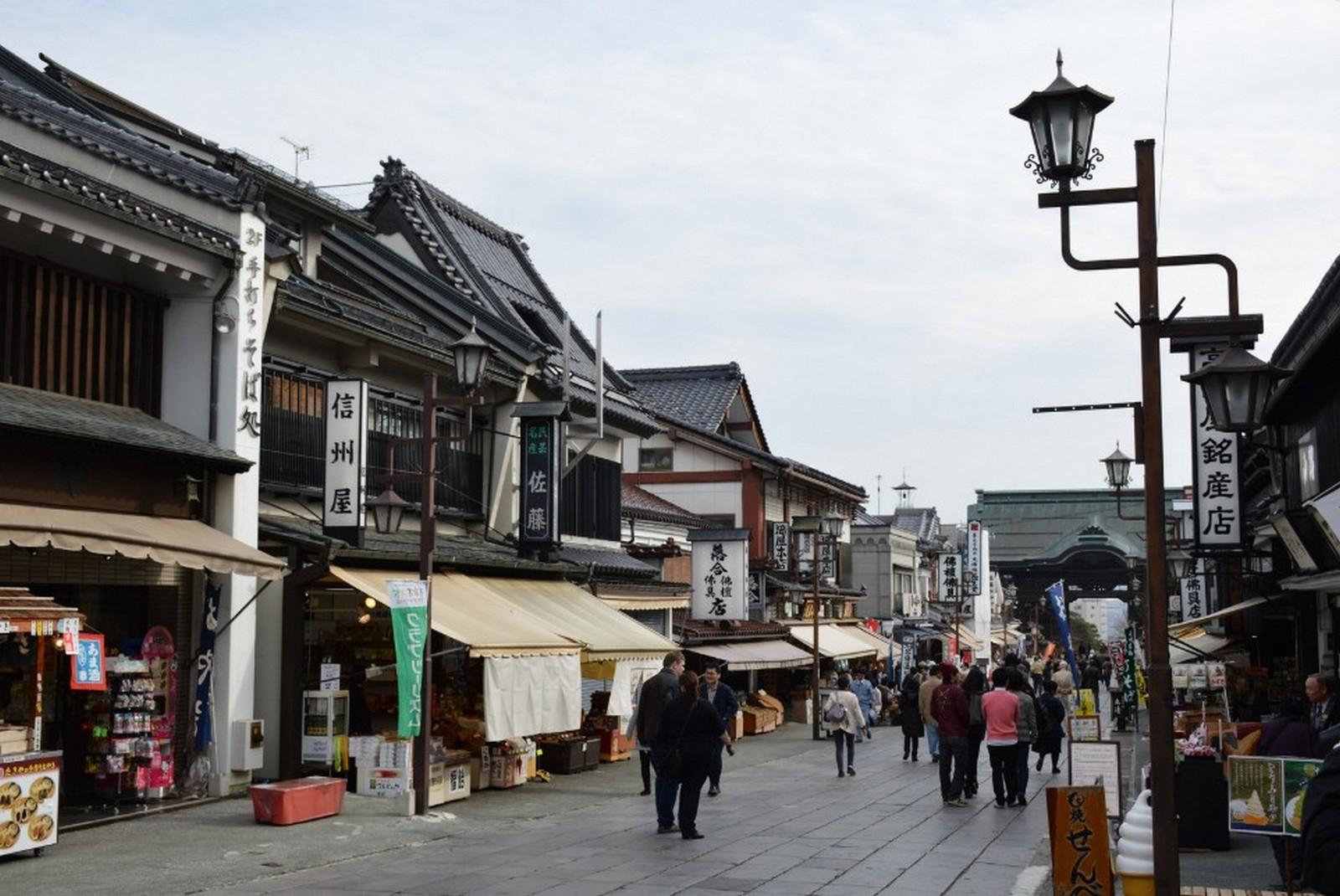
The approach road, known as Nakamise Street, buzzes with charming cafes and souvenir shops where visitors can savor local delicacies and purchase traditional crafts.
Insider Advice: Early morning visits around 7:00 AM allow participation in the morning prayer ceremony without crowds. The temple welcomes visitors from 6:00 AM until 4:30 PM, with entrance to the inner sanctuary costing a modest 500 yen.
Click here to learn more about creating a personal itineraryJigokudani Snow Monkey Park
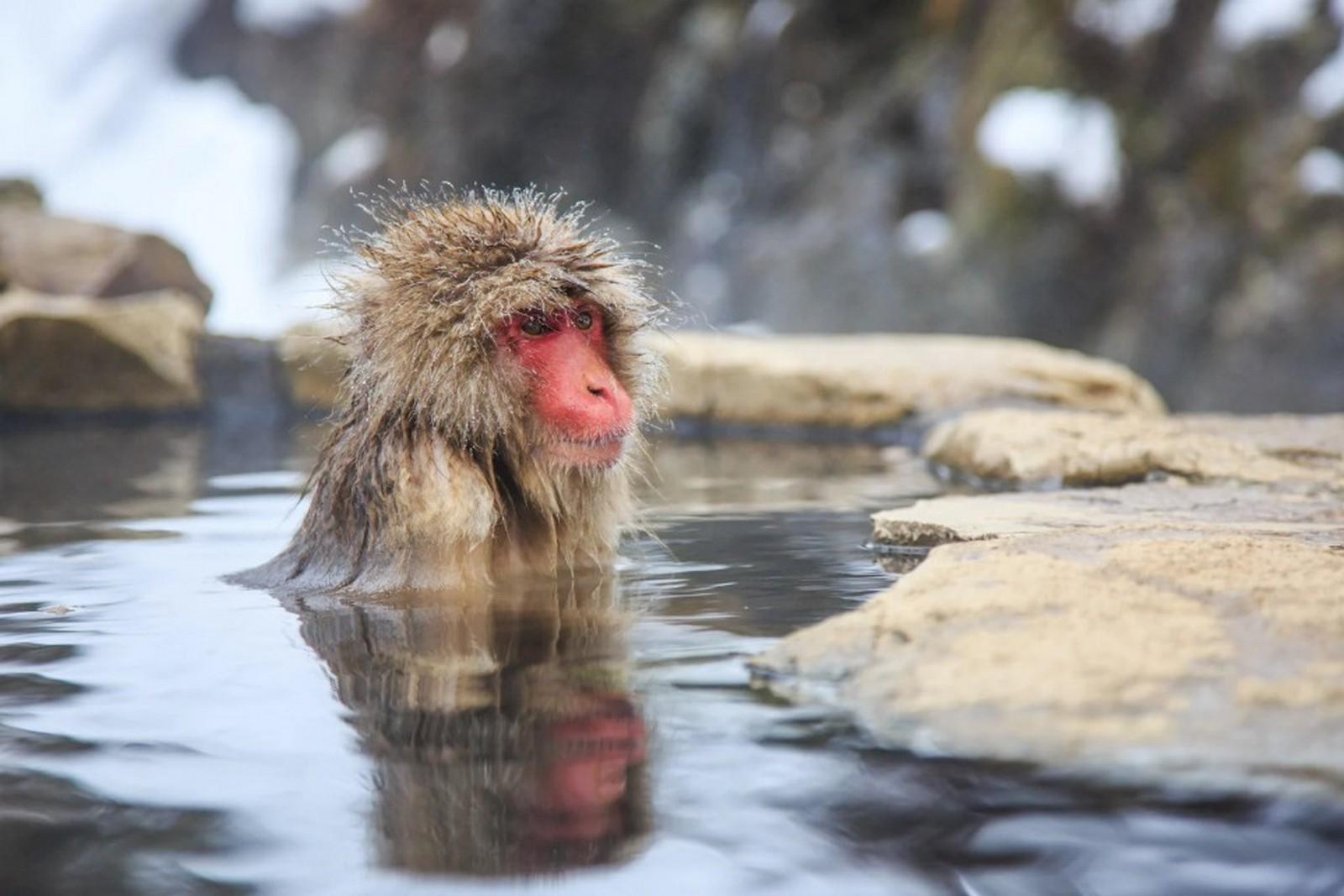
Perhaps Nagano’s most iconic attraction, Jigokudani Snow Monkey Park showcases Japanese macaques (snow monkeys) bathing in natural hot springs. These remarkable creatures captured worldwide attention when observers noticed them mimicking human behavior by soaking in hot springs to combat winter’s chill.
Visitors should understand that despite its name, the Snow Monkey Park isn’t a zoo. These fascinating primates roam freely, coming and going as they please from their mountain homes to occasionally enjoy the warmth of the onsen (hot springs).
Winter months (December through March) offer the best opportunity to witness the monkeys bathing when snow blankets the area and dropping temperatures drive them to seek warmth in the steaming waters. However, the park remains open year-round with monkeys visible throughout all seasons.
Getting There: The Nagaden Express Bus runs from Nagano Station to the Snow Monkey Park bus stop (45 minutes, 1,500 yen one-way), followed by a scenic 30-40 minute forest hike to the park entrance. Winter gear rentals are available at the information center located at the trailhead.
Insider Advice: The Snow Monkey Pass (3,500 yen) represents excellent value, providing two days of unlimited travel on Nagaden transportation plus free park entry—saving approximately 1,000 yen compared to individual tickets.
Shiga Kogen Ski Resorts
Shiga Kogen reigns as Japan’s largest integrated ski area and hosted several events during Nagano’s 1998 Winter Olympics. This massive winter playground encompasses 18 interconnected resorts with diverse terrain suitable for everyone from novices to expert riders.
Accommodation options abound with over 100 hotels offering both Japanese and Western-style rooms to match any preference or budget. The ski season typically stretches from mid-November through early May, with free shuttle buses circulating between resorts during this period. Regular bus services also connect to Yudanaka and Nagano stations, ensuring accessibility even without personal transportation.
Insider Advice: Budget-conscious skiers should consider multi-day lift passes (5+ days) for substantial savings. Weekday visits typically mean fewer crowds and sometimes special pricing. Groups with mixed ability levels will appreciate the Prince Hotel area’s varied terrain.

Onsen Towns
Nagano has earned fame for its numerous onsen towns—natural hot spring resorts like Yudanaka. Traditional Japanese inns called ryokan offer the quintessential way to experience these therapeutic waters. A night or two in a ryokan provides an unforgettable cultural immersion during any Japanese journey.
These havens of tranquility feature tatami-matted floors, communal bathing areas, and comfortable futon beds—perfect for experiencing authentic Japanese traditions while unwinding in serene surroundings. Meals typically showcase exquisite local cuisine served with artistic presentation.
Soaking in Japanese onsen waters provides both relaxation and health benefits, though understanding basic etiquette ensures a comfortable experience. Many ryokans now offer private bath options for couples or groups preferring to bathe together.
Insider Advice: For an authentic experience, Shibu Onsen provides guests with a key to access all nine public hot spring baths—tradition holds that bathing in all nine brings good fortune. Ryokan prices typically range from 15,000 to 40,000 yen per person nightly, inclusive of dinner and breakfast.
Olympic Venues
Visitors can explore several fascinating Olympic facilities from the 1998 Winter Games, including the impressive M-Wave (Nagano Olympic Memorial Arena). This multi-purpose venue once hosted thrilling speed skating competitions and now houses an Olympic museum.
The museum displays treasured memorabilia including the Olympic torch, medals, and uniforms. Visitors can also view the actual speed skating rink still used for training and competitions today.
Insider Advice: Check training schedules before visiting—there’s often an opportunity to watch professional speed skaters practicing their craft. The facility welcomes visitors from 9:00 AM to 5:00 PM for a modest 500 yen entrance fee.
Click here to create a personal itinerary for JapanTogakushi Shrine and Ninja Village
Northwest of Nagano City, Togakushi harbors several important Shinto shrines connected by scenic hiking trails through ancient cedar forests. Some of these majestic trees have stood watch for over 700 years, creating an almost mystical atmosphere as visitors walk between sacred sites.
Nearby, the Togakushi Ninja Museum and Ninja Village offers fascinating insights into these legendary warriors. The “ninja trick house” lets visitors test their agility through a maze of hidden passages and secret doors. A shuriken (ninja star) throwing range provides hands-on experience with traditional ninja weaponry.
Families particularly enjoy the “Chiko Ninja Mura” (Children’s Ninja Village) where youngsters can dress in ninja attire, learn basic ninja techniques, and participate in age-appropriate challenges.
Getting There: The Highland Shuttle bus departs from Nagano Station (50 minutes, 1,300 yen one-way) with several daily departures, increasing during summer and autumn months.
Insider Advice: Enhance your visit with lunch at a local soba restaurant—Togakushi is renowned for its handcrafted buckwheat noodles, considered among Japan’s finest. Most eateries offer set meals ranging from 1,200 to 2,000 yen.
Matsumoto Castle
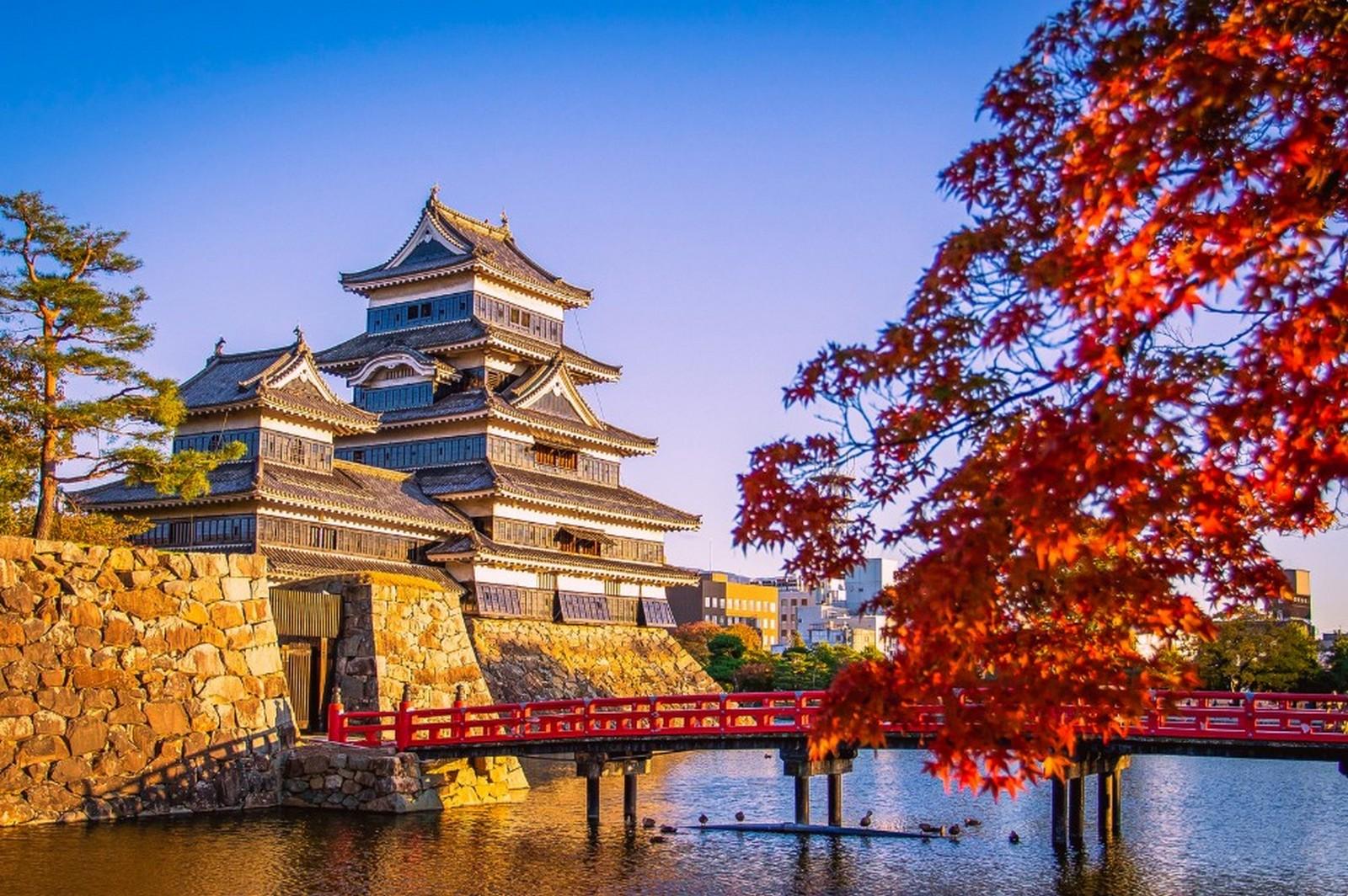
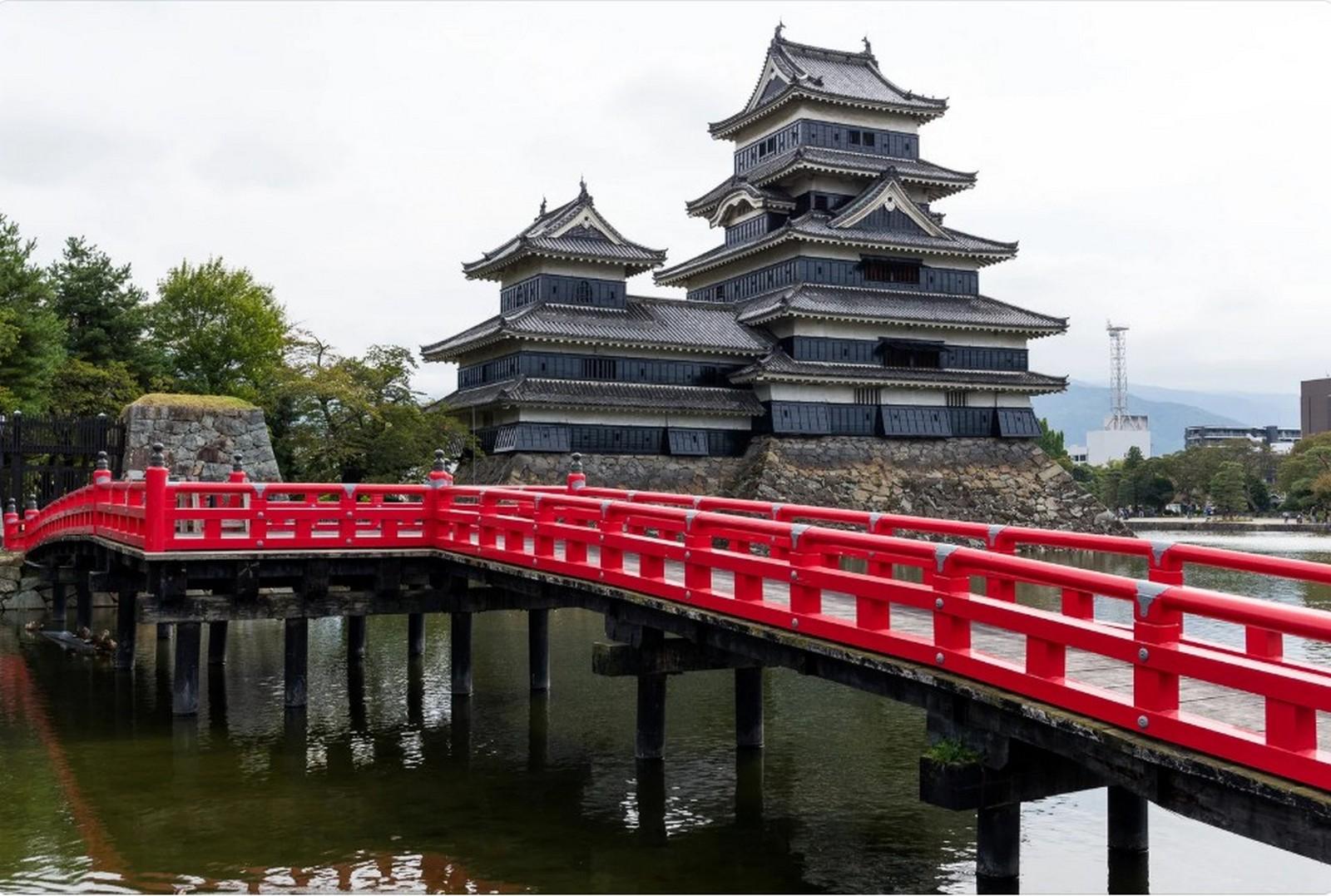
Just 31 miles from Nagano stands Matsumoto Castle, one of Japan’s finest historic fortresses and a designated national treasure. Its striking black exterior and original stone foundation captivate photographers and history enthusiasts alike.
For a small entrance fee, visitors can explore the castle’s interior and marvel at the ingenious feudal-era architecture and strategic design elements. The surrounding park, particularly enchanting during cherry blossom season, offers spectacular views of the castle against the backdrop of the majestic Japanese Alps.
Getting There: From Nagano Station, the JR Shinonoi Line reaches Matsumoto Station in about 50 minutes (1,170 yen one-way). A pleasant 15-minute walk connects the station to the castle.
Insider Advice: Photography enthusiasts should visit during cherry blossom season (early to mid-April) or check the calendar for night illuminations that occur periodically throughout the year.
Natural Wonders
Kamikochi Alpine Valley
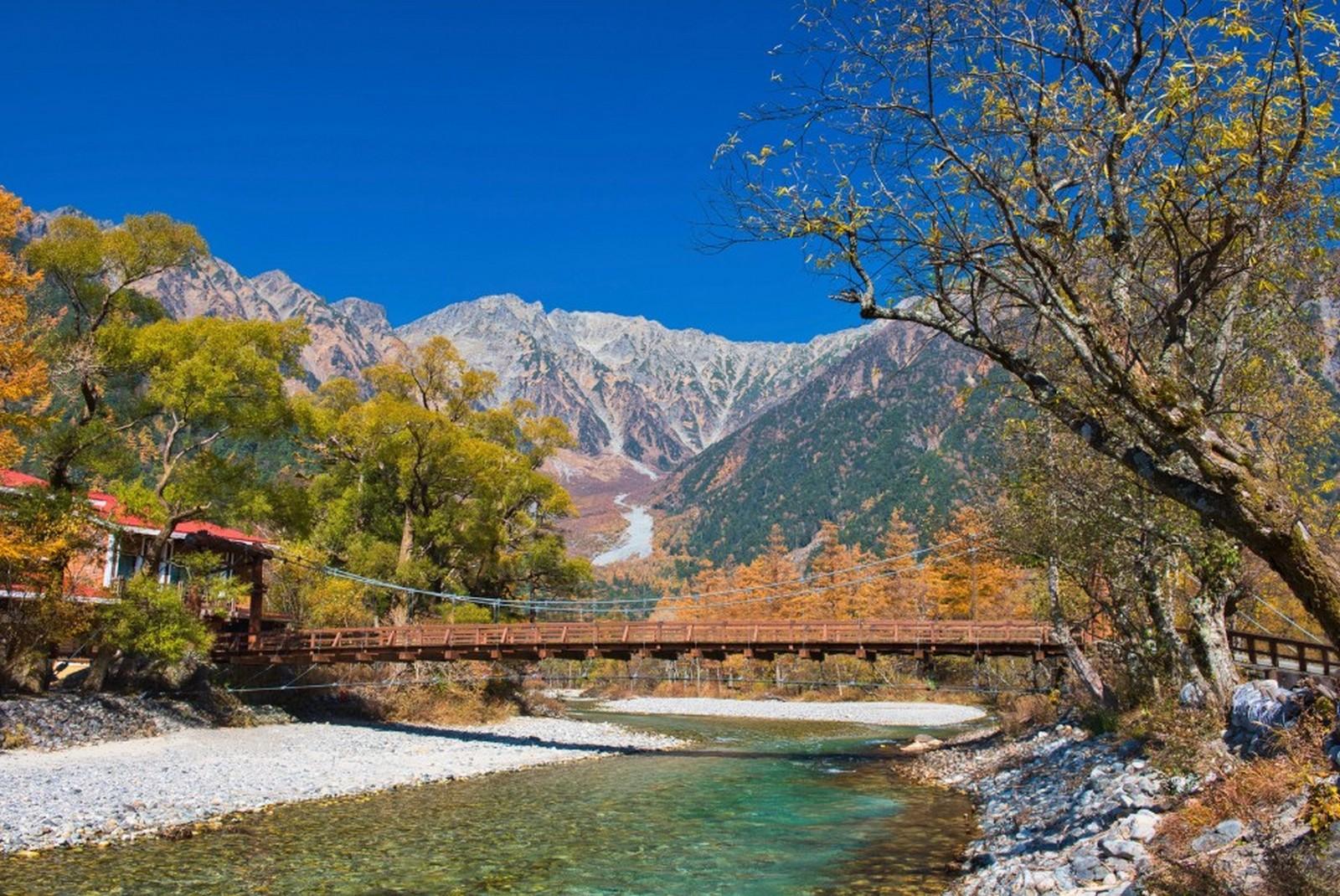
Kamikochi, a breathtaking alpine valley within Chubu Sangaku National Park, leaves visitors spellbound with its pristine landscapes. Open from April through November, this natural paradise features the iconic Kappabashi Bridge, offering stunning views of surrounding peaks including the towering 10,000-foot Mt. Hotaka.
Another gem awaiting discovery is Taisho Pond, which mirrors the majestic Alps like a flawless looking glass. Nature enthusiasts flock here for scenic hiking trails, diverse wildlife, and spectacular autumn colors from late September through October.
Getting There: From Matsumoto, take a train to Shin-Shimashima Station (30 minutes), then continue by bus to Kamikochi (60 minutes). The complete journey costs approximately 2,450 yen one-way.
Insider Advice: Private vehicles aren’t permitted in Kamikochi to preserve the natural environment. Early arrivals (before 9:00 AM) help avoid crowds, especially during autumn foliage season.
Since 2015, our website has specialized in individual planning of unique routes, taking into account personal preferences and desires. Each of you will receive a unique PDF file from us, which contains everything you need: travel routes, car rentals, hotels, the best tourist attractions, attractions for kids and everything you need for a perfect vacation. During the trip, we are available for you by phone via WhatsApp. Our personal service provides information from A to Z, taking into account many small details that can become a decisive factor on the way from a wasted trip to an unforgettable vacation. Our service will make your trip comfortable, save a lot of time on planning and preparation, and most importantly – will allow you to become freer and fully enjoy the pleasure of the trip.
Sora Terrace and Aerial Tramway
For a truly breathtaking experience, board Japan’s largest aerial tramway in Yamanouchi. This massive gondola accommodates up to 166 passengers per trip, ascending to Sora Terrace at an impressive elevation of 6,000 feet.
The journey itself dazzles with panoramic views of alpine scenery. Upon reaching the summit, Sora Terrace’s observation deck reveals a magical spectacle—on clear days, a sea of clouds stretches below, creating an otherworldly landscape perfect for contemplation and photography.
The terrace also serves as a gateway to various hiking trails for further exploration of the mountain’s natural splendor.
Insider Advice: Check weather forecasts before visiting, as cloud cover can obscure views. Early morning visits offer the best chance to witness the mesmerizing “sea of clouds” phenomenon. Round-trip tickets cost 2,000 yen, with the first gondola departing at 8:30 AM.
Lake Aoki Firefly Cruises
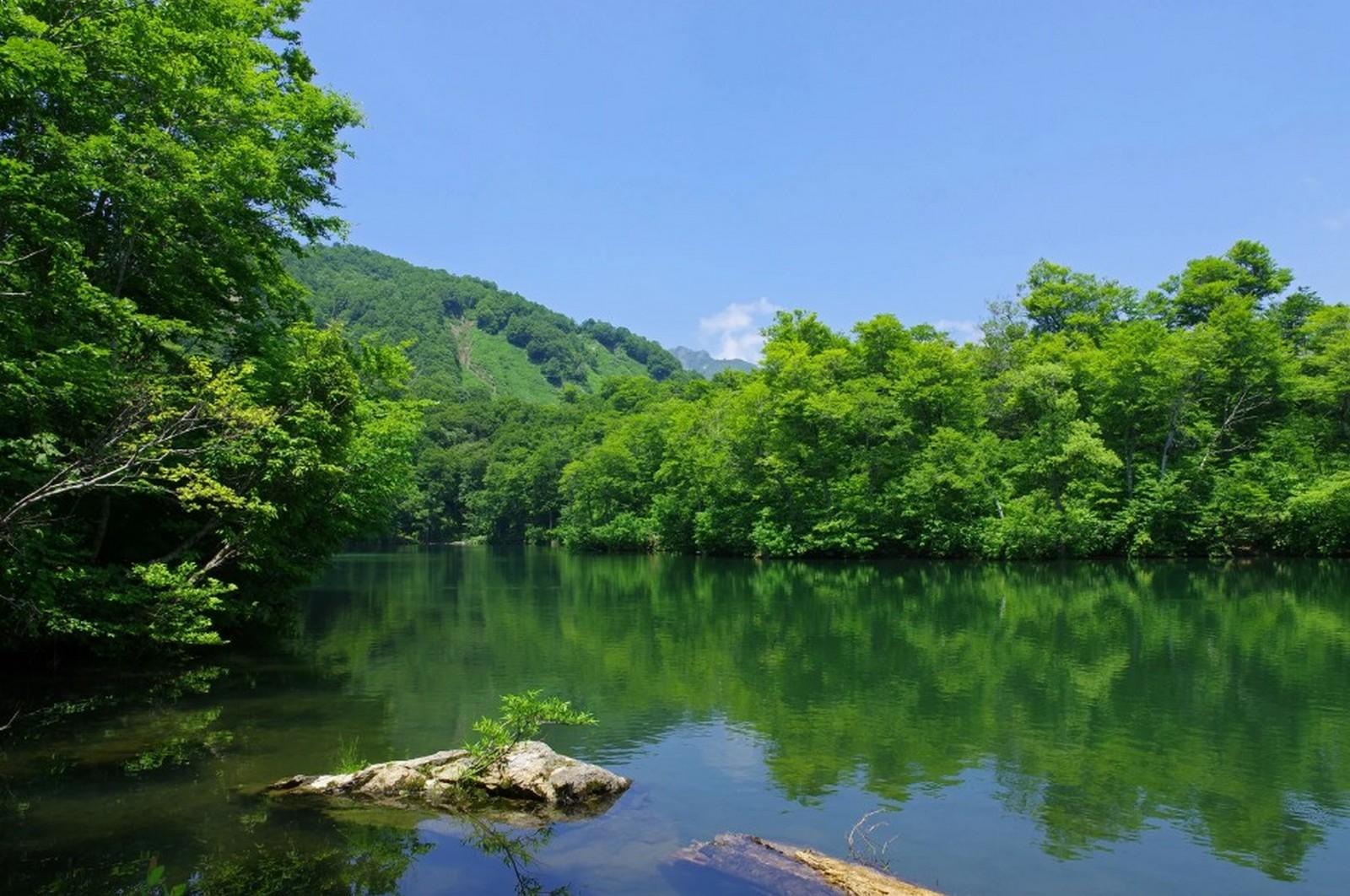
Experience nature’s magic on a Lake Aoki firefly-watching cruise. These enchanting nighttime excursions typically last about an hour, offering a serene journey across calm waters after sunset.
As darkness falls, twinkling fireflies illuminate the shoreline, creating a living light show that transforms the night into a vibrant spectacle. The crystal-clear waters of Lake Aoki attract numerous fireflies, making this experience truly mesmerizing.
Insider Advice: These popular cruises run seasonally (primarily June and July), so advance booking is essential. Tickets cost 3,000 yen per person, with departures at 7:30 PM and 8:30 PM during firefly season.
Cultural Experiences and Historic Sites
Daio Wasabi Farm
Near Matsumoto City in Azumino lies Daio Wasabi Farm, Japan’s largest wasabi-growing operation. Founded in 1915, this scenic agricultural wonder features expansive fields of the spicy green plant growing in crystal-clear flowing water.
Visitors can explore the farm free of charge, learning about wasabi cultivation while enjoying the picturesque setting. Culinary adventurers will delight in the farm’s unique offerings—the on-site shop features everything from wasabi ice cream to refreshing wasabi beer. Guests can even try grinding fresh wasabi for an authentic taste experience.
Insider Advice: Film buffs should note that the wooden water wheels featured in Akira Kurosawa’s film “Dreams” are located here. Weekday mornings offer the least crowded experience. Don’t miss the wasabi soft-serve ice cream (400 yen)—surprisingly delicious and less fiery than one might expect!
Summagoe Juku
Step into Japan’s feudal past at Summagoe Juku, a beautifully preserved historic village in the Kiso region. As the country’s first preserved Old Town, this living museum offers glimpses into Japan’s rich cultural heritage.
Wander streets lined with traditional architecture where local artisans demonstrate time-honored crafts and authentic cuisine tantalizes the taste buds. This commitment to preserving cultural traditions has earned the village Important Preservation District status.
Adventure seekers can enjoy a scenic six-mile walking trail connecting Summagoe Juku with Magome. This picturesque three-hour journey immerses travelers in the rural charm and natural beauty of traditional Japan.
Insider Advice: While many buildings serve as private residences, others welcome visitors as museums, shops, or restaurants. The Wakihonjin Museum, formerly lodging for samurai, provides fascinating historical context for 300 yen admission.
Click here to create a personal itinerary for JapanMatsushiro Underground Imperial Headquarters
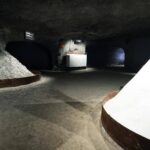
Uncover Nagano’s hidden military history at the Matsushiro Underground Imperial Headquarters. This extensive subterranean complex, constructed in 1944, extends an impressive six miles through three mountains: Mt. Zozan, Mt. Maizuru, and Mt. Minami.
The secret military fortress reached 80% completion before World War II ended, offering visitors rare insight into Japan’s wartime preparations. Explorers can navigate the intricate network of tunnels and chambers within this underground Imperial Command Center.
The nearby Matsushiro Untold History Memorial Center provides valuable context for understanding this monumental project.
Insider Advice: Weekday visits typically mean fewer crowds. Combination tickets covering both the tunnels and memorial center cost 700 yen. Even during summer months, the underground temperature remains cool, so bringing a light jacket is recommended.
Karuizawa Resort Town
Karuizawa Resort Town masterfully blends natural beauty with contemporary amenities. This elegant destination features the stunning Shiraito Falls and picturesque cascades that attract nature enthusiasts throughout the year.
Nearby attractions include the rejuvenating Nadesico Spa, the architecturally distinctive Stone Church of Karuizawa, and serene Kumoba Pond. Shopping enthusiasts will appreciate Karuizawa Prince Shopping Plaza with its diverse array of stores and restaurants.
The town’s convenient access via JR lines makes it ideal for both short visits and extended stays.
Insider Advice: Autumn brings spectacular foliage, while summer offers welcome relief from urban heat—Karuizawa typically runs about 10°C cooler than Tokyo. Foreign visitors can enjoy tax-free shopping at the outlet mall, with discounts ranging from 30-70% on major brands.
Local Cuisine
A journey through Nagano remains incomplete without sampling its distinctive regional specialties. The area particularly excels in soba (buckwheat noodles), offering a hearty taste of local culinary traditions.
Soba Noodles
Nagano’s soba noodles enjoy nationwide fame, especially those from Togakushi, where high altitude and pristine water create ideal conditions for buckwheat cultivation. Traditional establishments typically prepare their noodles by hand daily. These can be enjoyed cold with dipping sauce or hot in flavorful broth.
Insider Advice: Look for restaurants displaying “handmade soba” (手打ちそば) signs for the most authentic experience. Set meals typically range from 800-1,500 yen.
Oyaki
Oyaki, traditional dumplings crafted from buckwheat flour, provide a satisfying taste of Nagano’s culinary heritage. These savory treats come filled with various ingredients from seasonal vegetables to sweet bean paste, offering a delightful range of flavors.
Insider Advice: Small family-run shops often produce the most delicious oyaki, surpassing those found in tourist-oriented restaurants. The pumpkin (kabocha) filling ranks as a local favorite. Expect to pay approximately 200-300 yen per piece.
Click here to learn more about creating a personal itinerarySasa Zushi
For a truly distinctive culinary experience, try sasa zushi, also known as bamboo leaf sushi. This regional specialty features sushi rice wrapped in aromatic bamboo leaves that impart subtle earthy flavors while acting as natural preservatives. This makes sasa zushi particularly popular for picnics amid Nagano’s scenic landscapes.
Insider Advice: Some shops vacuum-pack sasa zushi for travelers, creating an excellent souvenir that remains fresh for several days. Prices typically range from 800 to 1,200 yen per set.
Local Sake and Amazake
Nagano Prefecture houses numerous sake breweries producing exceptional rice wine. Many offer tours and tastings, providing fascinating insights into traditional brewing methods. Amazake, a sweet non-alcoholic beverage made from fermented rice, also merits trying while in the region.
Insider Advice: Yoshino Sake Brewery in Nagano City offers an English-friendly tasting experience. Their sweet amazake earns particular praise and makes for a unique souvenir.
Practical Advice
Best Time to Visit
Nagano offers distinct experiences across seasons:
- Winter (December-March): Prime time for skiing, snowboarding, and watching snow monkeys bathe in hot springs. Heavy snowfall may limit access to certain mountain areas.
- Spring (April-May): Enjoy beautiful cherry blossoms with smaller crowds as mountain trails begin reopening.
- Summer (June-August): Ideal for hiking, though humidity can increase. The highlands provide welcome relief from heat prevalent in other Japanese cities.
- Autumn (September-November): Spectacular fall foliage transforms the region into a photographer’s paradise. Popular sites can become crowded during peak autumn colors.
Accommodation Recommendations
- Budget: Guest houses near Nagano Station offer dormitory beds starting at 2,500 yen nightly.
- Mid-range: Business hotels in Nagano City range between 6,000 and 12,000 yen per night.
- Traditional experience: Ryokans in onsen towns cost between 15,000 and 40,000 yen per person, typically including dinner and breakfast.
- Luxury: High-end ski resorts and hot spring hotels start from 30,000 yen nightly.
- Advance booking becomes essential during ski season (December-March) and autumn foliage season (October-November).
What to Pack
- Winter Visitors: Thermal underwear, waterproof boots, heavy coat, gloves, hat, scarf.
- Summer Hikers: Lightweight, quick-dry clothing, rain gear, sturdy shoes, hat.
- Onsen Visitors: Small towel (while many ryokans provide larger bath towels, having a personal small washcloth proves useful).
- Year-Round Essentials: Comfortable walking shoes, portable charger, cash (many rural areas have limited credit card acceptance).
Transportation Tips
The “Wide Nagano Free Pass” offers excellent value for visiting multiple attractions around Nagano City; the 2-day pass costs 2,600 yen.
Ski enthusiasts should consider the “Shiga Kogen Shuttle Pass” for unlimited transportation between resorts at 1,300 yen daily.
While taxis can be expensive, they provide convenient access to destinations with infrequent bus service.
Car rentals make sense when visiting remote areas, though winter driving requires experience with snow conditions.
Nagano beautifully blends traditional Japanese culture, natural splendor, and outdoor activities. Whether seeking spiritual renewal at ancient temples, relaxation in therapeutic hot springs, or excitement on world-class ski slopes, this mountainous prefecture delivers unforgettable experiences showcasing Japan’s diversity beyond its major urban centers.
With thoughtful planning and these insider suggestions, travelers can navigate Nagano like knowledgeable locals, discovering both famous attractions and hidden treasures throughout this alpine wonderland.
What we propose Emma Heidi Take all the stress out of planning your trip! With our experts, you can create the perfect itinerary for you – complete, comfortable, and tailored to all your dreams, wishes, and needs. We take care of every little detail, so you can simply focus on enjoying your journey. We’ve been designing personalized itineraries since 2015, and over the years we’ve created thousands of custom itineraries for happy clients. Save time, avoid confusion – we do the work for you. Our service saves you weeks of searching, reading, comparing, and complicated planning. Instead of wasting endless hours – you receive a ready-to-use, accurate and clear itinerary. A tailor-made itinerary – built just for you. Your itinerary is personally designed based on our experts’ real field experience and genuine feedback from hundreds of travelers – including hidden discoveries and insider tips that don’t appear in any travel guide. Smart accommodation selection – often saves you hundreds or even thousands of dollars. We help you choose verified and recommended places to stay, checking availability for your exact travel dates. Sometimes we suggest hotels not “in the center,” but in safe, convenient, and highly strategic locations – which can significantly reduce travel costs and save you even thousands of dollars. We’re by your side even during the trip. We stay with you throughout your vacation – providing professional help whenever needed. If the weather changes, there’s a strike, a local event, heavy crowds, or any unexpected situation – we are here to update, guide, and adjust your itinerary in real time. Easy-to-use itinerary – with direct navigation links. Your itinerary includes direct Waze / Google Maps links – no need to search for parking addresses, no stress, no mistakes. Just tap – and go. Want to know if it’s really worth it? Take a look at the experiences of travelers who built their personal itinerary with us. Click here and let’s start building the itinerary that will save you time, money, and stress – and turn your vacation into perfection. Of course, your first inquiry is completely free – with no commitment whatsoever. How it works
Customer Experience Manager


Service cost: from only $420. (Special price for short itineraries up to 5 days). Clients tell us the itinerary saves them costly mistakes, fines, wrong choices – plus exclusive discounts on car rentals, better-priced accommodations, and money-saving local tips.


Latest articles