My love for Japan began the moment I arrived in Tokyo. The country amazed me with its harmony of ancient traditions, cutting-edge technology, breathtaking nature, and a culture unlike any other. Since then, Japan has become a part of my life, and I return there again and again. Today I help travelers discover the real Japan: I create personalized itineraries, give lectures, and prepare guests for their unforgettable journey. I would be delighted to open Japan for you too!
Tohoku
Tohoku, tucked away in the northeast of Honshu, is where Japan’s pace naturally slows down. It’s a region defined by wide-open landscapes, deep-rooted traditions, and a wonderful sense of space that’s becoming harder to find near the big cities. Here, the scenery is in a constant state of flux: dramatic volcanic peaks tower over quiet valleys, pristine lakes mirror the surrounding forests, and the raw beauty of the Pacific coastline adds a touch of rugged charm.
This diversity makes Tohoku a dream for travelers seeking balance. You can drift between nature, cozy small towns, and historic sights without ever feeling rushed or lost in a crowd. Even the travel days are a highlight, with sweeping views transforming every journey into a memorable part of the experience. It’s the perfect destination for those who appreciate a unique atmosphere just as much as famous landmarks.
How Can You Get Around Tohoku: Trains, Buses, and Scenic Routes?
The backbone of travel in Tohoku is the Shinkansen, whisking you from Tokyo to the region’s main cities at speeds of up to 320 km/h. It’s fast, incredibly reliable, and takes the stress out of covering long distances. Most travelers use these high-speed lines to reach their base, then switch to a slower gear to explore the local gems.
Once you reach the main hubs, local buses become your best friends for reaching alpine lakes, hot spring retreats, and mountain trails. From Tazawako Station, for instance, convenient bus routes link you to Nyuto Onsen, Mount Akita-Komagatake, and the Hachimantai plateau. A quick heads-up: bus timetables often change with the seasons. Many services operate specifically from June 1 to October 31, with frequent departures in peak summer and more limited schedules during the shoulder seasons.
In cities like Sendai, navigating transport is a breeze. A Sendai Subway 1-day pass costs 840 JPY on weekdays and drops to 620 JPY on weekends and holidays. If you’re staying near Sendai Station, you can also take advantage of the 210 JPY flat fare for the central zone. For your nature excursions, keep an eye on individual fares—the bus from Tazawako Station to Nyuto Onsen, for example, is 950 JPY.
In the more popular sightseeing spots, lake cruises and mountain ropeways add a lovely touch to the journey. They help you skip the long uphill walks and reach the best viewpoints quickly, offering a refreshing break from trains and buses.
Click here to learn more about creating a personal itinerary
Tip from the Itinerary Expert: Always build your Tohoku day trips around the bus schedules first. If a route is seasonal or runs infrequently, make sure to secure your return connection before you start exploring, and keep a nearby alternative stop in mind just in case your plans shift.

When is the best time to experience Tohoku?
Winter in Tohoku is cold, crisp, and incredibly atmospheric. Think snow-dusted towns, the warm glow of lantern festivals, and long, cozy evenings soaking in steaming hot springs. In Akita Prefecture, winter comes alive with traditional celebrations featuring snow huts and ritual events that offer a rare glimpse into authentic local life. It’s the ultimate time to embrace the region’s quiet, northern soul.
Autumn is arguably the most spectacular season, as the mountain valleys and river gorges burst into vivid shades of red and gold. Keep in mind that peak colors often arrive later here—sometimes reaching their height toward late November, especially in warmer years. Because the timing can be a bit unpredictable, it’s best to plan with a flexible window if catching the foliage is your top priority.
Spring and summer are when Tohoku’s outdoor adventures really shine. These months are perfect for hiking, exploring alpine routes, and visiting national parks, with lush green highlands and crystal-clear lakes providing the backdrop. It’s the season for mixing gentle walks with scenic ropeway rides, creating a rhythm that is active yet unhurried. If you prefer fresh mountain air and vibrant scenery over winter festivals, you’ll find the widest variety of routes available during this time.

Since 2015, our website has specialized in individual planning of unique routes, taking into account personal preferences and desires.
Each of you will receive a unique PDF file from us, which contains everything you need: travel routes, car rentals, hotels, the best tourist attractions, attractions for kids and everything you need for a perfect vacation.
During the trip, we are available for you by phone via WhatsApp.
Our personal service provides information from A to Z, taking into account many small details that can become a decisive factor on the way from a wasted trip to an unforgettable vacation.
Our service will make your trip comfortable, save a lot of time on planning and preparation, and most importantly – will allow you to become freer and fully enjoy the pleasure of the trip.
Tip from the Itinerary Expert: Choose your season based on your travel style. Autumn is ideal for slow, scenic days with light walks, while spring and summer are better suited for those who want more hiking and outdoor variety. Just remember that many mountain and onsen bus routes only operate on warm-season schedules.
What Are the Top Attractions to See in Tohoku?
Tohoku isn’t defined by just one must-see landmark; rather, it’s a beautiful sequence of landscapes that unfold as you journey through the region. From the stillness of its deep lakes and forested peaks to the dramatic edges of the coastline, every stop encourages a slower, more mindful pace. With a bit of smart planning around the regional rail hubs and seasonal buses, even a shorter trip can feel incredibly rich and varied.
The highlights below capture the true essence of Tohoku’s spirit. Each location has its own distinct personality-some are quiet and reflective, while others offer a more rugged or active experience-ensuring your journey feels diverse without ever being overwhelming.
Lake Tazawa
As the deepest lake in Japan, Lake Tazawa is famous for its striking sapphire waters and a serene mountain backdrop. The shoreline feels wonderfully spacious and unhurried, making it the perfect spot for a slow lakeside walk or a few moments of quiet reflection between travel days.
Location & How to Get There
You can reach the lake via a local bus from Tazawako Station. These buses also connect further out toward nearby hot spring villages and mountain trailheads.
Why Choose It
It is one of Tohoku’s most tranquil natural escapes, perfect for resetting your internal clock and enjoying pristine scenery away from the crowds.
Best For
Ideal for relaxed sightseeing and gentle strolls. It works beautifully as a flexible day trip combined with a nearby onsen visit or some light hiking.
Time Needed: Half day
Tip from the Itinerary Expert: Try to arrive in the morning when the water is at its calmest and the reflections are most vivid. Afterward, you can head to a nearby onsen to keep the relaxing flow of the day going.
Nyuto Onsen
Tucked deep within forested mountains, Nyuto Onsen is a small, charming cluster of traditional hot spring inns. With its rustic wooden buildings, steaming outdoor baths, and the quiet rustle of the forest, it offers a restorative atmosphere that feels completely timeless.
Location & How to Get There
Accessible by bus from Tazawako Station, though it’s wise to check schedules as they change with the seasons and local weather.
Why Choose It
This is one of northern Japan’s most authentic onsen experiences, providing a peaceful retreat far removed from the busy resort towns.
Best For
Perfect for slowing down your itinerary with a deeply relaxing overnight stay in the heart of nature.
Time Needed: Half day to overnight
Yamadera Temple
Yamadera is a breathtaking historic temple complex that seems to cling to the side of steep, forested cliffs. As you climb the long stone staircase through the trees, the views over the valley gradually open up, making the ascent feel like a spiritual journey as much as a physical one.
Location & How to Get There
A straightforward train ride from Sendai will take you to Yamadera Station, followed by a short, pleasant walk to the temple entrance.
Why Choose It
The unique blend of ancient history, lush nature, and sweeping vistas makes this one of the most memorable cultural stops in all of Tohoku.
Best For
A great choice for travelers who enjoy a bit of light physical activity paired with a strong sense of history and place.
Time Needed: 2–3 hours
Matsushima Bay
Long celebrated as one of Japan’s three most scenic views, Matsushima Bay is dotted with hundreds of pine-covered islets scattered across calm waters. Whether you take a sightseeing cruise or wander the shoreline paths, the landscape is classic and captivating.
Location & How to Get There
Located just a short and easy train ride from Sendai, it is perhaps the most convenient coastal excursion in the region.
Why Choose It
The fresh sea air and iconic island scenery provide a refreshing contrast to Tohoku’s inland mountain landscapes.
Best For
Perfect for an easy-going day by the sea with minimal walking and endless photo opportunities from every viewpoint.
Time Needed: Half day
Hachimantai Plateau
The Hachimantai Plateau is a high-altitude volcanic landscape featuring vast wetlands, gentle ridges, and expansive mountain views. Depending on when you visit, you’ll find delicate alpine flowers in the summer or a tapestry of dramatic colors in the autumn.

A cozy corner filled with soft teddy bears-small memories waiting to travel home from Tohoku.
Location & How to Get There
Access is seasonal and relies on mountain roads and bus services that connect the plateau to nearby towns and transport hubs.
Why Choose It
It showcases the wild, untamed side of Tohoku, offering a feeling of immense space and freedom far from the reach of city life.
Best For
A must-visit for outdoor enthusiasts looking for fresh air, short hikes, and grand scenery during the warmer months.
Time Needed: Half to full day
What Are the Natural Highlights of Tohoku?
Nature is the heartbeat of every journey through Tohoku. Volcanic lakes, deep ancient forests, rugged coastlines, and geothermal landscapes don’t just shape the scenery—they set the very pace of your travel. Many of these diverse environments lie surprisingly close to one another, so every day feels visually fresh without the need for long, exhausting transfers.
The natural sites below capture the quiet power of northern Japan. These are places where accessibility meets a genuine feeling of wilderness, making them ideal for unhurried walks, wide-angle photography, and flexible plans that can easily adapt to the weather or the shifting colors of the seasons.
Oirase Gorge
A lush, shaded river gorge where crystal-clear streams weave past moss-covered rocks and tumbling waterfalls. A flat, easy-to-walk trail follows the water, offering ever-changing scenery at every bend.
Location & How to Get There
Accessible via bus connections from nearby towns and the lake area; it is most naturally paired with a visit to Lake Towada.
Why Choose It
This is one of Tohoku’s most immersive nature walks, where the beauty of the landscape evolves step by step rather than all at once.
Best For
Perfect for a slow, stress-free stroll in nature without steep climbs or complicated logistics.
Time Needed: 2–4 hours
Lake Towada
A vast volcanic caldera lake cradled by forested slopes, famous for its mirror-like surface, wide horizons, and striking seasonal transformations.
Location & How to Get There
Usually reached by bus from regional transport hubs, often combined with a walk through the nearby gorge or a stop at lakeside viewpoints.
Why Choose It
The sheer openness and silence of the lake perfectly capture the spacious, grand feel that defines the Tohoku region.
Best For
Works beautifully as a peaceful half-day retreat to balance out more active sightseeing days.
Time Needed: Half day
Tip from the Itinerary Expert: Combine a lakeside stop with a short section of the Oirase walking trail on the same day to experience both sweeping panoramas and intimate forest scenery without any extra travel time.
Mount Zao and Okama Crater
A stunning volcanic area home to a vividly colored crater lake and expansive alpine vistas that change dramatically depending on the light and the season.
Click here to learn more about creating a personal itinerary
Location & How to Get There
Access varies by season via mountain roads, scenic ropeways, or dedicated transport from nearby cities.
Why Choose It
It offers one of the most visually striking volcanic landscapes in Japan, radiating a sense of raw, natural power.
Best For
Well suited for light hiking, high-altitude viewpoints, and photography on clear days.
Time Needed: Half to full day
What Are the Top 5 Hidden Gems in Tohoku?
Beyond the headline attractions, Tohoku is filled with quiet corners where time seems to stand still. These lesser-known spots are often small in scale but rich in atmosphere, deeply connected to the local landscape and traditional way of life.
Hidden gems here aren’t about grand monuments; they are about mood, stillness, and a sense of authenticity—those little moments that often linger in your memory long after the trip has ended.
Ginzan Onsen
A historic hot spring town nestled along a narrow river, where traditional wooden ryokan glow softly in the evening, creating a nostalgic, storybook atmosphere.
Location & How to Get There
Reached via local transport from regional train stations, followed by a short, scenic walk into the valley.
Why Choose It
Visiting here feels like stepping into a classic Japanese scene that has been carefully preserved over centuries.
Best For
Ideal for a quiet overnight stay and unhurried evening walks under the lantern light.
Time Needed: Half day to overnight
Geibikei Gorge
A narrow, towering river gorge explored via traditional flat-bottomed boat rides that glide silently between steep cliffs and tranquil forest scenery.
Location & How to Get There
Easily accessible from nearby rail stations with short onward connections.
Why Choose It
The slow, rhythmic boat journey is a meditative and immersive way to experience the surrounding landscape.
Best For
Perfect for travelers who want to enjoy dramatic scenery without the need for long walking distances.
Time Needed: 1–2 hours
Tip from the Itinerary Expert: Aim for an earlier visit to enjoy quieter boats and softer morning light, which makes the gorge feel even more intimate and photogenic.
Kakunodate Samurai District
A beautifully preserved historic quarter featuring traditional samurai residences and wide, tree-lined streets that transform during cherry blossom and autumn foliage seasons.
Location & How to Get There
Located close to a regional train station, making it very easy to pair with a visit to a nearby lake or onsen.
Why Choose It
It brings together history, architecture, and a peaceful walking atmosphere in one remarkably compact area.
Best For
Well suited for slow exploration, historical discovery, and capturing seasonal scenery.
Time Needed: 2–3 hours
Jodogahama Coast
A striking stretch of coastline defined by pale rock formations, crystal-blue water, and gentle paths that wind along the shoreline.
Location & How to Get There
Reached by regional transport from nearby coastal cities.
Why Choose It
It offers a dramatic, ethereal ocean contrast to Tohoku’s inland mountains and deep forests.
Best For
Great for easy coastal walks and taking in the refreshing sea views.
Time Needed: 1–2 hours
Dakigaeri Gorge
A quiet, lesser-known forest gorge famous for its unique turquoise water and a scenic trail that leads to a hidden waterfall.

Location & How to Get There
Accessible from nearby towns with a short onward journey.
Why Choose It
Less crowded than the major sites, it offers a peaceful, almost secluded atmosphere for those seeking solitude.
Best For
Ideal for short, refreshing hikes surrounded by dense, vibrant forest scenery.
Time Needed: 1–2 hours
What Family-Friendly Activities Are Available in Tohoku?
Tohoku lends itself naturally to gentle, family-oriented travel. Lakeside strolls, scenic boat rides, ropeways, and local festivals provide plenty of variety without ever feeling rushed. The days here are flexible, allowing you to adapt easily to the weather or the kids’ energy levels.
Rather than big theme parks, activities here center on shared experiences in nature and local culture. This creates a calmer style of travel built around fresh air, beautiful scenery, and small, meaningful moments that stick with you.
Sightseeing boat cruises on regional lakes
Leisurely boat rides that reveal wide panoramic views and provide a welcome, restful break between walking segments or train transfers.
Location & How to Get There
Available on several major lakes throughout Tohoku, usually departing from the main access points.
Why Choose It
These cruises add a fun variety to your day while significantly reducing physical strain for everyone.
Best For
Perfect for balancing out the day’s energy and staying comfortable regardless of the weather.
Time Needed: 30–60 minutes
Tip from the Itinerary Expert: Plan your boat rides around midday. It creates a natural rest window for the family between morning explorations and afternoon sightseeing.
Mountain ropeways and scenic viewpoints
Scenic ropeways lift you effortlessly to high mountain peaks, revealing stunning alpine landscapes without the need for a demanding hike.
Location & How to Get There
Located in several volcanic and mountain resort areas across the region.
Why Choose It
They deliver those “top-of-the-world” views with minimal effort, making them a hit with both kids and adults.
Best For
A wonderful balance between a sense of adventure and total comfort.
Time Needed: 1–2 hours
Seasonal festivals and cultural events
Local festivals featuring vibrant lanterns, intricate snow structures, or traditional performances that bring the evenings to life in the most magical way.
Location & How to Get There
Held in various towns and cities throughout the year, depending on the season.
Why Choose It
These events add a layer of cultural depth and local atmosphere to an otherwise nature-focused itinerary.
Best For
Truly engaging experiences that don’t require long travel times or physical exertion.
Time Needed: 1–3 hours
4-Day Scenic Family Route Across Tohoku
Trip Duration: 4 days
Day 1 - Arrival in Sendai and the Coastal Scenery of Matsushima
Your journey begins in Sendai, the vibrant gateway to Tohoku, which is just a quick and comfortable Shinkansen ride from Tokyo. We’ve kept the first day intentionally gentle, giving you plenty of time to settle into the region’s slower rhythm. After arriving and dropping off your bags, a short train ride brings you to the iconic Matsushima Bay. Here, calm waters dotted with pine-covered islands offer one of Japan’s most celebrated coastal vistas.
In the late afternoon, head back to Sendai for a relaxed evening. I recommend finding a cozy dinner spot near the station—it keeps the logistics simple and ensures everyone has time to rest. It’s a perfect way to complete the first day without feeling drained.
Tip from the Itinerary Expert: Plan the boat cruise for the early afternoon, when the light is softer and the sea is usually at its calmest. I prefer returning to Sendai for dinner rather than staying late at the bay, which keeps the transition into the evening smooth and unhurried.
Overnight Location: Sendai
Places to Visit
Matsushima Bay
Time: 11:30–15:30
Duration: 3–4 hours including cruise and walking
A breathtaking coastal area famous for its hundreds of pine-clad islets. Leisurely boat cruises and easy shoreline walks make it a perfect, low-stress introduction to the natural beauty of Tohoku.
Day 2 - Yamadera Temple and Forested Mountain Views
Start your morning with a scenic train ride from Sendai to Yamadera, where an ancient temple complex clings to steep, forested cliffs. The stone steps lead you upward through towering trees and quiet altars, making the visit feel like a mix of a gentle hike and a cultural pilgrimage. The climb is steady but very manageable, with plenty of beautiful spots to pause and catch your breath, making it a great activity for families.
You’ll likely be back in Sendai by lunchtime, leaving the rest of the day completely flexible. Whether you choose a quiet walk through the city, some casual shopping, or just a bit of downtime, this afternoon is all about balancing the morning’s activity before the next leg of the journey.
Tip from the Itinerary Expert: Start the Yamadera climb before midday to avoid the crowds and the strongest sun. I usually bring water and a small snack along so the visit feels like a calm, scenic experience rather than a rushed workout.
Overnight Location: Sendai
Places to Visit
Yamadera Temple
Time: 10:00–13:00
Duration: 2–3 hours
A historic mountain temple reached by a winding path of stone steps. The effort is rewarded with sweeping, panoramic views across the lush valley from the upper halls.
Day 3 - Lake Tazawa and a Night in Nyuto Onsen
Today the route heads north via Shinkansen toward the Lake Tazawa area, shifting our focus entirely to the great outdoors. The lake’s deep sapphire waters and wide-open shoreline create a sense of peace that stands in wonderful contrast to the city. Take your time with slow lakeside walks and photo stops—this is a place meant for recharging.
In the afternoon, catch a local bus from Tazawako Station into the deep, forested valleys of Nyuto Onsen. Spending the evening soaking in rustic outdoor baths surrounded by the silence of the mountains is often the standout highlight of the entire trip. It’s an authentic Japanese experience you won’t soon forget.
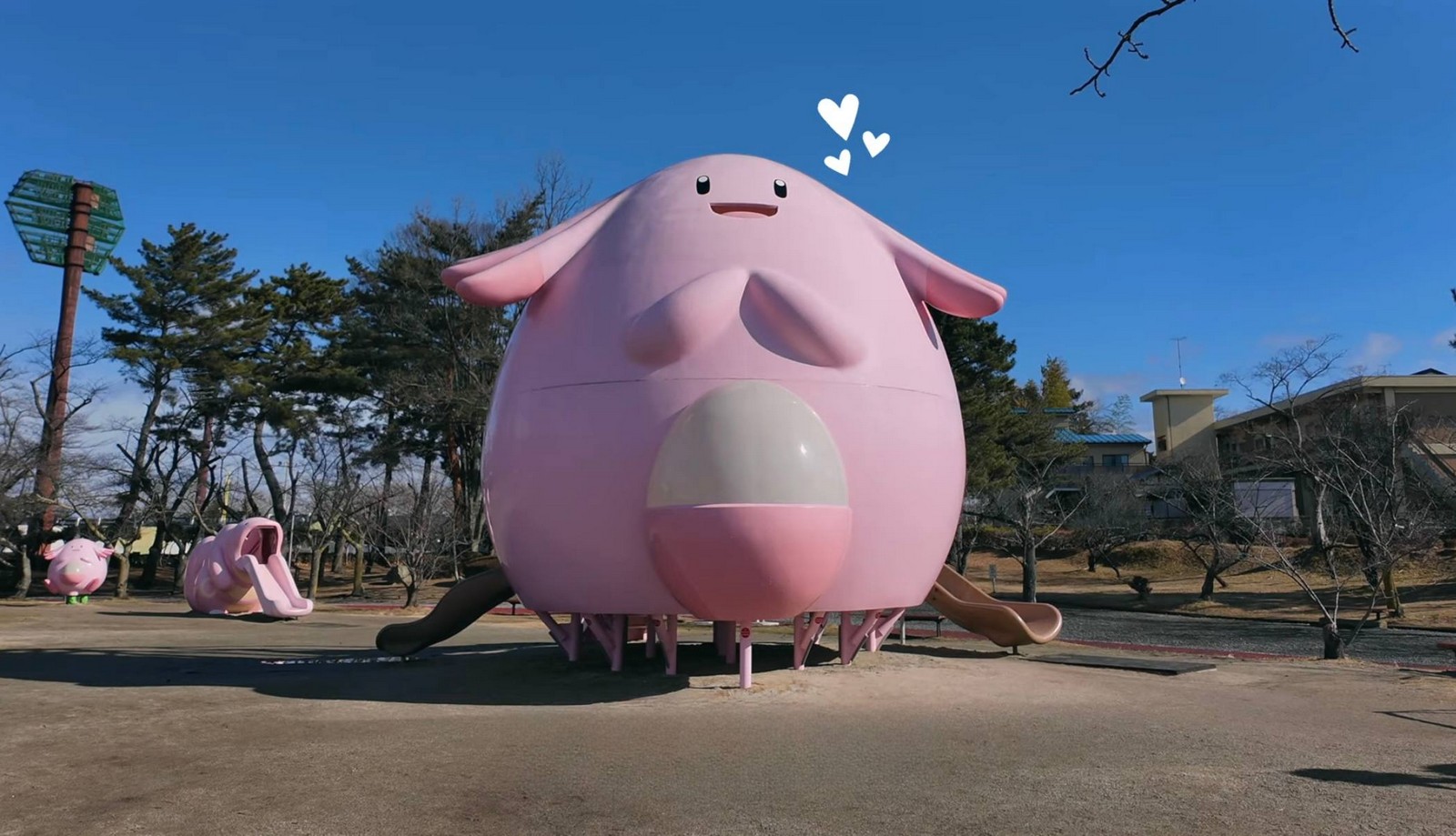
A joyful pink playground hidden in a quiet Tohoku park, where childhood imagination meets winter sunlight.
Tip from the Itinerary Expert: Check the bus schedule to Nyuto Onsen before you leave the lake. I always confirm my return options first, as some routes are seasonal. Since you are staying overnight, you can relax and soak without any pressure to catch a last bus.
Overnight Location: Nyuto Onsen area
Places to Visit
Lake Tazawa
Time: 11:00–14:00
Duration: 2–3 hours
The deepest lake in Japan, framed by mountains and famous for its remarkably clear, reflective water and tranquil atmosphere.
Nyuto Onsen
Time: 15:00–evening
Duration: Overnight stay with onsen bathing
A collection of traditional hot spring inns tucked away in the mountains, offering a deeply quiet setting and restorative mineral baths.
Day 4 - Highland Landscapes of Hachimantai and Departure
On your final day, we explore the vast, wild scenery of the Hachimantai Plateau. This highland area features volcanic terrain, alpine wetlands, and expansive views that really come alive in the warmer months when the trails are accessible. The beauty here is that you can see a lot without having to hike for hours-short, easy walks bring you right to the best viewpoints.
After midday, head back toward a major Shinkansen station for your onward journey. Closing the trip among the fresh mountain air and wide-open horizons provides a calm and very satisfying end to your Tohoku adventure.
Tip from the Itinerary Expert: Keep the final walk short and leave yourself plenty of extra time for the return train. I usually pick one primary viewpoint to enjoy rather than rushing through several, so the journey ends on a peaceful note.
Overnight Location: —
Places to Visit
Hachimantai Plateau
Time: 10:00–13:30
Duration: 2–3 hours of light walking
A stunning volcanic highland area offering panoramic mountain views and easy-to-follow seasonal walking paths through alpine nature.
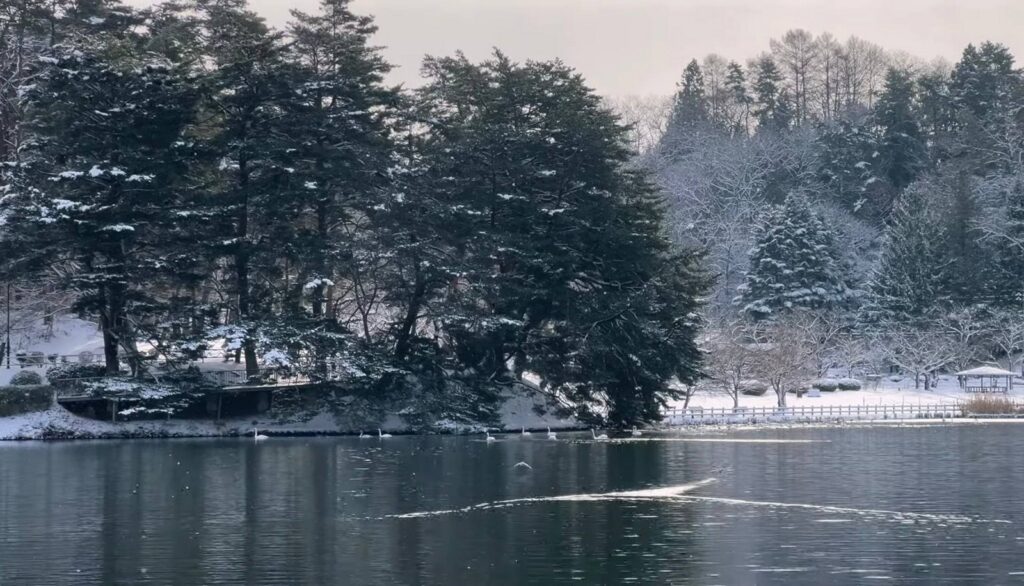
Traveller experiences in Tohoku

Daniel Cohen
October 2023

I came expecting beautiful scenery, but Tohoku turned out to be even more soothing and serene than I’d imagined. The balance of quiet mountain temples, wide-open lake views, and long, relaxing evenings in hot springs was perfect for a family trip. The slower pace allowed us to truly soak in each location without any rush. While organizing the bus schedules took a little prep work, the journey felt incredibly smooth and stress-free once we were on the move.
Maya Haddad
July 2022
Summer in Tohoku was a breath of fresh air—vibrant green landscapes and plenty of relaxed outdoor time. The kids loved the boat rides and ropeways, which gave them that sense of adventure without needing long, exhausting hikes. The local food was simple and delicious, with the regional noodle dishes quickly becoming a family favorite. It’s worth noting that evenings are very quiet in some areas, so a little advance planning for dinner made our stay much more comfortable.
Jonathan Levy
December 2024

Winter turned Tohoku into a true wonderland. Between the snow festivals, the silent streets, and the steaming onsen baths, the atmosphere was simply magical. Traveling as a family was surprisingly easy thanks to reliable train connections and manageable travel distances. You definitely need warm gear and a solid plan, but soaking in an outdoor hot spring while surrounded by fresh snow is an experience we’ll never forget.
Sara Khalil
April 2019
Spring brought soft colors, early blossoms, and perfect weather for exploring on foot. We focused our itinerary on lakes, scenic viewpoints, and small traditional towns rather than busy cities, which made the whole trip feel authentic and deeply relaxing. Transport timing does require your attention, especially when linking trains and buses, but with a bit of care, the entire route flowed beautifully.
Omar Nasser
September 2021
Early autumn was the ideal time for slow travel through the mountains and along the coast. The rhythm of short hikes, panoramic views, and peaceful evenings worked wonderfully for the whole family. We also found the prices very reasonable compared to Japan’s larger hubs. Honestly, the hardest part was deciding what to leave out, as there were so many beautiful spots so close to one another.
Rachel Stein
May 2018
The sheer calm of the region really stood out. Even the more famous viewpoints never felt crowded, and nature was always just a few steps away. Our children actually enjoyed the simple pleasures—lakeside strolls and cable car rides—more than the typical big-name attractions. While shopping is a bit limited outside the major cities, it actually helped us focus more on the scenery and spending quality time together.
Karim Al-Farsi
February 2025
This trip felt completely different from the usual city-hopping in Japan. The snowy landscapes, quiet villages, and traditional hot springs created a profound sense of relaxation. Moving between destinations by train was very comfortable, and staying overnight in an onsen village was the absolute highlight for us. Winter schedules do require a bit of extra planning, but the views made every bit of effort worthwhile.
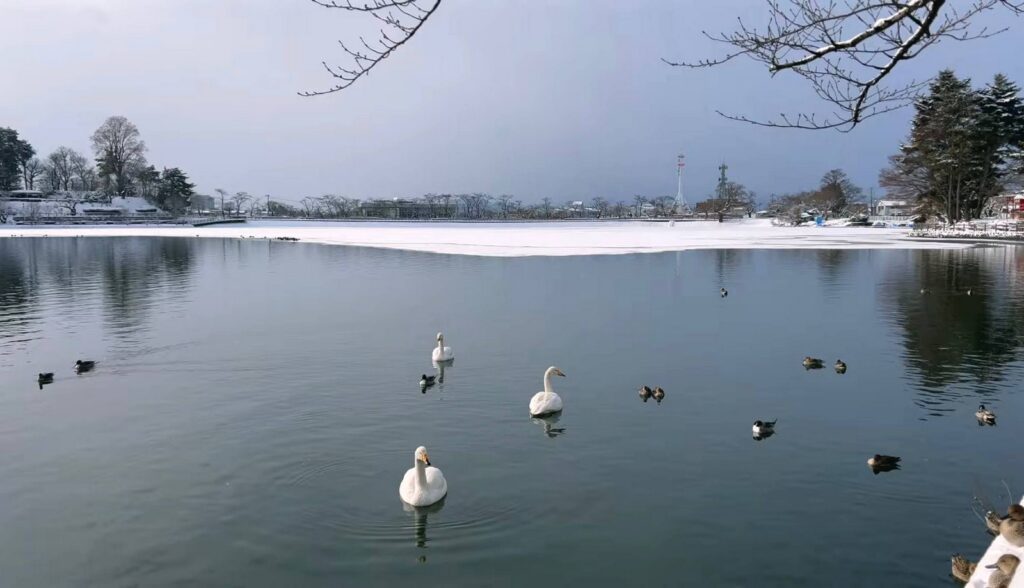
Tip from the itinerary expert
When I design a journey through Tohoku, I always start by identifying the major Shinkansen hubs and building the rest of the experience around them. From there, the deep lakes, hidden onsen villages, and dramatic mountain viewpoints fit naturally into the flow as simple day trips. This strategy keeps luggage moves to a minimum and ensures the trip feels calm and well-paced rather than a series of fragmented stops.
Before you commit to your accommodation, I highly recommend checking the seasonal bus schedules. Many of Tohoku’s most breathtaking natural spots rely on limited routes. Sometimes, choosing a hotel nestled closer to the mountains—even for just one night—can save you hours of travel and turn a long transfer into an easy, refreshing morning outing.
I try to schedule visits to outdoor viewpoints as early in the day as possible. Not only is the morning light softer and more flattering for photos, but the crowds are thinner, leaving the lakes and coastal cliffs feeling far more peaceful. This small adjustment truly transforms the atmosphere of your visit.
To keep the energy levels balanced, I like to pair one active experience with one relaxing one each day—perhaps a short forest hike followed by a restorative onsen soak. This rhythm keeps children engaged and curious without pushing them toward afternoon fatigue.
For the evenings, it’s usually best to stay close to your hotel for dinner. Distances in Tohoku can be deceptive on a map, and transport frequency tends to drop significantly after dark. Keeping your dinner plans nearby removes unnecessary stress and allows your evening to remain genuinely restful.
Always leave a little room for flexibility in your schedule. Mountain weather can shift quickly, so having a nearby indoor cultural site or a charming town walk as a backup ensures the day remains enjoyable regardless of the conditions.
Finally, I strongly suggest including at least one overnight stay in a traditional onsen area. Spending a full evening soaking in mineral-rich hot springs, surrounded by the silence of nature, is often the very moment that turns a great trip into a truly unforgettable Tohoku memory.
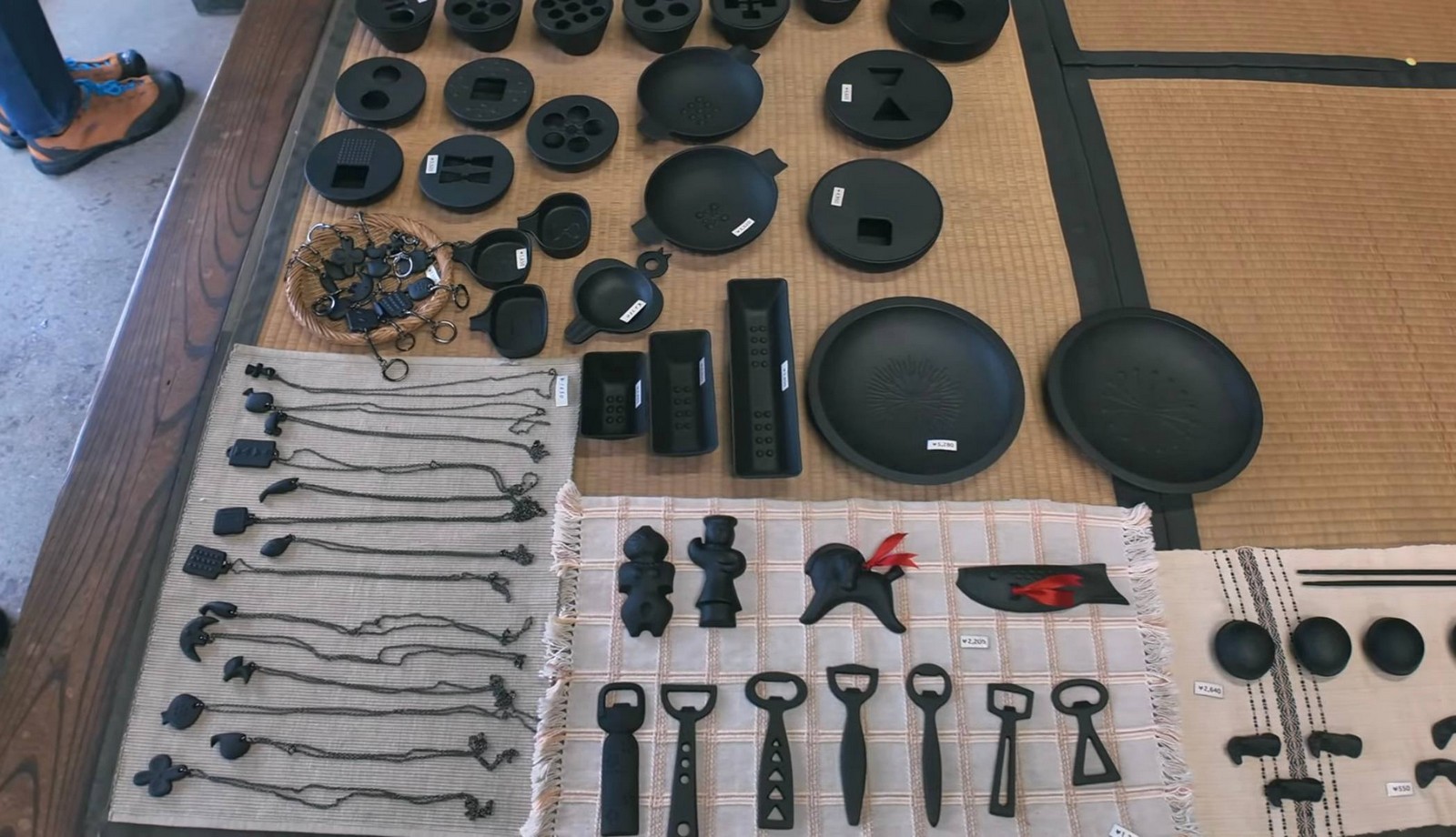
Minimalist black crafts reflecting the elegance and simplicity of northern Japan’s artisan traditions.
Insights from the Itinerary Expert
I first journeyed through Tohoku in October 2023, searching for a quieter side of Japan that would offer a rich and rewarding experience for a family trip. What immediately struck me was the perfect sense of balance the region provides. The calm, sapphire waters of Lake Tazawa, the gentle coastal beauty of Matsushima Bay, and the long, restorative evenings spent in the rustic baths of Nyuto Onsen naturally set a peaceful pace. Each day unfolded without pressure, flowing easily between light forest walks, breathtaking viewpoints, and simple, comforting local meals.
Traveling through Tohoku does require a bit more intentionality than sticking to the major city routes. Transport can be seasonal, and distances that look short on a map often take longer than expected to traverse. Yet, this slower rhythm quickly becomes one of the most cherished parts of the experience. It invites you to pause, linger in the places that feel special, and enjoy more unstructured quality time together as a family. I found that pairing one scenic highlight with one restorative stop each day kept the journey engaging while ensuring it still felt effortless.
Tohoku is a region where Japan feels more spacious and serene, yet remains deeply atmospheric. Its wild landscapes, warm hospitality, and unhurried pace make it an ideal choice for travelers who value depth and quality over a packed checklist. You are warmly invited to shape a personalized journey here together with an Itinerary Expert, creating a route across Tohoku and Japan that truly reflects your unique travel style and pace.
Average travel costs in Tohoku
| Name | Amount | Description |
|---|---|---|
| Budget hotel for two | 6000–15000 JPY | Affordable stays including capsule hotels, clean hostels, or simple business hotels. Prices fluctuate based on the season and specific city location. |
| Mid-range hotel for two | 10000–23000 JPY | Comfortable city hotels or traditional ryokan, typically situated near major train stations or nestled within scenic nature areas. |
| Apartment for a family of five | 15000–30000 JPY | Spacious family-style rooms or rental apartments. Expect noticeable price differences depending on seasonal demand and booking lead time. |
| Car rental per day | — JPY | Daily rental rates vary significantly depending on the vehicle size, the season, and how far in advance the reservation is made. |
| Public transport | 210–950 JPY | Standard local fares, such as short subway hops in Sendai or regional bus journeys connecting to the lakes and mountain trails. |
| Restaurant meal | 600–2500 JPY | Covers everything from casual ramen and set lunch menus to regional specialties, including the famous gyūtan (beef tongue) dishes. |
| Parking | — JPY | Costs are determined by the city, duration of stay, and proximity to central train stations or popular tourist attractions. |
| Basic supermarket groceries for two | 1000–3000 JPY | A selection of fresh ready-made meals, local snacks, and drinks picked up at regional supermarkets or local convenience stores. |
Frequently asked questions about Tohoku
01
When is the best time to visit Tohoku?
Every season in Tohoku offers a completely different and beautiful experience. Autumn is world-famous for its vibrant foliage and mild hiking weather, while winter is a magical time for snow festivals and long, cozy onsen evenings. If you love lush greenery, spring and summer are perfect for exploring the deep blue lakes and wide-open mountain scenery.
02
Is Tohoku suitable for a family trip?
Absolutely. Tohoku is a wonderful destination for families because the travel style revolves around nature, scenic train rides, and gentle walks. The pace is naturally slower than in the big cities, and the abundance of family-friendly hot spring resorts makes it easy to keep everyone relaxed and happy.
03
Do I need to rent a car in Tohoku?
I highly recommend renting a car, especially if you are traveling with kids. It gives you the freedom to reach the most beautiful lakes, mountain plateaus, and hidden onsen villages with ease. Having your own vehicle often saves a significant amount of time compared to waiting for regional buses and trains.
04
How easy is public transport in Tohoku?
The Shinkansen and regional trains connect the main cities very efficiently. For more remote natural attractions, you will rely on local buses. Tip from the itinerary expert: Always check the timetables in advance, as some mountain and coastal routes run less frequently or are seasonal. A little planning goes a long way here.
05
What natural places should not be missed in Tohoku?
You definitely shouldn’t miss the sapphire waters of Lake Tazawa, the iconic pine-clad islands of Matsushima Bay, and the volcanic highlands of Hachimantai. The region is also famous for its dramatic gorges and peaceful coastal views that truly define its calm, authentic atmosphere.
06
How many days are enough to explore Tohoku?
From experience, four to six days is the ‘sweet spot’ for a first visit. This allows for a relaxed mix of lakes, mountain air, and coastal scenery, including at least one unforgettable night in a hot spring area, all without feeling like you are rushing from place to place.
07
Are hot springs comfortable for beginners?
Yes, very much so. While there is a specific etiquette to follow, traditional onsen are generally very calm and welcoming places. The atmosphere is quiet and respectful, which usually helps first-time visitors feel at ease and comfortable with the experience almost immediately.
08
Is Tohoku expensive compared to major Japanese cities?
Overall, your travel budget will likely go further here. Accommodation, dining out, and local transport are often noticeably more affordable than in Tokyo or Kyoto. However, keep in mind that prices can rise during the most popular seasons, such as the peak of the autumn colors or during major summer festivals.
What we propose

Emma Heidi
Customer Experience Manager
Take all the stress out of planning your trip!
With our experts, you can create the perfect itinerary for you – complete, comfortable, and tailored to all your dreams, wishes, and needs.
We take care of every little detail, so you can simply focus on enjoying your journey.
We’ve been designing personalized itineraries since 2015, and over the years we’ve created thousands of custom itineraries for happy clients.

Save time, avoid confusion – we do the work for you. Our service saves you weeks of searching, reading, comparing, and complicated planning. Instead of wasting endless hours – you receive a ready-to-use, accurate and clear itinerary.

A tailor-made itinerary – built just for you. Your itinerary is personally designed based on our experts’ real field experience and genuine feedback from hundreds of travelers – including hidden discoveries and insider tips that don’t appear in any travel guide.

Smart accommodation selection – often saves you hundreds or even thousands of dollars. We help you choose verified and recommended places to stay, checking availability for your exact travel dates. Sometimes we suggest hotels not “in the center,” but in safe, convenient, and highly strategic locations – which can significantly reduce travel costs and save you even thousands of dollars.

We’re by your side even during the trip. We stay with you throughout your vacation – providing professional help whenever needed. If the weather changes, there’s a strike, a local event, heavy crowds, or any unexpected situation – we are here to update, guide, and adjust your itinerary in real time.

Easy-to-use itinerary – with direct navigation links. Your itinerary includes direct Waze / Google Maps links – no need to search for parking addresses, no stress, no mistakes. Just tap – and go.

Service cost: from only $420. (Special price for short itineraries up to 5 days). Clients tell us the itinerary saves them costly mistakes, fines, wrong choices – plus exclusive discounts on car rentals, better-priced accommodations, and money-saving local tips.
Want to know if it’s really worth it?
Take a look at the experiences of travelers who built their personal itinerary with us.
Click here and let’s start building the itinerary that will save you time, money, and stress – and turn your vacation into perfection.
Of course, your first inquiry is completely free – with no commitment whatsoever.
How it works


- You are welcome to contact us
- We discuss your trip
- You fill out a special form
- We create your itinerary
- You get it with all useful tips
- We are in touch with you all the time