My love for Japan began the moment I arrived in Tokyo. The country amazed me with its harmony of ancient traditions, cutting-edge technology, breathtaking nature, and a culture unlike any other. Since then, Japan has become a part of my life, and I return there again and again. Today I help travelers discover the real Japan: I create personalized itineraries, give lectures, and prepare guests for their unforgettable journey. I would be delighted to open Japan for you too!
Tochigi
Tochigi is one of those hidden gems that often stays under the radar during a first trip to Japan, but it quickly reveals itself as a highlight of any journey. Here, you’ll find a seamless blend of grand temples, sacred shrines, and dramatic mountain landscapes. With its world-class hot springs and a slower, more traditional pace of life, the region offers a refreshing escape from the neon-lit energy of Tokyo. It works beautifully as a quick getaway or a deep, multi-day exploration of Japan’s heartland.
What makes Tochigi so rewarding is the effortless harmony between culture and nature. In Nikko, for instance, ornate architectural masterpieces are woven into ancient forests and cedar-lined paths, creating an immersive experience where the history feels alive. Beyond the famous landmarks, places like Ashikaga Gakko and Utsunomiya Futaarayama Shrine add layers of local heritage without the stiff, formal atmosphere of a museum.
Versatility is perhaps Tochigi’s greatest strength. Whether you are drawn to samurai history, scenic mountain drives, or the quiet luxury of an onsen stay, the region adapts to your pace. Local flavors like Utsunomiya gyoza, delicate yuba, and those famous, sweet Tochiotome strawberries add a delicious final touch to the trip. Ultimately, Tochigi feels perfectly balanced — a place where every day brings a new discovery without ever feeling rushed.
How to Get to Tochigi?
Reaching Tochigi is remarkably easy, especially by rail. From Tokyo, the journey takes less than an hour, making it a stress-free addition to even the tightest schedules. As you leave the city, you’ll watch the scenery transform from dense urban blocks to rolling rice fields and small traditional towns, eventually giving way to open, mountainous horizons.
The train is the most convenient choice for travelers coming from the capital, but Tochigi’s attractions aren’t confined to a single spot. A reliable network of roads and rail lines connects the major cities, temple districts, and hot spring towns. This is key to remember, as the region’s best experiences are spread across several clusters rather than one compact center.
Your choice of transport should follow your interests. While public transport is excellent for the main highlights, renting a car offers incredible flexibility if your route includes nature spots or remote onsen. Driving reduces backtracking and allows you to explore at your own rhythm, which is especially rewarding when you’re moving between cultural sites and the high mountain passes.
Click here to learn more about creating a personal itinerary
Tip from the Itinerary Expert: For a dedicated visit to the temples of Nikko, the train is the smoothest and most comfortable way to go. However, if you’re planning a broader route through several towns and hidden gems, a rental car will make your trip much more fluid and enjoyable.

When Is the Best Time to Visit Tochigi?
Tochigi is a year-round destination, but each season paints the landscape in a different light. Spring is perfect for wandering through temple grounds, where cherry blossoms create a soft, classic Japanese atmosphere. In summer, the mountains turn a vibrant, lush green, local festivals bring a pulse of energy to the streets, and the higher altitudes provide a cool sanctuary from the city heat.
Autumn is arguably the most spectacular time to visit. Golden and crimson foliage transforms the forest roads, waterfalls, and temple paths into some of the most photogenic scenes in the country. It’s also the most comfortable weather for walking. Winter, by contrast, offers a quiet, more reflective beauty. Snow-covered landscapes and steaming outdoor hot springs create a magical, intimate experience, particularly deep in the mountains.
If you want high-impact scenery, autumn is the clear winner, while spring offers that gentle, traditional first impression. Summer is best for those who love nature and local culture, while winter is the choice for anyone seeking calm and the ultimate onsen experience. No matter when you arrive, Tochigi’s blend of nature and heritage remains deeply appealing.

Since 2015, our website has specialized in individual planning of unique routes, taking into account personal preferences and desires.
Each of you will receive a unique PDF file from us, which contains everything you need: travel routes, car rentals, hotels, the best tourist attractions, attractions for kids and everything you need for a perfect vacation.
During the trip, we are available for you by phone via WhatsApp.
Our personal service provides information from A to Z, taking into account many small details that can become a decisive factor on the way from a wasted trip to an unforgettable vacation.
Our service will make your trip comfortable, save a lot of time on planning and preparation, and most importantly – will allow you to become freer and fully enjoy the pleasure of the trip.
Tip from the Itinerary Expert: When planning your Tochigi route, it’s often best to pick your favorite season first and then build the itinerary around it. The character of the region shifts dramatically between spring blooms, autumn leaves, and winter snow, and matching your activities to the season will make the trip truly unforgettable.
The Best of Tochigi: Must-See Attractions and Hidden Gems
Tochigi is a treasure trove of diverse experiences, blending profound cultural history with breathtaking natural landscapes. While the grand temple complex of Nikko is undoubtedly the region's crown jewel, your journey will feel much more complete if you venture further. By connecting iconic waterfalls, serene mountain lakes, and quiet, historic shrines, you’ll discover a side of Japan that feels both ancient and refreshingly alive.
Nikko Toshogu Shrine
This breathtaking shrine is a masterpiece of Japanese craftsmanship. Unlike the minimalist aesthetic found in many other temples, Nikko Toshogu Shrine is famous for its vibrant colors, intricate wood carvings, and lavish gold leaf accents. Set against a backdrop of towering ancient cedars, the architecture creates a stunning visual harmony with nature. As you wander through the various gates and halls, the atmosphere feels deeply layered, almost as if you are stepping back into the height of the Tokugawa shogunate.
Opening Hours: Hours vary by season
Ticket required for inner shrine areas
Tip from the Itinerary Expert: Try to arrive early in the morning. The crowds are much thinner then, and the soft light filtering through the forest canopy makes the entire complex feel incredibly calm and atmospheric.
Kegon Falls
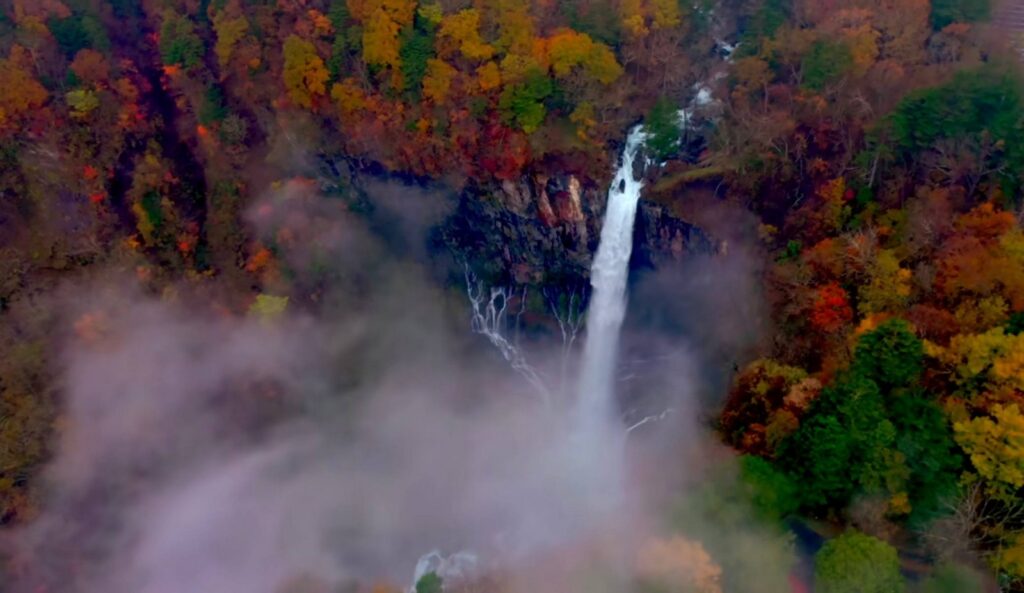
Widely regarded as one of Japan’s most spectacular waterfalls, Kegon Falls is a force of nature. Water from Lake Chuzenji plunges nearly 100 meters down a jagged rock face into a deep, misty gorge below. The viewing platforms provide a front-row seat to this powerful display, which looks beautiful in every season—from the frozen elegance of winter to the fiery reds and oranges of the autumn foliage.
Opening Hours: Accessible year-round
Viewing platform access may require a ticket
Tip from the Itinerary Expert: Plan to visit Lake Chuzenji right after. The two spots are just a few minutes apart and they naturally complement each other for a perfect afternoon of sightseeing.
Lake Chuzenji
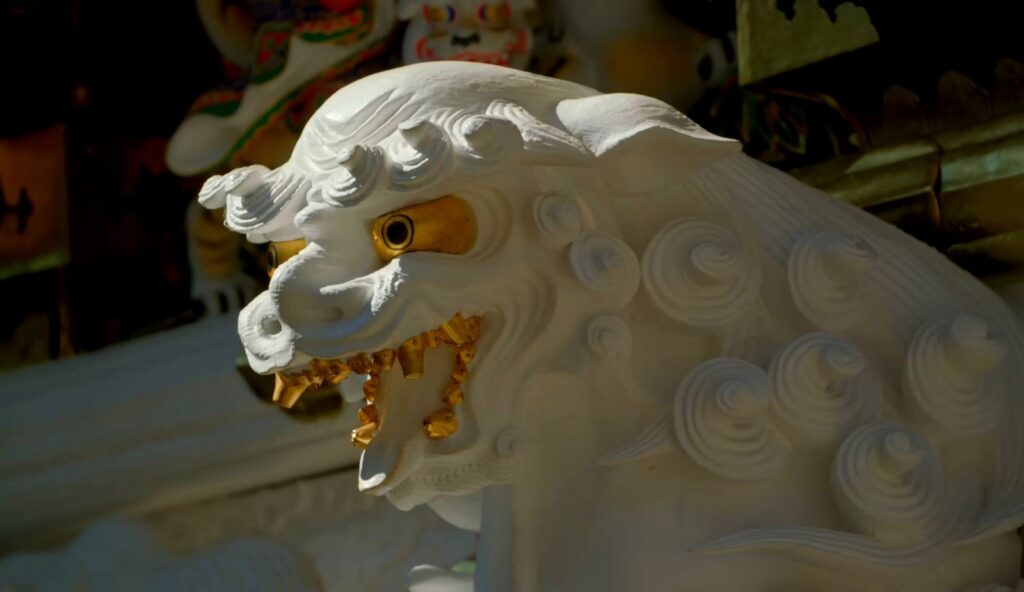
Sitting peacefully at the foot of Mount Nantai, Lake Chuzenji offers crisp mountain air and wide-open views that feel worlds away from the busy streets of Tokyo. It is the perfect place to slow down. Whether you choose to take a leisurely walk along the shoreline, find a quiet viewpoint, or enjoy a coffee at a lakeside café, the calm waters provide a wonderful natural reset during your trip.
Opening Hours: Open area, no fixed hours
Free access
Tip from the Itinerary Expert: Use this stop as a deliberate ‘reset’ between visits to the busier cultural sites. Even a short 20-minute stroll here helps balance the energy of your itinerary.
Rinno-ji Temple
Rinno-ji Temple is an essential piece of the Nikko UNESCO puzzle. While its architecture is more understated than the nearby Toshogu Shrine, it holds immense spiritual significance. Visiting these grounds helps provide the historical context needed to truly appreciate the region’s heritage. The temple’s calm and steady presence offers a beautiful narrative arc to your exploration of Nikko’s sacred sites.
Opening Hours: Hours vary by season
Ticket required
Tip from the Itinerary Expert: Make sure to visit Rinno-ji Temple and Toshogu Shrine together. Seeing them as part of a single, continuous route gives you a much richer understanding of the area’s spiritual history.
Futarasan Shrine
Nestled deep within a peaceful forest and dedicated to the spirits of the surrounding mountains, Futarasan Shrine offers a more contemplative experience. It lacks the tourist bustle of the main attractions, allowing for a quiet moment of reflection. The simple beauty of the shrine and the ancient trees surrounding it add a softer, more spiritual layer to your day in Nikko.
Opening Hours: Hours vary by season
Free entry to main grounds
Tip from the Itinerary Expert: If you find yourself feeling a bit overwhelmed by the crowds at the main sites, come here. The tranquil atmosphere is a breath of fresh air and makes a noticeable difference to your mood.
Ashikaga Gakko
Stepping into Ashikaga Gakko is like stepping back into the classroom of old Japan. As one of the country’s oldest academic institutions, it offers a refined and quiet look into the past. Its modest wooden buildings and meticulously kept gardens provide a lovely contrast to the ornate temples of Nikko, giving your journey through Tochigi a well-rounded historical perspective.
Opening Hours: Hours vary by season
Ticket required
Tip from the Itinerary Expert: To make the most of your time, try to combine this visit with other local attractions in the Ashikaga area rather than making a dedicated trip just for the school.
Utsunomiya Futaarayama Shrine
Perched on a hill in the middle of Utsunomiya, this shrine provides a surprising island of tradition amidst a modern city. Climbing the stairs to the main grounds offers a sense of separation from the urban streets below. It’s a convenient and rewarding stop that brings a touch of ancient culture to your visit to the prefectural capital.
Opening Hours: Open daily
Free entry
Tip from the Itinerary Expert: Try to visit in the late afternoon. As the sun begins to set, the light softens beautifully and the shrine feels far more peaceful than during the busy midday hours.
Embracing Nature: The Most Breathtaking Landscapes in Tochigi
Tochigi is far more than just its famous temples and shrines; its natural landscapes are equally compelling and often become the true highlight of a journey. The region brings together dramatic mountains, serene lakes, and powerful waterfalls in a way that feels like one cohesive masterpiece rather than scattered sights. By planning your route as a flowing sequence of natural stops, the entire trip feels much more relaxed and deeply immersive.
Here are the essential natural wonders to include in your Tochigi itinerary:
- Kegon Falls — One of Japan’s most iconic cascades, where water plunges nearly 100 meters into a jagged gorge. The atmosphere here shifts beautifully with the seasons, from the lush, misty greens of summer to the fiery, vivid canvas of autumn.
- Lake Chuzenji — A peaceful mountain lake resting at the foot of Mount Nantai. It is the perfect place to slow your pace. The lakeside walking paths and hidden viewpoints allow you to soak in the scenery without the need for a rigid schedule.
- Nikko National Park — A sprawling sanctuary that seamlessly ties together ancient forests, volcanic peaks, and crystal-clear water. It is best enjoyed when treated as a connected journey through nature rather than a checklist of separate stops.
- Ryuzu Falls — Known as the ‘Dragon Head’ falls, this unique spot features a split flow that creates a distinctive, powerful shape. It is particularly breathtaking during the autumn foliage season when the maples turn a brilliant red.
- Mount Nantai area — The majestic mountain backdrop that defines Tochigi’s skyline. It adds a sense of grand scale and ancient depth to the landscapes surrounding Nikko.
- Cedar Avenue of Nikko — These long stretches of towering, centuries-old cedar trees line the roads, creating a calm, almost meditative tunnel of green that connects the region’s main sites.
Many of these spots are clustered closely together, particularly around the Nikko area, making it easy to combine several wonders into a single, rewarding day. However, mountain distances can sometimes be deceptive. Planning the order of your stops in advance will help you maintain a relaxed tempo and avoid any unnecessary backtracking.
Tip from the Itinerary Expert: When exploring nature in Tochigi, it is much more practical to group your visits by location rather than by the type of attraction. Combining a waterfall, a lakeside stroll, and a forest walk within the same cluster — especially around Nikko — creates a much smoother and more atmospheric day than jumping between distant points.
A Taste of Tochigi: What Food Should You Try?
In Tochigi, food is an essential part of the travel story, not just a quick break between sights. The region boasts a proud culinary identity with flavors that reflect both its deep traditions and fresh mountain ingredients. Most local specialties are easy to find along the main routes, allowing you to dive into the local food scene naturally as you explore.
Here are the must-try flavors of the region:
- Utsunomiya Gyoza — This is the region’s most iconic dish. Utsunomiya is famous for the sheer variety of its dumplings. Every shop has its own secret recipe, so it is highly recommended to try a few different styles to find your personal favorite.
- Yuba (Tofu Skin) — A delicate, traditional delicacy synonymous with Nikko. Its mild flavor and unique, silky texture make it a star ingredient in everything from elegant multi-course meals to simple, comforting soups.
- Tochiotome Strawberries — Tochigi’s signature fruit, world-renowned for being incredibly sweet, juicy, and large. Depending on when you visit, you can enjoy them fresh from the farm or tucked into seasonal desserts.
- Local Soba Noodles — These simple, expertly crafted buckwheat noodles highlight the quality of the region’s mountain water and traditional grinding techniques.
- Artisan Sweets and Snacks — Often found in small shops near major shrines, these seasonal treats are the perfect fuel for a day of walking.
In hubs like Nikko and Utsunomiya, these options are everywhere. Choosing regional specialties over standard menus adds a wonderful layer of discovery to your trip, making each day feel a little more authentic.
Click here to learn more about creating a personal itinerary
Tip from the Itinerary Expert: In Utsunomiya, it’s often better to try two or three different gyoza places rather than settling into one long meal. This way, you can compare the different textures and fillings without slowing down the pace of your day.
Discovering the Hidden Gems of Tochigi
Beyond the famous landmarks, Tochigi hides a quieter, more intimate side that often leaves the deepest impression. These lesser-known spots offer a slower tempo and a chance to escape the crowds. Integrating one or two of these gems into your plan provides a beautiful balance to the busier attractions and gives your journey genuine depth.
Consider adding these peaceful locations to your route:
- Ashikaga Gakko — As one of Japan’s oldest schools, this site offers a serene atmosphere with simple wooden architecture that provides a calm contrast to the golden shrines of Nikko.
- Boutique Onsen Towns — Beyond the main hubs, you will find smaller hot spring areas where the vibe is completely relaxed, making them the ultimate spots to unwind after a day of hiking.
- Traditional Rural Villages — Venture away from the main tourist paths to see pockets of Tochigi where daily life moves at an unhurried, traditional pace.
- Secret Forest Paths — Nikko has several quiet walking trails that branch off from the main temple complex, offering a more private connection with the ancient cedar forests.
- Lakeside Viewpoints — Keep an eye out for less obvious pull-offs near the mountains that offer panoramic views of the water without the clusters of tour buses.
These places might not always top the ‘must-see’ lists, but their unique atmosphere often makes them the highlight of the trip. They are perfect for breaking up a heavy sightseeing schedule with a sense of genuine discovery.
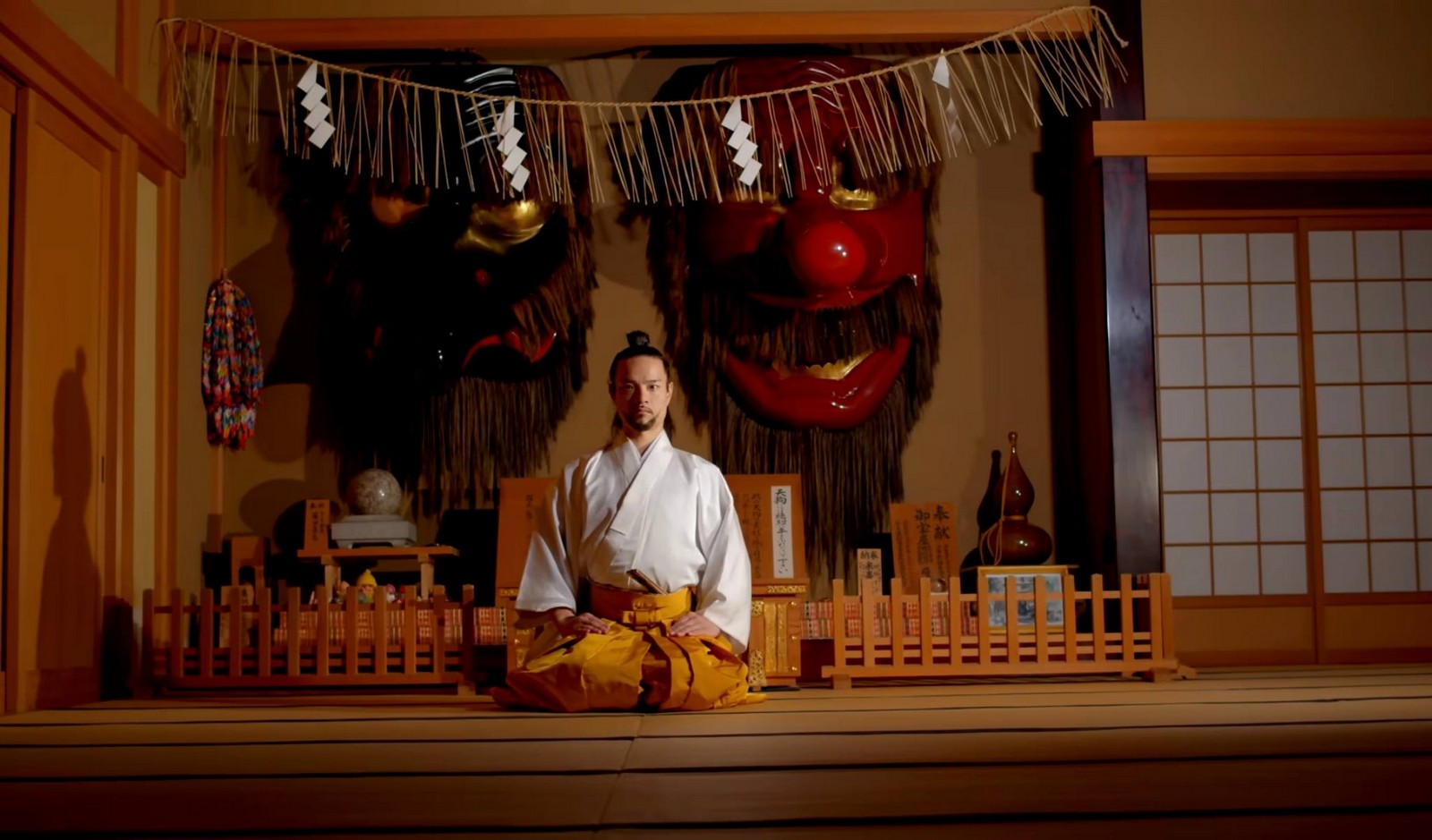
A serene traditional shrine scene with a priest in ceremonial attire, preserving ancient Japanese rituals.
Tip from the Itinerary Expert: Leave small gaps in your schedule between major stops. This flexibility allows you to follow an interesting trail or stop at a local viewpoint on a whim, which often results in the most memorable moments of the journey.
Exploring Tochigi with Kids
Tochigi is a wonderfully family-friendly destination, thanks to its abundance of nature, wide-open spaces, and engaging cultural sites. Rather than relying on massive theme parks, the region offers a flexible environment where you can easily adjust the day based on your children’s energy levels. A mix of outdoor adventure and short, visual cultural stops usually keeps everyone happy.
Here are a few activities that work particularly well for families:
- Adventure in Nikko — The massive gates, colorful carvings, and forest settings make the temple areas feel more like a grand exploration than a formal history lesson.
- Nature Breaks at Kegon Falls — The dramatic scale of the waterfall and the open space around Lake Chuzenji provide plenty of room for kids to move around and enjoy the fresh air.
- Walks through the Ancient Cedars — The wide, shaded avenues offer a peaceful environment for a family stroll away from traffic and heavy crowds.
- Food Tasting — Searching for the best gyoza or trying local strawberry sweets can become a fun daily mission for younger travelers.
- Outdoor Play — The parks and lakeshores scattered throughout the region offer plenty of opportunities for unstructured downtime.
The beauty of Tochigi lies in how easily you can scale your day back or extend it without missing out on the essence of the region, making it a stress-free choice for parents.
Tip from the Itinerary Expert: Plan each day with one main highlight and two lighter stops. This keeps the pace comfortable for little legs and helps prevent ‘temple fatigue’ by mixing cultural sites with plenty of outdoor time.
Tochigi in 3 Days: The Perfect First-Timer’s Route
Trip Duration: 3 days
Day 1 — Nikko Heritage and the Heights of Okunikko
Morning: Begin your adventure around 10:00 in Nikko. Your first stop is the magnificent Nikko Toshogu Shrine. Arriving at this hour allows you to catch the morning light as it filters through the ancient cedar canopy. Give yourself about 2 hours to truly appreciate the intricate gold-leaf carvings and climb the stone stairs to the inner sanctum without feeling rushed.
Next, take a short, pleasant walk to Rinno-ji Temple and Futarasan Shrine. Visiting these sites together provides a much deeper understanding of Nikko’s spiritual history than seeing the main shrine alone. Budget another 60–90 minutes for this part of the World Heritage area.
Lunch: Enjoy a meal near the heritage site at Nikko Yuba Yuzen to try yuba (tofu skin), a delicate local staple. Afterward, take a 30-minute scenic drive up into the mountains of Okunikko. Stop at the thundering Kegon Falls for 30–45 minutes, then continue to the shores of Lake Chuzenji for a peaceful hour-long break by the water.
Evening: Keep the energy low and the mood high. Take a gentle lakeside stroll, find a cozy café for a coffee, or enjoy an early dinner. Whether you stay overnight by the lake or head back down to Nikko town, it’s a rewarding end to a full day of exploration.
Tip from the Itinerary Expert: I recommend visiting the temples in the morning and saving the lake for the afternoon. The heritage sites have strict closing times and can get busy, whereas Lake Chuzenji and Kegon Falls offer a more flexible, open-air experience as the day winds down. To save time, book your Toshogu tickets in advance and make sure to wear sturdy walking shoes for the uneven stone paths.
Overnight Location: Nikko or Lake Chuzenji
Day 2 — Family Fun and Edo History in Kinugawa
Morning: Make your way from Nikko toward the hot spring resort town of Kinugawa. Your destination is Edo Wonderland Nikko Edomura, a fantastic theme park that recreates life in samurai-era Japan. With live ninja shows, traditional workshops, and staff in period costume, this is an immersive experience that really requires 3–4 hours to enjoy properly.
Opening hours are generally 9:00–17:00 in the summer and 9:30–16:00 in the winter. For convenience, I suggest having lunch inside the park at one of the traditional eateries to maximize your time in the Edo period.
Afternoon: Just a 10-minute drive away lies Tobu World Square. This unique park showcases over 100 1:25 scale models of world-famous landmarks, including the Eiffel Tower and the Great Wall. It’s a fun, relaxed way to spend 2.5 hours. Tickets are ¥2,800 for adults and ¥1,400 for children.
Evening: After a busy day of walking, check into your Kinugawa Onsen hotel. Enjoy a soak in the therapeutic hot springs and a quiet dinner at a local favorite like Sarashina. Staying overnight in this onsen town is the ultimate way to recharge.
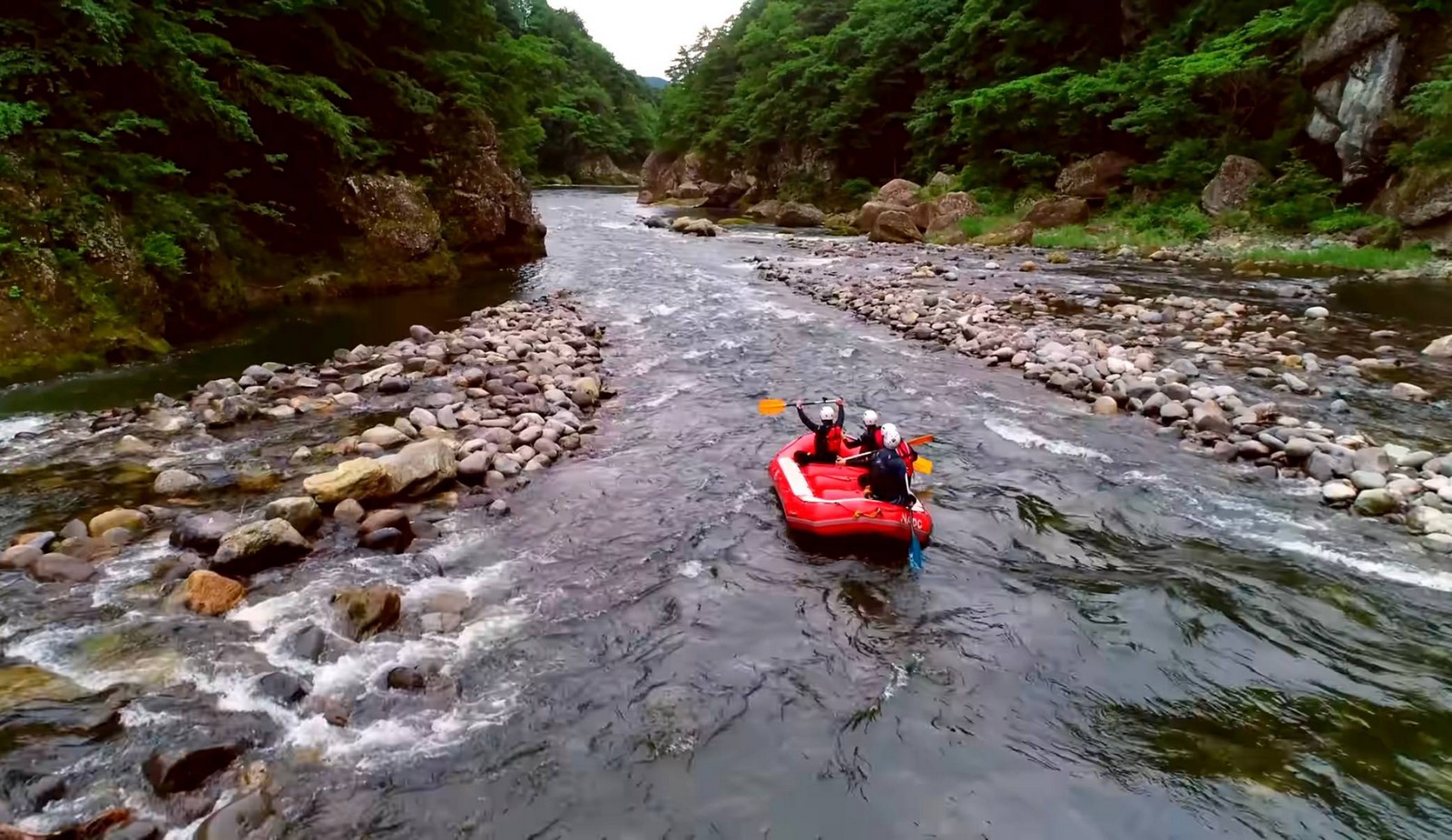
Exciting river rafting adventure in Tochigi’s clear mountain streams, perfect for outdoor lovers.
Tip from the Itinerary Expert: Start your day with Edo Wonderland while your energy levels are high, as there is a lot to see and do. Save Tobu World Square for the afternoon—it is a much more passive, easy-going stroll that feels perfect when you’re starting to tire but still want to see something amazing.
Overnight Location: Kinugawa Onsen
Day 3 — Underground Wonders, Bamboo Groves, and Gyoza
Morning: Drive about 1 hour south to the Oya district of Utsunomiya. Your first stop is the Oya History Museum, an massive underground stone quarry. The space feels like an subterranean cathedral and stays a cool 7°C even in summer, so remember to bring a jacket. Budget 60–90 minutes for the museum, then grab lunch at The Standard Bakers, a stylish local spot nearby.
Afternoon: Drive 20 minutes to Wakayama Farm. This expansive bamboo forest is much quieter than the famous groves in Kyoto, providing a peaceful, photogenic escape. Spend 60–90 minutes wandering through the towering stalks—it’s the perfect final outdoor activity for the trip.
Evening: Head into central Utsunomiya (about 25 minutes) for a legendary gyoza dinner. Utsunomiya is the gyoza capital of Japan, and places like Utsunomiya Minmin or Kirasse allow you to try various fillings. It’s a delicious way to toast to your trip before staying overnight or departing via the Shinkansen.
Tip from the Itinerary Expert: Keep the pace of this final day relaxed. While Oya and central Utsunomiya are relatively close, the combination of the underground exploration, the bamboo forest, and waiting for a table at a popular gyoza spot will fill your day more quickly than you might expect.
Overnight Location: Utsunomiya
Traveller Reviews of Tochigi

Daniel
October 2024

I originally came to Tochigi just to see Nikko, but I ended up falling in love with the entire region. Toshogu was as impressive as promised, but what really stayed with me was the overall atmosphere—the scent of the cedar forests, the winding mountain roads, and the deep calm at Lake Chuzenji. Even the drive to Kegon Falls felt like an integral part of the experience. One small tip: the mountain air is much crisper than in the city, so definitely bring an extra layer.
Maya
April 2023
We visited Tochigi as a family and split our time between the Nikko temples and the great outdoors. The scenery around Lake Chuzenji was breathtaking, though it was much colder and windier than we anticipated for April. Despite the chill, the views of the lake and the waterfall were absolutely worth it. Next time, I’d just make sure we all have warmer jackets to enjoy the viewpoints for longer!
Adam
November 2022
Tochigi was a wonderful surprise. I expected a quiet day of temple hopping, but the diversity of the region blew me away. Oya History Museum felt almost otherworldly with its massive underground cavern, and ending the day at the bamboo forest near Utsunomiya provided a soft, meditative finish to the trip. Of course, capping it all off with a gyoza feast in the city center was the perfect final touch.
Sophie
August 2021
Traveling with kids, I was worried Tochigi might be a bit too heavy on history, but it actually worked out perfectly. Edo Wonderland was the absolute highlight for them, and Tobu World Square was a simple, fun way to spend an afternoon. The balance between grand cultural sites, wide-open nature, and family-friendly attractions was much better than I expected.
Michael
May 2019
I enjoyed Tochigi most when we finally slowed down our pace. While Nikko can get quite busy, stepping just slightly off the main path onto the forest trails made the temple grounds feel incredibly peaceful. We also took a break at Utsunomiya Futaarayama Shrine, which had a lovely local feel and offered a nice change of pace from the major tourist spots. It’s a great region for mixing iconic landmarks with quiet, reflective moments.
Leah
September 2025

I came to Tochigi specifically for the food scene, and it did not disappoint. The Utsunomiya gyoza lived up to the hype—trying a few different specialized shops made the experience even more fun. We also enjoyed traditional yuba in Nikko and sampled fresh strawberries and local sweets throughout the day. I loved how naturally the food became part of the journey without us having to plan our entire schedule around it.
Ethan
December 2018
Winter gave Tochigi a completely different, magical character. The mountain areas felt silent and still, and the biting cold only made the hot springs feel that much better. Soaking in Kinugawa Onsen after a full day of exploring was a highlight. The only thing to keep in mind is that the days are shorter in December, so starting your day early and keeping the itinerary simple is definitely the way to go.

Expert Advice for Your Tochigi Adventure
- I always recommend starting your day with Nikko Toshogu Shrine and saving Lake Chuzenji or Kegon Falls for later in the afternoon. This simple shift in the order of your visit keeps the day flowing smoothly and helps you avoid the peak crowds at the region’s most famous site.
- If you are planning to visit both Edo Wonderland Nikko Edomura and Tobu World Square, treat Edo Wonderland as your primary experience for the first half of the day. Keep Tobu World Square for a lighter, more relaxed afternoon. This strategy works especially well if you are traveling with kids.
- For a route covering Nikko, Kinugawa, Oya, and Utsunomiya, I wouldn’t rely solely on trains. Renting a car makes the journey much more flexible and saves significantly more time and energy than you might expect.
- I prefer saving Utsunomiya gyoza for the evening rather than lunch. It is a fantastic way to celebrate the end of the day, and hopping between a couple of specialized shops is much more fun than a single heavy meal in the middle of sightseeing.
- Even if the forecast looks mild, always bring an extra layer of clothing for Nikko. Up around Lake Chuzenji and Kegon Falls, the air is often much cooler and windier than you’d expect from the city temperatures.
- If the kids start to lose steam, I suggest shifting gears from “one more temple” to a scenic stop with room to move. In Tochigi, that usually means a break at the lake, a stroll along the cedar-lined paths, or a short nature walk instead of another structured visit.
- I find it best to plan Tochigi by geographic zones rather than by the type of attraction. Nikko and Okunikko naturally go together, Kinugawa is perfect for a family-focused day, and Utsunomiya pairs beautifully with the Oya area and a food-centered evening.
- When visiting the Oya History Museum, always bring a light jacket. The massive underground quarry stays chilly year-round, and this small detail will make your exploration much more comfortable.
- For a 3-day trip, my philosophy is to focus on fewer places with better timing rather than trying to see everything. Tochigi is far more enjoyable when each day consists of one major highlight, one scenic natural stop, and a great local meal.

Peaceful boat ride along a quiet canal, offering a glimpse into traditional Japanese life and scenery.
Insights from the Itinerary Expert
I explored Tochigi in October 2024, and what struck me most was how effortlessly the region blends profound culture and wild nature with a relaxed, family-friendly pace. My journey began in Nikko at Nikko Toshogu Shrine. While the shrine itself is undeniably a masterpiece, the experience only feels truly complete when you connect it with the ancient forest paths and the quieter sites nearby. Moving from the ornate temple grounds to the thundering Kegon Falls and the serene Lake Chuzenji felt like a natural, fluid transition rather than a series of disconnected stops. This sense of harmony is exactly where Tochigi stands out.
It quickly became clear that Tochigi is not a place to be rushed. While the distances are manageable, the attractions are spread out just enough that trying to squeeze everything into a single day would only strip away the magic of the experience. What worked best for me was balancing structured, immersive stops like Edo Wonderland Nikko Edomura with wide-open natural spaces. This mix keeps the itinerary varied and engaging, which is especially important if you are traveling with children.
The local food scene is another layer that quietly elevates the entire trip. Whether it was finishing a day in Utsunomiya with a legendary gyoza feast or sitting down for a delicate yuba meal in Nikko, these culinary moments added a personal touch to the journey. These small details make the trip feel less like a checklist and more like a collection of memorable experiences.
Overall, Tochigi offers a sense of completeness without ever becoming overwhelming. It is a rare combination that is harder to find than it sounds. If you are looking for a destination beyond the typical big-city circuit, this region is an exceptional choice. It is the kind of place that adapts to your own rhythm, leaving you with a holiday that feels both full and wonderfully unforced.

Traditional samurai armor displayed indoors, showcasing Japan’s historical warrior culture.
Typical Travel Costs in Tochigi
| Name | Amount | Description |
|---|---|---|
| Budget hotels (per couple) | ¥5,000–¥10,000 JPY | Simple, no-frills accommodation perfect for short stays, offering great value for travelers who prioritize location over extra services. |
| Mid-range hotels or ryokan (per couple) | ¥10,000–¥26,000 JPY | Comfortable stays that balance quality and price, often featuring traditional touches like tatami rooms or authentic local meals. |
| High-end hotels (per couple) | ¥26,000–¥50,000 JPY | Premium accommodations with superior service, prime locations, and often including private onsen facilities or gourmet dining. |
| Apartment for a family of 5 | ¥20,000–¥50,000 JPY | A practical and spacious choice for larger groups, often proving more cost-effective and convenient than booking multiple hotel rooms. |
| Car rental per day | ¥8,000–¥15,000 JPY | The average daily rate for a standard rental car, which provides the ultimate freedom when exploring Tochigi’s spread-out attractions. |
| Public transport | ¥600–¥7,500 JPY | Covers everything from quick local hops to full-day passes for trains and buses connecting the major sights across the region. |
| Restaurant meal | ¥5,000–¥12,000 JPY | A realistic daily dining budget for a couple enjoying a mix of casual eateries and mid-range restaurants. |
| Parking | ¥0–¥1,500 JPY | While many natural sites offer free parking, expect to pay a small fee at lots near major heritage sites and busy city centers. |
| Basic supermarket shopping for 2 people | ¥2,000–¥4,000 JPY | A handy estimate for picking up fresh local fruit, snacks, and light groceries to keep you fueled during your day trips. |
Frequently Asked Questions About Tochigi
02
Is Tochigi worth visiting with children?
Absolutely, it is a fantastic destination for families. The combination of wide-open natural spaces and engaging, interactive attractions like Edo Wonderland Nikko Edomura and Tobu World Square makes it easy to create an itinerary that keeps kids entertained and active.
03
Is it worth renting a car in Tochigi?
Yes, I highly recommend it if you plan to visit multiple areas. Having your own wheels makes moving between Nikko, Kinugawa, Oya, and Utsunomiya much more efficient. It gives you the freedom to discover hidden viewpoints and keep your schedule flexible compared to relying on local bus and train networks.
07
What food should you try in Tochigi?
Don’t leave without trying the famous Utsunomiya gyoza, delicate yuba (tofu skin) in Nikko, and the incredibly sweet Tochiotome strawberries. Tip from the itinerary expert: Plan a dedicated gyoza crawl in Utsunomiya for dinner to experience the different local styles at their best.
08
Are the natural places in Tochigi easy to combine in one trip?
Yes, especially within the Nikko National Park area. The waterfalls, lakeside vistas, and ancient forest roads are clustered together, allowing you to move through the landscape naturally. Just be sure to account for mountain driving times to keep your day relaxed.
09
Are there good family-friendly attractions in Tochigi besides temples?
Definitely. Beyond the spiritual sites, Edo Wonderland Nikko Edomura and Tobu World Square offer high-quality entertainment. They are located close to each other in the Kinugawa area and pair perfectly for a full day of family fun.
What we propose

Emma Heidi
Customer Experience Manager
Take all the stress out of planning your trip!
With our experts, you can create the perfect itinerary for you – complete, comfortable, and tailored to all your dreams, wishes, and needs.
We take care of every little detail, so you can simply focus on enjoying your journey.
We’ve been designing personalized itineraries since 2015, and over the years we’ve created thousands of custom itineraries for happy clients.

Save time, avoid confusion – we do the work for you. Our service saves you weeks of searching, reading, comparing, and complicated planning. Instead of wasting endless hours – you receive a ready-to-use, accurate and clear itinerary.

A tailor-made itinerary – built just for you. Your itinerary is personally designed based on our experts’ real field experience and genuine feedback from hundreds of travelers – including hidden discoveries and insider tips that don’t appear in any travel guide.

Smart accommodation selection – often saves you hundreds or even thousands of dollars. We help you choose verified and recommended places to stay, checking availability for your exact travel dates. Sometimes we suggest hotels not “in the center,” but in safe, convenient, and highly strategic locations – which can significantly reduce travel costs and save you even thousands of dollars.

We’re by your side even during the trip. We stay with you throughout your vacation – providing professional help whenever needed. If the weather changes, there’s a strike, a local event, heavy crowds, or any unexpected situation – we are here to update, guide, and adjust your itinerary in real time.

Easy-to-use itinerary – with direct navigation links. Your itinerary includes direct Waze / Google Maps links – no need to search for parking addresses, no stress, no mistakes. Just tap – and go.

Service cost: from only $420. (Special price for short itineraries up to 5 days). Clients tell us the itinerary saves them costly mistakes, fines, wrong choices – plus exclusive discounts on car rentals, better-priced accommodations, and money-saving local tips.
Want to know if it’s really worth it?
Take a look at the experiences of travelers who built their personal itinerary with us.
Click here and let’s start building the itinerary that will save you time, money, and stress – and turn your vacation into perfection.
Of course, your first inquiry is completely free – with no commitment whatsoever.
How it works


- You are welcome to contact us
- We discuss your trip
- You fill out a special form
- We create your itinerary
- You get it with all useful tips
- We are in touch with you all the time