My love for Japan began the moment I arrived in Tokyo. The country amazed me with its harmony of ancient traditions, cutting-edge technology, breathtaking nature, and a culture unlike any other. Since then, Japan has become a part of my life, and I return there again and again. Today I help travelers discover the real Japan: I create personalized itineraries, give lectures, and prepare guests for their unforgettable journey. I would be delighted to open Japan for you too!


Snow Monkeys in Hot Springs
Jigokudani, located in Yamanouchi, Nagano Prefecture, is famous for its unique inhabitants, such as Japanese macaques and snow monkeys. These wild monkeys are known for their habit of bathing in natural hot springs, creating one of Japan’s most iconic and picturesque wildlife experiences. In this article, we will tell you what you need to know when visiting Jigokudani Snow monkeys—from how to get there to what to do when you arrive, ensuring a memorable and hassle-free visit.
What is a Snow Monkey?
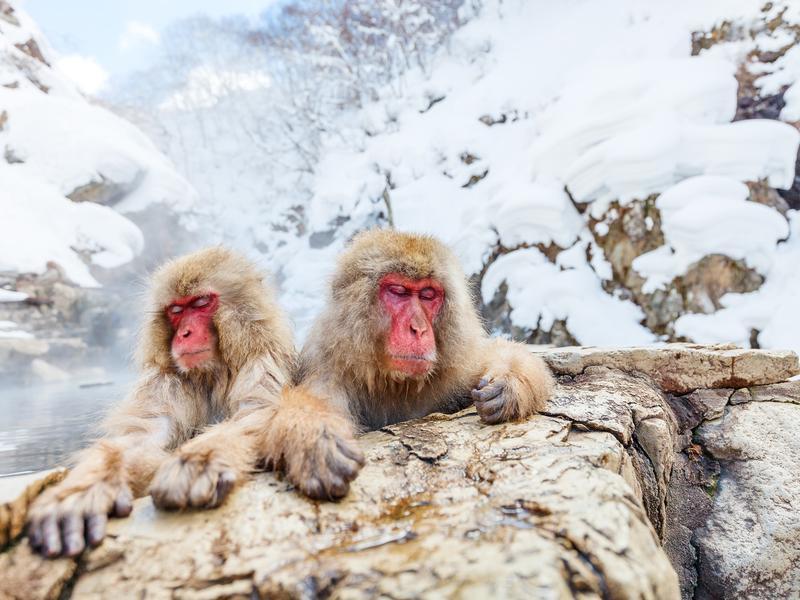
Japanese macaques, also known as snow monkeys, are the northernmost primates in the world. These monkeys are especially famous for their winter behavior, soaking in hot springs to warm themselves during Nagano‘s harsh cold months. Jigokudani Wild Monkey Park, surrounded by snow-covered mountains, allows you to observe these fascinating creatures in their natural habitat while you relax in a geothermal bath.
Click here to learn more about creating a personal itineraryBest Time to Visit
The best time to visit the snow monkeys in the hot springs is during the winter months, typically from December to March. This is when the area is often covered in snow, creating a stunning backdrop as the monkeys bathe in steaming waters. However, the park is open year-round, and you can see monkeys at any time.
During the warmer seasons, monkeys still enjoy the hot springs, but the winter sight of them bathing amidst snow is a must-see. If you prefer fewer crowds, visiting on weekdays or early in the morning is recommended.

Road to the Monkey Park
To reach the Snow Monkey Park, you need to walk a scenic trail through Jigokudani. The walking time from the bus stop or parking lot is approximately 25-40 minutes, depending on your starting point. The trail is accessible year-round, but be sure to wear sturdy shoes, preferably snow or hiking boots, as it can be slippery during the winter. The picturesque trail adds to the excitement of your visit, with steam rising from the geothermal vents, and you might encounter monkeys along the way.
What to See and Do
Upon arrival at the park, you’ll find a well-maintained wooden promenade that leads to a hot spring pool where the monkeys bathe. Here are some highlights not to miss:
- Monkeys soaking in Hot Springs: The most iconic sight at Jigokudani is the wild macaques relaxing in the sultry waters. Some monkeys soak for up to 30 minutes, while others prefer to sit nearby and enjoy the warmth from a distance.
- Monkey Interaction: Monkeys live in large social groups, and it’s fascinating to observe their interactions. You’ll see them grooming each other, playing, and eating barley, apples, and other local food served by park staff.
- Take Pictures, but Respect the Rules: Visitors are encouraged to take photos of the monkeys, but it’s important to be cautious not to disturb them. While the monkeys are accustomed to humans, they are still wild animals and should be treated with respect. Do not feed or touch the monkeys, as this can provoke aggressive behavior and negatively affect their natural habits.
- Wildlife Observation: Apart from the monkeys, the surrounding area offers plenty of opportunities to enjoy nature. You may encounter other wildlife or simply appreciate the beauty of the snow-covered mountainous terrain during the winter months.
What You Need to Know Before You Go
- Ticket Price: Admission to Jigokudani Monkey Park is affordable. The fee is 800 yen for adults and 400 yen for children. This allows you to experience the park and see the snow monkeys.
- Opening Hours: The park is open daily:
- From April 4 to May 10: 8:30 AM to 5:00 PM
- From November 11 to March 3: 9:00 AM to 4:00 PM
- The park remains open throughout the year, with no specific closure dates.
- What to Wear: During the winter, especially in the morning, it’s essential to wear warm clothing as temperatures can drop below freezing. Good footwear is crucial, especially if you plan to walk the trail in winter conditions, as it can be icy.
- Respect the Environment: While the monkeys are used to human presence, it’s important to follow the park rules. Do not feed the monkeys or engage in actions that may provoke them. This helps maintain a safe environment for both visitors and monkeys.
Nearby Attractions
While the main attraction is the snow monkeys, there are other interesting sights around Jigokudani:
- Shibu Onsen: A charming town nearby, known for its traditional inns and hot springs. After visiting the snow monkeys, it’s the perfect place to relax and enjoy a bath.
- Yudanaka Onsen: Another popular hot spring town, Yudanaka is also close to the Monkey Park. Many inns in the area feature open-air baths, and there are several local eateries.
- Jigokudani Valley: Explore the geothermal features of Jigokudani itself. The valley is filled with steam spouts and hot springs, creating a unique and atmospheric landscape.
Since 2015, our website has specialized in individual planning of unique routes, taking into account personal preferences and desires. Each of you will receive a unique PDF file from us, which contains everything you need: travel routes, car rentals, hotels, the best tourist attractions, attractions for kids and everything you need for a perfect vacation. During the trip, we are available for you by phone via WhatsApp. Our personal service provides information from A to Z, taking into account many small details that can become a decisive factor on the way from a wasted trip to an unforgettable vacation. Our service will make your trip comfortable, save a lot of time on planning and preparation, and most importantly – will allow you to become freer and fully enjoy the pleasure of the trip.
How to Get There
Access to Jigokudani Monkey Park is relatively easy, but it requires some travel and walking. Nagano Station, about an hour by train from Tokyo via the Hokuriku Shinkansen, is the most convenient starting point. From Nagano Station, you have two main options to reach the Snow Monkey Park:
- Bus from Nagano Station: A high-speed bus runs from Nagano Station to the Snow Monkey Park Bus stop, taking about 40 minutes. From there, you’ll need to walk about 30-40 minutes to reach the park entrance.
- Combination of Train and Bus: Alternatively, you can take the train to Yudanaka Station or Shibu Onsen, then take a local bus closer to the park. This option may take a little longer but allows you to explore additional scenic areas around the region.
What we propose Emma Heidi Take all the stress out of planning your trip! With our experts, you can create the perfect itinerary for you – complete, comfortable, and tailored to all your dreams, wishes, and needs. We take care of every little detail, so you can simply focus on enjoying your journey. We’ve been designing personalized itineraries since 2015, and over the years we’ve created thousands of custom itineraries for happy clients. Save time, avoid confusion – we do the work for you. Our service saves you weeks of searching, reading, comparing, and complicated planning. Instead of wasting endless hours – you receive a ready-to-use, accurate and clear itinerary. A tailor-made itinerary – built just for you. Your itinerary is personally designed based on our experts’ real field experience and genuine feedback from hundreds of travelers – including hidden discoveries and insider tips that don’t appear in any travel guide. Smart accommodation selection – often saves you hundreds or even thousands of dollars. We help you choose verified and recommended places to stay, checking availability for your exact travel dates. Sometimes we suggest hotels not “in the center,” but in safe, convenient, and highly strategic locations – which can significantly reduce travel costs and save you even thousands of dollars. We’re by your side even during the trip. We stay with you throughout your vacation – providing professional help whenever needed. If the weather changes, there’s a strike, a local event, heavy crowds, or any unexpected situation – we are here to update, guide, and adjust your itinerary in real time. Easy-to-use itinerary – with direct navigation links. Your itinerary includes direct Waze / Google Maps links – no need to search for parking addresses, no stress, no mistakes. Just tap – and go. Want to know if it’s really worth it? Take a look at the experiences of travelers who built their personal itinerary with us. Click here and let’s start building the itinerary that will save you time, money, and stress – and turn your vacation into perfection. Of course, your first inquiry is completely free – with no commitment whatsoever. How it works
Customer Experience Manager


Service cost: from only $420. (Special price for short itineraries up to 5 days). Clients tell us the itinerary saves them costly mistakes, fines, wrong choices – plus exclusive discounts on car rentals, better-priced accommodations, and money-saving local tips.


Latest articles