My love for Japan began the moment I arrived in Tokyo. The country amazed me with its harmony of ancient traditions, cutting-edge technology, breathtaking nature, and a culture unlike any other. Since then, Japan has become a part of my life, and I return there again and again. Today I help travelers discover the real Japan: I create personalized itineraries, give lectures, and prepare guests for their unforgettable journey. I would be delighted to open Japan for you too!


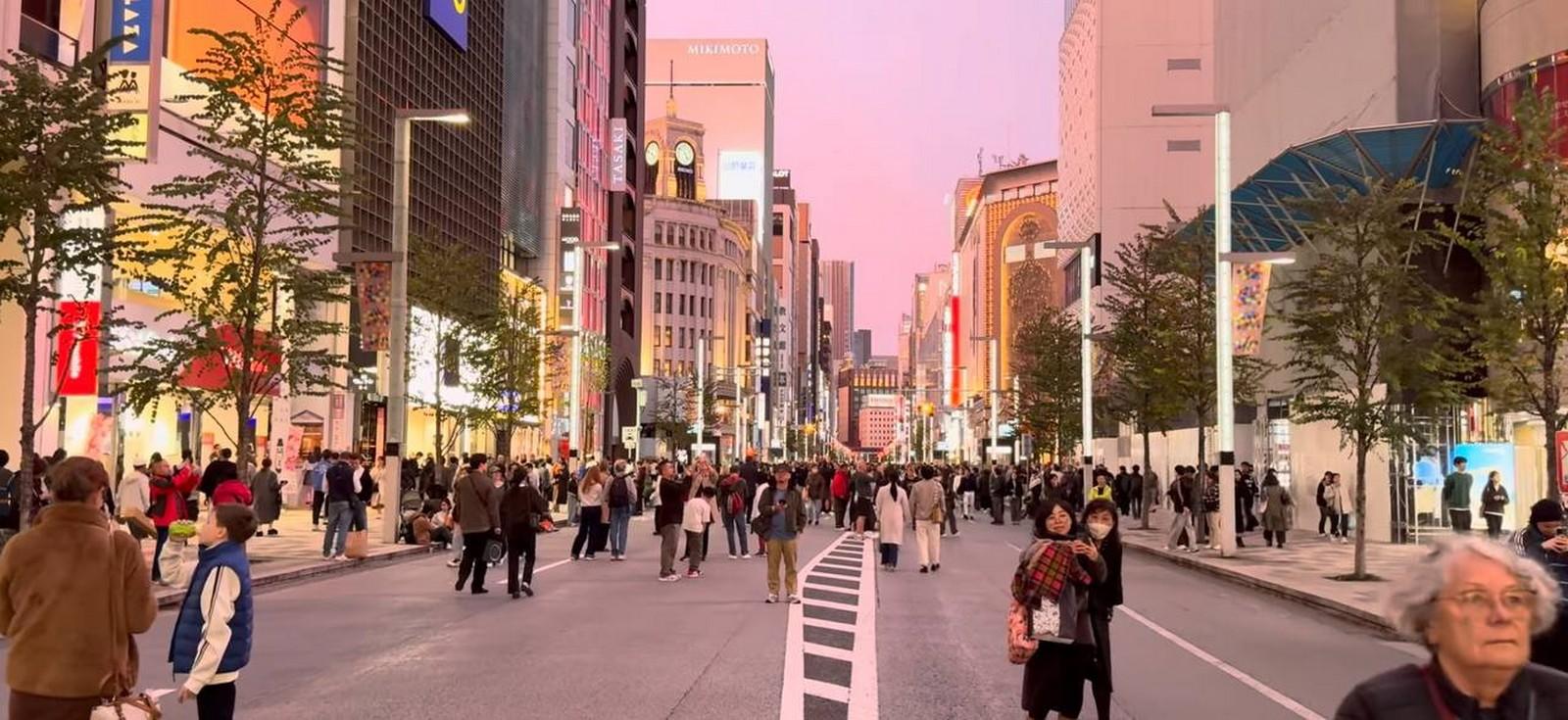
Roppongi
Roppongi is one of Tokyo’s most famous and fascinating districts – a blend of skyscrapers, contemporary art, Japanese gardens, chic shopping complexes, breathtaking views, and a wide range of activities for all ages. Although the area once had a more complicated reputation, today it is rich in culture, design, and refined taste, offering families a holiday that feels both urban and relaxed. It’s easy to reach, comfortable to explore on foot, and thoughtfully designed so that even families with children can enjoy it without effort.
How to Get to Roppongi – and What to Know Before You Start?
Roppongi is located in the heart of Minato City, one of Tokyo’s central and most accessible wards. The main transport hub is Roppongi Station, served by the Hibiya Line and Oedo Line, which makes it easy to reach from almost anywhere in the city. The ride from Shinjuku, for example, takes around 10 minutes.
Most major complexes – Roppongi Hills, Tokyo Midtown, and Azabudai Hills – offer convenient underground (paid) parking. For families who want maximum flexibility, renting a car can be helpful, especially if you plan to combine your visit with a day trip outside Tokyo. A car can also save time when travelling between more distant neighbourhoods.
Opening hours vary by complex. Shops and restaurants usually operate between 10:00 and 21:00, while museums and attractions often stay open into the evening, depending on their exhibitions.
Admission prices are generally family-friendly:
- Tokyo City View – approx. 2,000 yen per adult
- Mori Art Museum – usually 1,800-2,200 yen per adult, depending on the exhibition
- Sky Deck – additional fee
- Many events in Midtown Garden – free of charge
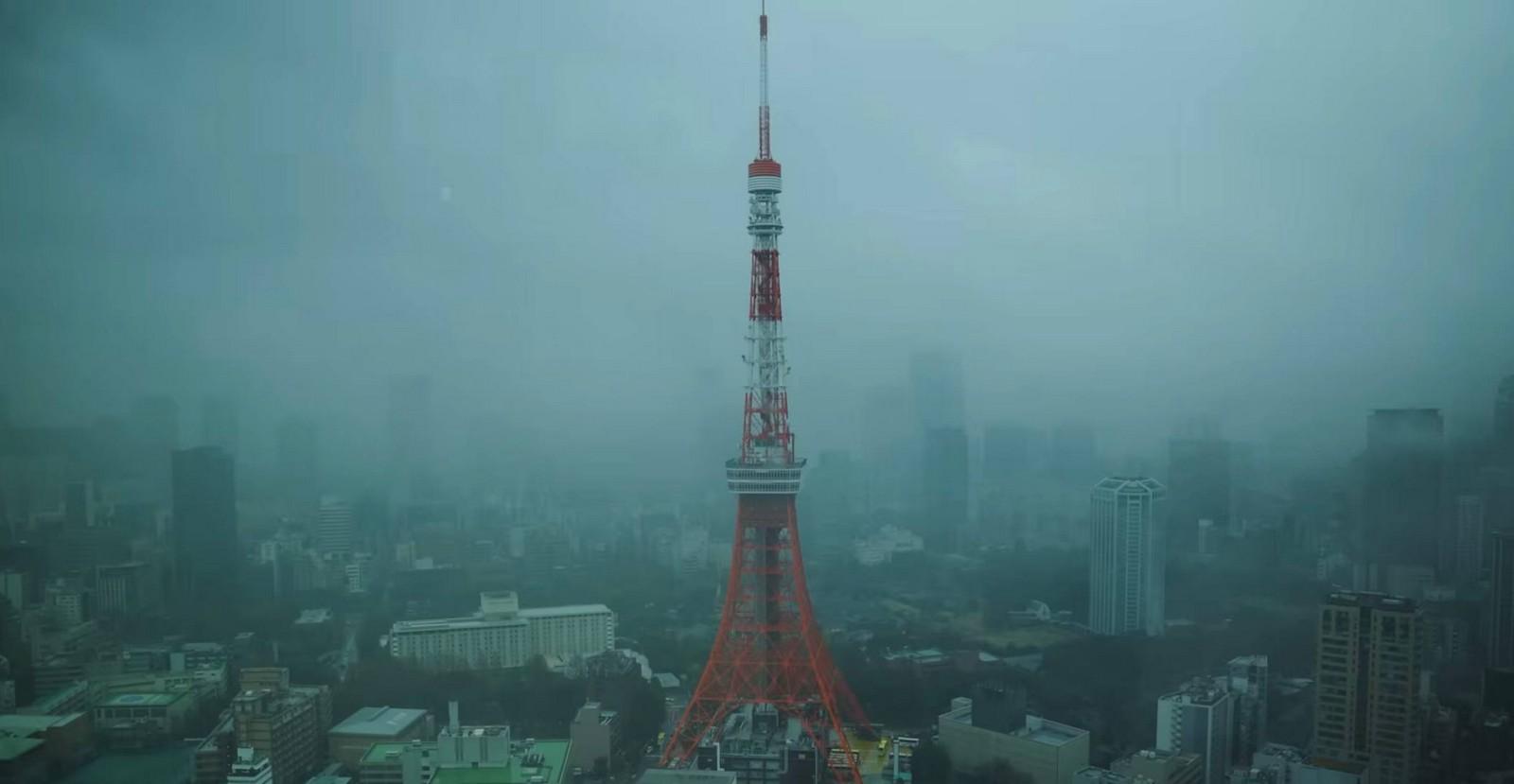
I stood there watching Tokyo Tower disappear into the fog — the whole city felt like a quiet dream.
What Makes Roppongi So Popular with Families?
The appeal of Roppongi lies in its balance between nature and city life: art and open spaces, innovative architecture, and a calmer atmosphere than many other central districts. Most key attractions are within comfortable walking distance, with plenty of places to rest, enjoy a snack, and take memorable photos.
Children are drawn to the views and green spaces, while parents appreciate the design, shopping, and dining options. Most areas are stroller-friendly, with elevators, escalators, and wide paths that make getting around straightforward for families.
Almost everywhere you go, you’ll find clean, quiet seating areas – a major advantage when travelling with young children.
Click here to learn more about creating a personal itineraryWhat are the must-see attractions in Roppongi – especially for families?
Mori Tower & Tokyo City View – Is This Tokyo’s Most Impressive Observation Deck?
Mori Tower, rising 238 meters high, is one of the defining landmarks of Roppongi. From the moment you enter Roppongi Hills, the atmosphere stands out: clean, organised, and pleasant to explore.
At the upper floors you’ll find Tokyo City View, an indoor panoramic observatory offering wide skyline views and a small café. On clear days, you can see Tokyo Tower; even on cloudy days, the view feels modern and almost futuristic. At certain times, the open-air Sky Deck is also available.
Below the observatory is the Mori Art Museum, a large contemporary art museum with rotating exhibitions, some of which are interactive and suitable for children.
Tip from the Itinerary Expert: The best time to visit Tokyo City View is at sunset. The golden light transforms the city, and Tokyo Tower stands out beautifully.
Mori Garden – A Small, Beautiful Japanese Garden in the Heart of the City
At the foot of Mori Tower lies Mori Garden, one of the quietest and most peaceful corners of the area. This traditional Japanese garden features small paths, a pond, bridges, bonsai trees, and seasonal blossoms. In spring you’ll see sakura blooms, while autumn brings colourful foliage.
Although compact, it offers an ideal nature break between nearby attractions. Families often stop here to relax, sit by the water, and enjoy a moment of calm in the middle of the city.
Tip from the Itinerary Expert: The garden is at its best in the morning, when it’s quiet, clean, and easy to explore.
Tokyo Midtown – The Perfect Combo of Relaxed Shopping and Green Walks?
Tokyo Midtown is one of Tokyo’s most modern and stylish complexes. It includes designer shops, boutiques, restaurants, cafés, and a spacious indoor mall.
The real highlight is outside: Midtown Garden, a large landscaped park directly connected to the station. In winter it features ice skating and illumination displays; in spring, sakura blossoms; in summer, seasonal installations such as Garden Himawari with thousands of artificial sunflowers.
Travellers often describe it as an excellent spot for a light picnic, a break for children, or family photos.
Tip from the Itinerary Expert: If you are visiting in the afternoon, check whether a seasonal event is taking place. Midtown Garden is known for frequent activities throughout the year.
National Art Center Tokyo – The Most Family-Friendly Art Experience?
Even if museums are not usually on your list, the National Art Center Tokyo is worth a visit. Its wave-shaped architectural design, spacious halls, and well-designed café make it pleasant even for a short stop. The building also appears in the popular anime film Your Name, which makes it a favourite photo spot for younger visitors.
Many families visit simply to walk through the impressive lobby, enjoy the open spaces, and take a break from the busier parts of the day.
Tokyo Tower – A Classic View That Rivals Mori Tower
Tokyo Tower, the iconic orange-and-white structure, is just a short walk from Roppongi. Standing 333 meters tall, it offers indoor observatories, shops, restaurants, and a classic Tokyo atmosphere. The evening view is particularly striking.
Families who enjoy iconic landmarks appreciate the experience, and pairing Tokyo Tower with Mori Tower provides two very different perspectives of the city.
Azabudai Hills – Tokyo’s Most Futuristic Neighbourhood?
Azabudai Hills is a new and visually impressive complex, featuring galleries, restaurants, a modern lobby with views of Tokyo Tower, and striking contemporary architecture. It is also home to teamLab Borderless, one of the most photographed digital art exhibitions in the world, known for its immersive light and colour installations.
This makes it an excellent choice for families with children who enjoy interactive or digital art experiences.
What Else Is Near Roppongi and Worth Adding to Your Route?
The surrounding area offers several additional experiences:
- Azabu-Juban – a charming neighbourhood with small restaurants, traditional desserts, and a local feel.
- Aoyama Cemetery – unexpectedly peaceful, with quiet paths that blossom beautifully in spring.
- TV Asahi Atrium – visitors can watch live recordings; a fun stop for children.
- Central Roppongi Crossing – the district’s most recognisable intersection, ideal for photos.
The walk between Roppongi and Azabu-Juban is comfortable and pleasant, especially in the evening.
Click here to create a personal itinerary for JapanIs Roppongi Suitable for Families, Older Travellers, and Slow Travel?
Yes. Roppongi offers a combination of urban convenience and a calm, safe environment. The district includes many seating areas, elevators, wide paths, and green spaces, along with a variety of restaurants and shops that appeal to different tastes. The pace is quieter than in Shibuya or Shinjuku, making it a strong choice for travellers who prefer less crowded surroundings.
Families appreciate the parks, observatories, and interactive experiences. Older travellers find the district easy to navigate, while visitors with mobility challenges benefit from accessible routes and frequent elevator access.
Tip from the Itinerary Expert: On weekends, the area around Mori Tower can get busy. Arriving early helps avoid queues.
How Much Time Do You Need in Roppongi?
A full visit to the district typically takes between 3 and 6 hours, depending on pace and interests.
- Mori Tower and the Mori Art Museum usually take 1.5-2 hours.
- Tokyo Midtown and its garden require about 1-2 hours.
For families who enjoy a slow, relaxed day, Roppongi can easily become a half-day or full-day destination.
What to Know Before Visiting with Children?
Most walking paths are stroller-friendly. Clean restrooms are available throughout the main complexes, and many restaurants offer children’s meals. Some gardens close at night, so checking opening hours is recommended. Observatories may close during severe weather.
In summer, Midtown Garden is full of flowers and seasonal activities; in winter, it hosts impressive illumination shows that children enjoy.
Since 2015, our website has specialized in individual planning of unique routes, taking into account personal preferences and desires. Each of you will receive a unique PDF file from us, which contains everything you need: travel routes, car rentals, hotels, the best tourist attractions, attractions for kids and everything you need for a perfect vacation. During the trip, we are available for you by phone via WhatsApp. Our personal service provides information from A to Z, taking into account many small details that can become a decisive factor on the way from a wasted trip to an unforgettable vacation. Our service will make your trip comfortable, save a lot of time on planning and preparation, and most importantly – will allow you to become freer and fully enjoy the pleasure of the trip.
Roppongi Family Itinerary – 2 Full Days (10:00-18:00)
Day 1 – Roppongi Hills, Mori Tower & Mori Garden
Morning (10:00-13:00)
Begin at Roppongi Station (Hibiya / Oedo Line). Follow the signs for a 5-10 minute walk to Roppongi Hills.
Start with Tokyo City View on the 52nd floor of Mori Tower, usually open from 10:00 to 22:00. The recommended visit time is 1-1.5 hours.
Lunch (13:00-15:30)
Head down to the lower levels of Roppongi Hills, where you’ll find a variety of shops and restaurants. Choose a simple Japanese restaurant for lunch (60-90 minutes).
After lunch, continue to the Mori Art Museum on the 53rd floor if your children enjoy modern art. Expected visit time is approximately one hour.
Afternoon-Early Evening (15:30-18:00)
Walk down to Mori Garden, a small Japanese garden with a pond and bridges. It is ideal for family photos and a short break. Plan for about 30-45 minutes.
From there, continue on foot to the TV Asahi Atrium and the Roppongi Hills Arena plaza. Both are good places to stop for a snack or dessert.
Day 2 – Tokyo Midtown, National Art Center & Tokyo Tower
Morning (10:00-13:00)
Start again at Roppongi Station, this time heading toward Tokyo Midtown. There is a direct connection through Exit 8 of the Oedo Line or via an underground passage from the Hibiya Line, taking about five minutes on foot.
Explore the indoor areas of Tokyo Midtown, then head outside to Midtown Garden, a large green space that hosts seasonal events such as sakura in spring, illuminations in winter, and sunflower installations in summer. The total visit usually takes up to two hours, including playtime for children.
Lunch (13:00-15:30)
Choose one of the restaurants or the food hall inside Tokyo Midtown (about one hour).
After lunch, walk about 10 minutes to the National Art Center Tokyo. Even without exploring the exhibitions, the wave-shaped architecture, open spaces, and elevated café offer a pleasant experience. Plan for 45-60 minutes.
Afternoon-Early Evening (15:30-18:00)
From the National Art Center, walk for about 20 minutes or take a short train ride to Tokyo Tower. The main observatory is usually open from 9:00 to 22:30.
Arriving between 16:00 and 18:00 allows you to see the city during the last light of the day. The average visit time is 1-1.5 hours.
Traveler Reviews – Roppongi
- Emma Collins – visited in April 2019
I spent a full day in Roppongi with my husband and our two children, and it exceeded our expectations. Tokyo City View was impressive, especially on a clear spring day. Mori Garden offered a quiet break and was perfect for the kids. Arriving early helped us avoid the afternoon crowds near Mori Tower. - Daniel Reeves – visited in October 2021
Roppongi felt like the right balance of city energy and calm spaces. We enjoyed walking from Roppongi Hills to the TV Asahi area, where our teens found plenty to enjoy. Midtown Garden was the highlight thanks to its peaceful atmosphere in the middle of the city. It made sightseeing with kids much easier. - Olivia Hart – visited in July 2023
We visited with three children, and Roppongi was one of the easiest areas to navigate. Everything was stroller-friendly, organized, and clean. Midtown Garden had a seasonal flower event that the kids enjoyed. The walk from the National Art Center to Tokyo Tower was a bit long in the summer heat, so carrying water was essential. - Michael Turner – visited in December 2022
Roppongi during the winter illumination displays is memorable. We spent the afternoon at Tokyo Midtown and stayed for the lights, which were beautiful. The children enjoyed the illuminated decorations. We wished we had booked Tokyo City View for sunset instead of after dark. - Sophia Bennett – visited in May 2018
As a family that enjoys modern spaces and open areas, Roppongi suited us well. The Mori Art Museum was surprisingly engaging for our 11-year-old. Afterwards, Mori Garden was a relaxing place to unwind and take photos. The cafés in Roppongi Hills get busy, so securing a table early helps. - Jason Miller – visited in March 2024
Roppongi gave us the ideal half-day: City View, lunch, and shopping at Tokyo Midtown. Midtown Garden was spacious, allowing the children to move around comfortably. The walk to Tokyo Tower included some uphill stretches, but the view from the top made it worthwhile. - Hannah Brooks – visited in September 2019
I was unsure whether Roppongi would feel too urban for the kids, but it turned out to be one of the most comfortable areas in Tokyo. There were elevators, clean rest areas, and plenty of seating. Our favourite moment was sitting by the pond in Mori Garden while the kids fed the koi fish. - Liam Anderson – visited in February 2025
We appreciated the combination of architecture and nature. The National Art Center was more about the building than the exhibitions, but our teens enjoyed taking photos there. Tokyo Tower at dusk was unforgettable, though the queue required some patience. Bringing snacks helped while waiting.
Tips from the Itinerary Expert
Visit Mori Garden before noon. In the morning, this small Japanese garden is at its quietest, making it the best time for children to explore, take family photos by the pond, and enjoy a calm break between activities.
Aim for sunset at Tokyo City View. If the weather is clear, try to visit Mori Tower around sunset. The golden light over Tokyo Tower creates outstanding views and is ideal for family photos.
Use Roppongi Hills as your starting point. When exploring with children, beginning your day here is practical. The area has clean restrooms, elevators, and many places to rest, which helps the day run smoothly.
Buy snacks before heading to Tokyo Tower. The area around the tower can get crowded, especially in the late afternoon. Getting snacks at Midtown or Roppongi Hills beforehand makes waiting for the observatory more comfortable.
Walk between Roppongi and Azabu-Juban in the evening. This stroller-friendly route is calm and pleasant. It’s a good way to unwind after a busy day and enjoy local streets, cafés, and photo-friendly corners.
Check seasonal events at Midtown Garden. The garden often hosts seasonal installations such as sunflowers in summer, illuminations in winter, or sakura in spring. Checking in advance helps turn a simple walk into a highlight.
Take the underground passages when possible. With children, the underground walkways connecting Roppongi Station, Tokyo Midtown, and parts of Roppongi Hills save time and avoid street crossings. They are especially useful on rainy or hot days.
Plan a break at the National Art Center café. Even without visiting exhibitions, the spacious lobby and the upper-floor café provide a good rest point for families. It’s one of the quieter spots where children can recharge.
Combine Mori Tower and Tokyo Tower only if your children enjoy viewpoints. Both observatories are excellent, but two in the same day can be tiring for younger children. Spacing them out or choosing one for sunset may be easier.
Take advantage of stroller-friendly design. Roppongi is one of the most comfortable areas in Tokyo for families with strollers thanks to its wide paths, elevators, and clean seating areas.
Click here to learn more about creating a personal itineraryInsights from the Itinerary Expert
I visited Roppongi in October 2023, and even after many years of planning family trips in Tokyo, the district continues to offer new surprises. What I appreciate most is the balance: modern architecture in every direction, yet calm pockets like Mori Garden where children can rest, explore, and enjoy a quieter moment. It’s a combination that is not easy to find in such a dense city.
For families who enjoy views and memorable experiences, Tokyo City View is an excellent choice, especially around sunset. From experience, weekends near Mori Tower become busy quickly, so arriving early makes the visit noticeably smoother. Tokyo Midtown, on the other hand, is ideal for a slower pace, and the seasonal events at Midtown Garden consistently add something special for children.
The only minor challenge is the walking distance between some attractions, particularly on warm days. However, the clean rest areas, easy stroller access, and frequent seating make the area manageable even for families with younger children. Roppongi never feels overwhelming, and its layout supports a relaxed day without unnecessary stress.
Roppongi offers a thoughtful mix of city life and quieter corners, creating many opportunities to explore together. If you would like help creating a personal, family-friendly itinerary for Roppongi-or for the rest of Japan-I will be happy to assist as the Itinerary Expert.
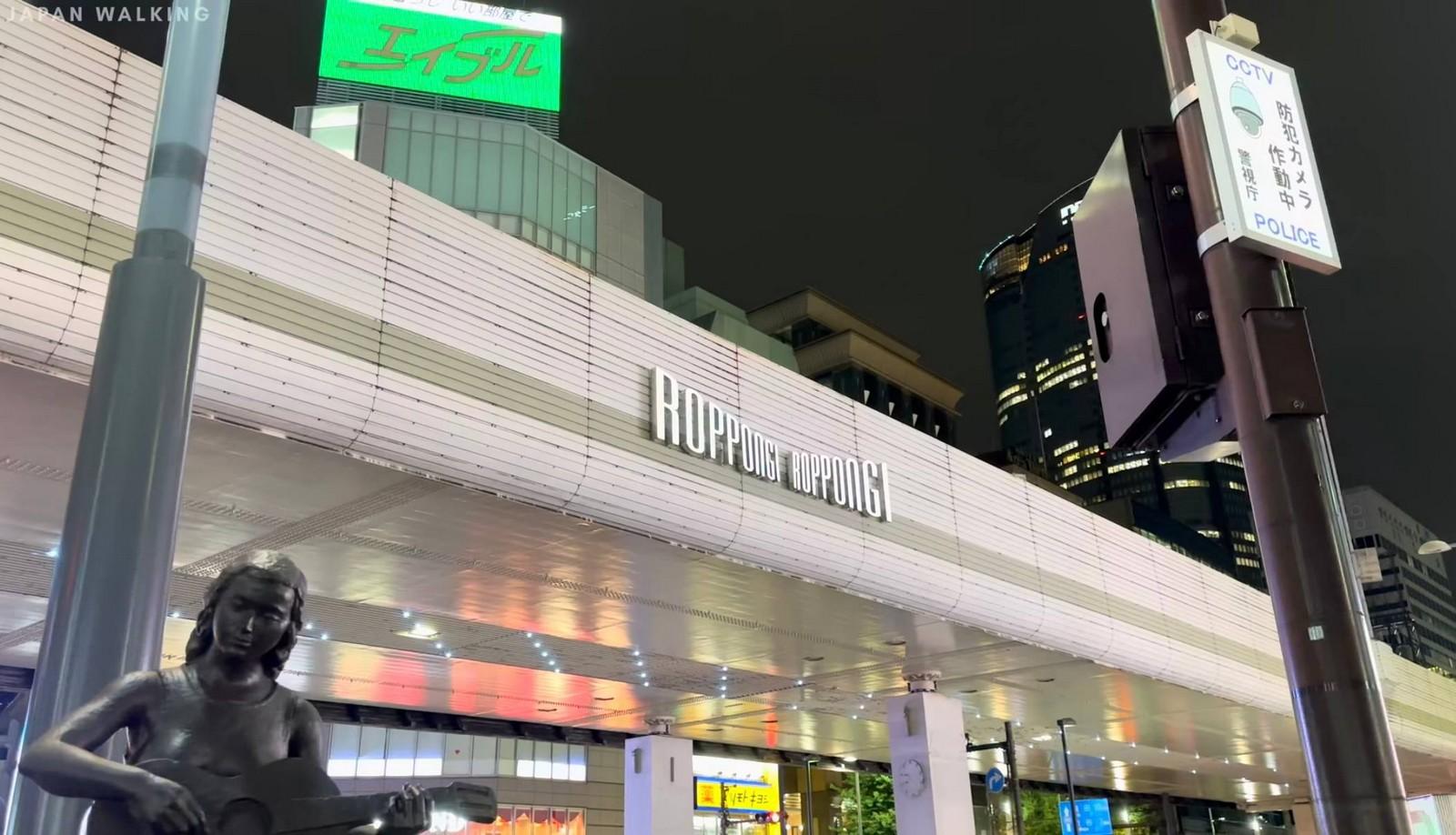
When I arrived at Roppongi Station that night, the city felt ready for another adventure — and so was I.
Price Guide
| Category | Details / Notes | Average Price (USD) |
| Budget Hotels | Guesthouses or basic 2-3★ hotels in the Roppongi area. Simple but clean rooms. Breakfast not included. | 100-160 |
| Mid-Range Hotels | 3-4★ hotels with breakfast, city views, or proximity to Roppongi’s main complexes. Prices may rise during peak season. | 165-295 |
| Luxury Hotels | Boutique or high-end 4-5★ hotels in Roppongi and Minato. Often include a spa, terrace, and gourmet dining. | 440-880 |
| Apartment / Family Suite | Two-room apartment with a kitchen in or near Roppongi, close to public transport. Ideal for families. | 200-440 |
| Car Rental (per day) | Standard compact car with basic insurance. Fuel prices in Tokyo are relatively high. | 90-130 |
| Public Transport | Local buses and trains in the Roppongi area. Discounts or day passes sometimes available. | 0-10 per ride |
| Restaurants – Mid-Range | Lunch for two adults and two children (no alcohol) in the Roppongi area. | 40-65 per person |
| Cafés / Desserts | Coffee and dessert in central Roppongi. | 5-12 |
| Supermarket – Basic Groceries | Basic groceries for a light meal for two people. | 11-17 per meal |
| Parking | Parking in Roppongi – more expensive in central streets and cheaper on side streets. | 9-13 per day |
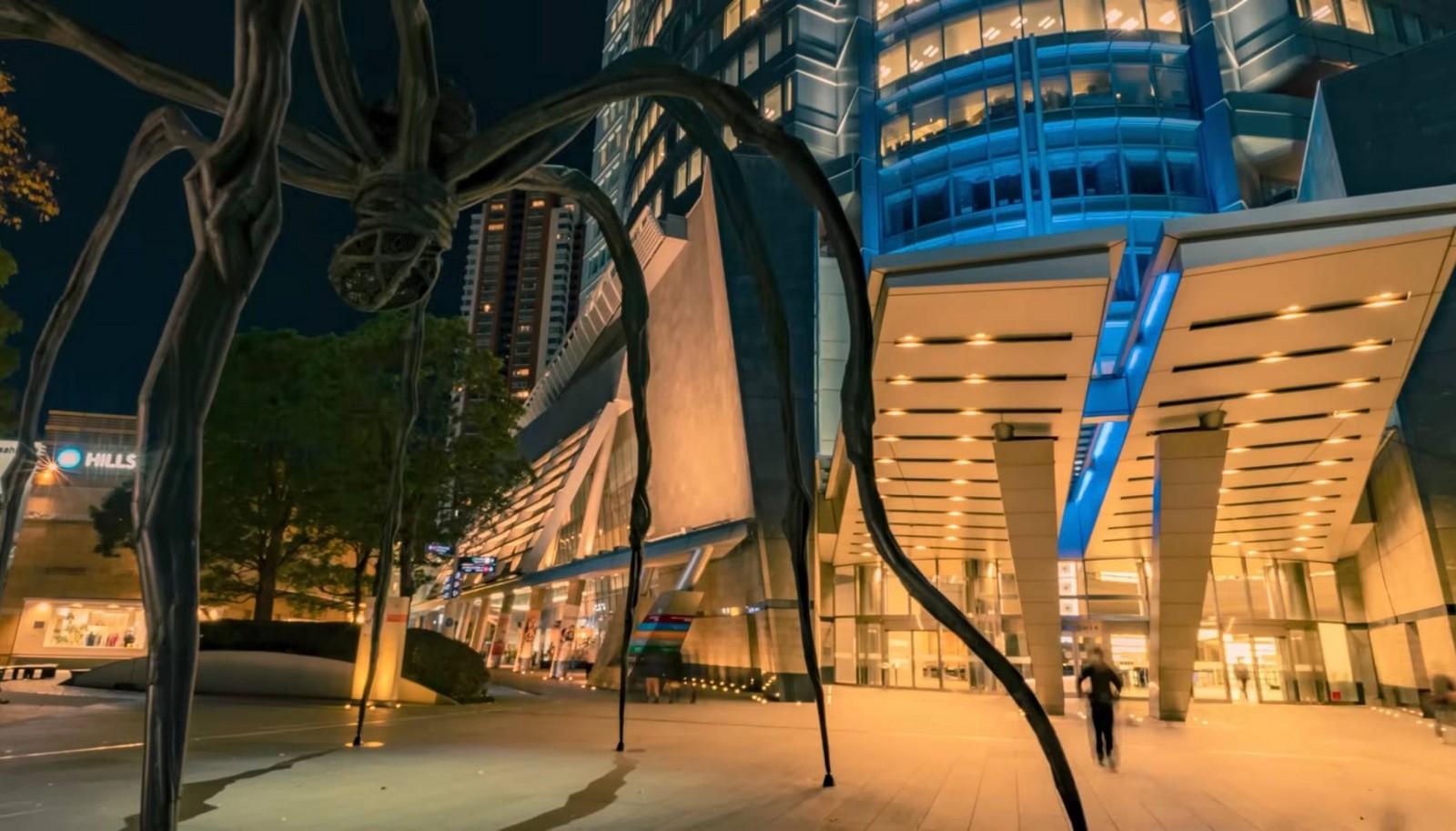
I always feel tiny walking under this giant spider — but the lights of Roppongi Hills make it strangely comforting.
Frequently Asked Questions – Roppongi
- Is Roppongi suitable for families with children?
Yes. Roppongi is one of Tokyo’s most accessible districts, with wide paths, elevators, clean rest areas, parks such as Midtown Garden, and stroller-friendly routes. - How much time should we plan for a family visit to Roppongi?
A complete visit usually takes 3-6 hours, depending on whether you include observatories and museums. Families who prefer a slower pace may spend half a day or even a full day. - Is Tokyo City View appropriate for children and teens? (first-hand experience)
Yes. During my visit, the view captured the children’s attention, especially when they spotted Tokyo Tower. The observatory is calm, safe, and ideal for memorable family photos. - Are there any age restrictions for the Sky Deck?
Yes. The open-air Sky Deck depends on weather conditions and may not be suitable for small children. Staff instructions must be followed. - Where can we find nature or green spaces in Roppongi?
Families can enjoy Mori Garden, a peaceful Japanese garden, and Midtown Garden, a large green park with seasonal events such as sakura, illuminations, or sunflower installations. - Is walking between attractions easy with kids? (first-hand experience)
From experience, walking between Roppongi Hills, the TV Asahi Atrium, and Azabu-Juban is straightforward. The paths are clean and wide, though longer walks can be tiring on hot days. - What are the typical opening hours for shops and restaurants?
Most shops and restaurants in Roppongi operate from 10:00 to 21:00. Observatories and exhibitions may remain open later depending on the schedule.
What we propose Emma Heidi Take all the stress out of planning your trip! With our experts, you can create the perfect itinerary for you – complete, comfortable, and tailored to all your dreams, wishes, and needs. We take care of every little detail, so you can simply focus on enjoying your journey. We’ve been designing personalized itineraries since 2015, and over the years we’ve created thousands of custom itineraries for happy clients. Save time, avoid confusion – we do the work for you. Our service saves you weeks of searching, reading, comparing, and complicated planning. Instead of wasting endless hours – you receive a ready-to-use, accurate and clear itinerary. A tailor-made itinerary – built just for you. Your itinerary is personally designed based on our experts’ real field experience and genuine feedback from hundreds of travelers – including hidden discoveries and insider tips that don’t appear in any travel guide. Smart accommodation selection – often saves you hundreds or even thousands of dollars. We help you choose verified and recommended places to stay, checking availability for your exact travel dates. Sometimes we suggest hotels not “in the center,” but in safe, convenient, and highly strategic locations – which can significantly reduce travel costs and save you even thousands of dollars. We’re by your side even during the trip. We stay with you throughout your vacation – providing professional help whenever needed. If the weather changes, there’s a strike, a local event, heavy crowds, or any unexpected situation – we are here to update, guide, and adjust your itinerary in real time. Easy-to-use itinerary – with direct navigation links. Your itinerary includes direct Waze / Google Maps links – no need to search for parking addresses, no stress, no mistakes. Just tap – and go. Want to know if it’s really worth it? Take a look at the experiences of travelers who built their personal itinerary with us. Click here and let’s start building the itinerary that will save you time, money, and stress – and turn your vacation into perfection. Of course, your first inquiry is completely free – with no commitment whatsoever. How it works
Customer Experience Manager


Service cost: from only $420. (Special price for short itineraries up to 5 days). Clients tell us the itinerary saves them costly mistakes, fines, wrong choices – plus exclusive discounts on car rentals, better-priced accommodations, and money-saving local tips.


Latest articles