My love for Japan began the moment I arrived in Tokyo. The country amazed me with its harmony of ancient traditions, cutting-edge technology, breathtaking nature, and a culture unlike any other. Since then, Japan has become a part of my life, and I return there again and again. Today I help travelers discover the real Japan: I create personalized itineraries, give lectures, and prepare guests for their unforgettable journey. I would be delighted to open Japan for you too!
Kansai
Kansai is a place where Japan’s history feels layered and profoundly alive. On a single trip, you can find yourself wandering through the hushed, centuries-old grounds of a Zen temple in the morning, strolling past traditional wooden machiya houses in the afternoon, and ending your night under the electric glow of a buzzing city district. Traveling here is about more than just checking off landmarks; it’s about discovering a deeper cultural pulse and finding those quiet, scenic corners that feel worlds away from the usual crowds. What makes the experience so fulfilling is the effortless way everything connects. Ancient heritage meets modern energy, panoramic mountain views are just a short trip from peaceful moss gardens, and easy family walks lead directly to hidden local food gems. Each day brings a new perspective while keeping a comfortable, relaxed pace. This unique blend of atmosphere, variety, and emotional resonance is what makes a journey through Kansai truly unforgettable.
How is transportation organized across the Kansai region?
Navigating Kansai is remarkably seamless and efficient. The entire region is tied together by a sophisticated network of high-speed trains, local railways, buses, cable cars, and even scenic boats. This connectivity makes it simple to weave together very different landscapes—from historic urban districts to rugged mountain scenery or serene coastal views—without the stress of complicated logistics or tiring transfers. Within the cities themselves, public transport is incredibly practical. Frequent departures and clear connections allow you to stay flexible, letting you adjust your plans as you go. Even destinations that seem remote on a map are usually just a short, scenic ride away. This level of ease makes it entirely realistic to experience multiple highlights in a single trip while maintaining a relaxed and enjoyable rhythm.
Click here to learn more about creating a personal itinerary
Tip from the itinerary expert: Plan your sightseeing along the same railway line rather than jumping across the region. Smart sequencing of nearby attractions can save you significant travel time throughout your trip.

When is the ideal time to plan your Kansai trip?
Kansai shifts its character beautifully with the seasons, meaning there is no single “perfect” time to visit—only the one that fits your personal travel style. Spring paints the temples, riverbanks, and local parks in soft cherry blossom pinks, creating a gentle and almost dreamlike atmosphere. In autumn, the landscape transforms again as fiery maple leaves frame ancient architecture and mountain trails in deep reds and brilliant golds. Winter offers a quieter, more reflective mood, where light snow might rest on temple roofs and stone lanterns-perfect for those seeking a peaceful, meditative experience. Summer, by contrast, is vibrant and full of life, defined by lush green forests, spirited local festivals, and long, active days outdoors. Each season reveals a different soul of the region, so your choice depends entirely on the scenery and energy you wish to immerse yourself in.

Since 2015, our website has specialized in individual planning of unique routes, taking into account personal preferences and desires.
Each of you will receive a unique PDF file from us, which contains everything you need: travel routes, car rentals, hotels, the best tourist attractions, attractions for kids and everything you need for a perfect vacation.
During the trip, we are available for you by phone via WhatsApp.
Our personal service provides information from A to Z, taking into account many small details that can become a decisive factor on the way from a wasted trip to an unforgettable vacation.
Our service will make your trip comfortable, save a lot of time on planning and preparation, and most importantly – will allow you to become freer and fully enjoy the pleasure of the trip.
Tip from the itinerary expert: If you have flexibility, aim for late spring or autumn weekdays instead of peak holiday periods. You will get to experience the same iconic views with fewer crowds and a much more tranquil travel pace.
What are the top must-see attractions in Kansai?
Kansai brings together some of the most iconic cultural landmarks and scenic viewpoints in Japan, allowing travelers to experience temples, historic architecture, panoramic city views, and unique natural landscapes within one region. These highlights represent the essential places that shape a well-balanced journey through Kansai, combining atmosphere, history, and memorable visual impressions.
Fushimi Inari Taisha
Famous for its endless path of bright red torii gates climbing the forested slopes of Mount Inari, this shrine creates one of the most recognizable landscapes in Japan. The walking trail passes smaller shrines, viewpoints, and quiet sections where the atmosphere becomes increasingly peaceful away from the entrance.
Opening Hours: Open 24 hours
Free entry
Tip from the Itinerary Expert: Arrive early in the morning or later in the evening to experience the torii paths with fewer crowds and softer light for photos.
Kinkaku-ji (Golden Pavilion)
This golden-covered pavilion reflected in a quiet pond is one of the most symbolic images of classical Japanese architecture. Carefully designed gardens surrounding the structure create a calm walking route that highlights seasonal colors and balanced composition.
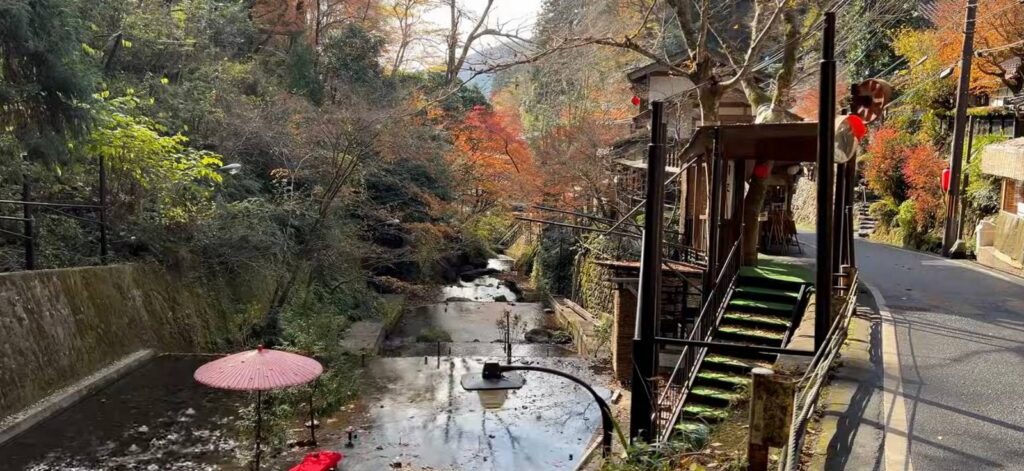
Kiyomizu-dera
Known for its large wooden terrace overlooking Kyoto, this historic temple offers wide panoramic views across the city and surrounding hills. The approach streets are filled with traditional shops and local snacks that add atmosphere to the visit.
Himeji Castle
Considered the most beautiful preserved samurai castle in Japan, this white fortress combines defensive architecture with elegant design. Walking through its gates, corridors, and layered interiors reveals the scale and complexity of feudal-era construction.
Nara Park and Tōdai-ji
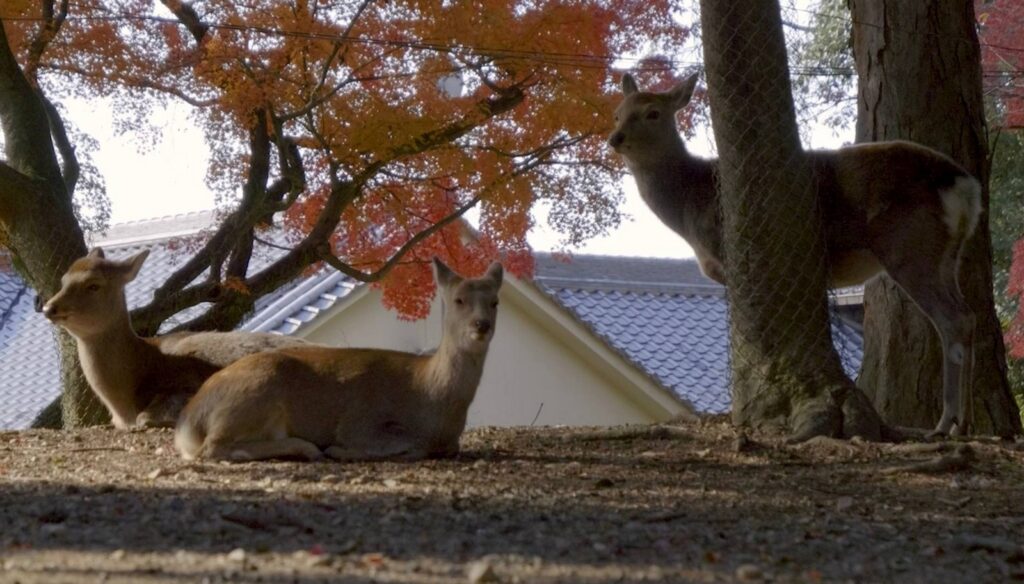
This spacious park is famous for freely roaming deer and the monumental Great Buddha housed inside Tōdai-ji Temple. The combination of open green space, historic wooden halls, and interactive encounters makes it one of the most memorable stops in the region.
Amanohashidate
A scenic pine-covered sandbar stretching across a calm bay, traditionally ranked among Japan’s most beautiful landscapes. Viewing platforms and cable car access provide striking perspectives of the natural formation from above.
Umeda Sky Building
A modern observation complex in Osaka offering sweeping city panoramas from its elevated viewing deck. The contrast between futuristic architecture and the historic sites across Kansai highlights the region’s blend of past and present.
Which natural landscapes define the beauty of Kansai?
While Kansai is world-renowned for its temples and historic cities, its natural scenery is just as integral to the region’s soul. Mountains rise quietly behind modern urban skylines, ancient forested trails begin just steps beyond temple gates, and dramatic coastlines stretch along the Sea of Japan. These diverse landscapes offer much-needed breathing space in any itinerary, providing slow walks, breathtaking viewpoints, and peaceful pauses between cultural highlights.
Around Kyoto, gentle mountain trails weave through emerald-wooded hills, connecting hidden shrines and moss-covered corners that feel entirely removed from the city bustle below. The rhythm here is unhurried—a calm transition from architectural grandeur to the soft sounds of birdsong and sunlight filtering through the canopy. Similar serenity can be found along sacred forest paths where the atmosphere is quietly transformed by seasonal colors throughout the year.
Click here to learn more about creating a personal itinerary
In contrast, the coastline along the Sea of Japan reveals a wider, more rugged horizon. Windswept shores and open sea views create a powerful sense of space that feels completely different from the inland valleys. It is a place for scenic stops, thoughtful photography, and simply standing still to take in the sheer scale of the natural world. For a truly restorative experience, traditional onsen towns tucked deep into the mountains offer another side of Kansai’s beauty.
Surrounded by forested slopes and wrapped in the rising steam of mineral baths, these small hot-spring settlements invite you to unwind after active days of exploration. Evening walks through their quiet streets in a traditional yukata add a timeless mood to the journey. Together, these landscapes prove that Kansai’s allure lives equally in its forests, coastlines, and peaceful mountain valleys.
Tip from the itinerary expert: Begin your outdoor walks early in the morning whenever possible. The air is crisper, the light is softer, and the trails are noticeably quieter—a simple adjustment that transforms the entire experience into something much more personal.
Which hidden gems can you discover in Kansai?
Beyond the iconic temples and famous cityscapes, Kansai quietly guards places where the pace slows and the atmosphere feels deeply personal. These are the corners where you can step off the main route and suddenly find yourself alone on a forest path, beside a calm canal, or in a coastal village where daily life unfolds naturally. Visiting them adds genuine depth to your journey and creates a more layered understanding of the region. Near Kyoto, quieter mountain temple paths offer a completely different experience from the city’s busiest landmarks. Less-visited forest trails link small shrines and hidden viewpoints, where birdsong replaces the hum of crowds and filtered light softens the landscape. It is an ideal setting for travelers who enjoy reflective walks and a closer connection to nature.
The historic canal quarter of Kurashiki brings another kind of charm. Stone bridges arch over still water, preserved merchant houses line the banks, and evening lantern light turns a simple stroll into something almost cinematic. Along the coast, traditional fishing villages reveal weathered wooden houses, working harbors, and open sea views – an authentic maritime atmosphere that feels refreshingly distant from major urban centers. Culture lovers can seek out provincial kabuki theaters, where classical stage traditions continue in intimate regional venues.
The experience feels local and genuine, far removed from large metropolitan performance halls. And in the mountains, nostalgic onsen towns with early-20th-century character invite slow evening walks in a yukata along historic bathhouse streets, surrounded by lush hills and rising steam. Together, these hidden places show a quieter, more textured side of Kansai that many travelers never pause to discover.

Tip from the itinerary expert: Dedicate at least one day of your itinerary to lesser-known locations outside the main city centers. These slower, quieter moments often become the most memorable part of the entire trip.
Which family-friendly activities are worth trying in Kansai?
Kansai is remarkably easy to explore with different age groups because many experiences feel engaging without being overwhelming. The region naturally combines culture, scenery, and light entertainment, making it simple to build days that feel varied yet relaxed. In Nara Park, feeding the freely roaming deer creates a playful interaction set against the backdrop of historic temples and wide green lawns. It is one of those rare moments where nature and heritage blend seamlessly. A walk through the Arashiyama Bamboo Grove offers a different kind of wonder – towering bamboo stalks form a glowing corridor of shifting light and soft rustling sounds, while nearby riverside paths extend the outing into a gentle half-day adventure. Osaka introduces a modern contrast with observation decks and interactive museums that balance panoramic views with hands-on exhibitions. These spaces are dynamic and easy to combine within one city day. Large-scale expo pavilions and themed events add another layer of discovery, where architecture, design, and creative displays turn exploration itself into an immersive experience. By mixing calm walks, interactive moments, and scenic highlights, Kansai allows families to maintain their energy throughout the trip while ensuring that each day feels fresh and memorable.
Tip from the itinerary expert: Alternate active sightseeing with lighter, interactive experiences. This simple rhythm keeps energy levels steady and helps everyone enjoy the journey at a comfortable pace.
Kansai Family Route: A 4-Day Journey Through Heritage and Nature
Trip Duration: 4 days
Day 1 - Kyoto: Timeless Temples and Hidden Pathways
Your journey begins in Kyoto, a city where classic temple landscapes blend effortlessly with gentle walking routes and postcard-perfect viewpoints. Kyoto’s efficient rail network and short bus rides make it easy to move between historic districts without stress, allowing your first day to unfold at a truly comfortable pace. Rather than rushing from one landmark to another, let the schedule breathe. We recommend starting your exploration around 10:00, leaving plenty of space for quiet temple courtyards, spontaneous snack stops, and those quiet moments where you can simply pause and soak in the spiritual atmosphere.
Tip from the itinerary expert: I always recommend shifting your temple visits slightly earlier than the main tourist flow. Starting even 30–45 minutes ahead of the peak can make a world of difference in crowd levels and rewards you with that soft, flattering morning light that is perfect for photos.
Overnight Location: Kyoto
Places to Visit
Fushimi Inari Taisha
Time: 10:00–12:00
Duration: About 2 hours of walking
Step into the iconic tunnel of thousands of vermilion torii gates winding up the slopes of Mount Inari. As you climb higher, the city noise fades away and the forested trail becomes increasingly quiet and atmospheric.
Kinkaku-ji (Golden Pavilion)
Time: 13:00–14:00
Duration: About 1 hour
Gaze at the shimmering Golden Pavilion reflected in the mirror-like surface of its tranquil pond, all framed by meticulously designed gardens that transform beautifully with the change of seasons.
Kiyomizu-dera
Time: 15:30–17:30
Duration: About 2 hours
Explore the massive historic wooden terrace that seems to float over the Kyoto hillside. Afterward, wander through the lively traditional streets nearby, which are filled with local sweets, teas, and small artisan craft shops.
Day 2 - Nara’s Gentle Giants and Osaka’s Evening Glow
Today’s route combines wide, green parklands with the high-energy pulse of modern Japan. You will travel from Kyoto to Nara by train in the morning to meet its famous residents, then continue onward to Osaka in time for spectacular sunset views and a world-class dinner. The rhythm of the day remains relaxed, offering plenty of open space in Nara and a seamless transition into the neon-lit, lively evening atmosphere that defines the Osaka experience.
Tip from the itinerary expert: When moving between cities, I always build in a little buffer time. It leaves room for a spontaneous coffee break, a quick look into an interesting shop, or simply catching your breath without ever feeling rushed.
Overnight Location: Osaka
Places to Visit
Nara Park and Tōdai-ji
Time: 10:30–13:30
Duration: About 3 hours
Stroll among the freely roaming deer of Nara Park before stepping inside the awe-inspiring wooden hall of Tōdai-ji Temple, which houses the legendary Great Buddha.
Transfer to Osaka
Time: 14:00–15:00
Duration: About 1 hour of travel
Relax on a comfortable regional train ride as you head from the quiet greenery of Nara to the heart of bustling Osaka.
Umeda Sky Building
Time: 16:30–18:00
Duration: About 1.5 hours
Ascend to the open-air observation deck for sweeping sunset views across the vast Osaka skyline – a striking architectural contrast to the morning’s ancient history.
Day 3 - Himeji’s Samurai Heritage and Urban Exploration
This day is dedicated to regional discovery, centered around the most elegant and well-preserved historic castle in Japan. While the travel distances are slightly longer today, keeping the itinerary focused on one major highlight ensures the pace remains enjoyable rather than exhausting. The contrast between the refined samurai architecture of the ‘White Heron’ castle and the open landscapes surrounding it creates a wonderful balance between active exploration and relaxing downtime.
Tip from the itinerary expert: I highly recommend arriving at Himeji Castle as early as possible. The intricate wooden interiors can become quite busy during peak hours, and exploring the castle grounds in the morning air feels much more personal and comfortable.
Overnight Location: Osaka
Places to Visit
Himeji Castle
Time: 10:30–13:00
Duration: About 2.5 hours
Discover this graceful white fortress, climb through its ingeniously layered defenses, and take in the panoramic views of the city from the top level of the keep.
City walk and lunch in Himeji
Time: 13:00–14:30
Duration: About 1.5 hours
Take a relaxed stroll through the pleasant streets surrounding the castle and enjoy lunch at a local restaurant tucked away near the historic grounds.
Return to Osaka
Time: 15:00–16:30
Duration: About 1.5 hours of travel
Board the afternoon train back to Osaka, leaving your evening completely free for a restorative rest or a final deep-dive into the city’s famous food scene.
Day 4 — Amanohashidate: A Scenic Coastal Finale
Your final day shifts the focus entirely to nature, highlighting one of Japan’s most celebrated and poetic landscapes. Instead of dense sightseeing, the emphasis here is on wide horizons, gentle coastal walks, and taking the time to fully absorb the refreshing seaside atmosphere. Ending your trip on this calmer, more scenic note creates a smooth transition toward your departure, allowing you to conclude your Kansai journey feeling inspired rather than fatigued.
Tip from the itinerary expert: Be sure to wear your most comfortable walking shoes and keep your schedule flexible today. I intentionally keep the final day lighter so that your trip ends feeling complete and restorative, not like a race to the finish.
Overnight Location: Kyoto or Osaka
Places to Visit
Amanohashidate Sandbar Viewpoints
Time: 11:00–15:00
Duration: About 4 hours including local exploration
Admire the legendary pine-covered sandbar stretching across the blue bay from elevated viewpoints. You can take a scenic cable car or chairlift up the mountain for the most iconic panoramic perspectives.
Return journey
Time: 15:30–18:00
Duration: 2–2.5 hours of travel
Enjoy a scenic regional train ride back toward your departure city, taking the time to reflect on the cultural and natural highlights of your four-day adventure.
Real Traveller Experiences in Kansai

Daniel Moore
April 2024

We spent several days moving between Kyoto, Nara, and Osaka as a family, and the mix of ancient temple visits, nature walks, and vibrant city evenings felt perfectly balanced. Walking through the endless tunnel of red torii gates at Fushimi Inari early in the morning was a highlight I will never forget. As the day went on, the crowds grew quickly, so starting our journey early truly made all the difference for us.
Leila Hassan
October 2023

What impressed me most about Kansai was how seamless it was to travel between cities. In the morning we were feeding deer in Nara, and by sunset we were looking out over Osaka from a skyscraper observation deck. The food was incredibly diverse and reasonably priced. The main train stations felt a bit intimidating at first, but by the second day, we were navigating them with total confidence.
Michael Turner
July 2022
Amanohashidate was easily the most peaceful place we visited in Japan. It felt like stepping away from the fast city pace into wide-open space and fresh coastal air. The summer heat made the walk more demanding than we expected, so staying hydrated was essential. Even so, the panoramic view over the sandbar was absolutely worth the effort and became our favorite memory of the trip.
Sara Cohen
March 2025
Kansai turned out to be incredibly family-friendly. Kyoto charmed us with its historic streets, while Osaka added a surge of energy, shopping, and fantastic evening food. My children still talk about feeding the deer in Nara Park. Tip from the itinerary expert: Limiting the number of sights each day made the journey smoother and helped us avoid the usual travel exhaustion.
Omar Rahman
November 2019
Autumn in Kyoto felt almost cinematic – the fiery maple leaves transformed the temples and parks into a sea of warm, brilliant colors. Some of the more famous sites became very crowded in the afternoon, which slightly disrupted the calm atmosphere. Visiting early and adding a few quieter forest trails nearby made a huge difference and restored that peaceful feeling we were looking for.
Emily Watson
May 2021
I appreciated how naturally Kansai blends deep culture and modern fun without making you feel rushed. Within just a few days, we explored majestic castles, scenic viewpoints, and lively street food markets. Transportation was efficient and very easy to understand. My only regret is not staying longer in Kyoto to discover even more hidden corners and tranquil hillside paths.
Yusuf Al-Khaled
September 2018
The region offered exactly what I was looking for – beautiful scenery, an authentic atmosphere, and memorable local cuisine. Osaka’s streets felt vibrant and energetic at night, while the mountain temples near Kyoto were calm and reflective. Distances between cities were shorter than I expected, which made the entire journey comfortable even when traveling with our children.
Practical Travel Tips for Exploring Kansai
Whenever I plan temple visits in Kansai, I aim for the early morning—especially at iconic sites like Fushimi Inari Taisha or Kiyomizu-dera. The atmosphere is noticeably calmer, the light is softer for your photos, and navigating with children feels far easier before the main wave of visitors arrives. Although distances between Kyoto, Nara, and Osaka are short, I intentionally keep transfer days light. It is always tempting to squeeze in extra stops because everything seems so close, but building in free time creates a much more relaxed rhythm and keeps the entire family in a great mood throughout the journey. I like to balance culture with nature every single day. Pairing a historic temple or castle in the morning with a visit to a park, a scenic viewpoint, or a coastal landscape in the afternoon helps maintain energy levels and prevents sightseeing fatigue—especially for younger travelers. Food planning becomes effortless if you stay flexible. I often recommend combining quick local street snacks during the day with one unhurried sit-down dinner in the evening. This approach saves valuable time while sightseeing yet still allows space for a truly meaningful local dining experience. Observation decks such as the Umeda Sky Building are best timed for the late afternoon. Arriving just before sunset lets you watch the skyline slowly begin to glow as the city lights come on, turning a simple visit into one of the most memorable moments of your trip. For multi-day stays, I prioritize accommodation near major train lines rather than focusing solely on famous districts. Easy transport access significantly reduces daily walking distances and makes spontaneous evening plans much more convenient after full days of discovery. I always keep the final day lighter, often choosing scenic, open destinations like Amanohashidate instead of a dense sightseeing schedule. Ending with wide views and relaxed walks ensures everyone leaves Kansai feeling refreshed rather than exhausted.
Insights from the Itinerary Expert
When I first explored Kansai, what struck me immediately was how seamlessly the region blends deep culture, serene nature, and everyday comfort. Traveling between Kyoto, Nara, and Osaka felt smooth and intuitive, yet each destination offered a completely distinct atmosphere. One morning began beneath the quiet, endless red torii gates of Fushimi Inari Taisha, and that same evening ended high above the glowing city lights at the Umeda Sky Building. This kind of contrast gives your journey incredible depth without ever making it feel overwhelming. What became clear during my journey is that Kansai truly rewards thoughtful pacing. Trying to pack too many landmarks into a single day quickly diminishes the experience, especially when traveling as a family. Leaving room for spontaneous park strolls, quiet scenic viewpoints, and unhurried meals creates a warmer, more memorable rhythm. Simple moments—like feeding the deer in Nara Park or pausing to admire the coastal views near Amanohashidate—become lasting highlights when your schedule allows space to fully enjoy them. Kansai is one of those rare regions where historic temples, natural landscapes, and modern city life feel genuinely connected rather than separate. It encourages deeper exploration instead of rushed sightseeing. If you are looking to experience Japan in a way that feels personal and meaningful, this region offers the perfect foundation for a route shaped entirely around your own travel style.
Typical Travel Costs in Kansai
| Name | Amount | Description |
|---|---|---|
| Budget hotel (per couple, per night) | 8000–18000 JPY | Simple hostel rooms or compact doubles in budget hotels. Rates vary based on the city, proximity to major train lines, and the travel season. |
| Mid-range hotel (per couple, per night) | 12000–30000 JPY | Comfortable business hotels or well-appointed double and twin rooms in central areas of Kyoto and Osaka. |
| High-end hotel or ryokan (per couple, per night) | 20000–60000+ JPY | Premium international hotels or traditional ryokan stays, which often include multi-course dinners and breakfast. Prices peak during cherry blossom and autumn leaf seasons. |
| Family apartment for five (per night) | 18000–45000 JPY | Spacious apartments with self-catering kitchen facilities, perfect for families wanting more flexibility and a local feel. |
| Public transport per ride | 200–350 JPY | Standard metro or local train fares within city limits, calculated by the distance traveled. |
| Casual restaurant dinner per person | 1000–3000 JPY | Hearty set meals or a relaxed dinner at an izakaya, usually excluding alcoholic drinks. |
| Parking | 700–6500 JPY | Short-term parking near famous landmarks can be expensive; look for full-day 'maximum cap' rates for better value. |
| Supermarket or convenience store snacks for two | 400–1000 JPY | Quick, fresh light meals like onigiri, sandwiches, and local pastries available at konbini around every corner. |
Kansai: Your Essential Questions Answered
01
When is the best season to visit Kansai?
Kansai is a stunning year-round destination. Spring brings the famous cherry blossoms to temple grounds and riverbanks, while autumn sees the region glow with deep red maple leaves. Winter offers quiet, snowy temple scenes, and summer is vibrant with local festivals and lush, green mountain landscapes.
02
How do I get from Kansai International Airport to Osaka or Kyoto?
Reaching the major cities is seamless. From Kansai International Airport, the Nankai Rapi:t train takes you directly to Osaka (Namba), while the JR Haruka express connects you to Kyoto. While travel times and ticket prices vary by service, the connections are well-organized and very easy to navigate.
04
Is Fushimi Inari Taisha worth visiting for photography?
Absolutely. The endless tunnel of thousands of vermilion torii gates creates one of the most photogenic landscapes in all of Japan. Tip from the itinerary expert: Arriving early in the morning makes a world of difference; the atmosphere is much calmer, and it is far easier to capture clean shots before the lower paths fill with visitors.
06
How much time should we plan for the walk at Fushimi Inari Taisha?
While you can enjoy a quick walk near the entrance, a fuller exploration of the mountain trails and stair sections takes more time. Allowing a few hours makes the experience much more relaxed, especially when you are traveling with children.
10
Is there an accommodation tax in Kyoto we should know about?
Yes, Kyoto has a tiered accommodation tax calculated per person, per night. Currently, rates range from 200 to 1,000 JPY. Starting March 1, 2026, these rates will increase, with luxury stays reaching up to 10,000 JPY. The tax is typically added directly to your hotel bill and used for city preservation.
What we propose

Emma Heidi
Customer Experience Manager
Take all the stress out of planning your trip!
With our experts, you can create the perfect itinerary for you – complete, comfortable, and tailored to all your dreams, wishes, and needs.
We take care of every little detail, so you can simply focus on enjoying your journey.
We’ve been designing personalized itineraries since 2015, and over the years we’ve created thousands of custom itineraries for happy clients.

Save time, avoid confusion – we do the work for you. Our service saves you weeks of searching, reading, comparing, and complicated planning. Instead of wasting endless hours – you receive a ready-to-use, accurate and clear itinerary.

A tailor-made itinerary – built just for you. Your itinerary is personally designed based on our experts’ real field experience and genuine feedback from hundreds of travelers – including hidden discoveries and insider tips that don’t appear in any travel guide.

Smart accommodation selection – often saves you hundreds or even thousands of dollars. We help you choose verified and recommended places to stay, checking availability for your exact travel dates. Sometimes we suggest hotels not “in the center,” but in safe, convenient, and highly strategic locations – which can significantly reduce travel costs and save you even thousands of dollars.

We’re by your side even during the trip. We stay with you throughout your vacation – providing professional help whenever needed. If the weather changes, there’s a strike, a local event, heavy crowds, or any unexpected situation – we are here to update, guide, and adjust your itinerary in real time.

Easy-to-use itinerary – with direct navigation links. Your itinerary includes direct Waze / Google Maps links – no need to search for parking addresses, no stress, no mistakes. Just tap – and go.

Service cost: from only $420. (Special price for short itineraries up to 5 days). Clients tell us the itinerary saves them costly mistakes, fines, wrong choices – plus exclusive discounts on car rentals, better-priced accommodations, and money-saving local tips.
Want to know if it’s really worth it?
Take a look at the experiences of travelers who built their personal itinerary with us.
Click here and let’s start building the itinerary that will save you time, money, and stress – and turn your vacation into perfection.
Of course, your first inquiry is completely free – with no commitment whatsoever.
How it works


- You are welcome to contact us
- We discuss your trip
- You fill out a special form
- We create your itinerary
- You get it with all useful tips
- We are in touch with you all the time