My love for Japan began the moment I arrived in Tokyo. The country amazed me with its harmony of ancient traditions, cutting-edge technology, breathtaking nature, and a culture unlike any other. Since then, Japan has become a part of my life, and I return there again and again. Today I help travelers discover the real Japan: I create personalized itineraries, give lectures, and prepare guests for their unforgettable journey. I would be delighted to open Japan for you too!
Ibaraki
Located just northeast of Tokyo along the scenic Pacific coast, Ibaraki feels like a world away from the neon lights of the capital. It is a region of incredible contrasts, where you can wander through vast natural landscapes, breathe in the salty ocean air, and explore the quiet beauty of one of Japan’s largest lakes, all while being a stone’s throw from some of the country’s most advanced science and research hubs. This blend of traditional countryside charm and modern innovation gives Ibaraki a unique character that is both grounded and forward-looking.
Despite its proximity to Tokyo, Ibaraki is often overlooked by travelers who simply pass through the Kanto region on their way elsewhere. However, those who take the time to stop are rewarded with treasures like Lake Kasumigaura, the second-largest lake in Japan, and rolling hills of seasonal flowers that rival any in the country. The pace here is refreshingly unhurried, the horizons are wider, and the experiences feel more authentic and personal. Ibaraki doesn’t always shout for attention, but it reveals a deep, quiet charm to anyone willing to step off the well-trodden Tokyo–Kyoto path.
Getting to Ibaraki and Exploring the Region with Ease
Getting to Ibaraki is surprisingly straightforward, thanks to its excellent connections to Tokyo and the rest of the Kanto network. Whether you prefer the efficiency of the train or the flexibility of the road, the prefecture is highly accessible. Many visitors arrive through major transport hubs like Katsuta or Tsukuba, which serve as convenient gateways to the region’s many attractions via local buses or quick transfers.
Once you arrive, however, keep in mind that Ibaraki is quite expansive. From the historic streets of Mito and the floral beauty of Hitachinaka to the scientific parks of Tsukuba and the rugged coastline, the sights are spread out. While public transport is available, it often requires a mix of trains and buses that can eat into your sightseeing time. Renting a car is highly recommended; it offers the freedom to explore hidden corners at your own rhythm and makes it much easier to visit multiple spots in a single day without being tied to a rigid bus schedule.
Click here to learn more about creating a personal itinerary
Tip from the Itinerary Expert: Choose your home base carefully based on your interests. If you plan to explore the coast, the flower parks, or the mountainous interior, having a car will make your journey much smoother. Public transport is a great option if you intend to focus deeply on one specific area at a time.

The Best Time to Visit: Choosing Your Season in Ibaraki
Ibaraki wears the seasons beautifully, and your experience will change dramatically depending on when you visit. Spring is perhaps the most iconic time, as the region bursts into life with plum and cherry blossoms, followed by the world-famous flower displays that blanket the hills in vibrant color. It is a season of freshness and visual wonder that shouldn’t be missed.
Summer brings a warm, energetic vibe perfect for coastal visits and lively local festivals. As the heat fades, Autumn arrives with crisp air and some of the most spectacular foliage in Japan, turning the landscape into a palette of deep reds and golds. Winter offers a different kind of magic: it is a quiet, peaceful time when you can enjoy the sights without the crowds, discovering a serene side of the prefecture that feels like a well-kept secret. There is truly no wrong time to visit, but for the most striking scenery and comfortable weather, spring and autumn remain the perennial favorites.

Since 2015, our website has specialized in individual planning of unique routes, taking into account personal preferences and desires.
Each of you will receive a unique PDF file from us, which contains everything you need: travel routes, car rentals, hotels, the best tourist attractions, attractions for kids and everything you need for a perfect vacation.
During the trip, we are available for you by phone via WhatsApp.
Our personal service provides information from A to Z, taking into account many small details that can become a decisive factor on the way from a wasted trip to an unforgettable vacation.
Our service will make your trip comfortable, save a lot of time on planning and preparation, and most importantly – will allow you to become freer and fully enjoy the pleasure of the trip.
Tip from the Itinerary Expert: In Ibaraki, the season dictates the itinerary. Decide whether you want to see the flowers, the autumn leaves, or the quiet winter vistas first, and then build your route around what is currently at its peak.
The Highlights of Ibaraki: Must-See Landmarks and Natural Wonders
Ibaraki offers a wonderfully diverse palette of landscapes, ranging from meticulously manicured gardens and vibrant seasonal flower parks to dramatic coastal cliffs and serene inland lakes. Since these attractions are scattered across the prefecture, a bit of thoughtful planning goes a long way. To truly soak in the atmosphere of each location without feeling rushed, it is best to group your visits by area.
Hitachi Seaside Park
Perhaps the most iconic destination in Ibaraki, this park is world-famous for its rolling hills that change color with the seasons. Whether it is the dreamy blue of the Nemophila in spring or the vibrant red of the Kochia bushes in autumn, the views here feel like something out of a painting. The park is vast and breezy, featuring excellent walking and cycling paths that make it easy to find your own quiet corner even during peak bloom.
Opening Hours: Hours vary by season; usually 9:30 AM to 5:00 PM
Admission fees vary by season (higher during peak blooms)
Tip from the Itinerary Expert: Arrive right at opening to enjoy the most popular photo spots before the midday crowds. Pairing a morning here with a lunch stop along the nearby coast makes for a perfect, well-rounded day.
Kairakuen Garden
Ranked as one of Japan’s three finest traditional gardens, Kairakuen is a masterpiece of landscape design. While it is most famous for its thousands of plum trees that bloom in early spring, the garden’s beauty is timeless. Unlike more rigid formal gardens, Kairakuen offers a harmonious blend of open lawns, dense bamboo groves, and cedar forests, providing a refreshing sense of space and a natural flow that invites long, contemplative walks.
Opening Hours: Open daily; hours change between summer and winter seasons
Small entry fee required for the main garden and Kobuntei house
Tip from the Itinerary Expert: While the plum blossom festival is spectacular, don’t shy away from visiting in the off-season. The mossy paths and quiet groves offer a serene atmosphere that is hard to find during the busy festival months.
Fukuroda Falls
Hidden away in a lush, forested valley, Fukuroda Falls is a powerful reminder of Ibaraki’s wilder side. The water thunders down four distinct stone tiers, creating a dramatic display that transforms throughout the year. It is vibrant and refreshing in the summer, surrounded by fiery maples in the autumn, and often turns into a stunning wall of ice during the coldest weeks of winter. Modern viewing tunnels and platforms allow you to get incredibly close to the spray.
Opening Hours: Typically 8:00 AM to 6:00 PM (shorter hours in winter)
Small fee for access to the viewing tunnels and elevators
Tip from the Itinerary Expert: Be sure to walk all the way to the highest viewing deck. The perspective from the top level gives you a much better sense of the waterfall’s massive scale compared to the lower platforms.
Mount Tsukuba
Known as the ‘Purple Mountain,’ Mount Tsukuba is a beloved landmark offering some of the best panoramic views in the Kanto region. It is uniquely accessible, featuring two distinct peaks that can be reached via hiking trails or a scenic cable car and ropeway. It is an ideal choice for those who want to experience the beauty of a Japanese mountain summit and see out across the vast plains toward Tokyo without a grueling all-day climb.
Opening Hours: Trails open 24/7; Ropeway/Cable car hours vary by season
Hiking is free; separate tickets required for the cable car and ropeway
Tip from the Itinerary Expert: If you want to see the sunset or the evening ‘stardust’ lights, check the special night-time operation schedule for the ropeway. It’s a magical way to see the region light up below you.
Oarai Coast and Torii Gate
There are few sights in Japan as spiritual and striking as the Kamiiso-no-Torii standing on a rocky outcrop in the Pacific. This coastal area in Oarai is defined by the constant rhythm of waves crashing against the stone and the endless horizon beyond. While it is beautiful at any time of day, the atmosphere at dawn is truly special, as the rising sun paints the sky and sea in hues of gold and pink behind the silhouette of the gate.
Opening Hours: Always accessible
Free entry
Tip from the Itinerary Expert: If you can make it for sunrise, do it. The combination of the crashing waves and the early morning light creates a peaceful, meditative experience that you simply won’t get later in the day.
Lake Kasumigaura
As the second-largest freshwater lake in Japan, Kasumigaura feels more like an inland sea. The area is characterized by a sense of immense calm and openness. Along its shores, you’ll find quiet parks, traditional fishing boats, and miles of flat cycling paths that offer lovely water views. It is a fantastic place to escape the hustle of the city, offering a slow-paced environment where you can enjoy the reflection of the sky on the water’s surface.
Opening Hours: Always accessible
Free access to lakeside parks and paths
Tip from the Itinerary Expert: The best way to take in the scale of the lake is on two wheels. Rent a bicycle at one of the local lakeside stations for an hour or two; the paths are flat, easy, and offer a great breeze.
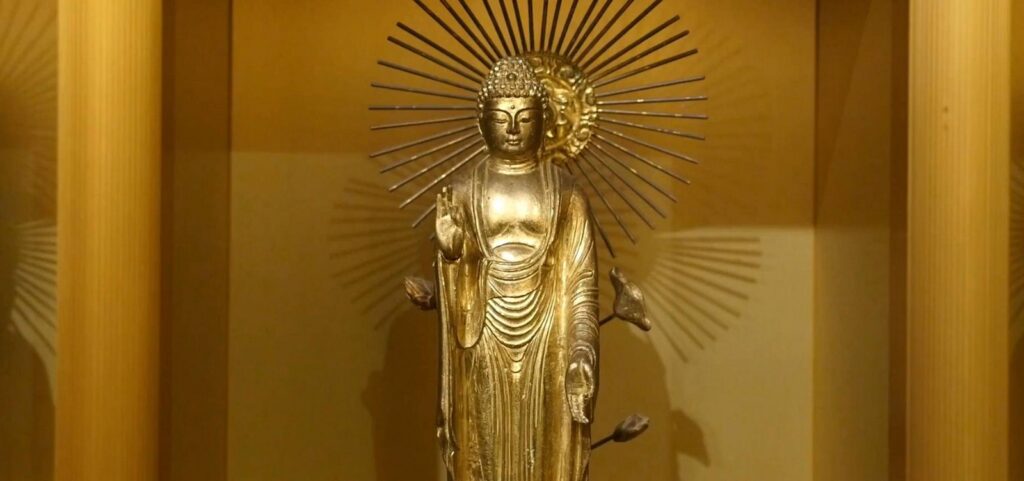
Embracing the Wild: Which Natural Spots in Ibaraki Are Must-Sees?
One of the most rewarding things about Ibaraki is the sheer variety of landscapes you can experience without having to travel huge distances. In just a short drive, the scenery shifts dramatically from the rugged Pacific coastline to deep forested valleys, soaring mountain peaks, and the tranquil, wide-open horizons of Japan’s second-largest lake. If you plan your route thoughtfully, you can easily combine several of these natural wonders into a single day that feels rich and fulfilling rather than rushed. Here are the most captivating natural spots to weave into your journey:
- Fukuroda Falls: This powerful, four-tiered waterfall is tucked away in a lush valley. Its personality changes completely with the seasons—from vibrant summer greenery and fiery autumn maples to a breathtaking wall of ice in the winter—making it a place that invites repeat visits.
- Mount Tsukuba: A striking twin-peaked mountain that serves as a landmark for the entire region. It is perfectly suited for both avid hikers and those who prefer a gentle ascent via the scenic ropeway or cable car to enjoy the panoramic views across the Kanto Plain.
- Oarai Coast: A dramatic stretch of shoreline where the Pacific waves crash against ancient rock formations. There is a raw, spiritual energy here, especially in the early morning light when the atmosphere is at its most photogenic.
- Lake Kasumigaura: A vast expanse of water that offers a sense of total peace. With its flat cycling paths and quiet waterfront parks, it is the ideal spot to slow down, breathe, and escape the usual tourist crowds.
- Hitachi Seaside Park Natural Areas: While famous for its flower displays, the park also boasts expansive grassy meadows and winding trails that feel open and airy, perfect for a relaxed afternoon of exploration.
Each of these locations highlights a different facet of Ibaraki’s diverse geography. Some invite active adventure, while others are simply about standing still and taking in the view. By balancing both in your daily plan, you’ll discover the true, rhythmic beauty of the prefecture.
Tip from the Itinerary Expert: When planning nature-focused days, organize your stops by geography rather than theme. Pair one major landmark with a smaller, nearby scenic spot to keep your travel time short and your overall experience much more relaxed.
A Taste of the Region: What Is Ibaraki’s Local Cuisine Known For?
The flavors of Ibaraki are deeply rooted in its geography—fertile volcanic soil, an expansive Pacific coastline, and a proud agricultural tradition. Here, the culinary philosophy isn’t about complex techniques or flashy presentation; it is about honoring the seasons and letting the natural quality of the ingredients take center stage. It’s an honest, grounded style of cooking that tastes best in cozy local eateries and seaside stalls.
- Fresh Pacific Seafood: Along the coast, you will find an incredible bounty of fish and shellfish. It is typically served simply—often as sashimi or grilled over charcoal—to highlight the briny sweetness of the morning’s catch.
- Natto (Fermented Soybeans): Perhaps Ibaraki’s most famous export, particularly from Mito. While its pungent aroma and sticky texture are an acquired taste for some, it is a nutritional powerhouse and a local staple that every visitor should try at least once.
- Premium Melons and Seasonal Fruits: Ibaraki is one of Japan’s leading fruit producers. Their melons are legendary for their sweetness and fragrance, and you’ll find roadside stands overflowing with whatever is currently at its peak.
- Farm-to-Table Vegetables: Agriculture is the heart of the prefecture. Fresh, crunchy produce finds its way into almost every meal, from simple pickles to hearty vegetable stews.
- Regional Comfort Food: Meals here are designed to be satisfying and unpretentious, focusing on balance and the warmth of a home-cooked soul.
Because the food is so closely tied to the land and sea, it integrates perfectly into any road trip. You will often find that a small family-run diner or a bustling market provides a much more authentic taste of Ibaraki than a formal city restaurant.
Click here to learn more about creating a personal itinerary
Tip from the Itinerary Expert: Don’t limit your dining to city centers. Roadside stations (Michi-no-Eki) and local markets often serve the freshest, most authentic regional dishes, making them the perfect refueling stops during a day of driving.
Beyond the Guidebooks: Hidden Gems Worth Discovering
Some of the most magical moments in Ibaraki happen when you wander away from the famous landmarks. Beyond the well-trodden paths lies a collection of quieter, more intimate spots that offer a glimpse into the ‘real’ Japan. These are the places that add a layer of personal discovery to your trip and stay in your memory long after you’ve returned home.
- Secluded Coastal Lookouts: Away from the popular beaches, the shoreline hides quiet rocky outcrops where you can listen to the Pacific waves in total solitude.
- Rural Backroads: Winding through golden rice fields and rolling hills, these routes showcase a slower, more traditional side of Japanese life, especially stunning during the harvest or when the leaves begin to turn.
- Local Flower Patches: While the major parks are breathtaking, smaller community-run flower fields offer a similar beauty without the crowds, allowing for a much more peaceful experience.
- Traditional Hamlets and Artisanal Shops: Small inland towns often house tiny workshops and family stores where the pace is relaxed and the welcome is genuinely warm.
- Tranquil Watersides: The banks of smaller rivers and hidden inlets of the lake provide perfect, unplanned spots for a quiet break or a scenic picnic.
Finding these hidden treasures requires a bit of flexibility in your schedule, but the reward is a collection of unique moments that feel entirely your own.
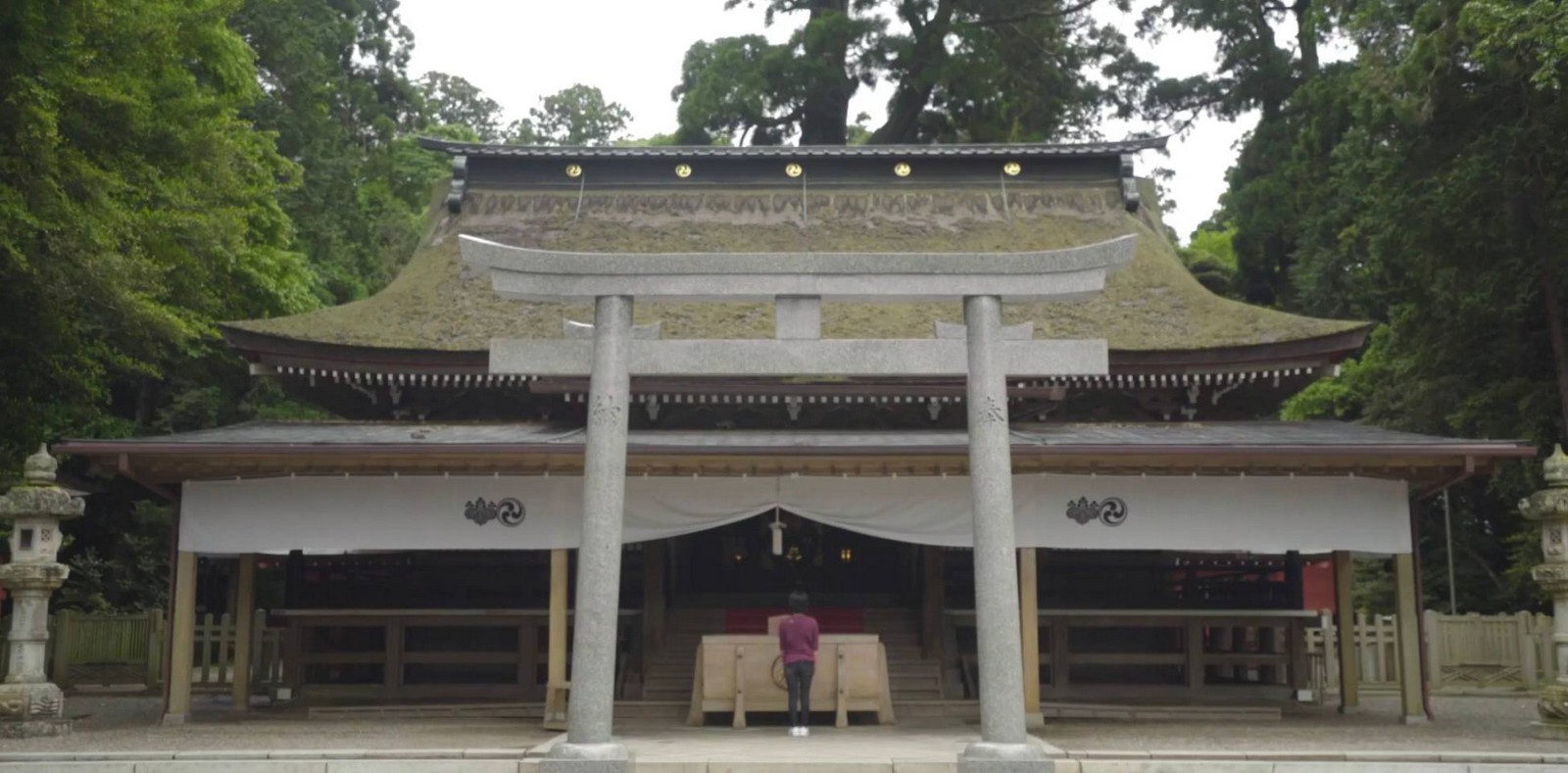
Historic Kashima Shrine in Ibaraki surrounded by forest, known for its peaceful setting and strong connection to Japan’s ancient traditions.
Tip from the Itinerary Expert: Leave room for the unexpected. In Ibaraki, the most memorable discoveries often happen in the spaces between planned attractions, so don’t be afraid to take a spontaneous turn if a view catches your eye.
Family Adventures: Is Ibaraki Suitable for Traveling with Children?
Ibaraki is a fantastic choice for families looking for a mix of fresh air, wide-open spaces, and engaging outdoor activities. The region’s natural layout supports a manageable pace where you can easily jump between active exploration and relaxing downtime. With its massive parks and accessible coastline, there is plenty of room for kids to run, climb, and explore without the overwhelming crowds of Japan’s major cities.
One of the biggest draws for families is how varied the days can be. You can spend the morning wandering through a colorful flower forest and the afternoon at a waterfall or a lakeside pier, all without long, exhausting transfers. The atmosphere is generally more relaxed, which means fewer queues and more time to enjoy the experience together.
- Vast Parks and Play Areas: Perfect for burning off energy, these spots often feature cycling paths and wide lawns that invite freedom of movement.
- Interactive Nature Stops: Waterfalls, easy mountain trails, and sandy shores provide natural entertainment without the need for complex logistics.
- Stress-Free Pacing: It is incredibly easy to pivot your plans based on everyone’s energy levels, thanks to the high density of small, interesting stops along the main routes.
- A Healthy Balance: Each day can be a mix of light sightseeing and active play, ensuring that both adults and children stay engaged and happy.
With a thoughtful itinerary, Ibaraki offers a family trip that feels adventurous and full of life, yet remains completely comfortable and stress-free.
Tip from the Itinerary Expert: Aim to anchor each day with one major highlight followed by a couple of low-pressure stops. This balanced approach keeps the momentum going without causing travel fatigue, ensuring the trip remains fun for everyone.
Ibaraki in 3 Days: A Journey Through Coastal Wonders, Historic Gardens, and Sacred Peaks
Trip Duration: 3 days
Day 1 — Hitachi Seaside Park, Fresh Coastal Flavors, and the Oarai Shoreline
Morning (10:00–13:00): Kick off your adventure at Hitachi Seaside Park, a place that truly defines Ibaraki’s beauty. This sprawling coastal park is famous for its massive seasonal flower displays and wide, breezy trails. Whether you choose to walk or rent a bike, give yourself about 2.5–3 hours to explore the rolling hills and take in the ocean views. While you can reach Katsuta Station in 90 minutes from Tokyo via limited express, having a car will make the rest of your day much more flexible.
Lunch (13:15–14:15): Take a short 20–25 minute drive to the Nakaminato Fish Market. This is the ultimate spot for an authentic Ibaraki lunch—fresh, high-quality seafood served right by the docks in a lively, bustling atmosphere.
Afternoon (14:30–16:30): Just 10–15 minutes further down the coast lies Aqua World Ibaraki. This impressive aquarium offers a great change of pace and is one of the region’s best indoor attractions—perfect if you need a break from the sun or a bit of family-friendly wonder. Plan for a stay of about 1.5–2 hours.
Evening (16:40–18:00): Wrap up your first day at Oarai Isosaki Shrine. Watching the light fade behind the iconic torii gate standing on the ocean rocks is a memory you won’t soon forget. It’s a peaceful, dramatic finish to a busy day. Settle in for the night in Oarai or Mito to keep your travel time short for tomorrow.
Dinner: Keep it simple and local. There are excellent seafood options back in Oarai or plenty of cozy eateries in Mito. A relaxed meal is the best way to recharge after a full day of coastal exploration.
Tip from the Itinerary Expert: When you arrive at Hitachi Seaside Park, head straight for the main flower hill. If you save it for later, you’ll likely face harsher afternoon light and larger crowds, making the long walk feel much more taxing than it needs to be.
Overnight Location: Oarai or Mito
Day 2 — The Elegance of Mito and the Heights of Mount Tsukuba
Morning (10:00–12:00): Start your day in the historic city of Mito at Kairakuen Garden. One of Japan’s most celebrated landscape gardens, it offers a serene atmosphere of plum groves and quiet bamboo paths. It’s a wonderful place for a slow-paced morning walk; give yourself 1.5–2 hours to truly soak in the traditional aesthetics.
Lunch (12:15–13:15): Enjoy a meal in central Mito. Since the afternoon involves a bit of travel, this is the most practical spot to fuel up before heading toward the mountain region.
Afternoon (14:30–17:30): It’s roughly a 1.5 hour drive south to the majestic Mount Tsukuba. This twin-peaked mountain is a highlight of the Kanto region. Use the cable car or ropeway to reach the top quickly, leaving you 2–2.5 hours to enjoy the panoramic views and walk the gentle trails around the summit without a grueling hike.
Evening: To keep your route efficient, stay overnight in Tsukuba. It’s a modern, comfortable city that serves as a great base for the next leg of your journey.
Dinner: You can find charming local spots near the mountain station or wait until you get back to central Tsukuba for a wider variety of dining options. Staying close to your base will make for a much smoother evening.
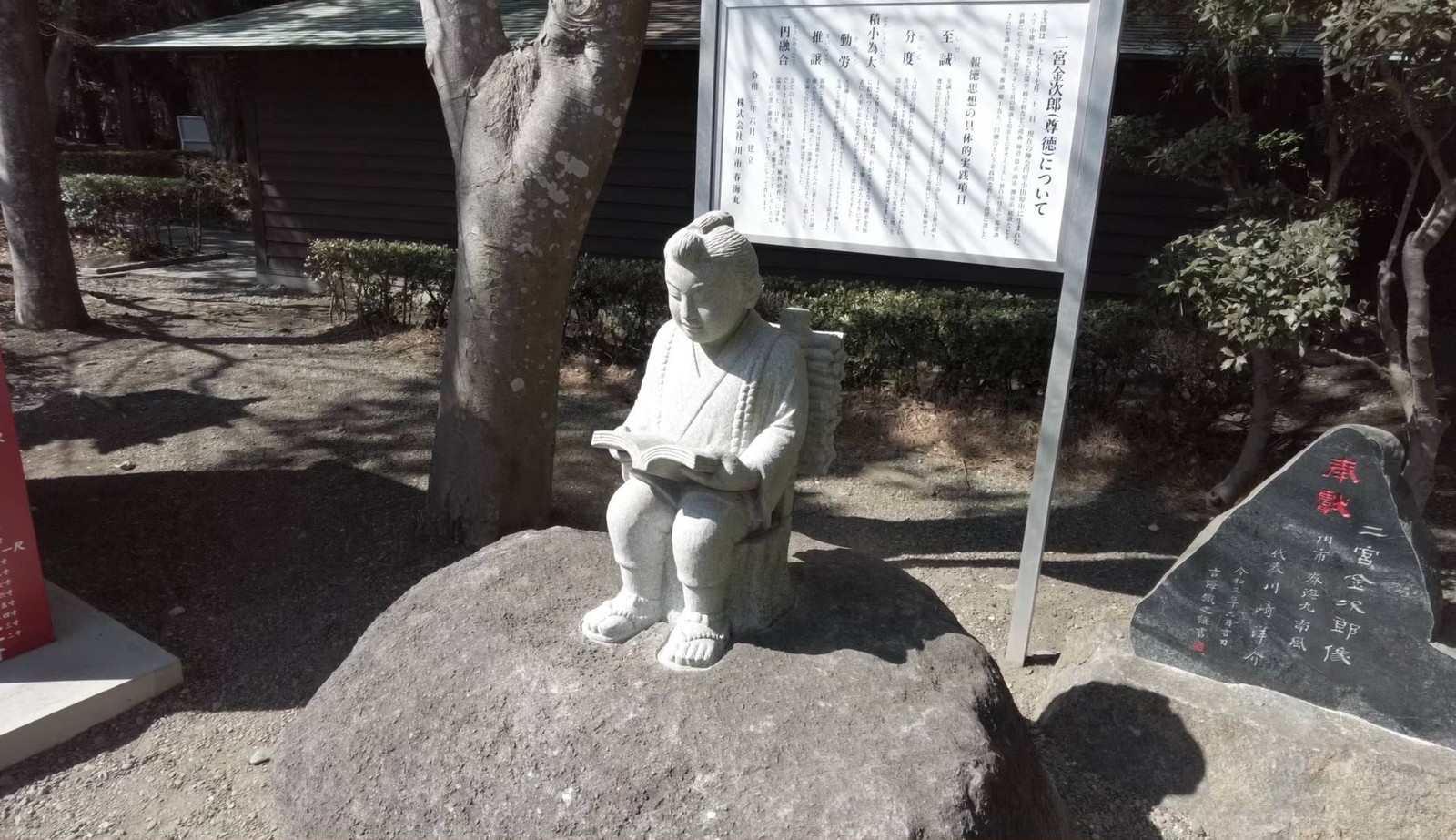
Small cultural statue in Ibaraki representing local history and folklore, adding a human and storytelling element to the surroundings.
Tip from the Itinerary Expert: This day relies on a smooth morning. If you linger too long in the gardens of Mito, you’ll lose that precious late-afternoon light on the mountain, so try to keep an eye on the clock during your garden stroll.
Overnight Location: Tsukuba
Day 3 — Thundering Waterfalls, Canyon Views, and a Relaxed Farewell
Morning (10:00–12:00): Head north for about 2 hours to reach the spectacular Fukuroda Falls. Tucked away in a forested valley, this multi-tiered waterfall is a powerful sight in any season. Dedicate about 1.5 hours to walk through the observation tunnels and reach the various viewing platforms for the best angles.
Lunch (12:15–13:15): Stop for a quiet lunch in the Fukuroda or Daigo area. These rural towns offer a cozy, unhurried atmosphere that perfectly complements the morning’s nature visit.
Afternoon (13:45–15:15): A 35–45 minute drive brings you to the Ryujin Suspension Bridge. Stretching across a dramatic gorge, the bridge offers sweeping views and a bit of a thrill as you walk across. It’s a great spot for photos and a final bit of adventure, taking about 1–1.5 hours.
Late Afternoon and Evening (15:15–18:00): Begin your journey back south. To keep the end of your trip easy and stress-free, consider a casual dinner at a spot like Yamada Udon Restaurant Iwase Branch. It’s a practical, local favorite that fits perfectly into the driving route back toward Tokyo or Mito.
Tip from the Itinerary Expert: Keep your final day intentionally light. Focusing on two major natural landmarks allows you to really enjoy the scenery without the stress of a long return drive looming over you.
Overnight Location: End of route or final night near Mito / en route south
Voices from the Road: Traveller Reviews of Ibaraki

Daniel
April 2024

I originally headed to Ibaraki specifically for Hitachi Seaside Park, and it truly exceeded my expectations. Those famous blue flower hills were breathtaking, but I was surprised by how much more the park offers—cycling paths, wide open meadows, and great spots for the kids. It easily fills an entire day. My biggest piece of advice: try to visit on a weekday to avoid the peak crowds and really soak in the atmosphere.
Maya
October 2025

Visiting in late October to see the kochia was a highlight of my year. The way the hills turned deep crimson was surreal. I made sure to arrive early, and even then, there was a buzz of excitement at the gates—timing is everything here. The climb to the main lookout is very manageable, and the park is so well-organized with facilities that it felt comfortable even during the busy season.
Omar
July 2023
Ibaraki is far more diverse than the maps suggest. We hit a bit of rain during our trip, which turned into a great excuse to dive into the local food scene. We had a surprisingly great, no-frills meal at Yamada Udon Restaurant Iwase Branch—it’s one of those classic road-trip spots that just hits the spot. Just keep in mind that distances can be deceptive; a car is definitely essential if you want to see the best of the region comfortably.
Sophie
May 2019
We explored Hitachi Seaside Park with our children, and it was one of the most stress-free days of our entire Japanese holiday. While the flowers are the main draw, the sheer amount of space for the kids to run and the variety of play areas made it a win for everyone. It’s much larger than it looks in photos, so wear comfortable shoes and prepare for a lot of walking!
Karim
November 2022
Ibaraki has a lovely, quiet energy compared to the more tourist-heavy prefectures. Mount Tsukuba was the standout for me—incredible views and very easy to access via the ropeway, offering a perfect mix of nature and convenience. My only tip is to be realistic with your planning; the main sights are spread out, so don’t try to cram too much into a single day.
Emma
March 2025
Kairakuen Garden was easily my favorite stop. It has a calm, dignified atmosphere that encourages you to slow down and just be present. It provided a beautiful contrast to the rugged coast. It’s best paired with one other nearby attraction, but don’t overschedule your day—the real magic of this place is having the time to wander aimlessly.
Yusuf
August 2021
I first thought of Ibaraki as a quick side trip from Tokyo, but it quickly proved to be a destination in its own right. The combination of coastal scenery and local agriculture is fantastic. While natto was a bit of a challenge for some of us, the fresh seafood and local snacks were incredible. It still feels like a region waiting to be fully discovered by the wider world.
Laura
November 2018
The natural beauty around Fukuroda Falls was the absolute peak of my trip. I loved that Ibaraki doesn’t feel ‘over-polished’ or artificial; it’s just stunning landscapes and great food without the massive crowds. Just watch your itinerary—if you try to see the mountains, lakes, and coast all in one go, you’ll spend the whole day in the car. Pick a region and enjoy it properly.

Expert Advice for Your Ibaraki Adventure
- Tip from the itinerary expert: Always aim to arrive at Hitachi Seaside Park right at opening time, especially during the peak nemophila or kochia seasons. The parking areas often begin to fill even before the official opening, so starting your day early makes a massive difference in both your schedule and your energy levels.
- If your main goal is to capture those iconic flower-covered landscapes, head straight to Miharashi Hill as soon as you enter. The park is vast and full of wonderful distractions, but prioritizing the hill first allows you to catch the softest light and enjoy a sense of calm before the midday crowds arrive.
- For those traveling with families, remember that Hitachi Seaside Park is far more than just a flower garden. With its dedicated cycling paths, amusement rides, and internal transit options, it is easy to keep the day exciting for kids while avoiding excessive walking fatigue.
- I often recommend pairing a scenic morning with a simple, authentic local meal rather than hunting for a formal restaurant. A spot like Yamada Udon Restaurant Iwase Branch fits perfectly into a road trip rhythm and keeps your schedule flexible if you decide to linger longer at a particular view.
- When visiting Fukuroda Falls, be sure to keep your entry ticket with you until you have completely left the site. It is a small logistical detail, but having it handy prevents any unnecessary hassle at the various observation points.
- If you are heading to Fukuroda Falls without a rental car, plan your transit with extra care. Bus schedules in this rural area can be quite limited, and relying on unplanned connections or taxis for the return journey often takes much longer than expected.
- Don’t treat Kairakuen as a quick checklist item. This garden is designed for slow, mindful wandering. Take the time to truly appreciate the traditional layout and the lovely viewpoints overlooking Lake Senba to get the most out of the experience.
- For authentic souvenirs, look for treasures that are deeply rooted in the region’s heritage. Local specialties like natto, dried sweet potatoes, premium melons, or chestnut-based sweets make for wonderful gifts, as does the beautiful and functional Kasama-yaki pottery.
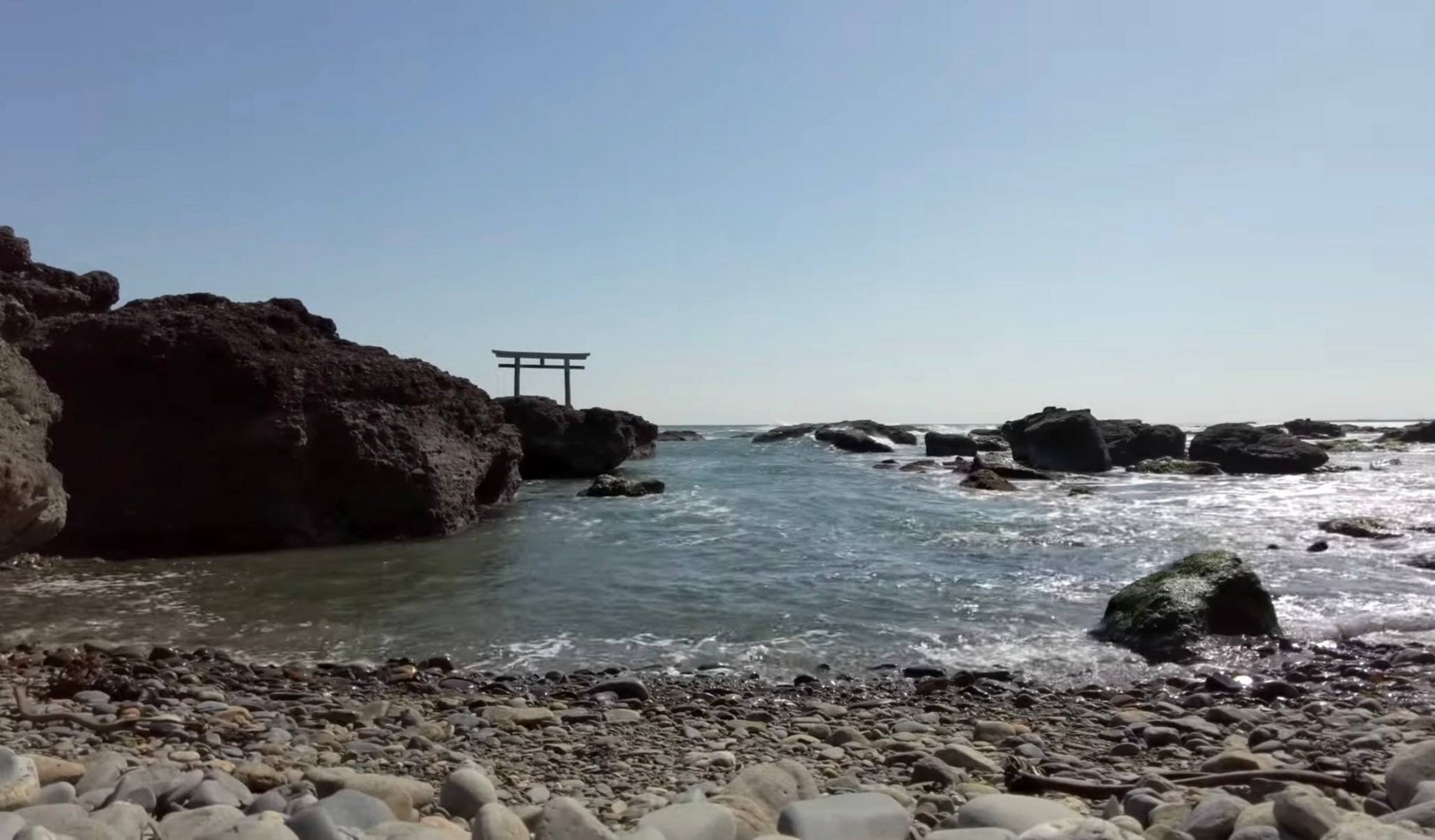
Wild coastline in Ibaraki with a torii gate standing by the ocean, blending natural scenery with spiritual symbolism.
Expert Insights: My Personal Journey Through Ibaraki
When I visited Ibaraki in October 2024, I found a region that quietly reveals its charms the more time you’re willing to give it. Initially, I expected a simple side trip from Tokyo, but as I moved between the breathtaking hills of Hitachi Seaside Park, the historic elegance of Kairakuen Garden, and the rugged spiritual beauty of Oarai Isosaki Shrine, the true variety of the area became clear. The rhythm here is refreshingly different—less rushed, more open, and much easier to adapt to as your day unfolds.
What struck me most was how naturally you can blend iconic highlights with simple, authentic stops. One morning you might be wandering through endless waves of seasonal flowers, the next afternoon you’re standing before the thundering Fukuroda Falls deep in the forest, and you might finish the day with a soulful, no-frills meal at a local favorite like Yamada Udon Restaurant Iwase Branch. This effortless balance is something rarely found in Japan’s more crowded tourist hubs. It is also a fantastic destination for families; children rarely get bored because there is always plenty of room to run and something visually captivating around every corner.
The main logistical takeaway from my trip is that while distances between key landmarks aren’t massive, they are just enough to make relying on public transport feel slow and restrictive. I found that renting a car made a world of difference, offering the freedom to connect the coast, the mountains, and the inland attractions into one seamless route.
Ibaraki is a destination that rewards thoughtful planning without ever feeling complicated. It offers a blend of raw nature, local atmosphere, and genuine experiences that feel both relaxed and deeply fulfilling. If you are looking to explore Japan beyond the standard tourist tracks, a well-designed itinerary here can completely transform your perspective of the Kanto region. We would be delighted to help you craft a personalized route through Ibaraki and across Japan, perfectly tailored to your interests and travel style.
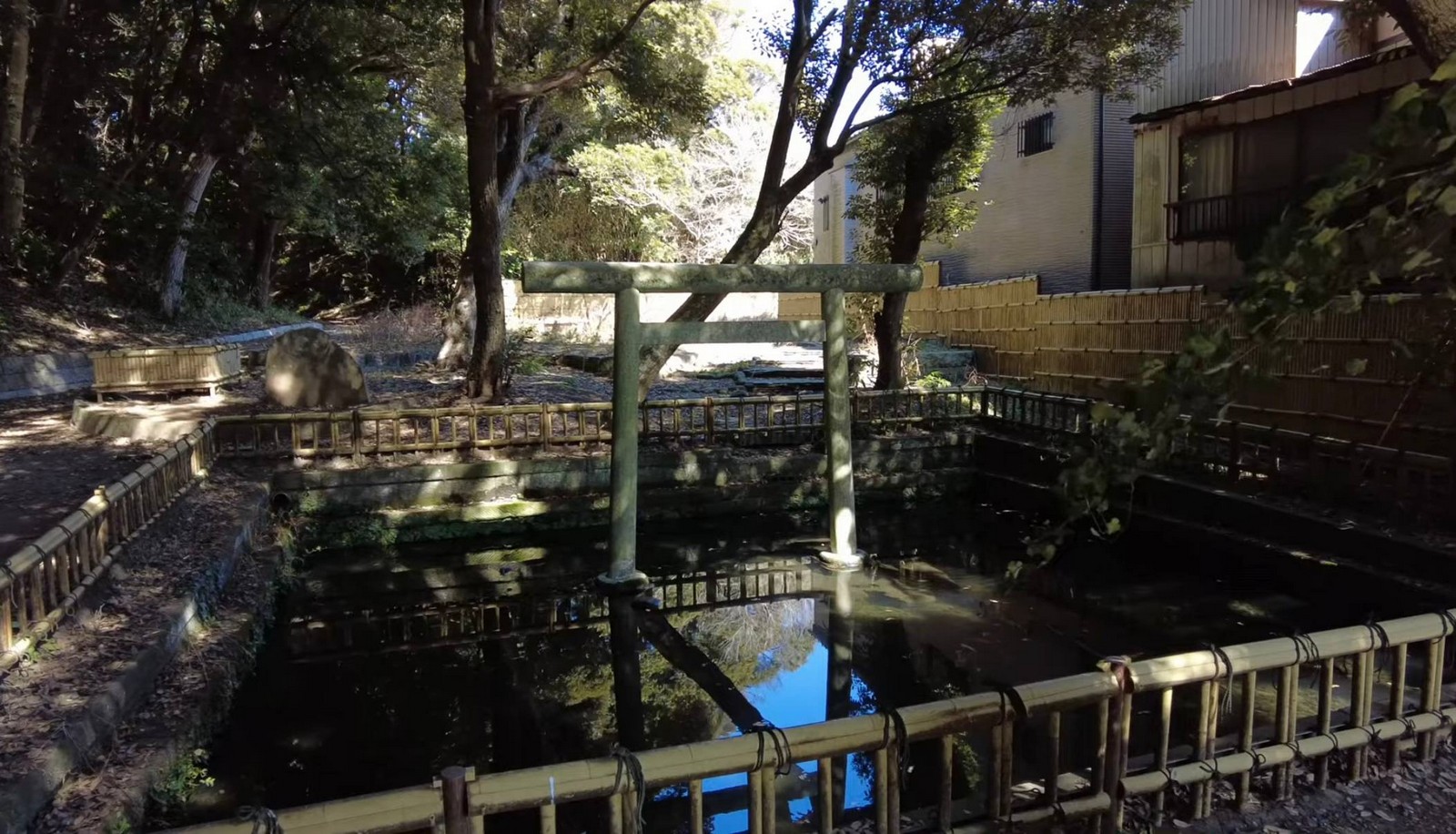
Quiet shrine pond in Ibaraki with a small torii gate reflected in the water, creating a calm and almost hidden atmosphere.
Planning Your Budget: Typical Travel Prices in Ibaraki
| Name | Amount | Description |
|---|---|---|
| Budget hotels (per couple) | ¥6,000–¥12,000 JPY | The standard nightly rate for simple, no-frills business hotels. A practical choice for travelers prioritizing a flexible itinerary over luxury. |
| Mid-range hotels (per couple) | ¥14,000 JPY | An average price for comfortable, well-located accommodation offering more living space and enhanced amenities. |
| High-end hotels (per couple) | from ¥24,000 JPY | This often covers traditional ryokan stays including breakfast and dinner. Luxury options can go significantly higher depending on the season. |
| Apartment for a family of 5 | from ¥37,000–¥55,000/month JPY | Estimated monthly rental for a modest long-term apartment. Larger family spaces in central areas will be priced at a premium. |
| Car rental (per day) | varies JPY | Daily rates depend on the vehicle class and season. Don't forget to budget for fuel, which is roughly ¥170 per liter. |
| Public transport | ¥250 JPY | The typical starting price for a one-way local ride on regional buses or trains between nearby stations. |
| Restaurant meal | ¥1,200 JPY | A standard price for an inexpensive lunch per person. For a mid-range dinner for two, expect to pay around ¥6,000. |
| Parking | ¥600 JPY | The average daily parking fee at major sites like Hitachi Seaside Park. Some rural attractions offer parking for free. |
| Basic supermarket shopping for 2 people | ¥1,060–¥1,580 JPY | A quick daily food budget for those grabbing fresh ready-made meals like onigiri and bento boxes from local markets. |
Frequently Asked Questions About Ibaraki
01
How many days should I spend in Ibaraki?
For most travelers, two to three days offers a perfect balance. This timeframe allows you to experience the major highlights—vibrant flower parks, the dramatic coastline, traditional gardens, and key natural landmarks—without feeling like you are constantly rushing from one spot to the next.
02
Is Ibaraki worth visiting beyond Tokyo?
Absolutely. Ibaraki provides a refreshing escape from the capital, offering a rich mix of seasonal landscapes, thundering waterfalls, sacred mountains, and a unique culinary heritage. It has a depth and character that a quick day trip simply cannot capture.
03
Do I need to rent a car in Ibaraki?
In most cases, yes. While public transport exists, the main attractions are spread across distinct areas like Mito, Hitachinaka, and the northern rural districts. Having your own wheels makes the journey significantly smoother and gives you the flexibility to explore hidden gems at your own pace.
05
Is Hitachi Seaside Park good for families with children?
It is an excellent choice for families. Beyond the famous flower hills, the park features massive open lawns, dedicated cycling paths, and even a small amusement park, providing plenty of variety to keep children engaged and active throughout the day.
06
How should I plan a visit to Hitachi Seaside Park?
The best strategy is to arrive right at opening time and head straight for Miharashi Hill. The park is far more expansive than it appears in photos, and during peak bloom seasons, getting an early start is the only way to beat the crowds and enjoy the scenery in peace.
08
What local food should I try in Ibaraki?
Be sure to sample the legendary Mito natto, incredibly fresh Pacific seafood, and the region’s famous sweet melons. Other local favorites include dried sweet potatoes, chestnut delicacies, and hearty regional noodles—a true reflection of Ibaraki’s rich land and sea.
What we propose

Emma Heidi
Customer Experience Manager
Take all the stress out of planning your trip!
With our experts, you can create the perfect itinerary for you – complete, comfortable, and tailored to all your dreams, wishes, and needs.
We take care of every little detail, so you can simply focus on enjoying your journey.
We’ve been designing personalized itineraries since 2015, and over the years we’ve created thousands of custom itineraries for happy clients.

Save time, avoid confusion – we do the work for you. Our service saves you weeks of searching, reading, comparing, and complicated planning. Instead of wasting endless hours – you receive a ready-to-use, accurate and clear itinerary.

A tailor-made itinerary – built just for you. Your itinerary is personally designed based on our experts’ real field experience and genuine feedback from hundreds of travelers – including hidden discoveries and insider tips that don’t appear in any travel guide.

Smart accommodation selection – often saves you hundreds or even thousands of dollars. We help you choose verified and recommended places to stay, checking availability for your exact travel dates. Sometimes we suggest hotels not “in the center,” but in safe, convenient, and highly strategic locations – which can significantly reduce travel costs and save you even thousands of dollars.

We’re by your side even during the trip. We stay with you throughout your vacation – providing professional help whenever needed. If the weather changes, there’s a strike, a local event, heavy crowds, or any unexpected situation – we are here to update, guide, and adjust your itinerary in real time.

Easy-to-use itinerary – with direct navigation links. Your itinerary includes direct Waze / Google Maps links – no need to search for parking addresses, no stress, no mistakes. Just tap – and go.

Service cost: from only $420. (Special price for short itineraries up to 5 days). Clients tell us the itinerary saves them costly mistakes, fines, wrong choices – plus exclusive discounts on car rentals, better-priced accommodations, and money-saving local tips.
Want to know if it’s really worth it?
Take a look at the experiences of travelers who built their personal itinerary with us.
Click here and let’s start building the itinerary that will save you time, money, and stress – and turn your vacation into perfection.
Of course, your first inquiry is completely free – with no commitment whatsoever.
How it works


- You are welcome to contact us
- We discuss your trip
- You fill out a special form
- We create your itinerary
- You get it with all useful tips
- We are in touch with you all the time