My love for Japan began the moment I arrived in Tokyo. The country amazed me with its harmony of ancient traditions, cutting-edge technology, breathtaking nature, and a culture unlike any other. Since then, Japan has become a part of my life, and I return there again and again. Today I help travelers discover the real Japan: I create personalized itineraries, give lectures, and prepare guests for their unforgettable journey. I would be delighted to open Japan for you too!
Gunma
Tucked away in the mountains northwest of Tokyo, Gunma offers a version of Japan that feels slower, greener, and wonderfully unhurried. Instead of the high-octane energy of the metropolis, you will find quiet hot spring towns nestled in deep valleys, lush forested landscapes, and sweeping mountain vistas that transform beautifully with every season. It is a place where the days unfold at a gentle pace, centered around peaceful walks, long soaks in thermal waters, and simply breathing in the scenery.
What makes Gunma so special is how effortlessly it caters to different travel moods. You might spend one day immersed in the timeless atmosphere of a classic onsen town like Kusatsu, the next exploring the alpine air around Minakami, and another using Takasaki as a comfortable base for urban amenities and easy transport. For families or those seeking a more relaxed pace, this variety is ideal: it provides a perfect balance of quiet downtime, scenic drives, and light outdoor activities without ever feeling like a frantic race from one sight to the next.
Gunma Transport and Getting Around
Getting to Gunma from Tokyo is remarkably quick and easy. The shinkansen whisks you to Takasaki in about 45 minutes, making it one of the most accessible mountain escapes from the capital. Once you arrive, your onward journey depends on your itinerary, with local trains, regional buses, or private transfers leading you deeper into the hidden valleys and hot spring resorts.
While public transport serves the main routes, having a car can make a world of difference to your experience. Local connections can be infrequent when you start linking more remote spots together. For instance, reaching the spectacular Fukiware Falls by public transport involves a train to Numata followed by a 45 minute bus ride, whereas driving takes only 30 minutes from the nearest expressway exit. A rental car gives you the flexibility to combine hidden hot springs, scenic viewpoints, and nature stops into one seamless, enjoyable day.
Click here to learn more about creating a personal itinerary
Tip from the Itinerary Expert: If your itinerary includes exploring mountains, waterfalls, or remote ski areas, renting a car will make your trip much smoother. While trains are perfect for reaching Gunma, a car grants you the freedom to explore at your own pace and saves valuable travel time.

When Is the Best Time to Go to Gunma?
Winter is perhaps Gunma’s most evocative season, especially if you love the contrast of snowy landscapes and steaming outdoor baths. Regions like Minakami transform into vibrant hubs for skiing and snow sports, where a soak in a hot onsen feels incredibly rewarding after a day in the crisp mountain air. The peaks are at their most dramatic then, offering a quintessential winter Japan experience.
From spring through autumn, the region reveals a different kind of beauty focused on nature and exploration. Spring brings delicate sakura, wisteria, and vibrant flower festivals, while the warmer months are perfect for visiting waterfalls, lakes, and forest trails. These seasons are excellent for balanced itineraries, allowing for a mix of light hiking, scenic drives, and relaxed onsen visits without the logistical considerations of heavy snow.

Since 2015, our website has specialized in individual planning of unique routes, taking into account personal preferences and desires.
Each of you will receive a unique PDF file from us, which contains everything you need: travel routes, car rentals, hotels, the best tourist attractions, attractions for kids and everything you need for a perfect vacation.
During the trip, we are available for you by phone via WhatsApp.
Our personal service provides information from A to Z, taking into account many small details that can become a decisive factor on the way from a wasted trip to an unforgettable vacation.
Our service will make your trip comfortable, save a lot of time on planning and preparation, and most importantly – will allow you to become freer and fully enjoy the pleasure of the trip.
Tip from the Itinerary Expert: Choose your timing based on the atmosphere you crave. Winter is the time for snow, skiing, and cozy ryokan stays, while the period from spring to autumn is better suited for walking, nature photography, and a more varied, flexible travel pace.
Top Attractions in Gunma Worth Visiting
Gunma brings together classic onsen towns, dramatic mountain scenery, and accessible nature spots that fit naturally into a relaxed itinerary. The best approach here is to slow down—group nearby locations together and build your days around a few well-chosen stops instead of trying to rush through everything. These are the key highlights that define a comfortable and varied journey through the region.
Kusatsu Onsen
Kusatsu Onsen is one of Japan’s most iconic hot spring destinations, famous for its potent, mineral-rich waters and a charming traditional atmosphere. At the town’s heart lies the Yubatake, a field of steaming wooden channels that create a striking visual—especially after sunset when the area is softly illuminated. A visit here is about embracing a slower rhythm: wandering the narrow streets, sampling different public baths, and settling into the quiet hospitality of a traditional ryokan.
Opening Hours: Town area accessible anytime; bathhouses follow their own schedules
Public baths have separate entrance fees depending on location
Tip from the Itinerary Expert: plan to stay overnight rather than visit Kusatsu as a quick stop. The atmosphere in the evening and early morning is much calmer, and that is when the town truly feels special.
Distance/Time: Approx. 1.5–2.5 hours from Tokyo depending on route
Minakami Area
Minakami reveals the more adventurous side of Gunma, characterized by vast mountain landscapes and a deep connection to the outdoors. In winter, the slopes become a playground for skiers, while the warmer months invite visitors to explore its winding rivers and alpine hiking trails. It is the ideal place to balance activity with relaxation—spend your afternoon in the fresh mountain air, then unwind in a secluded onsen hotel surrounded by nature.
Opening Hours: Accessible year-round; activities depend on season
Activity prices vary depending on season and type
Tip from the Itinerary Expert: treat Minakami as a base for at least one or two nights. This gives you time to combine an active day with a slower one, instead of trying to fit everything into a rushed visit.
Distance/Time: Approx. 1–1.5 hours from Takasaki
Fukiware Falls
Often called the “Niagara of Japan,” Fukiware Falls features a wide, powerful curtain of water cascading into a deep crevice carved out of solid rock. Well-maintained walking paths allow you to view the falls from several different perspectives, making even a brief stop feel incredibly rewarding. The surrounding forest adds a serene, natural backdrop that provides a lovely contrast to the bustling energy of the region’s larger onsen towns.
Opening Hours: Accessible during daylight hours
Free access
Tip from the Itinerary Expert: pair Fukiware Falls with other nearby nature spots on the same day. It’s a great stop, but it doesn’t take long to explore on its own.
Distance/Time: About 30 minutes by car from Numata area
Takasaki City
Takasaki serves as the primary gateway to Gunma and a highly convenient base for regional exploration. While it offers a more urban feel compared to the surrounding peaks, it provides reliable transport links and a wealth of everyday amenities. Known as the home of the Daruma doll, the city is an excellent starting or ending point for your trip, particularly when organizing routes that branch out toward the hot springs and nature reserves.
Opening Hours: City accessible anytime
Most attractions have individual pricing
Tip from the Itinerary Expert: consider staying in Takasaki if your schedule is tight. It’s especially useful for late arrivals or early departures, helping you avoid unnecessary travel time.
Distance/Time: Approx. 45 minutes from Tokyo by train
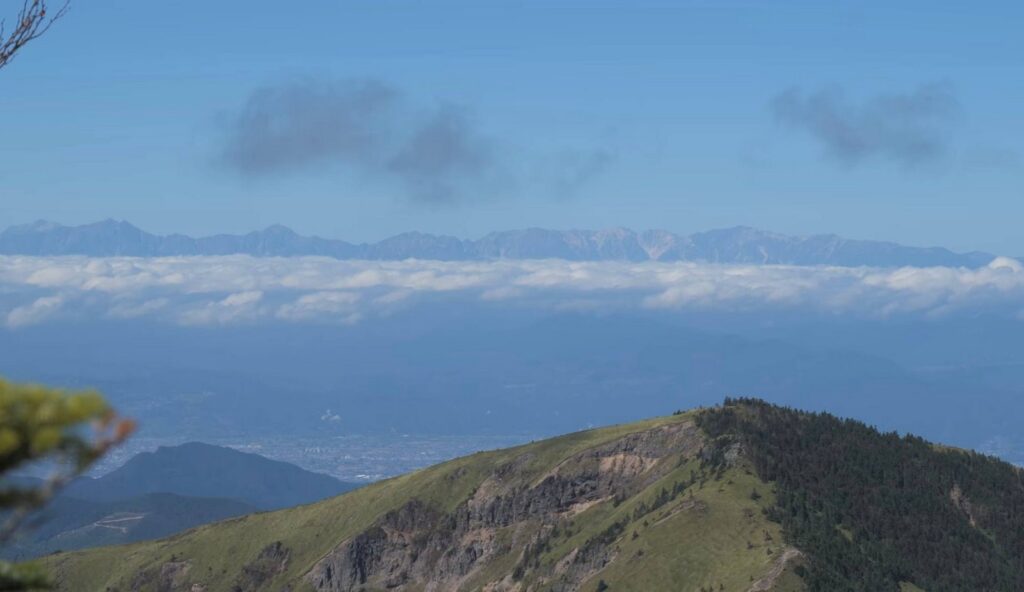
Natural Highlights of Gunma You Should Not Miss
Nature is the beating heart of Gunma, and some of the most memorable moments here come from simple, quiet outdoor stops rather than packed sightseeing schedules. Dramatic waterfalls, deep mountain valleys, and winding forest roads create a landscape that feels both grand and remarkably easy to explore. Gunma truly rewards travelers who take their time—those who pause for the views, enjoy short walks, and embrace peaceful breaks along the way.
Here are the essential natural highlights to include if you want an itinerary that feels balanced, scenic, and entirely unhurried.
- Fukiware Falls — A wide, powerful cascade set amidst unique rock formations. The accessible walking paths allow you to admire the falls from various angles, offering an immersive experience without the need for a strenuous hike.
- Minakami Mountains and Rivers — A majestic landscape defined by alpine peaks and crystal-clear rivers. In the warmer months, it is perfect for light hiking and outdoor adventures, while winter transforms the entire area into a breathtaking, snow-covered wonderland.
- Lake Areas Around Gunma — Quiet lakes scattered throughout the region provide open vistas and a natural sense of serenity. they are ideal spots to stretch your legs and slow down during a day of driving.
- Mountain Roads and Scenic Drives — In Gunma, the journey is very much part of the experience. Winding through the mountain passes reveals lush forests, hidden viewpoints, and unexpected spots to pull over and soak in the scenery.
- Seasonal Flower and Nature Spots — The landscape shifts beautifully with the calendar. Spring brings delicate sakura and vibrant wisteria, while autumn blankets the hills in brilliant fiery foliage, giving every route a completely fresh atmosphere.
Most of these locations are easy to access and require little complex planning, but pace is everything. A well-timed day that combines two or three nearby stops will be far more enjoyable than trying to chase sights across too much distance.
Click here to learn more about creating a personal itinerary
Tip from the Itinerary Expert: Build your days around small clusters of nearby nature spots. Combining a waterfall, a short walk, and a scenic viewpoint in a single area creates a much more relaxed and rewarding experience than spending hours driving between distant locations.
Top 5 Hidden Gems in Gunma
Beyond the famous landmarks, Gunma reveals a quieter, more intimate side that many travelers simply pass by. These lesser-known treasures add a lovely layer of variety to your route and help you escape the busier tourist hubs, giving your journey a more personal and relaxed feel.
- Shima Onsen — A serene riverside hot spring town with a traditional, unhurried atmosphere that feels worlds away from the larger resorts. It is the perfect place to truly slow down and enjoy a calm overnight stay.
- Ikaho Stone Steps Area — A historic 365-step stone staircase lined with charming traditional shops and local snack stalls. As you climb, the perspective of the town shifts beautifully, making the walk itself the highlight of your visit.
- Haruna Lake Area — A scenic caldera lake embraced by mountains, offering a peaceful alternative to more crowded spots. It is ideal for a gentle lakeside stroll or a quiet break with wide, open views.
- Oze Area — Part of a broader national park, these vast marshlands are crossed by wooden boardwalks, offering a landscape that feels distinct from the typical mountain scenery. It is especially enchanting during the warmer hiking seasons.
- Tomioka Surroundings — While the main town is well-known, the surrounding countryside maintains a slow, authentic pace. It is a pleasant area to explore for a taste of rural Japan between your main stops.
These locations work best as thoughtful additions to your route. Including one or two of these gems along the way makes the entire journey feel more varied, authentic, and far less predictable.
Tip from the Itinerary Expert: Use hidden spots as natural pauses between major stops. They are most effective when they break up longer drives and add variety to your day without feeling like an exhausting detour.
Family-Friendly Activities in Gunma
Gunma is a remarkably easy region to navigate with different age groups because the activities are simple, accessible, and highly flexible. You do not need complex logistics to create a memorable day—just a thoughtful mix of outdoor time, short scenic stops, and relaxed experiences.
- Onsen Experiences — Many hot spring facilities offer various comfort levels, including private family baths (kashikiri), which allow everyone to enjoy the thermal waters at their own pace.
- Snow Activities in Minakami — In winter, the region’s beginner-friendly ski areas and dedicated snow play zones offer a gentle, fun introduction to the snow without requiring any advanced skills.
- Nature Walks and Easy Trails — The local waterfalls, lakes, and forest paths provide short, rewarding walks that offer beautiful scenery without being physically demanding for children or seniors.
- Local Food Stops and Street Snacks — Towns like Kusatsu and Ikaho are perfect for casual culinary breaks. Sampling local treats as you wander adds small, delightful highlights throughout the day.
- Scenic Ropeways and Viewpoints — Several mountain areas feature ropeways that whisk you to the top for stunning vistas, providing grand views without the need for long or strenuous hikes.
One of Gunma’s greatest strengths is its inherent flexibility. Plans can be easily adjusted based on the weather or energy levels, ensuring the trip remains smooth, enjoyable, and entirely stress-free for the whole family.
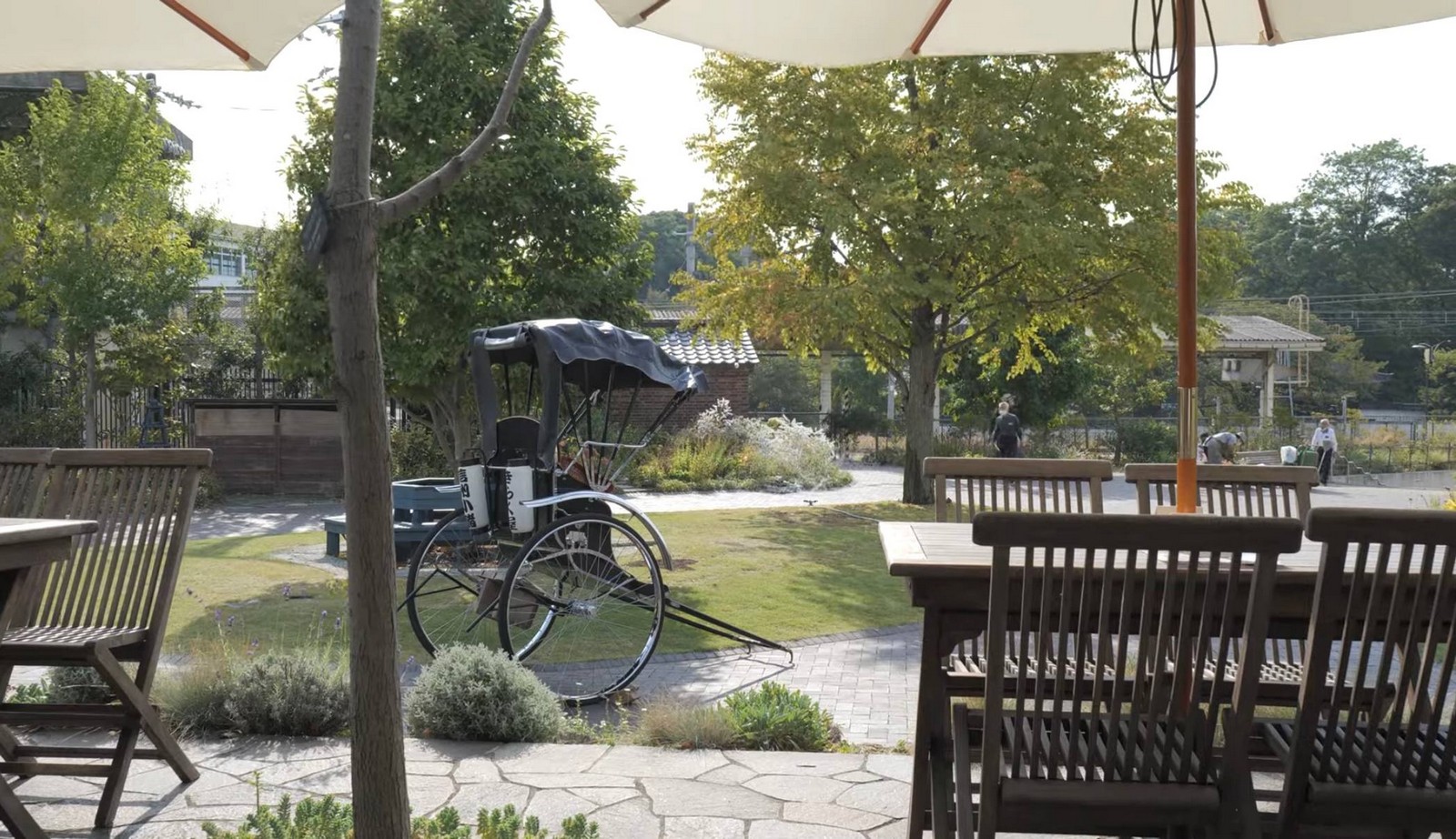
Quiet garden café in Gunma with traditional rickshaw nearby, perfect for a relaxing break in a peaceful setting.
Tip from the Itinerary Expert: Aim for a balance of activity and downtime within the same day. Pairing a short morning walk with an afternoon onsen soak or a scenic viewpoint creates a much more enjoyable rhythm than focusing on only one type of activity.
Gunma in 3 Days: Scenic Family Road Trip with Onsen, Nature, and Takasaki
Trip Duration: 3 days
Day 1 — From Tokyo to Takasaki, then into the mountains of Kusatsu
Morning: Leave Tokyo early and take the shinkansen to Takasaki, a quick and smooth ride of about 45–50 minutes. After arriving, pick up your rental car near the station—it will make the rest of the trip much easier. Begin with Takasaki Byakue Daikannon, a striking white statue overlooking the city. Plan 1–1.5 hours to explore the area and climb inside for panoramic views.
Lunch: Stay in Takasaki for a relaxed meal before heading into the mountains. Pasta One is an easy and reliable choice if you want to experience the city’s well-known pasta culture without going out of your way. After lunch, stop at Shorinzan Darumaji Temple—a short but memorable visit of about 45–60 minutes, known for its colorful daruma displays.
Evening: Continue the drive to Kusatsu Onsen, which takes around 2 hours depending on traffic and conditions. Try to arrive before it gets too late so you can enjoy your first walk through town. Check into your ryokan, then head out to Yubatake, where steam rises through the center of town. In the evening light, the atmosphere feels especially magical and far more memorable than during the day.
For dinner, Mikuniya is a convenient option near the center, but if your ryokan includes a meal, that is often the easiest and most comfortable choice after a travel day. In Kusatsu, simpler stays start around 15,000–16,000 JPY, while more comfortable ryokan experiences are priced higher.
Tip from the Itinerary Expert: Keep the first day simple. Use Takasaki as a natural transition point, visit two compact sights, and aim to reach Kusatsu early enough to enjoy the town on foot instead of turning the day into a long, tiring transfer.
Overnight Location: Kusatsu Onsen
Day 2 — A slow Kusatsu morning, then into Minakami’s mountain landscapes
Morning: Take your time in Kusatsu instead of rushing out. Walk from Yubatake to Sainokawara Park, and if the timing fits, stop for the Netsu-no-Yu yumomi show. This part of the day is compact, easy, and very photogenic. Plan around 2.5–3 hours to enjoy the center, the park, and one bath or show.
Lunch: Eat near Yubatake before leaving town. Kusatsu Yubatake Manten is a convenient choice right by the main area. After lunch, begin the drive toward Minakami. It’s a longer transfer, so treat it as the main focus of the afternoon rather than trying to add extra stops.
Evening: Arrive in Minakami and settle into your onsen accommodation, such as the Takaragawa Onsen Osenkaku area if it fits your route and budget. This region feels more spread out and quieter than Kusatsu, so the best plan is simple—enjoy the onsen, have dinner, and relax in a peaceful mountain setting.
Minakami stays often include both meals and onsen access, making them a very convenient overnight option. A comfortable ryokan day in Gunma typically falls within 25,000–40,000 JPY, while higher-end stays can exceed that. A simple lunch is usually around 800–1,200 JPY.
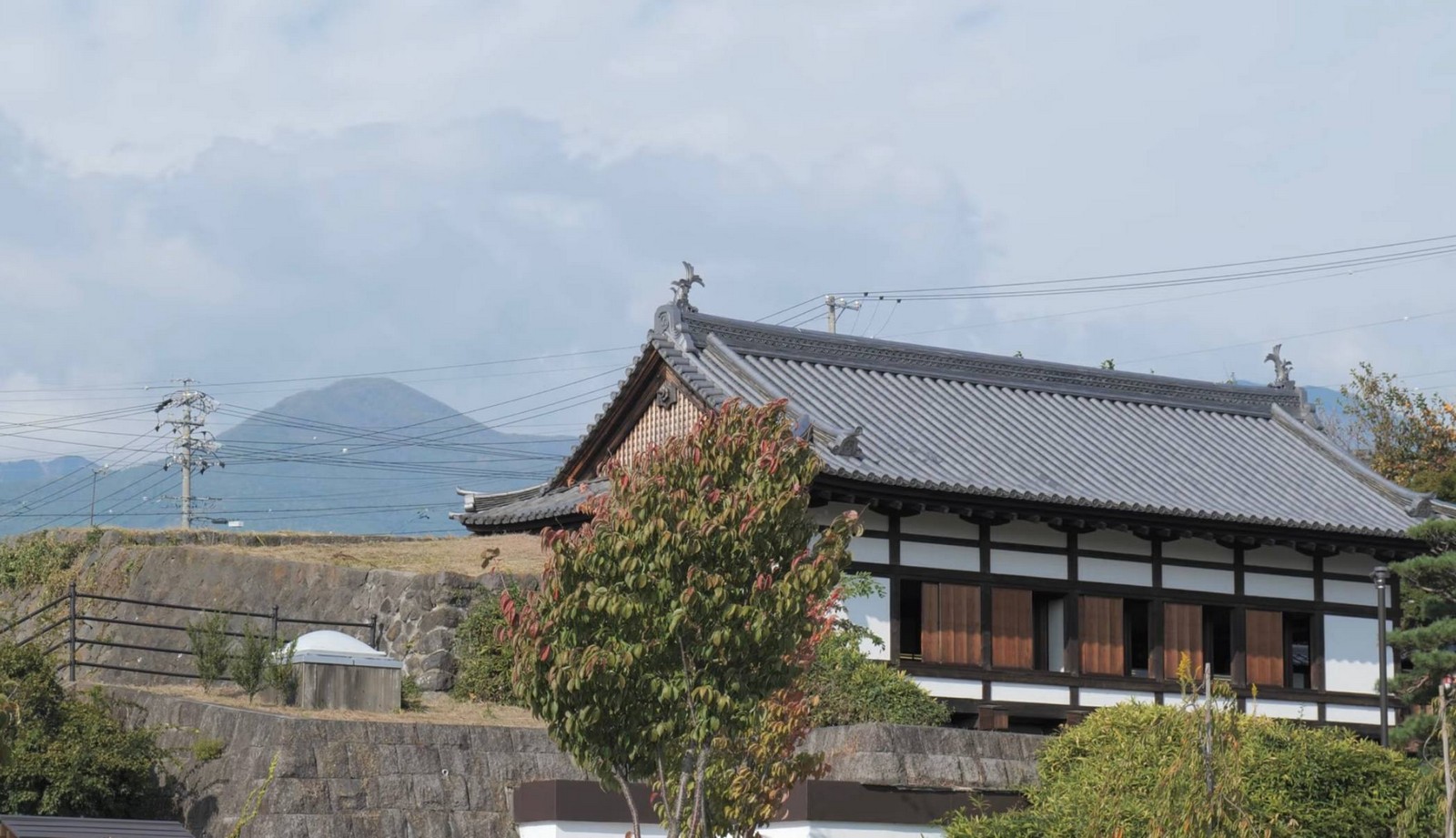
Traditional Japanese building in Gunma set against a backdrop of mountains, reflecting timeless architecture and harmony with nature.
Tip from the Itinerary Expert: Don’t rush your departure from Kusatsu. A final morning walk, one bath or show, and lunch near Yubatake help the experience feel complete before transitioning into a more road-focused day.
Overnight Location: Minakami
Day 3 — Mountain views in Minakami, then return via Takasaki
Morning: Begin the day at the Tanigawadake ropeway area, one of the easiest ways to experience high mountain scenery without a demanding hike. In clear weather, the views are especially rewarding. Allow 2–3 hours for the ropeway, viewpoints, and short walks. In winter, this part of the day can also be adapted for snow play or beginner-friendly activities.
Lunch: Keep things simple at View Terrace Tenjin, located near the ropeway. This avoids unnecessary detours and keeps the day flowing smoothly. After lunch, start the drive back toward Takasaki. If timing and energy allow, stop at Fukiware Falls along the way—it’s one of the easiest nature highlights to include without adding too much time.
Evening: Return to Takasaki for an early dinner before dropping off the car. A place like Buongiorno is a practical choice, especially if you want to try the city’s pasta culture. If your schedule is tight, skip dinner and head directly to the station for your train.
Fukiware Falls works best as a flexible stop: by car it’s about 30 minutes from Numata IC, while by public transport it’s significantly less convenient. This is exactly where having a car makes a noticeable difference in Gunma.
Tip from the Itinerary Expert: Keep the final day realistic. Choose either a full mountain morning or an added waterfall stop, but avoid overloading both. If the weather is clear, prioritize Tanigawadake and only add Fukiware Falls if there’s still time and energy.
Overnight Location: No overnight; return to Takasaki or continue to Tokyo
Traveller Reviews of Gunma

Daniel Cohen
April 2023

We spent three days in Gunma, and it turned out to be one of the most restorative parts of our Japan trip. Kusatsu Onsen in the evening was on another level—the streets were peaceful, steam rose from the vents, and the atmosphere was completely different from the daytime bustle. Staying overnight made all the difference. While the distances between areas can be a challenge, having a car made the journey feel smooth and manageable.
Ahmed Al Mansoori
January 2024

We visited in winter specifically for the snow and onsen, and Minakami provided the perfect combination. The kids absolutely loved the simple snow play areas, which didn’t require any prior ski experience, and we could all thaw out in the hot springs afterward. One thing I would suggest: keep your winter itinerary light. Travel takes longer than it looks on the map when there is snow on the ground.
Sarah Williams
October 2022
Gunma really surprised me with its incredible scenery. Driving through the mountains and stopping at spots like Fukiware Falls made the trip feel wonderfully varied. The waterfall is beautiful, though it is a relatively quick stop, so it works best as part of a larger day out. The autumn colors were breathtaking, though some of the more remote areas required a bit more logistics than I initially expected.
Omar Haddad
July 2019
We visited during the summer and focused our time on nature—lakes, gentle walks, and quiet mountain towns. it was the perfect escape from the heat of Tokyo. I loved that many of the scenic spots didn’t require long hikes, so the days remained relaxed and easy for everyone. The only hurdle was transport; without a rental car, reaching some of these hidden spots would have been quite complicated.
Emily Johnson
May 2025
Kusatsu Onsen was undoubtedly the highlight of our journey. Wandering around Yubatake in the evening felt truly special, and the town is compact enough to explore comfortably on foot. We also booked a private onsen, which elevated the whole experience. My best advice is to arrive before sunset and stay for at least one night to fully soak in the mood.
Youssef Karim
March 2018
We combined Takasaki, Kusatsu, and Minakami into one trip, and each location offered a distinct vibe. Takasaki served as a very practical transport hub, Kusatsu stood out for its magical atmosphere, and Minakami felt much more active and outdoorsy. Looking back, I would recommend planning fewer transfers and spending more quality time in just one or two areas.
Laura Bennett
August 2021
Gunma in the summer was lush, green, and incredibly calm. We stopped at several lakes and scenic viewpoints, which were perfect for short breaks and photos. It is definitely not a destination for rushing—the best moments happen when you slow down and simply enjoy the surroundings. Mapping out our route in advance really helped us avoid any unnecessary driving time.
Tips from the Itinerary Expert for Gunma
Expert Advice for a Perfect Trip
- Use Takasaki as your primary gateway into the region. It is a seamless arrival point from Tokyo, and picking up a rental car here will make the rest of your journey much smoother and more flexible.
- Don’t treat Kusatsu Onsen as a mere quick stop. The town truly comes alive in the quiet of the evening and the soft light of early morning, so staying overnight offers a far richer and more memorable experience.
- Plan your route in compact geographic clusters. A day built around a single waterfall, one scenic viewpoint, and one onsen area feels much more enjoyable than spending hours crossing long distances between isolated highlights.
- If your route includes Minakami, keep your schedule lighter than it might appear on the map. Winding mountain roads and changing weather can slow things down, so fewer stops usually lead to a better-paced and more pleasant day.
- For a nature-focused trip, a rental car makes all the difference. While trains are excellent for reaching Gunma, once you have arrived, a car gives you the freedom to explore hidden spots at your own pace.
- Think of Fukiware Falls as a beautiful scenic pause rather than a full-day destination. It is impressive to see, but it works best when paired with another nearby location to round out your afternoon.
- In winter, plan for fewer transfers and longer stays. Snow conditions can naturally slow down travel, and staying in one place a bit longer makes the entire trip feel much more relaxed and cozy.
- If you are choosing between adding another sight or spending more time at an onsen, always choose the onsen time. The restorative atmosphere is a huge part of what makes Gunma so special.
- Start your nature-focused days earlier, especially when heading into the mountains. This gives you plenty of flexibility for spontaneous photo stops, short walks, and unplanned pauses along the way.
- For a 3-day trip, it is best to combine Takasaki, Kusatsu, and either Minakami or Fukiware Falls, rather than trying to see it all. Gunma is at its best when the pace remains calm, balanced, and unhurried.
Insights from the Itinerary Expert
I visited Gunma in November 2023, and what struck me most was how beautifully the region unfolds when the route is planned with intention. It is not a destination for ticking off landmarks; rather, it is about weaving Kusatsu Onsen, Takasaki, and Minakami into a flow that feels entirely natural. I still vividly remember arriving in Kusatsu in the late afternoon and realizing that the true atmosphere only begins to reveal itself after sunset. Since then, I always design itineraries to capture that specific magic.
At first glance, Gunma looks straightforward on a map, but the mountain roads and distances often require more time than you might expect. Without a rental car, the experience can feel quite limited, especially if you want to reach iconic spots like Fukiware Falls or explore beyond the primary hubs. I also found that trying to cram too much into one day takes away from the very thing that makes Gunma special. Focusing on one onsen area paired with one nature region creates a far more balanced and enjoyable journey.
Gunma is not a place that demands your attention with flashy sights; it is a region that grows on you. Once you slow down, combine scenic drives with long onsen soaks, and allow yourself space between stops, the experience feels complete and deeply rewarding. If you are planning a trip, we can help you design a custom route through Gunma and Japan that perfectly matches your pace, interests, and personal travel style.
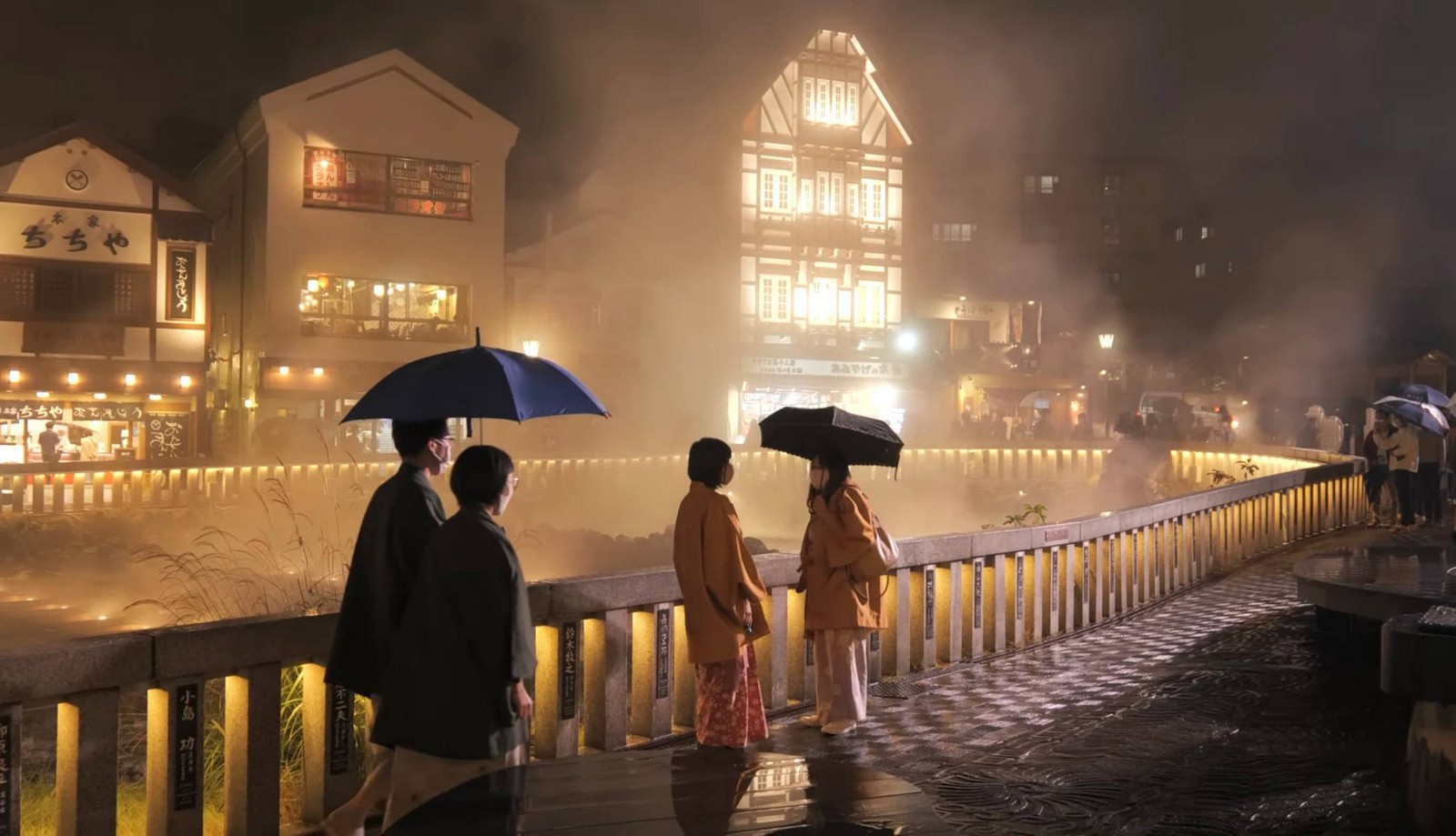
Evening walk through Kusatsu Onsen with visitors holding umbrellas, enjoying the glowing steam-filled streets.
Typical Prices in Gunma (Japan)
| Name | Amount | Description |
|---|---|---|
| Budget hotel (per couple) | 8000–15000 JPY | Simple business hotels or modest ryokan, usually without meals; a practical choice for short stays or one-night stops. |
| Mid-range hotel / ryokan (per couple) | 15000–30000 JPY | Comfortable accommodation, often including onsen access; many options provide breakfast or a traditional dinner. |
| Luxury ryokan (per couple) | 30000–60000+ JPY | A full traditional experience with premium service, multi-course kaiseki meals, and sometimes private onsen baths. |
| Apartment (family of 5) | 20000–40000 JPY | Spacious city-based stays, primarily in areas like Takasaki; convenient for larger groups but less traditional in style. |
| Car rental (per day) | 7000–12000 JPY | Compact or standard vehicles; rates vary depending on the season, rental duration, and insurance coverage. |
| Public transport (one ride) | 200–1500 JPY | Local trains and buses; regional journeys across the prefecture cost more based on distance and connections. |
| Restaurant meal (per person) | 800–2500 JPY | Casual dining and local eateries; expect higher prices for specialty restaurants or formal ryokan dinners. |
| Parking (per day) | 500–1500 JPY | Daily costs vary by location; generally cheaper in rural mountain areas and higher near popular tourist hubs. |
| Supermarket groceries (2 people) | 2000–4000 JPY | Essential groceries for a light meal, breakfast, or a picnic setup during a day of exploring. |
Frequently Asked Questions About Gunma
What we propose

Emma Heidi
Customer Experience Manager
Take all the stress out of planning your trip!
With our experts, you can create the perfect itinerary for you – complete, comfortable, and tailored to all your dreams, wishes, and needs.
We take care of every little detail, so you can simply focus on enjoying your journey.
We’ve been designing personalized itineraries since 2015, and over the years we’ve created thousands of custom itineraries for happy clients.

Save time, avoid confusion – we do the work for you. Our service saves you weeks of searching, reading, comparing, and complicated planning. Instead of wasting endless hours – you receive a ready-to-use, accurate and clear itinerary.

A tailor-made itinerary – built just for you. Your itinerary is personally designed based on our experts’ real field experience and genuine feedback from hundreds of travelers – including hidden discoveries and insider tips that don’t appear in any travel guide.

Smart accommodation selection – often saves you hundreds or even thousands of dollars. We help you choose verified and recommended places to stay, checking availability for your exact travel dates. Sometimes we suggest hotels not “in the center,” but in safe, convenient, and highly strategic locations – which can significantly reduce travel costs and save you even thousands of dollars.

We’re by your side even during the trip. We stay with you throughout your vacation – providing professional help whenever needed. If the weather changes, there’s a strike, a local event, heavy crowds, or any unexpected situation – we are here to update, guide, and adjust your itinerary in real time.

Easy-to-use itinerary – with direct navigation links. Your itinerary includes direct Waze / Google Maps links – no need to search for parking addresses, no stress, no mistakes. Just tap – and go.

Service cost: from only $420. (Special price for short itineraries up to 5 days). Clients tell us the itinerary saves them costly mistakes, fines, wrong choices – plus exclusive discounts on car rentals, better-priced accommodations, and money-saving local tips.
Want to know if it’s really worth it?
Take a look at the experiences of travelers who built their personal itinerary with us.
Click here and let’s start building the itinerary that will save you time, money, and stress – and turn your vacation into perfection.
Of course, your first inquiry is completely free – with no commitment whatsoever.
How it works


- You are welcome to contact us
- We discuss your trip
- You fill out a special form
- We create your itinerary
- You get it with all useful tips
- We are in touch with you all the time