My love for Japan began the moment I arrived in Tokyo. The country amazed me with its harmony of ancient traditions, cutting-edge technology, breathtaking nature, and a culture unlike any other. Since then, Japan has become a part of my life, and I return there again and again. Today I help travelers discover the real Japan: I create personalized itineraries, give lectures, and prepare guests for their unforgettable journey. I would be delighted to open Japan for you too!
Fukushima
For many travelers, the name Fukushima still evokes memories of 2011, but visiting today reveals a completely different reality. It is one of Japan’s most underrated gems, a vast and diverse prefecture that rewards those who venture off the beaten path. As Japan’s third-largest prefecture, its scale translates into breathtaking mountain ranges, beautifully preserved samurai towns, and remote hot springs that offer a refreshing escape from the country’s crowded tourist corridors.
It is important to note that only a very small, restricted area remains off-limits; the overwhelming majority of the prefecture is fully open and warmly welcomes visitors. Beyond that limited zone, there are no travel restrictions at all, allowing you to explore grand castles, forest trails, and traditional coastal villages with total ease and confidence.
What makes Fukushima so compelling is the way layers of Japanese heritage unfold in a single journey. You can wander through Ouchi-juku, a perfectly preserved Edo-period post town, discover the proud samurai legacy of Aizu, or marvel at the volcanic majesty of Mount Bandai. These iconic sights are balanced by a wonderful sense of space, where life feels calmer, slower, and more authentic than in Japan’s more heavily visited regions.
Spring here is particularly dreamlike. While other cities are packed, Fukushima offers breathtaking blossom spots like the Nicchu Line and the Kannonji River, where weeping cherry trees stretch for miles. Across all four seasons, the region provides a rare blend of history, nature, and relaxing onsen experiences, all at a pace that feels just right for families and solo explorers alike.
How to Get to and Travel Around Fukushima
Reaching Fukushima from Tokyo is surprisingly simple. The Tohoku Shinkansen zips you from the capital to southern Fukushima in about 80 minutes, making it a comfortable and seamless start to your adventure. Once you arrive, many travelers opt to rent a car, and it is truly the best way to see the region.
The prefecture’s highlights are spread across distinct areas: the historic Aizu in the west, the volcanic beauty of Mount Bandai and the Goshikinuma ponds in the north, the charming Abukuma region in the center, and the coastal city of Iwaki to the east. While trains and buses connect the main hubs, a car gives you the ultimate freedom to pull over at scenic viewpoints, explore tucked-away rural villages, and detour to small onsen towns without being tied to a strict timetable.
For instance, reaching Ouchi-juku is a smooth 45-minute drive from Aizu-Wakamatsu. While public transport is an option, it requires coordinating trains and local buses, which demands careful planning. In the more remote areas, services become less frequent as the afternoon progresses, making a rental car a much simpler choice for logistics.
Within Aizu-Wakamatsu itself, local loop buses are convenient for reaching Tsurugajo Castle and nearby historic sites. However, for those heading toward the mountains or deep into the countryside, driving simplifies your journey considerably and allows you to make the most of every moment.
Click here to learn more about creating a personal itinerary
Tip from the Itinerary Expert: If you’re visiting places like Ouchi-juku by public transport, plan for early departures and double-check return times in advance. In smaller towns, the last buses often run earlier than expected. Sorting out your return schedule before lunch keeps your day relaxed and stress-free.

When Is the Best Time to Visit Fukushima?
Fukushima is beautiful in every season, each bringing its own unique mood. Spring is perhaps the most iconic time to visit. Along the Nicchu Line in Kitakata, a three-kilometer stretch of weeping cherry trees creates one of the most photogenic scenes in all of Japan. In Inawashiro, the Kannonji River offers a quieter but equally magical setting, where soft pink blossoms are reflected in the gentle flow of the water.
Mid-April is particularly special as it marks the bloom of the Miharu Takizakura. This ancient tree is one of Japan’s most celebrated natural treasures and is widely regarded as one of the country’s greatest sights. Best of all, visiting during blossom season here often means enjoying stunning scenery without the intense crowds found in the major cities.
Summer brings lush, vibrant mountain landscapes, making it the perfect season for hiking around Mount Bandai, exploring the volcanic crater of Azuma-Kofuji, or wandering past the emerald and cobalt waters of the Goshikinuma ponds. Warm summer evenings are best spent at a traditional ryokan in historic hot spring towns like Higashiyama Onsen or Takayu Onsen.
As the year turns, autumn sets the mountains ablaze with fiery foliage, while winter transforms villages like Ouchi-juku into a living postcard. The sight of snow-covered thatched roofs and quiet, hushed streets is a striking contrast to the green months. Just remember to pack warm footwear and take care on the icy paths as you soak in the winter magic.

Since 2015, our website has specialized in individual planning of unique routes, taking into account personal preferences and desires.
Each of you will receive a unique PDF file from us, which contains everything you need: travel routes, car rentals, hotels, the best tourist attractions, attractions for kids and everything you need for a perfect vacation.
During the trip, we are available for you by phone via WhatsApp.
Our personal service provides information from A to Z, taking into account many small details that can become a decisive factor on the way from a wasted trip to an unforgettable vacation.
Our service will make your trip comfortable, save a lot of time on planning and preparation, and most importantly – will allow you to become freer and fully enjoy the pleasure of the trip.
Tip from the Itinerary Expert: During cherry blossom season, start your day early at one of the major sakura highlights, then move on to a smaller riverside or countryside spot later in the afternoon. This allows you to capture the iconic views while discovering peaceful local scenery away from the peak crowds.
What Are the Main Attractions in Fukushima to See First?
Fukushima brings together samurai history, storybook villages, volcanic landscapes, and surprisingly fun family attractions—all within one prefecture. These are the core highlights to prioritize when planning your route, creating a balanced journey that blends heritage, nature, and hands-on experiences.
Ouchi-juku
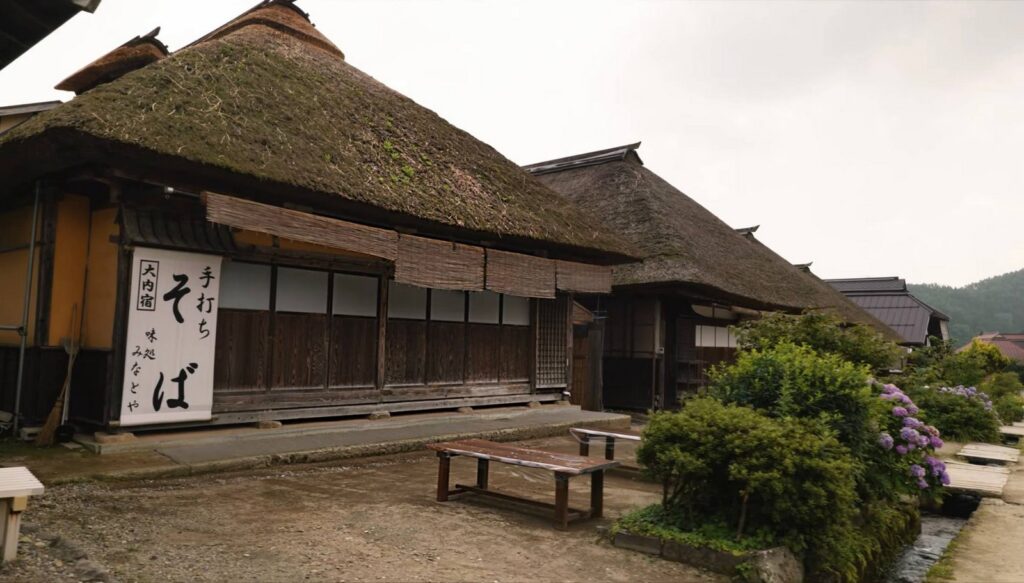
Ouchi-juku feels like a living time capsule from the Edo period. Thatched-roof houses line a gently sloping main street that was once a vital path for travelers moving between Aizu and Nikko. Today, these former merchant homes host traditional soba restaurants and small craft shops, yet the atmosphere remains wonderfully authentic. Officially recognized as an important preservation district, the village offers a glimpse into Japan’s past. A short walk up the hill behind the town rewards you with a famous panoramic view over the rooftops—a scene that becomes truly magical in winter when heavy snow blankets the straw roofs.
Opening Hours: Most shops and restaurants open in the morning and close by late afternoon.
Access to the village is free. Parking is approximately ¥500 per car.
Tip from the Itinerary Expert: Arrive before 10:00, particularly during peak seasons. Early mornings mean quieter strolls, easier parking, and shorter waits at the popular soba restaurants.
Distance/Time: About 45 minutes by car from Aizu-Wakamatsu.
Tsurugajo Castle (Aizu-Wakamatsu)
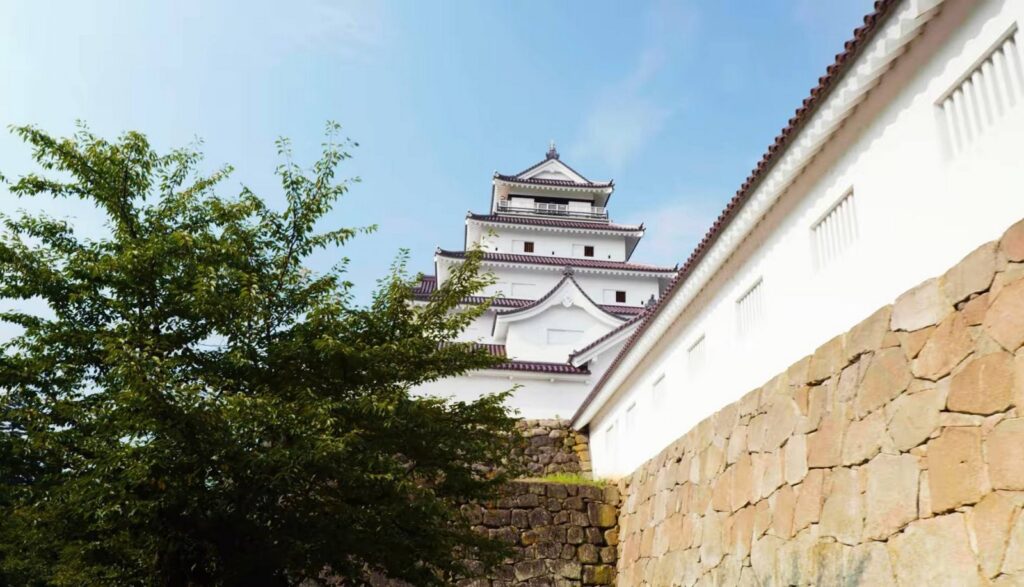
Tsurugajo Castle stands as the proud symbol of Aizu’s samurai heritage. The reconstructed keep—unique for its red-tiled roof—houses detailed exhibitions that explain the region’s dramatic role during the fall of the shogunate and the Meiji Restoration. Exploring the museum inside provides deep historical context, while climbing to the top floor reveals sweeping views across the city and the surrounding mountain ranges. The grounds are particularly breathtaking during cherry blossom season, when over a thousand trees turn the castle park into a sea of soft pink.
Opening Hours: Open daily; hours vary slightly by season.
An entrance ticket is required to access the interior museum.
Tip from the Itinerary Expert: Combine the castle with a visit to nearby Iimoriyama Hill in the same half-day to keep the historical storyline connected and avoid unnecessary travel across the city.
Distance/Time: Located in central Aizu-Wakamatsu.
Sazaedo Pagoda & Iimoriyama Hill
Sazaedo Pagoda is an architectural marvel, featuring a rare double-helix internal staircase that allows visitors to ascend and descend without ever crossing paths—a design found nowhere else in Japan. Just steps away lies Iimoriyama Hill, a site that commemorates the Byakkotai, the young samurai whose tragic story is central to Aizu’s identity. Together, these neighboring sites create a powerful blend of unique architecture, historical memory, and sweeping views of the city below.
Opening Hours: Open daily; seasonal variations apply.
A small entrance fee is required for Sazaedo.
Tip from the Itinerary Expert: Visit in the morning for softer light and fewer tour groups. The walk uphill is short but moderately steep, so comfortable footwear makes the experience much more enjoyable.
Distance/Time: A short distance from Tsurugajo Castle in Aizu-Wakamatsu.
Miharu Takizakura
Estimated to be over 1,000 years old, Miharu Takizakura is ranked among Japan’s three greatest cherry trees. Its name literally means “Waterfall Cherry Tree,” and in mid-April, its cascading branches explode into pink blossoms that look like a falling curtain of flowers. The sheer scale and ancient presence of the tree are truly theatrical. Even outside the short sakura season, this massive natural monument remains an impressive and deeply symbolic site for the local community.
Opening Hours: Open year-round; peak viewing is typically in mid-April.
An access fee may apply during blossom season.
Tip from the Itinerary Expert: During sakura season, arrive early in the morning or closer to sunset for softer light and fewer visitors—ideal for photography and a much calmer experience.
Distance/Time: Located in Miharu town.
Abukuma Cave
Discovered in 1969, Abukuma Cave extends more than 2.5 kilometers underground, showcasing incredible limestone formations sculpted over millions of years. Cathedral-like chambers, illuminated rock walls, and winding pathways create an otherworldly atmosphere that is both educational and visually striking. It is a fantastic stop for families and anyone interested in the raw beauty of geology and natural history.
Opening Hours: Open daily; seasonal changes in hours may apply.
An entrance ticket is required.
Tip from the Itinerary Expert: Bring a light jacket even in summer, as temperatures underground are noticeably cooler. Pairing the cave with nearby countryside stops makes for a well-paced and varied day of exploration.
Distance/Time: About 30 minutes by car from Miharu.
Shiramizu Amida-do Temple
Dating back to 1160, Shiramizu Amida-do is a rare surviving example of a Pure Land Buddhist garden temple. The elegant wooden hall is surrounded by a serene pond and small islands, creating a contemplative setting that feels worlds away from busier tourist hubs. It offers a peaceful cultural contrast and a beautiful glimpse into classical garden design in northern Japan.
Opening Hours: Open daily; hours vary by season.
A small admission fee may apply.
Tip from the Itinerary Expert: Combine this stop with coastal Iwaki highlights or Spa Resort Hawaiians to balance tranquil cultural time with lighter, more active experiences.
Distance/Time: Located in Iwaki City.
Spa Resort Hawaiians
Spa Resort Hawaiians was Japan’s first theme park and has grown into a massive waterpark and entertainment complex. With its sprawling indoor pools, exciting water slides, and famous hula dance performances, it’s a lively and unexpected addition to a Fukushima itinerary. It provides a fun, refreshing contrast to days spent exploring ancient castles and mountain trails.
Opening Hours: Open daily; operating hours vary by season.
An admission ticket is required.
Tip from the Itinerary Expert: Plan this as a lighter day toward the end of your trip—it’s the perfect place to relax and recharge after mountain hikes or several days of historical sightseeing.
Distance/Time: Located in Iwaki City.
Which Natural Wonders in Fukushima Are Unmissable?
Fukushima’s identity is defined by its soaring mountains, dramatic volcanoes, and sweeping rural horizons. Here, nature isn’t just a backdrop; it sets the entire rhythm of your journey. To help you plan a logical route across the prefecture, I’ve grouped the key natural highlights into regions that are easy to explore together.
1. Mount Bandai and the Bandai Highlands
Mount Bandai is the prefecture’s most iconic peak. Its massive eruption in 1888 completely reshaped the landscape, creating the stunning lakes and unique geological features you see today. Driving through the Bandai area offers wide panoramas and layered mountain views, with hiking trails that feel refreshingly uncrowded compared to Japan’s more famous peaks.
Summer covers the slopes in deep green, while autumn sets the entire range ablaze with vibrant reds and golds. Even short stops at roadside viewpoints offer incredible photo opportunities, making this area perfect for those who want to blend light exploration with relaxed sightseeing.
2. Goshikinuma (The Five Colored Ponds)
Formed by the volcanic activity of Mount Bandai, Goshikinuma is a cluster of mysterious ponds that shimmer in vivid shades of emerald, cobalt, and turquoise. The colors shift subtly depending on the light and the season. A gentle walking path winds between the ponds, allowing you to discover new, breathtaking perspectives at every turn.
This is an ideal half-day nature walk. The terrain is mostly flat and manageable, though I recommend sturdy walking shoes, as the paths can be damp after a light rain.
3. Azuma-Kofuji Crater
Often called a “mini Mount Fuji,” Azuma-Kofuji is a perfectly shaped volcanic cone. You can hike right up to the rim and walk the entire circumference of the crater. The trail offers expansive, 360-degree views over the surrounding mountain ranges and a thrilling sense of being high above the world.
The initial climb is a bit steady, but the overall hike is short and very rewarding. Try to visit on a clear day, as the visibility across the valley is simply spectacular when the weather is stable.
4. Takayu Onsen and the Mountain Hot Springs
Fukushima’s volcanic heart provides a natural abundance of hot springs. Takayu Onsen is famous for its milky, sulfur-rich waters and a tradition of healing that goes back centuries. Staying in a mountain ryokan here means forest views, quiet evenings, and steaming outdoor baths that feel deeply restorative.
Winter is particularly atmospheric, as the white snow creates a beautiful contrast with the rising steam. Even a single night in a mountain onsen adds a layer of peace and authenticity to your trip.
5. Iconic Blossom Landscapes: Nicchu Line and Kannonji River
In spring, the Nicchu Line in Kitakata becomes a three-kilometer tunnel of weeping cherry trees, creating one of the most photogenic scenes in the region. For a more intimate experience, the Kannonji River in Inawashiro offers a quieter setting where pink blossoms perfectly frame the sparkling, flowing water.
These spots feel much more spacious than the crowded parks in Tokyo or Kyoto. Arriving early in the morning allows you to enjoy the stillness and provides the best natural light for your photos.
6. Miharu Takizakura
Estimated to be over 1,000 years old, the Miharu Takizakura is one of Japan’s three most legendary cherry trees. When in full bloom, its cascading branches create a theatrical curtain of pink flowers around the massive, ancient trunk.
The bloom usually peaks in mid-April and only lasts for a short window. It’s well worth checking the local forecasts to ensure you catch this ancient giant at its most magnificent.
Tip from the Itinerary Expert: Organize your nature days by geography. Combine Mount Bandai, Goshikinuma, and Azuma-Kofuji into one northern mountain circuit. On a separate day, group Miharu with Abukuma Cave or other eastern countryside stops. This approach reduces your driving time and keeps each day cohesive and well-paced.
What Hidden Gems in Fukushima Are Worth Discovering?
Beyond its headline attractions, Fukushima rewards travelers who are willing to slow down. If you step slightly off the main tourist route, you’ll find quiet riversides, charming small towns, and seasonal landscapes that feel deeply personal and unhurried. These lesser-known corners add texture and depth to your journey, offering a glimpse into the heart of the region.
1. Nicchu Line (Kitakata)
In spring, this former railway line transforms into a stunning three-kilometer tunnel of weeping cherry trees, forming one of the prefecture’s most photogenic blossom corridors. Unlike the famous sakura hotspots in Japan’s major cities, the atmosphere here feels spacious, local, and wonderfully peaceful.
Outside the blossom season, it remains a lovely path for walking or cycling—an easy, quiet way to start your day before heading toward busier landmarks.
2. Kannonji River (Inawashiro)
The cherry trees lining the Kannonji River create a softer, more intimate spring setting. When the weather is calm, the pink petals are reflected in the gentle current, producing mirror-like scenes that are a dream for photographers. This isn’t just a place to check off a list; it’s a place to linger and enjoy a slow riverside stroll that pairs naturally with a visit to nearby Mount Bandai.
3. Aizumura (Aizu-Wakamatsu)
Aizumura offers a quieter look into the cultural identity of the Aizu region. Rooted in local traditions and craftsmanship, it serves as a wonderful complement to a visit to Tsurugajo Castle, offering a more relaxed pace without the intensity of a major landmark.
4. Yanaizu Town (Aizu Yanaizu)
Yanaizu sits comfortably away from the main tourist flow, and that is precisely its charm. The slower pace and traditional riverside setting provide an intimate glimpse of rural Fukushima life. A short stop here is the perfect way to break up a longer drive through the Aizu region and adds a subtle sense of discovery to your day.
5. Higashiyama Onsen
Located just on the edge of Aizu-Wakamatsu, Higashiyama Onsen blends the relaxation of hot springs with a rich historical atmosphere. Spending a night in a traditional ryokan here deepens your connection to the area—there is nothing quite like soaking in a steaming outdoor bath surrounded by forested hills after a day immersed in samurai heritage.
Click here to learn more about creating a personal itinerary
Tip from the Itinerary Expert: Weave these hidden gems into your transfer days between major attractions. Short countryside stops—whether it’s a riverside sakura walk or a pause in a small town—prevent itinerary fatigue and make your journey feel much more immersive and personal.
What to Do in Fukushima with Children?
Fukushima is a fantastic destination for families. The mix of wide-open landscapes, interactive attractions, and manageable historical sites makes it easy to balance learning, movement, and fun for all generations.
1. Spa Resort Hawaiians
As Japan’s first theme park, this remains one of the most entertaining stops for families. With its massive indoor pools and water attractions, it’s a reliable option no matter the weather, offering a high-energy break from traditional cultural sightseeing.
2. Abukuma Cave Exploration
Stepping into the illuminated limestone chambers of Abukuma Cave feels like a real-life underground adventure. The well-organized pathways and dramatic rock formations make geology exciting and accessible for kids, turning a nature lesson into a memorable exploration.
3. Castle and Samurai History at Tsurugajo
Tsurugajo Castle is great for kids because it combines indoor museum displays with expansive outdoor grounds. Families can explore the history of the samurai inside, then head up to the top floor for panoramic views before letting the little ones run around the open park space outside.
4. Nature Walks Around Goshikinuma
The gentle trails around the vividly colored ponds of Goshikinuma are perfect for a family hike. The unusual, shifting colors of the water often spark a child’s curiosity, and since the routes are relatively flat, you can easily adjust the length of your walk based on everyone’s energy levels.
5. Seasonal Sakura Viewing
A visit to the ancient Miharu Takizakura or a stroll along the Nicchu Line creates a shared family highlight. These outdoor settings allow for a flexible pace, giving children plenty of space to move around while everyone enjoys the stunning spring scenery.
Tip from the Itinerary Expert: Alternate your “structured” days (castles, temples, or caves) with more active, open-ended experiences like the waterpark or mountain walks. This rhythm keeps children engaged and prevents a history-heavy itinerary from feeling overwhelming for younger travelers.
Fukushima 3-Day Family Road Trip Itinerary
Trip Duration: 3 days
Day 1 – Samurai Heritage & Traditional Village (Aizu Region)
Getting there: Kick off your adventure by taking the Tohoku Shinkansen from Tokyo to southern Fukushima—a smooth 80-minute ride. Upon arrival, pick up your rental car and head toward the Aizu region. The 1.5-hour drive offers beautiful, shifting scenery that hints at the majestic mountains waiting ahead.
Morning (10:00–13:00): Ouchi-juku
From Aizu-Wakamatsu, it’s a scenic 45-minute drive to Ouchi-juku. This beautifully preserved Edo-period post town feels like stepping back in time. Take a slow wander along the thatched-roof main street and be sure to climb the short trail to the hillside viewpoint for that iconic panoramic photo of the village (allow about 2 hours for a relaxed visit).
Lunch (13:00–14:00): Find a cozy spot in one of the traditional restaurants and try the local specialty, negi soba—eaten with a whole leek instead of chopsticks! During peak season, there might be a short wait, but the atmosphere is worth it. Parking is roughly ¥500.
Afternoon (15:00–17:00): Tsurugajo Castle (Aizu-Wakamatsu)
Drive back to the heart of Aizu-Wakamatsu. Spend your afternoon exploring the castle grounds and the excellent museum inside the keep, which brings the dramatic samurai history of the region to life. The top floor offers sweeping views of the city framed by mountain peaks.
Evening (17:30–18:30): Higashiyama Onsen
Just 10 minutes away lies the peaceful Higashiyama Onsen. Check into your ryokan, soak in the restorative hot spring baths, and enjoy a traditional kaiseki dinner featuring seasonal local ingredients and perhaps a glass of regional sake.
Tip from the Itinerary Expert: Plan to reach Ouchi-juku before 10:00. The parking area fills up quickly and the popular soba restaurants can have long queues by midday. Arriving early gives you quieter streets and a much more relaxed start to your road trip.
Overnight Location: Higashiyama Onsen (Aizu-Wakamatsu)
Day 2 – Volcanic Landscapes & Mountain Onsen
Morning (10:00–12:00): Goshikinuma (Five Colored Ponds)
Head north for about 1.5 hours into the heart of the Bandai area. Embark on the gentle walking trail that winds past the Goshikinuma ponds. These volcanic waters shift between brilliant shades of blue and green depending on the light. It’s a manageable, family-friendly path that takes about 2 hours to fully enjoy.
Lunch (12:30–13:30): Stop at a local eatery in the Bandai area for some hearty sauce katsudon—a regional favorite—or more fresh mountain soba.
Afternoon (14:00–16:00): Azuma-Kofuji Crater
Continue your drive along a breathtaking mountain road for about 45 minutes. Once you reach the base of Azuma-Kofuji, climb the wooden staircase to the crater rim. Walking the full circle around the crater takes about an hour and provides incredible views across the surrounding highlands.
Evening (17:00–18:30): Takayu Onsen
A 30-minute drive down the mountain brings you to Takayu Onsen. This area is famous for its milky, sulfur-rich healing waters. Check into your mountain ryokan and enjoy a long soak in an open-air bath as the sun sets over the forest.
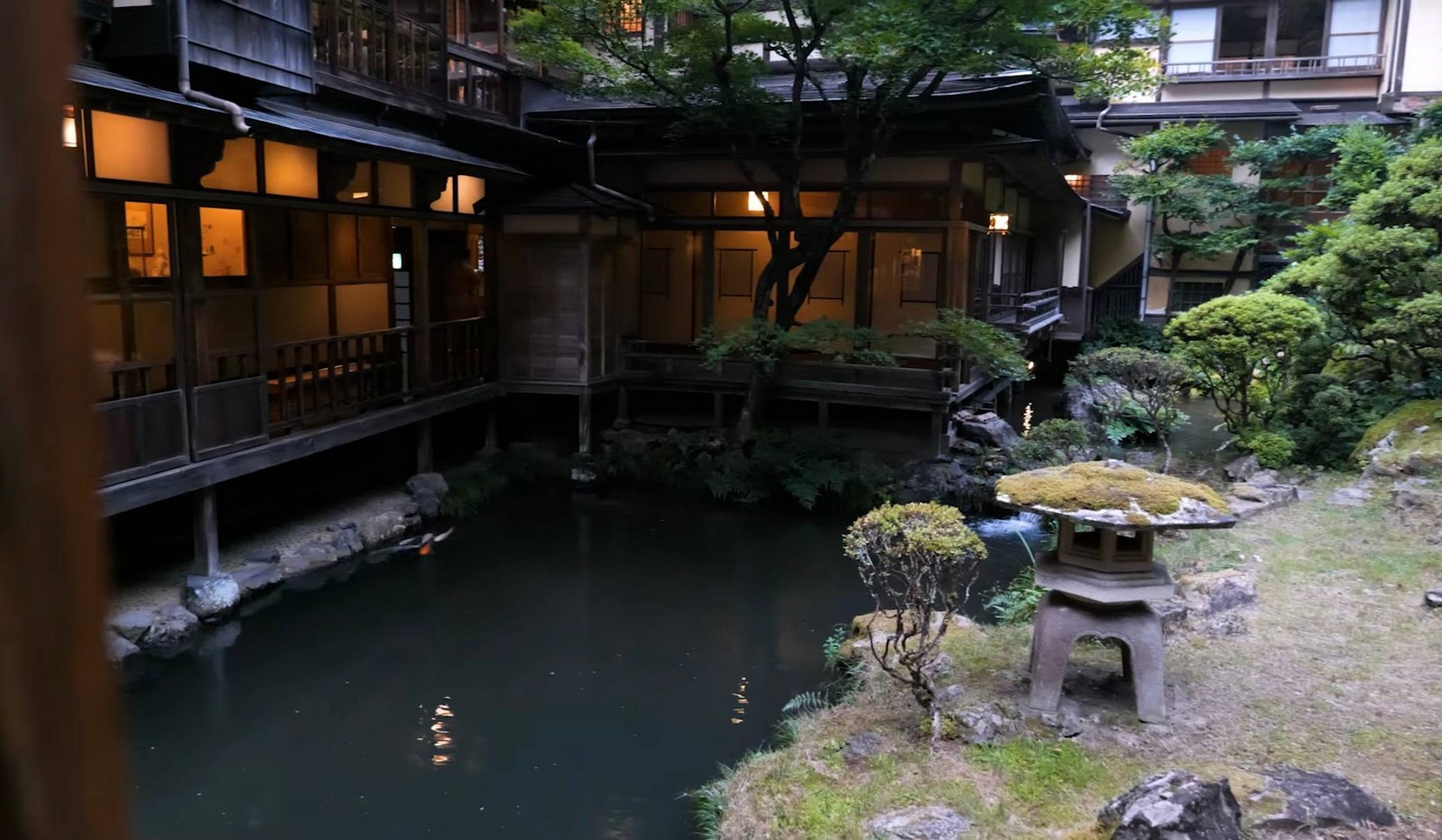
A serene ryokan courtyard with a pond and wooden buildings — a peaceful retreat in Fukushima.
Tip from the Itinerary Expert: Mountain weather can be unpredictable. Check the cloud levels before driving up to Azuma-Kofuji; if it looks foggy, try shifting your visit by an hour or two. Clear skies make the walk around the crater rim an unforgettable experience.
Overnight Location: Takayu Onsen (Mountain Area)
Day 3 – Cherry Blossoms, Cave Adventure & Waterpark (Eastern Fukushima)
Morning (10:00–11:30): Miharu Takizakura
Drive about an hour from Takayu to visit the legendary Miharu Takizakura. This 1,000-year-old weeping cherry tree is a sight to behold, especially in mid-April when its cascading branches are heavy with pink blossoms. Take your time walking the paths around this ancient giant.
Late Morning (12:00–13:30): Abukuma Cave
A short 30-minute drive takes you from the sunlight into the depths of Abukuma Cave. Spend an hour exploring the brilliantly illuminated limestone passages and cathedral-like formations. It’s naturally cool inside, making it a refreshing stop regardless of the season.
Lunch (13:30–14:30): Grab lunch at a local restaurant near the cave or wait until you reach Iwaki. You’ll find plenty of casual options ranging from ¥800 to ¥1,800 per person.
Afternoon & Evening (15:00–18:00): Spa Resort Hawaiians (Iwaki)
Drive one hour to the coast to visit Spa Resort Hawaiians. It’s a lively, fun-filled way to end your trip. Whether you’re racing down water slides or relaxing in the massive pools, it’s the perfect spot to wind down before heading home.
Tip from the Itinerary Expert: Schedule your visit to Miharu for the morning and wrap up your journey at Spa Resort Hawaiians. The contrast between a quiet morning in nature and a high-energy afternoon at the waterpark creates a balanced, family-friendly rhythm for your final day.
Overnight Location: Iwaki or return to Tokyo
Traveller Reviews: Fukushima

Emma S.
April 2024

I originally came to Fukushima just for the cherry blossoms, but I ended up extending my stay because I fell in love with the pace here. The sakura stretches felt almost ethereal—long, quiet paths lined with soft pink petals, miles away from the intense crowds of the big cities. We kept our days simple with scenic walks and local meals. It was exactly the peaceful spring escape I was looking for.
Daniel K.
January 2025
Seeing Ouchi-juku in the winter was like stepping into a snow-covered postcard. The thick white blankets on the thatched roofs gave the whole village a beautiful, timeless feel. A quick tip: the paths get slippery fast, especially near the hillside viewpoint, so proper winter boots are a must. Parking was easy, and the short walk to the village made it manageable even with the kids in tow.
Sofia M.
October 2023

Ouchi-juku was the absolute highlight of our time in Aizu. The main street is compact and easy to explore at a slow pace, with plenty of little shops for snacks along the way. We arrived early, before the tour groups, which made it much easier to take photos. By midday, it was noticeably busier and the food lines grew quickly—timing really makes a difference here!
Liam P.
July 2022
Tsurugajo Castle really surprised me. The exhibits were engaging and easy to follow without being overwhelming, and the panoramic view from the top floor was worth every step. It was a hot July day, so the breeze coming through the upper windows felt amazing. If I went again, I’d visit earlier in the morning to enjoy the grounds before the summer heat peaks.
Grace T.
April 2019
We visited Tsurugajo during peak cherry blossom season, and seeing the castle framed by those spring colors was breathtaking. The grounds were lively but never felt suffocating like some of the more famous castle sites in Japan. We spent a couple of hours exploring the history inside and then just lingered outside with some local snacks. It’s a perfect mix of history and seasonal beauty.
Noah B.
November 2021
We visited Ouchi-juku without a rental car. It’s definitely doable, but you have to plan your connections carefully. The return bus can be tight if you linger too long over lunch. My advice: head to the hillside viewpoint first for the best photos, then stroll the main street and eat. It’s a wonderful place to visit, just keep a close eye on the bus schedule to keep the day stress-free.
Chloe R.
February 2018
The Aizu region gave us exactly the calm, traditional atmosphere we were craving. Ouchi-juku was incredibly photogenic and felt very unhurried. The only real challenge was the ice—some spots were quite slick in February, so we had to slow our pace. Taking breaks for warm drinks in the local cafes made the whole experience much more cozy and enjoyable.
Marco D.
August 2025
Traveling with children, we loved having a mix of activities. Tsurugajo Castle works well for families because you’re constantly moving through different levels, and the view from the top feels like a great reward for the kids. We kept it flexible with a bit of history followed by snacks in the park outside. It’s engaging without feeling like an exhausting museum marathon.
Tips from the Itinerary Expert
1. I make it a rule to reach Ouchi-juku as soon as it opens. By late morning, the parking areas fill up and restaurant queues grow quickly. Arriving early guarantees quiet streets, cleaner photos, and a far more relaxed lunch experience.
2. At Tsurugajo Castle, my best advice is to head straight to the top floor first. The panoramic view is the true highlight of the visit, and going up early helps you avoid the congestion on the stairs later in the day.
3. If you’re visiting Ouchi-juku in winter, proper boots are absolutely essential. The paths can become surprisingly slippery, especially the trail leading to the hillside viewpoint. Having good traction makes the walk much safer and more comfortable.
4. When traveling with family, I always alternate structured visits, like the castle museum, with open wandering time in traditional streets. This balance keeps everyone’s energy levels steady and successfully prevents “museum fatigue.”
5. In Ouchi-juku, decide on your priority before you even start—is it the viewpoint, the photos, or the food? Having a clear order of business saves valuable time, which is especially important if you are working around tight transport connections.
6. I suggest keeping your meals simple and local. Enjoying a bowl of traditional negi soba right in the heart of Ouchi-juku enhances the atmosphere of your trip and saves you from unnecessary driving between attractions.
7. If you’re relying on public transport to reach rural spots, always double-check the return schedule before sitting down for lunch. I once had to cut a visit short because I miscalculated the last connection—don’t let that happen to you!
8. During cherry blossom season at Tsurugajo, aim to arrive in the early morning. Not only is the light much softer for photography, but the castle grounds feel significantly more peaceful before the main crowds arrive.
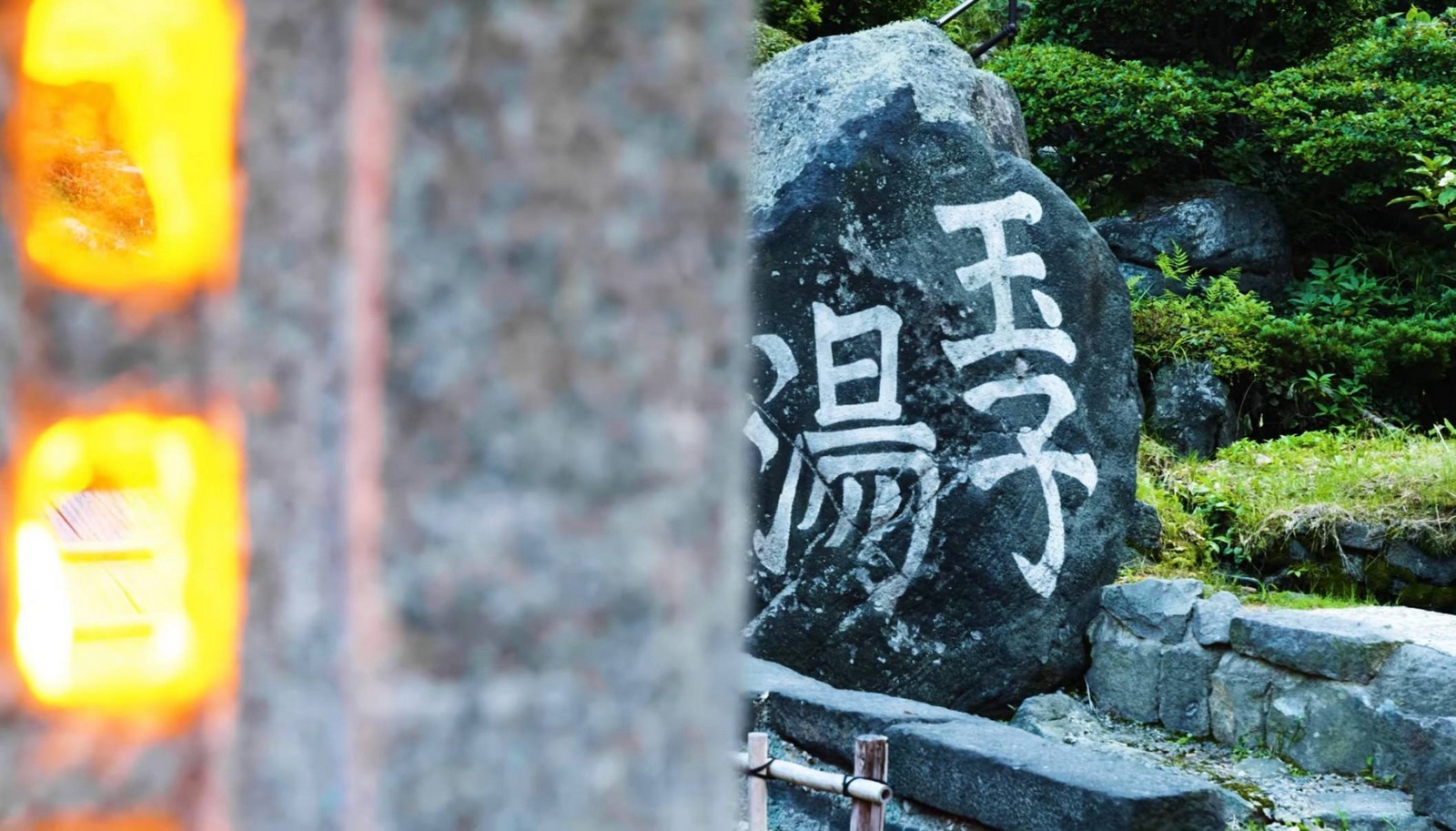
Close-up of a traditional stone marker with Japanese calligraphy — a quiet detail of Fukushima’s cultural heritage.
Insights from the Itinerary Expert
I explored Fukushima in October 2023, and what struck me most was the rare combination of deep historical atmosphere and a wonderful sense of openness. Walking through Ouchi-juku felt like slipping quietly into another century—the thatched roofs, gentle slopes, and a calm energy that never felt overcrowded. This slower rhythm works especially well for families; the distances are manageable, the highlights are easy to navigate, and there is always space to pause for photos without feeling rushed by a crowd.
Tsurugajo Castle stood out for a different reason. My personal approach is simple: head straight to the top floor first to soak in the panoramic views while your energy is fresh. Afterward, explore the museum exhibitions at your own pace. This keeps the visit exciting for everyone rather than feeling like a long museum session. One practical lesson I learned: timing truly matters. Arriving late at popular spots often means long lunch queues, so a little bit of morning planning makes the entire experience noticeably smoother.
What I genuinely value about Fukushima is how naturally it blends ancient tradition with stunning scenery and a relaxed, family-friendly pace. It feels authentic without being complicated. If you are considering adding Fukushima to your Japan journey, I would be happy to help design a personalized route—here or anywhere else—tailored precisely to your unique travel style.
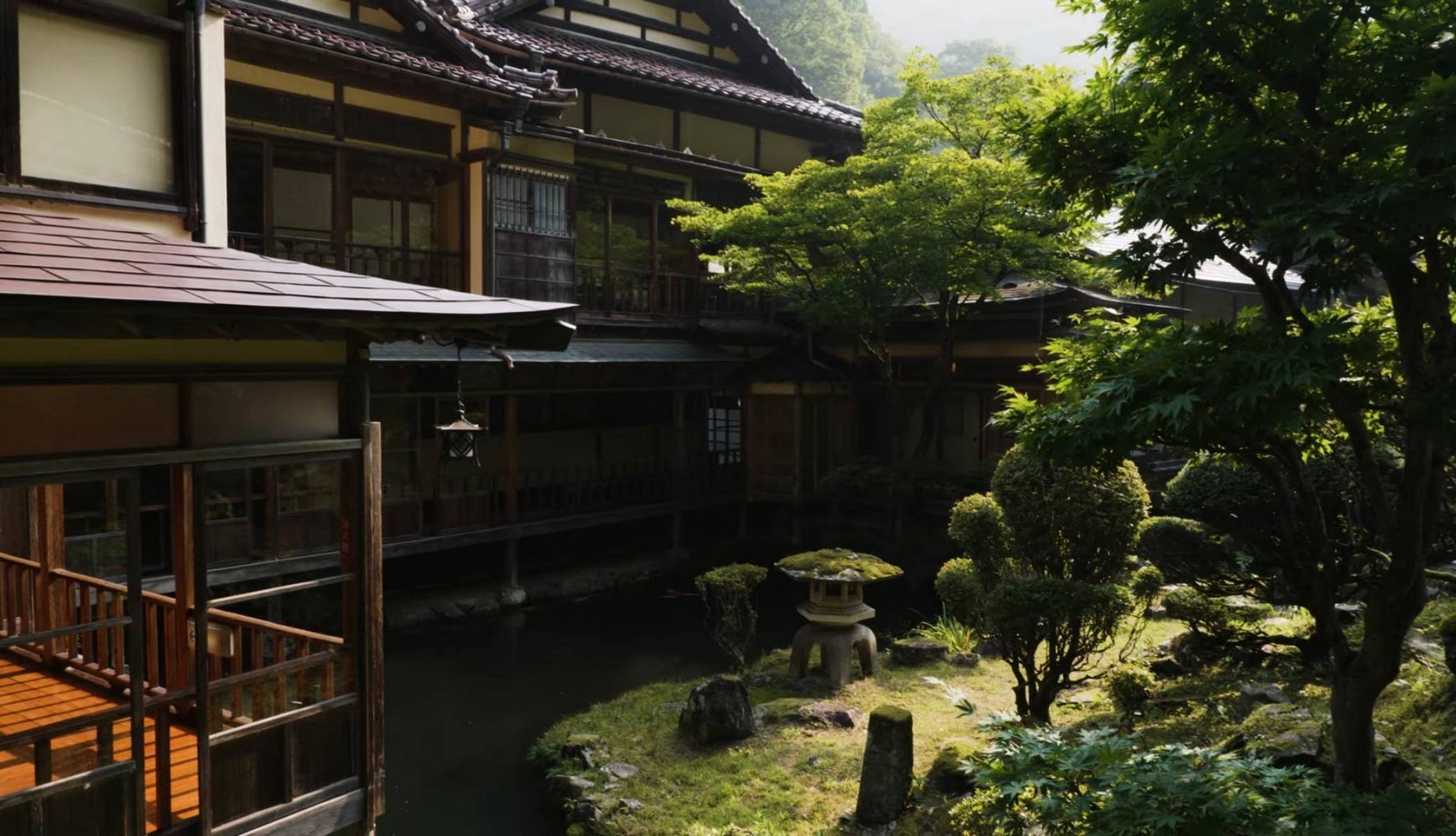
A lush Japanese garden surrounding a traditional inn — where nature and architecture blend beautifully in Fukushima.
Travel Costs in Fukushima
| Name | Amount | Description |
|---|---|---|
| Budget Hotel (per couple, per night) | 9000–14000 JPY | Simple, business-style hotels in regional hubs such as Aizu-Wakamatsu or Fukushima City. These are clean, practical, and well-located for short stays. |
| Mid-range Hotel (per couple, per night) | 16000–25000 JPY | Comfortable 3–4 star hotels or traditional ryokan, typically including breakfast and access to shared onsen baths. |
| Luxury Ryokan (per couple, per night) | 32000–55000 JPY | High-end onsen ryokan featuring exquisite seasonal kaiseki dinners, attentive service, and options for private hot spring baths. |
| Family Apartment (5 people, per night) | 20000–35000 JPY | Spacious rental apartments or large family rooms in regional towns, perfectly suited for multi-generational travel. |
| Car Rental (per day) | 7000–12000 JPY | Compact or standard vehicle; highly recommended for reaching mountain areas, rural villages, and attractions spread across the prefecture. |
| Public Transport (local train or bus) | 300–1500 JPY | Single ticket fares depending on distance; a cost-effective way to navigate between major city centers. |
| Restaurant Meal (per person) | 1200–3000 JPY | Casual local dining such as soba, ramen, or set meals in cozy neighborhood restaurants. |
| Parking (per visit) | 300–800 JPY | Standard parking fees near popular attractions, including heritage villages and historic castle sites. |
| Basic Supermarket Groceries (2 people) | 2500–4000 JPY | An everyday grocery shop covering snacks, drinks, and simple meal ingredients for two people. |
Frequently Asked Questions About Fukushima
01
Is Fukushima suitable for a family trip?
Absolutely. Fukushima is an excellent choice for multi-generational travel. With manageable walking distances, open-air historical gems like Ouchi-juku, and the spacious grounds of Tsurugajo Castle, the region offers a relaxed pace that never feels rushed or overwhelming for children or seniors.
02
Is it worth renting a car in Fukushima?
Yes, renting a car is highly recommended. While trains connect major hubs, rural highlights like Ouchi-juku and the volcanic mountain areas are much more accessible by vehicle. Having your own car gives you the freedom to explore at your own rhythm and adjust your schedule on the fly.
03
How much time should we plan for Ouchi-juku?
I recommend setting aside about 2–3 hours. This gives you plenty of time for a leisurely stroll along the thatched-roof main street, a quick climb to the panoramic viewpoint for those iconic photos, and a relaxed local lunch before the midday crowds arrive.
04
When is the best time to visit Fukushima?
Spring is stunning for cherry blossoms, especially at Tsurugajo Castle and the ancient Miharu Takizakura. Autumn offers breathtaking mountain foliage, while winter turns Ouchi-juku into a magical, snow-covered scene. If you visit in winter, just be sure to wear sturdy, non-slip footwear for the snowy paths.
05
Is Tsurugajo Castle too museum-heavy for children?
Not at all. The castle strikes a great balance with its historical exhibits, wide-open park grounds, and a rewarding 360-degree view from the top observatory. A great tip is to head straight to the top floor first to keep the energy high and the kids engaged.
06
Are distances between attractions long?
Some highlights are spread across different regions. For instance, the drive between Aizu-Wakamatsu and Ouchi-juku typically takes 45–60 minutes. The best strategy is to group your sightseeing by geographic area to minimize driving time and keep your days well-paced.
07
Is Fukushima as crowded as Tokyo or Kyoto?
Generally, no. Even during the popular cherry blossom season, sites like Tsurugajo Castle feel lively and festive rather than suffocating. You’ll find a much more spacious and authentic atmosphere here compared to Japan’s major metropolitan tourist hubs.
What we propose

Emma Heidi
Customer Experience Manager
Take all the stress out of planning your trip!
With our experts, you can create the perfect itinerary for you – complete, comfortable, and tailored to all your dreams, wishes, and needs.
We take care of every little detail, so you can simply focus on enjoying your journey.
We’ve been designing personalized itineraries since 2015, and over the years we’ve created thousands of custom itineraries for happy clients.

Save time, avoid confusion – we do the work for you. Our service saves you weeks of searching, reading, comparing, and complicated planning. Instead of wasting endless hours – you receive a ready-to-use, accurate and clear itinerary.

A tailor-made itinerary – built just for you. Your itinerary is personally designed based on our experts’ real field experience and genuine feedback from hundreds of travelers – including hidden discoveries and insider tips that don’t appear in any travel guide.

Smart accommodation selection – often saves you hundreds or even thousands of dollars. We help you choose verified and recommended places to stay, checking availability for your exact travel dates. Sometimes we suggest hotels not “in the center,” but in safe, convenient, and highly strategic locations – which can significantly reduce travel costs and save you even thousands of dollars.

We’re by your side even during the trip. We stay with you throughout your vacation – providing professional help whenever needed. If the weather changes, there’s a strike, a local event, heavy crowds, or any unexpected situation – we are here to update, guide, and adjust your itinerary in real time.

Easy-to-use itinerary – with direct navigation links. Your itinerary includes direct Waze / Google Maps links – no need to search for parking addresses, no stress, no mistakes. Just tap – and go.

Service cost: from only $420. (Special price for short itineraries up to 5 days). Clients tell us the itinerary saves them costly mistakes, fines, wrong choices – plus exclusive discounts on car rentals, better-priced accommodations, and money-saving local tips.
Want to know if it’s really worth it?
Take a look at the experiences of travelers who built their personal itinerary with us.
Click here and let’s start building the itinerary that will save you time, money, and stress – and turn your vacation into perfection.
Of course, your first inquiry is completely free – with no commitment whatsoever.
How it works


- You are welcome to contact us
- We discuss your trip
- You fill out a special form
- We create your itinerary
- You get it with all useful tips
- We are in touch with you all the time