My love for Japan began the moment I arrived in Tokyo. The country amazed me with its harmony of ancient traditions, cutting-edge technology, breathtaking nature, and a culture unlike any other. Since then, Japan has become a part of my life, and I return there again and again. Today I help travelers discover the real Japan: I create personalized itineraries, give lectures, and prepare guests for their unforgettable journey. I would be delighted to open Japan for you too!


Chukiji Fish Market
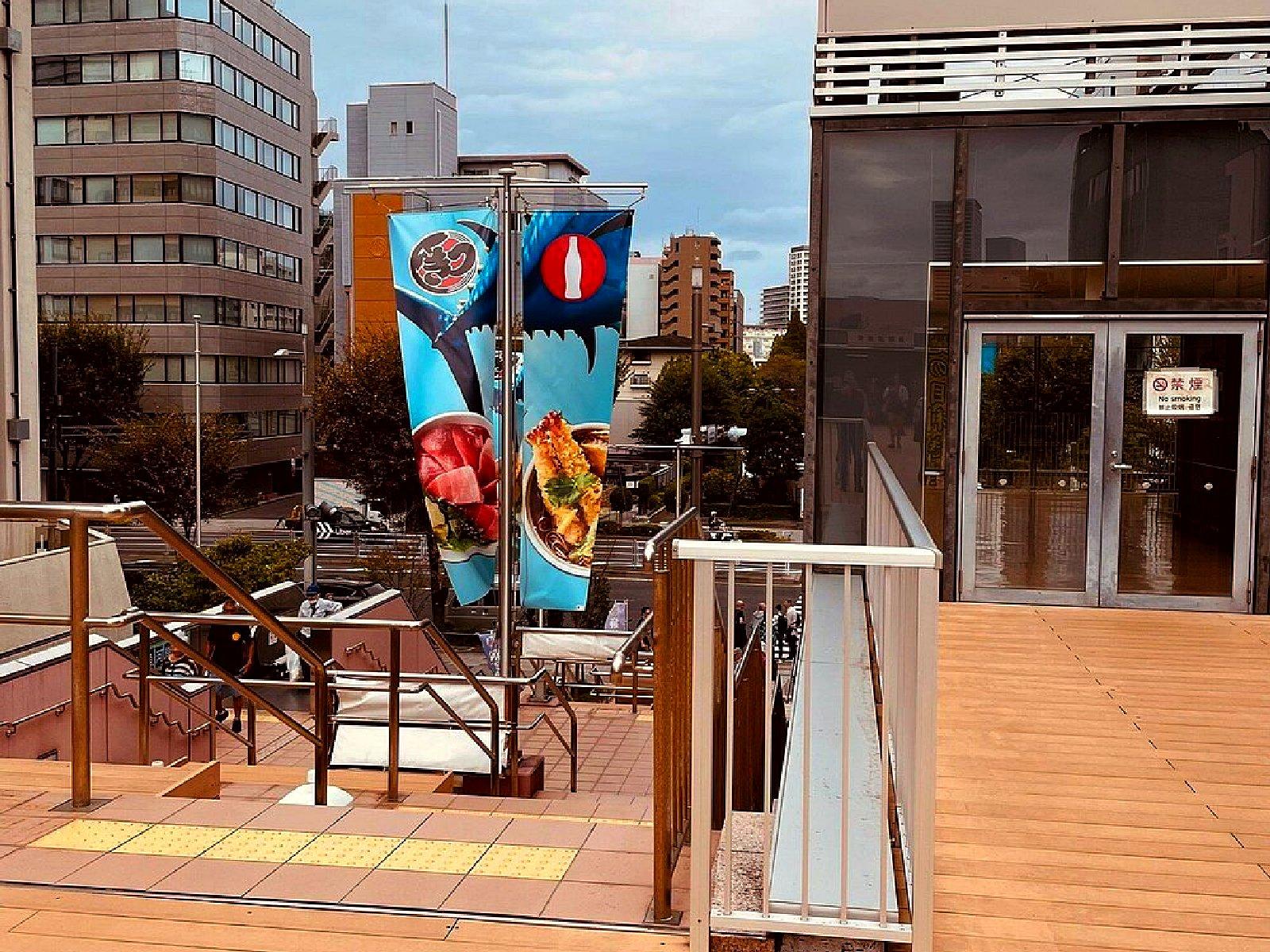
Chukiji Fish Market (Tsukiji Outer Market) is one of Tokyo’s most dynamic and sensory-rich locations. Sea aromas, fresh ingredients, sizzling grills and narrow colourful alleys come together to create an atmosphere unlike anywhere else in the city. Although the wholesale tuna auction moved to Toyosu, the Outer Market remains lively, accessible, and particularly enjoyable for families.
Walking through Tsukiji feels like stepping into a moving scene: giant fish resting on ice, scallops grilled right in front of you, vendors calling out, and endless rows of flavours waiting to be discovered. Children quickly become absorbed by the unusual seafood, the constant movement and the overall sense of action.
What Essential Information Should You Know Before Visiting Chukiji Fish Market?
Where is Chukiji Fish Market located and how do you get there?
The market is located in central Tokyo, within a short walking distance from Tsukiji Station, Tsukijishijo Station, and Higashi-Ginza Station. The exits are close to the market, signage is clear, and the surrounding streets feature cafés and small shops where you can stop before entering.
The most convenient way to reach Tsukiji is by subway, followed by a 5-7 minute walk to the main entrance. This brief walk is already part of the experience: the streets leading to the market are lined with shops selling Japanese knives, spices, matsutake mushrooms and unique local products that make thoughtful souvenirs.
What are the opening hours – and when is the best time to visit Tsukiji?
The market generally operates from 6:00 to 14:00, but families will find it most enjoyable between 9:00 and 12:00. Earlier in the morning, vendors are busy with preparations; later, some items may already be sold out.
Tip from the Itinerary Expert: if you are not planning to focus on the wholesale activity, arriving at 9:00 AM offers the ideal balance of fresh products, lively colours and manageable crowds.
Click here to learn more about creating a personal itineraryHow long should a family spend at Chukiji Fish Market?
Most families spend 2–3 hours exploring the alleys, tasting small dishes, taking photos and enjoying a light breakfast or lunch. Visitors who want to explore the vegetable and fruit areas may easily extend their visit to 4 hours.
Is there an entrance fee and how much does food cost?
There is no entrance fee – costs depend entirely on the food and items you choose.
Typical price ranges:
- Quick snacks: 300–800 ¥ (approximately 1,000–3,000 ¥ per person for several tastings)
- Simple full meal: 2,000–6,000 ¥ per person
- High-quality sashimi / sushi: 1,500–3,000 ¥
- Premium oversized seafood plate: 23,000 ¥
- Expensive crab portions: 12,000–15,000 ¥
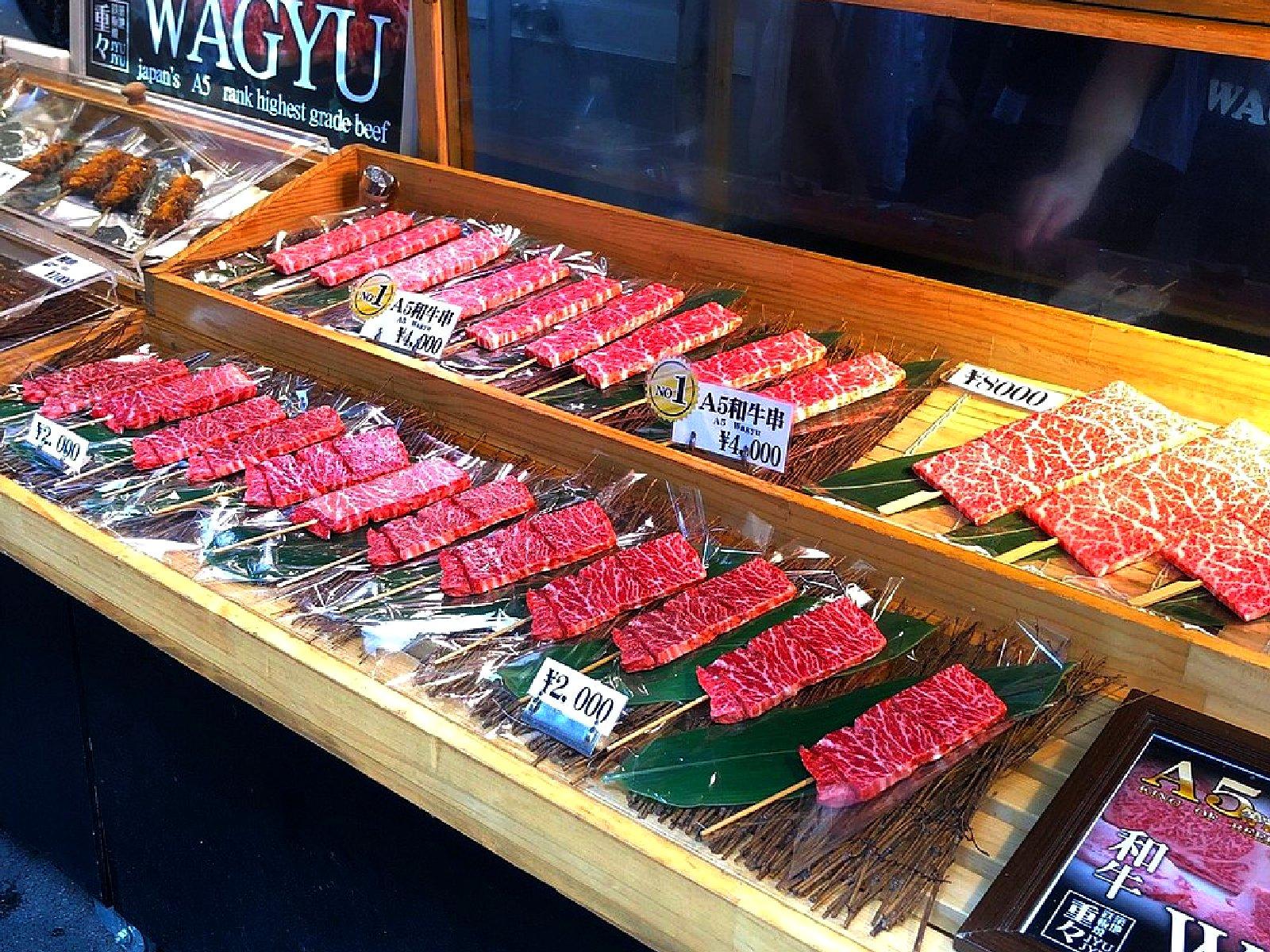
- Tourist-style Wagyu skewer: approximately 5,000 ¥
Personal experience: I once tried a giant clam for 900 ¥ – fresh, juicy and unforgettable.
What about parking near Tsukiji?
Parking near the market is extremely limited, often expensive, and usually located far from the Outer Market. While renting a car is generally useful for broader travel in Japan, for Tsukiji itself, using the subway is far more convenient due to traffic, narrow streets and the lack of nearby parking.
What’s the Story Behind Chukiji Fish Market – and Why Does It Matter?
Even without the wholesale auction, Chukiji Fish Market carries a long historical legacy. As early as the 17th century, fish delivered from Osaka were sold in this area. Following the Great Kanto Earthquake of 1923, the market was relocated to Tsukiji, where it grew into one of the most recognisable fish markets in the world.
Today, the experience still feels authentic. The energy, the ice scattered across the ground, the massive fish displayed on open counters and the voices of vendors at work create a lively and educational environment. For children, seeing seafood prepared and displayed up close provides an engaging and memorable learning moment.
What Can You See and Do Inside Chukiji Fish Market?
What streets and tasting areas are waiting for you at Chukiji?
Exploring the market feels almost like walking through a nature documentary. Brightly coloured fish, oversized clams, seaweed, spices and unusual legumes fill the stalls and create a visually rich experience.
The market is divided into three main zones:
- Outer Market alleys – Filled with Japanese knives, spices, souvenirs and a wide range of ready-to-eat food options.
- Indoor seafood section – A dense and busy area showcasing fish of all kinds. This section is especially fascinating for curious children.
- Vegetable and fruit section – Featuring products such as matsutake mushrooms, akebia and other rare local vegetables.
What live sea creatures will your family see – and why is it so fascinating?
Children are often captivated by the variety of marine life on display. You can expect to see:
- fish in many colours
- octopus and squid
- sea urchins
- giant clams
- live crabs
- sea worms
- Red Cornetfish and other unusual species
What flavours should you try at Chukiji Fish Market?
Families benefit from the wide selection of foods available – even those who don’t enjoy raw fish can find something appealing.
Market highlights include:
- grilled scallops (some as large as a palm)
- sushi, including lean tuna and fatty otoro
- deep-fried sushi
- A5 Wagyu grilled on the spot
- morning ramen
- salmon bites, onigiri and small hot dishes
- Black Cod Miso
Tip from the Itinerary Expert: avoid eating while walking. Japanese etiquette emphasizes staying in designated eating areas, and the alleys are often too narrow to move comfortably with food in hand.
Where can you find a quiet break inside all the market’s energy?
Amid the busy alleys, there is a small café designed in the style of John Lennon Café. It offers a quiet moment for parents and a warm treat for children – a brief, welcome pause before continuing through the market.
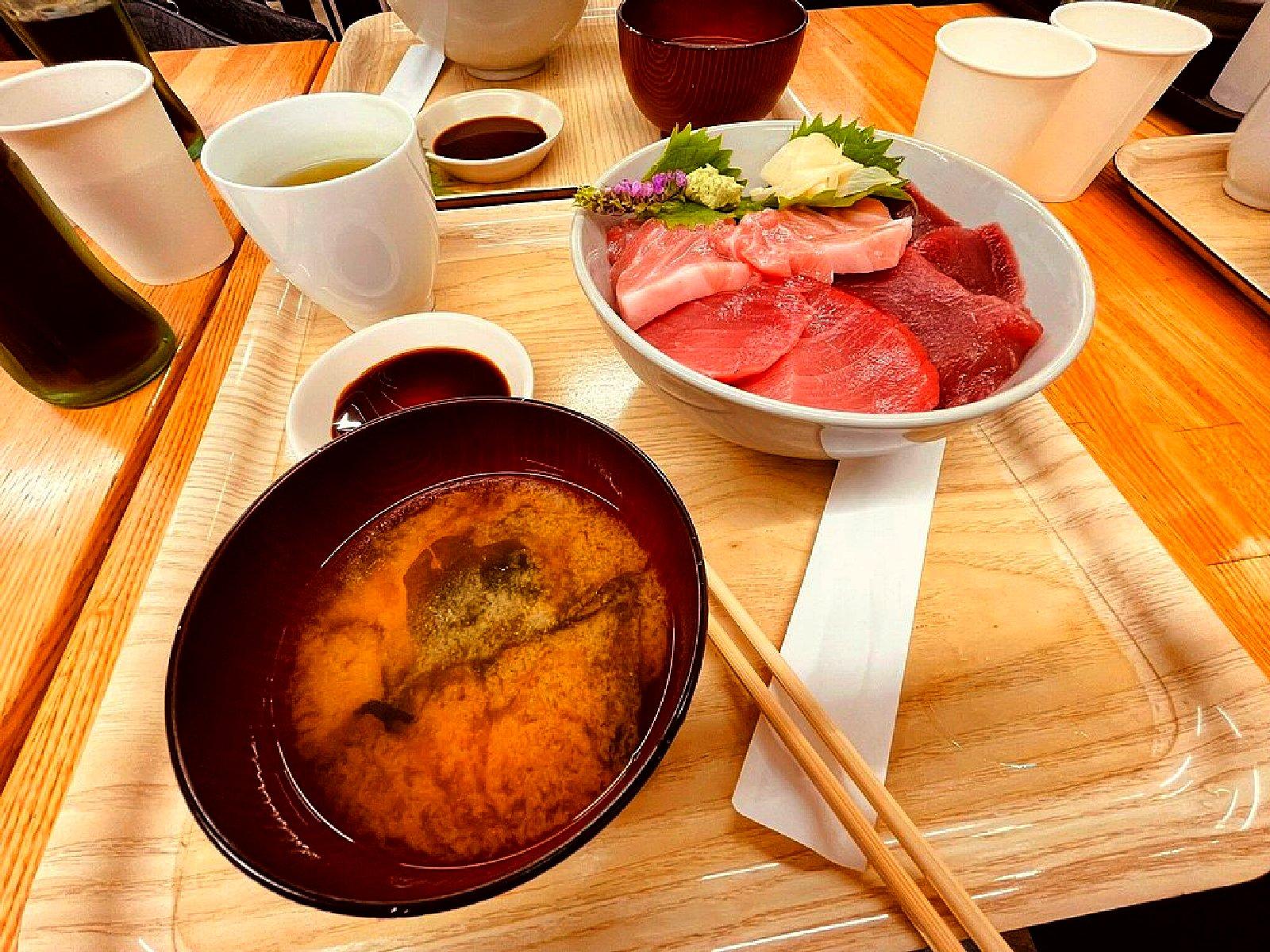
Breakfast at Chukiji Fish Market was unforgettable – the tuna was so fresh it almost melted. Even the miso soup tasted richer than anywhere else I’ve tried in Tokyo.
What’s Near Chukiji Fish Market – and Worth Combining With Your Visit?
Is Ginza the perfect follow-up destination after Tsukiji?
Yes. Ginza is only a short walk from the market and makes an excellent next stop after the sensory rush of Chukiji Fish Market. Families can enjoy the clean, wide streets, beautifully arranged shopfronts and easy browsing without the crowds of the market.
Ginza offers:
- pedestrian-only streets on weekends
- pâtisseries, bakeries and boutique stores
- excellent cafés such as Ginza Kimuraya
For families, Ginza provides a smooth transition from the lively atmosphere of the market to a calm, elegant area where children can enjoy looking at displays and adults can appreciate good coffee or dessert.
Are there any other nearby attractions?
Several places can be easily combined with a visit to Chukiji Fish Market:
- Hongan-ji Temple – impressive from the outside and located close to the market
- Shimbashi – a traditional office district filled with small, local restaurants
- Tokyo Bay walking routes – ideal for a relaxed stroll after exploring the market
These locations are all within comfortable walking distance and can easily extend a half-day visit into a full day around the area.
Click here to create a personal itinerary for JapanWho Is Chukiji Fish Market Suitable For – and What Limitations Should Families Expect?
Is Chukiji Fish Market suitable for families with children?
Absolutely. Chukiji Fish Market (Tsukiji Outer Market) is one of Tokyo’s most engaging places for children because of its colour, movement and constantly changing visuals. Kids can watch seafood being prepared, observe live crabs and octopus up close, and explore a wide variety of flavours without long walking distances.
Advantages for families:
- a huge variety of foods to taste
- children can observe how fish and clams are opened
- the Outer Market has wider alleys and more space
- short walking distances between stalls
Limitations to keep in mind:
- the indoor seafood area is narrow and can get slippery
- crowds increase between 10:00–12:00
- vendor carts move quickly through the aisles
Tip from the Itinerary Expert: I recommend starting in the Outer Market before entering the indoor areas. It helps children adjust gradually and makes the experience more enjoyable.
Is Chukiji accessible for seniors or visitors with limited mobility?
The Outer Market is generally manageable, with wider lanes, open-air stalls and a slower pace. Seniors can comfortably explore this section with short breaks in nearby cafés.
The indoor seafood area, however, presents challenges:
- very narrow walkways
- wet floors due to melting ice
- limited space to pause or rest
Visitors with limited mobility may prefer to stay in the Outer Market or explore nearby Ginza instead.
What about food lovers seeking an authentic Japanese experience?
Chukiji remains one of Tokyo’s most authentic culinary locations. The experience is rooted in:
- freshly prepared seafood
- unique local products
- traditional market energy
- direct interaction with vendors
It’s an accessible introduction to Japanese food culture, even for families who don’t regularly eat raw fish.
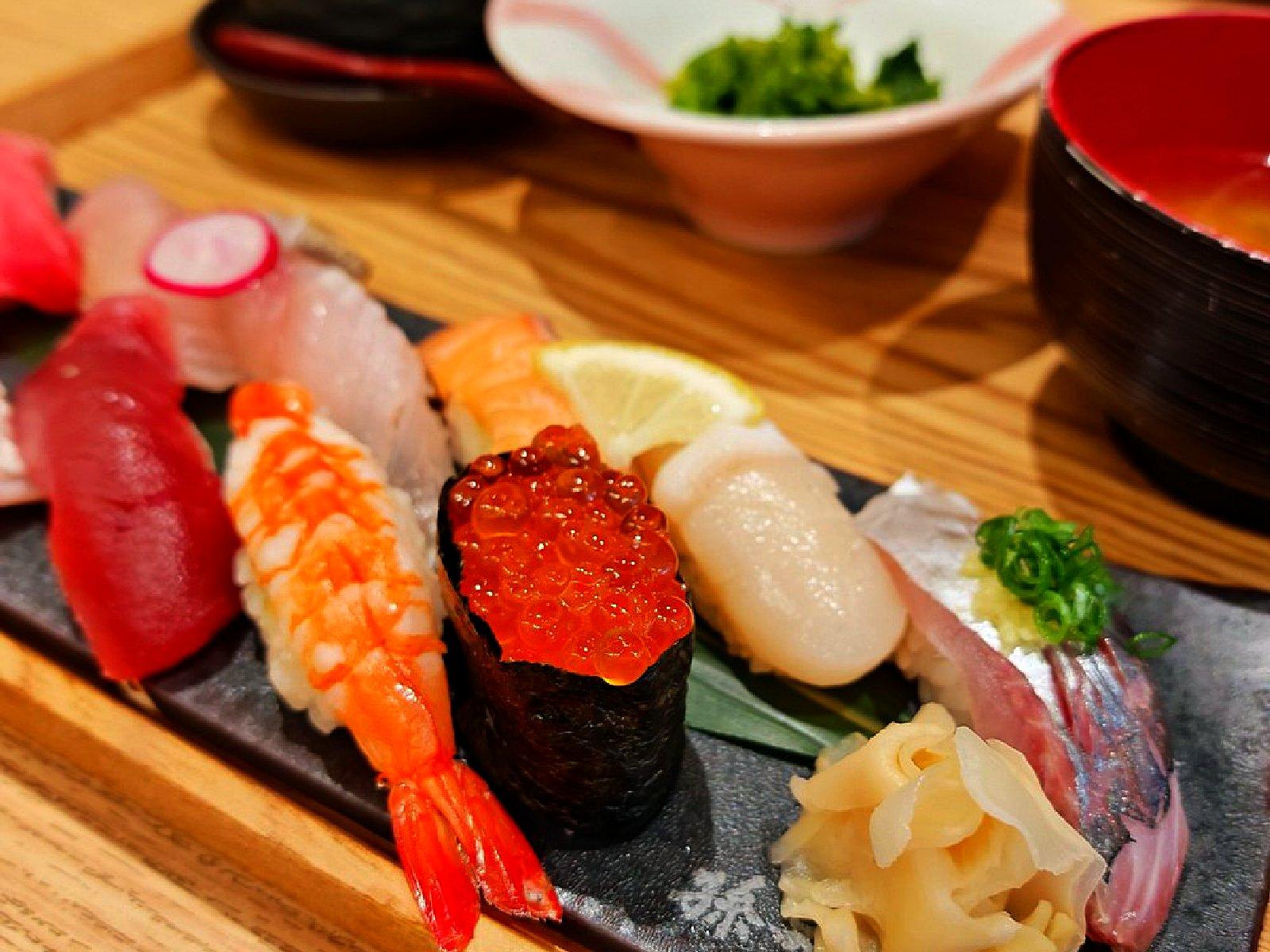
I didn’t expect to find sushi this good so early in the morning. Every piece tasted like it came straight from the ocean – especially the scallop and salmon roe.
How Much Does It Cost to Reach Chukiji Fish Market?
Subway Costs
Travel times and fares are straightforward and family-friendly.
- Shinjuku → Tsukijishijo: 210–260 ¥
- Shinjuku → Tsukiji (with transfer): 200–250 ¥
The ride takes around 20–25 minutes, followed by a short 5–7 minute walk to the market entrance.
Tip from the Itinerary Expert: if you’re carrying multiple bags, store them in a locker at the station before entering the market. It makes the narrow alleys much easier to navigate with children.
Bus Costs
- Flat fare: around 184 ¥ one way
Buses take longer than the subway but are an option for families staying close to a bus route.
Taxi Costs
- Shinjuku → Tsukiji: 4,100–5,000 ¥
Taxis are comfortable but significantly more expensive. Travel time varies depending on traffic, which can be heavy near the market.
Coin Lockers (Useful for Strollers and Luggage)
- Small locker: 300–400 ¥
- Medium locker: 400–600 ¥
- Large locker: 600–800 ¥
- Stroller storage: around 500 ¥
Lockers are available at stations near the market and are extremely practical if you want to move freely between stalls.

Since 2015, our website has specialized in individual planning of unique routes, taking into account personal preferences and desires.
Each of you will receive a unique PDF file from us, which contains everything you need: travel routes, car rentals, hotels, the best tourist attractions, attractions for kids and everything you need for a perfect vacation.
During the trip, we are available for you by phone via WhatsApp.
Our personal service provides information from A to Z, taking into account many small details that can become a decisive factor on the way from a wasted trip to an unforgettable vacation.
Our service will make your trip comfortable, save a lot of time on planning and preparation, and most importantly – will allow you to become freer and fully enjoy the pleasure of the trip.
Day 1 – Chukiji Fish Market (Tsukiji Outer Market) and Ginza
Morning 10:00-13:00 – First steps into Chukiji Fish Market (Tsukiji Outer Market)
Begin your day at Shinjuku Station and take the subway to Tsukijishijo Station or Tsukiji Station. The ride takes 20-25 minutes, costing 200-260 ¥ one way. From the station, walk 5-7 minutes through streets lined with knife shops, spices, and ingredients such as matsutake mushrooms.
Enter the narrow alleys of Tsukiji Outer Market (Chukiji Fish Market) and let the family explore: giant fish on ice, live crabs, squid, octopus, oversized clams, seaweed piles and the small electric vendor carts that kids always love.
Plan 2-2.5 hours for relaxed walking and tastings.
Try simple favourites such as tamagoyaki, onigiri, or grilled scallops – each usually 300-800 ¥, meaning 1,000-3,000 ¥ per person covers several bite-sized tastings.
Lunch 13:00-15:30 – Seafood bowl and a quiet café break
Around 13:00, choose one of the small restaurants surrounding the market. A seafood donburi or sushi set generally costs 2,000-6,000 ¥ per person.
If someone prefers cooked food, options like grilled tuna, scallops, unagi, or a bowl of ramen are widely available around the Outer Market.
After lunch, walk to the nearby John Lennon-style café for coffee and a sweet snack. It’s a cosy stop that gives both parents and children a break before continuing the day.
Afternoon 15:30-18:00 – From Chukiji Fish Market to Ginza
Leave the market around 15:30 and walk 15-20 minutes to Ginza, or take the subway for 10-15 minutes (another 200-250 ¥ per person).
Ginza offers a smooth transition from the lively market to spacious, elegant streets. Enjoy window shopping, look for a floor with toys or gadgets for the kids, and finish with dessert or a pastry at Ginza Kimuraya or a similar bakery. This final stretch takes 2-2.5 hours, keeping your full day roughly 10:00-18:00.
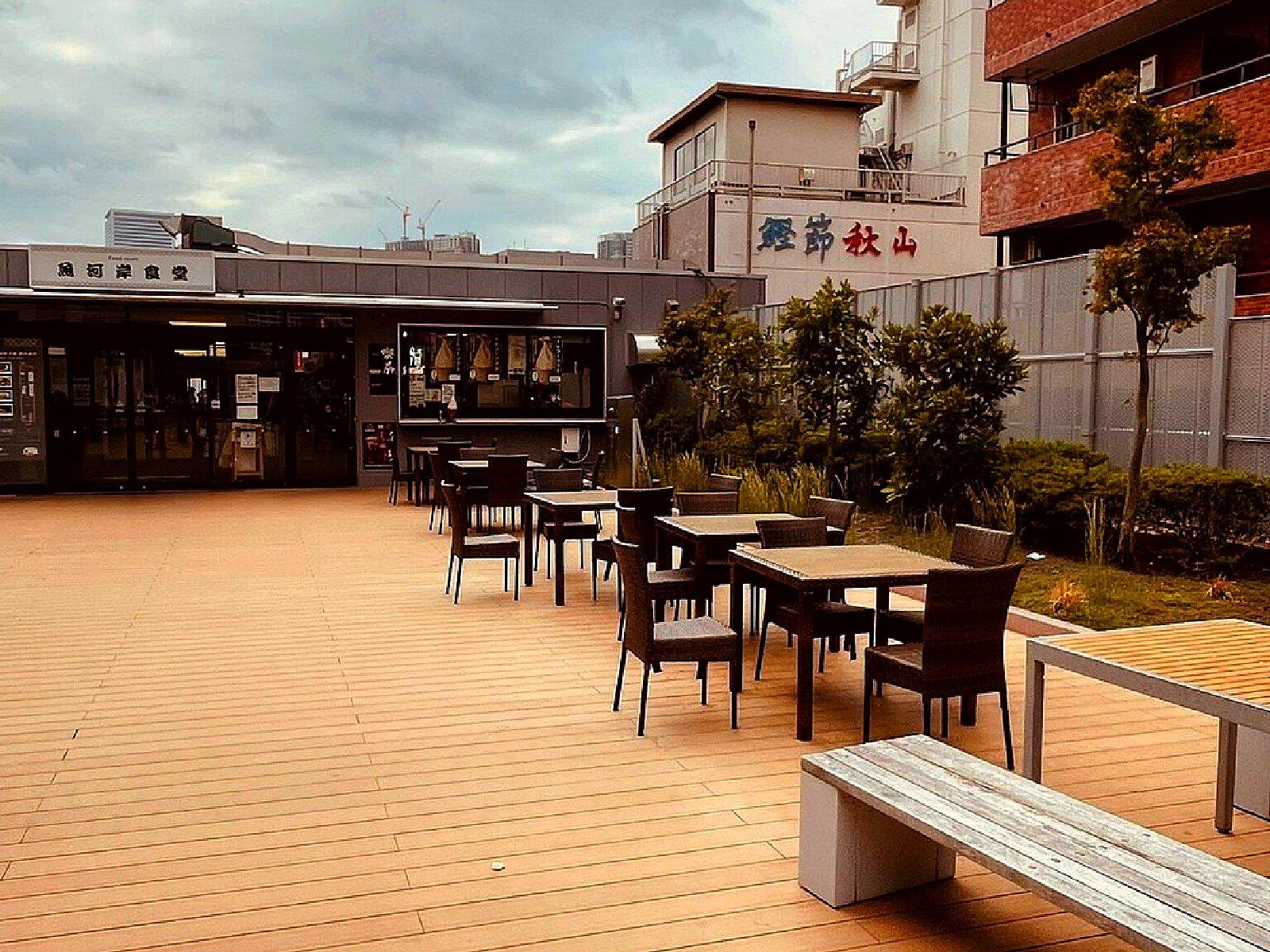
After the busy market streets, this quiet outdoor café felt perfect. We sat here with a warm drink while the kids rested – a peaceful break in the middle of Tokyo.
Traveler Reviews of Chukiji Fish Market
Emily Carter – April 2019
I visited Chukiji Fish Market with my two kids, and it felt like walking into a live documentary. They were fascinated by the huge fish on ice and the giant clams. We tried grilled scallops for 800 ¥ – absolutely worth it. The indoor area was crowded but full of energy, making the visit unforgettable.
Michael Adams – October 2023
We arrived around 9 AM, and it was the perfect balance between activity and space. The kids watched a vendor open a massive clam, completely mesmerised. We spent almost three hours exploring. Just be careful – the floor in the inner section can get very wet and slippery.
Sophia Williams – June 2018
Tsukiji was one of the highlights of our family trip to Tokyo. The outer market offered colourful spices, mushrooms and snacks the kids enjoyed. The indoor area was noisier and tighter, but seeing seafood prepared up close kept everyone engaged.
Daniel Brooks – February 2024
Every corner of the market had something unexpected – octopus, sea urchins, bright red fish. I tried a Wagyu skewer, which was pricey at 5,000 ¥, but tasting it fresh off the grill made it worth it. The atmosphere alone is an experience.
Olivia Johnson – August 2022
It’s amazing how quickly you go from the calm street outside to a buzzing maze of vendors. My kids loved the tamagoyaki and onigiri – simple, cheap and familiar. We later relaxed at a small café nearby, which helped everyone recharge.
Ethan Miller – March 2025
I appreciated that the outer market felt more open and easier for families. The indoor seafood area was fascinating but definitely more crowded. We tried several scallops, all delicious, and my son couldn’t stop talking about the enormous crab claws he saw.
Laura Bennett – December 2021
I came with three children and expected them to get tired quickly, but they were excited from the start. They ran from stall to stall pointing at every strange creature. The only challenge was the fast vendor carts moving through the narrow alleys, so we kept the kids close.
Adam Clarke – May 2019
For someone who doesn’t love raw fish, I still found plenty to enjoy – grilled tuna, scallops and sweet tamagoyaki. Prices vary a lot, and some stalls are very expensive, but you can easily enjoy the market without spending too much.

Tips from the Itinerary Expert
- Arrive around 9:00 AM for the best experience
From my own visits, 9 AM is the perfect time to enter Chukiji Fish Market. There’s still plenty of fresh seafood, but the heavy vendor rush has already passed. Kids can move more comfortably without the intense early-morning crowd. - Start in the Outer Market before entering the indoor section
The Outer Market is brighter, wider and easier for families. I always begin there, let the kids warm up to the colours and smells, and only then step into the tighter indoor aisles where the giant fish and icy displays create the real “wow” moments. - Skip the luxury stalls and choose simple classics
Some stalls sell very expensive items – 23,000 ¥ seafood plates or 5,000 ¥ Wagyu skewers. Personally, I focus on affordable essentials like grilled scallops, tamagoyaki and onigiri. They’re delicious, kid-friendly and easier on the budget. - Wear closed shoes – the floor can be slippery
The indoor fish area often has puddles from melting ice. I’ve seen families struggle with sandals. Closed shoes make a big difference and keep the visit safer, especially for children. - Use coin lockers at the station to travel light
If you’re carrying a stroller or several bags, store them in a locker at Tsukiji Station (300-800 ¥). With narrow aisles and constant movement, exploring Chukiji is much easier when your hands are free. - Turn the market into a family challenge
I always turn the visit into a game: “find the strangest sea creature.” Red Cornetfish, giant clams, sea urchins – kids love it, and it keeps them engaged while you explore. - Don’t walk while eating – look for designated spots
Eating while walking isn’t accepted in Japan, and the narrow alleys make it unsafe. Many stalls have a small standing corner for tastings. It also gives children a short break between snacks. - Walk to Ginza afterwards for a calm finish
After the sensory overload of Chukiji Fish Market, a 15-20 minute walk to Ginza helps everyone unwind. Wide streets, pretty displays and bakeries create a perfect, relaxing afternoon transition.
Insights from the Itinerary Expert
I last visited Chukiji Fish Market (Tsukiji Outer Market) in September 2023, and every time I return, it feels like stepping into a living snapshot of Tokyo’s energy. The sound of vendors calling out, the ice cracking under fresh fish, and the vivid colours everywhere create an atmosphere that families immediately connect with. My children stood mesmerised as a vendor opened a giant clam with precise, practiced movements – a moment they still talk about.
I won’t hide the challenges: the indoor section can be crowded, the smell of raw seafood is strong, and the wet floors require slow, careful walking. But starting in the Outer Market, letting kids adjust, and moving at a relaxed pace turns the experience from overwhelming to enjoyable. Even those who don’t love raw fish find plenty to try – tamagoyaki, grilled seafood, onigiri and sweet morning snacks.
My approach is simple: don’t rush. Take time to observe the stalls, talk to vendors, and let the kids choose the “strangest sea creature” they can find. These small, authentic moments are what families remember long after the trip.
Chukiji Fish Market is one of Tokyo’s most unique family destinations – vibrant, colourful and endlessly surprising. If this spot inspires you, I’ll be happy to help you build a personalised itinerary for your visit here and throughout Japan.
Price Table
| Category | Details / Notes | Average Price (¥) |
| Budget Hotels (per couple) | Guesthouses or 2★-3★ hotels in Tsukiji / Ginza / Shinjuku. Small but clean rooms, usually without breakfast and with basic services. | 8,000-14,000 per night |
| Mid-Range Hotels (per couple) | 3★-4★ hotels with more comfortable rooms; some include simple breakfast. Good access to transport and central districts. | 14,000-26,000 per night |
| Luxury Hotels (per couple) | 4★-5★ hotels in Ginza, Tokyo Bay or central business districts. Spacious rooms, spa/pool access, and high-level service. | 30,000-60,000 per night |
| Family Apartment / Apart-Hotel (up to 5 people) | Two-room apartment or family suite with kitchenette in a central or semi-central area. Ideal for families with 3 children. | 20,000-35,000 per night |
| Car Rental (per day) | Compact car with basic insurance, pick-up at a major Tokyo station. Fuel and parking not included. | 8,000-12,000 per day |
| Public Transport | Single subway ride depending on distance; daily pass recommended for full sightseeing days. | 170-320 per ride, 600-800 for a daily pass |
| Restaurant Meal (for two) | Sushi set, Seafood Donburi, Ramen or similar dishes in a simple, mid-range restaurant near Chukiji or Ginza. | 4,000-12,000 per meal for two |
| Parking (central Tokyo) | Paid parking or coin parking around Chukiji / Ginza. Prices vary by location and time. | 300-600 per 30 min, approx. 2,000-3,500 per full day |
| Basic Grocery Basket (for 2 people per day) | Bread, milk, eggs, vegetables, fruits, rice and other essentials for simple meals at home. | 2,500-4,000 per day |
FAQ
Are there food options for children who don’t like raw fish?
Yes. Families can choose grilled tuna, scallops, tamagoyaki, onigiri or ramen. These are simple, warm and comfortable choices for kids.
Is there a recommended walking route inside the market?
Start in the Outer Market, which is wider and calmer, then continue into the indoor seafood area. This helps children adjust before entering the busier, narrower alleys.
How crowded does Chukiji Fish Market get?
The busiest time is between 10:00 and 12:00. Earlier hours are more comfortable for families, especially if you prefer slower walking and more space.
Can I bring a stroller to Chukiji? (first-person)
I’ve done it, but it’s easier after storing it in a coin locker (300–800 ¥). The indoor area is too narrow for strollers, so I only use it in the Outer Market.
What should families avoid doing inside the market?
Avoid eating while walking – alleys are narrow, and it’s considered impolite. Use dedicated eating spots near many stalls.
Is Chukiji Market suitable for seniors?
The Outer Market is fine for slow walking. The indoor seafood section, however, is crowded, slippery, and has fast vendor carts, which can be challenging.
How can I make the visit more enjoyable for kids? (first-person)
I always turn it into a “sea creature hunt.” My kids look for the strangest fish or clam they can find – it keeps them excited the entire visit.
Are there places to rest during the visit?
Yes. There is a cosy café styled like John Lennon Café, perfect for a short break before continuing toward Ginza.
What can families combine with Tsukiji on the same day?
Ginza is a 15–20 minute walk away. It offers wide streets, bakeries and easy strolling – a relaxing contrast to the market’s energy.
What we propose

Emma Heidi
Customer Experience Manager
Take all the stress out of planning your trip!
With our experts, you can create the perfect itinerary for you – complete, comfortable, and tailored to all your dreams, wishes, and needs.
We take care of every little detail, so you can simply focus on enjoying your journey.
We’ve been designing personalized itineraries since 2015, and over the years we’ve created thousands of custom itineraries for happy clients.

Save time, avoid confusion – we do the work for you. Our service saves you weeks of searching, reading, comparing, and complicated planning. Instead of wasting endless hours – you receive a ready-to-use, accurate and clear itinerary.

A tailor-made itinerary – built just for you. Your itinerary is personally designed based on our experts’ real field experience and genuine feedback from hundreds of travelers – including hidden discoveries and insider tips that don’t appear in any travel guide.

Smart accommodation selection – often saves you hundreds or even thousands of dollars. We help you choose verified and recommended places to stay, checking availability for your exact travel dates. Sometimes we suggest hotels not “in the center,” but in safe, convenient, and highly strategic locations – which can significantly reduce travel costs and save you even thousands of dollars.

We’re by your side even during the trip. We stay with you throughout your vacation – providing professional help whenever needed. If the weather changes, there’s a strike, a local event, heavy crowds, or any unexpected situation – we are here to update, guide, and adjust your itinerary in real time.

Easy-to-use itinerary – with direct navigation links. Your itinerary includes direct Waze / Google Maps links – no need to search for parking addresses, no stress, no mistakes. Just tap – and go.

Service cost: from only $420. (Special price for short itineraries up to 5 days). Clients tell us the itinerary saves them costly mistakes, fines, wrong choices – plus exclusive discounts on car rentals, better-priced accommodations, and money-saving local tips.
Want to know if it’s really worth it?
Take a look at the experiences of travelers who built their personal itinerary with us.
Click here and let’s start building the itinerary that will save you time, money, and stress – and turn your vacation into perfection.
Of course, your first inquiry is completely free – with no commitment whatsoever.
How it works


- You are welcome to contact us
- We discuss your trip
- You fill out a special form
- We create your itinerary
- You get it with all useful tips
- We are in touch with you all the time
Latest articles