My love for Japan began the moment I arrived in Tokyo. The country amazed me with its harmony of ancient traditions, cutting-edge technology, breathtaking nature, and a culture unlike any other. Since then, Japan has become a part of my life, and I return there again and again. Today I help travelers discover the real Japan: I create personalized itineraries, give lectures, and prepare guests for their unforgettable journey. I would be delighted to open Japan for you too!
Chubu
Stretching across the heart of Honshu, the Chubu region serves as Japan’s natural and cultural crossroads. It is a land of dramatic contrasts where you can journey from the jagged peaks of the Japanese Alps to beautifully preserved samurai districts, and from steam-filled hot-spring villages to the rhythmic energy of Nagoya. Whether you are standing in the silent presence of Mount Fuji or wandering through ancient mountain trails, Chubu offers a deep connection to the landscapes and traditions that define the country. Comprised of nine distinct prefectures, the region’s character is shaped by its geography. The Sea of Japan coast transforms into a snowy wonderland in winter, while the Pacific side remains temperate and bright. This variety ensures that every visit feels like a new discovery. Because the distances between these diverse settings are surprisingly short, you can easily experience a rich tapestry of scenery and local flavors without ever feeling rushed.
Is transport in Chubu convenient and accessible?
Accessing the region is seamless thanks to Chubu Centrair International Airport near Nagoya, a world-class gateway that connects you directly to the regional rail heartland. From Nagoya’s central hub, an efficient network of JR lines reaches out into the alpine valleys and coastal cities, making even the more remote historic towns feel accessible. Chubu’s central location makes it a perfect bridge between Tokyo and Kyoto. Travel between major nodes like Nagoya, Takayama, and Kanazawa is smooth and scenic. The rail system is designed for travelers, allowing you to focus on the shifting landscapes outside your window rather than the logistics of the journey. This connectivity makes it simple to weave the region’s cultural treasures into any broader Japan itinerary.
Click here to learn more about creating a personal itinerary
Tip from the itinerary expert: While the trains are exceptional for the main routes, renting a car can truly transform your trip when heading into rural hot-spring areas or remote alpine viewpoints. Having your own wheels grants you the freedom to stop at hidden roadside shrines or scenic lookouts that remain tucked away from the rail lines.

What is the best time to visit Chubu?
The climate in Chubu is as varied as its terrain, offering a different face in every season. The Pacific coast experiences warm, vibrant summers and mild winters, whereas the Sea of Japan side is famous for some of the world’s most impressive snowfall. Up in the high mountains, the air remains crisp and refreshingly cool during the summer months, providing a perfect sanctuary from the urban heat. This makes Chubu a genuine year-round destination. Winter is a dream for skiers and those seeking the magic of snow-capped villages, while summer opens up the high trails for alpine hiking. Spring cherry blossoms and the fiery hues of autumn provide a stunning backdrop for photography and sightseeing. You don’t need to wait for a specific window; Chubu simply changes its colors to match the time of your visit.

Since 2015, our website has specialized in individual planning of unique routes, taking into account personal preferences and desires.
Each of you will receive a unique PDF file from us, which contains everything you need: travel routes, car rentals, hotels, the best tourist attractions, attractions for kids and everything you need for a perfect vacation.
During the trip, we are available for you by phone via WhatsApp.
Our personal service provides information from A to Z, taking into account many small details that can become a decisive factor on the way from a wasted trip to an unforgettable vacation.
Our service will make your trip comfortable, save a lot of time on planning and preparation, and most importantly – will allow you to become freer and fully enjoy the pleasure of the trip.
Tip from the itinerary expert: When your heart is set on mountain views or outdoor adventures, always keep your schedule a little flexible. In the high altitudes, the weather can be temperamental, and being able to shift your plans by just twenty-four hours can be the difference between a cloudy mist and a breathtaking clear-sky panorama.
What are the top attractions in Chubu?
Chubu brings together Japan’s most iconic landscapes and cultural treasures in one remarkably varied region. In a single journey, you can gaze upon the country’s highest peak, wander through remote mountain villages, stroll through classical gardens, and explore grand samurai-era landmarks—all connected by scenic routes that make the travel as enjoyable as the destinations themselves.
Mount Fuji
Japan’s highest and most iconic mountain
Mount Fuji is far more than just Japan’s highest peak; it is an enduring national symbol that commands the horizon. Encircled by the Five Lakes, ancient shrines, and breathtaking panoramic viewpoints, the mountain offers challenging climbing routes during the summer and unforgettable vistas year-round. Whether you are trekking its slopes or simply admiring its perfect silhouette from afar, its presence defines the spirit of the region.
Opening Hours: Access depends on season and route
Costs vary by activity and season
Tip from the itinerary expert: Visibility around Mount Fuji can change in an instant. I suggest keeping your plans flexible—be ready to swap your days to catch the clearest weather window for the best views, rather than sticking to a rigid schedule.
Tateyama–Kurobe Alpine Route
Spectacular mountain route with snow walls and dam
The Tateyama–Kurobe Alpine Route is a spectacular journey across the roof of the Japanese Alps. This high-altitude passage reveals vast mountain scenery, the engineering marvel of the Kurobe Dam, and—in spring—the famous towering snow corridors. The trip is a unique adventure in itself, utilizing a series of cable cars, trolley buses, and ropeways to transport you through some of the most dramatic alpine terrain in the country.
Opening Hours: Seasonal operation
Transport fares vary by section
Tip from the itinerary expert: To truly enjoy the majesty of the Alps, start your journey as early as possible. This helps you get ahead of the peak-hour crowds and gives you the freedom to linger at the scenic observation decks rather than rushing through the transfers.
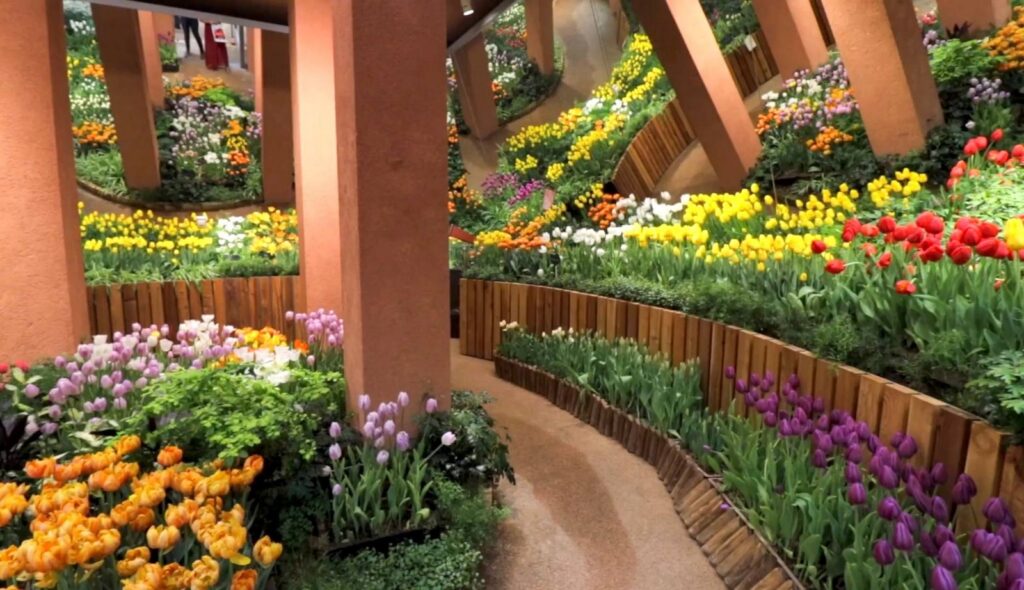
Kenrokuen Garden, Kanazawa
One of Japan’s three most beautiful landscape gardens
Kenrokuen is celebrated as a masterpiece of Japanese gardening, renowned for its refined design and the harmonious balance of its ponds, stone bridges, and historic teahouses. The garden’s beauty shifts gracefully with the months: delicate cherry blossoms in spring, vibrant moss and greenery in summer, the fiery gold of autumn, and the iconic rope-supported pine trees standing against the winter snow.
Opening Hours: Hours vary by season
Entrance fee required
Tip from the itinerary expert: I recommend arriving at opening time or shortly before sunset. The soft light during these hours is perfect for photography, and the quieter atmosphere allows you to experience the garden’s intended sense of peace and meditation.
Shirakawa-go Villages
Traditional gassho-zukuri farmhouses in a mountain valley
The UNESCO-listed villages of Shirakawa-go feel like a step back in time, famous for their steep-roofed wooden farmhouses designed to withstand heavy mountain snows. Nestled in a tranquil valley surrounded by dense forests, the scenery is remarkably atmospheric. It is a place where traditional rural life is still visible, appearing particularly magical when the autumn mist rolls in or when thick snow blankets the village in winter.
Opening Hours: Open year-round
Some houses require entrance fees
Tip from the itinerary expert: For an unforgettable experience, try to stay overnight in the area. Once the day-trip buses depart in the late afternoon, the village returns to a profound silence, allowing you to see its most authentic and peaceful side.
Nagoya Castle
Historic samurai stronghold and cultural landmark
Nagoya Castle is a powerful symbol of the region’s samurai heritage and military history. The beautifully reconstructed palace buildings, with their ornate gold-leaf screens and impressive architecture, bring the Edo period to life. Surrounded by expansive gardens and seasonal blossoms, the castle grounds offer a fascinating look at the political and cultural power that once shaped central Japan.
Opening Hours: Varies by season and exhibitions
Admission fee required
Tip from the itinerary expert: Don’t treat the castle as just a quick photo stop. I recommend pairing your visit with the nearby Meijo Park or the Tokugawa Art Museum to create a well-rounded and relaxed half-day exploration of Nagoya’s history.
Karuizawa Mountain Resort
Cool-climate retreat with nature and leisure activities
Karuizawa is a sophisticated mountain retreat cherished for its crisp air, lush forests, and elegant, laid-back charm. Originally a summer escape for city dwellers, it has become a year-round destination for scenic walks, cycling through wooded lanes, and enjoying a refreshing contrast to the bustle of Japan’s larger cities. It’s the ideal place to slow down and immerse yourself in the natural beauty of the highlands.
Opening Hours: Open year-round
Activity costs vary
Tip from the itinerary expert: Karuizawa is best enjoyed without a tight schedule. Dedicate at least one day to pure relaxation-leave space for a spontaneous forest trail, a long break in a local café, or simply finding a quiet viewpoint to enjoy the mountain breeze.
What are the natural landscapes of Chubu?
Nature in Chubu is anything but subtle. The Japanese Alps soar beyond 3,000 meters, carving out one of the country’s most awe-inspiring mountain regions. Here, deep glacial valleys, sharp alpine ridges, and sweeping viewpoints create a sense of scale that feels truly cinematic. Yet, within the same region, the landscape gracefully transitions toward two distinct seas, revealing jagged peninsulas and rugged coastlines that showcase the immense geographical richness of central Japan. Powerful volcanic forces have also left a beautiful mark on the land, gifting the region with therapeutic hot springs, mineral-rich lakes, and geothermal landscapes that are as visually striking as they are culturally significant. Whether it is the silent, snow-covered peaks of winter or the crisp, cool air of a mountain summer, the natural world sets the rhythmic pace of travel here. In Chubu, the landscape is never just a backdrop—it is the very soul of the journey.
Click here to learn more about creating a personal itinerary
Tip from the itinerary expert: To truly capture the spirit of the region, I recommend combining at least two contrasting environments in a single trip—such as the high alpine panoramas of the Alps and the serene coastal views of the peninsula. The scenery shifts dramatically over short distances, and this contrast keeps your journey feeling fresh and visually inspiring at every turn.
What are the top 5 hidden gems in Chubu?
Beyond the famous landmarks, Chubu quietly unfolds into intimate corners deeply rooted in local life. The onsen town of Gero invites you to slow down with traditional ryokan stays and simple pleasures, like soothing your feet in public baths along the river. In Takayama, the beautifully preserved streets echo the elegance of the Edo period, making you feel as though you’ve stepped back in time. For those seeking drama, the Kurobe Gorge Railway winds through remote mountain valleys, revealing rugged landscapes far removed from the bustle of the city. The surprises continue at the world-class Dinosaur Museum in Fukui and among the rolling tea plantations of Shizuoka, where emerald fields stretch toward the horizon with Mount Fuji as a backdrop. These lesser-known stops introduce a different rhythm to your journey. They offer the luxury of space to linger, connect with local traditions, and experience breathtaking scenery without the crowds of major tourist hubs. Woven between iconic highlights, these gems add depth, calm, and a true sense of authenticity to your travels through central Japan.
Tip from the itinerary expert: I always recommend intentionally including at least one quieter stop between major landmarks. Whether it’s a small mountain town, a scenic local railway, or a hidden food market, these experiences often become the most cherished memories of the trip because they offer genuine atmosphere and much-needed breathing room.
What are the family-friendly activities in Chubu?
Chubu is a fantastic destination for families, making it easy to keep younger travelers engaged with a perfect mix of education and play. In Nagoya, LEGOLAND Japan and the SEA LIFE Aquarium provide vibrant, interactive experiences that can fill a day with creative discovery. Throughout the region, hands-on museums focused on dinosaurs and nature spark curiosity, while scenic train rides and gentle onsen visits introduce children to Japanese traditions in a way that feels like an adventure rather than a history lesson. The real beauty of Chubu for families lies in its balance. You can easily transition from high-energy attractions to outdoor exploration in the mountains, then unwind in a peaceful park without long, exhausting transfers. This variety ensures that each day feels fresh and manageable, keeping everyone from toddlers to teenagers entertained and inspired throughout the journey.
Tip from the itinerary expert: The key to a successful family trip is to alternate high-energy attraction days with slower, nature-based experiences. This steady rhythm keeps children enthusiastic, prevents travel burnout, and ensures the entire family can enjoy the journey from the first day to the last.
5-Day Family Itinerary in Chubu
Trip Duration: 5 days
Day 1 – Arrival in Nagoya and Family Entertainment
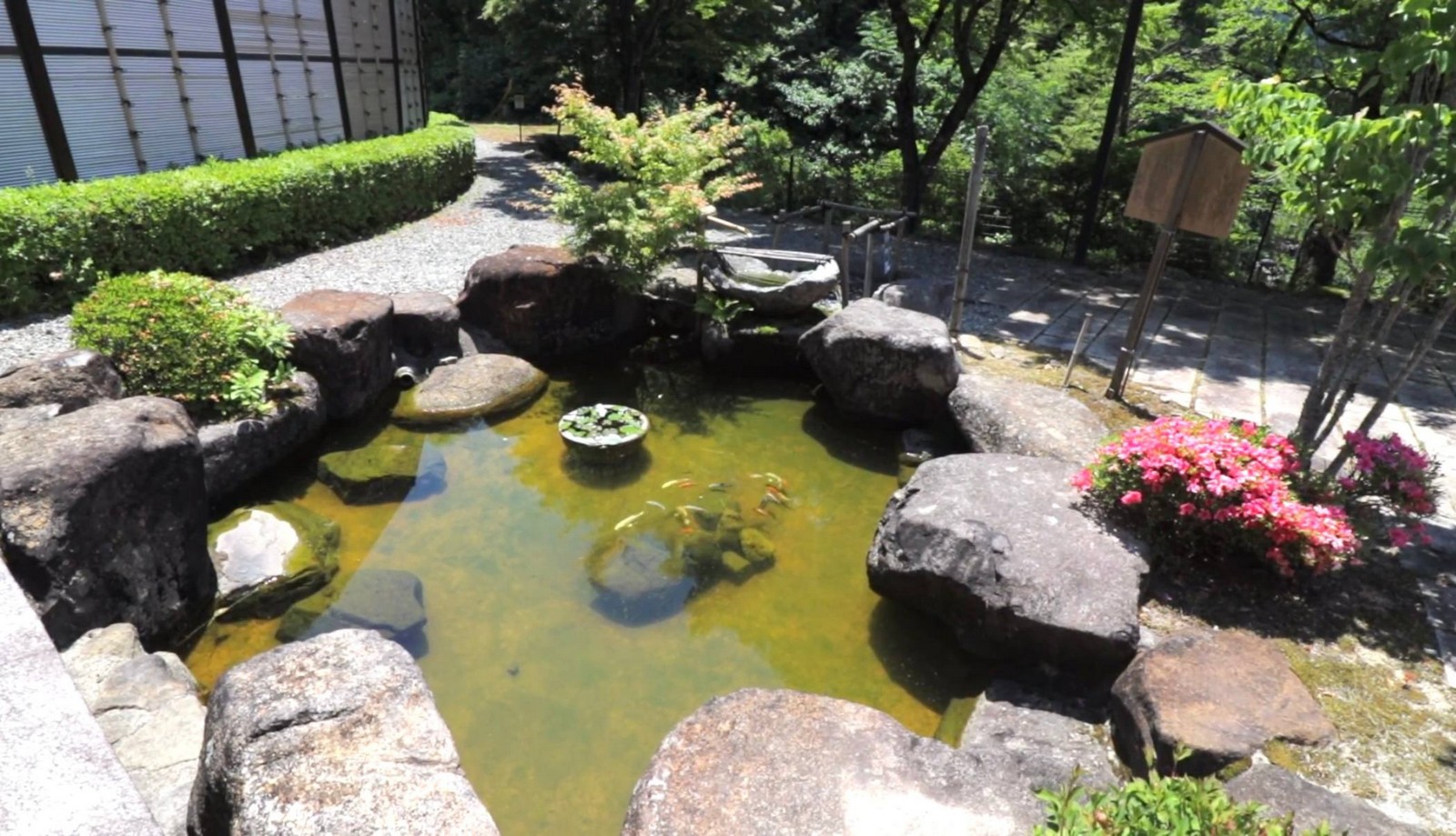
The quiet garden pond, with fish moving slowly beneath the surface, became our peaceful pause in the middle of the journey.
Your journey begins in Nagoya, the vibrant gateway to the Chubu region. After arriving at Chubu Centrair International Airport, take a smooth train ride into the city to check in and freshen up. The goal for today is to keep the pace light and enjoyable, allowing the family to settle into the rhythm of Japan without any travel stress. In the afternoon, head over to LEGOLAND Japan and the adjacent SEA LIFE Aquarium. With its themed rides, hands-on exhibits, and creative play zones, it is the perfect way to spark excitement for both children and adults. End your first day wandering through Nagoya’s lively central districts for a relaxed dinner, soaking in the urban atmosphere before a good night’s rest.
Tip from the itinerary expert: I highly recommend scheduling LEGOLAND Japan right after arrival. It keeps the energy high and joyful from the start with no complicated logistics, helping the whole family adjust to the new time zone naturally through play.
Overnight Location: Nagoya
Places to Visit
LEGOLAND Japan & SEA LIFE Aquarium
Time: Afternoon
Duration: 4–6 hours
A colorful theme park and interactive aquarium designed for creative exploration and hands-on family fun.
Central Nagoya Dinner Area
Time: Evening
Duration: 1.5 hours
Lively dining districts offering a taste of regional specialties in a comfortable, welcoming urban setting.
Day 2 – Alpine Landscapes and Scenic Route
Today is all about the majesty of the high mountains. You will travel by train and mountain transport toward the Tateyama–Kurobe Alpine Route, one of the most spectacular alpine crossings in the world. The journey itself is a grand adventure, revealing sweeping panoramas, jagged peaks, and the monumental scale of the Kurobe Dam as you ascend through the clouds. Make sure to linger at the viewpoints and take short walks along the trails to truly feel the mountain air. By late afternoon, you will settle into a peaceful mountain town. The crisp air and quiet surroundings provide the perfect backdrop for a restful alpine evening away from the city lights.
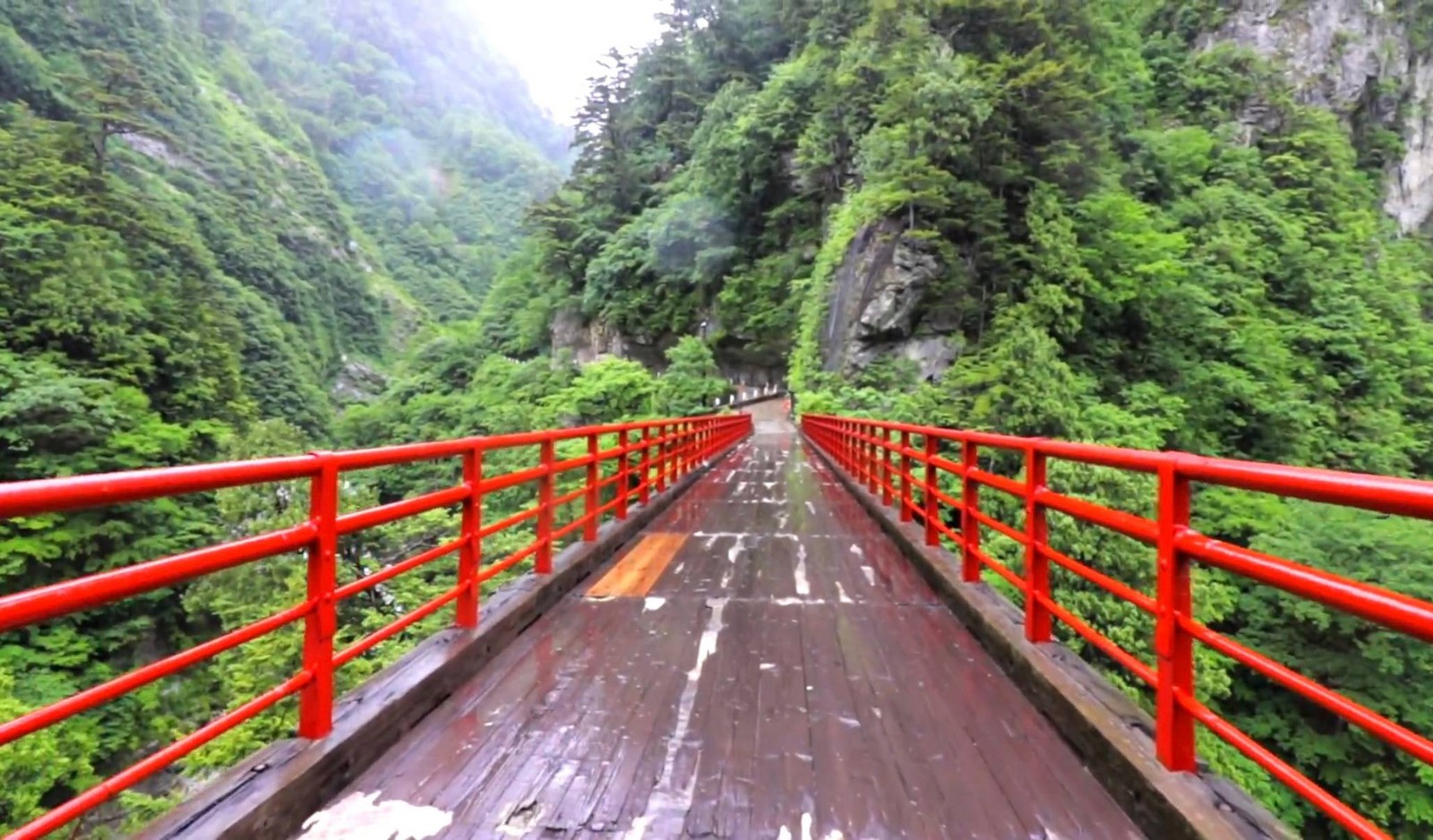
Crossing this bright red bridge surrounded by deep green mountains felt like entering another world.
Tip from the itinerary expert: It is best to start your mountain journey as early as possible. Reaching the Tateyama–Kurobe Alpine Route before the peak hours ensures a much smoother experience at the various transport hubs, giving you more time to actually enjoy the scenery rather than waiting in lines.
Overnight Location: Alpine area near Tateyama or Toyama
Places to Visit
Tateyama–Kurobe Alpine Route
Time: Morning–Afternoon
Duration: 6–7 hours
An incredible high-altitude journey featuring seasonal snow walls, panoramic ridges, and the massive Kurobe Dam.
Day 3 – Traditional Japan in Takayama and Shirakawa-go
Set off on a scenic drive through winding mountain roads toward Takayama, a town famous for its beautifully preserved historic quarter. Wander along wooden streets lined with traditional craft shops and cozy eateries, where you can enjoy a delicious local lunch in an atmosphere that feels like the Edo period. In the afternoon, continue your journey to the UNESCO-listed village of Shirakawa-go. Known for its iconic gassho-zukuri farmhouses with steep thatched roofs, the village is a masterpiece of rural tradition. Spend your time exploring the quiet lanes and walking up to the viewpoints for a bird’s-eye view of the valley before settling in for the night in this tranquil mountain setting.
Tip from the itinerary expert: Arriving in Shirakawa-go in the later afternoon completely transforms the experience. Once the day-trip crowds depart, the village regains its profound silence and authentic atmosphere, making it the perfect time for a peaceful walk and photography.
Overnight Location: Shirakawa-go or Takayama
Places to Visit
Takayama Old Town
Time: Morning
Duration: 2–3 hours
Charming historic streets showcasing Edo-period architecture, traditional crafts, and rich regional flavors.
Shirakawa-go Village
Time: Afternoon
Duration: 2–3 hours
A world-famous mountain village known for its distinctive thatched-roof farmhouses and serene rural landscape.
Day 4 – Kanazawa Gardens and Samurai Heritage
Travel to Kanazawa, a city that perfectly blends modern elegance with deep cultural roots. Your morning is dedicated to Kenrokuen Garden, widely considered one of Japan’s most beautiful landscape gardens. Here, winding paths lead you past ancient ponds, stone bridges, and meticulously manicured trees that change their beauty with every season. After a refined local lunch, explore the grand Kanazawa Castle grounds and the nearby historic districts that still echo with samurai heritage. The evening is yours to enjoy the city’s sophisticated culinary scene in a calm, elegant setting, reflecting on the journey before your final day.
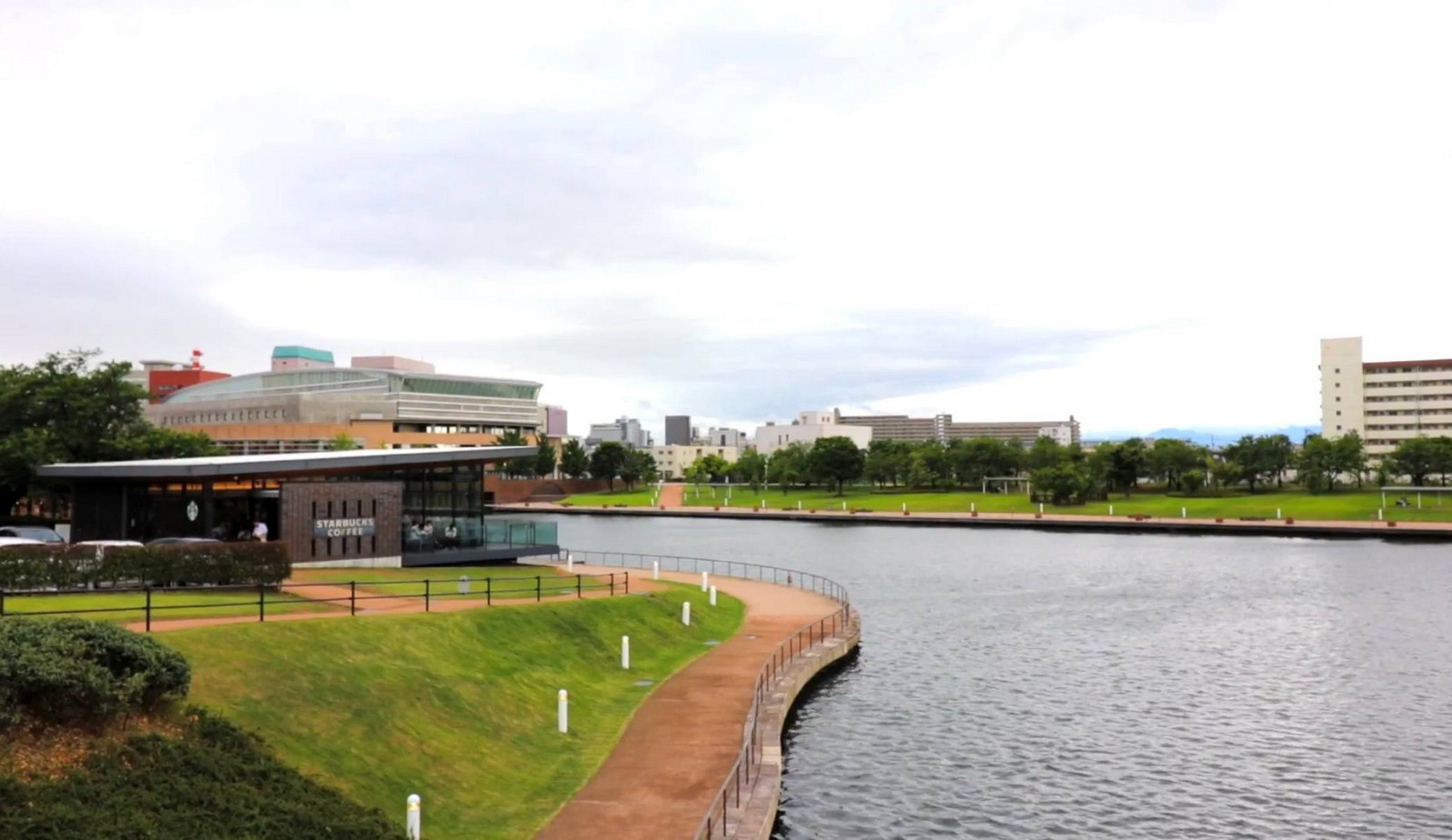
A calm lakeside walk with a warm coffee in hand reminded us how beautifully slow travel can feel in Japan.
Tip from the itinerary expert: I recommend visiting Kenrokuen Garden either very early in the morning or closer to sunset. The soft, golden light during these hours adds a magical quality to the landscape and significantly enhances your travel photos.
Overnight Location: Kanazawa
Places to Visit
Kenrokuen Garden
Time: Morning
Duration: 1.5–2 hours
A masterfully designed landscape garden celebrated for its seasonal beauty, hidden teahouses, and peaceful paths.
Kanazawa Castle Area
Time: Afternoon
Duration: 1.5 hours
Historic grounds and beautifully restored structures that illustrate the architectural power of the samurai era.
Day 5 – Mount Fuji Views and Departure
On your final day, head toward the Mount Fuji area to witness Japan’s most iconic natural landmark. Spend the day exploring the best viewpoints around the Five Lakes and the surrounding foothills. It is a day for relaxed walks and capturing those classic photographs of the mountain’s perfect symmetrical silhouette reflecting in the water. After a final regional lunch, begin your journey back toward the airport or your next destination. This route concludes a diverse 5-day adventure that has woven together the jagged Alps, the soul of old Japan, elegant gardens, and joyful family moments across the heart of the country.
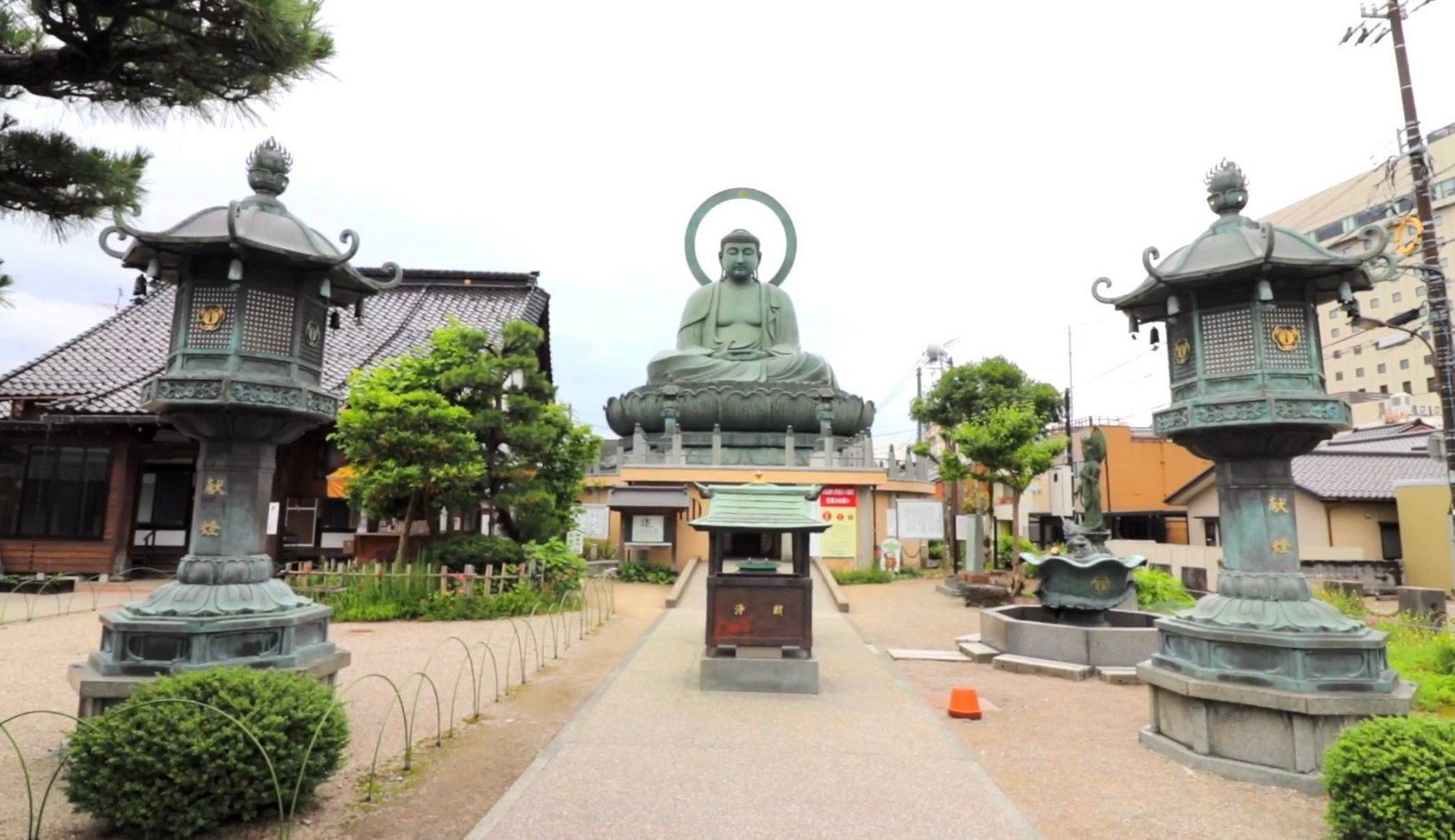
Standing before the serene Buddha statue, we felt a deep sense of quiet that stayed with us long after we left.
Tip from the itinerary expert: Always keep a close eye on the weather forecast before heading to the Mount Fuji viewpoints. I suggest keeping this final day a bit flexible; when the skies are clear, the experience is truly transformative, so be ready to adjust your timing for the best visibility.
Overnight Location: Departure day
Places to Visit
Mount Fuji Viewpoints
Time: Morning–Afternoon
Duration: 3–4 hours
Panoramic observation spots around the lakes and foothills offering breathtaking views of Japan’s highest peak.
Traveller Experiences in Chubu

Daniel
April 2019

We explored Chubu in spring as a family, and the scenery seemed to change every single day. One morning we were watching Mount Fuji glow at sunrise, and the next we were wandering peacefully around lakes and traditional villages. Even the simplest walks felt meaningful. Keeping our schedule flexible was the best decision, especially with unpredictable mountain weather. It easily became one of our most memorable family trips.
Layla
August 2022
Our focus was nature, scenic towns, and relaxing hot springs, which gave the entire journey a calm and balanced feeling. The alpine areas were stunning, though moving between destinations required thoughtful timing. My children loved the train rides and the wide-open mountain views. If I could adjust one thing, I would slow the pace slightly to savor each stop instead of moving on too quickly.
Michael
October 2023
Autumn in Chubu was breathtaking. The colors around mountain villages and gardens were incredibly vivid, and the blend of traditional streets, quiet scenery, and great local food created a relaxed rhythm to our days. Some popular viewpoints were crowded, but arriving early solved that easily. Overall, the region felt authentic, atmospheric, and visually unforgettable.
Noor
July 2024
Our summer trip combined cool mountain air, scenic drives, and lively family attractions in Nagoya. The kids stayed engaged thanks to interactive parks and outdoor exploration, which kept the energy high without feeling overwhelming. The heat and humidity were noticeable in the cities, so we planned regular indoor breaks. The contrast between refreshing alpine areas and busy urban centers made the journey especially dynamic.
Ethan
May 2018
Spring travel through Chubu felt perfectly balanced. We spent mornings walking through historic towns, afternoons admiring Mount Fuji from lakeside viewpoints, and evenings enjoying quiet gardens. Transportation was smooth overall, although rural areas required a bit of extra planning. What stood out most was how easily we could combine scenic beauty with relaxed family time.
Sara
September 2025
Chubu exceeded all my expectations. The dramatic mountains, peaceful villages, and photogenic viewpoints created constant highlights. Waking early to watch sunrise colors near Mount Fuji was absolutely worth it. Restaurants felt welcoming and easy to navigate with children. If I could offer one piece of advice, it would be to add extra days — the region has far more to offer than you initially imagine.
Tip from the itinerary expert
I always recommend keeping your Mount Fuji day flexible. Clouds move fast in the highlands, and visibility can shift within hours. Shifting your visit by even a single morning can completely transform the experience, making the difference between a hidden peak and a perfect, clear-sky postcard moment. For the Tateyama–Kurobe Alpine Route, it is best to begin as early as possible. Starting in the quiet morning hours means shorter queues at the cable cars, more time to linger at the scenic viewpoints, and a much smoother pace for families. I find it essential to alternate busy attraction days with slower, nature-focused days. Moving between the energy of theme parks, the charm of historic towns, and the silence of mountain landscapes keeps everyone’s energy balanced and prevents travel fatigue. Whenever possible, I suggest staying overnight near traditional villages like Shirakawa-go. The early mornings and late evenings, after the day-trip crowds depart, feel dramatically calmer and offer a far more authentic atmosphere. In Nagoya, planning family attractions immediately after arrival is a great strategy. It keeps the first day light and joyful without the need for complicated transfers, allowing everyone to adjust comfortably to the new environment. I always build in extra travel time when navigating mountain regions. The scenic roads are stunning but often slower than expected; a relaxed schedule allows you to pull over at viewpoints and enjoy the scenery without ever feeling rushed. For the most beautiful garden photos in Kanazawa, aim to arrive early or just before sunset. The softer light and smaller crowds create a noticeably more peaceful and photogenic setting for your walk through the greenery.
Insights from the Itinerary Expert
I traveled through the Chubu region in October 2023 while crafting a well-balanced family itinerary across central Japan, and what stayed with me most was the natural rhythm of the journey. One moment we were watching Mount Fuji rise clearly above the lakes, and the next we were crossing the Tateyama–Kurobe Alpine Route, where the scenery shifted dramatically with every stop. Slow walks through the traditional village of Shirakawa-go brought a sense of timeless calm, while the elegant atmosphere of Kenrokuen Garden offered a refined beauty that contrasted perfectly with the lively, family-friendly energy of Nagoya. Traveling here is seamless, yet it rewards those who prioritize thoughtful pacing. In the mountain areas especially, distances can feel longer than they appear on a map; balancing majestic landscapes, historic cultural streets, and playful attractions keeps the trip comfortable and engaging for all ages. Chubu feels complete without ever becoming overwhelming—it is rich in vistas, authentic atmosphere, and those small, unforgettable moments that define a great trip. It is a remarkable region to explore, and I invite you to create a personalized itinerary here and throughout Japan, shaped entirely around the experiences that matter most to your family.
Chubu: Typical Travel Costs (JPY)
| Name | Amount | Description |
|---|---|---|
| Budget hotels for two (per night) | ¥8,000–15,000 JPY | Comfortable business hotels and simple guesthouses. Prices naturally fluctuate between cities and seasons, so it is wise to leave a small buffer in your budget if you are visiting during the peak cherry blossom or autumn foliage periods. |
| Mid-range hotels for two (per night) | ¥12,000–35,000 JPY | More spacious rooms, charming boutique hotels, or family-friendly stays offering extra comfort. This is a practical and popular choice for families with children or those planning a longer, more relaxed stay in the region. |
| Expensive hotels for two (per night) | ¥30,000+ JPY | Premium 4–5★ properties, including high-end city hotels and upscale traditional ryokan. Rates can rise significantly depending on the specific location, the quality of the view, and whether your dates fall on a national holiday. |
| Apartment for a family of 5 (per night) | ¥12,000–35,000 JPY | Larger apartments or family suites that offer the space and flexibility needed for a group. Prices vary based on the total size, proximity to transport hubs, and how far in advance you secure your reservation. |
| Car rental (per day) | Varies JPY | Daily rental rates are determined by the vehicle class, pickup location, and the time of year. Expect more competitive pricing on weekdays and higher rates during the major holiday seasons. |
| Public transport (typical costs) | ¥100–400 per ride; ¥500–1,500 per day JPY | Standard fares for metros and local trains within city limits. Your total daily spend will depend on how frequently you move around and whether your itinerary includes any longer regional train routes. |
| Restaurant meal (typical) | ¥3,000–5,000 per person JPY | A standard range for a satisfying dinner at a local izakaya or casual restaurant. You can find simpler, high-quality options like ramen or traditional set lunches (teishoku) for considerably less during the day. |
| Parking | Varies JPY | Paid parking is the norm in urban centers and near major tourist attractions. Fees vary by district and time limit, with some lots charging by the hour while others offer flat daily rates. |
| Basic supermarket/convenience-store food for 2 | ¥600–1,600 per simple meal JPY | Based on high-quality convenience-store meals costing roughly ¥300–800 per person. This is an incredibly practical and budget-friendly way to enjoy quick lunches or stay fueled during busy travel days. |
FAQ About Visiting Chubu
01
How many days are enough to explore Chubu?
Ideally, you should plan for 4–6 days to truly capture the essence of the region. This timeframe allows you to comfortably experience the majestic alpine scenery, wander through traditional mountain towns, stroll in refined gardens, and enjoy family attractions without the need to constantly pack and unpack or rush between destinations.
02
Is Chubu suitable for traveling with children?
Yes, Chubu is exceptionally family-friendly. The region offers a wonderful blend of immersive nature, interactive attractions in Nagoya, scenic train rides that keep kids engaged, and relaxing hot springs. It is very easy to create a journey here that feels both exciting for children and manageable for parents.
03
Do you need to rent a car in Chubu?
While the rail network connects major cities with impressive efficiency, renting a car adds a significant layer of flexibility. Having your own vehicle makes reaching remote alpine viewpoints, traditional villages, and hidden countryside landscapes much simpler, which is a major advantage when traveling with children and heavy luggage.
04
What is the best season to visit Chubu?
Chubu is a true year-round destination, with each season offering a unique face. Winter transforms the mountains into a snowy wonderland, summer provides a refreshingly cool escape for alpine hiking, while spring and autumn bring the most comfortable temperatures alongside vivid cherry blossoms or fiery seasonal foliage.
06
What impressed you most during the trip?
Watching Mount Fuji appear clearly above the silent lakes was an unforgettable moment. I was also deeply struck by the dramatic pace of the region—how quickly you can move from the rhythmic energy of a lively urban center to the profound quiet of an alpine landscape within just a few hours.
07
Are there enough nature experiences in Chubu?
Absolutely. Nature is the defining feature of Chubu. The soaring peaks of the Japanese Alps, rugged coastal views, therapeutic hot springs, and high-altitude mountain routes create a diverse array of outdoor experiences that shape the entire atmospheric soul of the region.
What we propose

Emma Heidi
Customer Experience Manager
Take all the stress out of planning your trip!
With our experts, you can create the perfect itinerary for you – complete, comfortable, and tailored to all your dreams, wishes, and needs.
We take care of every little detail, so you can simply focus on enjoying your journey.
We’ve been designing personalized itineraries since 2015, and over the years we’ve created thousands of custom itineraries for happy clients.

Save time, avoid confusion – we do the work for you. Our service saves you weeks of searching, reading, comparing, and complicated planning. Instead of wasting endless hours – you receive a ready-to-use, accurate and clear itinerary.

A tailor-made itinerary – built just for you. Your itinerary is personally designed based on our experts’ real field experience and genuine feedback from hundreds of travelers – including hidden discoveries and insider tips that don’t appear in any travel guide.

Smart accommodation selection – often saves you hundreds or even thousands of dollars. We help you choose verified and recommended places to stay, checking availability for your exact travel dates. Sometimes we suggest hotels not “in the center,” but in safe, convenient, and highly strategic locations – which can significantly reduce travel costs and save you even thousands of dollars.

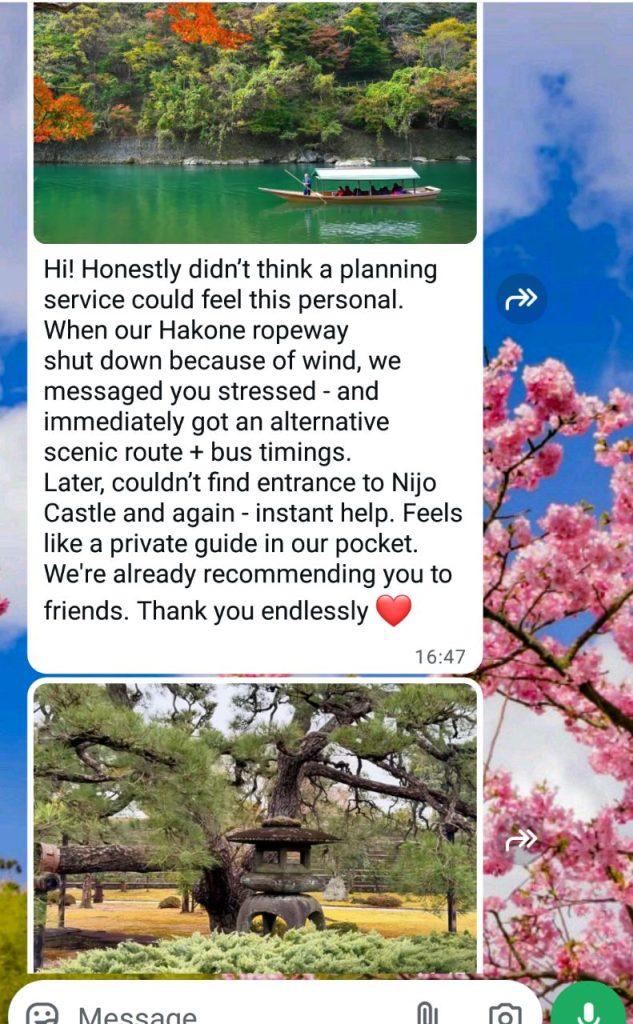
We’re by your side even during the trip. We stay with you throughout your vacation – providing professional help whenever needed. If the weather changes, there’s a strike, a local event, heavy crowds, or any unexpected situation – we are here to update, guide, and adjust your itinerary in real time.

Easy-to-use itinerary – with direct navigation links. Your itinerary includes direct Waze / Google Maps links – no need to search for parking addresses, no stress, no mistakes. Just tap – and go.

Service cost: from only $420. (Special price for short itineraries up to 5 days). Clients tell us the itinerary saves them costly mistakes, fines, wrong choices – plus exclusive discounts on car rentals, better-priced accommodations, and money-saving local tips.
Want to know if it’s really worth it?
Take a look at the experiences of travelers who built their personal itinerary with us.
Click here and let’s start building the itinerary that will save you time, money, and stress – and turn your vacation into perfection.
Of course, your first inquiry is completely free – with no commitment whatsoever.
How it works


- You are welcome to contact us
- We discuss your trip
- You fill out a special form
- We create your itinerary
- You get it with all useful tips
- We are in touch with you all the time