My love for Japan began the moment I arrived in Tokyo. The country amazed me with its harmony of ancient traditions, cutting-edge technology, breathtaking nature, and a culture unlike any other. Since then, Japan has become a part of my life, and I return there again and again. Today I help travelers discover the real Japan: I create personalized itineraries, give lectures, and prepare guests for their unforgettable journey. I would be delighted to open Japan for you too!

Aomori
Aomori sits at the northernmost tip of Honshu, where the air is crisp and the pace of life feels wonderfully intentional. Shaped by legendary winters and deeply rooted local heritage, this is a region that feels genuine and quietly captivating. Here, ancient communities and vibrant seasonal traditions blend seamlessly with sweeping natural landscapes, offering an atmosphere far calmer than Japan’s bustling tourist hubs. It is a place that invites you to slow down, breathe deeply, and experience the country through a more reflective lens.
Traveling through this part of Japan offers a fresh perspective-one that is less crowded, intimately tied to the land, and guided by centuries of local history. From forested mountains and tranquil lakes to historic towns, every journey here feels immersive. The seasons paint Aomori in dramatic contrasts: from the silent beauty of deep winter snowfall to the lush greenery and explosive energy of summer festivals. This seasonal pulse is what makes Aomori so special, and timing your visit is the first step in crafting an unforgettable journey.
How to Get Around Aomori?
Despite its northern location, Aomori is remarkably accessible. A flight from Tokyo takes only about 80 minutes, and regional airports like Misawa offer even more convenience for reaching specific areas. Once you arrive, a network of trains and buses connects the primary towns, but to truly unlock the region’s magic-its hidden hot springs, remote nature trails, and quiet historic hamlets-renting a car is often the best way to go.
Even when winter arrives in full force, the region remains reliably in motion. Roads are cleared with impressive efficiency, and the local infrastructure is purpose-built to handle heavy snow, ensuring you can travel between destinations throughout the coldest months. Ultimately, your choice of transport depends on how far you want to wander off the beaten path; in the rural heart of Aomori, where bus schedules are infrequent, having your own wheels provides the comfort and flexibility to explore at your own rhythm.
Click here to learn more about creating a personal itinerary
Tip from the Itinerary Expert: A rental car makes discovering Aomori far more flexible than relying solely on public transport, particularly for reaching natural sites and countryside onsen where bus connections are limited.
When Is the Best Time to Experience Aomori?
Aomori holds a reputation as one of the snowiest places on Earth, where winter transforms the landscape into a stunning, deep-white wonderland. The heaviest snowfall typically blankets the region from January through mid-February, creating a striking scene that is as beautiful as it is unique. It’s a magical time to visit, though it does require a bit of extra preparation to stay warm and travel comfortably.
As the snow melts, summer and early autumn reveal a completely different side of Aomori-one perfect for mountain hiking, lakeside strolls, and joining in the roar of local festivals. Temperatures here remain significantly cooler than in Tokyo, providing a refreshing sanctuary from the summer heat while offering rich outdoor adventures. Whether you are drawn to the dramatic silence of a snowy forest or the vibrant green landscapes of the warmer months, Aomori offers a distinct and powerful experience in every season.

Since 2015, our website has specialized in individual planning of unique routes, taking into account personal preferences and desires.
Each of you will receive a unique PDF file from us, which contains everything you need: travel routes, car rentals, hotels, the best tourist attractions, attractions for kids and everything you need for a perfect vacation.
During the trip, we are available for you by phone via WhatsApp.
Our personal service provides information from A to Z, taking into account many small details that can become a decisive factor on the way from a wasted trip to an unforgettable vacation.
Our service will make your trip comfortable, save a lot of time on planning and preparation, and most importantly – will allow you to become freer and fully enjoy the pleasure of the trip.
Tip from the Itinerary Expert: For the most comfortable balance of weather and outdoor exploration, late spring through early autumn provides the easiest conditions for combining nature walks, sightseeing, and cultural experiences without winter travel challenges.
What Are the Top Attractions in Aomori?
Aomori is a place where dramatic seasonal festivals, deep-rooted history, and the quiet beauty of northern Japan come together in a way that feels refreshingly authentic. Far from the frantic energy of Japan’s major hubs, the city offers a more intimate connection to the land and its culture. Its leading sights reflect this harmony, blending centuries of heritage with scenic coastal views and historic districts that are best explored at a slow, thoughtful pace.
These highlights are the perfect starting point for your journey, especially if your time in the region is limited. Each location reveals a different layer of Aomori’s soul-from the glowing, giant lanterns of summer celebrations to prehistoric archaeological treasures and preserved streets that feel like a walk through time.
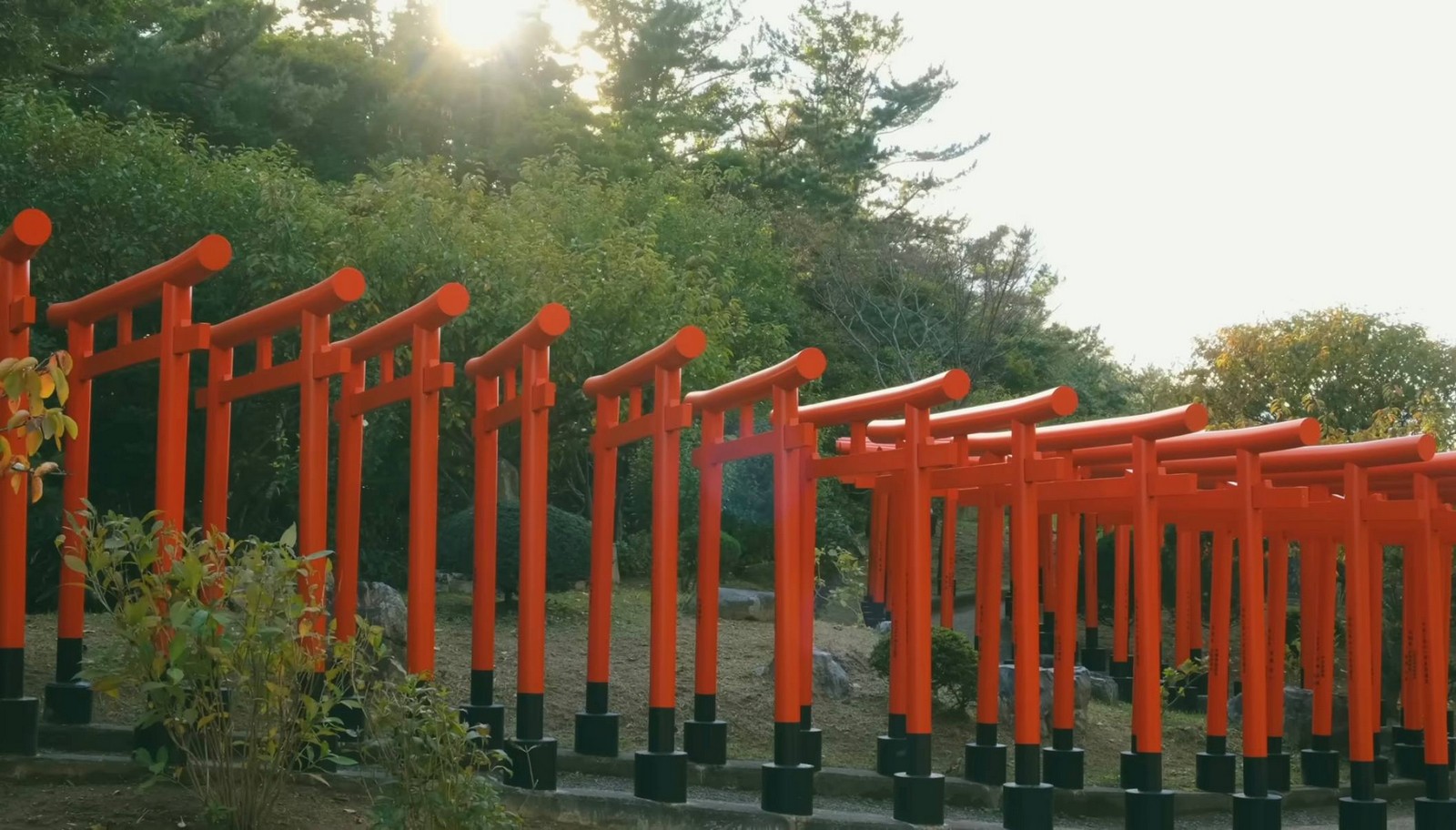
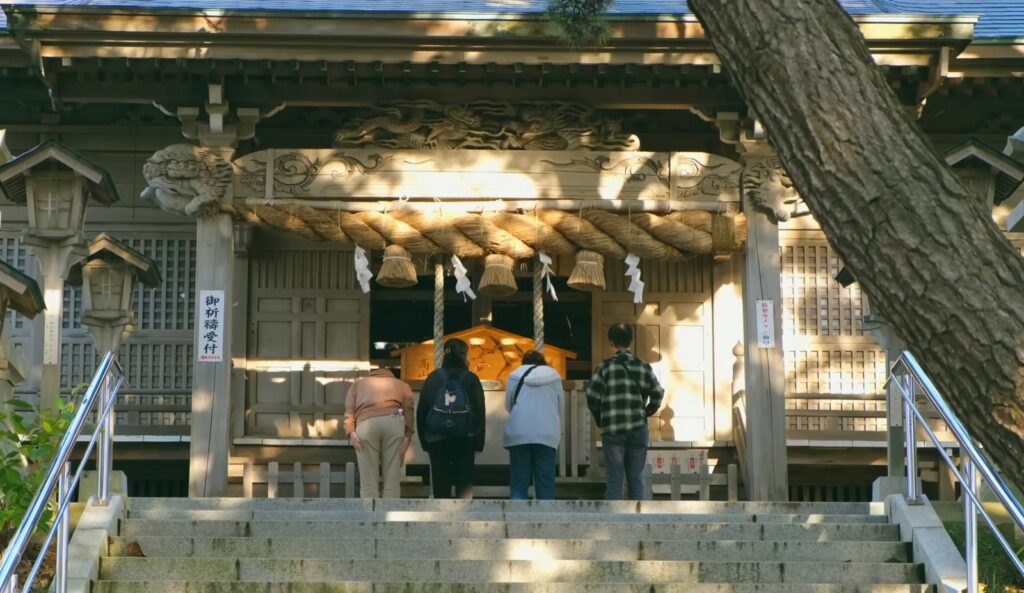
Evening light turned this sacred path into a quiet farewell to Aomori.
Nebuta Festival and Nebuta Museum
This legendary summer festival is one of Japan’s most iconic, filling the streets with massive, hand-painted illuminated floats that create a surreal and captivating parade. Right nearby, the striking museum allows you to get up close to these masterpieces all year round, showcasing the incredible artistry and painstaking craftsmanship required to bring these giants to life.
Location & How to Get There
Located in the heart of central Aomori, the museum is just a short, pleasant walk from the main station, making it an easy addition to any city itinerary.
Why Choose It
It offers a rare opportunity to feel the electric energy of a traditional Japanese festival and witness the intricate details of the floats, even if you aren’t visiting during the summer peak.
Best For
A must for travelers who love vibrant traditions, interactive cultural displays, and visually stunning storytelling.
Time Needed: 1–2 hours
Price Level: medium
Tip from the Itinerary Expert: Exploring the museum before attending the live festival helps you recognize the characters and stories on the floats, making the parade itself far more meaningful.
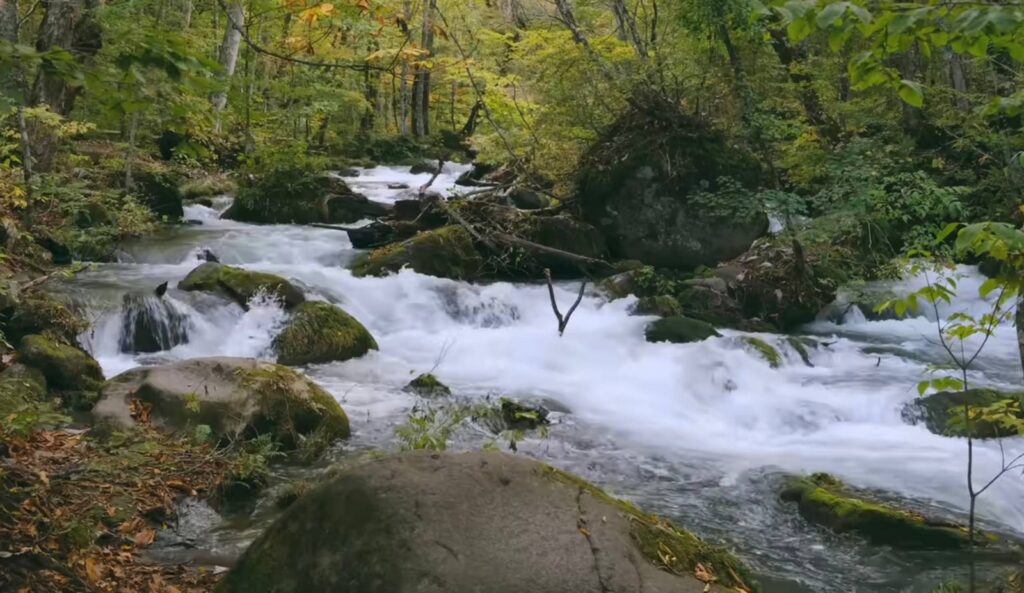
Sannai-Maruyama Archaeological Site
Step back into prehistoric Japan at this remarkable Jōmon-period settlement. As one of the country’s most significant archaeological finds, it features meticulously reconstructed longhouses and a spacious museum filled with artifacts that paint a vivid picture of how life looked thousands of years ago.
Location & How to Get There
Situated just outside the city center, the site is easily reached by a short bus ride or car trip, making it a perfect half-day historical escape.
Why Choose It
The sheer scale of the site and its immersive reconstructions offer a unique, hands-on window into ancient history that you simply won’t find anywhere else in Japan.
Best For
Ideal for those who enjoy open-air exploration, educational exhibits, and wide, natural landscapes.
Time Needed: 2–3 hours
Price Level: medium
Tip from the Itinerary Expert: Set aside extra time to wander through the reconstructed village, where the open landscape helps bring the full scale of ancient community life into perspective.
Aomori Bridge and Bay Views
This striking modern landmark frames the Aomori waterfront, becoming particularly enchanting after sunset. As the soft lights of the bridge begin to glow, they reflect across the water, offering sweeping views of the coastline and the bay.
Location & How to Get There
The bridge is located right at the waterfront, perfectly positioned for a quiet stroll along the bay after visiting the nearby museums.
Why Choose It
It provides some of the city’s most photogenic panoramas and a peaceful coastal atmosphere that serves as a gentle contrast to more urban sights.
Best For
Perfect for slow evening walks, photography enthusiasts, and those looking for a quiet moment by the sea.
Time Needed: 30–60 minutes
Price Level: free
Tip from the Itinerary Expert: Arrive shortly before sunset to enjoy both the soft daylight scenery and the glow of nighttime illumination in a single visit.
Hirosaki Castle Park
Hirosaki Castle Park is a living piece of history where the spirit of the samurai era is preserved amidst stunning seasonal scenery. Beyond its traditional architecture, the park serves as a cultural hub for regional celebrations and offers a glimpse into the noble past of the Tohoku region.
Location & How to Get There
Located in the nearby city of Hirosaki, it is easily accessible from Aomori by a quick train ride or drive, making it one of the most popular day trips in the area.
Why Choose It
The blend of historic structures, vast green spaces, and ever-changing seasonal beauty creates a serene environment that is ideal for unhurried exploration.
Best For
Wonderful for gentle walks, cultural discovery, and capturing beautiful seasonal photography.
Time Needed: 2–3 hours
Price Level: medium
Tip from the Itinerary Expert: Pair your visit with nearby historic streets to experience both the castle grounds and the preserved town atmosphere in one relaxed outing.
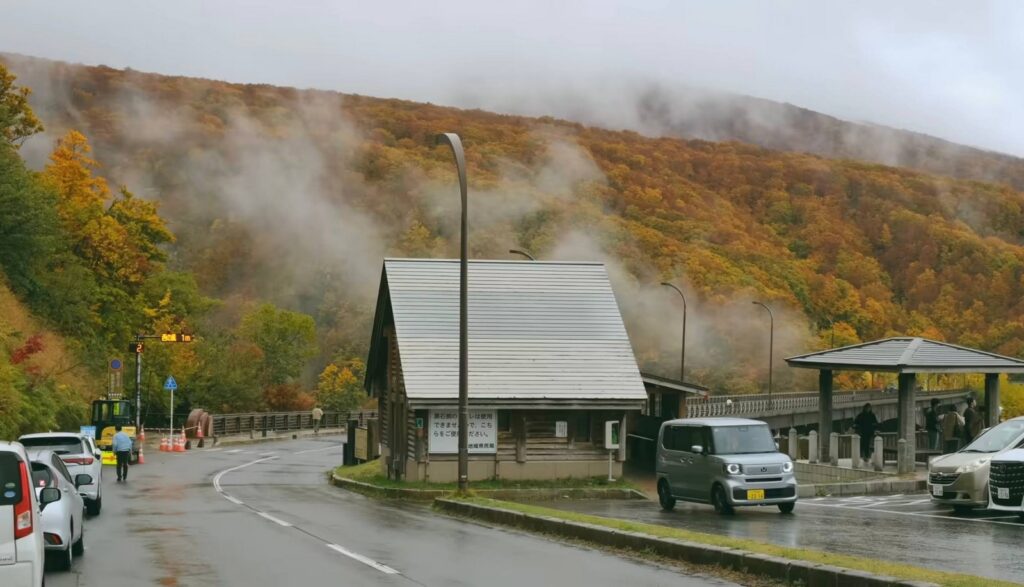
Komise-dori Street in Kuroishi
This beautifully preserved Edo-period street is famous for its wooden arcades, or ‘Komise’. These covered walkways were designed to keep the paths clear during the region’s heavy winters, and today they offer a rare and authentic look at traditional northern town planning.
Location & How to Get There
Accessible from Aomori by car or local transport, this historic street is often visited as a highlight of a half-day cultural excursion.
Why Choose It
The quiet, nostalgic atmosphere and the unique architecture create a profound sense of stepping back into the past, away from the modernization of contemporary cities.
Best For
Perfect for those who enjoy slow wandering, photography, and visiting traditional shops filled with local character.
Time Needed: 1–2 hours
Price Level: free
Tip from the Itinerary Expert: Visiting in winter highlights the thoughtful design of the covered walkways, originally built to protect pedestrians from heavy northern snowfall.
What Are the Natural Attractions in Aomori?
The landscapes of Aomori are defined by their raw, untamed character—silent primeval forests, volcanic caldera lakes, and mountains sculpted by some of the deepest snowfalls on earth. Here, nature feels vast and undisturbed, inviting you to embrace a slower pace through scenic walks and quiet moments of reflection under the open northern sky.
These natural highlights are easy to integrate into a relaxed itinerary, showcasing exactly why this region is a favorite for travelers seeking pure scenery and the crisp, invigorating air of Japan’s northern frontier.
Click here to learn more about creating a personal itinerary
Oirase Gorge
A crystal-clear mountain stream that winds past moss-covered boulders and elegant waterfalls, creating what is arguably the most enchanting woodland walk in all of Japan.
Location & How to Get There
Easily reachable by bus or car from the main transport hubs; most visitors pair this with a visit to the nearby Lake Towada.
Why Choose It
The gentle, well-maintained paths and the constant, soothing melody of the river make it perfect for both a quick stroll and a long, meditative hike.
Best For
A dream for photography lovers and anyone looking to fully immerse themselves in a lush, green natural world.
Time Needed: 2–4 hours
Price Level: free
Tip from the Itinerary Expert: Beginning the walk earlier in the day gives you more time to enjoy the waterfalls and forest atmosphere without rushing to return transport.
Lake Towada
This deep blue volcanic lake is cradled by forested peaks, offering a sense of profound stillness that changes beautifully with the seasonal colors of the surrounding trees.
Location & How to Get There
Best reached by car or regional bus, often as the grand finale of a journey through Oirase Gorge.
Why Choose It
The wide, reflective expanse of water provides a dramatic contrast to Japan’s dense urban centers, encouraging a slow and reflective pace.
Best For
Ideal for peaceful lakeside wanders, boat cruises, and finding that perfect landscape shot.
Time Needed: 1–2 hours
Price Level: free
Tip from the Itinerary Expert: Spending extra time along the shoreline lets you watch shifting light reshape the lake’s colors and atmosphere.
Hakkōda Mountains
A majestic mountain range famous for its incredible winter snowscapes and panoramic alpine hiking. In summer and autumn, it offers cool breezes and sweeping views over the prefecture.
Location & How to Get There
A short drive or ropeway ride from Aomori City, though access depends heavily on the day’s weather conditions.
Why Choose It
The landscape is a shapeshifter—transforming from lush summer greens to the eerie and famous “snow monsters” (ice-clad trees) in the heart of winter.
Best For
A top choice for outdoor adventurers and those who want to see the world from above via the mountain ropeway.
Time Needed: 2–3 hours
Price Level: medium
Tip from the Itinerary Expert: Mountain weather changes quickly, so checking conditions before departure helps avoid poor visibility or transport disruptions.
Wild Nature Areas of Aomori
Vast, untouched stretches of wilderness across the prefecture that offer a rare sense of isolation and a front-row seat to Japan’s rugged northern beauty.
Location & How to Get There
A car is essential here, as the most breathtaking vistas are tucked away far beyond the reach of train lines.
Why Choose It
It’s the ultimate escape from the crowds, providing a scale of nature that feels both humbling and revitalizing.
Best For
Perfect for travelers who prioritize silence, open space, and the feeling of true exploration.
Time Needed: half day
Price Level: free
Tip from the Itinerary Expert: Keeping your schedule flexible makes it easier to stop at unexpected viewpoints or quiet trails discovered along the way.
What Are the Top 5 Hidden Gems of Aomori?
Beyond the famous landmarks, Aomori is home to unique treasures shaped by local creativity and quiet coastal charm. These locations offer a more personal experience, rewarding those who venture off the main path with a deeper understanding of the region’s soul.
From living art in the fields to historic, lamp-lit onsens, these gems reveal the diverse and often surprising faces of northern Japan.
Rice Art Fields of Inakadate
Gigantic, intricate masterpieces created by planting different varieties of rice to form stunning images in the fields, best viewed from high observation decks.
Location & How to Get There
Located in the village of Inakadate near Hirosaki, easily accessible by local train or car during the summer months.
Why Choose It
It is a brilliant marriage of traditional agriculture and modern creativity that you won’t see anywhere else on this scale.
Best For
A visual delight for photographers and fans of unique, community-driven art projects.
Time Needed: 30–60 minutes
Price Level: free
Tip from the Itinerary Expert: Visiting during peak growing season (July and August) reveals the clearest shapes and richest colors in the field designs.

Aoni Onsen
Known as the ‘lamp-lit inn,’ this secluded hot spring resort uses no electricity, relying on the soft glow of oil lamps to create an atmosphere of pure, old-world tranquility.
Location & How to Get There
Tucked deep in the mountains; most guests arrive via a shuttle bus or car for a truly ‘off-the-grid’ experience.
Why Choose It
It offers a rare digital detox, where the lack of modern distractions allows for total immersion in the sounds of nature and the warmth of the baths.
Best For
Perfect for those looking to disconnect from the world and experience rural Japan as it was a century ago.
Time Needed: half day
Price Level: medium
Tip from the Itinerary Expert: Staying overnight allows you to fully experience the calm evening mood created by natural lamplight.
Tsugaru Kanayama-yaki Pottery Workshops
An atmospheric pottery complex where traditional unglazed ceramics are fired in wood-burning kilns, producing earthy, unique pieces with deep regional roots.
Location & How to Get There
Located on the outskirts of Goshogawara, best reached by car as part of a scenic drive through the countryside.
Why Choose It
You can walk through the kiln areas, watch artisans at work, and even try your hand at the craft in a beautiful, rustic setting.
Best For
A great stop for craft lovers and those looking for a meaningful, handmade souvenir from their travels.
Time Needed: 1 hour
Price Level: medium
Tip from the Itinerary Expert: Take time to explore the workshop galleries, where unique handmade pieces are available directly from the artisans.
Hachinohe Coastal Cliffs
Rugged, dramatic cliffs along the Tanesashi Coast where the Pacific Ocean crashes against unique rock formations and green meadows meet the sea.
Location & How to Get There
Easily accessible via the local train line from Hachinohe, with beautiful walking trails connecting the main viewpoints.
Why Choose It
The wild, salty air and the expansive ocean horizon offer a completely different energy than the forested mountains of western Aomori.
Best For
Ideal for hikers, birdwatchers, and anyone who finds peace in the sound of crashing waves.
Time Needed: 1–2 hours
Price Level: free
Tip from the Itinerary Expert: Clear weather brings the widest ocean views and the best chance to observe seabirds along the cliffs.
Sukayu Hot Springs
A legendary mountain onsen famous for its massive, sulfur-scented wooden ‘Sennin-buro’ (thousand-person bath), which has hosted weary travelers for over 300 years.
Location & How to Get There
High in the Hakkoda mountains, accessible by bus from Aomori Station or by car.
Why Choose It
The combination of historic architecture and the potent, healing quality of the volcanic waters makes this a quintessential Aomori experience.
Best For
An absolute must for onsen enthusiasts and those needing a deep soak after a day of hiking or skiing.
Time Needed: 1–2 hours
Price Level: medium
Tip from the Itinerary Expert: Arriving earlier in the day offers a quieter atmosphere and more time to enjoy the bathing facilities at a relaxed pace.
What Family-Friendly Activities Are Available in Aomori?
Aomori is the kind of place where culture and nature come together effortlessly, making it a dream for families. Days here feel unhurried, with plenty of room for scenic walks, hands-on museums, and open-air experiences-there is no need to sprint between crowded attractions to have a memorable time.
That balance makes traveling with kids refreshingly simple. You can easily mix learning with play, build in quiet moments outdoors, and adjust the pace depending on everyone’s energy levels. From the glowing wonders of festival-inspired exhibits to mountain viewpoints and orchard visits, Aomori offers flexible adventures that resonate with all ages.
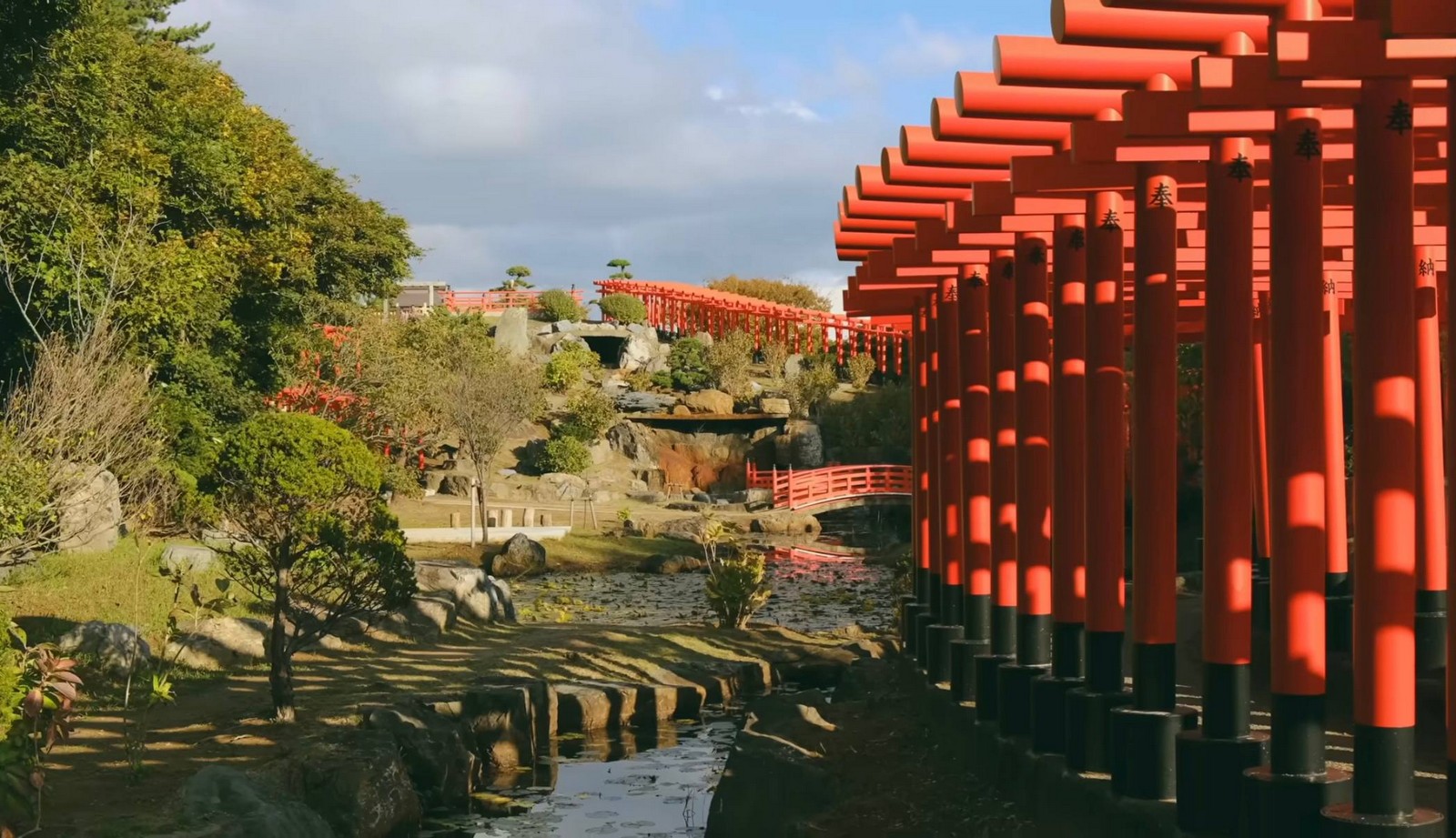
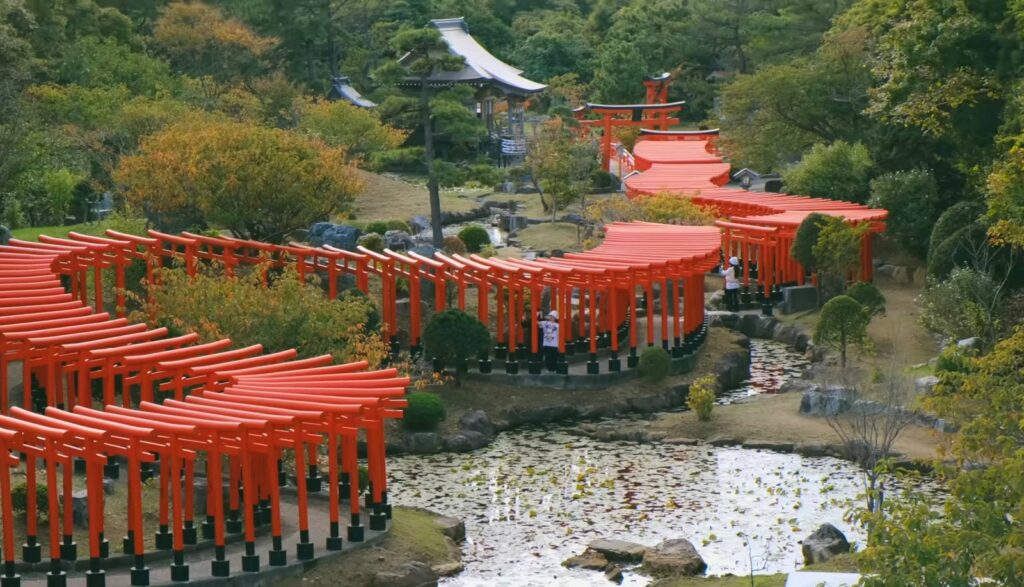
The rhythm of red gates and water created one of the most magical scenes of the trip.
Nebuta Museum Interactive Experience
A window into Aomori’s soul, this museum showcases the giant, glowing floats from the famous summer festival. It brings traditional artistry to life through vibrant, visual displays that kids and adults alike find fascinating.
Location & How to Get There
Centrally located and very accessible, the museum is an easy walk from the main station or a quick hop on local transport.
Why Choose It
The bright, colorful exhibits and interactive sections provide an inviting cultural introduction that feels like a discovery rather than a history lesson.
Best For
- Families
Perfect for curious travelers who enjoy hands-on storytelling and larger-than-life, visually impressive displays.
Time Needed: 1–2 hours
Price Level: medium
Tip from the Itinerary Expert: Go earlier in the day so you can take your time inside, then continue with an easy waterfront walk nearby without feeling rushed.
Nature Walks in Oirase Gorge
Follow a crystal-clear stream through an enchanted forest of waterfalls and mossy stones. The paths are flat and easy, making this one of Japan’s most accessible and immersive nature experiences.
Location & How to Get There
Reached by regional bus or car, this is the perfect centerpiece for a day exploring the great outdoors near Lake Towada.
Why Choose It
You get the drama of the wilderness without the strain of a difficult hike, which is ideal for a comfortable family outing.
Best For
Ideal for fresh air, gentle exploration, and capturing beautiful family photos in a serene natural setting.
Time Needed: 2–4 hours
Price Level: free
Tip from the Itinerary Expert: Pick a shorter trail section to keep everyone happy while still reaching the gorge’s most photogenic viewpoints.
Hakkōda Ropeway and Snow Monsters
Take to the skies in a cable car for panoramic alpine views. In winter, you’ll enter a surreal landscape of “snow monsters”—gigantic trees encased in thick frost and ice.
Location & How to Get There
A scenic drive from Aomori City brings you to the base station; just be sure to check the weather before you head out.
Why Choose It
The seasonal scenery is truly unforgettable, delivering a “wow” moment for the whole family without requiring any strenuous climbing.
Best For
Perfect for taking in high-elevation mountain vistas and experiencing Japan’s famous winter landscapes firsthand.
Time Needed: 1–2 hours
Price Level: medium
Tip from the Itinerary Expert: Check ropeway status and visibility before you leave—clear conditions make a huge difference at the summit.
Apple Farms and Local Tastings
Aomori is Japan’s apple capital. Visiting a local orchard is a delightful way to experience the countryside, complete with seasonal tastings and fresh, local treats.
Location & How to Get There
Orchards dot the rural landscape and are best reached by car, making for a lovely scenic drive through the heart of the prefecture.
Why Choose It
It’s a simple, hands-on way to connect with the region’s food culture while enjoying the charm of northern farm life.
Best For
Great for slow-paced moments, tasting local flavors, and taking a sweet break from the usual sightseeing.
Time Needed: 1–2 hours
Price Level: medium
Tip from the Itinerary Expert: If you can, plan your visit during harvest season for the widest variety of fresh apples and seasonal treats.

Traditional Onsen Stays with Themed Atmosphere
Many regional ryokans offer a family-friendly atmosphere with traditional design and seasonal touches, providing a cozy sanctuary after a day of exploring.
Location & How to Get There
Mostly located in mountain or rural settings, these retreats are usually reached via rental car or a hotel shuttle service.
Why Choose It
It is a restful experience that lets the family bond while experiencing authentic Japanese hospitality and the soothing warmth of natural hot springs.
Best For
Perfect for quiet evenings, recovering after outdoor adventures, and slowing down to enjoy the local rhythm of life.
Time Needed: overnight
Price Level: medium
Tip from the Itinerary Expert: Arrive before sunset so you can enjoy the scenery and ease into the evening bathing routine without rushing.
3-Day Family Itinerary in Aomori – Nature, Culture, and Scenic Northern Japan
Trip Duration: 3 days
Day 1 – Aomori City Highlights and Cultural Atmosphere
The journey begins in the compact, friendly heart of Aomori City, making it the perfect home base for a gentle first day. Your first stop is the Nebuta Museum, where the massive, glowing festival floats and interactive displays offer a vivid and engaging introduction to the region’s most iconic tradition. This immersive experience sets the tone for your trip, providing a deep look into the local artistry and heritage that defines this northern prefecture.
After enjoying lunch by the waterfront, take a slow stroll toward the bay and the striking Aomori Bridge. The wide-open sea views and crisp coastal air offer a refreshing contrast to the morning’s museum visit. As evening falls, enjoy a relaxed walk and dinner in the central district, soaking in the local atmosphere and saving your energy for the nature-filled adventures ahead.
Tip from the Itinerary Expert: I like to begin here because the Nebuta Museum provides instant cultural context while keeping the first day physically light. Arriving near opening time helps avoid crowds and allows for a slower, more immersive visit.
Overnight Location: Aomori City
Places to Visit
Nebuta Museum
Time: 10:00
Duration: 1.5–2 hours
Interactive displays of illuminated festival floats and creative workshops introducing Aomori’s most celebrated cultural event.
Aomori Bay Waterfront and Bridge
Time: 16:30
Duration: 1–1.5 hours
Wide coastal views, soft evening light, and a peaceful walking atmosphere along the harbor.
Day 2 – Oirase Gorge and Lake Towada Nature Escape
Today, the focus shifts entirely to the great outdoors as you explore some of northern Japan’s most breathtaking scenery. Travel toward the Oirase Gorge, where a crystal-clear forest stream winds past tumbling waterfalls and moss-covered stones. The trails here are remarkably flat and accessible, allowing you to choose between a short scenic stretch or a longer, meditative walk through the ancient trees.
Later, continue to the shores of Lake Towada for tranquil views and a relaxed lunch framed by the surrounding mountains. The combination of flowing water, expansive horizons, and fresh mountain air makes this the most immersive nature experience of the trip before you head back to Aomori for the night.
Tip from the Itinerary Expert: I usually begin from a quieter section of Oirase rather than the busiest entrance. This keeps the walk peaceful and makes each waterfall feel more personal. Comfortable shoes are essential, as even easy paths can be damp or uneven.
Overnight Location: Aomori City or Towada area
Places to Visit
Oirase Gorge
Time: 10:30
Duration: 2–3 hours
A scenic forest stream lined with waterfalls and accessible walking paths through pristine northern nature.
Lake Towada
Time: 14:30
Duration: 1–1.5 hours
A clear volcanic lake framed by mountains, perfect for calm lakeside walks and reflective photography.
Day 3 – Hakkōda Mountains, Hot Springs, and Local Flavors
Your final day takes you into the clouds for sweeping panoramas and dramatic seasonal landscapes. Ascend the Hakkōda range via ropeway to witness the majestic alpine scenery; in winter, you’ll see the famous “snow monsters”—trees transformed into surreal ice sculptures by the wind and frost. The mountain-top viewing areas offer incredible vistas without the need for strenuous hiking.
After descending from the peaks, bring your journey to a peaceful close with a soak in a traditional hot spring or a visit to a countryside apple farm. Sampling Aomori’s world-famous apples and regional delicacies is the perfect way to savor the local culture one last time, ensuring you leave the region feeling both revitalized and deeply connected to northern Japan.
Tip from the Itinerary Expert: Mountain weather shifts quickly, so I always check visibility and ropeway operation in the morning before leaving the city. Finishing with an onsen helps everyone unwind after days of walking and gives the trip a calm, satisfying ending.
Overnight Location: Aomori City or mountain onsen area
Places to Visit
Hakkōda Mountains Ropeway Area
Time: 10:00
Duration: 1.5–2 hours
Panoramic alpine scenery and seasonal natural wonders, including the famous winter snow monsters.
Traditional Onsen or Apple Farm Visit
Time: 14:30
Duration: 1.5–2 hours
A relaxing hot spring experience or a countryside tasting stop highlighting Aomori’s regional produce.
Traveller Experiences in Aomori

Daniel Cooper
October 2024

Walking through Oirase Gorge felt like stepping into a hidden green sanctuary filled with the roar of waterfalls and the soft rustle of the forest. The trail is long but wonderfully manageable, so we could really take our time to soak in the atmosphere. Reaching the shores of Lake Towada at the end was a moment I’ll never forget. Tip from the itinerary expert: start your hike early and wear sturdy shoes, as the forest floor can be damp and slippery even on clear days.
Leila Hassan
January 2025

Winter in Aomori is nothing short of breathtaking. The Hakkōda mountains were blanketed in deep, powdery snow, and the famous ‘snow monsters’ looked like something from another planet. It’s a magical experience, but you need to come prepared. High-quality waterproof boots are a must, as patches of ice often hide beneath the fresh snow. Everything moves a bit slower in the winter, but that only adds to the sense of mystery.
Michael Bennett
August 2023
I found summer to be the perfect time to explore the north. The air around Oirase Gorge and Lake Towada was incredibly crisp and refreshing, and the vibrant greenery was so intense it almost didn’t look real. It’s such a peaceful escape compared to the heat and crowds of Japan’s big cities. Just be sure to check the bus schedules in advance, as transport in the more remote areas can be a bit infrequent.
Sara Mitchell
May 2022
Aomori really surprised me with its authentic, local feel. The Nebuta cultural displays were incredibly vivid and full of energy, while the surrounding landscapes offered a total change of pace—lots of quiet forests and expansive, mirrored lakes. The northern weather can be a bit unpredictable, so staying flexible with your daily plans is the best way to ensure everything runs smoothly.
Omar Rahman
September 2021
This was easily one of the most relaxing trips I’ve had in Japan. The combination of clean mountain air and the constant presence of water is so rejuvenating. The Oirase trail is easy enough for a slow, gentle walk with endless spots to stop for photos. My best advice is to give yourself plenty of extra time; don’t try to rush through it all in one afternoon.
Emily Carter
July 2019
We came specifically for the natural scenery and Aomori definitely delivered. Lake Towada is so still and peaceful, and the forest views in every direction are stunning. While you can get around by public transport, renting a car really simplified things for us—it gave us the freedom to pull over at every beautiful viewpoint we stumbled upon.
Jonathan Reed
June 2018
What I remember most is the feeling of being in truly untouched nature. The forest paths and deep silence felt worlds away from the busy tourist circuits. Even the shorter walks were incredibly rewarding. I’d love to come back in a different season, maybe during the peak of autumn colors or the height of the winter snows, just to see how much the landscape changes.
Tips from the Itinerary Expert
When visiting Aomori, I always recommend embracing a slower rhythm and planning fewer stops per day than you might in Japan’s major cities. The natural sites here are vast and spread apart; by allowing extra time for the scenery and spontaneous photo pauses, you’ll find the journey far more rewarding and relaxed for everyone involved.
For winter travel, Tip from the itinerary expert: rely exclusively on waterproof boots with excellent traction. The deep snow in this region often hides slick ice beneath the surface, and proper footwear is the single biggest factor in your comfort and safety when navigating sidewalks or forest paths.
I suggest arriving at Oirase Gorge as early as possible. There is a specific magic to the forest when it’s quiet and the morning light is soft—perfect for photography. An early start also ensures you have plenty of time to continue toward Lake Towada without having to rush through some of the most beautiful landscapes in northern Japan.
When planning for the views from the Hakkōda Mountains, make it a habit to check the ropeway’s live visibility and weather conditions first thing in the morning. Clear skies are more common early in the day, and a quick check can save you from unnecessary travel if the clouds decide to settle over the summit.
I truly believe in spending at least one night at a countryside onsen rather than just staying in the city. The profound silence of the mountains at night, combined with a soak in warm mineral baths, helps you fully recover from active days and creates a much deeper connection to the region.
Don’t forget to leave some open space in your schedule for culinary discoveries. Aomori’s local apple desserts and seasonal specialties are world-class. These relaxed tasting moments often end up being the highlight for families and add a sweet, personal touch to the trip.
Even if you aren’t planning to drive the whole time, renting a car for just a single day can drastically improve your access to remote lakes and quiet rural viewpoints. While public transport is reliable in the city, the flexibility of a car makes exploring the deeper forests much smoother and far less tiring.
Finally, I always keep the last day of the itinerary light. Ending with a gentle nature walk or a final onsen visit-rather than long transfers or crowded attractions-ensures that everyone leaves feeling rested and carries home the very best memories of Aomori.
Insights from the Itinerary Expert
When I traveled to Aomori in October 2024, I immediately noticed how the pace of life shifts compared to Japan’s bustling metropolises. Walking through the mossy forest paths of Oirase Gorge, standing by the mirror-like waters of Lake Towada, and breathing in the crisp air of the Hakkōda mountains offered a rare sense of openness. It’s the kind of place that naturally encourages you to slow down and truly live in the moment. In my experience, choosing to plan fewer stops each day was the single most important decision for keeping the trip calm, rewarding, and genuinely pleasant for everyone.
One of the more practical challenges I encountered was the ever-shifting northern weather, particularly in the mountains where visibility can vanish in minutes. Tip from the itinerary expert: make it a habit to check local conditions every morning and keep your schedule flexible. This simple adjustment made a world of difference during my stay. I also found that ending our active days with a long soak in an onsen was the perfect way to restore energy and keep the whole family in a relaxed, comfortable mood.
Aomori seamlessly blends raw nature with a quiet, soulful atmosphere and honest local flavors. It is a destination that feels deeply authentic-peaceful, yet leaving a lasting impression on the heart. Places like this perfectly illustrate how a carefully designed, personalized itinerary through Aomori and the rest of Japan can transform a standard vacation into a truly meaningful family journey.
Aomori Travel Price Table (2026)
| Name | Amount | Description |
|---|---|---|
| Budget hotels (per night) | 3,000–12,000 JPY | Hostel beds in the area generally range from 3,000 to 5,000 JPY per night. If you prefer a bit more privacy, simple minshuku or traditional ryokan-style guesthouses typically fall within the 5,000–12,000 JPY range, depending on the season and location. |
| Mid-range hotels (double room, for a couple) | 8,000–20,000 JPY | Standard business hotels usually charge between 8,000 and 20,000 JPY for a double room. Prices tend to fluctuate based on seasonal demand and how close you are to major train stations or cultural attractions. |
| High-end hotels (for a couple) | Varies JPY | Premium accommodations vary significantly throughout the year. Many higher-end options include half-board meal plans or private onsen access, so it is best to leave extra room in your budget for these luxury experiences. |
| Apartment for a family of 5 (per night) | Varies JPY | The cost of a family-sized apartment can differ widely based on size and location. You will notice significant price increases during weekends and peak holiday periods like the Golden Week or the Nebuta Festival. |
| Car rental (per day) | Varies JPY | Daily rental rates depend on the vehicle class, insurance options, and whether you pick up the car at the airport or city center. Tip from the itinerary expert: compare prices early for your specific travel dates to secure the best availability. |
| Public transport (typical local fare) | 370–480 JPY | A standard local bus ride usually costs around 370–480 JPY. For a full day of exploring without a car, a practical daily transport budget is typically around 1,000–4,000 JPY, excluding any long-distance Shinkansen travel. |
| Restaurant meal (per person) | 500–2,500 JPY | Budget-friendly lunches can be found for 500–800 JPY, while a comfortable mid-range meal usually falls between 800 and 1,500 JPY. For a nice dinner, prices commonly range from 1,000 to 2,500 JPY per person, depending on the restaurant's specialties. |
| Parking | Varies JPY | Parking fees vary by neighborhood. While often free in rural nature spots, central city parking can add up. It’s worth checking if your hotel provides complimentary parking before you arrive. |
| Basic supermarket groceries (for 2 people) | Varies JPY | Grocery costs depend on your shopping habits and how often you opt for high-quality ready-made meals. Keeping a flexible budget for local snacks and fresh produce is usually more practical than a fixed daily allowance. |
Frequently Asked Questions About Aomori
01
When is the best time to visit Aomori?
It depends on the experience you’re looking for. Winter reveals a world of deep snow and striking northern landscapes, while the period from late spring through early autumn offers comfortable temperatures that are ideal for nature walks, lakeside views, and unhurried outdoor exploration.
03
Do I need to rent a car in Aomori?
In most cases, yes. While public transport exists, renting a car makes it much easier to reach hidden lakes, deep forests, and rural viewpoints. Tip from the itinerary expert: having your own wheels keeps the overall rhythm of the trip far more comfortable and gives you the freedom to stop whenever a view catches your eye.
What we propose

Emma Heidi
Customer Experience Manager
Take all the stress out of planning your trip!
With our experts, you can create the perfect itinerary for you – complete, comfortable, and tailored to all your dreams, wishes, and needs.
We take care of every little detail, so you can simply focus on enjoying your journey.
We’ve been designing personalized itineraries since 2015, and over the years we’ve created thousands of custom itineraries for happy clients.

Save time, avoid confusion – we do the work for you. Our service saves you weeks of searching, reading, comparing, and complicated planning. Instead of wasting endless hours – you receive a ready-to-use, accurate and clear itinerary.

A tailor-made itinerary – built just for you. Your itinerary is personally designed based on our experts’ real field experience and genuine feedback from hundreds of travelers – including hidden discoveries and insider tips that don’t appear in any travel guide.

Smart accommodation selection – often saves you hundreds or even thousands of dollars. We help you choose verified and recommended places to stay, checking availability for your exact travel dates. Sometimes we suggest hotels not “in the center,” but in safe, convenient, and highly strategic locations – which can significantly reduce travel costs and save you even thousands of dollars.

We’re by your side even during the trip. We stay with you throughout your vacation – providing professional help whenever needed. If the weather changes, there’s a strike, a local event, heavy crowds, or any unexpected situation – we are here to update, guide, and adjust your itinerary in real time.

Easy-to-use itinerary – with direct navigation links. Your itinerary includes direct Waze / Google Maps links – no need to search for parking addresses, no stress, no mistakes. Just tap – and go.

Service cost: from only $420. (Special price for short itineraries up to 5 days). Clients tell us the itinerary saves them costly mistakes, fines, wrong choices – plus exclusive discounts on car rentals, better-priced accommodations, and money-saving local tips.
Want to know if it’s really worth it?
Take a look at the experiences of travelers who built their personal itinerary with us.
Click here and let’s start building the itinerary that will save you time, money, and stress – and turn your vacation into perfection.
Of course, your first inquiry is completely free – with no commitment whatsoever.
How it works


- You are welcome to contact us
- We discuss your trip
- You fill out a special form
- We create your itinerary
- You get it with all useful tips
- We are in touch with you all the time