My love for Japan began the moment I arrived in Tokyo. The country amazed me with its harmony of ancient traditions, cutting-edge technology, breathtaking nature, and a culture unlike any other. Since then, Japan has become a part of my life, and I return there again and again. Today I help travelers discover the real Japan: I create personalized itineraries, give lectures, and prepare guests for their unforgettable journey. I would be delighted to open Japan for you too!
Akita
Akita reveals a softer, slower face of Japan, shaped by the rhythms of nature, ancient traditions, and the simple beauty of rural life. Far from the frantic energy of the big cities, you will find vast snowy landscapes, beautifully preserved samurai neighborhoods, and mountain hot springs where time seems to stand still. This is a place where seasonal festivals feel deeply personal and rooted in the community, rather than staged for a crowd.
As you travel through Akita, the scenery shifts dramatically with the turning of the seasons, each bringing its own unique mood. From serene lakeside vistas to historic trading towns and wide countryside views, the region invites you to slow down. Here, exploration isn’t about rushing to check off a list of sights; it’s about settling into the natural pace of Northern Japan and savoring the quiet moments in between.
How to Get Around Akita: Transport and Logistics?
Reaching Akita is remarkably easy, with the Shinkansen and regional trains connecting the area to the rest of Japan. However, once you arrive, the pace of travel changes. Local trains run less frequently, and navigating the rural or mountainous interior requires a bit more foresight. Planning your day around the local timetables becomes part of the adventure, allowing you to see the landscape at a more deliberate speed.
While the rail network is reliable, buses are essential for reaching hidden gems like Lake Tazawa, the secluded Nyuto Onsen area, and smaller villages tucked into the hills. You’ll find helpful tourist information centers at the major stations, where you can grab maps, store your luggage, and get English-language assistance to help coordinate your transfers and keep your journey on track.
Click here to learn more about creating a personal itinerary
Tip from the itinerary expert: Renting a car offers the ultimate flexibility in Akita, especially if you want to reach remote hot springs and hidden scenic viewpoints. If you prefer public transport, always cross-check your train and bus schedules in advance to avoid long waits and keep your day flowing smoothly.

When Is the Best Time to Visit Akita?
Akita wears a different character with every season, meaning there is no single “perfect” time to visit, only different experiences to embrace. Winter is a season of deep snow and cozy onsen retreats, where traditional festivals cast a warm glow against the white landscape. In spring, the historic streets and parks are softened by clouds of cherry blossoms, offering some of the most photogenic scenes in the region.
Summer transforms the landscape into a sea of lush green, accompanied by the high energy of local cultural events. By autumn, the mountains and lakeshores are set ablaze with vibrant foliage. Whether you are drawn to the stillness of a snowbound village, the delicate beauty of the blossoms, or the crisp air of a mountain hike, Akita offers a distinct and memorable atmosphere throughout the year.

Since 2015, our website has specialized in individual planning of unique routes, taking into account personal preferences and desires.
Each of you will receive a unique PDF file from us, which contains everything you need: travel routes, car rentals, hotels, the best tourist attractions, attractions for kids and everything you need for a perfect vacation.
During the trip, we are available for you by phone via WhatsApp.
Our personal service provides information from A to Z, taking into account many small details that can become a decisive factor on the way from a wasted trip to an unforgettable vacation.
Our service will make your trip comfortable, save a lot of time on planning and preparation, and most importantly – will allow you to become freer and fully enjoy the pleasure of the trip.
Tip from the itinerary expert: To make your trip truly special, choose one seasonal highlight as your anchor, such as a specific winter festival or the peak of the autumn colors. Building your itinerary around a central seasonal event makes the entire journey feel more intentional and immersive.
Which Top Attractions in Akita Are Worth Including in Your Itinerary?
Akita is a captivating blend of preserved history, dramatic natural landscapes, and traditions that remain woven into the fabric of daily life. From the elegant samurai-era streets and legendary summer festivals to volcanic lakes and secluded mountain hot springs, each destination reveals a unique layer of Northern Japan’s soul.
While the region’s main highlights are relatively accessible, transport connections often require a bit of advance planning. I recommend allowing yourself generous time at each stop. This way, you can fully appreciate not just the landmarks themselves, but also the quiet scenery and the unhurried, peaceful pace that makes travel in this region so special.
Kakunodate Samurai District
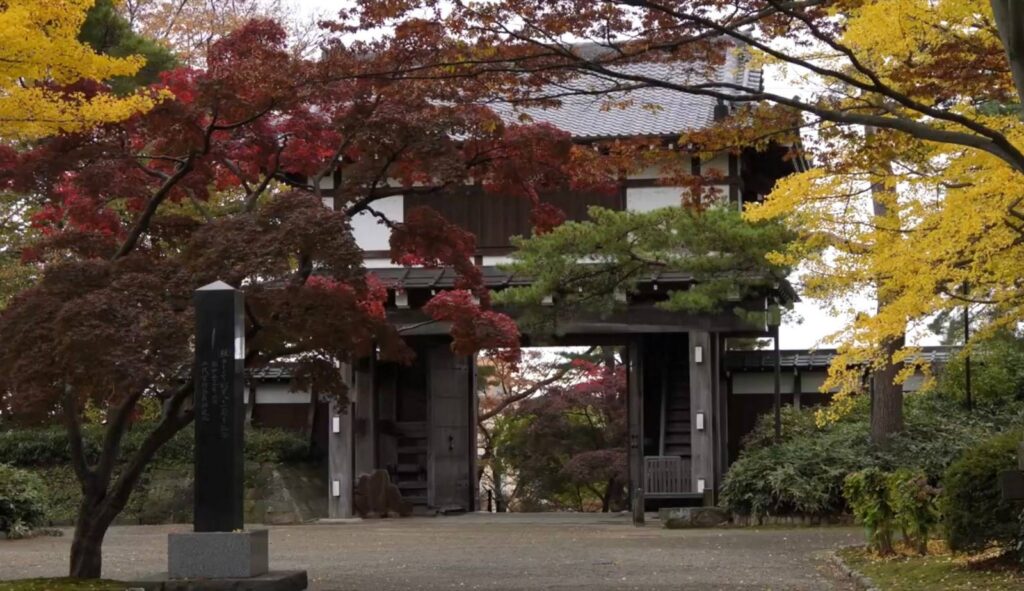
Step back in time in this beautifully preserved historic district, where the dark wooden facades of former samurai residences line the wide streets. In spring, the area is famously draped in soft pink weeping cherry blossoms. As the seasons turn, the vibrant autumn foliage and deep winter snow give these Edo-period streets a completely different, yet equally atmospheric, character.
Location & How to Get There
Located in the town of Kakunodate, the district is an easy 15–20 minute walk from the train station. Once you arrive, the area is compact and best explored on foot.
Why Choose It
It is one of the most immersive ways to experience samurai-era life in Northern Japan, offering a perfect mix of authentic architecture, small museums, and a calm, historic vibe.
Best For
With its flat walking paths and stunning seasonal backdrops, this is a must for travelers who enjoy relaxed exploration and photography.
Time Needed: 2–3 hours
Price Level: medium
Tip from the itinerary expert: Visiting early in the morning or late in the afternoon helps you avoid the daytime crowds and captures the softest light for your photos—this is especially true during the busy cherry blossom season.
Lake Tazawa
As the deepest lake in Japan, Lake Tazawa is famous for its striking sapphire-blue waters and its connection to local folklore. Surrounded by a majestic mountain backdrop, the area offers scenic viewpoints, quiet lakeside paths, and easy access to nearby mountain hot springs and seasonal ski resorts.
Location & How to Get There
The lake is well-positioned near major regional routes, though you will likely need to use local buses to reach specific viewpoints or quiet spots along the shore.
Why Choose It
It offers year-round appeal, blending dramatic natural beauty with outdoor activities—from winter sports to peaceful lakeside walks during the warmer months.
Best For
The calm, serene setting and flexible pace make it an ideal spot to balance gentle sightseeing with quality time in the great outdoors.
Time Needed: Half day to full day
Price Level: medium
Akita Kanto Festival
One of Japan’s most spectacular summer events, this festival sees the streets fill with towering bamboo poles decorated with glowing paper lanterns. Performers balance these heavy structures on their palms, foreheads, shoulders, and lower backs in a rhythmic display meant to ensure a bountiful rice harvest.
Location & How to Get There
The festival takes place in the heart of Akita City, which is conveniently reached via the Shinkansen and regional train lines.
Why Choose It
As one of the iconic Great Festivals of Tohoku, it provides a vivid, high-energy look at local music, tradition, and the power of community celebration.
Best For
The hypnotic lights, incredible feats of balance, and lively atmosphere make this an unforgettable evening for visitors of all ages.
Time Needed: Evening visit
Price Level: low
Oga Peninsula and Namahage traditions
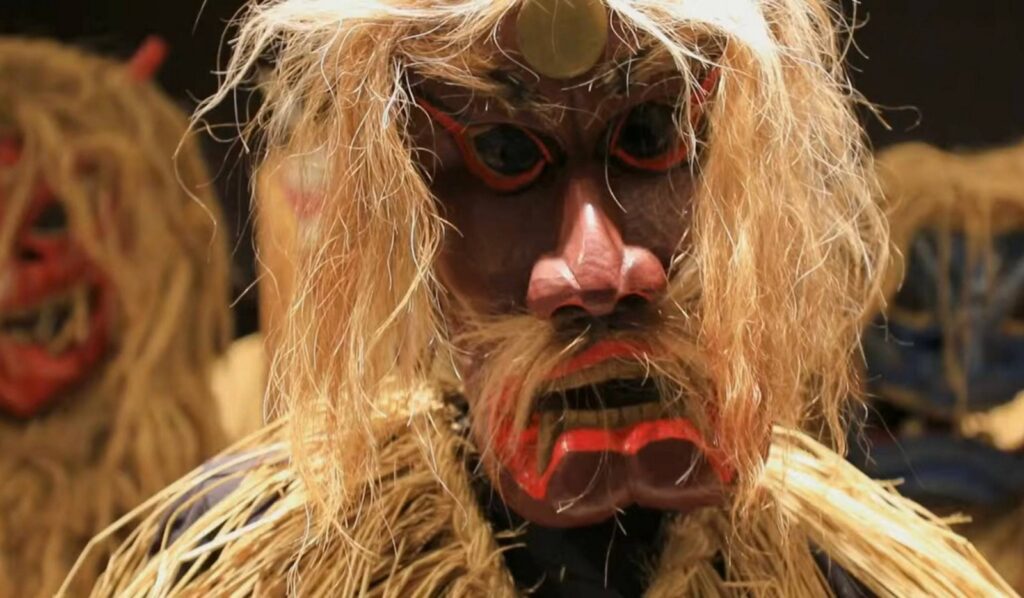
The Oga Peninsula is a place of rugged coastal beauty and home to the fascinating Namahage folklore. Here, you can learn about the traditional New Year rituals where locals dress in fierce masks and straw capes—a unique custom passed down through generations to ward off laziness and bring good fortune.
Location & How to Get There
You can reach the peninsula from Akita City using regional transport, though travel times will depend on local bus and train schedules.
Why Choose It
It offers a rare combination of dramatic seaside landscapes and some of the most distinctive and preserved regional traditions in all of Japan.
Best For
The wide-open scenery and intriguing cultural history make it a refreshing and engaging stop on any regional tour.
Time Needed: Half day
Price Level: medium
Nyuto Onsen hot spring area
Tucked away in the mountains, this secluded cluster of hot springs is surrounded by lush forests and, in winter, a thick blanket of snow. Its traditional wooden ryokan and rustic outdoor baths offer an atmosphere that feels wonderfully remote and deeply connected to the natural world.
Location & How to Get There
Access usually involves taking a regional bus from nearby transport hubs, followed by short, scenic walks between the various hot spring inns.
Why Choose It
This is arguably the most atmospheric onsen experience in Northern Japan, focusing on simplicity, rustic charm, and the healing power of nature.
Best For
The quiet, mountainous setting is the perfect escape for those seeking slow relaxation and a deep dive into classic Japanese hot-spring culture.
Time Needed: Half day to overnight stay
Price Level: high
Tip from the itinerary expert: An overnight stay in one of the traditional ryokan is highly recommended. It allows you to try multiple different baths and enjoy the profound silence of the mountains once the day visitors have departed.
Yokote Kamakura Snow Festival
During this magical winter festival, the town is filled with hundreds of small snow huts (kamakura). As the sun sets, these igloo-like structures glow from within, and children invite passersby inside to share warm rice cakes and hot sweet sake, embodying the warm hospitality of the region.
Location & How to Get There
Yokote is easily accessible by regional trains, and the festival sites are conveniently spread throughout the town center.
Why Choose It
The combination of enchanting winter scenery and genuine local interaction makes this one of the most heartwarming events you can experience in Akita.
Best For
The gentle pace and welcoming spirit of the locals make it a delightful winter outing for anyone exploring the region.
Time Needed: Evening visit
Price Level: low
What Natural Wonders Define Akita’s Landscape?
Nature is the true heartbeat of Akita. Its deep volcanic lakes, towering mountains, and ancient forests create a profound sense of calm and openness that feels worlds away from the neon lights of urban Japan. Many of the region’s most lasting impressions come from these vast, quiet landscapes and viewpoints that transform dramatically with the shifting seasons.
By weaving several natural sites into your route, you can witness the many faces of Northern Japan—from the mist-covered Dakigaeri Gorge to the alpine heights of Mount Akita-Komagatake. I recommend leaving plenty of room in your schedule for slow walks and spontaneous stops; it’s in these unhurried moments that the landscape truly reveals its magic.
Click here to learn more about creating a personal itinerary
Lake Tazawa
As Japan’s deepest lake, Lake Tazawa is famous for its sapphire-blue waters, the golden statue of Tatsuko, and a serene shoreline that offers a different, peaceful beauty in every season.
Location & How to Get There
The lake is well-connected to regional transport hubs, though you will likely need a local bus to reach the best lakeside viewpoints and nearby resorts.
Why Choose It
It perfectly balances breathtaking scenery with relaxed outdoor time, providing easy access to mountain hot springs and winter ski areas.
Best For
The gentle terrain and flexible walking paths are ideal for travelers who want to soak in the views without a strenuous hike.
Time Needed: Half day
Price Level: low
Dakigaeri Gorge
This narrow, stunning gorge is a hidden treasure featuring forest trails, bright blue water, and suspension bridges that offer spectacular views, especially during the peak of autumn colors.
Location & How to Get There
Accessible via local transport, followed by a well-marked and relatively easy walking trail that hugs the side of the gorge.
Why Choose It
The combination of steep cliffs and rushing water creates a compact but visually powerful nature experience that is easy to include in any day trip.
Best For
Short hiking sections and plenty of scenic photo spots make this an engaging outdoor escape that doesn’t require heavy physical exertion.
Time Needed: 1–2 hours
Price Level: low
Mount Akita-Komagatake
An impressive volcanic peak known for its diverse alpine flora and expansive hiking trails that offer panoramic views of the surrounding mountains and Lake Tazawa below.
Location & How to Get There
The trailhead is typically reached by road or seasonal shuttle buses that run during the peak hiking months.
Why Choose It
It offers some of the most rewarding and expansive natural vistas in the region, making it a highlight for anyone who loves the mountains.
Best For
- Active
This is the best choice for travelers looking for a bit of adventure and the chance to explore Akita’s wilder, high-altitude landscapes.
Time Needed: Half day to full day
Price Level: low
Tip from the itinerary expert: Starting your climb early in the morning ensures the best visibility and gives you plenty of time to enjoy the summit before the last return transport departs.
What Are the Top 5 Hidden Gems?
Beyond the famous landmarks, Akita hides quiet corners where rural life, nostalgic railways, and secluded hot springs offer a more intimate connection to the land. These lesser-visited spots often provide the most authentic glimpses into the local way of life and tend to stay with travelers long after they return home.
Integrating one or two of these hidden locations into your itinerary helps balance the ‘must-see’ attractions with peaceful discoveries, creating a travel experience that feels both personal and uniquely yours.
Golden ginkgo avenue in Yokote
A breathtaking autumn walkway where a canopy of ginkgo trees creates a glowing yellow tunnel, perfect for a quiet seasonal stroll.
Location & How to Get There
Conveniently located within the town of Yokote, reachable by local transport or a pleasant short walk from the center.
Why Choose It
It provides a stunning seasonal highlight without the massive crowds found in more famous autumn leaf spots.
Best For
Ideal for those who enjoy slow walks and want to capture the perfect, vibrant autumn photograph.
Time Needed: 30–60 minutes
Price Level: low
Akita Inland Line railway scenery
A nostalgic train journey through the heart of the countryside, passing through dense forests, over iron bridges, and past tiny rural stations.
Location & How to Get There
The line connects to the main rail network at regional hubs, making it a scenic detour between major towns.
Why Choose It
On this line, the journey itself is the destination, revealing pastoral landscapes and mountain views that are rarely seen from the main roads.
Best For
- Relax
Perfect for travelers who want to sit back and watch the beauty of rural Japan unfold through a train window.
Time Needed: Half day
Price Level: low
Tsuru-no-yu Onsen
The oldest and most famous inn in the Nyuto Onsen area, featuring historic thatched-roof buildings and milky-white outdoor baths tucked away in a mountain valley.
Location & How to Get There
Reached by a regional bus followed by a shuttle service or a short, atmospheric walk into the secluded valley.
Why Choose It
It offers perhaps the most authentic and timeless onsen experience in all of Northern Japan, especially beautiful when draped in winter snow.
Best For
An essential stop for anyone seeking deep relaxation and a connection to Japan’s ancient hot-spring traditions.
Time Needed: Half day to overnight
Price Level: medium
Tip from the itinerary expert: A winter visit is truly extraordinary, as the contrast between the hot, steaming mineral water and the towering walls of snow creates an unforgettable atmosphere.
Small regional manga museums and rural towns
Charming, low-key cultural spaces that celebrate the local artists and the creative spirit found in Akita’s smaller, everyday communities.
Location & How to Get There
Usually located in smaller towns accessible via regional train lines, offering a great excuse to explore off the main track.
Why Choose It
They offer a fascinating look at modern Japanese culture through a local lens, away from the commercialism of the big cities.
Best For
These compact cultural stops fit naturally into a relaxed day of exploration and offer something unique for all ages.
Time Needed: 1–2 hours
Price Level: low
Quiet ski areas with deep regional snow
Authentic, unpretentious winter resorts that boast some of the lightest, deepest powder snow in Japan without the crowds of Nagano or Hokkaido.
Location & How to Get There
Easily reached by local shuttle buses or a short drive from the main regional towns during the winter season.
Why Choose It
They provide a much calmer and more affordable alternative for those who want to enjoy Japan’s legendary snow in a peaceful setting.
Best For
Ideal for families and skiers who value quiet slopes and a genuine, local winter sports experience.
Time Needed: Full day
Price Level: medium
What Family-Friendly Adventures Offer Memorable Experiences for All Ages?
Akita is a wonderful destination for families, offering gentle, nature-focused activities that move at a comfortable pace. Instead of overwhelming theme parks, the region focuses on hands-on cultural encounters, magical winter festivals, and the simple joy of outdoor discovery.
By combining seasonal events with easy walks and interactive visits, you can create an itinerary that is visually rich and engaging for children, yet restorative for parents. Akita allows families to bond over shared moments of wonder in a calm, welcoming environment.
Kamakura snow huts festival in Yokote
Imagine a town filled with glowing snow houses where children invite you inside to share warm rice cakes—this festival is a winter fairytale come to life.
Location & How to Get There
Held in the center of Yokote, the festival sites are easily reached by a short walk from the regional train station.
Why Choose It
The combination of soft lights, snowy architecture, and genuine local warmth makes this one of the most heartwarming family experiences in Japan.
Best For
A visually stunning and gentle evening activity that will leave a lasting impression on visitors of all ages.
Time Needed: Evening visit
Price Level: low
Akita dog encounters and cultural symbols
No trip to the region is complete without meeting an Akita-inu, the loyal and fluffy dog breed that has become a beloved symbol of regional pride.
Location & How to Get There
Dedicated visitor centers and ‘Akita Dog Stations’ in several towns allow you to see and learn about these magnificent animals.
Why Choose It
It’s a heartwarming way to connect with the local culture through its most famous and meaningful animal ambassador.
Best For
- Families
A highlight for animal lovers that adds a touch of emotional warmth to your travel day.
Time Needed: 30–60 minutes
Price Level: low
Lakeside walks and easy nature trails
Akita is full of well-maintained paths through forests and around lakes that are perfect for a family stroll in the fresh mountain air.
Location & How to Get There
These paths are found throughout the region, with particularly beautiful and accessible options near Lake Tazawa and regional parks.
Why Choose It
They offer a perfect break from structured sightseeing, allowing kids to burn off energy while everyone enjoys the stunning natural backdrop.
Best For
The easy terrain makes these walks simple to fit into any day, providing a healthy dose of nature for the whole family.
Time Needed: 1–2 hours
Price Level: low
Tip from the itinerary expert: Pair a short nature walk with a visit to a nearby family-friendly onsen. It’s a great way to balance activity with relaxation, making for a smooth and low-stress day.
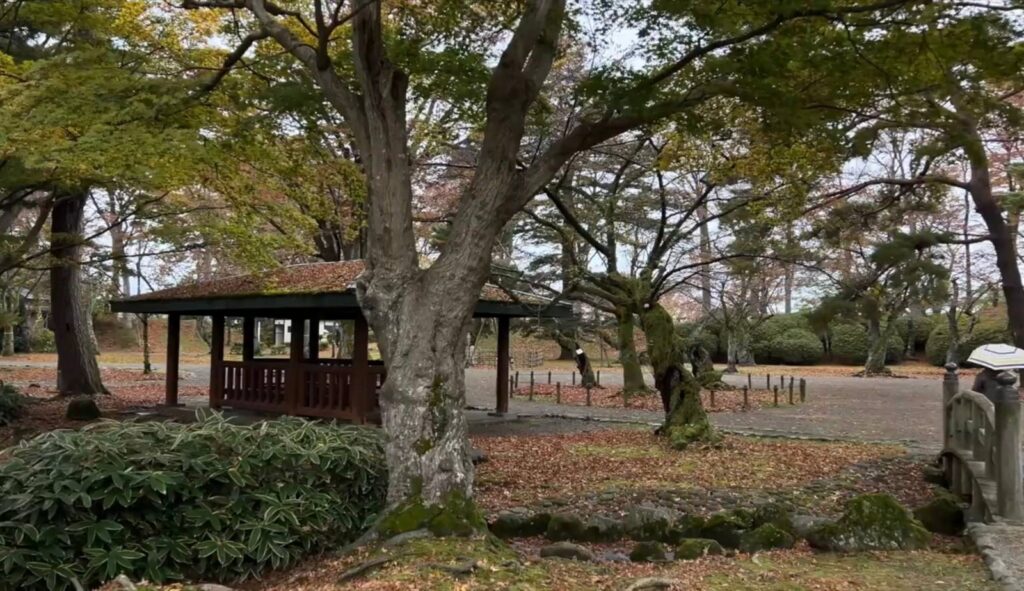
Seasonal festivals, markets, and local fairs
From colorful summer parades to bustling morning markets, Akita’s community events are full of local flavors, traditional music, and vibrant energy.
Location & How to Get There
The location of these events changes with the calendar, but most are held in accessible town centers near major transport links.
Why Choose It
These fairs offer a window into real life in Akita, allowing families to sample local snacks and witness traditions in a lively, festive setting.
Best For
The sights and sounds of a local festival are an easy way to keep kids engaged and excited about the local culture.
Time Needed: 1–3 hours
Price Level: low
Akita in 3 days: Scenic nature, timeless culture, and seasonal magic
Trip Duration: 3 days
Day 1: Arrival, samurai heritage, and evening calm
Start your Akita journey by arriving in the morning via Shinkansen or regional train, then head straight toward the historic town of Kakunodate. The scenic trip takes about 1–1.5 hours. From Kakunodate Station, the famous samurai district is just a pleasant 15–20 minute walk away, allowing your first day to unfold at a gentle, unhurried pace.
Spend your afternoon wandering through beautifully preserved Edo-period streets, where dark wooden residences are framed by the colors of the season. After a relaxed lunch at a local spot near the historic quarter, continue your exploration with plenty of time for photos and visits to the small house museums. Whether you choose to return to Akita City or stay overnight in Kakunodate, the evening is all about easing into the region’s quiet rhythm.
Tip from the itinerary expert: I love visiting the samurai district either early in the morning or as the sun begins to set. The light is much softer, the streets are quieter, and the historical atmosphere feels far more intimate and real.
Overnight Location: Akita City or Kakunodate
Places to Visit
Kakunodate Samurai District
Time: 10:30–15:30
Duration: 2–3 hours of walking and house visits
Walk through history among preserved Edo-period houses. Whether draped in cherry blossoms, autumn gold, or winter snow, it is one of Northern Japan’s most atmospheric walks.
Local lunch near the samurai district
Time: 13:00–14:00
Duration: 1 hour
Take a midday break at a cozy local restaurant to sample traditional regional specialties.
Evening stroll in Akita or Kakunodate
Time: 17:00–18:00
Duration: 1 hour
A quiet walk along the river or through the town center is the perfect way to soak in the local peace.
Day 2: Lake Tazawa, mountain vistas, and hot springs
In the morning, set off for Lake Tazawa by car or regional transport—a journey of about an hour from Akita. As Japan’s deepest lake, it offers stunning panoramic viewpoints and serene lakeside paths that are perfect for a full morning in the fresh air. The sapphire waters against the mountain backdrop provide a sense of vast, open space.
Following a relaxed lunch by the water, head up into the mountains toward the Nyuto Onsen area. The trip is short, but the change in atmosphere is profound. Spend your afternoon and evening soaking in traditional hot springs surrounded by forest. This is the ultimate way to unwind, especially if you top it off with a quiet, traditional dinner at your ryokan.
Tip from the itinerary expert: An overnight stay in the hot spring area is highly recommended. Once the day-trippers have left, the mountain silence is incredible, and the outdoor baths take on a completely different, magical character under the stars.
Overnight Location: Nyuto Onsen area or Lake Tazawa
Places to Visit
Lake Tazawa
Time: 10:00–13:00
Duration: 2–3 hours
Admire the clear blue depths of Japan’s deepest lake and enjoy a calm walk along its scenic, mountainous shores.
Lakeside lunch
Time: 13:00–14:00
Duration: 1 hour
Enjoy a meal with a view, savoring the peaceful lakeside scenery before heading higher into the mountains.
Nyuto Onsen hot springs
Time: 15:30–18:00
Duration: 2–3 hours of bathing and relaxation
Experience authentic mountain bathing in historic rustic baths, surrounded by lush forest or deep winter snow.
Day 3: Festivals, rural charm, and departure
Your final day is dedicated to local culture and easy exploration. Depending on when you visit, your morning might be spent in Yokote for the enchanting Kamakura snow festival or enjoying the sophisticated cafés and shops of Akita City. The travel time from the mountains back to these hubs usually takes between one and two hours, giving you plenty of time to enjoy the scenery along the way.
After one last local lunch, take a final stroll through the town streets or visit a local market for some regional crafts. By scheduling a late-afternoon departure via Shinkansen or regional train, you ensure the trip ends on a high note-comfortable, meaningful, and entirely stress-free.
Tip from the itinerary expert: On your final day, try to resist the urge to do too much. Choosing just one cultural highlight followed by a long, relaxed lunch makes your departure feel like a natural conclusion rather than a rush to the station.
Overnight Location: Departure day – no overnight
Places to Visit
Yokote Kamakura Snow Festival or Akita city walk
Time: 10:30–13:00
Duration: 1.5–2.5 hours
Marvel at illuminated snow huts in the winter or explore the hidden corners and local culture of Akita City in the warmer months.
Local lunch before departure
Time: 13:00–14:00
Duration: 1 hour
A final taste of Akita’s regional cuisine at a local spot near the station or city center.
Return by Shinkansen or regional train
Time: 16:00–18:00
Duration: Travel time varies by destination
Relax on a comfortable late-afternoon journey as you conclude your three-day adventure through the heart of Akita.
Traveller experiences in Akita

Daniel Cooper
April 2024

I spent a spring weekend in Kakunodate and was genuinely surprised by how calm and timeless the atmosphere felt. Walking past the preserved samurai houses beneath a canopy of blooming cherry trees was a highlight I’ll never forget. The district was very easy to explore on foot, which was perfect since I was travelling with children. Crowds did pick up later in the afternoon, so arriving early definitely made a huge difference in the experience.
Maya Hassan
February 2023
Visiting Yokote in the heart of winter for the Kamakura festival felt like stepping straight into a fairytale. Sitting inside the softly glowing snow huts with warm drinks was one of the coziest and most magical travel moments I’ve ever had. While transport between the smaller towns required some careful planning, the stunning snowy scenery and the welcoming local spirit made every bit of effort worthwhile.
Oliver Grant
August 2022
I originally came to Akita for the nature, but I didn’t expect such incredible variety. Lake Tazawa was crystal clear, wonderfully quiet, and a dream for photography and slow lakeside walks. It felt refreshingly uncrowded compared to Japan’s more famous tourist hubs. One thing to keep in mind: dining options in the more rural areas can be limited, so planning your meals in advance helps you avoid any unnecessary detours.
Layla Ahmed
January 2025

Spending the night at a mountain onsen near Lake Tazawa was easily the standout of our entire trip. Bathing outdoors while surrounded by deep, silent snow felt incredibly peaceful and almost surreal. The traditional buildings were simple and authentic, which only added to the rustic charm. Getting there without a car meant we had to time the buses perfectly, but the experience was absolutely worth the logistics.
Samuel Brooks
October 2019
The autumn colors around the samurai district and the nearby nature spots were simply stunning. I really appreciated the slower, more deliberate pace of life here compared to Japan’s bustling major cities. While the distances between the main sights were manageable, public transport isn’t very frequent. Renting a car for a portion of the trip would likely make exploring the deeper countryside much easier and more flexible.
Nadia Karim
March 2018
Akita felt refreshingly authentic and peaceful, especially compared to the busier regions of Japan. We loved the simple pleasures—lakeside strolls, tasting local food, and enjoying the quiet evening streets. For families, the activities are mostly nature-based rather than high-energy entertainment, but that gentle rhythm made the whole trip feel much more restorative and relaxing for us all.
Ethan Miller
July 2021
Summer in Akita was lively and vibrant without ever feeling overwhelming. The evening festivals, with their glowing lanterns and traditional music, created such beautiful scenes, and the local cuisine was consistently excellent. I loved how easy it was to combine raw nature with traditional cultural experiences in just a short trip. Pre-planning the transport was essential, but it resulted in a very smooth and rewarding journey.
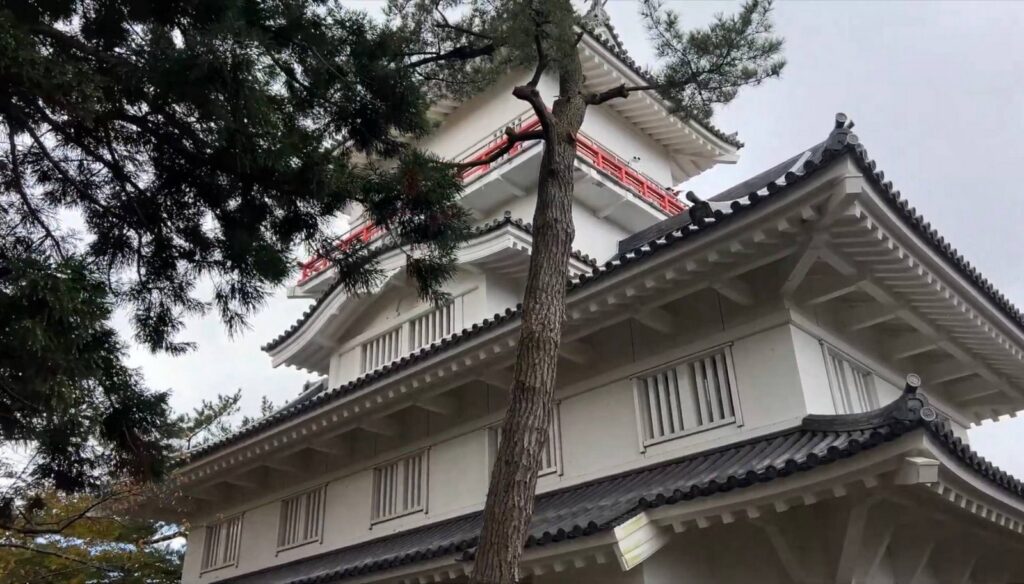
Expert guidance for your Akita journey
When planning a trip through Akita, I always prioritize checking train and bus connections well in advance. Local transport here runs far less frequently than in Japan’s major urban hubs, and aligning your sightseeing with the actual timetables will save you a surprising amount of time and daily stress.
For the best experience in Kakunodate, I recommend visiting either early in the morning or as sunset approaches. Without the midday crowds, the ancient samurai streets feel far more evocative, and the soft, natural light brings out the best in your photos, regardless of the season.
Staying overnight near Lake Tazawa or within the Nyuto Onsen area completely transforms your trip. Once the day-trippers depart, the silence of the mountains and the steam of the hot springs create a deeper, calmer, and much more memorable atmosphere.
If you are visiting in winter, I find it best to build the itinerary around one primary seasonal highlight—like the magical Kamakura snow festival or a stay at a traditional mountain onsen. Focusing on a single, powerful experience allows the journey to feel rich and meaningful rather than rushed.
I often suggest pairing short nature walks with nearby local eateries or hot spring stops. This creates a comfortable rhythm for the day and prevents fatigue, which is especially helpful if you are traveling with children who benefit from frequent, relaxing breaks.
While exploring the deeper countryside, renting a car makes moving between the lakes, springs, and small towns significantly easier. If you prefer not to drive, I recommend keeping your daily routes compact and centered around a single transport corridor to ensure a smooth flow.
On your final day, I always advise keeping the schedule light. One main activity and a long, relaxed lunch before your departure are all you need. Ending the trip at a slower pace allows the calm spirit of Akita to stay with you all the way home.
Insights from the itinerary expert
When I visited Akita in February 2024, I immediately felt a shift in the travel rhythm compared to Japan’s bustling major cities. My days flowed gently between the quiet, snow-covered streets of Kakunodate, the serene shores of Lake Tazawa, and long, unhurried evenings in the steaming waters of traditional mountain hot springs like Nyuto Onsen. This slower pace is truly one of Akita’s greatest strengths, especially for families looking to balance raw nature with comfort and meaningful cultural encounters.
Getting around does require a bit more planning, as local trains and buses aren’t as frequent as in the south. However, it is this very remoteness that preserves the deep sense of calm that defines the region. I found that the most rewarding way to experience Akita is to focus on just one main highlight per day, leaving plenty of room for relaxed meals and spontaneous nature walks. This creates an enjoyable flow that never feels rushed or exhausting.
Akita feels refreshingly authentic and visually striking in every season. Here, the landscapes, ancient traditions, and quiet everyday moments come together in a way that feels natural and unforced. I warmly invite you to let me help you create a personalized itinerary through Akita and across Japan, shaped specifically around the experiences and moments that matter most to your own journey.
Budgeting for Akita: Typical travel costs
| Name | Amount | Description |
|---|---|---|
| Traditional ryokan for two (with dinner and breakfast) | 7,500–15,000 JPY | Standard nightly rates for a classic stay in the Lake Tazawa or mountain regions. Prices vary based on the season, room style, and specific location. |
| Mid-range business hotel for two | 9,000–16,000 JPY | Average cost for clean, modern, and comfortable business hotels located in Akita’s city centers and larger regional towns. |
| Daily meals per person | 3,000–5,500 JPY | This typically covers a mix of quick local snacks, casual restaurant lunches, and a satisfying sit-down dinner. |
| Local public transport (per ride) | 300–1,200 JPY | Standard fares for the buses and regional trains that connect local attractions and residential areas. |
| Regional intercity transport | 2,000–6,000 JPY | The expected cost for traveling between different towns and scenic nature spots within Akita Prefecture. |
| Long-distance train or express travel | 6,000–12,000 JPY | Typical fares for major routes, including travel on the Shinkansen or limited express trains. |
| Onsen day visit | 400–800 JPY | Standard entry fees for those wishing to enjoy a traditional hot spring bath without staying overnight. |
| Daily ski pass | 4,800–5,500 JPY | Current prices for a full-day lift pass at popular ski resorts in the Lake Tazawa area. |
| Estimated daily budget per person | 15,000–36,000 JPY | A comprehensive daily estimate that includes mid-range accommodation, meals, transport, and a few activities. |
Frequently asked questions about Akita
01
When is the best time to visit Akita?
Akita is a destination that transforms beautifully with every season. In winter, you’ll find magical snow festivals and steaming hot springs, while spring brings the delicate cherry blossoms. Summer is perfect for lush green landscapes and vibrant lantern festivals, and autumn offers some of the most vivid foliage you’ll see in the Japanese mountains.
02
Is Akita suitable for a relaxed family trip?
Absolutely. Unlike the high-energy pace of Japan’s major cities, travel here is centered around nature, gentle walks, and seasonal rhythm. The combination of calm lakes, family-friendly festivals, and welcoming hot springs makes it an ideal choice for families looking for a peaceful and restorative escape.
03
Do I need to rent a car in Akita?
While you can manage without one, renting a car is highly recommended. It gives you the freedom to reach remote lakes, hidden hot spring areas, and scenic rural viewpoints that are difficult to access otherwise. Having your own wheels offers the flexibility to explore at your own pace without watching the clock for the next bus.
04
How easy is it to travel around Akita using public transport?
The Shinkansen and regional trains efficiently connect the main towns, and local buses do serve the lakes and mountain onsen areas. However, keep in mind that schedules are much less frequent than in Tokyo or Osaka. Planning your connections in advance is key to a smooth journey.
05
What natural places should not be missed in Akita?
You shouldn’t miss the sapphire depths of Lake Tazawa, the rugged mountain landscapes, and the dramatic forested gorges. In the colder months, the pristine winter snowscapes are a defining part of Akita’s quiet northern character and are truly a sight to behold.
06
Is staying overnight in a hot spring area worth it?
Based on my experience, it is absolutely worth it. There is a specific magic that happens in mountain onsen areas like Nyuto Onsen once the day visitors leave. The atmosphere becomes incredibly quiet and deeply relaxing, offering a sense of peace that you just can’t experience during a short daytime visit.
07
How many days are enough to explore Akita?
A three-day trip is usually the perfect amount of time for a balanced experience. It allows you to comfortably combine samurai history, lakeside nature, and local cultural highlights with plenty of time left over for long, unhurried soaks in traditional hot springs.
What we propose

Emma Heidi
Customer Experience Manager
Take all the stress out of planning your trip!
With our experts, you can create the perfect itinerary for you – complete, comfortable, and tailored to all your dreams, wishes, and needs.
We take care of every little detail, so you can simply focus on enjoying your journey.
We’ve been designing personalized itineraries since 2015, and over the years we’ve created thousands of custom itineraries for happy clients.

Save time, avoid confusion – we do the work for you. Our service saves you weeks of searching, reading, comparing, and complicated planning. Instead of wasting endless hours – you receive a ready-to-use, accurate and clear itinerary.

A tailor-made itinerary – built just for you. Your itinerary is personally designed based on our experts’ real field experience and genuine feedback from hundreds of travelers – including hidden discoveries and insider tips that don’t appear in any travel guide.

Smart accommodation selection – often saves you hundreds or even thousands of dollars. We help you choose verified and recommended places to stay, checking availability for your exact travel dates. Sometimes we suggest hotels not “in the center,” but in safe, convenient, and highly strategic locations – which can significantly reduce travel costs and save you even thousands of dollars.

We’re by your side even during the trip. We stay with you throughout your vacation – providing professional help whenever needed. If the weather changes, there’s a strike, a local event, heavy crowds, or any unexpected situation – we are here to update, guide, and adjust your itinerary in real time.

Easy-to-use itinerary – with direct navigation links. Your itinerary includes direct Waze / Google Maps links – no need to search for parking addresses, no stress, no mistakes. Just tap – and go.

Service cost: from only $420. (Special price for short itineraries up to 5 days). Clients tell us the itinerary saves them costly mistakes, fines, wrong choices – plus exclusive discounts on car rentals, better-priced accommodations, and money-saving local tips.
Want to know if it’s really worth it?
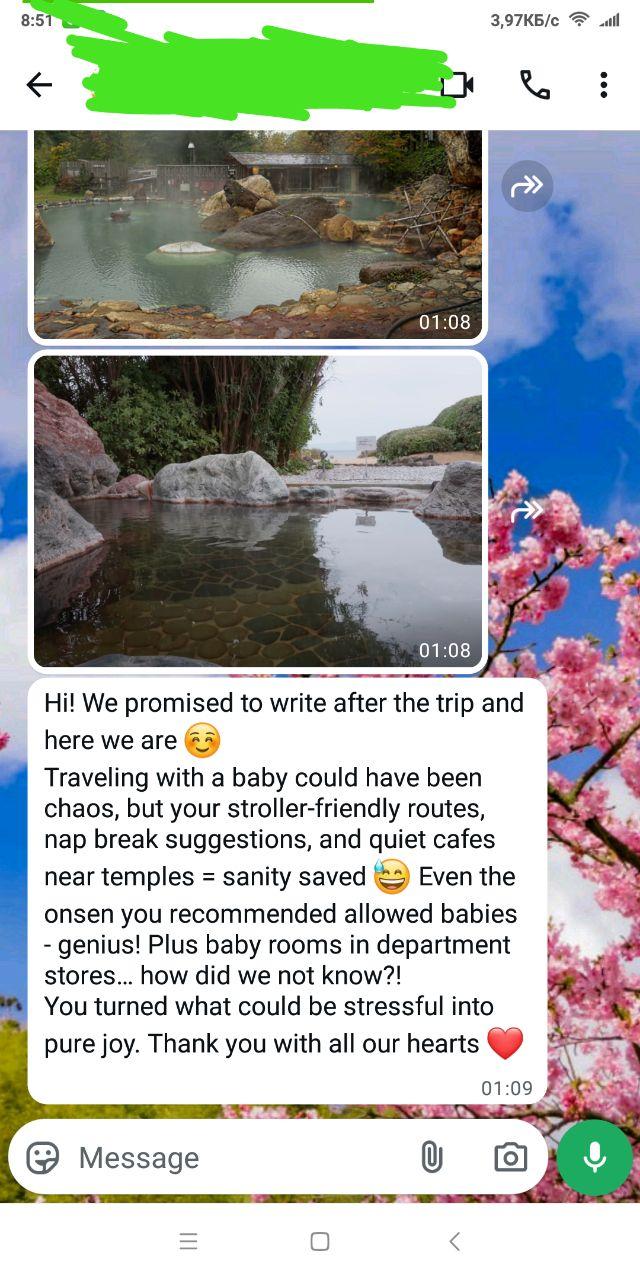
Take a look at the experiences of travelers who built their personal itinerary with us.
Click here and let’s start building the itinerary that will save you time, money, and stress – and turn your vacation into perfection.
Of course, your first inquiry is completely free – with no commitment whatsoever.
How it works


- You are welcome to contact us
- We discuss your trip
- You fill out a special form
- We create your itinerary
- You get it with all useful tips
- We are in touch with you all the time