My name is Neta Gimpel, and I have been working in the tourism industry for over 13 years. Today I manage partnerships with leading travel service providers – from car rentals and insurance to hotels, airlines, local guides, and top attractions worldwide. In addition, I am an active travel blogger and an expert who lives and breathes travel every day. If you are planning a trip and want to make it comfortable, well-planned, and truly unforgettable, I will be happy to help. Let’s turn your travel dream into reality!


Northern Italy
Northern Italy offers an incredible tapestry of experiences that extends far beyond the famous duo of Venice and Milan. From the mirror-like lakes nestled beneath towering Alps to medieval hilltop towns where time seems frozen, this region delivers some of Europe’s most rewarding travel experiences. While everyone knows about the Grand Canal and the Gothic spires of the Duomo, the real magic happens in places like mist-covered Lake Orta at dawn, the ancient Roman arena in Verona where opera still echoes through 2,000-year-old stones, or the vine-covered terraces of Cinque Terre where fishing boats bob like colorful toys in impossibly blue harbors.
The Legendary Lake District: Where Alps Meet Azure Waters
Lake Como: The Crown Jewel
Lake Como deservedly claims the spotlight among Italy‘s northern lakes, shaped like an inverted Y with each arm offering distinct personalities. Bellagio, perched at the lake’s heart, captivates visitors with its famous stepped streets – seven main staircase-streets that weave through the town like a three-dimensional maze. The climb might leave you breathless, but those cobblestone paths reveal hidden gardens, silk boutiques (Como has been a silk production center for centuries), and terraces with lake views that justify every step.
The Villa Serbelloni dominates Bellagio’s skyline, now operating as an ultra-luxury hotel where rooms start around €800 per night during peak season. For those seeking more modest accommodations, the three-star Hotel Bellagio offers lakefront rooms from €180-250, depending on the season.
Getting around Lake Como proves surprisingly efficient via the comprehensive ferry network. The fast ferries (battello veloce) connect major towns in 15-20 minutes, with tickets costing €4.60 for routes like Bellagio-Varenna. Day passes cost €25 for the full lake area or €15 for the central lake area (Centro Lago) covering Bellagio, Varenna, and Menaggio – perfect for town-hopping adventures.
Varenna, just a 15-minute ferry ride away, presents a more intimate alternative to Bellagio’s bustling energy. The Lovers’ Walk (Passeggiata degli Innamorati) hugs the shoreline, offering postcard-perfect views without the crowds. The town’s restaurants specialize in lake fish – try the lavarello (lake whitefish) at Il Cavatappi for around €18-22 per main course.
Pro tip: Visit Como’s lakes between late September and mid-October. The weather remains warm enough for comfortable sightseeing, the summer crowds have dispersed, and autumn colors paint the surrounding hills in spectacular shades.
Lake Garda: Drama and Tranquility Combined
Lake Garda, Italy’s largest lake, stretches from the dramatic cliffs of the north to the gentle plains of the south. Sirmione enchants visitors with its medieval Scaligeri Castle, built in the 14th century and remarkably preserved. The castle’s distinctive feature – its fortified harbor – represents the only surviving example of a 14th-century fortified port. Entry costs €6 for adults, and the climb to the battlements rewards visitors with panoramic lake views.
The town’s thermal springs have attracted visitors since Roman times. The Grotte di Catullo, ruins of a massive Roman villa spanning 170 meters in length, showcases the lake’s ancient appeal. Tickets cost €8 and include access to the archaeological museum.
Lazise offers a more relaxed lakeside experience, with its 500-meter promenade lined with outdoor restaurants and gelaterias. The town serves as an excellent base for exploring the eastern shore, with regular bus connections to Verona (1 hour, €3.50) and boat services to other lake towns.
Transportation hack: The daily boat pass for Lake Garda costs €20-25 depending on the zone and includes all public boats. However, purchasing point-to-point tickets often proves more economical for shorter trips – a single journey between Sirmione and Lazise costs just €5-7.
Click here to learn more about creating a personal itineraryLake Iseo: The Undiscovered Gem
Often overlooked in favor of its famous neighbors, Lake Iseo offers authentic Italian lake life without the crowds. The town of Iseo itself provides charming lakefront strolls and traditional restaurants where a full meal rarely exceeds €25-30 per person.
The lake’s crown jewel is Monte Isola, Europe’s largest inhabited island, home to 12 small villages and nearly 2,000 residents. Cars are banned on the island, making it perfect for cycling adventures. Bike rentals cost €10-15 per day, and the 2.6-kilometer lakefront circuit offers gentle riding with stunning views.
Ferry connections operate year-round between the mainland and Monte Isola (€3.80 round-trip), while seasonal services (March-October) connect various lakeside towns. The scenic train journey along the eastern shore from Iseo to Pisogne takes just 30 minutes and costs €3.35, providing spectacular lake views throughout the journey.
Iconic Cities: Where History Lives and Breathes
Milan: Fashion Capital with Surprising Depth
Milan’s reputation as a fashion and business hub sometimes overshadows its remarkable historical treasures. The Duomo represents Gothic architecture at its most ambitious – its rooftop terraces, accessible by elevator (€26-32) or stairs (€19), reveal intricate spire details invisible from street level. The panoramic views encompass the entire city, from the gleaming Porta Nuova skyscrapers to the Alpine foothills on clear days.
The Galleria Vittorio Emanuele II, one of the world’s oldest shopping malls, houses luxury boutiques alongside historic cafés. Biffi Caffè has served espresso since 1847 – expect to pay €4-5 for coffee at the bar, but the people-watching justifies the premium.
La Scala opera house offers behind-the-scenes tours (€15) when performances aren’t scheduled. During opera season (December-July), last-minute tickets sometimes become available at the box office 2 hours before curtain time, starting around €20 for standing room.
Transportation insider tip: Milan’s metro system ranks among Europe’s most efficient. Day passes cost €7 and cover all public transport. However, the central areas are surprisingly walkable – the distance from the Duomo to Castello Sforzesco is just 800 meters through pedestrian-friendly streets.
Click here to create a personal itinerary for ItalyVenice: Navigating the Floating City
Venice demands a strategic approach to avoid overwhelming crowds and inflated prices. Arriving early morning or late afternoon maximizes enjoyment while minimizing human traffic jams on the narrow bridges.
St. Mark’s Square and Basilica require advance booking during peak season (April-October). Free entry to the basilica includes the main floor, but climbing to the Pala d’Oro and treasury costs €5, while the loggia terrace requires an additional €7. The views over the square and lagoon justify the expense.
Scuola Grande di San Rocco houses Tintoretto’s masterpiece ceiling frescoes – art experts often consider this collection superior to the Sistine Chapel for its innovation and preservation. Entry costs €10, and audio guides provide essential context for understanding the artistic significance.
Vaporetto strategy: Single rides cost €7.50, making day passes (€25) worthwhile for extensive sightseeing. However, the traghetto gondola ferries that cross the Grand Canal at various points cost just €2 and provide a genuine gondola experience without the €80-120 tourist gondola rides.
Budget-conscious dining: Avoid restaurants directly facing major tourist sites, where prices can be 2-3 times higher. Venture into the Castello or Cannaregio districts for authentic bacari (wine bars) serving cicchetti (small plates) for €2-4 each.
Verona: Romeo, Juliet, and Roman Grandeur
Verona seamlessly blends Shakespearean romance with authentic Roman heritage. The Arena di Verona, a 2,000-year-old amphitheater, continues hosting world-class opera performances during summer months (June-September). Tickets range from €60 for stone seats to €300+ for premium locations, but even the cheapest seats provide extraordinary acoustics and atmosphere.
Piazza delle Erbe, built on the ancient Roman forum, bustles with market stalls selling local produce and souvenirs. The surrounding palazzi showcase different architectural periods, creating a living timeline of Italian architecture.
Juliet’s House (Casa di Giulietta) attracts massive crowds, but the €6 entry fee includes access to the balcony and museum. The bronze statue’s right breast, polished smooth by millions of hopeful touches, supposedly brings luck in love.
Day trip efficiency: Verona serves as an excellent base for exploring the region. Venice lies 1 hour 20 minutes by train (€12-22 depending on train type), while Lake Garda’s southern shores are just 30-45 minutes by bus (€3.50-4.20).
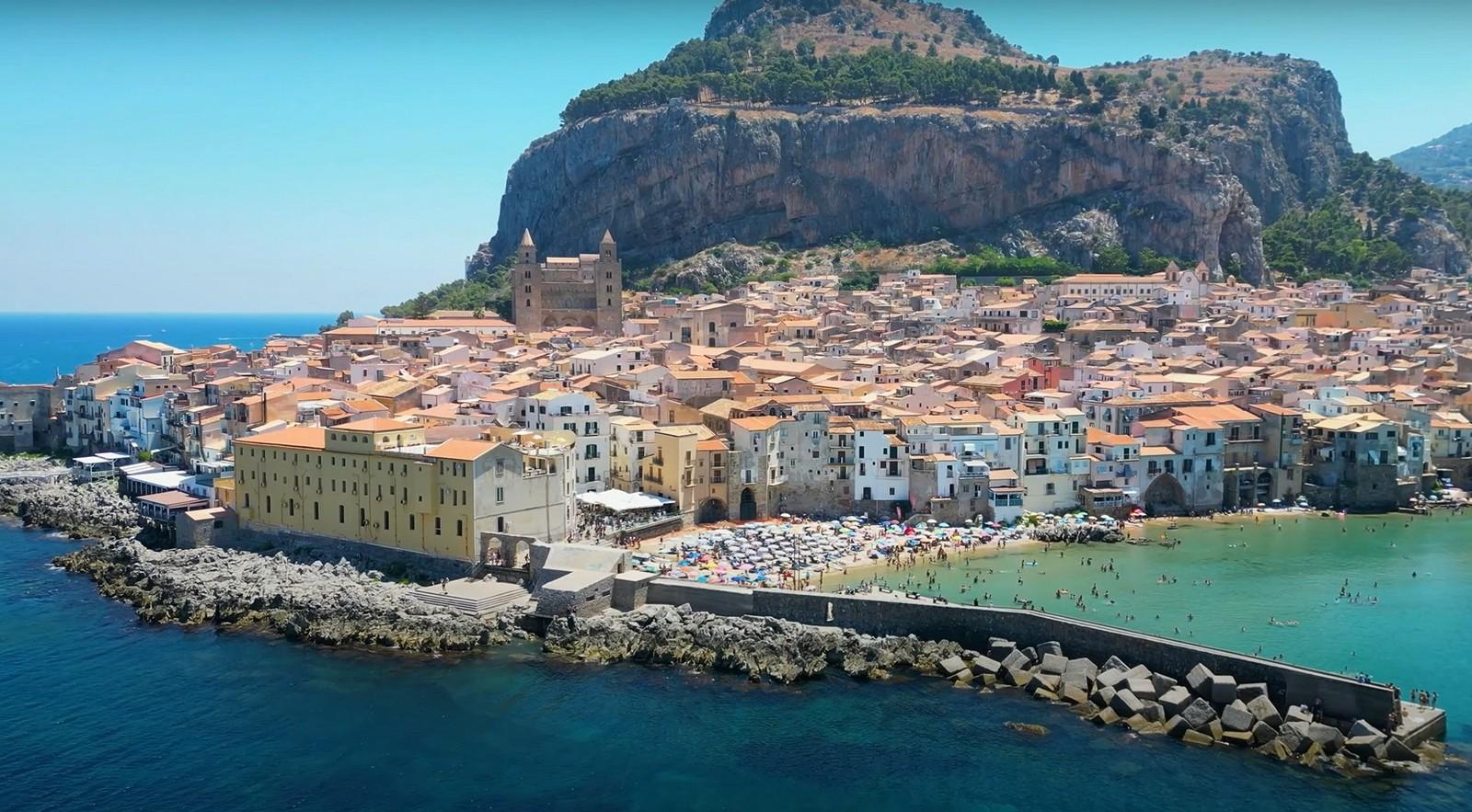
Hidden Medieval Treasures
Bergamo: Two Cities in One
Bergamo Alta (Upper Town) represents one of Italy’s best-preserved medieval centers, encircled by Venetian walls so well-maintained they earned UNESCO World Heritage status. The funicular railway (€1.30) climbs from the modern lower city to the historic center, though walking the ramparts provides better views and costs nothing.
Piazza Vecchia consistently ranks among Italy’s most beautiful squares, with the Palazzo della Ragione dominating one side. The Civic Tower elevator (€5) or climb (230 steps, free) rewards visitors with panoramas extending to the Swiss Alps on clear days.
Transportation connection: Direct trains from Milan reach Bergamo in just 48 minutes (€5.25), making it perfect for day trips. However, staying overnight reveals the medieval atmosphere after day-trippers depart.
Brescia: The Underrated Gem
Brescia offers authentic Italian city life without tourist crowds. The three main squares – Piazza della Vittoria, Piazza Paolo VI, and Piazza della Loggia – sit practically adjacent to each other, creating a compact historic center perfect for wandering.
The Castello di Brescia, one of Europe’s largest fortress complexes, provides commanding city views and houses several museums. The climb takes 15-20 minutes through the historic Cidneo Hill park, and entry to the castle grounds is free.
Brescia’s unique distinction: It’s the world’s smallest city with a metro system. The single line connects the train station to the city center in 8 minutes (€1.30), though the historic center is easily walkable.
Since 2015, our website has specialized in individual planning of unique routes, taking into account personal preferences and desires. Each of you will receive a unique PDF file from us, which contains everything you need: travel routes, car rentals, hotels, the best tourist attractions, attractions for kids and everything you need for a perfect vacation. During the trip, we are available for you by phone via WhatsApp. Our personal service provides information from A to Z, taking into account many small details that can become a decisive factor on the way from a wasted trip to an unforgettable vacation. Our service will make your trip comfortable, save a lot of time on planning and preparation, and most importantly – will allow you to become freer and fully enjoy the pleasure of the trip.
Alpine Adventures in the Dolomites
Cortina d’Ampezzo: Mountain Elegance
Cortina d’Ampezzo established itself as a premier alpine destination hosting the 1956 Winter Olympics and will co-host the 2026 games. Summer transforms the ski slopes into hiking and mountain biking terrain, with cable cars providing access to high-altitude trails without requiring mountaineering skills.
The Tre Cime di Lavaredo circuit represents the Dolomites’ most iconic hike. The trailhead sits at 2,320 meters, accessible by toll road (€30 per car), and the 10-kilometer loop takes 3-4 hours. Weather can change rapidly at altitude – even summer hikes require warm layers and rain protection.
Accommodation strategy: Cortina’s hotels command premium prices (€200-500+ per night during peak season). Consider staying in nearby Dobbiaco or San Candido, connected by regular bus service, where similar quality accommodation costs 30-40% less.
Practical Mountain Tips
Mountain weather in the Dolomites can shift dramatically within hours. The Rifugio system (mountain huts) provides secure shelter and meals along major hiking routes, but advance booking is essential during summer months (July-September). Most rifugios serve hearty mountain fare for €12-18 per meal.
Cable car economics: Many Dolomite valleys offer multi-day lift passes that include multiple cable cars and chairlifts. The Val Gardena pass costs €59 for three days and includes access to over 80 kilometers of summer hiking trails at altitude.

Ligurian Coast: Where Mountains Meet Mediterranean
Genoa: Maritime Heritage Meets Modern Vitality
Genoa’s historic center covers one of Europe’s largest medieval areas, with over 100 palazzi along Via del Campo alone. The labyrinthine caruggi (narrow alleys) create a fascinating maze, but carrying a map prevents getting genuinely lost in the quarter-mile of twisting passages.
Palazzo Rosso and Palazzo Bianco house world-class art collections (combined ticket €12), while Christopher Columbus House (free entry) provides historical context for the city’s maritime heritage.
The Spianata Castelletto funicular (€0.90) climbs to panoramic viewpoints 300 meters above the harbor. The journey takes 2 minutes and operates every 15 minutes during daytime hours.
Cinque Terre: Strategic Hiking and Village-Hopping
The five villages of Cinque Terre connect via coastal hiking trails and regional trains. The Cinque Terre Card (€16 for one day, €29 for two days) includes trail access, train travel between villages, and local bus services.
Trail conditions vary significantly by season and weather. The Monterosso-Vernazza section (3.5 kilometers, 1.5-2 hours) offers the most dramatic coastal views but requires sure footing on rocky paths. The Vernazza-Corniglia trail (2 kilometers, 1 hour) provides easier walking with equally stunning scenery.
Train strategy: Regional trains connect all five villages every 15-30 minutes during peak season. However, trains become extremely crowded between 11 AM and 4 PM – early morning or late afternoon travel ensures seats and better photography light.
Alternative base: Levanto, just north of Monterosso, offers better accommodation value (€80-150 vs. €150-300 in Cinque Terre villages) with 5-minute train connections to the national park.
Click here to create a personal itinerary for ItalyTransportation and Logistics
Regional Train Networks
Northern Italy’s train system efficiently connects major destinations with frequent service and reasonable prices. High-speed trains (Frecciarossa, Frecciargento) serve major routes like Milan-Venice (2 hours 25 minutes, €29-89 depending on booking time and seat class), while regional trains provide economical access to smaller towns.
Money-saving strategy: Regional train tickets within Lombardy cost the same regardless of purchase timing – no advance booking required. However, high-speed train prices increase significantly closer to departure dates.
Rental Car Considerations
Driving in Northern Italy offers flexibility for exploring lakes and mountains but comes with urban challenges. Milan’s Area C charges €5 daily for non-resident vehicles entering the city center, while Venice prohibits all private cars.
Optimal strategy: Use trains for city-to-city travel and rent cars for specific lake district or mountain explorations. ZTL zones (restricted traffic areas) in historic centers can generate €100+ fines for uninformed drivers.
Parking costs: Lake Como towns charge €1-2 per hour for public parking, while private lots near popular attractions cost €10-15 per day. Many hotels offer parking for €15-25 nightly.
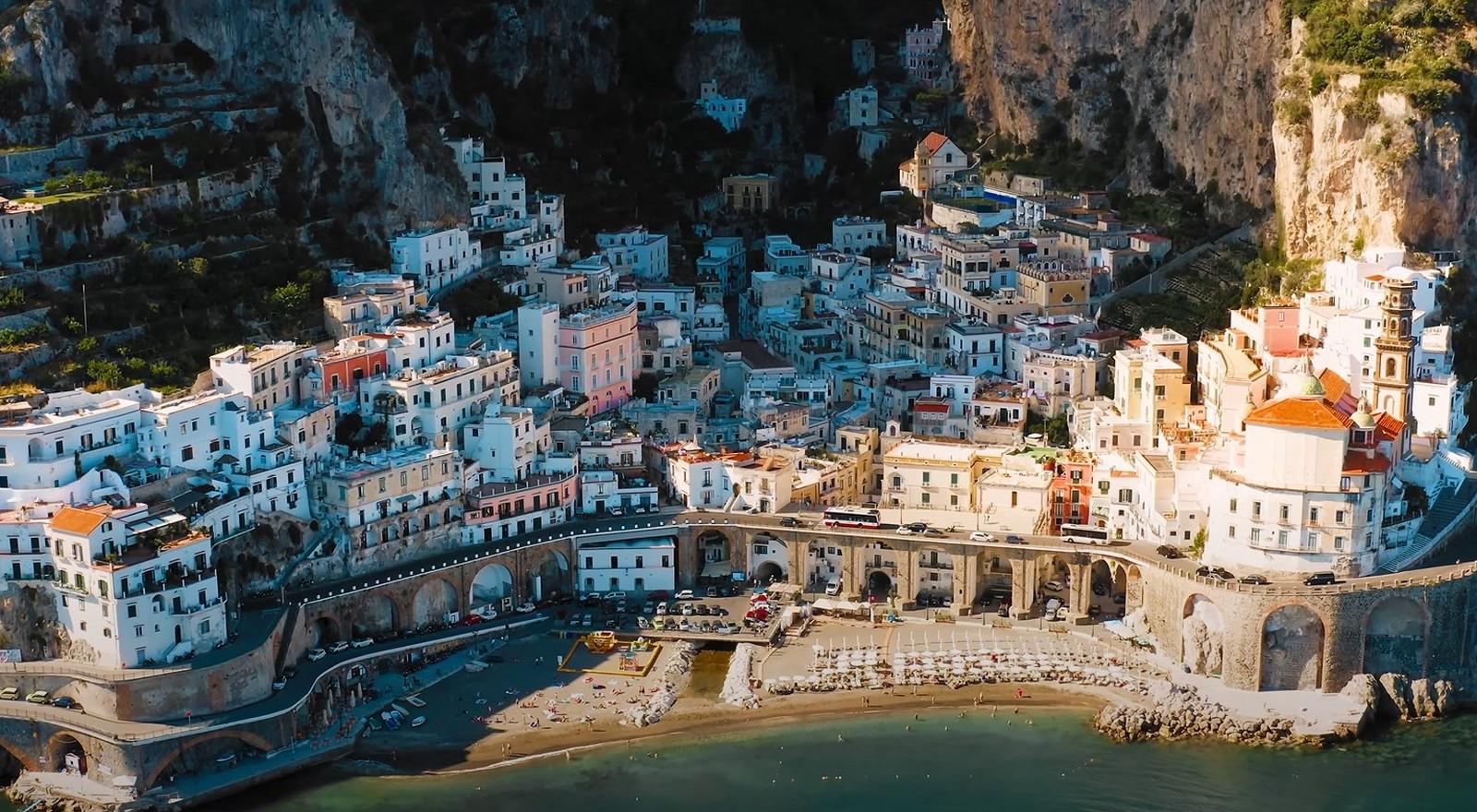
Seasonal Planning and Budget Optimization
Best Travel Periods
Late spring (May) and early autumn (September-October) provide optimal weather with reduced crowds. Summer brings perfect weather but maximum crowds and prices. Winter transforms the Dolomites into a skiing paradise while keeping lake districts peaceful and more affordable.
Shoulder season advantages: Accommodation costs drop 30-50% outside peak summer months, restaurant reservations become easier, and transportation flows more smoothly.
Click here to learn more about creating a personal itineraryBudget Breakdown Expectations
Daily costs for independent travelers range from €70-100 for budget conscious visitors staying in hostels/B&Bs, eating primarily at local establishments, and using public transport. Mid-range travelers should budget €150-220 daily for comfortable hotels, mix of restaurant meals, and occasional taxi/private transport use.
Expensive splurges: Opera tickets at La Scala (€100-300), luxury hotel nights on Lake Como (€400-800), private boat tours (€200-500), and high-end restaurant meals (€80-150 per person) can significantly impact budgets but create lasting memories.
The key to Northern Italy lies in balancing must-see destinations with hidden gems, allowing time for both structured sightseeing and spontaneous discoveries. Whether following ancient Roman footsteps in Verona’s arena, watching morning mist rise from Lake Como’s mirror surface, or savoring perfectly aged Parmigiano-Reggiano in a Parma market, this region rewards travelers who venture beyond the obvious attractions to discover its authentic Italian soul.
What we propose Emma Heidi Take all the stress out of planning your trip! With our experts, you can create the perfect itinerary for you – complete, comfortable, and tailored to all your dreams, wishes, and needs. We take care of every little detail, so you can simply focus on enjoying your journey. We’ve been designing personalized itineraries since 2015, and over the years we’ve created thousands of custom itineraries for happy clients. Save time, avoid confusion – we do the work for you. Our service saves you weeks of searching, reading, comparing, and complicated planning. Instead of wasting endless hours – you receive a ready-to-use, accurate and clear itinerary. A tailor-made itinerary – built just for you. Your itinerary is personally designed based on our experts’ real field experience and genuine feedback from hundreds of travelers – including hidden discoveries and insider tips that don’t appear in any travel guide. Smart accommodation selection – often saves you hundreds or even thousands of dollars. We help you choose verified and recommended places to stay, checking availability for your exact travel dates. Sometimes we suggest hotels not “in the center,” but in safe, convenient, and highly strategic locations – which can significantly reduce travel costs and save you even thousands of dollars. We’re by your side even during the trip. We stay with you throughout your vacation – providing professional help whenever needed. If the weather changes, there’s a strike, a local event, heavy crowds, or any unexpected situation – we are here to update, guide, and adjust your itinerary in real time. Easy-to-use itinerary – with direct navigation links. Your itinerary includes direct Waze / Google Maps links – no need to search for parking addresses, no stress, no mistakes. Just tap – and go. Want to know if it’s really worth it? Take a look at the experiences of travelers who built their personal itinerary with us. Click here and let’s start building the itinerary that will save you time, money, and stress – and turn your vacation into perfection. Of course, your first inquiry is completely free – with no commitment whatsoever. How it works
Customer Experience Manager


Service cost: from only $420. (Special price for short itineraries up to 5 days). Clients tell us the itinerary saves them costly mistakes, fines, wrong choices – plus exclusive discounts on car rentals, better-priced accommodations, and money-saving local tips.


Latest articles
Natural History Museum Vienna
Natural History Museum Vienna (Natural History Museum Vienna) is one […]
Kaprun Dam (Hochgebirgsstauseen)
Kaprun Dam (Kaprun Hochgebirgsstauseen) is a high-altitude reservoir complex set […]