France expert with over 14 years of experience - living in France since 2010 and continuously exploring its depth and authenticity. Cycled over 15,000 km, explored all 13 regions, and created more than 170 custom itineraries through villages, wineries, castles, and hidden places known only to locals. Revealing the real France that lives beyond Paris and tourist guidebooks.


Marseille
Marseille boasts 2,600 years of history, a rich blend of cultures, and the authentic spirit of Southern France that is truly unique. As the country’s second-largest city, Marseille surprises visitors with its juxtaposition of ancient Greek heritage and vibrant African neighborhoods, where luxury yachts bob alongside humble fishing boats. Unlike the polished streets of Paris, Marseille retains its authenticity as a port city, offering something for everyone.
Key Points
- Marseille — An Authentic Port City — With 2,600 years of history, Marseille is France‘s most cosmopolitan city where ancient Greek roots coexist with vibrant African neighborhoods, and luxury yachts float beside traditional fishing boats.
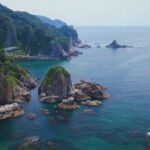
- Calanques — A Mediterranean Gem — This national park features stunning white limestone cliffs and turquoise bays along 20 kilometers of coastline. Calanque d’En-Vau is renowned for its breathtaking views, while Sormiou is ideal for family vacations.
- Cultural Heritage in Every District — Explore the street art of bohemian Le Panier, the contemporary MuCEM, the 360° panoramic views from Notre-Dame-de-la-Garde basilica, and the historic 17th-century Fort Saint-Jean.
- Best Time for Savings — Visiting in May-June or September-October offers accommodation discounts of 30-40%, fewer tourists, and pleasant temperatures of 22-25°C, along with active sea routes.
- Smart Transport Planning — The 72-hour City Pass (€39) covers transport and museum entry, while the airport bus costs €8.60 compared to a €30 taxi. Booking TGV tickets early can save up to €100.
- Optimal 3-Day Itinerary — Day 1: Explore the historic center and basilica; Day 2: Discover the calanques and beaches; Day 3: Visit museums and the Cours Julien district for a full immersion in the city’s atmosphere.
About Marseille in Brief
This guide provides an in-depth look at Marseille, France’s second-largest city, which retains the authentic charm of a historical port. Unlike the polished image of Paris, Marseille captivates visitors with its cultural diversity and the genuine spirit of Southern France.
What You’ll Find in This Guide:
- Up-to-date prices for transport, accommodation, and attractions, along with economical alternatives.
- Detailed routes through each district, from the historic Le Panier to the modern Joliette.
- Practical advice for visiting the calanques, including accessibility and restrictions.

Planning Your Trip to Marseille
The ideal times to visit Marseille are from May to June and September to October. During these months, temperatures range from 22°C to 25°C, tourist crowds are significantly lighter, and accommodation prices can drop by 30-40% compared to the summer peak. All sea routes to the calanques are operational during this period, and lines for popular excursions are minimal.
Climate and Weather by Month
- Spring (March-May): 15-22°C, occasional rain, moderate prices.
- Summer (June-August): 25-32°C, peak season, high prices, many tourists.
- Autumn (September-November): 18-25°C, warm sea, an excellent time to visit.
- Winter (December-February): 8-15°C, mild climate, some sea excursions may not operate.
Transportation and Getting Around Marseille
RTM Metro (2 lines: M1 and M2, 29 stations)
M1: La Rose ↔ La Fourragère (18 stations, 12.7 km) — passes through the city center.
M2: Sainte-Marguerite-Dromel ↔ Bougainville (12 stations, 8.8 km) — connects the northern and southern parts of the city.
Trams
Trams supplement the metro service, covering eastern areas and the coastline. They are particularly convenient for trips to the beaches and shopping centers.
Buses
Key routes include: №60 (to the basilica), №83 (to Prado beaches), №20 (to calanques), and B1 (to Sormiou calanque).
Tickets and Passes
- Single tickets: €1.70 (valid for 59 minutes across all transport types).
- Day passes: 24 hours (€5.20), 72 hours (€10.80).
- Weekly pass: €15.50.
- City Pass: 24 hours (€24), 48 hours (€31), 72 hours (€39) — includes transport and museum admissions.
- Where to buy: Available at machines, ticket offices, and the RTM app.
- Discounts: Free for children under 6, 50% off for children aged 6-18 and students under 27.
Alternative Transportation
- Walking: The best way to explore the center. It takes about 30 minutes to walk uphill from the Old Port to the basilica, 10 minutes to MuCEM, and 15 minutes to Le Panier.
- Le Vélo bikes: With 1,000 bikes available at 100 stations, the first 30 minutes are free, followed by €1 per hour. Subscriptions can be managed through the app.
- Electric scooters: Offered by Lime and Voi, costing €0.25 per minute after a €1 unlock fee. They are available until 21:00.
- Taxis and Uber: Base fare is €3.10, with an additional charge of €1.06 per kilometer during the day. Uber fares are typically 15-20% cheaper.
- Ferry across the Old Port: Costs €0.50 and runs every 20 minutes, connecting the town hall with Fort Saint-Jean, thus saving 15 minutes of walking.
Marseille Districts and Their Attractions
Old Port and Center (Vieux-Port)
The heart of the city, steeped in 2,600 years of history, remains its main attraction. The port serves as a marina for yachts and fishing boats, retaining the essence of the Mediterranean’s trading center.
Fish Market at Quai de la Fraternité
Open daily from 8:00 AM to 1:00 PM, the fish market at Quai de la Fraternité (formerly Quai des Belges) features fishermen selling their catch directly from their boats. Prices include sea bream at €12 per kg, sea bass at €18 per kg, and mussels at €3 per kg. The city’s top restaurants source their fish here to prepare the renowned bouillabaisse. The market buzzes with energy, particularly on Fridays and Saturdays, when buyers from the suburbs flock to the area.
Town Hall (Hôtel de Ville)
Built in 1673 in the Provençal Baroque style, the town hall boasts a facade adorned with the city’s coat of arms and royal lilies. It is open on weekdays from 8:30 AM to 6:00 PM, although entry is restricted to official business. Inside, visitors can admire historic halls and a collection of paintings from the 18th and 19th centuries.
Fort Saint-Nicolas
This star-shaped fortress, constructed in the 17th century, guards the southern entrance to the port. After being closed for 360 years, the fort has reopened to the public. The fort gardens are accessible:
- In May: Saturdays and Sundays from 12:00 PM to
10:00 PM - The rest of the year: Wednesday to Sunday from 12:00 PM to
10:00 PM
The views from the fort are particularly stunning at sunset when the golden light bathes the white stone buildings of the waterfront, making it a perfect spot for photographs of the port.
Le Panier — The Oldest District
The most atmospheric quarter of the city features a maze of narrow streets that rise from the port up the hillside. This area is home to the best examples of street art, historic monuments, and trendy galleries.
La Vieille Charité
This Baroque complex, built between 1671 and 1749, once served as a shelter for the poor. Its central chapel, crowned with a dome, is a masterpiece by architect Pierre Puget.
Practical Information:
- Entry to the complex: Free
- Museum entry: Paid
- Opening hours: Tuesday to Sunday from 9:00 AM to 6:00 PM (closed Mondays)
- First Sundays of the month: Free museum entry
- Highlights: Museum of Mediterranean Archaeology, Museum of African, Oceanic and American Indian Arts, contemporary art temporary exhibitions, and the Baroque chapel with an oval dome.
La Major Cathedral
One of France’s largest cathedrals, La Major exemplifies Romano-Byzantine architecture with its striking alternating green and white stone.
Practical Information:
- Length: 142 m, Height of Dome: 70 m
- Capacity: Up to 3,000 people
- Opening Hours: Daily from 10:00 to 19:00 (closed on Tuesdays)
- Entry: Free
- Mass: Held regularly (check schedule for details)
Attractions: Impressive interior featuring mosaics, an organ, an altar, stained glass windows, the tomb of Saint Eugene de Mazenod, and a collection of saint paintings in the Virgin’s chapel. The best views can be enjoyed from the terrace before the entrance to the New Port.
Marseille History Museum
Situated in the Centre Bourse shopping complex, the museum showcases the city’s 2,600-year history.
Practical Information:
- Entry: Free
- Opening Hours: Tuesday to Sunday, 9:00 to 18:00
- Closed: Mondays (except Easter and Whit Mondays), January 1, May 1, November 1 and 11, December 25
- Ticket Office: Closes 30 minutes before museum closing time
- Audio Guide: Available in English for an additional fee
Attractions: Archaeological finds from Greek Massalia to the present, a reconstruction of an ancient merchant ship, interactive exhibitions on port development, models of the ancient city, and the world’s largest fleet of ancient ships.
Street Art
Authorities have officially permitted artists to use walls, transforming the district into an open-air gallery. The best works can be found on Panier, Montée des Accoules, and Place de Lenche streets. Graffiti is regularly updated, ensuring new discoveries with each visit.
Safety: The district is safe during the day, but may become restless in remote alleys after 22:00. Main tourist streets are patrolled.

Joliette — Cultural Quarter
MuCEM — Museum of European and Mediterranean Civilizations
This iconic museum, designed by architect Rudy Ricciotti, is housed in a distinctive cube-shaped building.
Practical Information:
- Opening Hours: Daily except Tuesdays (exact hours may vary by season)
- Entry: Family ticket costs €18
- Free Admission: First Sunday of each month
- Audio Guides: €3.50 available in five languages (including English)
- Access to External Spaces: Free during museum hours
Attractions: The collection spans 4,000 years of Mediterranean history, featuring everything from ancient amphorae to contemporary art. The permanent exhibition occupies several floors, and temporary exhibitions are frequently updated. The rooftop viewing terrace offers panoramic views of the port and sea.
Fort Saint-Jean — 1660 Fortress
This historic fortress is part of the MuCEM complex.
Practical Information:
- Entry: Free access to external areas and gardens
- Opening Hours: Daily except Tuesdays
- Access: Reachable via a bridge from MuCEM or from below at the port
- Indoor Exhibitions: Require a MuCEM ticket.
What to See: The Tower of King René, dating back to the 15th century, is the oldest part of the fortress. Explore gardens filled with Mediterranean vegetation, enjoy viewing platforms at various levels, and visit fort history exhibitions in the casemates. You’ll also find panoramic views of the city and sea.
Click here to create a personal itinerary for FranceLes Terrasses du Port — Shopping and Entertainment Center
This large shopping center, which opened in 2014, offers stunning views of the Mediterranean Sea.
Practical Information:
- Shops: Approximately 190 stores, ranging from mass market to luxury brands.
- Opening Hours: Daily.
- Parking: 2,600 spaces available.
- Area: 61,000 m² spread across four floors.
What to See: Restaurants with terraces overlooking the sea, a cinema, and a large 3,000 m² rooftop terrace offering panoramic views of the port. The anchor store is Printemps, alongside international brands like Zara, H&M, Ted Baker, and Uniqlo.
Cours Julien — Bohemian District
Known as the hub of youth culture, this vibrant district is famous for its bars, vintage shops, and impressive street art. It comes alive in the evenings when numerous establishments open their doors.
La Plaine Market
La Plaine Market operates as follows:
- Main Market: Tuesday, Thursday, Saturday from 7:30 AM to 1:00 PM.
- Farmers Market: Friday from 4:00 PM to 7:00 PM (winter) / until 8:00 PM (summer).
What to Buy: Organic products from local farmers, vintage clothing starting at €5, antiques, art objects, and street food such as crepes, falafel, and Thai dishes (€5-8). Saturdays feature the largest selection and a lively atmosphere.
Street Art and Entertainment
Street Art and Graffiti: The concentration of artwork here surpasses that found in Le Panier. The best pieces are located on Cours Julien, Rue Crudère, and Rue Pastoret. The annual Juste Ici festival attracts artists from around the globe.
Shops: Vintage clothing priced between €10-50, records at Warm Up Records and Doucette Doudou, and books and comics at Librairie Transit. Local boutiques offer designer jewelry.
Nightlife: Over 20 bars can be found on a single street, with beer priced at €4-6 and cocktails at €8-12. Popular venues include Red Lion (an Irish pub), La Caravelle (featuring a terrace with views), and Le Pas Sage (hosting concerts).

Notre-Dame de la Garde Basilica
Rising 154 meters above sea level, this iconic landmark features an 11.2-meter golden statue of Madonna that has guided sailors for more than 150 years.
Opening Hours and Access:
- Opening Hours: 7:00 AM – 7:45 PM (April-September), 7:00 AM – 6:45 PM (October-March).
- Entry: Free.
- Masses: 8:00 AM and 6:30 PM, but it’s advisable to check in advance.
How to Get There:
- Bus №60: Departing from MuCEM, Hôtel de Ville, and Old Port every 20 minutes. Ticket price is approximately €2.80.
- Walking: A 30-40 minute uphill walk from the city center.
- Tourist Train: Available from the town hall.
- Taxi: Costs between €10-15 from the center.
What to See: Enjoy a 360-degree panorama that encompasses the entire city, the calanques, islands, and, on clear days, the Alps to the north. The Basilica Museum offers insights into the area’s history. Note that the Madonna statue is currently under restoration and is temporarily unavailable for viewing.
Best Time to Visit: Sunset (many tourists arrive an hour prior), early morning (7:00-9:00 for fewer crowds), and during the winter months (for clean air and good visibility).
Since 2015, our website has specialized in individual planning of unique routes, taking into account personal preferences and desires. Each of you will receive a unique PDF file from us, which contains everything you need: travel routes, car rentals, hotels, the best tourist attractions, attractions for kids and everything you need for a perfect vacation. During the trip, we are available for you by phone via WhatsApp. Our personal service provides information from A to Z, taking into account many small details that can become a decisive factor on the way from a wasted trip to an unforgettable vacation. Our service will make your trip comfortable, save a lot of time on planning and preparation, and most importantly – will allow you to become freer and fully enjoy the pleasure of the trip.
Southern Districts and Marseille Beaches
Longchamp Palace (Palais Longchamp)
Constructed in 1869 to commemorate the completion of the canal that supplied water to the city:
- Park Entry: Free and open 24/7.
- Fountains: Operate from 10:00 to 18:00.
- Fine Arts Museum: Free admission, open Tuesday to Sunday from 9:00 to 18:00.
- Natural History Museum: Free admission, same hours.
- First Sunday of Each Month: Free entry to all city museums.
The central cascade of fountains, paired with the colonnade, creates a breathtaking composition. The palace houses two museums with collections ranging from antiquity to the 19th century. The park behind the palace is regarded as one of the city’s most beautiful, featuring rare trees and sculptures.
Marseille Beaches
Plage de Catalans: The closest beach to the city center, just a 15-minute walk from the port. This 200-meter sand-pebble beach has a family-friendly atmosphere, complete with Chez Jeannot restaurant offering sea views, as well as free showers and toilets.
- Sunbeds: €8 per day; Umbrellas: €5 per day.
Plage du Prado: The largest city beach, featuring a 2-kilometer sand-pebble strip. Accessible via metro to Rond-Point du Prado or Castellane stations, followed by bus №83 or №19. The beach is equipped with volleyball courts, and lifeguards are on duty from 9:30 to 19:00 during July and August.
- Parking: Starting at €1 per hour (fills up early in the morning).
Plage de la Pointe Rouge: A protected bay with calm waters. Reachable by metro to Castellane or Rond-Point du Prado stations, then bus №19. In summer, sea shuttles also operate from the Old Port. This beach features a diving center and restaurants.
- Shuttles: €5 one way.
- Shuttle Schedule: 8:00-19:00 (low season), 8:00-22:00 (June 28-August 31).
Plage des Goudes — This is the most remote wild beach, featuring several small coves nestled between rocks. To reach it, take bus №20 to the final stop, which takes about 45 minutes from the city center. In the summer, sea shuttles also depart from Pointe Rouge. There are no facilities on the beach, so it is advisable to bring your own food and water. The beach offers stunning views of the calanques.
- Shuttles from Pointe Rouge: €5, operating hourly from 8:50 to 19:50.

Islands off the Coast
Château d’If
The 16th-century fortress-prison located on the island of the same name is accessible via ferries that depart daily from the Old Port. The frequency varies by season, and the journey takes about 20 minutes.
- Round-trip ticket: €11.10 for adults; free for children under 4.
- Castle entry: €6 for adults; free for youths under 18 and EU citizens under 25.
- Combo ticket (ferry + entry to two islands): €16.70.
- Russian audio guide: €3.
The fortress gained fame from Dumas’ novel “The Count of Monte Cristo,” with cells that recreate scenes from the book, along with an exhibition about prison history. The views of Marseille from the island are considered some of the best. Note that the island restaurant operates only in summer and has high prices, so it is better to bring your own snacks.
Frioul Islands
This archipelago consists of four islands: Ratonneau, Pomègues, If, and Tiboulen. The ferry first stops at Château d’If before continuing to Frioul, where passengers disembark on Ratonneau island. Ratonneau features beaches, restaurants, and a hotel. A causeway connects Ratonneau and Pomègues islands, forming a port.
- Ticket to Frioul only: €11.10 round-trip.
- Family rate: €8.30 (for groups of 4 or more, including at least 1 child aged 4-12).
- Group rate: €9.90 (for groups of 10 or more).
- Summer evening trips after 19:00: €5.60 round-trip to Frioul.
The islands offer hiking trails that last 2-4 hours, and diving to view shipwrecks is popular. Fort Ratonneau can be seen from the outside. The islands are rich in military ruins and remnants of the old Caroline hospital and are part of Calanques National Park.
Departure from the Old Port is at Fraternité quay. Tickets can be purchased online, at ticket offices, or on board. Trip frequency depends on the season and weather conditions; trips may be canceled in poor weather.

Natural Attractions Outside the City
Calanques — National Park
Calanques National Park extends 20 km along the coast between Marseille and Cassis, featuring stunning landscapes of white limestone cliffs, turquoise coves, and crystal-clear waters. The park is open 24/7 and free to visit, though access may be limited during the summer due to fire hazards. Some popular calanques require advance registration in the high season.
Popular Calanques
Calanque de Sormiou is one of the most accessible calanques. You can reach it by taking bus B1 from Castellane metro to the Sormiou stop, followed by a 45-minute walk on a well-maintained trail. This fishing village, with its 30 houses, maintains an authentic atmosphere and offers the Chez Le Belge restaurant and kayak rentals.
Prices and Hours:
- Parking: €5/day (July-August), free in winter
- Chez Le Belge restaurant: open year-round
- Kayak rental: €25/day
Calanque d’En-Vau is considered the most photogenic of all calanques. The hike from Cassis takes about an hour and a half, or 45 minutes from Col de la Gardiole. The descent is very steep, so wearing sports shoes is essential. This calanque has no infrastructure, preserving its wild beauty. The best photos can be taken from the rocks above, showcasing the stunning turquoise water.
Calanque de Morgiou is a working fishing harbor with fewer tourists. You can reach it by taking bus №21 to Cayolle, followed by a 30-minute walk. Unlike other calanques, this one is accessible by car, with parking available for €3/hour.
Click here to create a personal itinerary for FranceLes Goudes — Fishing Village
Located at Marseille’s southernmost point, Les Goudes is an authentic fishing village surrounded by calanques. It can be reached by bus №20 from Castellane metro station, with a journey of about 45 minutes. Parking is limited, and fines for improper parking are €135, along with the possibility of towing. The locals rely on fishing and tourism, and many houses are built directly on the rocks. Private rocky beaches are nestled between the cliffs, and hiking trails to remote calanques start here, making it an ideal base for hiking.
Prices and Hours:
- Sea shuttle from Old Port: €8 per trip (free with RTM pass)
- Improper parking fine: €135 + towing
The atmosphere here is unique, resembling a remote fishing village rather than a suburb of a major city. Locals earn their livelihoods from fishing and tourism, with many homes situated directly on the rocks. Hiking trails leading to wild calanques, inaccessible by boat, begin here.

Three Days in Marseille
Day 1: Historic Center
Morning (9:00-12:00)
- Breakfast at Old Port
- Visit the fish market at Quai des Belges
- Explore MuCEM and Fort Saint-Jean
Afternoon (12:00-17:00)
- Lunch in Le Panier
- Walk through the historic district
- Visit La Major Cathedral and La Vieille Charité
Evening (17:00-21:00)
- Climb to Notre-Dame de la Garde Basilica
- Enjoy the sunset with panoramic views
- Dinner at a port restaurant
Day 2: Calanques and Beaches
Morning (8:00-12:00)
- Sea Excursion to Calanques (3.5 hours)
- Enjoy swimming in turquoise coves.
Day (12:00-17:00)
- Lunch in Cassis or on the beach.
- Visit Catalans or Prado beach.
- Relax on the sandy shore.
Evening (17:00-22:00)
- Explore Cours Julien, a bohemian quarter.
- Browse vintage shops and galleries.
- Dine and enjoy drinks in this creative district.
Day 3: Museums and Shopping
Morning (9:00-12:00)
- Visit Longchamp Palace and its museums.
- Stroll through the park with fountains and sculptures.
- See Le Corbusier’s Unité d’Habitation.
Day (12:00-17:00)
- Shop on Rue Saint-Ferréol.
- Enjoy views at Les Terrasses du Port.
- Find local souvenirs and delicacies.
Evening (16:00-20:00)
- Explore Frioul Islands or Château d’If.
- Have a farewell aperitif with pastis.
- Dine at a fine restaurant.

Expert Review of Marseille Travel
After two decades of studying Mediterranean cities, Marseille continues to surprise. Arriving in June, I headed straight to Notre-Dame de la Garde Basilica, and it was the right decision. Taking bus number 60 from the Old Port (just 2 euros round-trip), I found myself at the foot of this iconic city landmark, standing at 154 meters high. The panoramic view from here opens up to the entire city, harbor, and Mediterranean Sea—truly a breathtaking sight.
However, my real discovery awaited me in the Le Panier district. This oldest quarter of Marseille, located on a hill with narrow streets leading to cozy squares, resembles a Provençal village in the heart of a bustling city. The colorful facades of old houses, flower-filled streets, and stunning street art murals make walking here an unforgettable experience.
Culinarily, Marseille surprised me with bold flavor combinations. At Regain on Rue Saint-Pierre, I tried tender cauliflower with sunflower tahini and beef tartare with Pink Lady apples and sesame. At L’Épuisette, a restaurant overlooking Vallon des Auffes port, they serve exquisite seafood dishes in a Mediterranean style.
Marseille requires time and patience, but this is what makes it special. Unlike the postcard beauty of other French cities, here you need to delve into the details to truly understand its genuine soul.
Click here to learn more about creating a personal itineraryExpert Tips for Better Marseille Travel
How many days are needed for a visit to Marseille?
A minimum of 2-3 days is needed for the main attractions. For a full city experience and day trips, 5-7 days are recommended.
Is Marseille safe for tourists?
Marseille is generally safe for tourists, but it’s best to avoid the Quartiers Nord, Malpassé, Felix Payat, and Le Caillols areas, especially at night. Be cautious of pickpockets at Saint-Charles station and other tourist spots.
Do you need a car in Marseille?
A car is unnecessary for the city center; walking or using public transport is preferable. However, a car may be needed for trips to the Calanques or other regional destinations.
What’s Marseille’s main attraction?
The Notre-Dame de la Garde Basilica is the city’s symbol, located at the highest point (154 m). Locals refer to it as “La Bonne Mère” (Good Mother).
What are the Calanques, and how can you get there?
The Calanques are a national park featuring limestone cliffs and coves that stretch 20 km along the coast. They can be reached by Bus B1 from Castellane metro or through boat excursions from the Old Port.
Which museums should you visit?
Must-visit museums include MuCEM (Museum of Mediterranean Civilizations) with a free viewing terrace, Fort Saint-Jean (free entry), and Longchamp Palace, which houses two museums.
Where is the best place to try bouillabaisse?
Authentic bouillabaisse can be found at restaurants in the Old Port, made from fish caught that same morning in the Mediterranean Sea.
Is Marseille suitable for families with children?
Yes, the city has beaches, parks, and museums with interactive exhibitions. Children will also enjoy boat trips and a visit to Château d’If.
What we propose Emma Heidi Take all the stress out of planning your trip! With our experts, you can create the perfect itinerary for you – complete, comfortable, and tailored to all your dreams, wishes, and needs. We take care of every little detail, so you can simply focus on enjoying your journey. We’ve been designing personalized itineraries since 2015, and over the years we’ve created thousands of custom itineraries for happy clients. Save time, avoid confusion – we do the work for you. Our service saves you weeks of searching, reading, comparing, and complicated planning. Instead of wasting endless hours – you receive a ready-to-use, accurate and clear itinerary. A tailor-made itinerary – built just for you. Your itinerary is personally designed based on our experts’ real field experience and genuine feedback from hundreds of travelers – including hidden discoveries and insider tips that don’t appear in any travel guide. Smart accommodation selection – often saves you hundreds or even thousands of dollars. We help you choose verified and recommended places to stay, checking availability for your exact travel dates. Sometimes we suggest hotels not “in the center,” but in safe, convenient, and highly strategic locations – which can significantly reduce travel costs and save you even thousands of dollars. We’re by your side even during the trip. We stay with you throughout your vacation – providing professional help whenever needed. If the weather changes, there’s a strike, a local event, heavy crowds, or any unexpected situation – we are here to update, guide, and adjust your itinerary in real time. Easy-to-use itinerary – with direct navigation links. Your itinerary includes direct Waze / Google Maps links – no need to search for parking addresses, no stress, no mistakes. Just tap – and go. Want to know if it’s really worth it? Take a look at the experiences of travelers who built their personal itinerary with us. Click here and let’s start building the itinerary that will save you time, money, and stress – and turn your vacation into perfection. Of course, your first inquiry is completely free – with no commitment whatsoever. How it works
Customer Experience Manager


Service cost: from only $420. (Special price for short itineraries up to 5 days). Clients tell us the itinerary saves them costly mistakes, fines, wrong choices – plus exclusive discounts on car rentals, better-priced accommodations, and money-saving local tips.


Latest articles