My name is Neta Gimpel, and I have been working in the tourism industry for over 13 years. Today I manage partnerships with leading travel service providers – from car rentals and insurance to hotels, airlines, local guides, and top attractions worldwide. In addition, I am an active travel blogger and an expert who lives and breathes travel every day. If you are planning a trip and want to make it comfortable, well-planned, and truly unforgettable, I will be happy to help. Let’s turn your travel dream into reality!


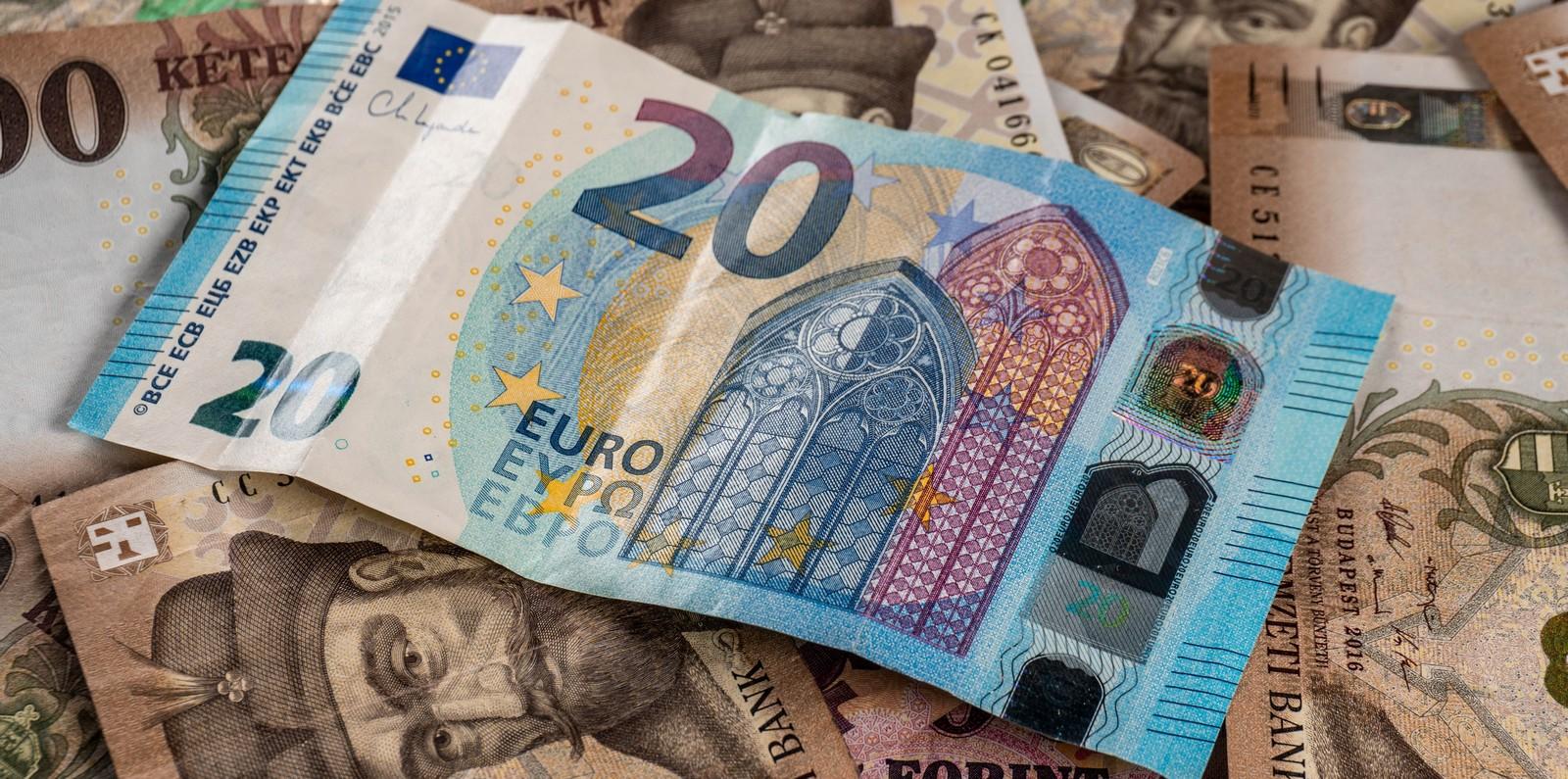
Croatia
Croatia is a remarkable country where ancient history seamlessly merges with the crystal-clear waters of the Adriatic Sea. A vacation in Croatia offers an exceptional blend of cultural heritage, natural beauty, and the Mediterranean lifestyle. With over a thousand islands, eight national parks, and medieval cities, Croatia is one of Europe’s most sought-after destinations.
Key Highlights
- Diocletian’s Palace in a Living City — This unique UNESCO monument in Split is home to 3,000 residents who live and work within the walls of a 3rd-century Roman palace. Tours of the basement cost €8, and for €6, you can climb the bell tower for stunning views of the Adriatic.
- Dubrovnik — King’s Landing from “Game of Thrones” — Experience the iconic city walls for €35, offering breathtaking views of the red-tiled roofs. For €27, take the cable car up to Mount Srđ and explore various filming locations from the legendary series.
- Plitvice Lakes — Cascades of 16 Lakes — This UNESCO National Park features 140 waterfalls, with new ones forming annually due to limestone deposits. Tickets in the summer are €40, so it’s best to arrive at opening time, 8 AM.
- Island Gems of the Adriatic — Explore Hvar, known for its lavender fields and world-class beach clubs; Brač, famous for the Zlatni Rat beach; and Korčula, the birthplace of Marco Polo, which offers Grk white wine.
- Sea Organ in Zadar — This unique architectural installation transforms sea waves into music through 35 tubes. It operates 24/7, producing a continuous, ever-changing melody.
- Budget and Seasonality — The best times to visit for a favorable price-to-weather ratio are May-June and September-October. A dinner for two costs between €40-60, but prices can double during the high season (July-August).
Article Overview
This comprehensive Croatia travel guide provides essential information for planning a trip to the “Pearl of the Adriatic.” It covers all facets of travel—from transportation and accommodation to cultural features and gastronomy.
What the guide includes:
- Transportation: Details on flights to Zagreb, Split, and Dubrovnik, car rental options, and ferry rates to the islands.
- Cities and Regions: Highlights of Dubrovnik, Split, and Zagreb, including major attractions and entrance fees.
- Islands: Information on Hvar, Korčula, Brač, Vis, and Mljet, detailing the specifics of each destination.
- Nature: Information on eight national parks, including Plitvice Lakes and Krka, which offer swimming opportunities.
- Beaches: A classification of rocky, pebble, and rare sandy beaches by region.
- Practical Tips: A ready-made 7-day itinerary, cultural insights, regional cuisine, and recommendations for indigenous wines.
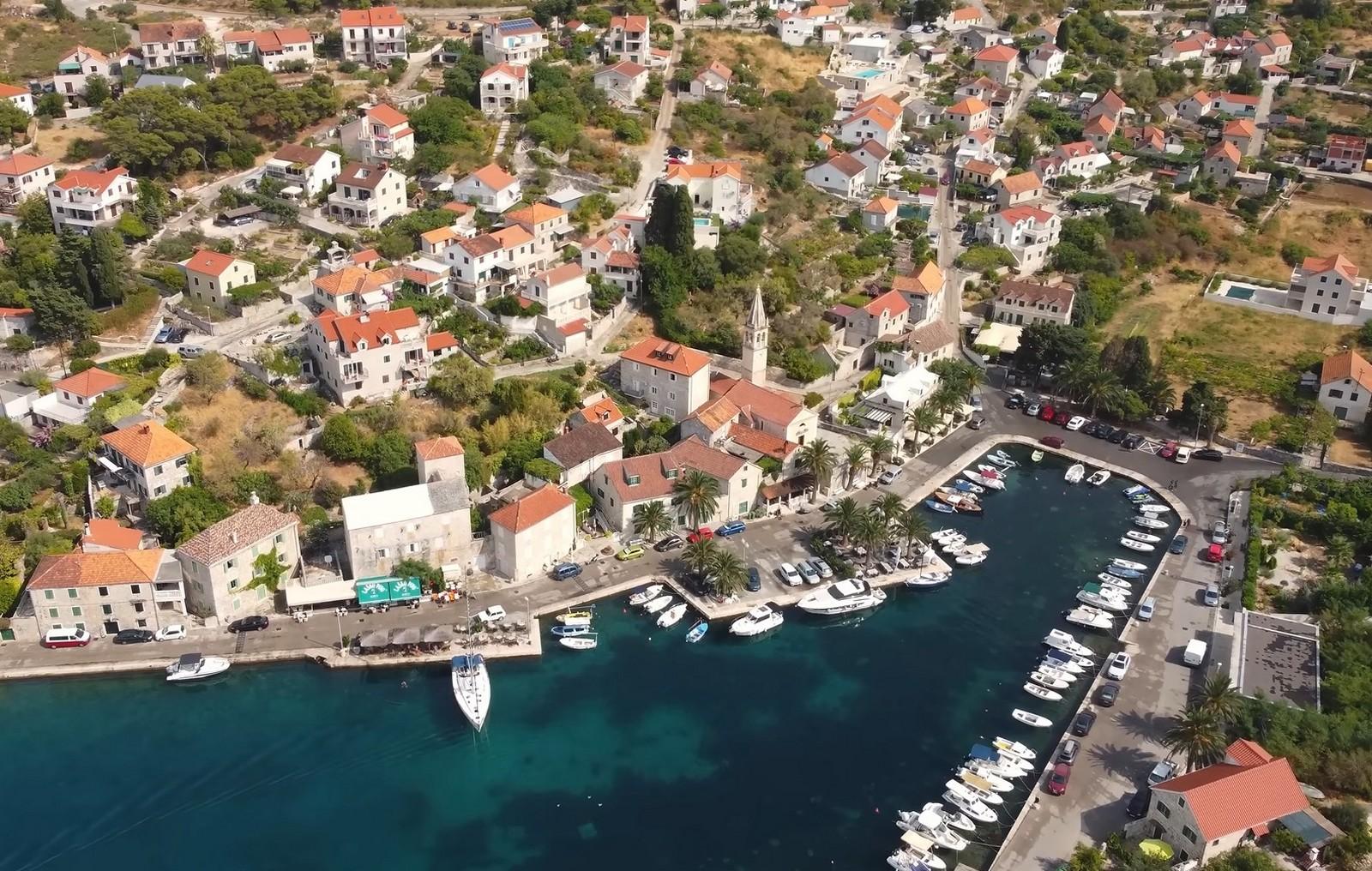
How to Get to Croatia and Transportation
Getting to the Country
When planning tours to Croatia, flying is the most convenient way to reach the country. The primary international airports are located in Zagreb, Split, and Dubrovnik. Zagreb Airport, the largest in the country, handles flights from most European capitals. For those vacationing along the coast, flying to Split or Dubrovnik is more practical, as these airports are much closer to the main resort areas.
Main Croatian Airports:
- Zagreb (Zagreb Airport) — the primary gateway to the continental part of the country.
- Split (Split Airport) — the ideal choice for a Central Dalmatia vacation.
- Dubrovnik (Dubrovnik Airport) — the best option for exploring the southern coast.
Car routes from neighboring countries are well-developed, thanks to modern highways A1, A3, and A6. The route through Slovenia is particularly scenic, winding through the Alps and foothills, offering stunning views. Many travelers prefer this route, despite needing to purchase a Slovenian vignette, which costs €15 for a week.
Unfortunately, railway connections are poorly developed, especially toward the coast. Trains primarily operate in the continental part of the country, making it nearly impossible to reach destinations like Split or Dubrovnik by train.
Click here to learn more about creating a personal itineraryTransportation Within the Country
Car rental is undoubtedly the best way to explore Croatia. The roads are in excellent condition, particularly on the main highways; however, some sections require tolls. For instance, driving on the A1 highway from Zagreb to Split costs between €20 and €25. Parking in historic city centers generally costs €1-2 per hour, with prices rising to €4 per hour during the summer near the beaches.
Bus connections between cities are well-established, especially on major routes. Companies such as Autotrans and Croatia Bus service most destinations, but it’s advisable to purchase tickets in advance during the summer months. A trip from Zagreb to Split costs €25, while the fare from Split to Dubrovnik is €15.
Ferries to islands are a vital part of Croatia’s transportation system. The main company, Jadrolinija, connects the mainland with all inhabited islands. Ferry schedules are generally reliable, but it is recommended to arrive early in the summer, as seats may sell out quickly. A pedestrian ticket from Split to Hvar costs €7, and if you are bringing a car, the fare is €45.
Top Destinations and Cities in Croatia
Dubrovnik — The Pearl of the Adriatic
Old Town and City Walls (UNESCO)
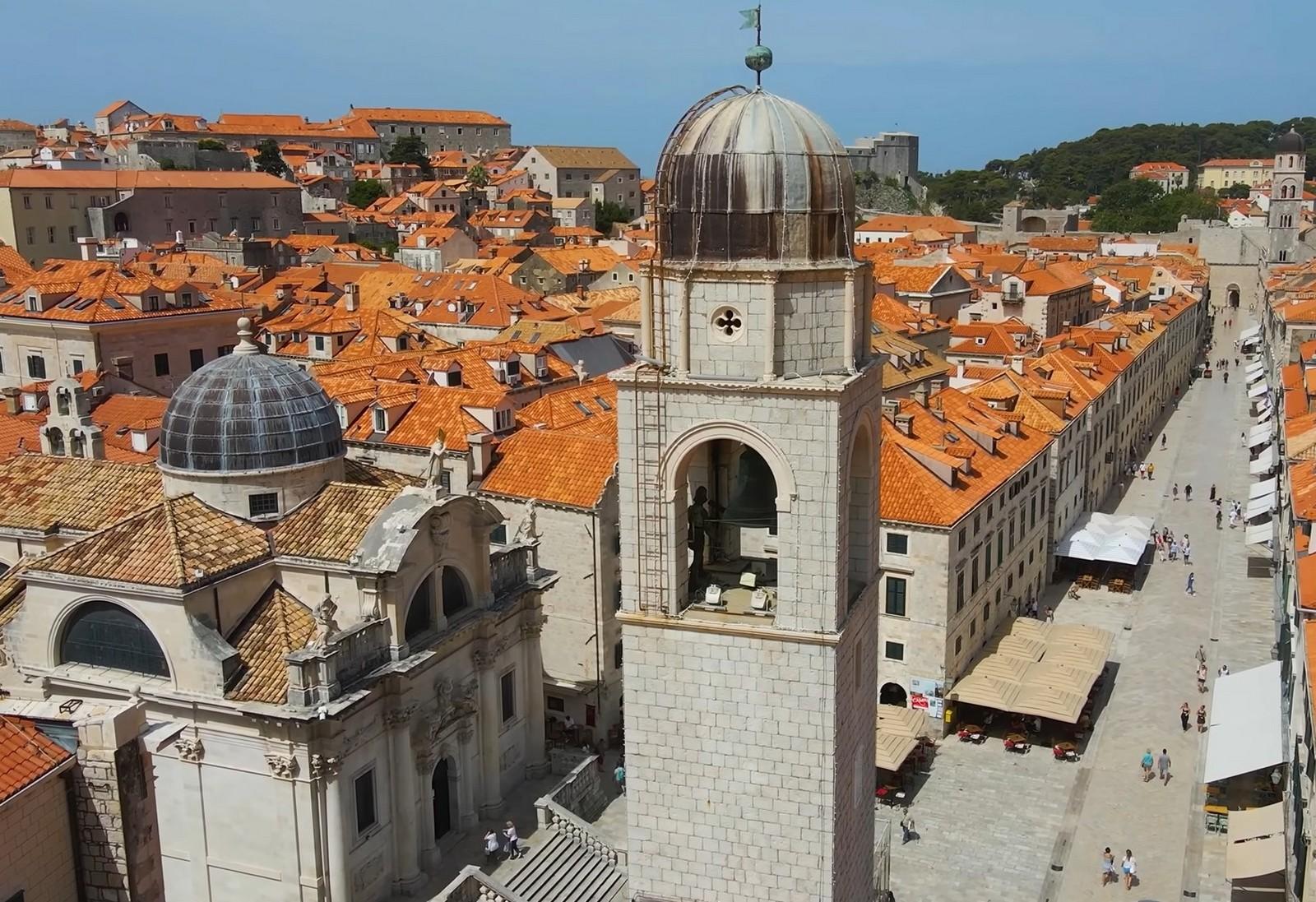
Dubrovnik’s Old Town is encircled by massive walls built between the 12th and 17th centuries. Stretching 2 km long and reaching heights of up to 25 m and thicknesses of up to 6 m, these walls are among Europe’s most impressive fortifications. Walking along the walls (ticket €35) takes 1.5 to 2 hours and provides breathtaking views, particularly at sunset.
Tourist tips: Arrive before 9:00 AM or after 4:00 PM, and remember to bring water and a hat.
Best viewpoints:
- Minčeta Tower (37 m, panoramic view of the city).
- Lovrijenac Fortress (“Gibraltar of Dubrovnik,” perched on a cliff).
- Revelin, guarding the eastern gates.
Dubrovnik and “Game of Thrones”
The city served as the backdrop for King’s Landing in the “Game of Thrones” series. Notable locations include the stairs at St. Ignatius Church, which represent the “walk of shame,” Lovrijenac Fortress, standing in as the Red Keep, and Luža Square, depicting the Great Sept.
Filming Location Tours: Priced at €20-25 for a 1.5-hour experience, guides provide behind-the-scenes insights.
Main Locations:
- St. Ignatius stairs — “walk of shame” scene.
- Lovrijenac Fortress — Red Keep.
- Luža Square — Great Sept.
- Rector’s Palace — Hand of the King’s Tower.
- Harbor — King’s Landing port.
Cable Car and Panoramic Views
The Dubrovnik cable car ascends to Mount Srđ in just 3 minutes, reaching a height of 412 meters. The ride offers stunning views of the city, islands, and coastline. Ticket prices are €27 for a round trip or €18 one way. The cable car operates from 9:00 AM to midnight in the summer and until 5:00 PM in the winter, with departures every 30 minutes.
At the summit, the Panorama restaurant invites you to enjoy a meal while taking in the sunset. The average cost for two is between €40-60, but the views make it worthwhile.
Beaches and Surroundings
Banje, the main city beach, is just a 10-minute walk from the Old Town. This pebble beach features a well-developed infrastructure, including showers, changing rooms, cafes, and deck chair rentals for €15 per day.
Lapad Beach, located on the peninsula of the same name, is favored by locals for its more tranquil atmosphere and fewer tourists. Copacabana Beach, also on the Lapad peninsula, is one of the few sandy beaches in the Dubrovnik area, making it particularly appealing for families with children.
Split, Croatia — Ancient Roman Heritage
Diocletian’s Palace
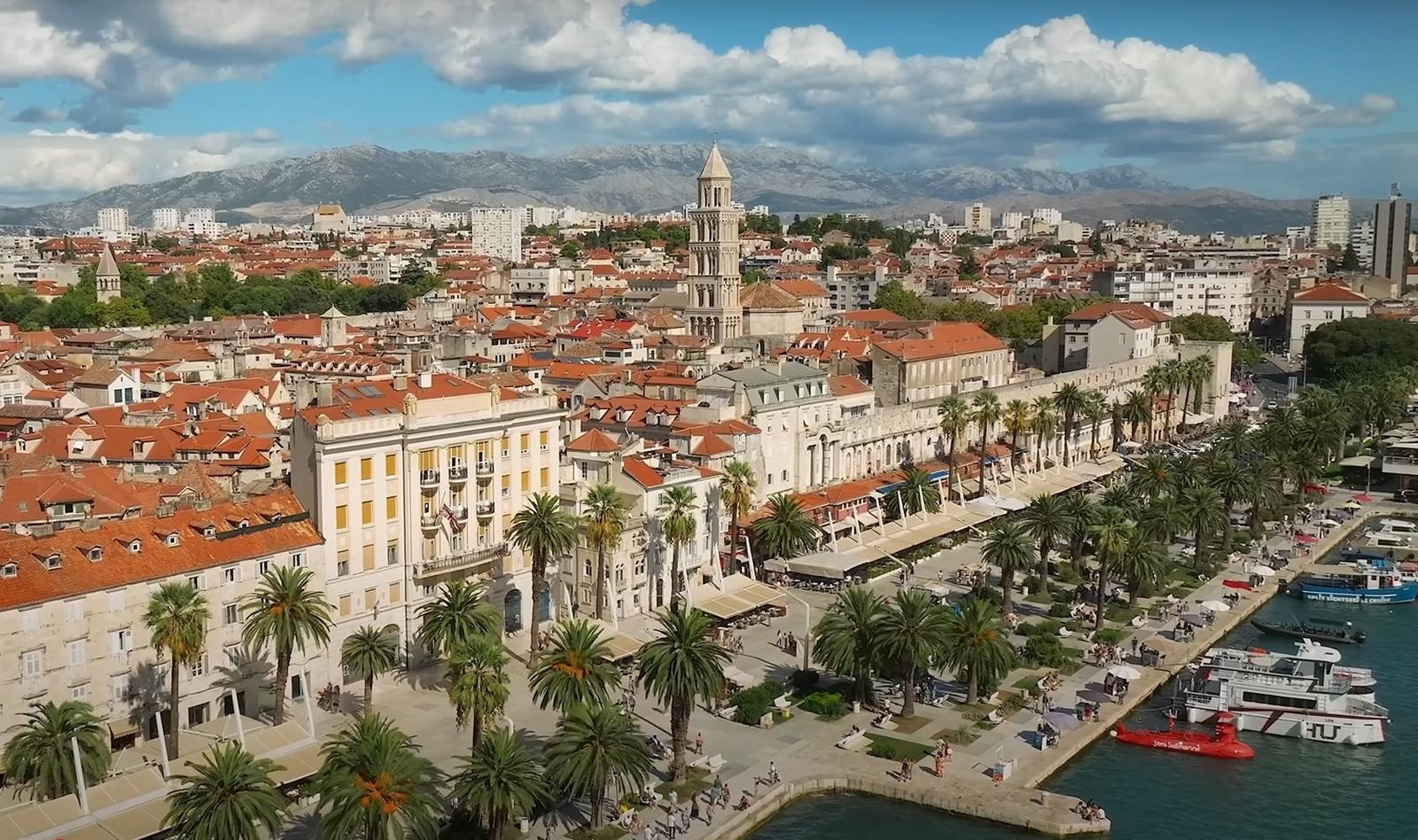
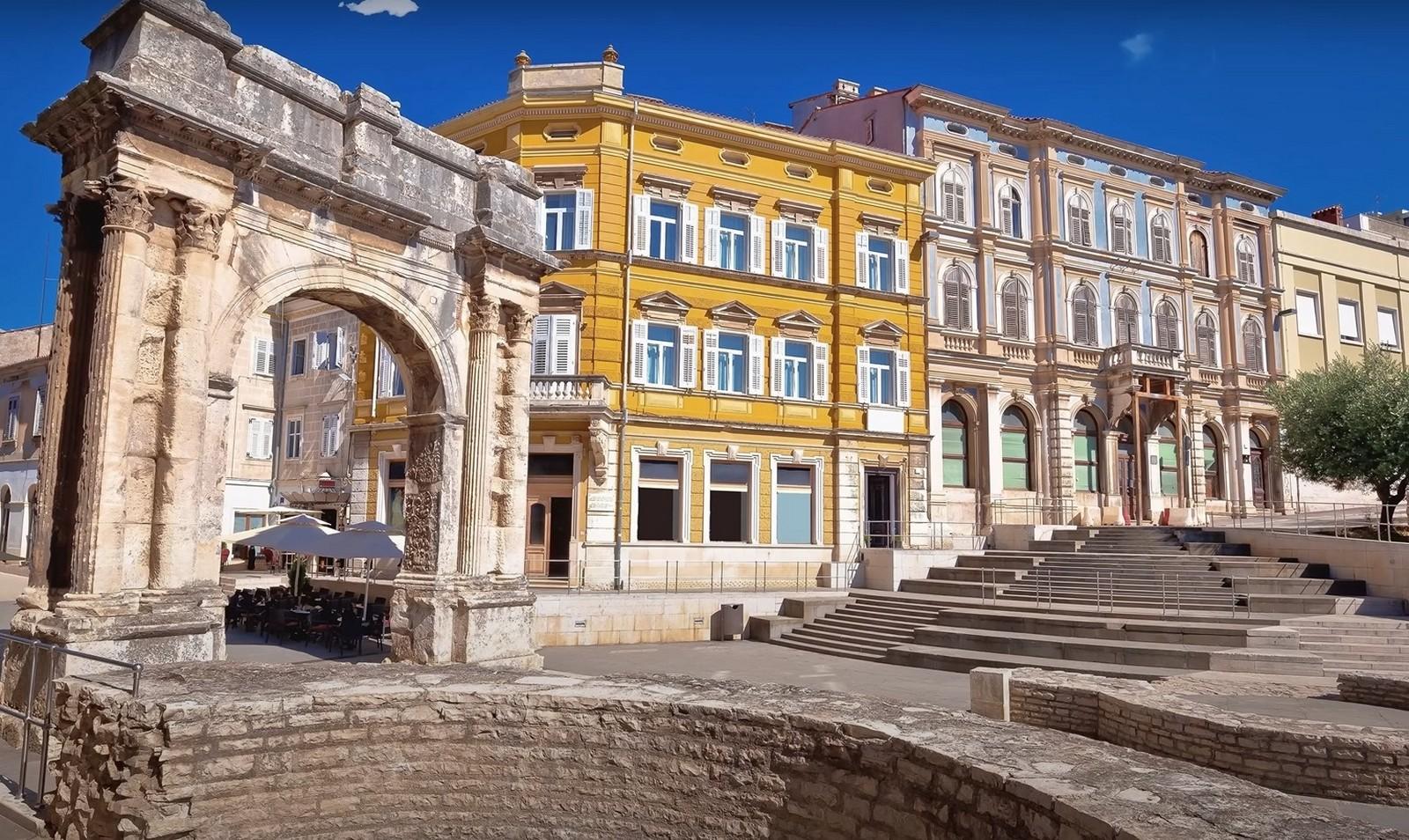
Roman Emperor Diocletian’s Palace is a vibrant living space where about three thousand people reside and work. Constructed between 295-305 AD, the 3-hectare palace was designated a UNESCO World Heritage Site in 1979. Here, ancient architecture seamlessly merges with modern life.
Palace Entrances through Four Historic Gates:
- The Golden Gate from the north served as the main entrance for the imperial family.
- The Silver Gate from the east leads to the city market, Pazar.
- The Bronze Gate from the south opens to the waterfront and sea.
- The Iron Gate from the west is the only one preserved in its original form, adorned with images of the goddess Victory.
Modern Life in Ancient Walls
Life thrives within the palace, which is home to over 150 shops and boutiques, 50 restaurants and cafes, and 12 hotels of various categories. The ancient Roman basements now house souvenir shops and art galleries.
For €8, you can explore the basements, where the temperature remains a comfortable 15-18°C year-round, making visits especially enjoyable on hot summer days.
The central square of the palace, known as Peristyle, is surrounded by columns made of Egyptian granite. Daily performances in historical costumes take place here, and street musicians gather in the evenings.
Click here to create a personal itinerary for CroatiaCathedral of St. Domnius and Bell Tower
The Cathedral of St. Domnius, originally a mausoleum for Emperor Diocletian, was transformed into a Christian church in the 7th century. This octagonal structure, measuring 13 meters in diameter, features a bell tower that stands 60 meters tall, added in the 13th century. For €6, visitors can ascend the tower via a narrow spiral staircase of 183 steps. While the climb can be challenging, the breathtaking views of the city and nearby islands make it worthwhile.
Beaches and Nightlife
The main city beach, Bačvice, is just a 10-minute walk from Diocletian’s Palace. This sand-and-pebble beach boasts excellent amenities and a variety of beach clubs. It also serves as the hub for nightlife, with beach clubs operating until dawn during the summer months.
For a more tranquil atmosphere, Kašjuni Beach in the western part of the city offers a peaceful retreat. Nestled within a pine grove, this pebble beach provides stunning views of the islands of Brač and Šolta.
Trstenik Beach is the quietest in the city, attracting those who seek solitude.
Zagreb — Cultural Capital
Upper and Lower Town
Zagreb is divided into two main areas, linked by the famous funicular, which dates back to 1890 and is recognized as the world’s shortest public funicular. The ride lasts just 64 seconds and costs €0.50, yet it remains a true icon of the city. Many visitors come solely to experience this historic transportation.
The Upper Town is situated on Kaptol and Gradec hills and houses many of Croatia’s key historical attractions:
- The Parliament, located in an 18th-century building.
- St. Mark’s Church, known for its colorful tiled roof depicting the coats of arms of Croatia and Zagreb.
- Lotrščak Tower, where a cannon is fired daily at noon, a tradition upheld for over 120 years.
- The Stone Gate, the only surviving city gate from the 13th century, which features a niche housing an icon of Our Lady of the Stone Gate; locals continue to visit to pray and light candles.
The Lower Town serves as the modern business and cultural center of Zagreb. Ban Jelačić Square, the city’s heart, is home to a statue of Count Josip Jelačić, a 19th-century national hero.
Museums and Cultural Sites
Zagreb is renowned for its unique museums:
The Museum of Broken Relationships, awarded the European Museum of the Year, features exhibits accompanied by personal stories. The entrance fee is €5, and the museum is open from 9:00 AM to 10:30 PM in the summer and until 8:30 PM in the winter.
The Cathedral of the Assumption is Croatia’s tallest building, with twin towers soaring 108 meters above the city. Constructed between the 13th and 16th centuries, its current neo-Gothic façade was completed after the devastating earthquake of 1880. Entrance is free, allowing visitors to admire its stained glass and baroque altars.
Best walking areas in Zagreb include:
- Tkalčićeva Street, known for its plethora of cafes and restaurants
- Dolac Market, which offers an authentic atmosphere
- The Green Horseshoe, a collection of parks and squares
- Maksimir Park, the largest city park, which also features a zoo.
Adriatic Islands
Hvar — Island of Lavender and Parties
Hvar’s lavender fields bloom from June to August, filling the island with an unmatched aroma. Locals create lavender oil, soap, and honey—perfect souvenirs to take home.
The 16th-century Fortica Fortress looms over the city, offering stunning panoramic views. Admission is €6, and the climb up the stone stairs takes about 15-20 minutes. The fortress is particularly beautiful at sunset, when the city and harbor are bathed in golden hues.
Hula Hula beach club has gained legendary status among sunset party enthusiasts. Located on cliffs with views of the Pakleni Islands, it features excellent music. A deck chair rental is €40, which includes entry to one of Europe’s top beach parties.
What to try in Hvar:
- Local Plavac Mali wine — red wine from an indigenous grape variety.
- Lavender honey — produced only on the island.
- Grilled fish at restaurants in the old town.
- Figs and olives from local family plantations.
Korčula — Marco Polo’s Birthplace
The island’s main city, built on a peninsula, is surrounded by formidable 14th-century walls. Legend claims that the explorer Marco Polo was born here, though historians still debate this. The Marco Polo House Museum features a tower you can climb for views of the city. Tickets are €8.
The narrow streets of the old town are arranged in a “fishbone” pattern, which protects residents from strong winds. The Cathedral of St. Mark, a stunning example of Gothic-Renaissance architecture, showcases a façade made from local stone.
Korčula is renowned for Grk white wine, produced from grapes grown in sandy soil, which imparts a unique mineral flavor. Tastings are available at family-run wineries for €10-15 per person.
Since 2015, our website has specialized in individual planning of unique routes, taking into account personal preferences and desires. Each of you will receive a unique PDF file from us, which contains everything you need: travel routes, car rentals, hotels, the best tourist attractions, attractions for kids and everything you need for a perfect vacation. During the trip, we are available for you by phone via WhatsApp. Our personal service provides information from A to Z, taking into account many small details that can become a decisive factor on the way from a wasted trip to an unforgettable vacation. Our service will make your trip comfortable, save a lot of time on planning and preparation, and most importantly – will allow you to become freer and fully enjoy the pleasure of the trip.
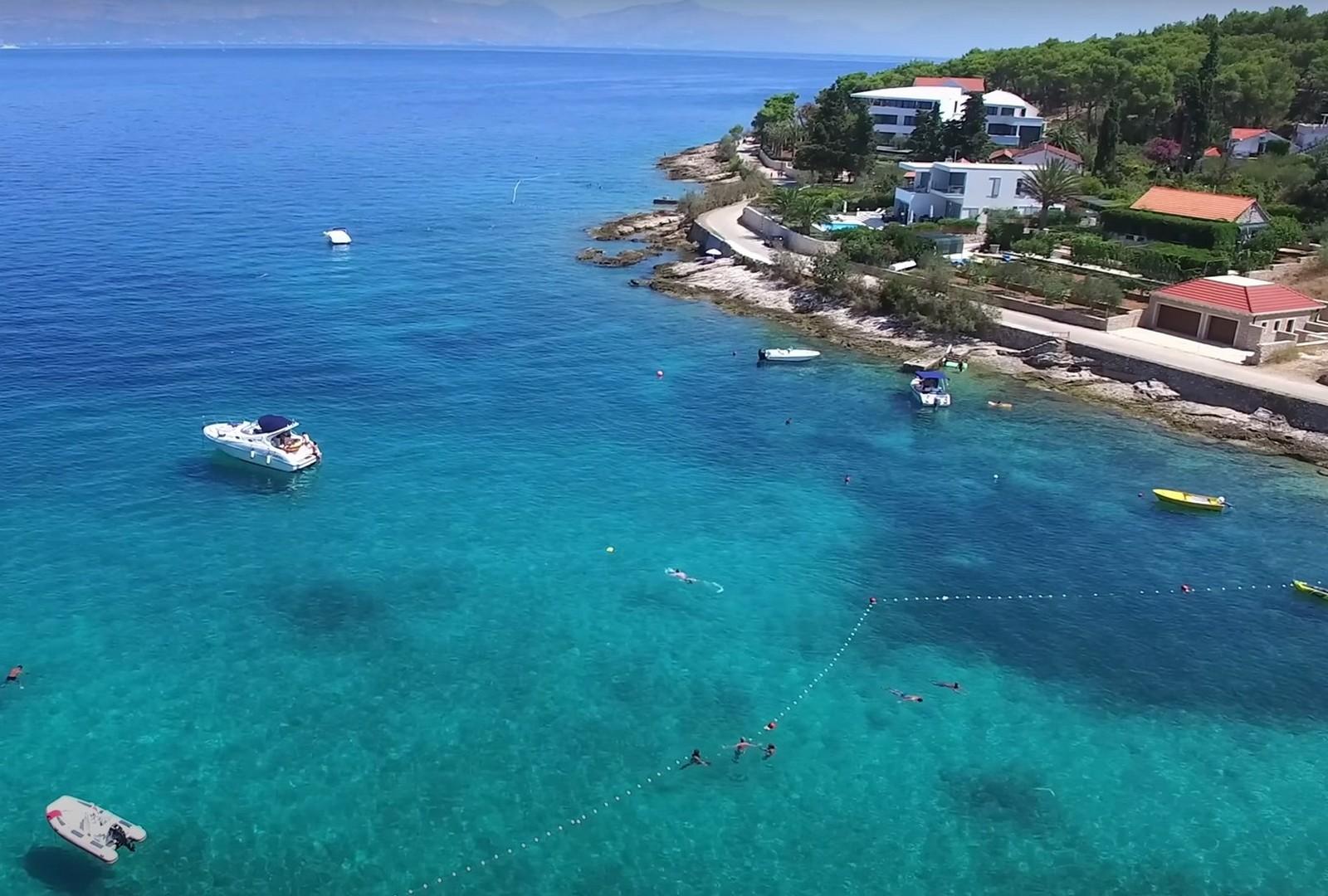
Brač — Famous Zlatni Rat Beach
Brač Island is known for Zlatni Rat (Golden Cape) beach, one of Croatia’s most photographed locations. This white pebble cape constantly changes shape due to winds and sea currents.
You can reach the beach from Bol town on foot in 20 minutes along a scenic promenade, or take a tourist train for €2 one way. The beach boasts several bars, as well as rentals for deck chairs and umbrellas, along with windsurfing and kitesurfing schools.
The white stone from Brač has been used in the construction of many famous buildings, including the White House in Washington, Diocletian’s Palace in Split, and Liverpool Cathedral. Active quarries offer tourist excursions.
In Supetar, the island’s main port, you can visit the local cemetery, which serves as an open-air sculpture museum. The tombstones, crafted from local stone, are remarkable works of art.
Vis — Untouched Nature
Vis Island remained largely closed to tourists due to a military base, allowing it to retain its authentic atmosphere. The main towns, Vis and Komiža, evoke the spirit of old Dalmatia, featuring narrow stone streets and traditional fishing houses.
The Blue Cave located on the neighboring Biševo Island is one of the region’s top natural attractions. Excursions to the cave cost €18 and include a brief boat ride into the grotto.
Highlights of Vis Island:
- Local wines from indigenous varieties, Plavac Mali and Vugava.
- Fishing restaurants offering the freshest seafood in the region.
- Stiniva Beach, renowned as one of Europe’s most beautiful beaches.
- WWII military tunnels.
Natural Attractions of Croatia
National Parks
Plitvice Lakes — Cascading Waterfalls
The Plitvice Lakes are a natural gem of Croatia, featuring 16 large lakes interconnected by 140 waterfalls formed by limestone deposits. The park has been a UNESCO World Heritage Site since 1979.
Admission: €40 in summer, €25 in spring and autumn, €10 in winter. Admission is free for children under 7.
Visitors can choose among eight different routes ranging from 2 to 8 hours in duration. The most popular, Route K, includes a visit to the Great Waterfall, which stands 78 meters tall, as well as a scenic electric boat ride on Lake Kozjak.
Tips: Arrive at opening (8 AM), be cautious on the slippery boardwalks, and capture the best photos in the morning. Swimming is prohibited to protect the ecosystem.
The park is home to brown bears, wolves, lynx, over 160 bird species, and 1,267 plant species.
Krka — Swimming at Waterfalls
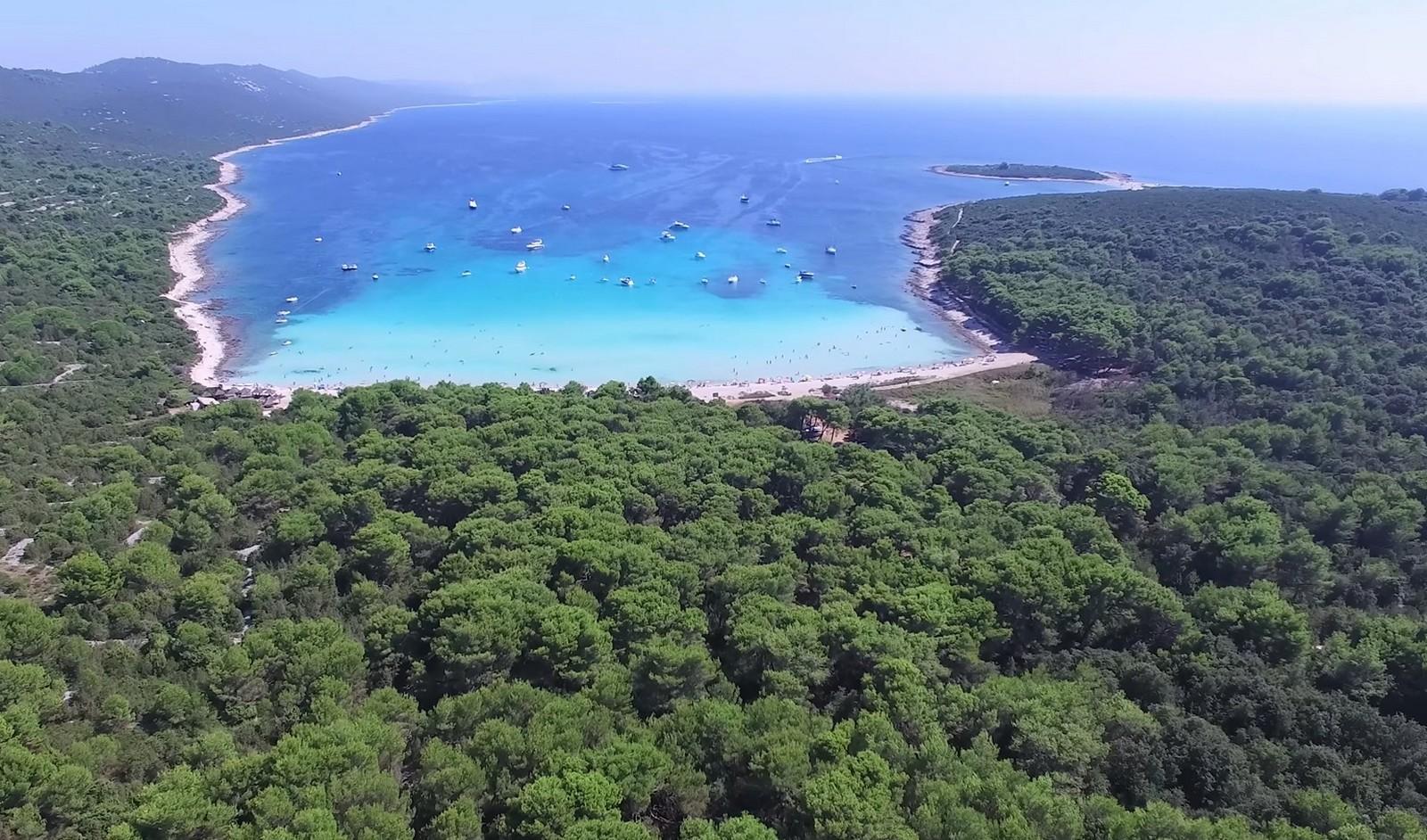
In contrast to Plitvice Lakes, swimming is permitted in designated areas at Krka National Park. The main attraction here is the Skradinski Buk waterfall, known for its natural pools.
Admission: €30 in summer (including transfer). The park features seven waterfall cascades with a total height of 242 meters.
On Visovac Island, you can find a 14th-century Franciscan monastery (excursion +€25). The waterfall area also hosts an ethnographic museum showcasing remnants of the first Croatian hydroelectric plant designed by Nikola Tesla.
Paklenica — Mountains and Canyons
This park, located in the Velebit mountain range, features two canyons: Velika and Mala Paklenica. The Great Canyon is 400 meters deep and 14 kilometers long.
Admission: €5, with free route maps. Access to the Manita Peć Cave is an additional €10 (temperature remains between 8-10°C year-round).
Mljet — Green Island
Croatia’s only island national park, known for its salt lakes and Mediterranean forests. The park also features a 12th-century Benedictine monastery on an island in the middle of the Great Lake.
Admission: €15 (includes a boat ride to the monastery).
Unique Natural Phenomena
Sea Organ in Zadar
The Sea Organ in Zadar is an architectural marvel that transforms sea waves into music. It consists of 35 tubes of varying lengths integrated into the stone steps of the waterfront, yielding unique sounds with each wave. This musical instrument operates continuously, and the melodies never repeat.
Designed by architect Nikola Bašić in 2005, the Sea Organ has become a symbol of Zadar, particularly striking during storms when the powerful waves produce deep bass notes.
Nearby, the “Greeting to the Sun” installation features a 22-meter diameter circle of solar panels. By day, the panels harvest energy, and at night they create a light show synchronized to the sounds of the Sea Organ.
Click here to create a personal itinerary for CroatiaBlue Cave on Biševo Island
The Blue Cave is a unique natural phenomenon where sunlight filters through an underwater opening, creating stunning blue waters. The best time to visit is between 10 AM and 12 PM when the sun is in the optimal position.
Excursions to the cave are organized from Vis Island and cost between €18-20. Visits may be canceled in unfavorable weather conditions. Inside the cave, you can stay for no more than five minutes, which is just enough time to capture some amazing photos.
Dragon’s Eye on Dugi Otok
The Dragon’s Eye is a salt lake located on Dugi Otok Island, surrounded by white cliffs. The lake connects to the sea through an underground channel, causing its water level to fluctuate with the tides. Its distinctive shape closely resembles a dragon’s eye, especially when viewed from above.
You can reach the lake on foot from Sali village in about 45 minutes. The trail winds through olive groves, vineyards, and stone walls. Swimming in the lake is permitted.
Croatia Beaches and Coast
Beach Types
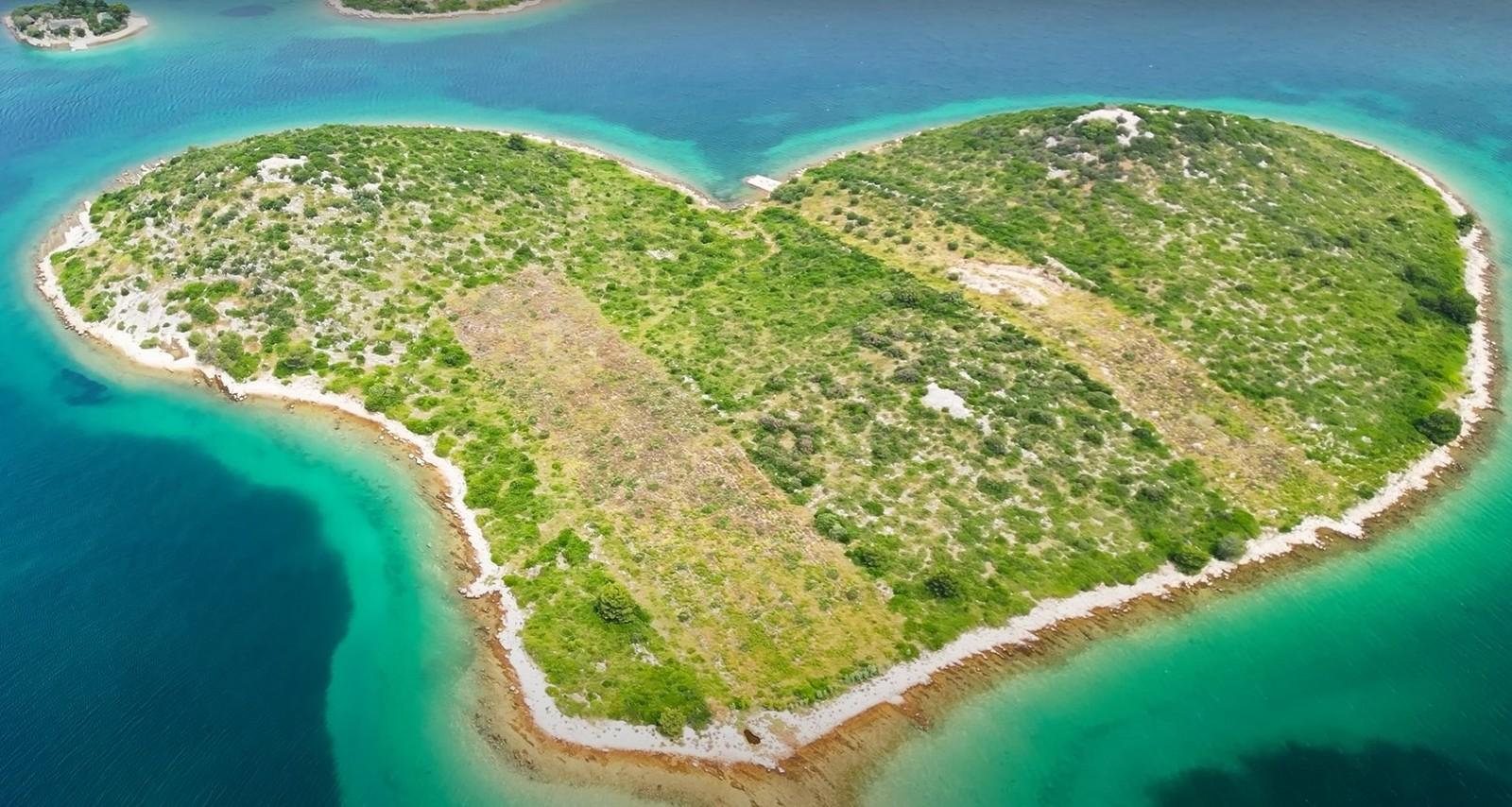
The Croatian coast is quite different from familiar sandy beaches—most are rocky or pebbly, with sandy beaches being rare and considered hidden gems.
Rocky beaches require special preparation; swimming shoes are essential due to sharp stones and sea urchins. Pebble beaches are generally more comfortable, especially those with small pebbles, making them ideal for families with children.
Best Beaches by Regions
Istria is known for its rocky platforms and cozy bays, with Rovinj being particularly popular for its picturesque settings.
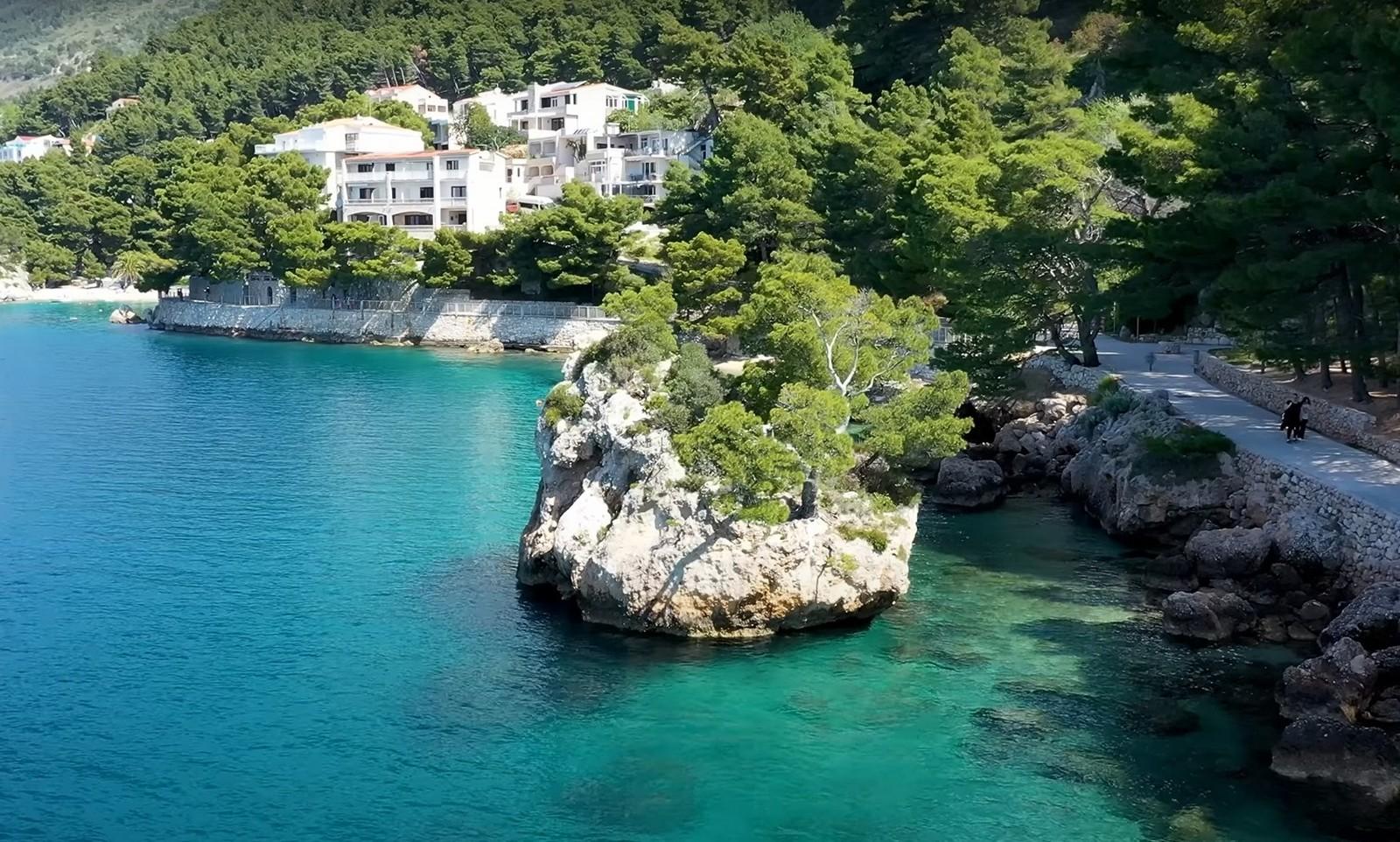
Makarska Riviera boasts some of the country’s best pebble beaches. Punta Rata in Brela is recognized as one of the world’s top ten most beautiful beaches, featuring white pebbles against emerald waters and the Biokovo mountains.
Southern Dalmatia offers rocky beaches with some of the clearest water. Many of these beaches are nestled in small bays sheltered from the wind.
The islands present a diverse range of beaches, from the famous Zlatni Rat on Brač to hidden bays on Vis.
Croatian Cuisine
Regional Features
Croatian cuisine is surprisingly diverse:
Dalmatia specializes in seafood—be sure to try the black risotto made with cuttlefish ink.
Continental cuisine features Austrian and Hungarian influences, including delights such as Zagreb schnitzel and štrukli.
Istrian cuisine is renowned for its truffles (in season from September to December), which rival those from France but are more affordable.
Must-Try Dishes
Pršut—Croatian prosciutto— is best produced on Krk and in Drniš.
Pag cheese has a distinct salty flavor, as sheep graze on salt marshes where the grass is sprayed with sea salt. It is aged for 2-12 months.
Oysters from Ston are considered some of the world’s best due to the unique mixing of sea and fresh water. Tasting sessions with local wine cost between €15-20.
Wines and Rakija
Indigenous varieties include Plavac Mali (a red wine from Dalmatian islands), Istrian Malvasia (a white with apple aromas), and Žlahtina (unique to Krk).
Rakija is a traditional strong drink, ranging from 40-70 degrees, made from plums, grapes, or pears. Winery tastings cost between €10-20 and typically include 4-6 wines with snacks.
Practical Tips for Croatia Resorts
Accommodation
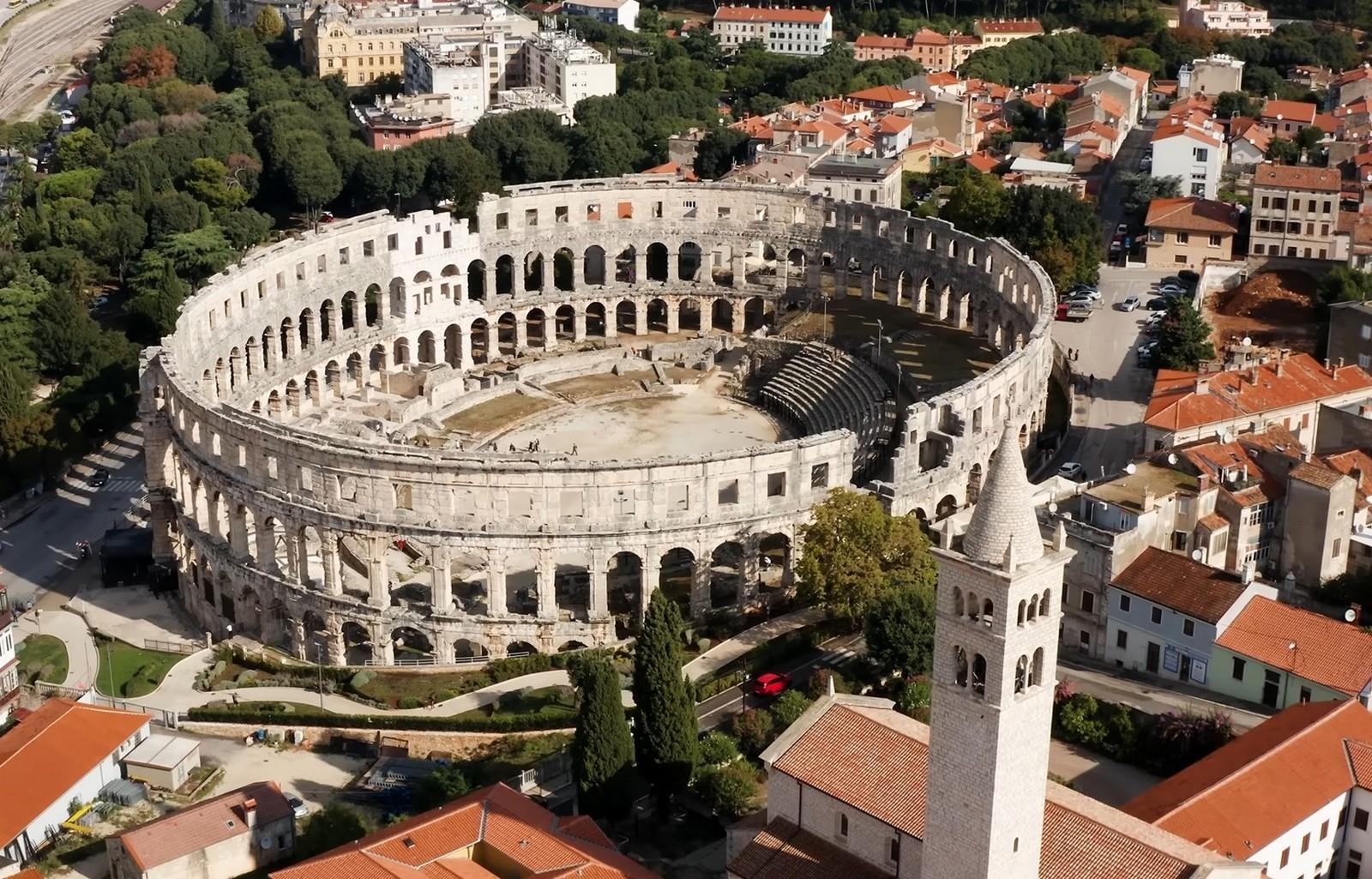
Book accommodation near historic centers. Apartments often offer advantages over hotels—they tend to be cheaper and provide the option to cook. Private rooms (sobe) are a traditional lodging choice; hosts usually meet guests at piers.
During the high season (July-August), prices can double. It’s advisable to visit in May-June or September-October for lower prices, great weather, and fewer tourists.
Cultural Features
Sundays in Croatia are typically quiet, with most shops closed. Plan for beach relaxation or nature activities on these days. When in historic centers, avoid wearing beach attire.
Tips: In restaurants, a 10% tip is customary; cafes usually round up the total, and hotels expect €1-2 for housekeeping. Croatians take pride in their culture, so it’s best to avoid comparisons with Serbia and discussions about the Yugoslav period.
Click here to learn more about creating a personal itineraryClassic 7-Day Croatia Itinerary
A week-long vacation in Croatia provides a chance to explore its main attractions. An optimal itinerary includes: Dubrovnik (2 days) → islands (1 day) → Split (2 days) → Plitvice Lakes (1 day) → Zagreb (1 day).
Days 1-2: Dubrovnik Vacation
First day: A walk along the city walls is a must—it’s Dubrovnik’s signature experience, offering stunning views of the Adriatic Sea and its red-tiled roofs. Explore the Old Town and visit major sites: Rector’s Palace, the Cathedral, and the Franciscan Monastery, which houses an ancient pharmacy.
Second day: Take the cable car up Mount Srđ for panoramic views of the city and surrounding areas. Visit Lokrum Island, which features a botanical garden and the ruins of a monastery, or relax at one of Dubrovnik’s scenic beaches.
Day 3: Island Excursion from Dubrovnik
From Dubrovnik, several intriguing destinations are easily accessible. Mljet Island is home to a national park featuring unique salt lakes and a Benedictine monastery. Korčula Island, known as the birthplace of Marco Polo, impresses with its medieval architecture. Alternatively, consider spending the day on the Pelješac Peninsula, famous for its winemaking traditions and the best oysters from Ston Bay.
Days 4-5: Split, Croatia
Fourth day: Spend the day exploring Diocletian’s Palace, a unique monument where ancient Roman architecture blends with modern urban life. Climb the bell tower of St. Duje Cathedral for a fantastic overview of the city. Wander through the historic center and sample local cuisine at restaurants within the palace walls.
Fifth day: Take a day trip to nearby islands. Brač Island is renowned for Zlatni Rat Beach, one of the world’s most photographed beaches. Hvar Island offers a cosmopolitan atmosphere, with lavender fields, world-class beach clubs, and vibrant nightlife.
Day 6: Plitvice Lakes
Depart early from Split to spend a full day at the national park. Plitvice Lakes consist of cascades featuring 16 lakes connected by 140 waterfalls, where new waterfalls form annually due to limestone deposits. If staying at a hotel near the park, you can enjoy a day and a half exploring the lakes, taking advantage of the morning quiet before tour groups arrive.
Day 7: Zagreb
End your journey in Croatia’s capital, Zagreb. Stroll through Upper Town, where you’ll find medieval streets and a Gothic cathedral, then descend into Lower Town, featuring elegant squares in Austro-Hungarian architectural style. Explore several museums and savor the unique flavors of continental Croatian cuisine, such as Zagreb schnitzel and štrukli, which are notably different from Dalmatian seafood.
Expert Review of Croatia Travel
A common tourist mistake in Croatia is underestimating the travel time between islands. Ferries operate on a strict schedule, but during the summer, queues for popular routes like Hvar to Split can extend for 2-3 sailings. If you’re traveling with a rental car, it’s advisable to book ferry space online in advance, especially on weekends, to save yourself 2-3 hours of waiting in line. Avoid planning island travel on the day of your departure; a missed ferry could jeopardize your flight.
When it comes to accommodation, apartments in historic centers may look romantic in photographs, but the reality can be disappointing. In Dubrovnik, many apartments within the city walls are housed in 14th-15th century buildings that lack elevators, featuring steep staircases and rooms sized to medieval standards. It’s often better to choose modern accommodations located a 10-15 minute walk away — they typically cost half as much and offer much greater comfort. In Split, however, staying right in Diocletian’s Palace can be a unique experience; modern apartments there are excellently equipped, and the thick Roman walls provide coolness even in 40-degree heat.
Frequently Asked Questions
When is the best time to visit Croatia?
The optimal time is between May-June and September-October. During these months, you can enjoy excellent weather and warm seas with fewer tourists than in July-August. Prices, especially for accommodation, are significantly lower as well.
Is it expensive to vacation in Croatia?
Croatia is pricier than other Balkan countries but is still cheaper than Western Europe. A dinner for two at a good restaurant costs around €40-60, while lunch in a simple café runs about €15-20. Beer at a bar is priced at €3-4, and coffee at €1.5-2.
Is it safe to swim in the Adriatic Sea?
Yes, the sea is very safe, with no sharks and jellyfish that are practically harmless. The main hazard comes from sea urchins near rocky shores, so wearing special swimming shoes is essential.
Can you drink tap water?
Yes, the quality of tap water in Croatia is excellent, and many cities have public drinking fountains available.
What should you bring back from Croatia as gifts?
Popular souvenirs include Pag cheese, Istrian truffles, Hvar lavender oil, Croatian wines, ties (as Croatia is the birthplace of the tie), coral products, and Pag lace.
Which islands are best to visit?
For a beach vacation, consider Brač and Hvar; for quiet relaxation, Korčula and Mljet; for parties, Hvar and Pag; and for untouched nature, Vis and Lastovo. Each island has its own unique character.
When does lavender bloom in Hvar?
Lavender blooms from late June to late August, with peak bloom occurring in July. During this time, the island is filled with an incomparable aroma, and the fields transform into stunning purple carpets.
What we propose Emma Heidi Take all the stress out of planning your trip! With our experts, you can create the perfect itinerary for you – complete, comfortable, and tailored to all your dreams, wishes, and needs. We take care of every little detail, so you can simply focus on enjoying your journey. We’ve been designing personalized itineraries since 2015, and over the years we’ve created thousands of custom itineraries for happy clients. Save time, avoid confusion – we do the work for you. Our service saves you weeks of searching, reading, comparing, and complicated planning. Instead of wasting endless hours – you receive a ready-to-use, accurate and clear itinerary. A tailor-made itinerary – built just for you. Your itinerary is personally designed based on our experts’ real field experience and genuine feedback from hundreds of travelers – including hidden discoveries and insider tips that don’t appear in any travel guide. Smart accommodation selection – often saves you hundreds or even thousands of dollars. We help you choose verified and recommended places to stay, checking availability for your exact travel dates. Sometimes we suggest hotels not “in the center,” but in safe, convenient, and highly strategic locations – which can significantly reduce travel costs and save you even thousands of dollars. We’re by your side even during the trip. We stay with you throughout your vacation – providing professional help whenever needed. If the weather changes, there’s a strike, a local event, heavy crowds, or any unexpected situation – we are here to update, guide, and adjust your itinerary in real time. Easy-to-use itinerary – with direct navigation links. Your itinerary includes direct Waze / Google Maps links – no need to search for parking addresses, no stress, no mistakes. Just tap – and go. Want to know if it’s really worth it? Take a look at the experiences of travelers who built their personal itinerary with us. Click here and let’s start building the itinerary that will save you time, money, and stress – and turn your vacation into perfection. Of course, your first inquiry is completely free – with no commitment whatsoever. How it works
Customer Experience Manager


Service cost: from only $420. (Special price for short itineraries up to 5 days). Clients tell us the itinerary saves them costly mistakes, fines, wrong choices – plus exclusive discounts on car rentals, better-priced accommodations, and money-saving local tips.


Latest articles

Natural History Museum Vienna

Natural History Museum Vienna (Natural History Museum Vienna) is one […]
Kaprun Dam (Hochgebirgsstauseen)
Kaprun Dam (Kaprun Hochgebirgsstauseen) is a high-altitude reservoir complex set […]