My introduction to Austria happened by chance — and turned into a true love. The Alpine landscapes, silence, and powerful energy of nature completely changed my plans. For more than ten years, I have explored Austria dozens of times: on foot, by bicycle, and even from the air — discovering routes for travelers of all ages and travel styles. Today I help people experience the real Austria and create personalized itineraries that make each journey deeper, more comfortable, and more inspiring. Let Austria become your next unforgettable destination!
Grossglockner
Grossglockner is more than a scenic drive. The Grossglockner High Alpine Road (Grossglockner High Alpine Road) runs through the heart of the Hohe Tauern National Park (Hohe Tauern National Park) and climbs to over 2,500 meters. Across roughly 48 km, the route combines tight curves, glacier views, open alpine scenery, and well-planned viewpoints that feel like purpose-built observation decks.
For families, Grossglockner is especially effective because it’s accessible. You can enjoy dramatic landscapes without long hikes, and children stay engaged thanks to frequent stops, constant changes in scenery, and the chance to spot wildlife.
When is the best time to visit Grossglockner with children?
The road is typically open from May to October, depending on weather conditions. Even in summer, temperatures at the highest points can drop to 7-10°C, and wind is common, so layered clothing is essential.
Early mornings usually bring the best light and calmer traffic, while cloud cover often increases later in the day.
A key limitation to plan for: fog or heavy rain can reduce visibility and change the experience significantly. Grossglockner is highly weather-dependent, so flexibility in your schedule matters.
Click here to learn more about creating a personal itinerary
Transport and car rental for Grossglockner
Access to Grossglockner is possible only by car or motorcycle. There is no public transport operating on the road itself. Two main entrances are commonly used: the Northern entrance via Bruck an der Großglocknerstraße and the Southern entrance via Heiligenblut.
Yes, a rental car is necessary. With a car, Grossglockner is far more convenient than without one, especially for families. It allows you to stop when you want, manage breaks easily, and keep a comfortable pace for children.

Since 2015, our website has specialized in individual planning of unique routes, taking into account personal preferences and desires.
Each of you will receive a unique PDF file from us, which contains everything you need: travel routes, car rentals, hotels, the best tourist attractions, attractions for kids and everything you need for a perfect vacation.
During the trip, we are available for you by phone via WhatsApp.
Our personal service provides information from A to Z, taking into account many small details that can become a decisive factor on the way from a wasted trip to an unforgettable vacation.
Our service will make your trip comfortable, save a lot of time on planning and preparation, and most importantly – will allow you to become freer and fully enjoy the pleasure of the trip.
Tip from the Itinerary Expert: With kids, plan a short stop every 30-60 minutes to keep the day relaxed.

How much does Grossglockner cost in practice?
Driving the Grossglockner High Alpine Road requires a toll. A private car costs about €46.50 per day, and an electric car about €40. A 3-week ticket is around €93, and same-day re-entry is included.
The fee is high, and that is one of the main drawbacks. However, it supports excellent road maintenance, organized observation areas, restrooms, and free parking at viewpoints, which makes the experience smoother for families.
What to see along Grossglockner - and where to stop
These stops shape the Grossglockner High Alpine Road experience and work well with families because they deliver strong views with short, manageable walking distances.
Kaiser-Franz-Josefs-Höhe
This is the main highlight of the route. From here, you have direct views of Austria’s highest mountain (3,798 m) and the impressive Pasterze Glacier (Pasterze Glacier). The area is well developed and family-friendly, with accessible terraces, a large multi-level parking structure, restrooms, a restaurant, and a souvenir shop. Children are often especially interested in the marmots (Marmots) that appear near the viewpoints.
Tip from the Itinerary Expert (first-hand): Parking on the upper levels provides the widest and clearest angle for glacier photos.
Pasterze Glacier
The largest glacier in Austria, stretching approximately 8-9 km. It can be viewed from above or partially approached via a maintained path. Even without a long walk, the scale, texture, and color of the ice make a strong visual impact, particularly for teenagers. This stop works well as a short, focused experience rather than a long hike, which helps keep energy levels balanced during the day.
Edelweissspitze
Edelweissspitze
At 2,571 m, this is the highest point accessible by car on the Grossglockner route. The access road is narrow, cobbled, and sharply curved, but on clear days it offers panoramic views of more than 30 alpine peaks. A clear limitation: this section is not suitable for large vehicles or trailers.
Tip from the Itinerary Expert: Visit Edelweissspitze only when visibility is excellent; otherwise, the effort is rarely worth it.
Hochtor Pass
The highest mountain pass on the road. This is where the alpine environment feels most intense-open space, exposed rock, strong wind, and dramatic scenery. A short stop is enough to absorb the atmosphere and enjoy the views.
Suitability, limitations, and honest drawbacks
Is Grossglockner suitable for children and teenagers? Yes. Grossglockner works well for families because:
- There are no mandatory long hikes
- Numerous “stop-and-see” viewpoints
- Wildlife sightings, glaciers, and even snow in summer
- Strong infrastructure: parking, restrooms, and restaurants
It is less suitable for travelers with a strong fear of heights or those who struggle with winding mountain roads.
Grossglockner delivers dramatic alpine scenery, but it comes with clear limitations. The experience is highly dependent on weather-fog, rain, or low clouds can significantly reduce visibility. During peak summer days traffic can build up, especially around the main viewpoints. Continuous mountain driving also requires attention, particularly on long descents and tight curves.
How Grossglockner fits into a family itinerary: Grossglockner works best as a highlight day within a broader alpine trip rather than as a standalone stop. It pairs naturally with calmer destinations such as Zell am See (Zell am See), where families can balance intense mountain scenery with relaxed lake activities. The experience is visual and immersive, with constant changes in landscape that keep both adults and children engaged. The combination of accessibility and dramatic nature is what sets Grossglockner apart from many other alpine routes.
Tip from the Itinerary Expert: With kids, plan a short stop every 30-60 minutes to keep the day relaxed.
3-Day Family Itinerary around Grossglockner (by car)
Trip Duration: 3 days
Day 1 - Arrival and alpine acclimatization (Heiligenblut)
Morning (10:00-12:30)
Arrive in Heiligenblut (Heiligenblut am Großglockner) and check into your accommodation. Take an easy walk through the village, stopping for coffee, local pastries, and views of the surrounding alpine landscape.
Time: walking, approximately 1-1.5 hours.
Lunch (13:00-14:00)
Lunch at a traditional alpine restaurant in Heiligenblut.
Budget: €20-30 per person.
Afternoon (14:30-17:30)
Short scenic drives of 10-20 minutes to nearby valley viewpoints around Heiligenblut. The pace remains gentle, with frequent photo stops, rivers, and open alpine meadows. No demanding walks are required.
Time: around 3 hours.
Evening (18:00)
Return to Heiligenblut for dinner and a quiet evening.
Click here to learn more about creating a personal itinerary
Overnight Location: Heiligenblut
Day 2 - Grossglockner High Alpine Road (highlight day)
Morning (09:30-10:00)
Drive from Heiligenblut to the southern entrance of the Grossglockner High Alpine Road. Starting early helps avoid traffic and improves visibility at higher elevations.
Late morning (10:00-12:00)
Begin a slow, scenic drive along the route with planned stops at the main viewpoints.
Key stops include:
Hochtor Pass (Hochtor Pass) – the highest mountain pass on the road, offering wide, open alpine views.
Edelweissspitze (Edelweissspitze) – a short side road leading to a panoramic viewpoint at 2,571 m.
Driving and stops: approximately 2 hours.
Lunch (12:30-13:30)
Lunch at the restaurant complex at Kaiser-Franz-Josefs-Höhe.
Afternoon (13:30-16:30)
Spend time exploring Kaiser-Franz-Josefs-Höhe (Kaiser-Franz-Josefs-Höhe). Walk between multiple viewing platforms overlooking Grossglockner and the Pasterze Glacier (Pasterze Glacier). Distances between platforms are short and manageable for families.
Time: approximately 3 hours.
Evening (17:00-18:00)
Drive back to Heiligenblut and enjoy dinner in the village.
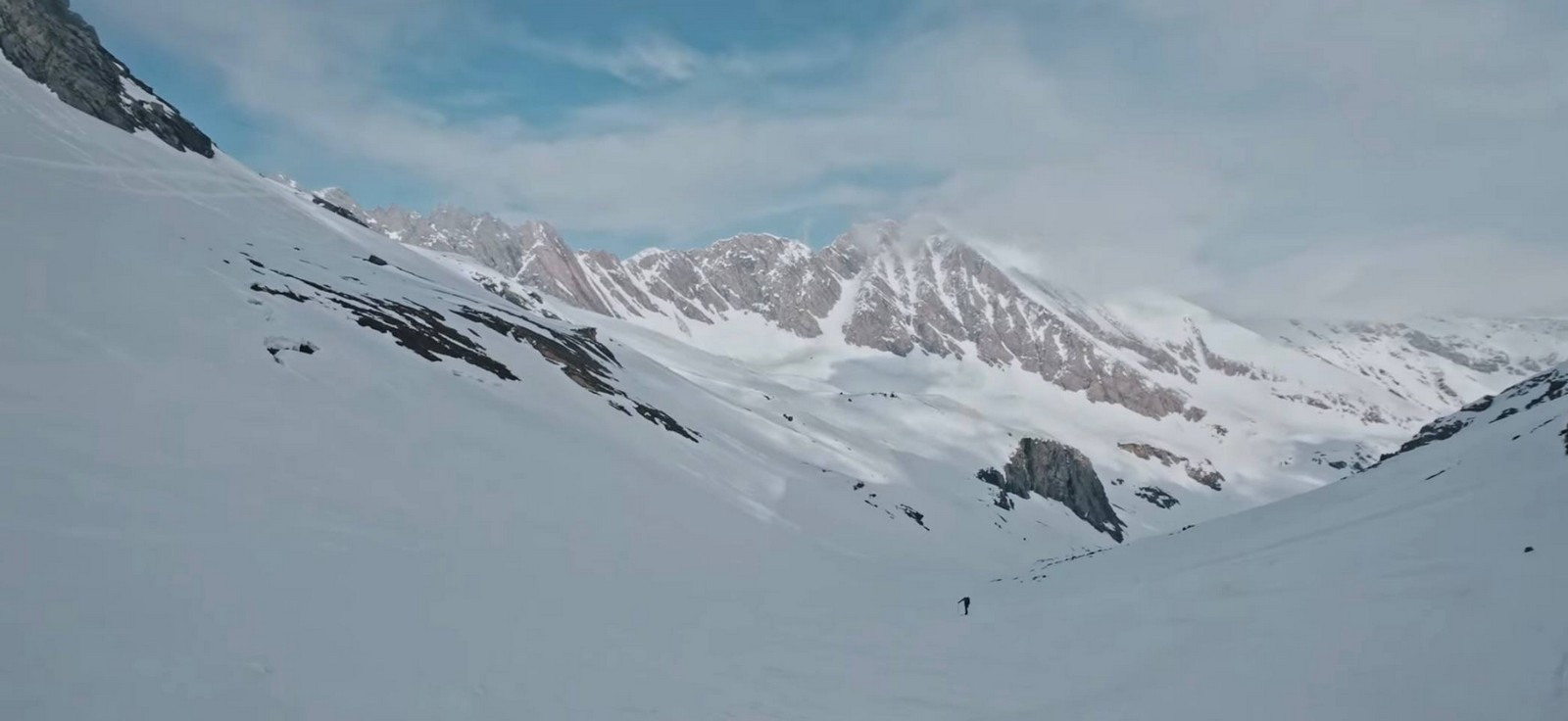
A lone hiker crossing a vast snowy valley beneath towering alpine ridges in the Grossglockner region.
Overnight Location: Heiligenblut
Day 3 - Lake balance in Zell am See
Morning (09:30-11:30)
Drive from Heiligenblut to Zell am See (Zell am See). The distance is about 110 km, taking 1.5-2 hours by car. After arrival, enjoy a relaxed walk along the lakeside promenade with views of the lake and surrounding mountains.
Time: around 2 hours.
Lunch (12:00-13:00)
Lunch at one of the lakeside restaurants in Zell am See.
Afternoon (13:30-17:30)
Free time to enjoy Zell am See at a calm pace. Options include a short boat ride on the lake, playground areas for children, ice cream stops, and light shopping in the town center. The area is flat and easy to navigate, making it ideal for a relaxed afternoon.
Time: approximately 4 hours.
Evening (18:00)
Dinner in Zell am See, followed by an overnight stay in the area or continuation to the next destination.
Overnight Location: Zell am See
Traveler reviews about Grossglockner

Daniel Moore
August 2019

Visiting Grossglockner with our two children, aged 7 and 11, was one of the strongest days of our trip. The road itself feels like an attraction, with constant viewpoints and changing scenery. Even in August it was cold at the top, so warm layers were essential. Driving was straightforward but required attention on the long descents.
Emily Carter
June 2022
Starting early made a big difference. Traffic was light, visibility was excellent, and the light was perfect for photos. Edelweissspitze was my personal favorite, although the road up is narrow and not ideal for nervous drivers. The panoramic view was worth the effort.
Thomas Reed
October 2023

We visited near the end of the season and encountered snow along the road. It was beautiful but very cold, with strong wind at higher points. Fewer visitors made the experience feel calm and special, although some restaurants were already closed, so planning food ahead was important.
Sophie Williams
July 2024
Traveling with teenagers, I expected complaints, but that never happened. Every stop felt different, and the glacier views were memorable. We had lunch at the main viewpoint-prices were high but convenient. Bringing snacks and water helped a lot during the long day.
James Anderson
May 2025
This was one of the most scenic days of our trip, but also the most dependent on weather. Sunshine in the morning turned into fog at midday, then cleared again. Flexibility was essential. When visibility was good, the landscapes were outstanding.
Rachel Collins
September 2021
I liked how wild the landscape feels while remaining very accessible. There’s no need for long walks, which worked perfectly with children. The downside was traffic at peak hours. Arriving early made the experience noticeably calmer.
Tips from the Itinerary Expert
I always check the weather early in the morning before driving up. On Grossglockner High Alpine Road, visibility can change quickly, and delaying the visit by an hour or two can completely improve the experience.
From personal experience, arriving early makes a significant difference. Traffic is lighter, parking at major viewpoints is easier, and photos at Kaiser-Franz-Josefs-Höhe look better in softer morning light.
I strongly recommend using low gear on long descents. The road is steep and winding, and this simple habit protects the brakes and keeps the drive relaxed, especially with children in the car.
Even in July or August, I always pack light jackets and hats. At higher points like Kaiser-Franz-Josefs-Höhe, wind and temperatures around 7-10°C often surprise families.
One practical habit I rely on is not stopping only at the main viewpoints. Smaller pull-outs along the road are quieter and often offer equally strong photo angles.
When visibility is excellent, I never skip Edelweissspitze. The road is narrow, but the panoramic view from 2,571 m is one of the strongest moments of the entire route.
I plan at least 3-4 hours of net driving and stops on the road itself. Trying to rush Grossglockner usually leads to tired children and missed viewpoints.
Traveling with kids, I always bring water and snacks. Restaurants are available, but time between stops can be long, and hunger tends to appear in the middle of the drive.
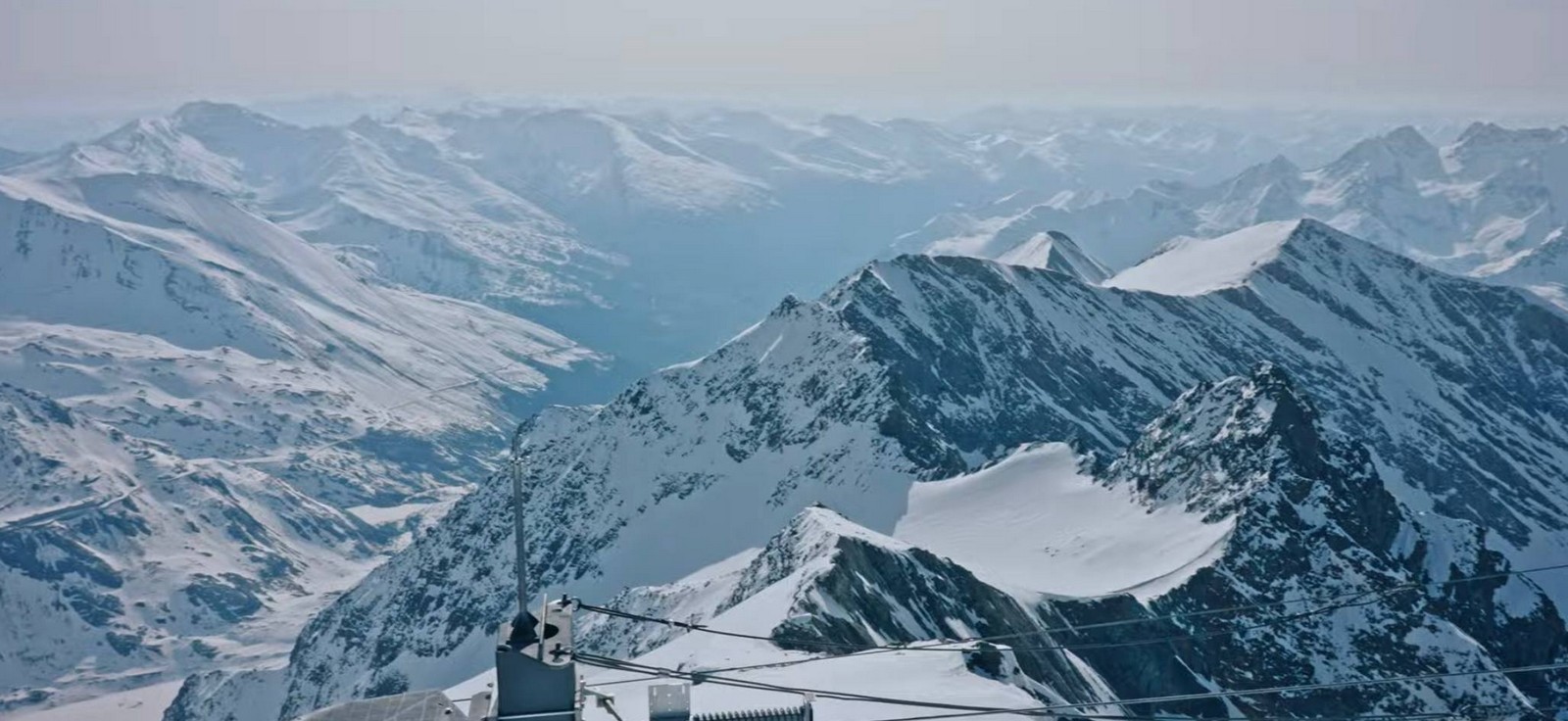
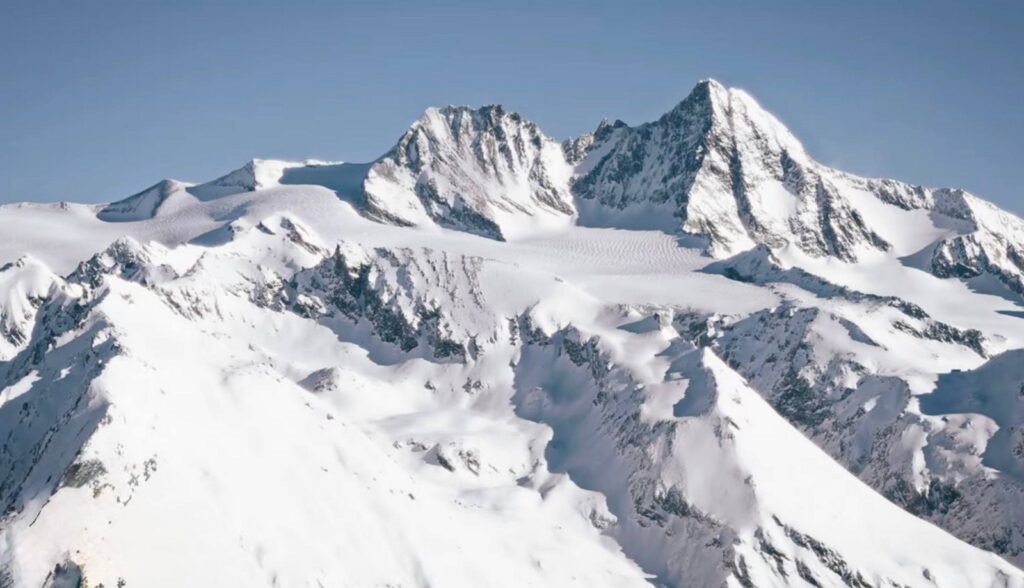
Panoramic alpine views from high above — dramatic ridgelines and endless snowfields around Grossglockner.
Insights from the Itinerary Expert
I visited Grossglockner High Alpine Road in July 2022, and it remains one of the most visually powerful days I’ve experienced in the Austrian Alps. What stands out is how effortlessly the landscape reveals itself. You don’t need long hikes or special skills to feel immersed in high-alpine scenery-each stop offers a new perspective.
The rhythm of the day is essential. Short drives, frequent viewpoints, and extended time at Kaiser-Franz-Josefs-Höhe overlooking the Pasterze Glacier create a balanced flow that works especially well for families. Children stay engaged because the scenery constantly changes, while adults appreciate the scale and clarity of the views.
At the same time, it’s important to be realistic. Grossglockner is highly weather-dependent, the toll price is significant, and peak summer hours can feel busy. Planning an early start and allowing flexibility makes a clear difference.
When approached thoughtfully, Grossglockner offers a rare combination of accessibility and dramatic alpine nature-powerful landscapes that remain manageable for families traveling together.
Estimated Price Table
| Name | Amount | Description |
|---|---|---|
| Budget hotels (couple) | 80-110 EUR | Guesthouses and B&Bs in Heiligenblut and surrounding areas |
| Mid-range hotels (couple) | 230-310 EUR | Classic alpine hotels with good comfort level |
| Luxury hotels (couple) | From 350 EUR | Premium hotels and chalets, high service level |
| Apartment for a family (5 people) | 180-280 EUR | Holiday apartments in the Grossglockner area |
| Car rental per day | 40-70 EUR | Compact car; SUV typically €70-120 |
| Restaurant (lunch / dinner) | 20-30 / 35-50 EUR | Alpine restaurants along the route |
| Parking | Included in the ticket; free at viewpoint parking areas | |
| Basic supermarket shopping (2 people) | 30-45 EUR | Basic daily grocery basket |
Frequently Asked Questions about Grossglockner
What we propose

Emma Heidi
Customer Experience Manager
Take all the stress out of planning your trip!
With our experts, you can create the perfect itinerary for you – complete, comfortable, and tailored to all your dreams, wishes, and needs.
We take care of every little detail, so you can simply focus on enjoying your journey.
We’ve been designing personalized itineraries since 2015, and over the years we’ve created thousands of custom itineraries for happy clients.

Save time, avoid confusion – we do the work for you. Our service saves you weeks of searching, reading, comparing, and complicated planning. Instead of wasting endless hours – you receive a ready-to-use, accurate and clear itinerary.

A tailor-made itinerary – built just for you. Your itinerary is personally designed based on our experts’ real field experience and genuine feedback from hundreds of travelers – including hidden discoveries and insider tips that don’t appear in any travel guide.

Smart accommodation selection – often saves you hundreds or even thousands of dollars. We help you choose verified and recommended places to stay, checking availability for your exact travel dates. Sometimes we suggest hotels not “in the center,” but in safe, convenient, and highly strategic locations – which can significantly reduce travel costs and save you even thousands of dollars.

We’re by your side even during the trip. We stay with you throughout your vacation – providing professional help whenever needed. If the weather changes, there’s a strike, a local event, heavy crowds, or any unexpected situation – we are here to update, guide, and adjust your itinerary in real time.

Easy-to-use itinerary – with direct navigation links. Your itinerary includes direct Waze / Google Maps links – no need to search for parking addresses, no stress, no mistakes. Just tap – and go.

Service cost: from only $420. (Special price for short itineraries up to 5 days). Clients tell us the itinerary saves them costly mistakes, fines, wrong choices – plus exclusive discounts on car rentals, better-priced accommodations, and money-saving local tips.
Want to know if it’s really worth it?
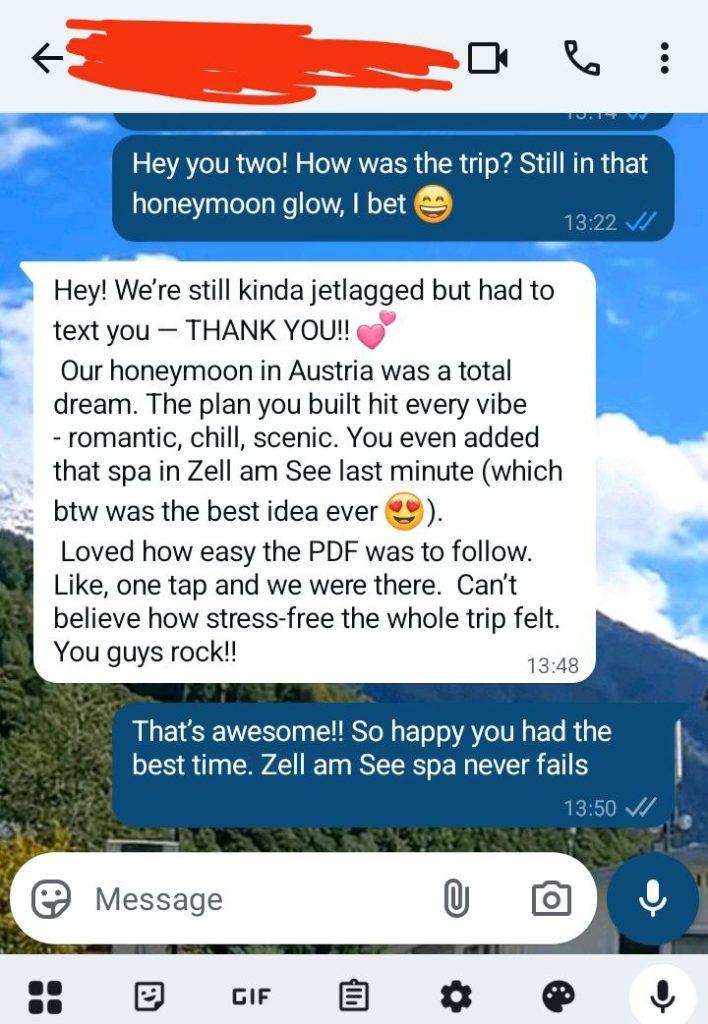
Take a look at the experiences of travelers who built their personal itinerary with us.
Click here and let’s start building the itinerary that will save you time, money, and stress – and turn your vacation into perfection.
Of course, your first inquiry is completely free – with no commitment whatsoever.
How it works


- You are welcome to contact us
- We discuss your trip
- You fill out a special form
- We create your itinerary
- You get it with all useful tips
- We are in touch with you all the time