My love for Japan began the moment I arrived in Tokyo. The country amazed me with its harmony of ancient traditions, cutting-edge technology, breathtaking nature, and a culture unlike any other. Since then, Japan has become a part of my life, and I return there again and again. Today I help travelers discover the real Japan: I create personalized itineraries, give lectures, and prepare guests for their unforgettable journey. I would be delighted to open Japan for you too!

Gifu
Gifu lies right in the heart of Japan, yet it feels worlds away from the frantic pace of the major metropolises. Here, the landscape takes the lead: mountains frame the horizon, rivers run crystal clear, and historic towns and traditional villages still feel genuinely lived-in rather than curated for tourists. It’s the kind of place where you can move seamlessly between destinations like Takayama, Shirakawa-go, and Gifu City, while adding atmospheric stops along the way. What truly sets the region apart is how naturally it weaves nature, culture, and quiet moments into one fluid journey.
How to Get Around Gifu: Navigating the Region?
The most convenient entry point to Gifu is usually via Chubu Centrair Airport, continuing through Nagoya, which serves as the primary gateway. Once you arrive, getting around is straightforward once you understand the local rhythm: trains handle the longer distances, while buses bridge the gaps to reach remote or scenic spots. The Limited Express Hida is a key rail line connecting major destinations, while buses are indispensable for reaching places like Shirakawa-go and the mountain interior. Within Gifu City, local buses link JR Gifu Station with Gifu Park and Mount Kinka, though many central areas are best explored on foot to truly soak in the atmosphere.
Click here to learn more about creating a personal itinerary
Tip from the itinerary expert: Think in terms of transport combinations: trains for the main journey, and buses for the final leg. If your route includes several rural stops in a single day, renting a car can save significant time and make your trip far more flexible.

When to Visit Gifu for the Best Experience?
Each season grants Gifu a completely different personality, so timing plays a major role in the overall feel of your trip. Winter transforms the region into a hushed, snow-covered wonderland, especially in Takayama and Shirakawa-go. Spring brings mild weather and cherry blossoms, while summer fills the valleys with lush greenery, flowing rivers, and the vibrant energy of festivals like Gujo Odori. Autumn is often the standout, with rich, fiery colors spreading across the mountains and historic sites. The same route can offer an entirely different perspective depending on the time of year you choose to visit.

Since 2015, our website has specialized in individual planning of unique routes, taking into account personal preferences and desires.
Each of you will receive a unique PDF file from us, which contains everything you need: travel routes, car rentals, hotels, the best tourist attractions, attractions for kids and everything you need for a perfect vacation.
During the trip, we are available for you by phone via WhatsApp.
Our personal service provides information from A to Z, taking into account many small details that can become a decisive factor on the way from a wasted trip to an unforgettable vacation.
Our service will make your trip comfortable, save a lot of time on planning and preparation, and most importantly – will allow you to become freer and fully enjoy the pleasure of the trip.
Tip from the itinerary expert: Plan your trip around the seasonal atmosphere, not just logistics. Winter is perfect for snowy village views, summer is ideal for river activities and festivals, and autumn offers the most striking mountain scenery—choosing the right season naturally creates a more impactful itinerary.
What Are the Top Attractions in Gifu for Your First Trip?
Gifu’s highlights aren’t concentrated in a single hub — they are beautifully scattered across mountain ridges, historic riverside towns, and cultural landmarks. That’s precisely where the charm lies. Rather than basing yourself in one city, most well-crafted itineraries naturally connect several locations, creating a journey that feels diverse yet unhurried. These key stops offer a balanced mix of dramatic scenery and deep history, allowing you to soak in the atmosphere without feeling overscheduled.
Shirakawa-go
This UNESCO-listed village is world-famous for its traditional gassho-zukuri farmhouses, featuring steep thatched roofs designed to withstand the region’s heavy snowfall. Walking through Shirakawa-go feels like stepping back centuries, particularly in winter when the village is blanketed in white. The pace here is naturally unhurried — wandering between historic homes, small museums, and scenic viewpoints is the heart of the experience.
Tip from the itinerary expert: Staying overnight here is a game-changer — early mornings and quiet evenings allow you to experience the village’s true soul without the daytime crowds.
Takayama Old Town
One of Japan’s most evocative historic districts, Takayama features narrow streets lined with dark wooden merchant houses, traditional sake breweries, and artisan craft shops dating back to the Edo period. It feels authentically lived-in rather than a staged museum, as many local families still operate their businesses here. The lively morning markets and local street food stalls add a vibrant layer of everyday life to the historic setting.
Tip from the itinerary expert: Don’t limit yourself to the main thoroughfares — the narrow side alleys are often far more atmospheric, especially in the golden light of the late afternoon.
Gifu Castle and Mount Kinka
Perched dramatically atop Mount Kinka, this historic stronghold offers commanding views over Gifu City and the winding Nagara River. The site is deeply linked to the legendary Oda Nobunaga and Japan’s feudal history. You can reach the summit either by a challenging forest hike or a scenic ropeway ride, followed by a short, uphill walk to the castle gates.
Entrance approx. ¥200; ropeway round trip approx. ¥1300; bus from station approx. ¥250 one way.
Tip from the itinerary expert: While the castle structure is modest, the panoramic views from the top are the real highlight; try to time your visit for a clear day to see as far as the mountains.
Gujo Hachiman
A tranquil town renowned for its pristine water, narrow canals, and preserved traditional character. Life here revolves around the water, with small stone-paved streets running alongside clear streams. It is one of those rare places where nothing feels manufactured for tourists — just a quietly authentic Japanese town with a gentle, rhythmic pace.
Tip from the itinerary expert: Avoid rushing through — this town is best savored slowly, leaving plenty of time to linger by the canals and explore the hidden side streets.
Hida Folk Village (Hida no Sato)
This open-air museum beautifully recreates traditional mountain life, featuring historic farmhouses relocated and preserved in a peaceful forest setting. Visitors can step inside the buildings, examine traditional tools, and often observe local craftsmen at work. It’s a spacious and serene destination that brings the region’s rugged history to life in a tangible way.
Combined bus + entry ticket approx. ¥1000.
Tip from the itinerary expert: Arrive shortly after opening — the park is much more immersive and peaceful before the afternoon tour groups arrive.
Kawaramachi (Gifu City)
A charming riverside district characterized by its lattice-fronted wooden buildings, intimate cafés, and family-run restaurants. Located right along the banks of the Nagara River, it seamlessly blends a historic aesthetic with modern city life, making it a perfectly relaxed and photogenic stop within Gifu City.
Tip from the itinerary expert: Group this visit with nearby attractions — it fits naturally into a half-day exploration along with Gifu Park and the ropeway.
Shinhotaka Ropeway
Offering some of the most breathtaking alpine views in Japan, this unique double-decker ropeway ascends high into the Northern Japanese Alps. From the observation deck at the top, you are rewarded with sweeping, 360-degree vistas across jagged mountain peaks and deep forested valleys.
Ropeway package approx. ¥4500 or combined regional ticket approx. ¥7700.
Tip from the itinerary expert: Check the mountain webcams before you head out — clear visibility is essential for the full experience, as low clouds can easily obscure the peaks.
What Are the Natural Highlights of Gifu: Landscapes That Define the Region?
In Gifu, nature isn’t just a backdrop—it is the very essence of the journey. Mountains, rivers, and deep valleys shape every mile, turning the simple act of traveling between towns into a highlight in its own right. These landscapes shift dramatically with the seasons, ensuring that the same route offers a completely fresh perspective each time you return.
- The Japanese Alps — the rugged backbone of Gifu, where towering peaks, sweeping panoramic views, and crisp mountain air define the atmosphere. Accessible through scenic drives, ropeways, and hidden hiking trails, this is one of central Japan’s most visually powerful regions.
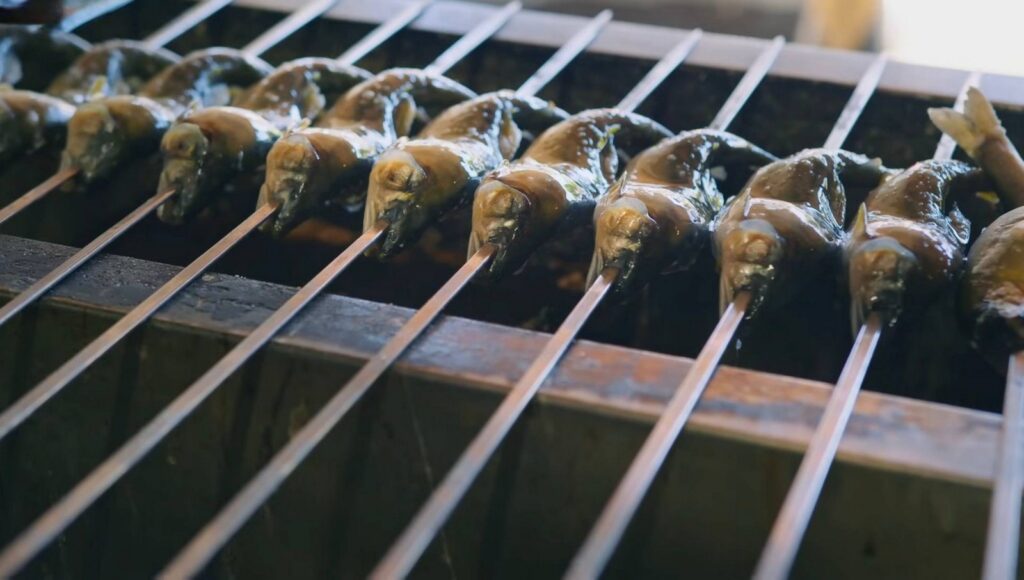
- Nagara River — celebrated as one of the country’s purest waterways, this river is woven into the local culture and daily life. It is famous for its crystal-clear flow, traditional fishing heritage, and the seasonal ayu fish that remains a staple of the local culinary scene.
- Monet’s Pond — a small but mesmerizing hidden gem where incredibly clear spring water, colorful koi, and floating lilies create a dreamlike, painterly effect. The shifting light and reflections throughout the day make it a paradise for photography.
- Forests and Misty Valleys — vast stretches of Gifu remain covered in ancient forests and quiet, misty hills. These expansive green landscapes provide a rare sense of stillness and space that feels worlds away from Japan’s bustling urban centers.
- The Gujo Hachiman Water System — a charming network of canals and streams that flow directly through the town, blending nature into the urban fabric. The water is remarkably transparent, fostering an atmosphere that is calm, slow, and easy to settle into.
Tip from the itinerary expert: Build extra breathing room into your schedule. In Gifu, the journey between locations is often just as memorable as the destinations themselves, so it is always worth allowing time for spontaneous scenic stops and unplanned detours.
What Are the Hidden Gems in Gifu: Unique Places Beyond the Main Route?
- Monet’s Pond — a small, almost surreal pond where crystal-clear spring water and vibrant koi create the striking illusion that the fish are floating in mid-air. The colors shift with the angle of the light, ensuring it never looks exactly the same twice.
- Mino Town — a beautifully preserved historic town famous for its traditional paper-making heritage and distinctive udatsu-style architecture. The streets are exceptionally calm, rarely crowded, and maintain a genuinely local feel.
- Igawa Lane (Gujo Hachiman) — a serene canal path lined with traditional houses and filled with gracefully swimming koi. Nothing here feels manufactured—it is simply a piece of everyday beauty that encourages you to slow down.
- Taki Shrine — hidden deep within the forest, this moss-covered shrine possesses a peaceful, almost mystical atmosphere, especially evocative when the air is damp or draped in a light mountain fog.
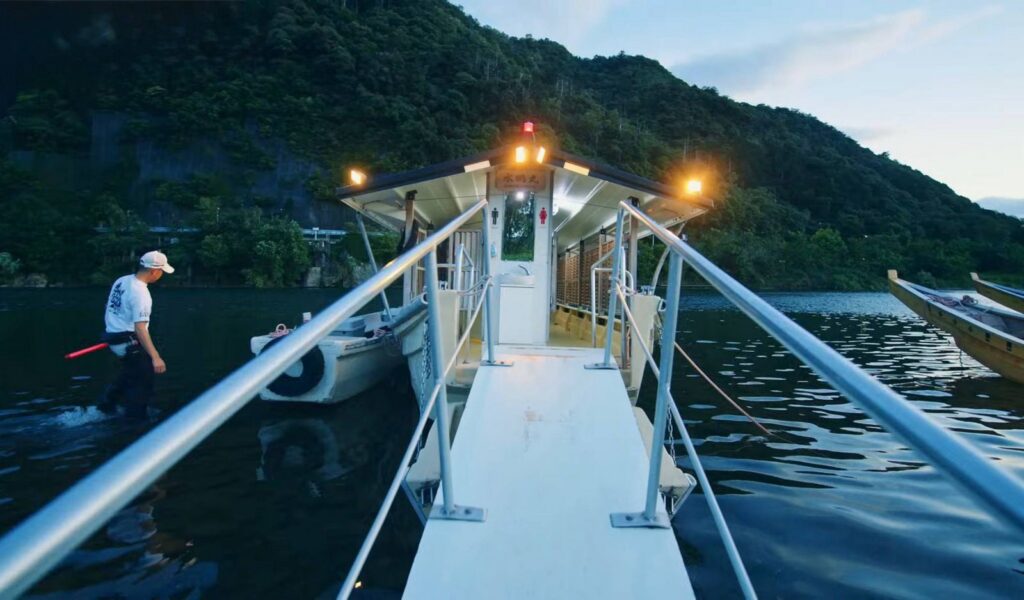
- Cormorant Fishing (Ukai) — a rare nighttime tradition where master fishermen use trained birds to catch fish, a practice preserved here for over 1,300 years. Watching the torches flicker over the water feels both ancient and deeply moving.
Click here to learn more about creating a personal itinerary
Tip from the itinerary expert: Make space for at least one hidden gem—these quieter, less obvious stops often become the most memorable moments of the trip, precisely because they offer a more personal and intimate connection to the region.
What Are the Best Family Activities When Traveling to Gifu with Kids?
- Squirrel Village (Mount Kinka) — a small, interactive park where children can feed and observe squirrels up close, conveniently located right near the upper ropeway station.
- Shinhotaka Ropeway — a thrilling cable car journey high into the Alps; for many children, the double-decker ride itself is even more exciting than the view from the top.
- Gattan Go — a unique and playful activity where you pedal specially designed rail-bikes along abandoned railway tracks through stunning natural landscapes.
- Food Replica Workshops (Gujo Hachiman) — hands-on sessions where kids can craft their own incredibly realistic wax food models, serving as both a fun craft and a quirky cultural experience.
- Site of Reversible Destiny — an interactive architectural park designed to challenge balance and perception, making it feel more like a giant outdoor playground than a traditional museum.
- Seasonal Snow Parks — during the winter months, several mountain resorts offer beginner-friendly slopes and dedicated snow play zones that are perfect for a family day in the snow.
Tip from the itinerary expert: Balance your day—pair one high-energy active experience with a slower, more relaxed stop to keep children engaged and happy without making the family schedule feel overwhelming.
4-Day Gifu Road Trip Itinerary
Trip Duration: 4 days
Day 1 — Takayama Old Town and Hida Folk Village
Morning (10:00–13:00): Begin your journey in Takayama Old Town. These narrow Edo-period streets, lined with dark wooden merchant houses, sake breweries, and artisan shops, offer one of the most evocative walks in Japan. Allow 2.5–3 hours to wander the lanes and explore the local morning market—a perfect opportunity to sample regional snacks and find handmade crafts.
Lunch (13:00–14:00): Stay within the historic district for a relaxed meal. A comforting bowl of Takayama ramen typically costs around ¥800, while a Hida beef and hoba miso set is approximately ¥1,950. For a more indulgent experience, premium Hida beef multi-course meals range from ¥3,500 to over ¥6,500 per person.
Afternoon and evening (14:30–18:00): Make your way to the Hida Folk Village (Hida no Sato). Plan for 2–2.5 hours here; the open-air museum is surprisingly vast, featuring authentic farmhouses, traditional tools, and seasonal mountain scenery. Entry is roughly ¥700. Return to central Takayama for dinner, perhaps choosing a cozy izakaya to unwind. If you have the energy, an evening stroll through the old town after the crowds have departed is highly recommended.
Tip from the itinerary expert: It is best to explore Takayama Old Town first and save Hida no Sato for the afternoon. Travelers often underestimate the size of the folk village, and arriving late may cut your visit short. If visiting in winter, use the local bus to reach the village and save your energy for exploring the grounds.
Overnight Location: Takayama
Day 2 — Shinhotaka Ropeway and a relaxed Takayama evening
Morning (10:00–13:30): Set out from Takayama for a scenic drive toward the Shinhotaka Ropeway. The journey itself is breathtaking, winding through deep mountain landscapes. The ropeway experience costs approximately ¥4,500. Dedicate 2–3 hours at the summit to enjoy the observation decks and light alpine walks. In the winter months, the panoramic views of the snow-capped Northern Alps are truly spectacular.
Lunch (13:30–14:40): Enjoy a simple lunch near the ropeway base or at a roadside stop on your return journey. This day focuses on the heights and the scenery, so a quick, casual meal keeps the schedule flexible.
Afternoon and evening (15:30–18:30): Upon returning to Takayama, slow the pace down. Revisit a favorite corner of the old town or explore the boutiques near the station. Enjoy a leisurely dinner at a local restaurant, savoring the quiet mountain atmosphere of your final night in the city.
Tip from the itinerary expert: Only head to Shinhotaka on a clear day, as visibility is the soul of this experience. If the peaks are clouded over, consider swapping your days. Once at the top, linger a while; the shifting light on the mountain ridges is worth the wait.
Overnight Location: Takayama
Day 3 — Shirakawa-go and Gujo Hachiman
Morning (10:00–13:30): Depart Takayama for the iconic village of Shirakawa-go. While bus transfers are frequent (around ¥2,800), having a car offers much more freedom. Spend 3–4 hours soaking in the valley views and walking among the legendary thatched-roof gassho-zukuri farmhouses. It is a place meant for slow exploration and quiet observation.
Lunch (13:30–14:30): Grab a bite within Shirakawa-go or at a highway rest stop as you head south. Maintaining a steady flow ensures you arrive at your next destination with plenty of daylight.
Afternoon and evening (15:00–18:30): Continue your drive to Gujo Hachiman. After checking into your accommodation, take a peaceful stroll through this “water town,” focusing on its famous canals and the sound of the rushing Yoshida River. Dinner in the town center is a great way to experience local life. If you visit during the summer festival season, the evening will be alive with the traditional Gujo Odori dances.
Tip from the itinerary expert: Balance is key today. Treat Shirakawa-go as your visual highlight and Gujo Hachiman as the atmospheric retreat. Approaching the day this way keeps the journey rewarding rather than exhausting.
Overnight Location: Gujo Hachiman
Day 4 — Gujo Hachiman, Monet’s Pond, and Gifu City
Morning (10:00–13:00): Enjoy a final morning in Gujo Hachiman. Walk along the riverbanks before heading up to Gujo Hachiman Castle; the 20-minute walk reward you with lovely valley views. For a fun, hands-on activity, visit a food replica workshop (approx. ¥1,000) to see why the town is Japan’s capital for wax food models.
Lunch (13:00–14:00): After a local lunch, drive to the nearby Monet’s Pond. This is a short but photogenic stop—30 to 45 minutes is plenty of time to admire the clear water and colorful koi.
Afternoon and evening (15:30–19:30): Complete your journey in Gifu City. Visit Gifu Park and ride the Mount Kinka ropeway (approx. ¥1,300) for sweeping views of the city. Conclude your trip in the historic Kawaramachi district with a riverside dinner. If visiting during the season, ending your trip with a Cormorant Fishing (Ukai) performance on the Nagara River (approx. ¥3,500) provides a truly unforgettable finale.
Tip from the itinerary expert: Keep your stop at Monet’s Pond brief so you can dedicate more time to Gifu City in the late afternoon. The combination of the ropeway views and a relaxed dinner in Kawaramachi makes for a much more powerful conclusion to your trip.
Overnight Location: Gifu City or departure day
Traveller Experiences in Gifu

Daniel Cohen
April 2024

We spent a few days in Gifu as a family, and Takayama Old Town was easily a highlight. Walking through those narrow wooden streets truly feels like stepping back in time. We tried the Hida beef skewers, and they were every bit as delicious as people say. My best advice: arrive early. By midday, the crowds become much more noticeable.
Ahmed Al Mansoori
August 2023

Our trip was centered on nature, and the Shinhotaka Ropeway was the absolute standout. The alpine views are breathtaking, and the kids enjoyed the cable car ride just as much as the scenery itself. The only factor we underestimated was the mountain weather—clouds rolled in and obscured the view initially, so timing and patience are key here.
Michael Rosen
October 2022
Shirakawa-go looks exactly like the Japan you see in postcards—traditional farmhouses, rugged mountains, and a serene, quiet atmosphere. We spent about three hours exploring, which felt perfect. It is incredibly photogenic, but I’d recommend avoiding the peak midday hours if possible. Also, keep in mind that distances within the village are a bit longer than they appear on maps.
Omar Khalid
July 2021
Gujo Hachiman was the most pleasant surprise of our journey. It isn’t as famous as other spots, but wandering along the canals and observing daily life revolve around the water felt incredibly special. The kids loved the food replica workshop too. This isn’t a place to rush—simply take your time and let yourself wander.
Sarah Levy
December 2019
We visited Takayama in winter, and the atmosphere was magical—fresh snow, quiet streets, and plenty of warm local food. The kids were perfectly happy just exploring and sampling different street snacks. Just remember: the temperature drops quickly, so plan for indoor breaks. Also, local restaurants fill up fast in the evenings, so it pays to choose your spot early.
Yousef Al Nuaimi
May 2025
A visit to Gifu Castle is primarily about the panoramic views rather than the interior displays. We took the ropeway up, which was quick and convenient, followed by the final walk to the gates. The vista from the top is genuinely impressive and worth the effort. Just be prepared for a bit of uphill walking after the cable car—it isn’t difficult, but it’s definitely a climb.
David Stein
September 2018
The most unique experience was witnessing the cormorant fishing on the Nagara River. Watching the traditional techniques from a boat at night felt authentic and unlike anything else we saw in Japan. While it’s a bit of an investment, it’s deeply memorable. I’d suggest booking in advance and bringing a light jacket for the evening breeze.
Fatima Al Haddad
March 2023
We stopped at Monet’s Pond while driving between towns. It is a beautiful, serene spot, though perhaps smaller than it appears in photos. Still, the incredible clarity of the water and the vibrant koi make it a worthwhile detour. You don’t need much time—30–40 minutes is plenty—making it a perfect scenic break during a road trip.
Tips from the Itinerary Expert

Start Takayama early
I always recommend arriving in Takayama Old Town before 10:00. The atmosphere is noticeably different—the light is softer, the streets are quieter, and the historical charm feels much more authentic. By late morning, the main thoroughfares fill up quickly, making it harder to appreciate the finer details.
Don’t underestimate Hida no Sato
On my first trip, I arrived too late and had to rush through the grounds. While it looks manageable on a map, you will realistically want at least 2–2.5 hours to truly explore. Arriving early allows you to wander the traditional houses at a relaxed pace and properly soak in the mountain setting.
Check the weather for Shinhotaka Ropeway
This is a destination where the weather dictates the entire experience. If visibility is low, those famous alpine vistas simply disappear behind the clouds. I always keep this part of my itinerary flexible and wait for a clear forecast before heading up.
Use train and bus combinations wisely
In Gifu, relying solely on trains can be restrictive. The most efficient strategy is to take the train for longer inter-city hauls and switch to buses for the final leg into the mountains or rural villages. Trying to reach every landmark by rail often leads to a slower and more complicated journey.
Plan short stops like Monet’s Pond
Monet’s Pond is stunning, but it is a focused, visual stop rather than a full-day destination. About 30–40 minutes is usually the sweet spot for taking photos and enjoying the clarity of the water. It works best as a scenic refresh during a longer driving day.
Save energy for Mount Kinka
Keep in mind that even after the ropeway ride, there is still a brief uphill walk to reach the gates of Gifu Castle. While the path is well-maintained, it is a bit of a climb. Wearing comfortable shoes and saving a little energy for this final stretch will make the panoramic reward at the top even better.
Try local food in unpretentious spots
Some of the most memorable meals in Gifu are found in small, family-run eateries. Local ramen, grilled ayu fish, and simple seasonal sets often taste more authentic in these modest settings—and the prices are usually much more favorable than in the tourist hubs.
Don’t rush Gujo Hachiman
Gujo Hachiman is a town that reveals its beauty slowly. Take the time to walk along the canals, cross the stone bridges, and observe the rhythmic daily life centered around the water. It isn’t a place for ticking off attractions; it’s a place for absorbing a unique atmosphere.
Balance nature with interactive activities
When planning for families, I find that balancing scenic viewpoints with hands-on experiences works best. Mixing a ropeway journey or a forest walk with a food replica workshop or an interactive museum keeps children engaged and ensures the day feels like an adventure rather than a long commute.
Insights from the Itinerary Expert
I visited Gifu in October 2024, and what stood out most was the region’s remarkable sense of balance. Within a relatively compact area, you transition seamlessly between the perfectly preserved streets of Takayama Old Town, the vast alpine vistas of the Shinhotaka Ropeway, and the storybook setting of Shirakawa-go. Beyond the icons, places like Gujo Hachiman and Kawaramachi offer a quieter, genuinely lived-in feel that never seems staged for tourists. For a family journey, this variety is ideal—it keeps every day fresh and engaging while providing enough slow-paced moments to keep the trip from feeling like a marathon.
The secret to a successful Gifu trip lies in the logistics. Distances can be deceptive on a map; once you account for winding mountain roads, spontaneous scenic detours, and the time needed to truly explore on foot, your day fills up fast. It is easy to overcommit. I always advise against stacking too many major sights into a single day. Flexibility is your best friend here—mountain weather can shift in an instant, and several spots require more walking than you might initially expect. Often, the most memorable highlights are the ones you didn’t see coming because your schedule actually allowed for them.
Ultimately, Gifu is a region that rewards those who slow down. The more breathing room you give your itinerary, the more the land reveals its true character—through its dramatic landscapes, its soul-warming food, and the gentle rhythm of daily life. It is an exceptional choice for travelers seeking atmosphere, nature, and depth. We are always here to help you craft a personalized route that captures the very best of Gifu and the rest of Japan.
Tip from the itinerary expert: Structure your days around no more than two main anchors—for instance, combine one major scenic landmark with one atmospheric town. This simple rule of thumb keeps the pace relaxed and ensures the entire experience remains genuinely enjoyable.
Typical Travel Costs in Gifu
| Name | Amount | Description |
|---|---|---|
| Budget hotels (per night, for 2) | 3700–7000 JPY | Simple, functional business hotels, often located near Gifu Station. These are perfect for short stays where a central location is the priority. |
| Mid-range hotels (per night, for 2) | 11340–18200 JPY | Comfortable, well-appointed stays, particularly popular in Takayama. Prices fluctuate depending on the season and proximity to historic districts. |
| Higher-end hotels / ryokan (per night, for 2) | 35000–53000 JPY | Traditional ryokan or boutique accommodations offering a deeply immersive experience. Expect premium pricing during peak travel seasons and local festivals. |
| Apartment for a family of 5 (per night) | 38000+ JPY | Spacious apartments or entire traditional houses. These offer the privacy and room needed for families traveling together. |
| Car rental (per day) | 8000–12000 JPY | Average daily rate for a standard vehicle. This is often the most practical way to reach rural hidden gems and link multiple stops efficiently. |
| Public transport | 210–8340 JPY | Local city buses start around ¥210, while longer regional routes—such as the train from Nagoya to Takayama—can cost up to ¥8340. |
| Restaurant meal (per person) | 800–6500 JPY | Casual meals like ramen start around ¥800. Signature Hida beef dishes typically range from ¥3500 to ¥6500 depending on the cut and restaurant. |
| Parking (per day) | 500–1500 JPY | Standard daily rates in city centers and near major attractions; costs vary slightly based on the specific lot's location. |
| Supermarket basics (for 2 people) | 1500–3000 JPY | Essential groceries for snacks or light meals. A great way to manage your daily budget while exploring the region. |
Frequently Asked Questions about Gifu
01
How many days should I plan for a trip to Gifu?
To truly appreciate the region’s variety, plan for a stay of 3–5 days. This allows you to explore the historic streets of Takayama, the iconic farmhouses of Shirakawa-go, and the sights of Gifu City, while still leaving time for a mountain retreat or a quiet afternoon in an atmospheric town like Gujo Hachiman.
02
When is the best time of year to visit Gifu?
The “best” time depends on the atmosphere you seek. Winter offers a magical, snow-covered landscape perfect for photography; spring is mild and ideal for cherry blossoms; summer is vibrant with greenery and river festivals; and autumn is perhaps the most striking, as fiery fall colors sweep across the mountain peaks.
04
Is Gifu a suitable destination for families with children?
Gifu is an excellent family destination. The combination of alpine ropeways, interactive open-air museums, hands-on food replica workshops, and winter snow play provides a perfect balance of entertainment and easy-paced exploration for all ages.
05
What are the must-try local foods in Gifu?
The absolute highlights are the tender Hida beef and the fresh, salt-grilled ayu sweetfish from the Nagara River. Beyond these, don’t overlook the simple joys of local ramen and miso-based dishes found in small, family-run eateries where the flavors are often most authentic.
07
Is Gifu Castle currently open to visitors?
No. Gifu Castle is currently closed for major reconstruction as of 19 May 2026, with an expected reopening around October 2027. Additionally, the adjacent museum has been closed since 1 April 2026. However, the ropeway and summit observation decks remain accessible for those seeking panoramic views.
08
Can I visit Takayama and Shirakawa-go in a single trip?
Yes, they are a natural pairing. The key is to avoid rushing; Shirakawa-go is best experienced through a slow, wandering walk, while Takayama reveals its true charm when you have enough time to explore its narrow side alleys and local morning markets properly.
10
What is the easiest way to travel to the Gifu region?
The most convenient route is typically to fly into Chubu Centrair International Airport and transit through Nagoya, which serves as the primary gateway to the region. From Nagoya, frequent trains and buses provide easy access to Gifu City, Takayama, and beyond.
What we propose

Emma Heidi
Customer Experience Manager
Take all the stress out of planning your trip!
With our experts, you can create the perfect itinerary for you – complete, comfortable, and tailored to all your dreams, wishes, and needs.
We take care of every little detail, so you can simply focus on enjoying your journey.
We’ve been designing personalized itineraries since 2015, and over the years we’ve created thousands of custom itineraries for happy clients.

Save time, avoid confusion – we do the work for you. Our service saves you weeks of searching, reading, comparing, and complicated planning. Instead of wasting endless hours – you receive a ready-to-use, accurate and clear itinerary.

A tailor-made itinerary – built just for you. Your itinerary is personally designed based on our experts’ real field experience and genuine feedback from hundreds of travelers – including hidden discoveries and insider tips that don’t appear in any travel guide.

Smart accommodation selection – often saves you hundreds or even thousands of dollars. We help you choose verified and recommended places to stay, checking availability for your exact travel dates. Sometimes we suggest hotels not “in the center,” but in safe, convenient, and highly strategic locations – which can significantly reduce travel costs and save you even thousands of dollars.

We’re by your side even during the trip. We stay with you throughout your vacation – providing professional help whenever needed. If the weather changes, there’s a strike, a local event, heavy crowds, or any unexpected situation – we are here to update, guide, and adjust your itinerary in real time.

Easy-to-use itinerary – with direct navigation links. Your itinerary includes direct Waze / Google Maps links – no need to search for parking addresses, no stress, no mistakes. Just tap – and go.

Service cost: from only $420. (Special price for short itineraries up to 5 days). Clients tell us the itinerary saves them costly mistakes, fines, wrong choices – plus exclusive discounts on car rentals, better-priced accommodations, and money-saving local tips.
Want to know if it’s really worth it?
Take a look at the experiences of travelers who built their personal itinerary with us.
Click here and let’s start building the itinerary that will save you time, money, and stress – and turn your vacation into perfection.
Of course, your first inquiry is completely free – with no commitment whatsoever.
How it works


- You are welcome to contact us
- We discuss your trip
- You fill out a special form
- We create your itinerary
- You get it with all useful tips
- We are in touch with you all the time