My love for Japan began the moment I arrived in Tokyo. The country amazed me with its harmony of ancient traditions, cutting-edge technology, breathtaking nature, and a culture unlike any other. Since then, Japan has become a part of my life, and I return there again and again. Today I help travelers discover the real Japan: I create personalized itineraries, give lectures, and prepare guests for their unforgettable journey. I would be delighted to open Japan for you too!

Yamagata
Yamagata, the soulful capital of its namesake prefecture in northeastern Honshu, is cradled between majestic mountain ranges and the Sea of Japan. Here, the seasons don’t just change; they arrive with breathtaking drama. Summers are lush, vibrant, and warm, while winters transform the region into a hushed, cinematic wonderland blanketed in deep snow. These sharp contrasts do more than just create beautiful scenery; they shape the very rhythm of daily life and the deep-rooted traditions that define the area.
Despite its ancient mountain temples, historic landmarks, and a hot spring culture that spans centuries, Yamagata often remains off the beaten path for international travelers focused on Tokyo or Kyoto. This is exactly where its magic lies. A journey here feels grounded and unhurried. You’ll find charming rural towns instead of crowded avenues, and a regional cuisine that tastes honestly of the land. Instead of simply rushing to tick off famous landmarks, Yamagata invites you to slow down and notice the smaller details: the soft morning light over the peaks, the quiet grace of the streets, and the genuine feeling of being immersed in authentic, everyday Japan.
Getting to Yamagata and Exploring at Your Own Pace
Most travelers arrive in Yamagata via high-speed train from Tokyo. It is a smooth, comfortable journey that serves as the perfect transition into the slower pace of the north. Once you arrive, you’ll find that many of the city’s cultural and historic gems are close enough to explore on foot, allowing for spontaneous wandering without the pressure of a strict schedule. To venture further toward the dramatic mountain temples, rural hamlets, and steaming onsen resorts, an efficient network of buses and regional trains is at your service, letting the scenery dictate your day rather than the logistics of travel.
When planning visits to more secluded spots like Zao or Ginzan, timing and the season become key. Especially in winter, local weather and rural timetables play a bigger role in your journey. For those seeking total freedom, renting a car is an excellent option. It opens up the map, allowing you to reach hidden valleys and panoramic viewpoints that feel wonderfully secluded. Even a short drive can lead you to a quiet corner of the prefecture that feels worlds away from mass tourism.
Click here to learn more about creating a personal itinerary
Tip from the Itinerary Expert: If your route includes several nature areas or hot spring towns, consider renting a car for part of the trip. It significantly reduces travel time, provides flexibility when the weather shifts, and turns every spontaneous scenic lookout into a highlight of your journey rather than a logistical hurdle.

The Best Time to Visit: Choosing Your Yamagata Story
Yamagata’s four seasons offer entirely different worlds to explore. Winter turns the mountains into a snowy paradise, where the famous “ice monsters” (snow-covered trees) of Zao stand as silent sentinels from late January through February. It is the peak time for skiing and soaking in outdoor hot springs while the snow falls. As spring arrives, the landscape softens under a canopy of cherry blossoms. In the parks and castle grounds, the delicate pink petals provide a stunning contrast to the weathered stones of historic architecture.
Summer brings a burst of energy with vibrant festivals and clear days perfect for hiking, while autumn drapes the mountains in a rich tapestry of fiery reds and gold. Because the seasonal shifts are so profound, choosing when to go isn’t about avoiding the “wrong” time, but rather deciding which chapter of Yamagata’s story you want to step into. Each visit feels like a new experience, which is why so many travelers find themselves returning to see the landscape transform all over again.

Since 2015, our website has specialized in individual planning of unique routes, taking into account personal preferences and desires.
Each of you will receive a unique PDF file from us, which contains everything you need: travel routes, car rentals, hotels, the best tourist attractions, attractions for kids and everything you need for a perfect vacation.
During the trip, we are available for you by phone via WhatsApp.
Our personal service provides information from A to Z, taking into account many small details that can become a decisive factor on the way from a wasted trip to an unforgettable vacation.
Our service will make your trip comfortable, save a lot of time on planning and preparation, and most importantly – will allow you to become freer and fully enjoy the pleasure of the trip.
Tip from the Itinerary Expert: Plan your trip around one defining seasonal highlight, whether it is the snow-covered peaks, the cherry blossoms, summer festivities, or the autumn colors. Let that singular theme guide your itinerary to create a deeper, more cohesive experience rather than trying to rush through everything in a single visit.
What are the main attractions to see in Yamagata?
Yamagata is a place where mountain spirituality, layered history, and a deeply rooted hot spring culture come together in a way that feels incredibly welcoming and easy to explore. Rather than just a collection of isolated landmarks, its highlights are part of a wider, living landscape shaped by nature and ancient traditions. When you weave together these sacred temples, mountain resorts, and historic onsen towns into one journey, the prefecture reveals its true personality—calm, scenic, and quietly unforgettable.
Yamadera Temple
Risshaku-ji
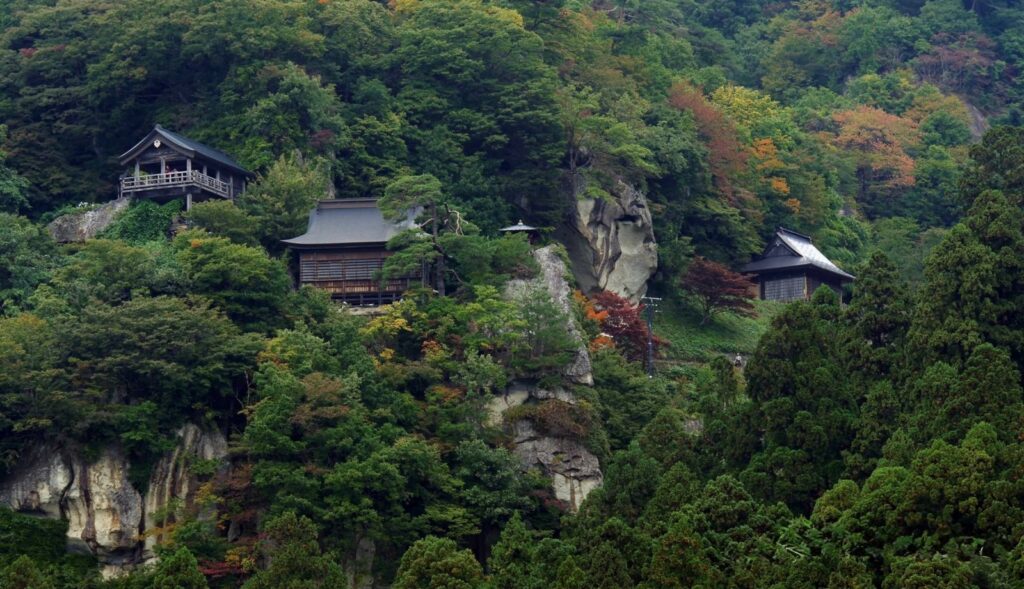
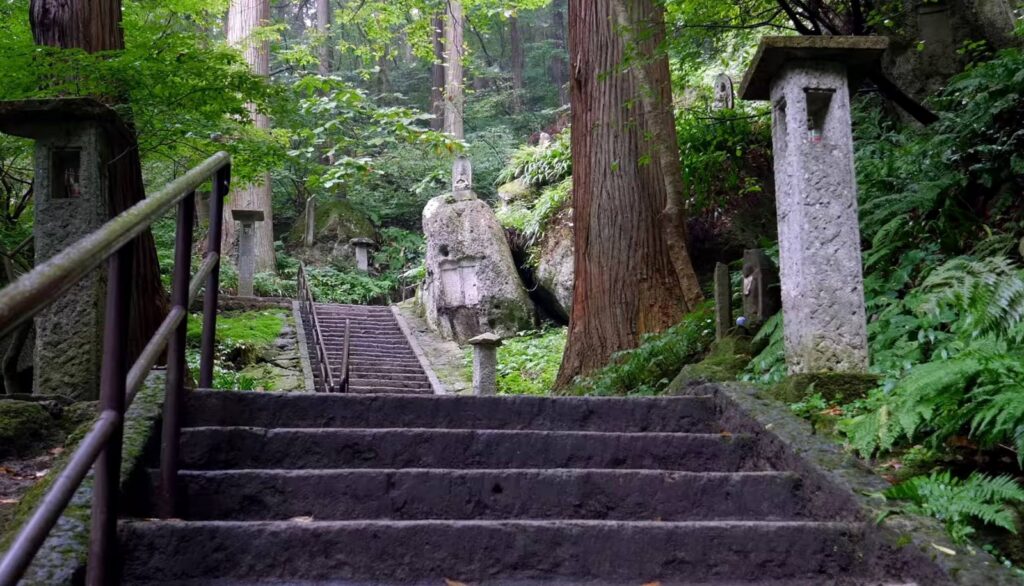
Founded in 860, this iconic mountain temple complex invites you to climb over a thousand stone steps through ancient cedar forests, past moss-covered lanterns, and small shrines tucked into the rocky hillside. The ascent is more of a meditation than a hike; every pause along the way reveals a new, stunning perspective of the valley below. At the summit, a dramatic cliffside hall opens onto sweeping panoramas of mountains and farmland. The atmosphere here shifts beautifully with the seasons—from the hushed, snow-covered silence of winter to the fiery reds and golds of autumn.
Admission is required to access the upper temple grounds.
Tip from the Itinerary Expert: Start your climb early to enjoy the cooler morning air and the softest light for photos. Take your time; the rest points and scenic viewpoints are just as important as the summit itself. If you visit in winter, ensure you have sturdy footwear with extra traction to navigate the icy stone steps safely.
Distance/Time: Short trip from Yamagata City
Zao Onsen
With a history reaching back centuries, Zao Onsen is a quintessential mountain hot spring town. It is famous for its strongly acidic, sulfur-rich waters, which locals affectionately call ‘the springs of beauty.’ The village is a delight to explore, with traditional wooden bathhouses, public baths, and steaming footbaths scattered along the streets. Whether you drop in for a quick soak or settle in for a restorative overnight stay at a local ryokan, the peaceful mountain setting is the perfect remedy after a day of outdoor exploration.
Prices vary depending on the chosen bathhouse or facility.
Tip from the Itinerary Expert: The best way to experience Zao is to pair an active morning in the mountains with a late-afternoon soak in an outdoor bath (rotenburo). The contrast between the crisp, alpine air and the steaming mineral water is the very essence of a Yamagata escape.
Distance/Time: Mountain resort area near the city
Zao Snow Monsters
Juhyo Rime Ice
In the heart of winter, a unique natural phenomenon occurs high in the Zao mountains. Supercooled water droplets freeze onto the trees, gradually building up layers of ice and snow until they transform into towering, otherworldly shapes known as ‘snow monsters.’ These surreal, sculptural formations turn the slopes into a ghostly white wonderland. This spectacle is one of Japan’s most iconic winter sights and offers an experience that feels truly out of this world.
Viewing is often accessed via ropeway services.
Tip from the Itinerary Expert: Timing is everything here. Plan your visit for the peak winter weeks and keep a close eye on the weather forecast. A clear, blue-sky day makes the ‘monsters’ stand out brilliantly against the horizon and provides much better visibility from the higher ropeway stations.
Distance/Time: Best experienced in mid-winter
Kajo Park and Yamagata Castle Ruins
Once the formidable seat of a powerful regional lord, these former castle grounds have been transformed into a sprawling public park that beautifully blends history with green space. While the original keep is gone, the impressive stone walls and meticulously reconstructed gates tell the story of Yamagata’s feudal past. In the spring, the park becomes a dreamlike scene as hundreds of cherry trees burst into bloom along the old moats, making it one of the prefecture’s most atmospheric places for a seasonal stroll.
Tip from the Itinerary Expert: While cherry blossom season is undeniably the most photogenic time to visit, don’t overlook an early morning walk during other seasons. Without the crowds, you can truly appreciate the grand scale of the ruins and the quiet, reflective mood of the historic grounds.
Distance/Time: Located within Yamagata City
Ginzan Onsen
Visiting Ginzan Onsen feels like stepping back in time to the Taisho era. This secluded hot spring village features stunning multi-story wooden inns that line a narrow river valley. In winter, the scene is nothing short of magical, with gas lanterns glowing softly against deep drifts of snow. Even outside the snowy months, the nostalgic architecture and the sound of the rushing river create an incredibly romantic and peaceful atmosphere. It is widely considered one of the most beautiful onsen towns in all of Japan.
Access and accommodation conditions vary by season.
Tip from the Itinerary Expert: Because Ginzan Onsen is so small, rooms book up many months in advance. If you can’t secure a stay, don’t worry—you can still visit as a day guest to walk the historic streets and enjoy the scenery. The blue hour, just as the lanterns are lit, is the most enchanting time to be there.
Distance/Time: Reachable from Yamagata by road transport
Historic Museums and Meiji-era Buildings
Yamagata is home to several beautifully preserved government and educational buildings from the Meiji period, a fascinating era when Western architectural styles first began to blend with Japanese traditions. Stepping inside these elegant structures provides a wonderful counterpoint to the city’s older temples. They offer a window into how the region modernized while still holding onto its cultural roots. Most of these sites are located close to one another, making for a very manageable and enriching cultural walk.
Some museums provide free admission.
Tip from the Itinerary Expert: These historic buildings are often located near lovely parks or local cafés. I recommend combining a quick museum visit with a coffee break to soak in the local atmosphere—it’s a great way to keep your day varied and relaxed without feeling like you’re rushing through a checklist.
Distance/Time: Central Yamagata City
Which natural places near Yamagata truly deserve your time?
The landscape surrounding Yamagata is a masterpiece of mountain ranges rising gently from forested slopes, rivers winding through fertile valleys, and the dramatic volcanic terrain of Zao. Here, nature doesn’t feel like a separate attraction; it is the quiet, constant backdrop to daily life. From the sacred peaks to the vast Zao massif, you’ll find wide-open viewpoints and alpine beauty that, in winter, transform into a silent, cinematic world under thick blankets of snow.
Water adds a softer, more reflective dimension to the region. Rivers flow steadily through rural heartlands bordered by farmland and old-growth woodland, creating a peaceful atmosphere that invites you to wander rather than simply rush for a photo. Instead of bustling skylines, you’ll find calm reflections on the water, weathered bridges, and open stretches of countryside. This perfect balance between the rugged mountains and the gentle waterways gives Yamagata a visual harmony that stays with you long after you’ve left.
Perhaps the most compelling thing about these natural spaces is how vividly they change with the seasons. Winter sculpts the mountains into otherworldly white forms, spring brings a sudden explosion of fresh greenery, and summer deepens the forests into cool, dense shade before autumn sets the hillsides ablaze in brilliant color. The same trail or viewpoint can feel entirely different from one visit to the next. This is why Yamagata is so rewarding for those who travel slowly—it is a place that invites you to return and see it again under a different light.
Tip from the Itinerary Expert: Focus on just one main natural setting each day, whether it is a mountain peak, a forest trail, or a riverside valley. Slowing your pace gives you the chance to notice the shifting light, the mountain air, and those quiet, hidden viewpoints that are so easily missed when you are trying to cover too much ground.
What hidden gems in Yamagata are worth discovering?
Beyond the iconic temple silhouettes and famous hot spring resorts, Yamagata holds a quieter cultural layer that reveals itself only to those who slow down. You’ll find it in the small neighborhoods, the traditional storefronts, and the community events that make this city feel authentically lived-in rather than staged. One of its most distinctive moments occurs every two years during the international documentary film festival. For a brief time, the calm streets become a hub for filmmakers and thoughtful cultural exchange before the city gently slips back into its usual, peaceful rhythm.
If you venture off the main tourist routes, you will discover rural onsen villages, intimate local museums, and beautifully preserved historic buildings that rarely find their way into international guidebooks. These corners of the prefecture safeguard regional crafts and stories that define the true character of northern Japan. Exploring them on foot, without the pressure of a fixed checklist, often creates a much deeper connection to the land than rushing between headline attractions.
Food in Yamagata is another journey of discovery. Seasonal markets and humble roadside stands showcase locally grown fruit, traditional sweets, and countryside dishes dictated by the agricultural calendar. Sitting in a small neighborhood café or tasting regional specialties at a modest shop often feels surprisingly personal—a quiet memory that can stay with you far longer than a visit to the most photographed landmarks.
Click here to learn more about creating a personal itinerary
Tip from the Itinerary Expert: Keep part of your schedule completely open for wandering. A quiet side street, a family-run café, or a vibrant seasonal market can easily become the highlight of your day. Many of Yamagata’s most authentic experiences simply aren’t labeled as major attractions.
What can you do in Yamagata with children?
Yamagata is a wonderful destination for families who prefer the wonders of nature and meaningful experiences over the noise of busy theme parks. The region’s pace is naturally relaxed, making it easy to combine light adventure with cultural discovery. A visit to a local hot spring can be a fun, restorative pause for everyone, while mountain paths and temple walks turn exploration into a shared family achievement. The ever-changing scenery—from winter’s snowy wonderlands to autumn’s vibrant forests—keeps the outdoors exciting for children without feeling overwhelming.
Climbing the famous stone staircase to the mountain temple, for instance, becomes a rewarding family challenge, especially when the panoramic views reveal themselves at the summit. In winter, the Zao mountains offer a chance to see rare ‘snow monsters’ and play in some of Japan’s best snow, while local fruit-picking and traditional sweets provide a fun, delicious way for kids to experience regional flavors. The variety here keeps everyone engaged without the need for a frantic, tightly packed schedule.
Since the distances between nature spots, cozy cafés, and cultural sites are relatively short, it is easy to adjust your plans on the fly based on the weather or the family’s energy levels. Instead of rushing, you can move at a comfortable pace, allowing curiosity and spontaneous stops to shape each day’s adventure.
Tip from the Itinerary Expert: Try to alternate outdoor walks or short hikes with warm indoor breaks—perhaps a stop at a local café or a dip in a hot spring facility. This balance keeps children energized and comfortable, especially when exploring during the colder seasons.
Yamagata in 3 Days: A Perfect Family-Friendly Itinerary (City, Zao, Ginzan & Yamadera)
Trip Duration: 3 days
Day 1 - Settling into Yamagata: Castle Parks, Hidden History, and Local Flavors
Morning (10:00–12:45): Yamagata Castle Ruins & Kajo Park
Ease into your adventure with a gentle walk through Yamagata Castle Ruins · Kajo Park. While the main keep is a memory of the past, the massive stone walls and wide moats create a wonderful sense of history. The park is incredibly spacious and calm—perfect for your first day while everyone finds their travel rhythm. It is a photographer’s dream during cherry blossom season, but its quiet beauty makes it a great escape year-round.
How to get there: It is a pleasant 15-minute walk from the station area. Give yourself at least 2 hours to wander the paths, explore the gates, and simply enjoy the open air.
Lunch (13:00–14:00): A Taste of the City
Stop for a simple, hearty local lunch. Yamagata is famous for its nourishing set meals and noodles. In the winter months, finding a cozy local spot to warm up is the best way to recharge for the afternoon.
Afternoon (14:20–16:30): Old Saiseikan Hospital Building
Head to the Old Saiseikan Hospital Building, a striking piece of architecture from 1891 that blends Western and Japanese styles. It’s a fascinating, compact site that is easy to navigate, making it a perfect indoor option if the weather turns snowy or rainy. The circular design of the first and second floors is truly unique.
Note on opening hours: The building typically welcomes visitors from 9:00 to 16:30, so try to arrive by mid-afternoon.
Evening (17:00–18:00): City Stroll & Dinner
End your first day with a relaxed dinner near the station to keep things stress-free. For a special treat, look for a restaurant serving the famous Yamagata beef—whether you prefer it as a steak or grilled yakiniku-style, it is an essential local experience.
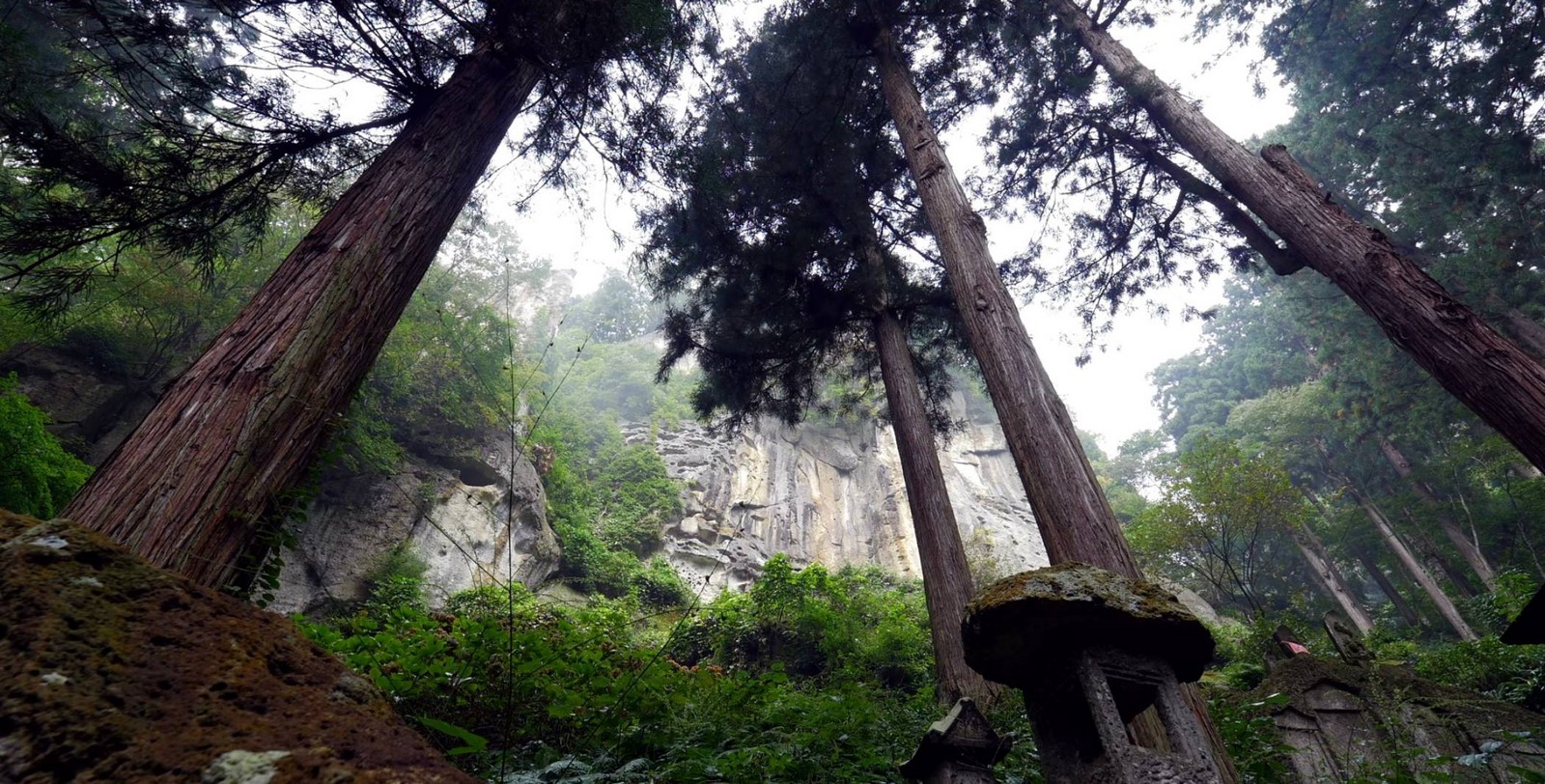
Towering cedar trees and sacred stone monuments create a peaceful atmosphere beneath the dramatic cliffs of Yamadera.
Tip from the Itinerary Expert: If your next two days are packed with mountain sights, treat Day 1 as your buffer. A light, flexible schedule at Kajo Park helps the whole family recover from the journey and ensures you don’t start your trip already tired.
Overnight Location: Yamagata City
Day 2 - Zao Onsen: Peaks, Ropeways, and Steaming Springs
Morning (10:00–11:15): Journey to Zao Onsen
Today is all about the alpine charm of Zao Onsen. This historic village is famous for its sulfuric, therapeutic waters and traditional atmosphere. If you are visiting in winter, you’ll be here for the legendary Juhyo “snow monsters”—massive trees encased in ice and snow—which are usually at their peak from late January to late February.
How to get there: The trip from Yamagata Station takes about 1 hour. If you’re taking the bus, be sure to check the seasonal schedule and allow a little extra time for potential winter weather delays.
Late morning (11:30–13:30): Zao Ropeway
Ride the ropeway high above the clouds for incredible mountain panoramas. A round-trip ticket is approximately ¥4,400 for adults and ¥2,200 for children. Remember that mountain weather is unpredictable; if the skies are clear, head up immediately!
Lunch (13:40–14:40): Mountain Comfort Food
Enjoy lunch in the village. When it’s snowing outside, there is nothing better than a slow meal in a warm restaurant to dry off and enjoy the cozy onsen-town vibes.
Afternoon (15:00–17:00): Village Stroll & Hot Springs
Wander the winding streets of Zao Onsen. You’ll find public bathhouses and steaming footbaths everywhere, making it easy to soak in the culture even if you aren’t staying the night. It’s a wonderful, relaxing way for the whole family to unwind after the heights of the ropeway.
Return (17:00–18:00): Heading Back
In winter, it’s best to head back to Yamagata City before it gets too dark. Leaving a bit of a time cushion ensures a smooth journey back to your hotel.
Tip from the Itinerary Expert: Head straight to the ropeway as soon as you arrive to make the most of the morning light and visibility. Once you’ve seen the summit views, you can relax into a slower pace with lunch and a soak, knowing the main highlight is already checked off.
Overnight Location: Yamagata City
Day 3 - Yamadera and Ginzan Onsen: Temple Steps and Fairytale Streets
Morning (10:00–13:30): Yamadera (Risshaku-ji)
Start your final day at Yamadera, one of Northern Japan’s most spiritual and scenic sites. The path up the mountain consists of about 1,015 stone steps winding through a beautiful forest. Don’t worry about the count—just climb at your own pace and stop often to admire the shrines and the views along the way.
How to get there: The JR train from Yamagata takes just 20 minutes, followed by a short walk to the temple gates. Admission to the upper temple grounds is ¥500.
Planning your time: Most people spend about 3 hours here. If it is raining or snowing, the steps can be slippery, so take your time and enjoy the misty mountain air.
Lunch (13:40–14:30): Soba with a View
The area around the station is famous for its soba noodles. It’s a classic Yamadera lunch that perfectly fits the mountain setting before you head to your next destination.
Afternoon (14:30–16:10): Transfer to Ginzan Onsen
Set off toward the magical Ginzan Onsen. The journey from Yamadera usually involves a train and a bus, taking about 1.5 hours. This is your dedicated time to relax and watch the countryside go by.
Late afternoon (16:10–18:00): Ginzan Onsen & Shirogane Falls
Entering Ginzan Onsen is like walking into a storybook. Wooden ryokan line the river, and as evening falls, gas lamps cast a warm glow over the water. It’s incredibly atmospheric, especially under a layer of snow. Take a short walk to Shirogane Falls at the edge of town for a quick nature fix that perfectly complements the historic architecture.
Local access note: Shuttles run between the Taisho Romankan hub and the village for about ¥500 for a day pass. In winter, keep an eye on the time so you don’t miss the last shuttle back!
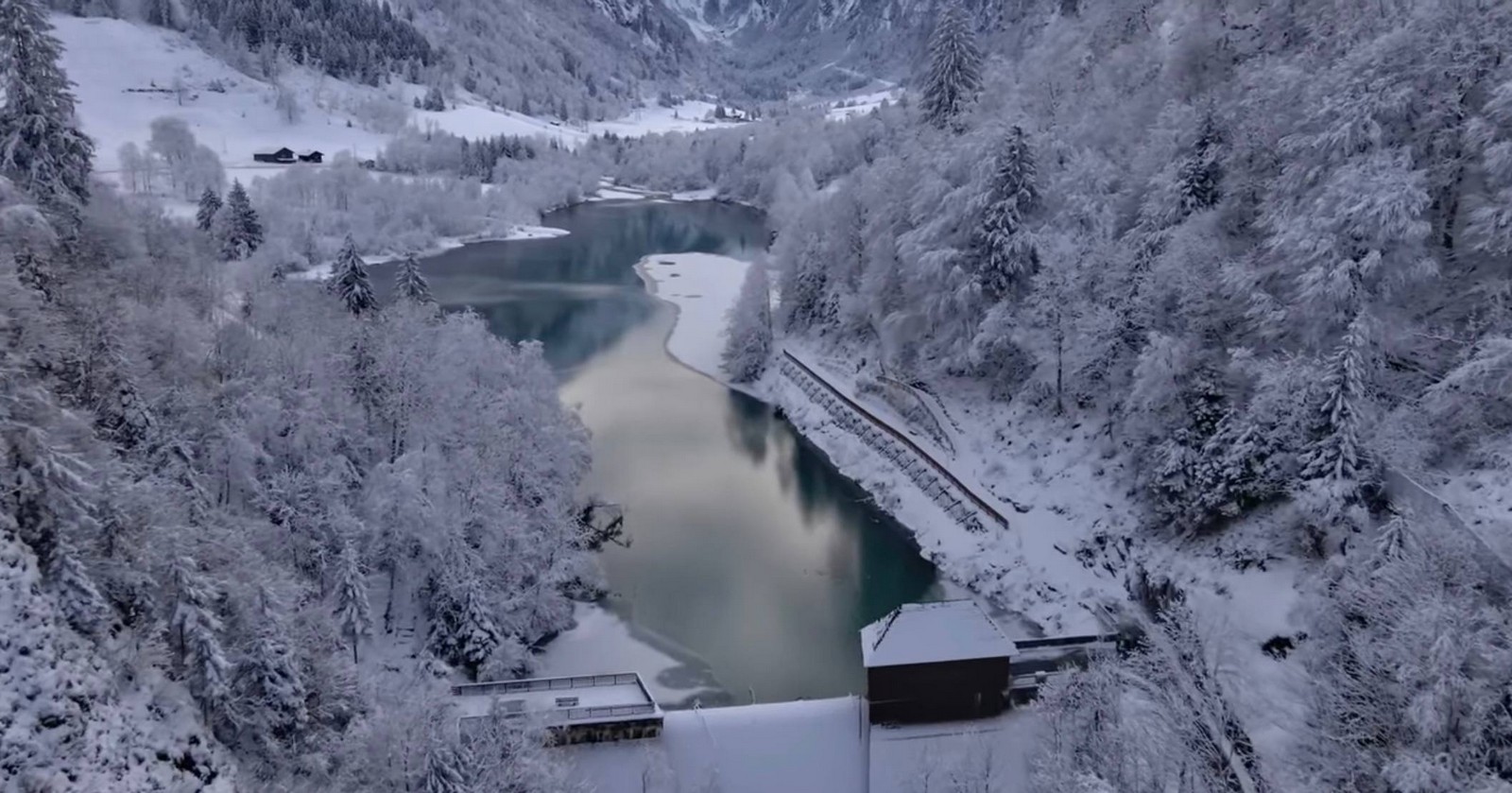
A frozen winter landscape in Yamagata, where a turquoise lake rests quietly between snow-covered mountains.
Tip from the Itinerary Expert: Tackle the Yamadera climb first while your energy is high, then reward yourself with the gentle, nostalgic pace of Ginzan Onsen in the late afternoon. This sequence makes the day feel balanced and ends your trip on a magical note.
Overnight Location: Yamagata City (or Ginzan Onsen if booked)
Traveller experiences in Yamagata

Daniel Morris
October 2024

I originally came to Yamagata for the mountain scenery and the famous Yamadera climb, but it ended up being the absolute highlight of our entire Japan trip. We took it slowly, pausing along the ancient stone steps whenever the kids needed a breather, and that made all the difference. The view from the top was incredibly peaceful and deeply rewarding. Just a tip: make sure you wear proper shoes, as even a little moisture can make the steps quite slippery.
Leila Hassan
February 2025

Zao in winter completely exceeded my expectations. The snow-covered trees looked almost unreal, like giant sculptures crafted by hand, and soaking in the hot springs afterward was the perfect antidote to the cold. We built extra buffer time into our day, which allowed us to truly relax instead of rushing. The food in the onsen town was simple but wonderfully comforting, and I loved how quiet and intimate it felt compared to the larger ski resorts.
Michael Turner
April 2019
Kajo Park during cherry blossom season felt surprisingly calm and spacious, which made the experience so much better than the crowded spots in Tokyo. We walked around the moat at an easy pace and let the kids run around the open lawns. There isn’t a long checklist of attractions here, but that’s exactly the charm. Bring some snacks, slow down, and treat it as a relaxed outdoor moment rather than just another stop on the itinerary.
Sara Williams
December 2023
Ginzan Onsen in winter is like stepping into a postcard. The traditional wooden buildings, soft glow of the streetlights, and fresh powder snow created a magical atmosphere I’ll never forget. Since accommodation can be hard to find, we stayed nearby and visited during the day, which worked beautifully. Arriving just before sunset gave us the perfect window to enjoy the streets before the evening crowds began to build up.
Omar Rahman
August 2022
Summer in Yamagata was incredibly lush and peaceful. We focused on nature walks, enjoyed simple local meals, and really took our time rather than chasing a packed sightseeing schedule. Traveling with children felt easy because distances were short and nothing felt overwhelming. Just be prepared for the summer warmth and plan a few shaded or indoor breaks during the hottest part of the afternoon to keep everyone happy.
Emily Carter
November 2018
The autumn colors surrounding Yamadera were breathtaking. The climb up requires some effort, but by stopping often to admire the shrines, it felt more like a scenic walk than a workout. Treating ourselves to a bowl of local soba afterward made the day even better. I’d definitely recommend setting aside at least half a day so you can soak in the views without feeling any pressure to rush back.
Jonathan Reed
January 2021
What struck me most about Yamagata was how spacious and unhurried everything felt compared to Japan’s major hubs. Even the well-known spots offered room to breathe. While transport takes a bit more thoughtful planning, the slower rhythm quickly becomes part of the region’s appeal. If you’re drawn to dramatic mountain scenery, authentic hot springs, and quiet evenings, this area truly delivers.

Tips from the Itinerary Expert
- I always recommend scheduling Yamadera first thing in the morning. Climbing more than a thousand stone steps requires steady energy, and the cooler morning air makes the ascent much more comfortable—and safer—especially when you are traveling with children.
- In winter, I treat the Zao Ropeway as completely weather-dependent. Clear visibility totally transforms the experience, so stay flexible; if the summit is hidden in clouds, use that extra time to enjoy the cozy charm of the onsen town instead.
- For Ginzan Onsen, arriving before the late afternoon rush changes everything. The streets are quieter, photography is easier, and using the local shuttle ticket (about ¥500 for unlimited daytime rides) keeps your logistics simple and stress-free.
- I prefer basing myself in Yamagata City rather than switching hotels every night. With short travel times to Yamadera, Zao, and surrounding areas, day trips are easy, and you avoid the constant hassle of packing and unpacking.
- Some of the most memorable moments come from simple local meals. A warm soba lunch for around ¥1,000 or a relaxed Yamagata beef dinner can define your day more meaningfully than squeezing in one extra attraction.
- Public transport within the city is very straightforward. The loop bus typically costs between ¥100 and ¥200, and a 1-day pass for around ¥1,000 keeps things flexible so you don’t have to worry about having exact change.
- I always aim to balance activity with recovery—follow a temple climb, a snow walk, or a scenic viewpoint with a café break or a hot spring soak. This natural rhythm ensures the journey remains enjoyable rather than exhausting.
Insights from the Itinerary Expert
I visited Yamagata in February 2024, half-expecting a quiet regional detour, but it quickly transformed into one of the most soul-stirring parts of my journey. Climbing Yamadera (Risshaku-ji) under the soft winter light was an experience that felt both grounding and exhilarating. The rhythmic ascent up the stone steps, the bite of the crisp mountain air, and the gradual reveal of the valley below created a genuine sense of achievement. Later, soaking in the mineral-rich waters of Zao Onsen while snow-draped trees stood like silent sentinels nearby, I realized how effortlessly nature and restoration coexist here. While moving between sites requires a little thoughtful planning, the short distances ensure the flow of the trip remains smooth and never feels like a chore.
What stayed with me long after returning home was the perfect sense of balance: the comfort of a steaming bowl of soba after a cold walk, the peaceful streets free from tourist crowds, and landscapes that undergo dramatic, beautiful transformations with every season. Yamagata isn’t a place for rushing through a checklist; it’s a region that invites you to slow down, notice the small details, and let the surroundings dictate your pace. It is a deeply atmospheric corner of Japan, and I would be delighted to help you craft a personalized itinerary here—or anywhere in the country-that perfectly matches your own rhythm, interests, and travel style.
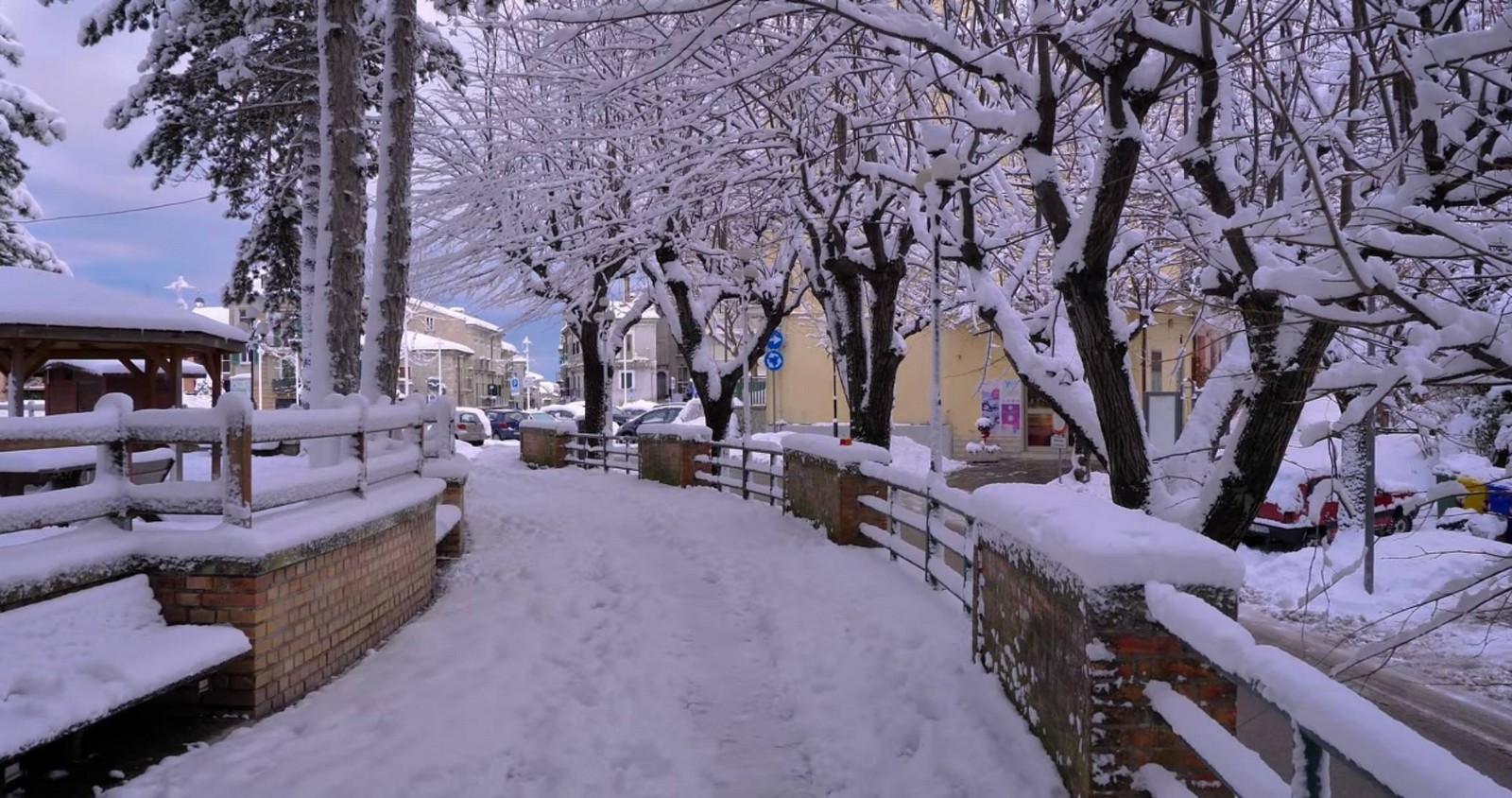
A peaceful winter morning in a small Yamagata town, with snow-covered streets and trees creating a magical atmosphere.
Typical travel prices in Yamagata
| Name | Amount | Description |
|---|---|---|
| Budget hotels (per night, for two) | 7,000–15,000 JPY | Comfortable business-style and simple budget hotels in Yamagata City. Rates are generally more affordable outside the peak winter and cherry blossom periods. |
| Mid-range hotels (per night, for two) | 20,000–40,000 JPY | Standard city accommodation with more space and extra amenities. Prices typically rise during the peak ski season and spring blossom weeks. |
| Ryokan / onsen hotels | from 12,805 JPY | Traditional Japanese inns with tatami rooms and hot spring baths. Prices vary depending on meal plans, private bath access, and seasonal demand. |
| Zao Onsen resort accommodation | around 67,255 JPY | Average nightly pricing in the Zao Onsen area, which can be significantly higher during the peak ski season and the famous 'snow monster' viewing months. |
| Casual meal or soba lunch (per person) | 1,000–2,000 JPY | Simple local meals in cozy cafés or small restaurants. A classic soba lunch commonly starts around 1,000 JPY. |
| Yamagata beef restaurant meal | around 4,000 JPY | Typical cost for a satisfying yakiniku or steak dinner featuring famous regional beef; premium cuts and selections will cost more. |
| Premium Yamagata Wagyu experience | from 10,000 JPY | Tasting-style dining focused on high-grade local Wagyu, usually served in specialty restaurants with impeccable service. |
| City loop bus fare | 100–200 JPY | Standard single-ride fare within Yamagata City, depending on the distance and specific zones traveled. |
| Train Yamagata → Yamadera (one way) | about 240 JPY | A quick JR Senzan Line journey of roughly 20 minutes between central Yamagata and the Yamadera station. |
| Zao Ropeway round trip | 4,400 adult / 2,200 child JPY | Round-trip ticket for the scenic ropeway, the primary way to access panoramic views and the winter snow-monster landscapes. |
Frequently asked questions about visiting Yamagata
01
When is the best time to visit Yamagata?
Yamagata undergoes a stunning transformation with every season. Winter is famous for its ‘snow monsters’ and cozy onsen vibes, while spring paints the parks in soft cherry blossoms. Summer brings lush, emerald-green hiking trails, and autumn wraps the valleys in fiery reds and oranges. The best time to visit truly depends on your own travel dreams—whether that’s snowy landscapes, vibrant foliage, or perfect hiking weather.
02
Is renting a car necessary in Yamagata?
While it isn’t strictly mandatory, I strongly recommend renting a car if you want to see Yamadera, Zao, and Ginzan Onsen in a single trip. Having your own wheels adds a layer of freedom and comfort that regional buses and trains simply can’t match, allowing you to explore the scenic rural corners of the prefecture at your own rhythm.
03
How much does accommodation usually cost in Yamagata?
You can find comfortable budget hotels for roughly ¥7,000 to ¥15,000 per night for two. Mid-range stays typically fall between ¥20,000 and ¥40,000. For a more traditional experience, prices for ryokan and onsen hotels vary quite a bit based on the season, location, and whether you include those wonderful multi-course Japanese meals.
04
How long should I plan for the Yamadera temple visit?
I suggest setting aside about three hours to fully soak in the experience. This gives you plenty of time for the 1,015-step climb, several scenic viewpoints, and a few peaceful rest stops along the way. If you take a steady, mindful pace, the ascent feels less like a workout and more like a rewarding mountain walk. Tip from the itinerary expert: aim to arrive early in the morning to enjoy the temple’s serenity before it gets busy.
05
Are there activities suitable for children in Yamagata?
Absolutely! Yamagata is a fantastic destination for families who love the outdoors. Children generally enjoy the gentle nature paths, the magical winter scenery in Zao, and the novelty of local food experiences. The shorter travel distances between attractions also help maintain a relaxed pace that keeps kids happy and engaged.
06
What are typical food prices in the region?
Eating out in Yamagata is quite reasonable. A classic local soba lunch often starts around ¥1,000, while a standard restaurant dinner usually ranges from ¥1,000 to ¥2,000. If you are looking to treat yourself to the famous Yamagata beef, a high-quality dinner typically starts around ¥4,000 per person.
07
Is Ginzan Onsen worth visiting as a day trip?
It definitely is. If you arrive in the early afternoon, you can enjoy a leisurely stroll along the river before the evening crowds gather. Catching the first glow of the gas lamps against the traditional wooden inns as the sun begins to set is a truly atmospheric experience that often becomes a highlight of the trip.
08
How easy is transportation within Yamagata City?
Getting around the city center is very straightforward. The local loop buses are convenient and usually cost between ¥100 and ¥200 per ride. For even more flexibility, one-day passes are available. You will also find that many of the central attractions are located within a very pleasant walking distance of one another.
What we propose

Emma Heidi
Customer Experience Manager
Take all the stress out of planning your trip!
With our experts, you can create the perfect itinerary for you – complete, comfortable, and tailored to all your dreams, wishes, and needs.
We take care of every little detail, so you can simply focus on enjoying your journey.
We’ve been designing personalized itineraries since 2015, and over the years we’ve created thousands of custom itineraries for happy clients.

Save time, avoid confusion – we do the work for you. Our service saves you weeks of searching, reading, comparing, and complicated planning. Instead of wasting endless hours – you receive a ready-to-use, accurate and clear itinerary.

A tailor-made itinerary – built just for you. Your itinerary is personally designed based on our experts’ real field experience and genuine feedback from hundreds of travelers – including hidden discoveries and insider tips that don’t appear in any travel guide.

Smart accommodation selection – often saves you hundreds or even thousands of dollars. We help you choose verified and recommended places to stay, checking availability for your exact travel dates. Sometimes we suggest hotels not “in the center,” but in safe, convenient, and highly strategic locations – which can significantly reduce travel costs and save you even thousands of dollars.

We’re by your side even during the trip. We stay with you throughout your vacation – providing professional help whenever needed. If the weather changes, there’s a strike, a local event, heavy crowds, or any unexpected situation – we are here to update, guide, and adjust your itinerary in real time.

Easy-to-use itinerary – with direct navigation links. Your itinerary includes direct Waze / Google Maps links – no need to search for parking addresses, no stress, no mistakes. Just tap – and go.

Service cost: from only $420. (Special price for short itineraries up to 5 days). Clients tell us the itinerary saves them costly mistakes, fines, wrong choices – plus exclusive discounts on car rentals, better-priced accommodations, and money-saving local tips.
Want to know if it’s really worth it?
Take a look at the experiences of travelers who built their personal itinerary with us.
Click here and let’s start building the itinerary that will save you time, money, and stress – and turn your vacation into perfection.
Of course, your first inquiry is completely free – with no commitment whatsoever.
How it works


- You are welcome to contact us
- We discuss your trip
- You fill out a special form
- We create your itinerary
- You get it with all useful tips
- We are in touch with you all the time