My love for Japan began the moment I arrived in Tokyo. The country amazed me with its harmony of ancient traditions, cutting-edge technology, breathtaking nature, and a culture unlike any other. Since then, Japan has become a part of my life, and I return there again and again. Today I help travelers discover the real Japan: I create personalized itineraries, give lectures, and prepare guests for their unforgettable journey. I would be delighted to open Japan for you too!

Fukuoka
Fukuoka is one of Kyushu’s most dynamic cities, yet it never feels overwhelming. Modern architecture rises gracefully beside historic shrines, coastal views open up just beyond busy streets, and a rich food culture is woven into the fabric of daily life. The city evolved from the historic districts of Hakata and Tenjin, and their distinct character still defines the atmosphere today – from major transport hubs and shopping avenues to long-standing cultural landmarks. Everything feels connected, accessible, and remarkably easy to navigate.
What makes Fukuoka truly memorable is this seamless blend of past and present. You can wander through quiet shrine grounds or explore castle ruins framed by lush greenery, then step back into lively streets filled with cozy cafés and restaurants within minutes. Distances are short, transitions are smooth, and the city’s compact layout makes it ideal for travelers who want variety without the stress of complicated planning.

Since 2015, our website has specialized in individual planning of unique routes, taking into account personal preferences and desires.
Each of you will receive a unique PDF file from us, which contains everything you need: travel routes, car rentals, hotels, the best tourist attractions, attractions for kids and everything you need for a perfect vacation.
During the trip, we are available for you by phone via WhatsApp.
Our personal service provides information from A to Z, taking into account many small details that can become a decisive factor on the way from a wasted trip to an unforgettable vacation.
Our service will make your trip comfortable, save a lot of time on planning and preparation, and most importantly – will allow you to become freer and fully enjoy the pleasure of the trip.
How to Get to and Around Fukuoka
Few Japanese cities are as convenient to access as Fukuoka. The airport sits remarkably close to Hakata Station, and a brief train ride brings you straight into the heart of the city. From there, subways, local trains, and buses connect historical districts, waterfront areas, parks, and shopping streets with impressive efficiency. Even a short stay allows you to move around comfortably without wasting precious time in transit.
For travelers planning to explore beyond the urban core – perhaps along the rugged coast or into nearby mountain scenery – renting a car adds a layer of flexibility. Driving in Japan is orderly and generally stress-free, though it does require awareness of toll roads, parking fees, narrow streets, and strict speed limits. The choice between public transport and a car largely depends on how far your itinerary stretches outside central Fukuoka.
Tip from the Itinerary Expert: If your plans focus mainly on city neighborhoods, public transport is your most efficient option. Reserve car rentals for specific days dedicated to countryside or coastal exploration to keep your trip simple and well paced.

The Best Time to Visit Fukuoka
Fukuoka welcomes visitors year-round. Its combination of urban attractions, historic landmarks, and nearby natural beauty means there is always something to experience. Parks, temples, waterfront promenades, and food districts remain inviting in every season, allowing for plenty of flexibility when planning your trip.
Spring and autumn tend to offer the most comfortable conditions, with mild temperatures and beautiful seasonal colors that enhance garden walks, canal strolls, and coastal views. That said, summer and winter each bring their own unique character – from the lively, sun-drenched energy of the city to quieter, more contemplative cultural moments – making Fukuoka rewarding for any traveler who plans their days with the weather in mind.
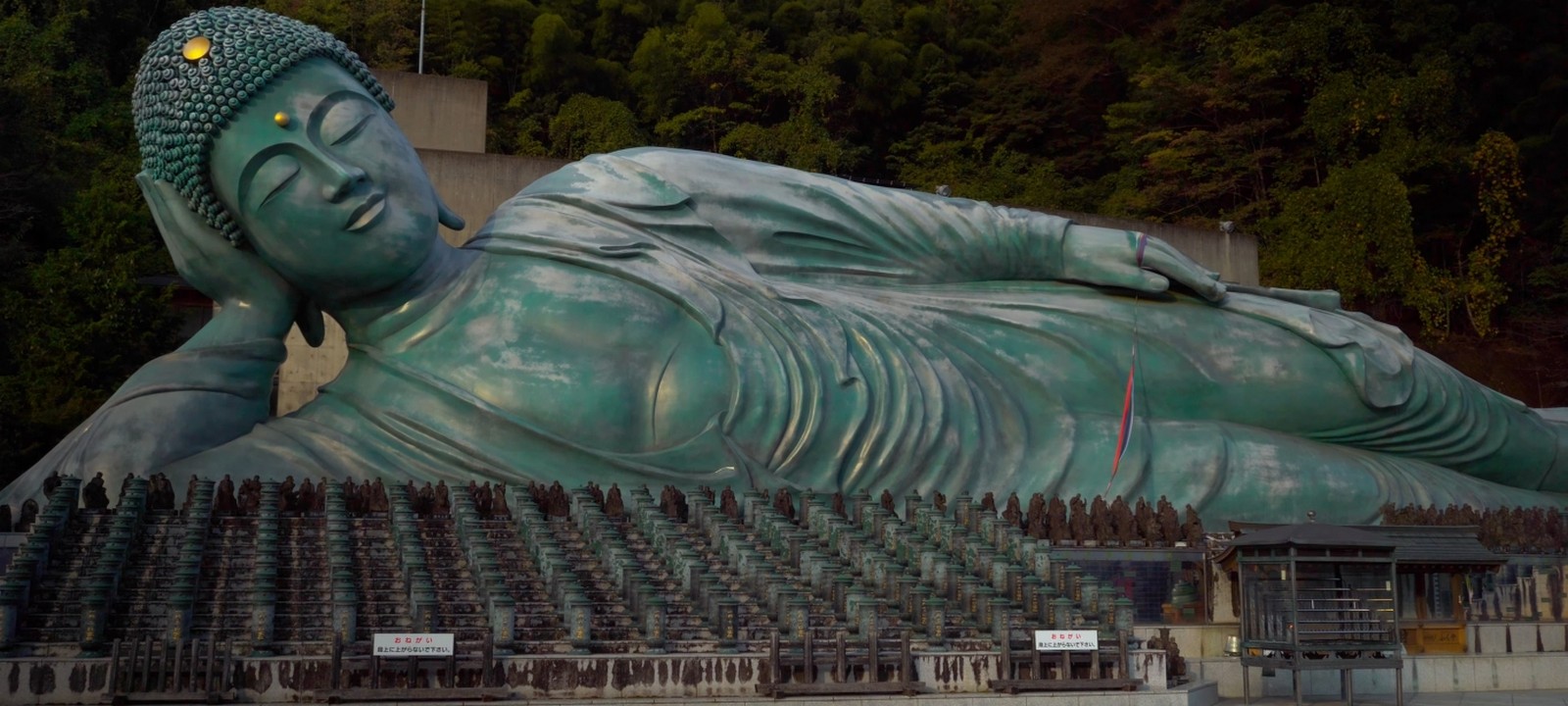
The impressive reclining Buddha statue at Nanzoin Temple
Tip from the Itinerary Expert: Schedule outdoor attractions for the early morning or late afternoon whenever possible. You’ll enjoy more comfortable temperatures and softer light, especially during the warmer months, which beautifully enhances the city views and waterfront scenery.
Fukuoka City: Main Attractions
Fukuoka City is the lively heart of the region, where historic landmarks, expansive green parks, coastal views, and modern neighborhoods sit within easy reach of one another. The city’s compact layout means you can move naturally from cultural sites to waterfront scenery without long transfers or complicated logistics.
The attractions below shape the visual identity and everyday rhythm of Fukuoka. Together, they create a well-balanced urban experience that blends deep history, open spaces, and sweeping city panoramas.
Fukuoka Castle Ruins
Built in the early 17th century, this was once one of Kyushu’s largest and most formidable castles. Today, impressive stone walls, restored gates, and scattered foundations remain nestled inside expansive parkland, where walking paths lead to elevated viewpoints overlooking the modern skyline.
Location & How to Get There
Set within Maizuru Park near central Fukuoka, it is easily reached by subway followed by a short, pleasant walk.
Why Choose It
It offers a rare combination of historical atmosphere, open greenery, and wide city views – all just minutes from the busy urban districts.
Best For
Spacious paths and gentle inclines make it comfortable for both relaxed strolls and more active exploration.
Time Needed: 1–2 hours
Price Level: free
Tip from the Itinerary Expert: Pair the castle ruins with a longer walk through the surrounding park to create a scenic half-day experience without adding any extra travel time.
Ohori Park
This spacious lakeside park feels like a quiet retreat in the middle of the city. Wide walking paths circle the water, small bridges connect garden sections, and open views across the lake create a calming contrast to the nearby streets.
Location & How to Get There
Located right next to the castle ruins and easily accessible by metro from Hakata and Tenjin.
Why Choose It
It is one of the most peaceful green spaces in Fukuoka while remaining conveniently central and easy to reach.
Best For
Flat paths and open lawns make it suitable for gentle walks, light exercise, or simply slowing down to people-watch.
Time Needed: 1–2 hours
Price Level: free
Tip from the Itinerary Expert: Come close to sunset when the light softens across the lake and the atmosphere becomes especially tranquil.
Fukuoka Tower
Rising high above the Momochi waterfront, this iconic observation tower delivers sweeping views across the skyline and Hakata Bay. From the top, the relationship between the sea, the parks, and the city neighborhoods becomes clearly visible.
Location & How to Get There
Situated in the Momochi seaside district and reachable by public transport from central Fukuoka.
Why Choose It
It provides the most comprehensive visual overview of Fukuoka’s unique geography in a single stop.
Best For
The observation decks and refreshing coastal setting create an easy, rewarding sightseeing experience for all ages.
Time Needed: 45–60 minutes
Price Level: paid
Tip from the Itinerary Expert: Plan your visit around sunset to enjoy the daylight views followed by the shimmering city lights without having to return twice.
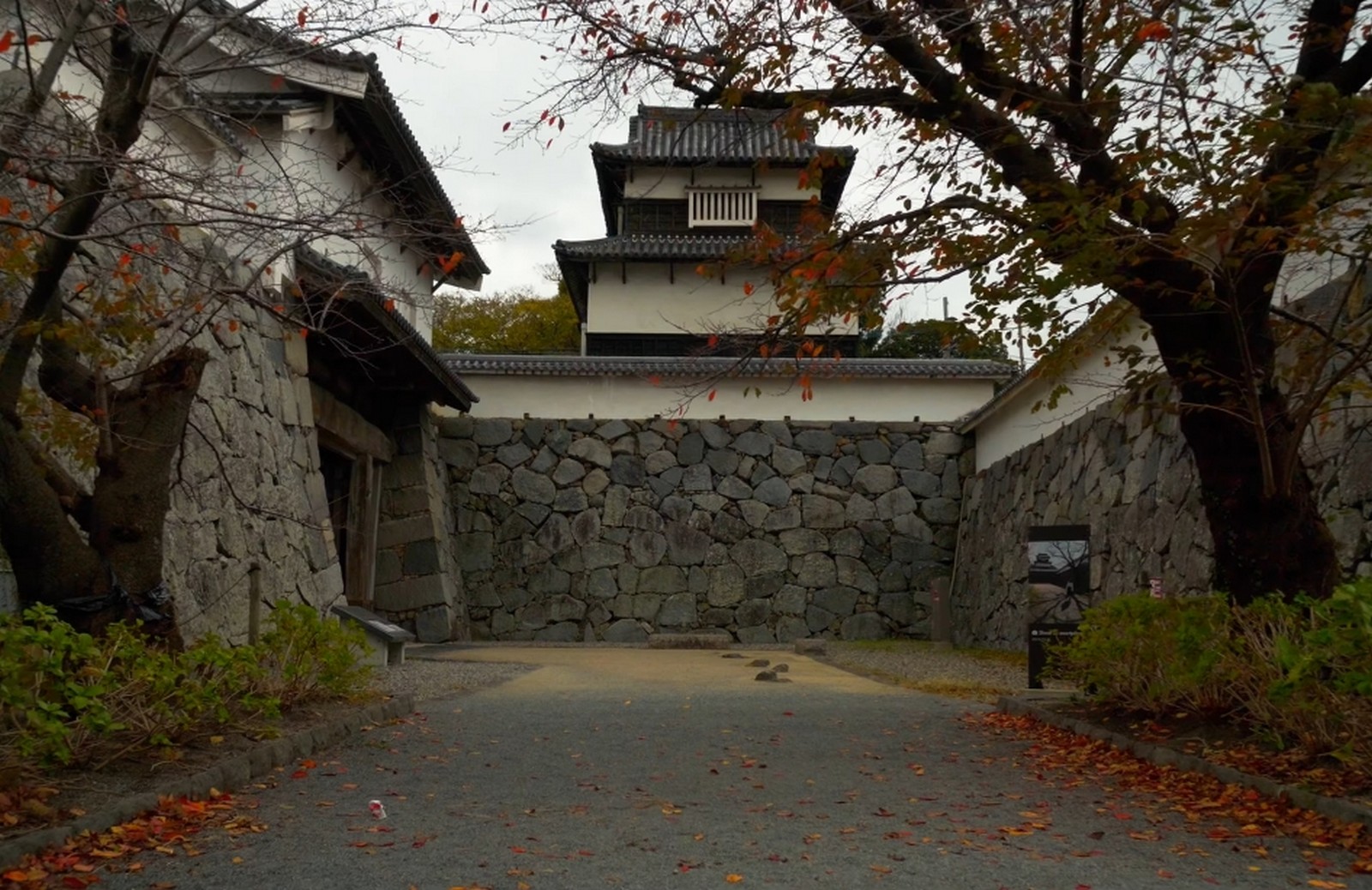
Stone gate and traditional tower in the Fukuoka Castle area
Dazaifu: Sacred Shrines and Spiritual Heritage
Dazaifu is one of the most culturally significant destinations near Fukuoka. With its historic shrines, traditional streets, and quieter atmosphere, it offers a meaningful contrast to the modern city while remaining remarkably easy to visit on a half-day trip.
The sites below form the spiritual and historical core of Dazaifu and shape the character of this compact, heritage-filled town.
Dazaifu Tenmangu Shrine
This revered Shinto shrine honors a celebrated scholar and is approached via arched bridges, landscaped gardens, and elegant traditional architecture. Its peaceful setting makes it one of the most significant cultural landmarks in the region.
Location & How to Get There
Reached by train from central Fukuoka, followed by a short walk through historic approach streets lined with charming local shops.
Why Choose It
It brings together spiritual tradition, beautiful seasonal scenery, and architectural elegance in one accessible location.
Best For
Wide pathways and calm surroundings make it easy to explore the grounds at your own relaxed pace.
Time Needed: 1–2 hours
Price Level: free
Tip from the Itinerary Expert: Arrive earlier in the morning to experience the shrine grounds before the larger visitor groups gather.
Tenman-gu Temple Area
The wider shrine and temple surroundings form a traditional landscape of grand gates, tree-lined paths, and quiet corners. Walking through this area reveals the layered spiritual atmosphere that truly defines Dazaifu.
Location & How to Get There
Situated directly around Dazaifu Tenmangu and easily explored on foot as part of your visit.
Why Choose It
It extends the cultural experience beyond a single shrine visit and encourages a slower, deeper appreciation of the setting.
Best For
Short walking distances and peaceful scenery support gentle, immersive exploration.
Time Needed: 30–60 minutes
Price Level: free
Tip from the Itinerary Expert: Take your time wandering the surrounding grounds instead of moving quickly between landmarks to fully absorb the local atmosphere.
Nanzoin Temple
Known for its enormous bronze reclining Buddha – stretching about 41 meters in length – this temple complex sits beautifully among forested hills. The natural setting creates a tranquil, spiritual contrast to the city.
Location & How to Get There
Accessible by train from Hakata Station followed by a short, scenic walk to the temple grounds.
Why Choose It
The monumental statue combined with its serene mountain backdrop makes it one of the most visually impressive experiences near Fukuoka.
Best For
Calm surroundings and gentle pathways allow for an unhurried, reflective visit.
Time Needed: 1–1.5 hours
Price Level: free
Tip from the Itinerary Expert: Plan this stop together with Dazaifu to make your trip outside the city both efficient and culturally rich.
Yanagawa: Canals, History, and Traditional Atmosphere
Yanagawa is a historic canal town within comfortable reach of Fukuoka, famous for its preserved waterways, wooden buildings, and slower rhythm of life. A visit here feels like stepping into a quieter chapter of regional history while still being simple to organize as a day trip.
The experiences below capture the essence of Yanagawa’s scenic waterways, samurai-era heritage, and relaxed character.
Yanagawa Canal Boat Ride
A traditional boat journey along narrow canals reveals stone bridges, historic homes, and waterside greenery from a unique perspective. The unhurried pace allows you to notice charming details that are easy to miss while walking.
Location & How to Get There
Reached by train from Fukuoka, followed by a short transfer to the canal boarding point.
Why Choose It
It offers a completely different atmosphere centered on beautiful scenery, local heritage, and calm reflection.
Best For
The gentle cruise and peaceful surroundings make it an easy and memorable cultural excursion for everyone.
Time Needed: 2–3 hours
Price Level: moderate
Tip from the Itinerary Expert: Leave enough time for the boat ride, as it sets the tone for the entire visit and should not feel rushed.
Yanagawa Castle Ruins
Though only fragments remain today, the castle ruins reflect Yanagawa’s samurai-era past and add a layer of historical depth to the canal landscape.
Location & How to Get There
Located within the town and easily included during your walking exploration of the area.
Why Choose It
It enriches the canal experience with fascinating insight into the town’s former defensive role.
Best For
Simple to include while strolling between the waterways and traditional streets.
Time Needed: 30 minutes
Price Level: free
Tip from the Itinerary Expert: Stop briefly here between canal sections rather than planning it as a separate, long detour.
Suigo Yanagawa Cultural Water District
This preserved waterside district showcases traditional town life shaped by canals, wooden buildings, and regional craftsmanship. Exploring it on foot complements the boat journey with close-up cultural details.
Location & How to Get There
Positioned along the canal routes and easily explored on foot at your leisure.
Why Choose It
It completes the picture of Yanagawa’s unique canal culture beyond the cruise itself.
Best For
Flat paths and scenic views encourage slow, immersive exploration of the local life.
Time Needed: 45–60 minutes
Price Level: free
Tip from the Itinerary Expert: Wander through this area after your cruise to experience the town from a quieter, more intimate perspective.
Nature in the Fukuoka Region: Parks, Islands, and Mountains
Step beyond Fukuoka’s urban neighborhoods and you quickly discover a region rich in coastal horizons, forested slopes, hidden waterfalls, and peaceful islands. Within surprisingly short travel times, the scenery shifts from busy city streets to open sea views and shaded mountain trails, creating a refreshing balance to your urban exploration.
The destinations below highlight the most rewarding natural escapes around Fukuoka. Depending on your pace and the season, each can become either a relaxed half-day outing or a fuller day immersed in fresh air and stunning landscapes.
Uminonakamichi Seaside Park
This expansive waterfront park stretches along the bay, offering seasonal flower fields, long cycling routes, wide lawns, and open sea views. The sense of space and the fresh coastal breeze create an immediate, rejuvenating contrast to the city’s energy.
Location & How to Get There
Located across the bay from central Fukuoka and accessible by train or ferry, followed by a short walk to the entrance.
Why Choose It
It is one of the region’s largest green spaces, offering sweeping views of the sky and sea in a beautifully organized setting.
Best For
Flat terrain and clearly marked paths make it easy for walking, cycling, or simply slowing down outdoors.
Time Needed: 2–4 hours
Price Level: moderate
Tip from the Itinerary Expert: Rent a bicycle inside the park to comfortably explore the longer coastal stretches and cover more ground without tiring.
Nokonoshima Island
This charming island in Hakata Bay is famous for its vibrant seasonal flower fields, gentle hills, and wide coastal panoramas. Despite being so close to the city, it feels pleasantly removed from the rush of urban life.
Location & How to Get There
Reached by a short, scenic ferry ride from Fukuoka, followed by local transport across the island.
Why Choose It
It perfectly blends sea views, colorful landscapes, and relaxed walking routes in a compact setting that is easy to explore.
Best For
Soft terrain and open viewpoints create a calm and picturesque outdoor excursion.
Time Needed: 2–3 hours
Price Level: moderate
Tip from the Itinerary Expert: Check the seasonal flower calendars in advance to experience the island at its most vibrant and colorful.
Shiraito Falls (Itoshima)
Hidden among forested hills, this graceful waterfall flows over layered rock formations, surrounded by cool mountain air and dense greenery. The setting feels especially refreshing and crisp during the warmer months.
Location & How to Get There
Located in the Itoshima area west of Fukuoka; it’s typically reached by car or by combining a train journey with local transport.
Why Choose It
The shaded forest atmosphere and the constant, soothing sound of flowing water make it one of the most tranquil natural corners near the city.
Best For
Short, manageable walking paths allow for a gentle exploration of the woods without demanding a heavy hike.
Time Needed: 1–2 hours
Price Level: free
Tip from the Itinerary Expert: Arrive earlier in the day to enjoy cooler temperatures and a quieter experience along the narrow forest paths.
Mount Homan (Hōmanzan)
This sacred, forested mountain near Dazaifu offers well-marked hiking trails, elevated viewpoints, and a spiritual atmosphere connected to nearby temples. The steady climb rewards visitors with wide, breathtaking panoramas over the surrounding landscape.
Location & How to Get There
Accessible from the Dazaifu area, typically reached by train followed by a walk to the start of the trail.
Why Choose It
It combines invigorating outdoor activity and scenic elevation with deep cultural context in a single destination.
Best For
Suitable for travelers looking for a moderate hike and deeper immersion in Japan’s mountain nature.
Time Needed: 2–4 hours
Price Level: free
Tip from the Itinerary Expert: Begin your hike in the morning to allow plenty of daylight for a comfortable, unhurried ascent and descent.
Ryuo Gorge and Waterfalls
This secluded gorge features crystal-clear streams, rocky formations, and shaded forest trails that create a peaceful natural retreat. The sound of water echoing through the trees enhances the profound sense of calm.
Location & How to Get There
Located outside the main city area and usually accessed by car or regional transport followed by a short walk.
Why Choose It
It offers a quieter, more intimate and less-visited alternative to the larger parks and coastal destinations.
Best For
Ideal for slow walks, photography, and quiet moments of reflection surrounded by lush greenery.
Time Needed: 1–2 hours
Price Level: free
Tip from the Itinerary Expert: Wear sturdy walking shoes, as the paths near the water can sometimes be uneven or slippery.

Hidden Gems of the Fukuoka Region
Beyond its headline attractions and scenic coastlines, the Fukuoka region quietly preserves places that feel more personal and reflective. These lesser-known cultural sites reveal layers of spiritual practice, early trade history, and traditional architecture that shaped the city long before its modern skyline emerged.
Including these hidden gems in your itinerary adds texture to the journey – balancing popular landmarks with intimate temple grounds, historic streets, and meaningful heritage spaces where everyday life once unfolded.
Shofukuji Temple
Considered the oldest Zen temple in Japan, this serene complex embodies centuries of spiritual discipline and understated design. Weathered wooden halls, quiet courtyards, and carefully tended grounds create a contemplative retreat right within the city.
Location & How to Get There
Located in central Fukuoka and easily reached on foot or via a short public transport connection from Hakata.
Why Choose It
It offers a rare, peaceful glimpse into early Zen heritage in an authentic and unhurried setting.
Best For
The calm, sacred atmosphere invites slow exploration and quiet reflection away from the crowds.
Time Needed: 30–45 minutes
Price Level: free
Tip from the Itinerary Expert: Arrive in the morning when the temple grounds are especially still and soft light beautifully highlights the ancient wooden architecture.
Tochoji Temple
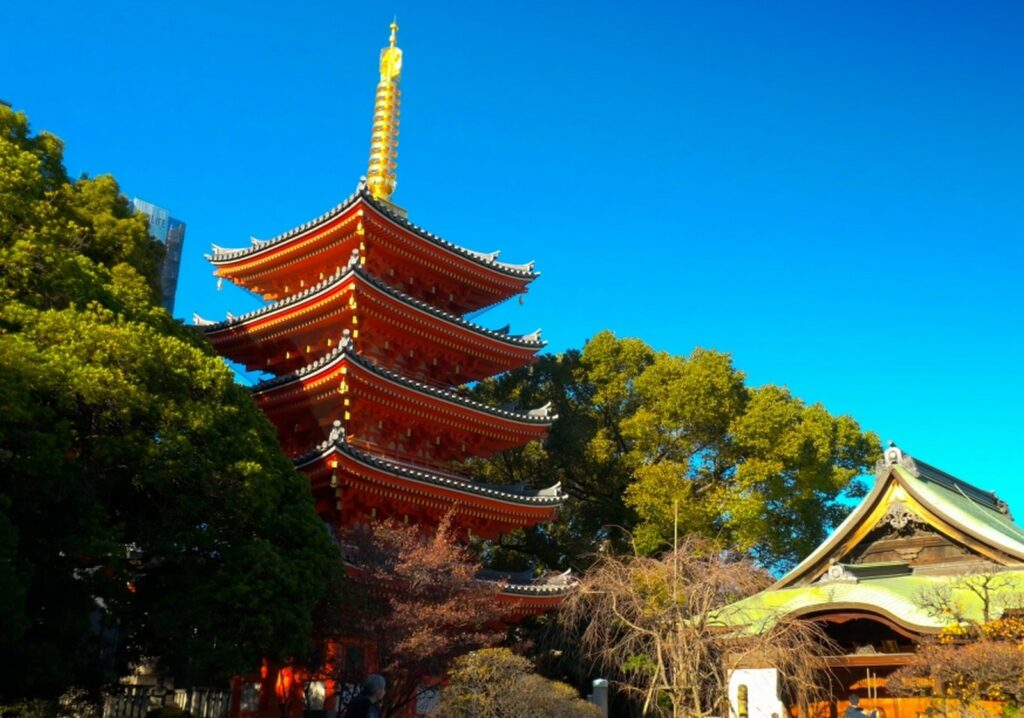
This historic Buddhist temple is famous for its impressive wooden Great Buddha statue and a striking red pagoda rising above the surrounding district. The combination of monumental scale and intimate prayer spaces creates a powerful spiritual impression.
Location & How to Get There
Situated near Hakata Station and easily included in a walking route through the nearby temple district.
Why Choose It
The striking statue and well-preserved temple grounds make it one of the most visually memorable cultural stops in central Fukuoka.
Best For
The compact layout allows for a deeply meaningful visit even on a tighter schedule.
Time Needed: 30–45 minutes
Price Level: free
Tip from the Itinerary Expert: Combine this temple with neighboring sites to create a short, immersive cultural walk without needing any additional transport.
Hakata Old Town
This preserved district reflects the atmosphere of the former port city through traditional streets, shrines, and small historic landmarks. Wandering here reveals traces of ancient trade, fine craftsmanship, and the everyday life that shaped Fukuoka’s unique identity.
Location & How to Get There
Accessible from central Hakata and best explored on foot along interconnected temple lanes and historic pathways.
Why Choose It
It offers an authentic cultural contrast to the modern commercial districts located just a few streets away.
Best For
Short distances and a peaceful, local rhythm make it ideal for unhurried discovery.
Time Needed: 1–2 hours
Price Level: free
Tip from the Itinerary Expert: Skip a strict route and allow yourself to explore side streets and smaller temples for a richer, more personal experience.
Korokan Museum
This archaeological museum presents the remains of an ancient diplomatic and administrative center that once linked Japan with the Asian continent. The exhibits highlight Fukuoka’s early role as a vital international gateway.
Location & How to Get There
Located within the castle park area and easy to include during a visit to the nearby historical landmarks.
Why Choose It
It provides valuable historical context beyond just temples and shrines, emphasizing early cultural exchange and governance.
Best For
Clear displays and compact exhibits make the ancient history accessible and interesting, even during a brief stop.
Time Needed: 30–60 minutes
Price Level: free
Tip from the Itinerary Expert: Visit alongside the castle ruins to better understand the broader historical landscape of the city.
Kushida Shrine
As one of Fukuoka’s most important Shinto shrines, Kushida plays a central role in local traditions and seasonal festivals. Its intricate architecture and decorative details reflect the living spiritual heritage of the city.
Location & How to Get There
Situated in central Hakata and easily reached on foot while exploring the nearby historic streets.
Why Choose It
It represents the enduring cultural traditions that continue to shape daily life and community spirit in Fukuoka.
Best For
The central location makes it incredibly simple to include between other sightseeing stops.
Time Needed: 20–30 minutes
Price Level: free
Tip from the Itinerary Expert: Look for the seasonal decorations or festival floats on display that highlight the shrine’s deep connection to the local community.
Fukuoka Travel Itinerary: 3 Days of Discovery
Trip Duration: 3 days
Day 1 — Discovering Central Fukuoka
Your first day is all about finding your feet and getting a true feel for Fukuoka’s rhythm. Historic stone walls, wide green parks, and refreshing sea views unfold within surprisingly short distances, making it easy to explore without the need for long transfers. Most of the day can be spent on foot, with only brief metro rides to bridge the gap between neighborhoods.
The route moves gently between natural retreats and high-altitude viewpoints, creating a perfectly balanced introduction to the city. There is plenty of space in the schedule to pause for a local lunch, a specialty coffee, or an evening stroll along the waterfront without ever feeling rushed.
Tip from the Itinerary Expert: Begin your day slightly earlier than the main flow of visitors. The crisp morning light and quieter paths make the parks and observation points far more enjoyable and photogenic.
Overnight Location: Fukuoka City
Places to Visit
Fukuoka Castle Ruins
Time: 10:00–11:30
Duration: 1–1.5 hours
Wander among the historic stone ramparts and climb to elevated viewpoints that reveal a striking contrast between ancient foundations and the modern city skyline.
Ohori Park
Time: 11:40–13:00
Duration: 1–1.5 hours
Stroll along the scenic lakeside paths, cross the elegant small bridges, and enjoy the open lawns that offer a calm, green break in the heart of the city.
Momochi Seaside & Fukuoka Tower
Time: 15:00–17:00
Duration: 1.5–2 hours
Walk along the modern coastal promenade before heading up to the panoramic observation decks for breathtaking views over Hakata Bay.
Day 2 — Dazaifu Heritage and Spiritual Landscapes
On your second day, step outside the city for a short, scenic train journey into one of the region’s most historic and spiritual settings. The distances between landmarks here are compact, allowing you to explore the heritage-filled streets at a comfortable pace.
The atmosphere shifts noticeably as you arrive – shrine pathways, forested slopes, and sacred architecture create a slower, more contemplative rhythm that contrasts beautifully with the energy of urban Fukuoka.
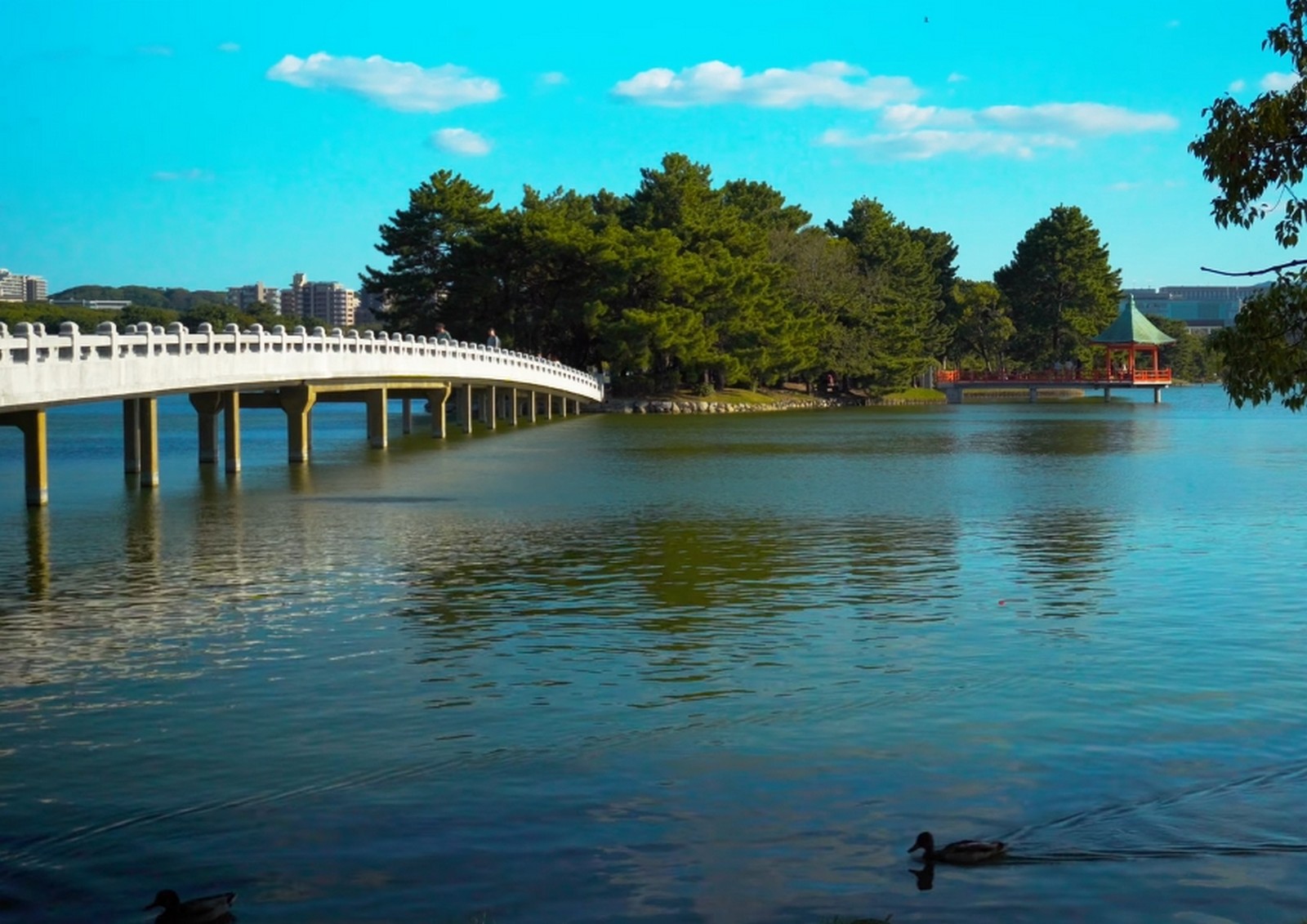
A white bridge over the lake in Ohori Park, Fukuoka
Tip from the Itinerary Expert: Aim to arrive before midday. The shrine grounds feel far more serene in the softer morning light, and the entire experience becomes much more atmospheric before the afternoon crowds arrive.
Overnight Location: Fukuoka City
Places to Visit
Dazaifu Tenmangu Shrine
Time: 10:00–11:30
Duration: 1–1.5 hours
Explore a major cultural landmark framed by arched bridges, meticulously landscaped gardens, and elegant traditional wooden architecture.
Tenman-gu Temple Area Walk
Time: 11:30–12:30
Duration: 1 hour
Slowly wander through the surrounding temple grounds, grand gates, and quiet spiritual corners that deepen the cultural experience of the town.
Nanzoin Temple
Time: 14:30–16:00
Duration: 1–1.5 hours
Visit the monumental bronze reclining Buddha nestled among forested hills, where peaceful forest paths invite an unhurried exploration.
Day 3 — Nature and Coastal Escape
The final day shifts your focus toward open horizons and fresh air. Depending on your preferred pace, you can choose between expansive coastal parks, quiet islands, or scenic mountain spots. Short train rides – or a rental car for added flexibility – make these natural landscapes easily accessible.
This is a day designed to help you slow down. Gentle walks, endless sea views, and wide skies provide a relaxed and memorable conclusion to your time in the Fukuoka region.
Tip from the Itinerary Expert: Select one main nature destination rather than trying to combine too many stops. A focused plan keeps the day calm, focused, and far more rewarding.
Overnight Location: Fukuoka City or departure
Places to Visit
Uminonakamichi Seaside Park
Time: 10:00–13:00
Duration: 2–3 hours
Spend your morning in a vast coastal park featuring dedicated cycling routes, vibrant seasonal flowers, and expansive views across the bay.
Nokonoshima Island
Time: 14:00–16:30
Duration: 2–2.5 hours
Take a short ferry ride to this peaceful island retreat, famous for its rolling flower fields, gentle hills, and panoramic coastal scenery.
Traveller Reviews of Fukuoka

Daniel Cohen
April 2019

We spent three days in Fukuoka as a family, and what impressed us most was the effortless balance between urban comfort and open nature. Mornings in Ohori Park and along the seaside felt unhurried and refreshing, while Dazaifu brought a calm, meaningful atmosphere that stayed with us long after we left. Getting around was simple, the food was consistently excellent, and our only real challenge was deciding what to leave for next time.
Layla Hassan
October 2021
Compared to Japan’s larger metropolises, Fukuoka felt noticeably calmer and more breathable. The parks, coastal promenades, and shrine paths created a gentle rhythm that worked beautifully with children. Public transport was smooth and reliable, though reaching a few of the nature spots required a bit of foresight. Even so, the scenery and quiet evenings by the water made the trip feel truly special.
Michael Turner
May 2022
Fukuoka turned out to be one of the easiest cities to explore without ever feeling rushed. We combined deep history, lush green spaces, and incredible meals, all within short distances. Nanzoin Temple stood out in particular – the sheer scale of the reclining Buddha and the peaceful forest setting were unforgettable. If I could change one thing, I would simply add another day to explore more of the surrounding countryside.
Aisha Rahman
March 2023
This destination was very comfortable for traveling with children. Open parks, waterfront walks, and short transfers between major sights made each day manageable and fun. Nokonoshima Island was a highlight with its vibrant flowers and sea views. Some areas became busier in the afternoon, so starting earlier definitely improved our experience. The mix of relaxation and sightseeing was perfect for our family.
Jonathan Miller
July 2024
I appreciated how naturally Fukuoka blends modern convenience with traditional culture. Dazaifu offered a serene, almost meditative atmosphere, while the seaside district delivered stunning sunset views over the bay. Great food was easy to find near every attraction. The summer heat was noticeable, but planning indoor breaks around midday kept our days comfortable and well paced.
Sara Khoury
November 2018

The relaxed rhythm of the region made traveling with kids far easier than we expected. Walking routes were straightforward, and nature always felt close at hand. I especially loved the quiet temple grounds and the soft evening atmosphere along the waterfront. Our only regret was not having more time, as there are several places around Fukuoka that deserved a much longer stay.
David Stein
February 2025
Our trip felt calm, scenic, and thoughtfully balanced. We moved easily between city parks, coastal viewpoints, and historic sites without ever feeling pressured by long transfers. The peaceful mood in Dazaifu and the wide coastal landscapes were absolute highlights. I would strongly recommend staying at least three nights to experience both the city and the nearby nature at a comfortable pace.

Tips from the Itinerary Expert
When I design a Fukuoka itinerary, I almost always begin the first morning in a park or along the waterfront instead of heading straight into busy shopping streets. Open space sets a refreshing tone for the trip, helps children settle into the new environment, and allows everyone to ease into the city’s rhythm without any pressure.
I strongly suggest limiting each afternoon to one key attraction rather than trying to cover everything. Fukuoka’s distances are manageable, but slowing down creates space for local meals, unplanned photo stops, and those small discoveries that often become the true highlights of the journey.
In Dazaifu, arriving earlier makes a noticeable difference. Walking slowly through the shrine grounds before the main crowds gather allows you to fully absorb the spiritual atmosphere and enjoy the softer, more flattering light for your photos.
For nature-focused days, I always recommend choosing one primary destination – whether it’s a seaside park, an island, or a waterfall. Combining multiple outdoor sites usually adds unnecessary transfers and reduces the sense of calm that the region’s landscapes naturally provide.
I prefer keeping evenings flexible, especially near the central districts or the waterfront. This approach makes it easy to follow local recommendations, find quality food without rigid reservations, and end the day gently after hours of exploration.
During the warmer months, short breaks in shaded parks or quiet cafés are essential. Fukuoka is comfortable to explore, but these small pauses help maintain your energy and prevent fatigue, particularly when traveling with children.
Whenever possible, I recommend staying at least three nights. That extra time allows you to enjoy both the city’s atmosphere and its beautiful nearby scenery without rushing, which is what truly sets Fukuoka apart from faster-paced destinations.
Insights from the Itinerary Expert
I first visited Fukuoka in November 2023 while designing a regional itinerary built around balance rather than speed. What impressed me immediately was how seamlessly the city connects waterfront promenades, wide green parks, and meaningful cultural sites – all within short, comfortable distances. Moving between Ohori Park, the coast near Fukuoka Tower, and the serene grounds of Dazaifu Tenmangu Shrine felt smooth and unhurried, which makes a significant difference when traveling with children.
An honest observation from that trip: the city’s relaxed rhythm can easily tempt you to schedule too much. I quickly realized that fewer stops – especially on nature-focused days such as Nokonoshima Island or Uminonakamichi Seaside Park – create a far more rewarding experience. Leaving extra time for local meals, unplanned photo moments, and quiet pauses by the water transforms the overall feeling of the journey.
Fukuoka is not a city defined by dramatic landmarks alone. Its charm lies in its comfort, atmosphere, and an understated beauty that reveals itself gradually. Here, a thoughtfully structured route truly shapes the experience.
Typical Travel Costs in Fukuoka
| Name | Amount | Description |
|---|---|---|
| Budget hotel (double room) | 8,000–12,000 JPY | Clean and functional business-style hotels, usually located close to metro stations with easy access to Hakata or Tenjin. |
| Mid-range hotel (double room) | 14,000–22,000 JPY | Comfortable central hotels in convenient locations, offering larger rooms and amenities suitable for families. |
| High-end hotel (double room) | 30,000–55,000 JPY | Premium properties featuring spacious rooms, stunning waterfront or skyline views, and elevated service standards. |
| Apartment for a family of 5 (per night) | 18,000–30,000 JPY | Serviced apartments or well-equipped vacation rentals with extra space, ideal for longer stays with children. |
| Car rental (per day) | 6,000–10,000 JPY | Compact or family-size vehicle; please note that fuel, tolls, and optional insurance are usually additional costs. |
| Public transport (single ride) | 210–350 JPY | Standard metro or bus fare within Fukuoka city, depending on the travel distance. |
| Restaurant meal (per person) | 1,500–3,000 JPY | Casual local restaurants, authentic ramen shops, or neighborhood dining spots located near major attractions. |
| Parking (per hour) | 200–400 JPY | Paid street or public parking in central districts and near popular sightseeing areas. |
| Basic supermarket shopping for 2 people | 3,000–5,000 JPY | Groceries for a simple day of meals, including breakfast items and light lunch or dinner supplies. |
Frequently Asked Questions About Visiting Fukuoka
01
How many days do I need to explore Fukuoka comfortably?
Ideally, plan for three to four days. This allows you to enjoy the city highlights, visit the historic Dazaifu area, and spend at least one full day in nature without feeling rushed. While a shorter stay is possible, Fukuoka’s relaxed character is best appreciated at an unhurried pace.
04
What is the best season to visit Fukuoka?
Spring (March–May) and autumn (October–November) are the best times to visit. The mild temperatures are perfect for walking, and you’ll catch the cherry blossoms or vibrant fall foliage. That said, Fukuoka’s coastal climate makes it a pleasant destination year-round.
07
What is the most surprising thing about visiting Fukuoka?
Most visitors are struck by the sense of space and calm. Even as a major hub, the city never feels overwhelming. The ability to move from a modern skyscraper to a quiet forest or beach in under 30 minutes makes for a uniquely stress-free experience.
What we propose

Emma Heidi
Customer Experience Manager
Take all the stress out of planning your trip!
With our experts, you can create the perfect itinerary for you – complete, comfortable, and tailored to all your dreams, wishes, and needs.
We take care of every little detail, so you can simply focus on enjoying your journey.
We’ve been designing personalized itineraries since 2015, and over the years we’ve created thousands of custom itineraries for happy clients.

Save time, avoid confusion – we do the work for you. Our service saves you weeks of searching, reading, comparing, and complicated planning. Instead of wasting endless hours – you receive a ready-to-use, accurate and clear itinerary.

A tailor-made itinerary – built just for you. Your itinerary is personally designed based on our experts’ real field experience and genuine feedback from hundreds of travelers – including hidden discoveries and insider tips that don’t appear in any travel guide.

Smart accommodation selection – often saves you hundreds or even thousands of dollars. We help you choose verified and recommended places to stay, checking availability for your exact travel dates. Sometimes we suggest hotels not “in the center,” but in safe, convenient, and highly strategic locations – which can significantly reduce travel costs and save you even thousands of dollars.

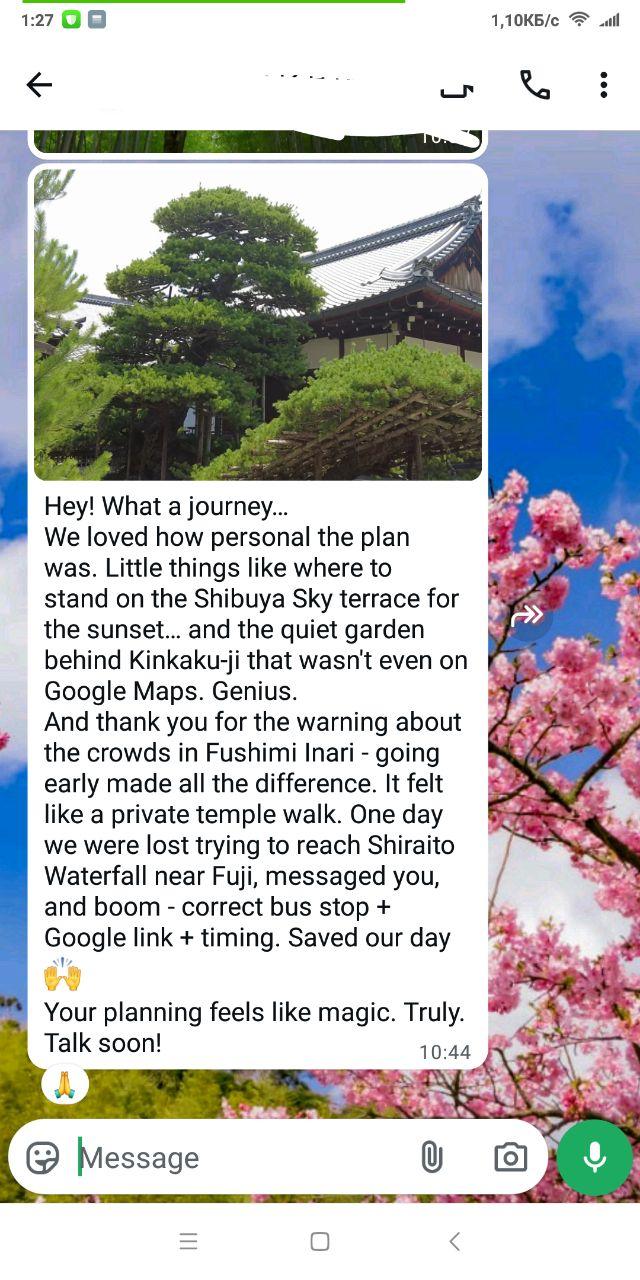
We’re by your side even during the trip. We stay with you throughout your vacation – providing professional help whenever needed. If the weather changes, there’s a strike, a local event, heavy crowds, or any unexpected situation – we are here to update, guide, and adjust your itinerary in real time.

Easy-to-use itinerary – with direct navigation links. Your itinerary includes direct Waze / Google Maps links – no need to search for parking addresses, no stress, no mistakes. Just tap – and go.

Service cost: from only $420. (Special price for short itineraries up to 5 days). Clients tell us the itinerary saves them costly mistakes, fines, wrong choices – plus exclusive discounts on car rentals, better-priced accommodations, and money-saving local tips.
Want to know if it’s really worth it?
Take a look at the experiences of travelers who built their personal itinerary with us.
Click here and let’s start building the itinerary that will save you time, money, and stress – and turn your vacation into perfection.
Of course, your first inquiry is completely free – with no commitment whatsoever.
How it works


- You are welcome to contact us
- We discuss your trip
- You fill out a special form
- We create your itinerary
- You get it with all useful tips
- We are in touch with you all the time