My love for Japan began the moment I arrived in Tokyo. The country amazed me with its harmony of ancient traditions, cutting-edge technology, breathtaking nature, and a culture unlike any other. Since then, Japan has become a part of my life, and I return there again and again. Today I help travelers discover the real Japan: I create personalized itineraries, give lectures, and prepare guests for their unforgettable journey. I would be delighted to open Japan for you too!

Saga
Tucked peacefully between the bustling hubs of Fukuoka and Nagasaki, Saga is one of Japan’s most refreshingly uncrowded prefectures. It rarely makes it onto standard travel itineraries, and that is precisely where its charm lies. Here, ancient archaeological sites, time-honored crafts, and wide-open landscapes reveal a slower, more intimate side of the country that many travelers miss.
Traveling through Saga feels effortless and unhurried. Instead of packed attractions and long queues, you will find spacious parks, rich historical scenery, and seasonal views that shift gently throughout the year. The blend of nature, culture, and a calm, welcoming atmosphere makes it the perfect choice for those seeking depth and authenticity away from Japan’s busiest hotspots.

Since 2015, our website has specialized in individual planning of unique routes, taking into account personal preferences and desires.
Each of you will receive a unique PDF file from us, which contains everything you need: travel routes, car rentals, hotels, the best tourist attractions, attractions for kids and everything you need for a perfect vacation.
During the trip, we are available for you by phone via WhatsApp.
Our personal service provides information from A to Z, taking into account many small details that can become a decisive factor on the way from a wasted trip to an unforgettable vacation.
Our service will make your trip comfortable, save a lot of time on planning and preparation, and most importantly – will allow you to become freer and fully enjoy the pleasure of the trip.
Getting to Saga and Navigating the Prefecture
Reaching Saga is surprisingly simple, especially from nearby Kyushu cities like Fukuoka and Nagasaki. Regional trains, buses, and well-maintained roads make the journey short and convenient, whether you are planning a relaxed countryside stay or adding Saga as a thoughtful day trip to your itinerary.
Once you arrive, you’ll find that the distances between historic landmarks and natural wonders often stretch across beautiful rural landscapes. While public transport connects the main hubs, having a car makes your exploration far smoother. It allows you to move at your own pace, cut down on transit time, and pull over spontaneously at scenic viewpoints that would otherwise be out of reach.
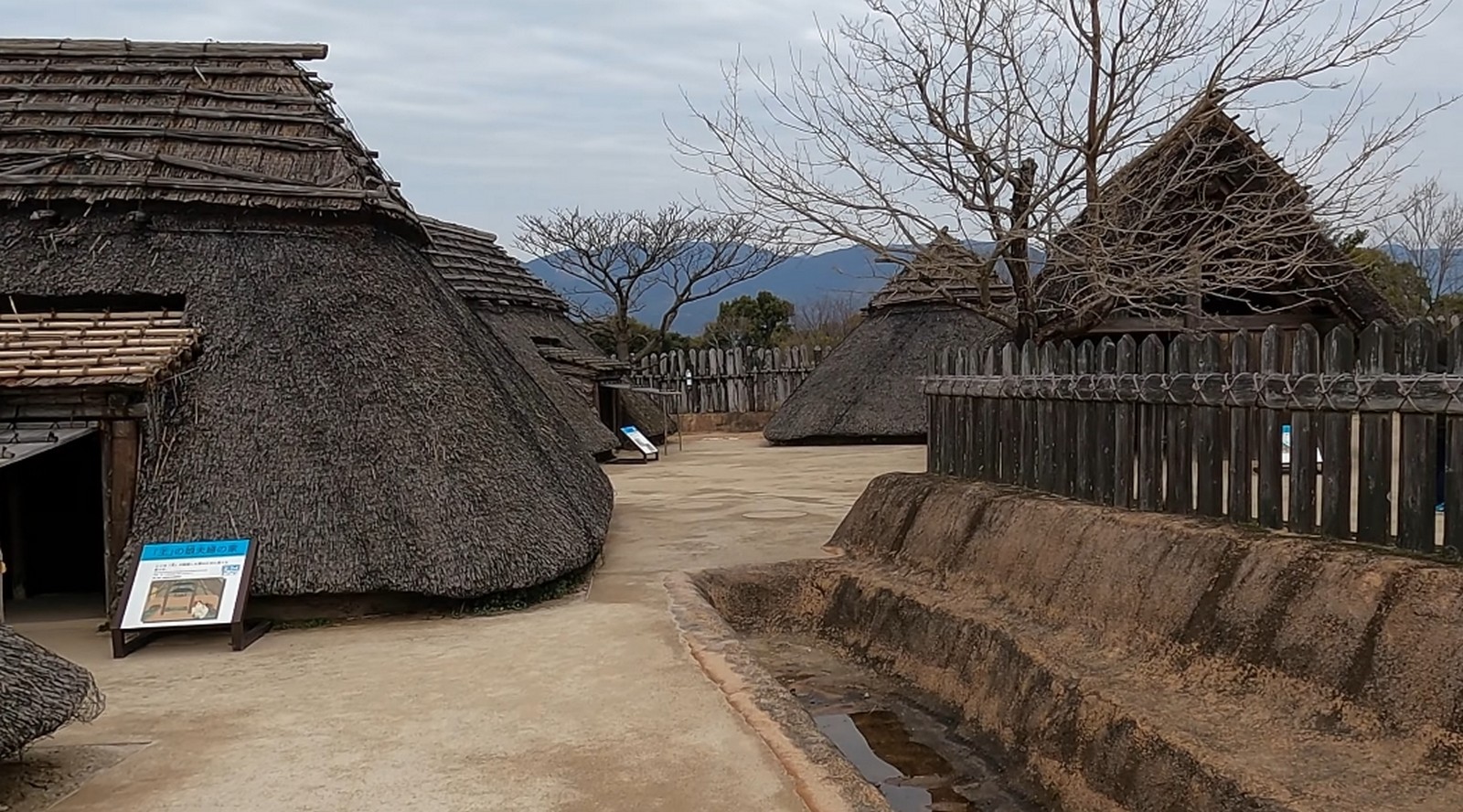
A traditional village with thatched houses from ancient Japan
Tip from the itinerary expert: Renting a car makes it easy to link several nearby highlights into one seamless route instead of juggling multiple transfers. You’ll save time and enjoy a far more relaxed journey.

The Best Time to Visit Saga
The character of Saga shifts beautifully with the passing seasons. In spring, cherry blossoms soften the local parks with delicate pink tones, while evening illuminations in places like Ogi create a magical atmosphere perfect for slow walks and photography.
Late April and early May bring a different kind of magic to the coast, where terraced rice fields fill with water, mirroring the warm, golden colors of the sunset. In autumn, traditional gardens like Kounoan are transformed by vibrant foliage, adding layers of color to the already tranquil surroundings. These quieter shoulder seasons offer the most comfortable temperatures and clear views for exploring without the rush.
Tip from the itinerary expert: Spring and autumn offer the most rewarding balance of scenery and comfort. Start outdoor visits earlier in the day to enjoy cooler temperatures and a more peaceful atmosphere.
What to See in Saga: Essential Cultural and Historical Sites
Saga reveals its soul through quiet historical landmarks, carefully restored heritage sites, and refined craftsmanship that echoes the region’s deep identity. Rather than overwhelming you with grand monuments, it invites you to slow down and appreciate the subtle details that shape everyday life here.
Starting with these key cultural locations offers a clear window into Saga’s story — from ancient settlements to feudal governance and artistic traditions — before you venture deeper into its natural landscapes and hidden corners.
Yoshinogari Historical Park
A vast open-air archaeological site centered around one of Japan’s largest Yayoi-period moated settlements. Reconstructed houses, watchtowers, and burial mounds vividly bring to life a community that thrived more than two thousand years ago.
Location & How to Get There
Located within Saga Prefecture, it is easily reached from nearby Kyushu cities by regional transport, followed by a short walk to the main entrance.
Why Choose It
It is the most significant historical landmark in Saga and one of the most important Yayoi-era discoveries in all of Japan.
Best For
Perfect for unhurried cultural exploration paired with wide, open spaces for a refreshing walk.
Time Needed: Half day to full day
Price Level: low
Tip from the itinerary expert: The park is quite extensive, so allow yourself plenty of time to explore the various reconstructed zones without having to rush from one area to another.
Saga Castle History Museum
The beautifully restored Honmaru Palace showcases the political and cultural history of the Nabeshima domain through spacious tatami rooms and thoughtfully curated exhibitions.
Location & How to Get There
Conveniently situated in Saga City and accessible via local transport or a short drive.
Why Choose It
A central museum that offers a clear and engaging look at regional governance and daily life during the Edo period.
Best For
An easy and comfortable stop for calm indoor discovery, regardless of the weather or season.
Time Needed: 1–2 hours
Price Level: free
Saga Castle Park
The former castle grounds now feature historic gates, broad lawns, and peaceful walking paths, creating a quiet green sanctuary in the heart of the city.
Location & How to Get There
Located directly next to the history museum and easily reachable on foot or by local transport.
Why Choose It
A tranquil urban park that naturally complements a visit to the castle museum and offers a breath of fresh air.
Best For
Well-suited for gentle strolls and short rest breaks between your sightseeing stops.
Time Needed: 30–60 minutes
Price Level: free
Ogi Park
A beloved seasonal park famous for its thousands of cherry trees and soft lantern lighting in spring, creating one of Saga’s most atmospheric settings for blossom viewing.
Location & How to Get There
Easily accessible from nearby towns in Saga via local roads or regional transport connections.
Why Choose It
An iconic seasonal landscape that perfectly captures the prefecture’s quiet, natural charm.
Best For
Ideal for relaxed walks, traditional hanami gatherings, and peaceful time spent outdoors.
Time Needed: 1–2 hours
Price Level: free
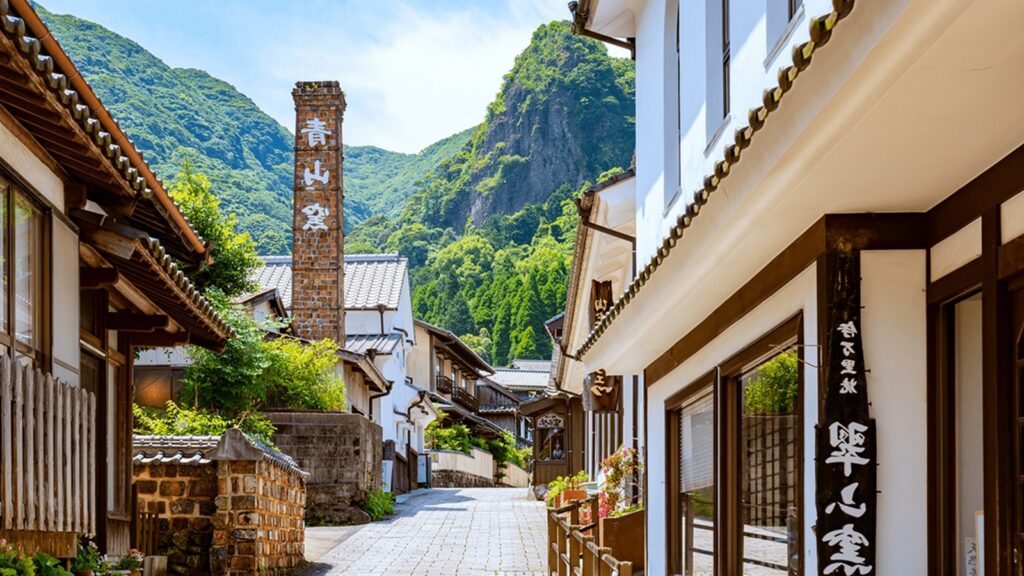
Arita Porcelain Town
A historic town at the very heart of Japanese porcelain production, where traditional workshops and centuries-old streets reflect a living craft heritage.
Location & How to Get There
Located within Saga Prefecture and reachable by regional transport or car, with easy access to the main ceramic-themed streets.
Why Choose It
An essential cultural stop that embodies Saga’s long-standing world-class artistic tradition.
Best For
Wonderful for slow wandering, browsing artisan studios, and discovering the local ceramic culture.
Time Needed: 2–3 hours
Price Level: medium
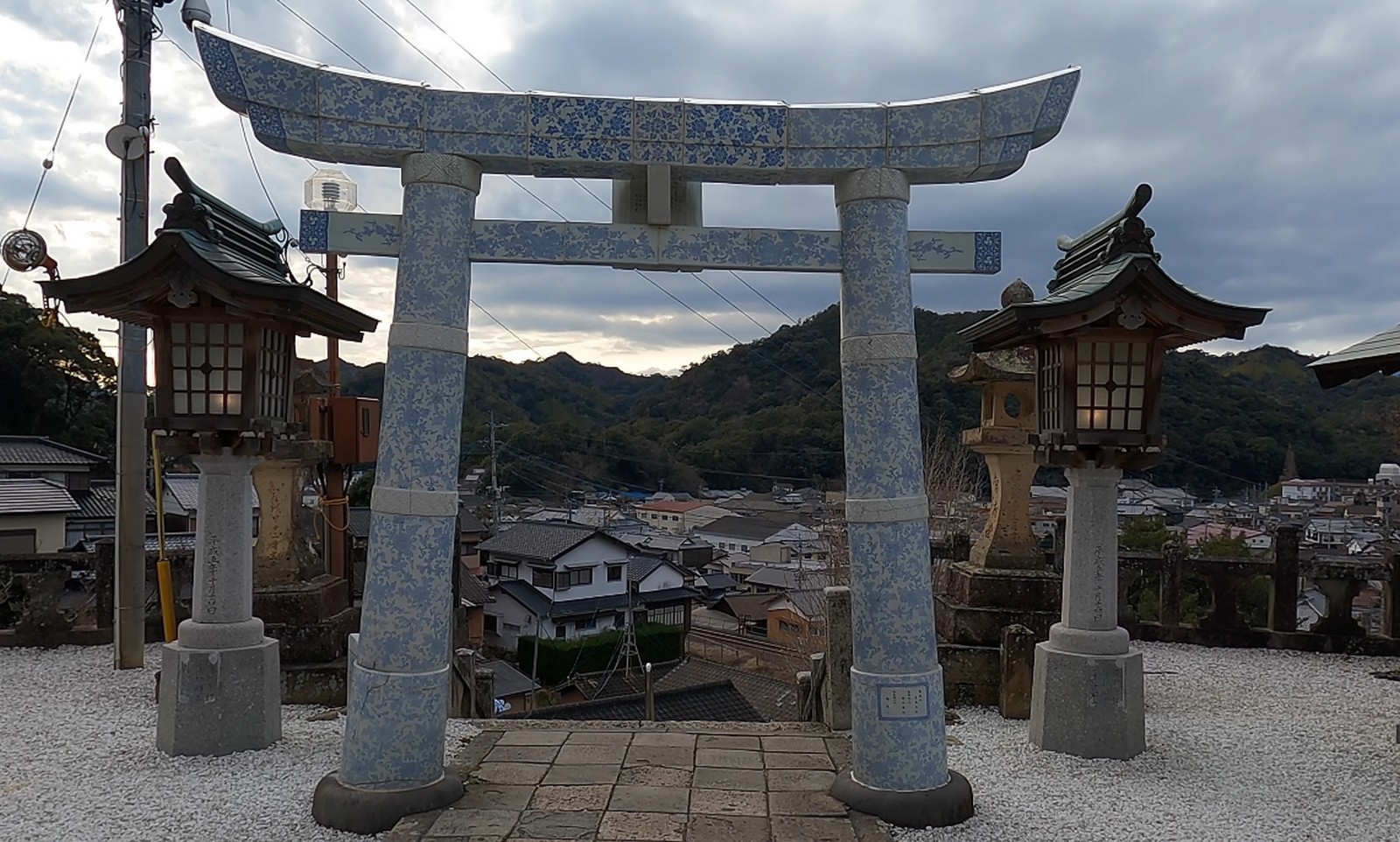
An ornate torii gate overlooking the town and surrounding mountains
Nature in Saga: Scenic Landscapes and Seasonal Beauty
Nature in Saga feels open, unhurried, and deeply in tune with the passing seasons. Coastal pine forests, mountain gardens, sea-carved cliffs, and terraced fields shape a landscape that is gentle rather than dramatic — yet quietly unforgettable.
The best way to experience these places is slowly. A scenic drive with time for spontaneous stops, short walks, and simply watching the light shift across the scenery reveals a side of Japan far removed from the busy tourist circuits.
Nijinomatsubara Pine Grove
A vast, ancient stretch of coastal pine forest lining the shore, creating a serene green corridor between the land and the sea.
Location & How to Get There
Easily accessible by regional roads or local transport within Saga Prefecture.
Why Choose It
One of Saga’s most iconic natural settings, beloved for its peaceful atmosphere and long, scenic walking paths.
Best For
Perfect for easy strolls, breathing in the fresh sea air, and enjoying quiet moments surrounded by nature.
Time Needed: 1–2 hours
Price Level: free

Mifuneyama Rakuen
A beautifully designed mountain garden where traditional landscaping blends seamlessly with dramatic rock formations and vivid seasonal flowers.
Location & How to Get There
Reached within Saga Prefecture by regional transport or a short drive.
Why Choose It
A visually captivating garden celebrated for its vibrant seasonal colors and carefully composed scenery.
Best For
Ideal for relaxed walks, photography, and enjoying nature’s changing palette throughout the year.
Time Needed: 1–2 hours
Price Level: medium
Nanatsugama Sea Caves
Impressive coastal rock formations sculpted by the waves into a series of dramatic sea caves overlooking the open ocean.
Location & How to Get There
Most conveniently accessed by car due to the remote, scenic coastal setting.
Why Choose It
A striking natural landmark where unique geology meets expansive, refreshing sea views.
Best For
Great for short coastal walks, photography, and taking in the power of the ocean scenery.
Time Needed: 30–60 minutes
Price Level: free
Tip from the itinerary expert: Visit in calm weather and during daylight for safer paths and clearer ocean panoramas.
Hamanoura Terraced Rice Fields
Layered coastal rice terraces that reflect the sky in late spring, turning sunsets into shimmering, golden landscapes.
Location & How to Get There
Best reached by car due to its rural coastal location.
Why Choose It
A seasonal viewpoint where local agriculture, sea views, and changing light create a uniquely atmospheric scene.
Best For
Ideal for sunset photography and quiet, scenic pauses during a countryside drive.
Time Needed: 30–60 minutes
Price Level: free
Tip from the itinerary expert: Arrive shortly before sunset in late April or early May to see the terraces at their most reflective.
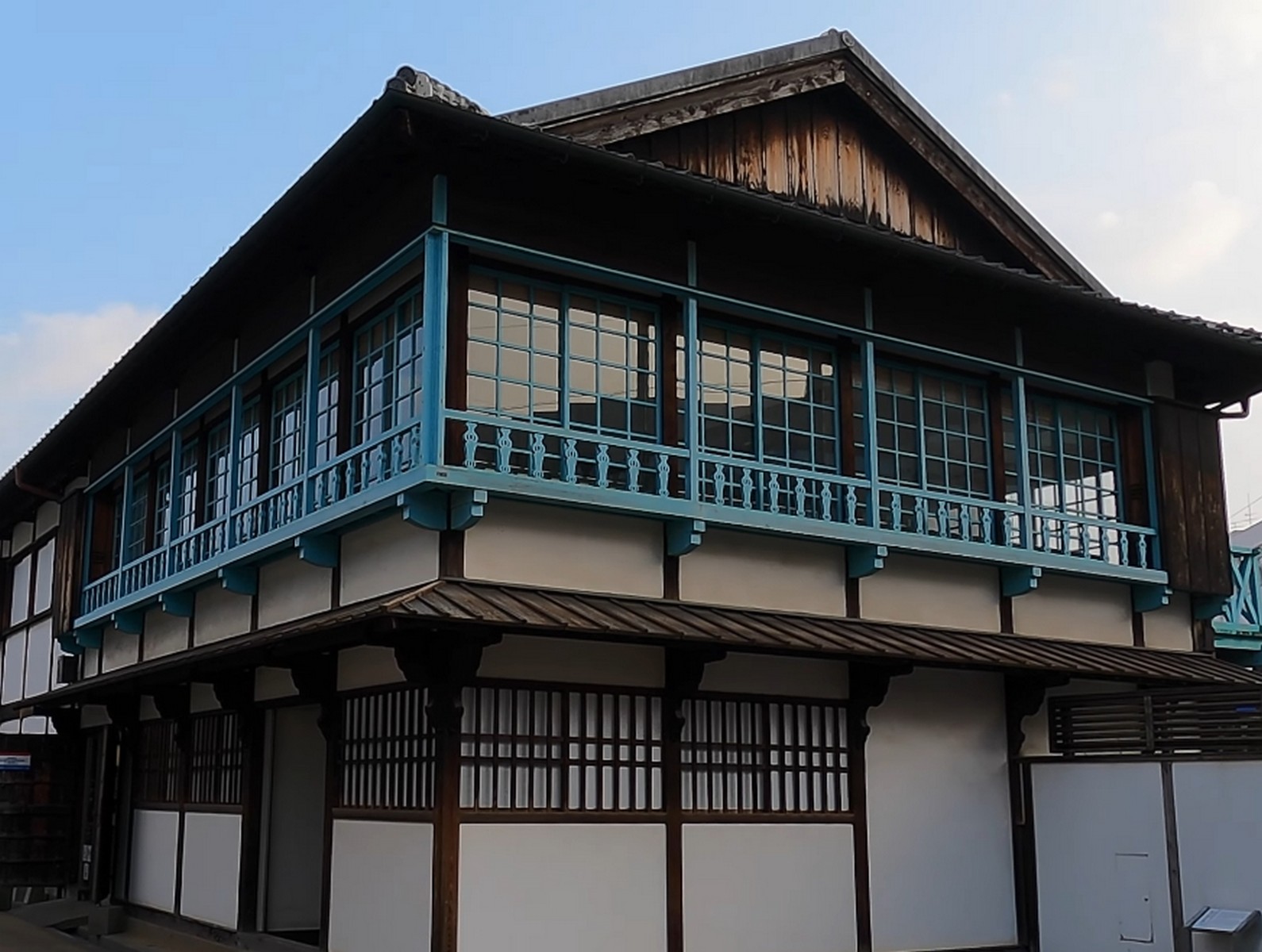
A historic wooden house with a blue balcony in Japanese-Western style
Hidden Gems of Saga: Quiet Spiritual and Historic Places
Beyond the well-known highlights, Saga holds a collection of quieter places where spiritual traditions and local character feel especially sincere. These spots are rarely crowded and invite a slower, more personal connection with the region.
Including one or two of these lesser-known sites adds emotional depth to your route and reveals a more intimate side of Saga’s cultural landscape.
Kounoan Garden
A historic garden admired for its brilliant autumn foliage and its carefully arranged traditional landscape design.
Location & How to Get There
Located near Kanzaki Station and easily reachable by local transport or car.
Why Choose It
A tranquil garden that beautifully showcases seasonal color and classic Japanese aesthetics.
Best For
- Relax
Ideal for slow walks and a quiet appreciation of the changing seasons.
Time Needed: 30–60 minutes
Price Level: low
Chikugo River Lift Bridge
A historic movable bridge spanning the Chikugo River, offering scenic views and a distinctive piece of engineering heritage.
Location & How to Get There
Situated in the Morodomi area and reachable by car or a short taxi ride from Saga Station.
Why Choose It
An unusual viewpoint where peaceful river scenery meets historic infrastructure.
Best For
Suitable for easy walks, photography, and peaceful moments by the riverside.
Time Needed: 30–45 minutes
Price Level: free
Yūtoku Inari Shrine
One of Japan’s most important Inari shrines, known for its elevated wooden architecture and stunning forested surroundings.
Location & How to Get There
Accessible within Saga Prefecture by regional roads or public transport.
Why Choose It
A major spiritual landmark that harmoniously blends grand traditional architecture with the beauty of nature.
Best For
Well-suited for calm exploration and enjoying panoramic views from the different levels of the shrine complex.
Time Needed: 1–2 hours
Price Level: free
Takeo Shrine
A historic shrine set among ancient, towering trees, where the quiet natural surroundings enhance its spiritual atmosphere.
Location & How to Get There
Reachable by regional roads or local transport within the prefecture.
Why Choose It
A peaceful cultural site offering a more intimate, grounded alternative to larger shrine complexes.
Best For
- Relax
Perfect for reflective walks and tranquil moments away from the busier travel routes.
Time Needed: 30–60 minutes
Price Level: free
Karatsu Castle
A coastal castle overlooking the sea, where historic architecture meets open ocean views and lovely surrounding parkland.
Location & How to Get There
Easily accessible from the center of Karatsu by local transport or car.
Why Choose It
A scenic landmark that perfectly connects maritime landscapes with regional history.
Best For
Comfortable for a short visit with great photography opportunities and relaxed walking paths.
Time Needed: 1 hour
Price Level: low

Saga Travel Itinerary: 3 Calm Days of Nature, Culture, and Scenic Views
Trip Duration: 3 days
Day 1 — Arrival, Archaeological Heritage, and City Walk
Your first day in Saga is designed to feel smooth and unhurried. Travel from nearby Kyushu cities is relatively short, so you can settle in and still have plenty of time for meaningful exploration. The focus is on one major historical landmark followed by a gentle walk through the city’s calm, welcoming surroundings.
The rhythm remains relaxed, blending open-air discovery with an easy evening atmosphere in the city center — an ideal way to ease into Saga’s quieter pace of life.
Click here to learn more about creating a personal itinerary
Overnight Location: Saga City
Places to Visit
Yoshinogari Historical Park
Time: 10:30–14:00
Duration: About 3–3.5 hours including walking and rest stops
An expansive archaeological park where reconstructed Yayoi-era dwellings, watchtowers, and burial sites bring ancient daily life vividly into the present, all set within wide, natural grounds.
Saga Castle History Museum
Time: 15:00–16:30
Duration: 1–1.5 hours
A beautifully restored palace complex showcasing the political and cultural story of the region through spacious tatami rooms and engaging exhibitions.
Saga Castle Park Evening Walk
Time: 16:30–18:00
Duration: 30–60 minutes
Peaceful castle grounds that are perfect for a slow sunset stroll after a day of cultural exploration.
Day 2 — Seasonal Nature, Coastline, and Sunset Landscapes
The second day is devoted entirely to Saga’s natural beauty. Traveling by car allows you to move comfortably between coastal forests, dramatic rock formations, and scenic rural viewpoints without feeling rushed or restricted by schedules.
This route follows the natural rhythm of light and landscape, building toward a memorable sunset moment that will surely become one of the visual highlights of your entire journey.
Overnight Location: Saga or Karatsu area
Places to Visit
Nijinomatsubara Pine Grove
Time: 10:00–11:30
Duration: 1–1.5 hours
A long stretch of coastal pine forest offering tranquil walking paths and refreshing sea air.
Nanatsugama Sea Caves
Time: 12:00–13:00
Duration: 30–60 minutes
Wave-carved rock formations overlooking the ocean, with short trails and panoramic coastal views.
Hamanoura Terraced Rice Fields
Time: 17:00–18:00
Duration: 30–60 minutes at sunset viewpoint
Layered coastal rice terraces that mirror the sky and glow warmly at sunset, especially striking in late spring.
Day 3 — Traditional Culture, Gardens, and Spiritual Landmarks
The final day brings together craftsmanship, refined garden design, and spiritual architecture to create a calm and thoughtful conclusion to your time in Saga. Distances are manageable, allowing for a relaxed rhythm with plenty of space for lunch stops, photos, and quiet appreciation.
This blend of culture and nature leaves a lasting impression — one that perfectly reflects Saga’s understated elegance and peaceful character.
Overnight Location: Departure from Saga or return to Fukuoka
Places to Visit
Arita Porcelain Town
Time: 10:00–12:00
Duration: About 2 hours including walking and browsing
A historic ceramic town where traditional workshops and centuries of porcelain craftsmanship shape the streetscape and local identity.
Mifuneyama Rakuen
Time: 13:00–14:30
Duration: 1–1.5 hours
A landscaped mountain garden featuring seasonal blooms, dramatic rock formations, and peaceful walking paths.
Yūtoku Inari Shrine
Time: 15:30–17:00
Duration: 1–1.5 hours
A hillside shrine known for its layered wooden structures and serene forest setting, offering beautiful views and a reflective atmosphere.
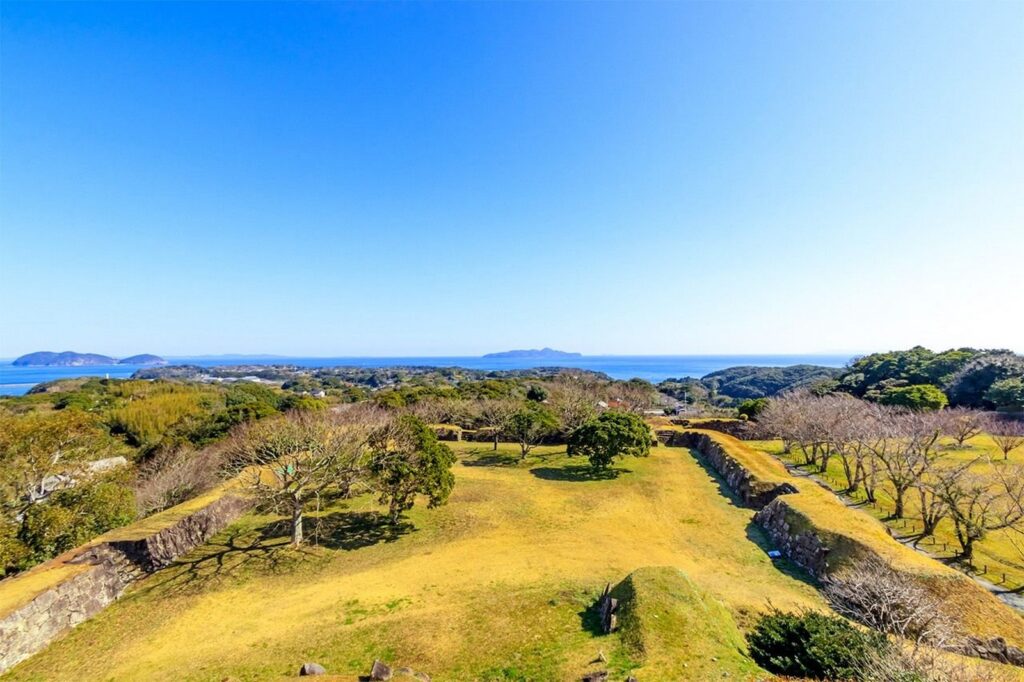
Traveller Experiences in Saga

Daniel
April 2024

I spent a spring day in Saga and was genuinely surprised by how peaceful it felt. Yoshinogari Historical Park is vast and open, which made exploring with kids far easier than I expected. In the evening, we wandered around the castle grounds and enjoyed the quiet atmosphere. My advice is to arrive early at the park — the softer morning light and cooler air make a big difference.
Layla
October 2023

The autumn colors around the gardens and shrines were unforgettable. The whole region felt calm and authentic, a refreshing contrast to the larger cities. We mixed short cultural visits with nature walks, which worked beautifully for our family. Since transport between sites can take time, renting a car made everything far more convenient for us.
Omar
May 2022
Watching the terraced rice fields at sunset was one of the most beautiful moments of my trip to Japan. The reflections shifted every few minutes, and the silence made it even more special. There weren’t many dinner options nearby in the evening, so planning ahead definitely helped. Overall, Saga felt incredibly relaxing and photogenic.
Sofia
March 2025
We chose Saga to slow down between bigger cities, and it was exactly what we needed. The pine grove by the coast was peaceful and spacious, with plenty of room for the children to move around freely. I loved how uncrowded everything felt. Grouping nearby sights on the same day saved us time and made our driving much more efficient.
Karim
July 2019
The archaeological park was much larger than I imagined, so comfortable shoes were a must. Thankfully, there are plenty of shaded areas and open lawns that make it manageable even in warm weather, plus some indoor exhibits to cool down. I would definitely recommend setting aside at least half a day instead of trying to rush through it.
Maya
November 2021
What stayed with me most was the calm feeling everywhere — from the shrines to the gardens and small towns. The pace felt natural and unforced. Saga isn’t about ticking off attractions quickly, and that’s exactly its charm. Limiting ourselves to fewer stops per day made the whole experience far more meaningful.
Ethan
September 2018
Saga surprised me with how green and open it was. Coastal views, quiet parks, and traditional streets were all within easy reach. While public transport worked for some locations, having a car made it much easier to reach the more scenic spots. If you enjoy nature and photography more than crowded landmarks, Saga is absolutely worth your time.
Final Advice for Your Journey
I always treat Saga as the slower, more grounding chapter of a Kyushu journey. Keeping the schedule light allows its open landscapes and spacious parks to truly resonate — especially after time spent in busier cities.
I suggest starting your visit to Yoshinogari Historical Park early in the morning. The softer light makes the scenery more beautiful, walking feels easier in the cooler air, and you will still have plenty of energy for the rest of the day.
Along the coast, I prefer traveling by car and grouping nearby stops into one smooth route. It reduces backtracking, saves time, and gives you the freedom to pause at unexpected viewpoints along the way.
For the most atmospheric photos at Hamanoura Terraced Rice Fields, aim to arrive close to sunset. The reflections deepen, the light turns golden, and the entire landscape feels calm and almost cinematic.
I usually schedule indoor cultural visits, such as the Saga Castle History Museum, during the warmest hours or if rain is expected. This keeps the daily rhythm balanced and comfortable for everyone.
On the final day, I leave generous free time near Arita Porcelain Town. Wandering slowly through the ceramic streets, browsing small workshops, and stopping at a quiet café creates a relaxed and satisfying ending to the trip.
In Saga, I focus on fewer stops with more time at each one. This region rewards patience and unhurried exploration — the slower you move, the more meaningful the experience becomes.
Insights from the Itinerary Expert
I visited Saga in November 2023 while exploring the quieter corners of Kyushu, and it left a deeper impression on me than many headline destinations. What makes Saga so memorable isn’t a single standout attraction, but the gentle rhythm created by places like Yoshinogari Historical Park and the serene coastal views near Hamanoura Terraced Rice Fields. Moving slowly between nature, small towns, and cultural sites felt effortless — especially when the days were planned with short drives and plenty of time for relaxed walks.
One practical detail to note is that public transport between scenic areas can be quite time-consuming. Careful route planning — or better yet, renting a car — makes the experience far smoother and more enjoyable. I also found that limiting each day to a few meaningful stops keeps energy levels steady and leaves room for spontaneous discoveries, local meals, and quiet viewpoints that often become the true highlights of the journey.
Saga is a soft, atmospheric destination that reveals a calmer side of Japan through its landscapes, heritage, and sense of space. With a thoughtfully designed personal route, the experience becomes noticeably richer — and I warmly invite you to create an individual itinerary across Saga and the wider country together.
Typical Prices for a Trip to Saga (JPY)
| Name | Amount | Description |
|---|---|---|
| Budget hotel (double room, 2 people) | ¥5,000–¥8,000 JPY | Per night. Simple business hotels near train stations are usually the most practical choice for short, comfortable stays. |
| Mid-range hotel (double room, 2 people) | ¥9,000–¥15,000 JPY | Per night. Expect more space, improved comfort, and often a quieter atmosphere compared to budget options. |
| Higher-end hotel/ryokan (2 people) | ¥20,000–¥35,000 JPY | Per night. Prices vary significantly depending on the season and whether dinner, breakfast, or onsen access are included. |
| Apartment/house for a family of 5 | ¥15,000–¥30,000 JPY | Per night. Often more convenient for families thanks to extra space, kitchen facilities, and flexible meal times. |
| Car rental | ¥7,500–¥12,650 JPY | Per day. Typical rates for compact to mid-size cars; basic insurance coverage is often included depending on the provider. |
| Public transport (typical one-way fares) | ¥600–¥1,970 JPY | Examples: Saga Airport to Saga Station bus is ¥600; Hakata (Fukuoka) to Saga train ranges from about ¥1,130 to ¥1,970 one way, depending on the service. |
| Restaurant meal | ¥3,500 JPY | Based on a high-quality set meal (teishoku); actual prices vary depending on the restaurant type and chosen dishes. |
| Parking | ¥0–¥310 JPY | For example, Saga Castle Park parking is free, while standard car parking at Yoshinogari Historical Park costs ¥310. |
| Basic supermarket shop (2 people) | ¥2,000–¥3,500 JPY | A practical basket for simple breakfasts, snacks, and basic staples; totals depend on your food choices and ready-made items. |
FAQ About Visiting Saga
What we propose

Emma Heidi
Customer Experience Manager
Take all the stress out of planning your trip!
With our experts, you can create the perfect itinerary for you – complete, comfortable, and tailored to all your dreams, wishes, and needs.
We take care of every little detail, so you can simply focus on enjoying your journey.
We’ve been designing personalized itineraries since 2015, and over the years we’ve created thousands of custom itineraries for happy clients.

Save time, avoid confusion – we do the work for you. Our service saves you weeks of searching, reading, comparing, and complicated planning. Instead of wasting endless hours – you receive a ready-to-use, accurate and clear itinerary.

A tailor-made itinerary – built just for you. Your itinerary is personally designed based on our experts’ real field experience and genuine feedback from hundreds of travelers – including hidden discoveries and insider tips that don’t appear in any travel guide.

Smart accommodation selection – often saves you hundreds or even thousands of dollars. We help you choose verified and recommended places to stay, checking availability for your exact travel dates. Sometimes we suggest hotels not “in the center,” but in safe, convenient, and highly strategic locations – which can significantly reduce travel costs and save you even thousands of dollars.

We’re by your side even during the trip. We stay with you throughout your vacation – providing professional help whenever needed. If the weather changes, there’s a strike, a local event, heavy crowds, or any unexpected situation – we are here to update, guide, and adjust your itinerary in real time.

Easy-to-use itinerary – with direct navigation links. Your itinerary includes direct Waze / Google Maps links – no need to search for parking addresses, no stress, no mistakes. Just tap – and go.

Service cost: from only $420. (Special price for short itineraries up to 5 days). Clients tell us the itinerary saves them costly mistakes, fines, wrong choices – plus exclusive discounts on car rentals, better-priced accommodations, and money-saving local tips.
Want to know if it’s really worth it?
Take a look at the experiences of travelers who built their personal itinerary with us.
Click here and let’s start building the itinerary that will save you time, money, and stress – and turn your vacation into perfection.
Of course, your first inquiry is completely free – with no commitment whatsoever.
How it works


- You are welcome to contact us
- We discuss your trip
- You fill out a special form
- We create your itinerary
- You get it with all useful tips
- We are in touch with you all the time