My love for Japan began the moment I arrived in Tokyo. The country amazed me with its harmony of ancient traditions, cutting-edge technology, breathtaking nature, and a culture unlike any other. Since then, Japan has become a part of my life, and I return there again and again. Today I help travelers discover the real Japan: I create personalized itineraries, give lectures, and prepare guests for their unforgettable journey. I would be delighted to open Japan for you too!

Chugoku
Stretching across the western edge of Honshu, the Chugoku region is a place where ancient myths and layered history meet landscapes that shift with every turn. Here, world-famous landmarks sit side-by-side with quiet fishing villages, hidden offshore islands, and time-honored shrines that remain a core part of local life. It is a journey that feels deeply authentic, offering a rich experience without the overwhelming rush of Japan’s more crowded tourist hubs.
Traveling through Chugoku allows you to discover a calmer, more intimate side of the country. From the coastal horizons to the historic streets where traditional rituals still shape the daily rhythm, the region invites you to slow down. It rewards unhurried exploration with stunning scenery and cultural encounters that feel genuinely meaningful. For those who value depth, atmosphere, and a steady pace, Chugoku is a perfect match.
How can you get around Chugoku with ease?
Chugoku encompasses five unique prefectures, Tottori, Okayama, Shimane, Hiroshima, and Yamaguchi. They are all smoothly connected by the Sanyo Shinkansen running along the southern coast. This high-speed link makes moving between major cities effortless and provides seamless connections to Kyushu and Shikoku. You can easily weave this region into a broader Japan adventure. Once you arrive in the cities, the local trains and public transport are exactly what you would expect in Japan, efficient, punctual, and very easy to navigate.
For a more scenic perspective, ferries across the Seto Inland Sea turn transit into an adventure, granting access to beautiful islands and coastal routes. While public transport is reliable, renting a car offers the ultimate flexibility. It is the best way to reach rural coastlines, hidden viewpoints, and the charming traditional towns tucked away across the prefectures.
Click here to learn more about creating a personal itinerary
Tip from the itinerary expert: When covering longer distances, cluster cities along the Sanyo Shinkansen into the same travel day. Fewer transfers mean more time exploring and less time watching the clock.

When is the best time for your Chugoku adventure?
The climate in Chugoku varies noticeably between the northern coast, facing the Sea of Japan, and the gentler southern shores of the Inland Sea. In the north, winters often bring heavy snowfall and a beautiful seasonal stillness. Meanwhile, the south stays milder and more stable throughout the year. This contrast lets you tailor your trip to the specific scenery and mood you are looking for.
With a bit of planning, Chugoku is rewarding in any season. The warmer months are perfect for exploring coastal landscapes and hopping between islands, while the cooler months bring a special character to the quiet temples and cultural sites. By aligning your route with the local weather, you can ensure a comfortable and memorable journey regardless of when you visit.

Since 2015, our website has specialized in individual planning of unique routes, taking into account personal preferences and desires.
Each of you will receive a unique PDF file from us, which contains everything you need: travel routes, car rentals, hotels, the best tourist attractions, attractions for kids and everything you need for a perfect vacation.
During the trip, we are available for you by phone via WhatsApp.
Our personal service provides information from A to Z, taking into account many small details that can become a decisive factor on the way from a wasted trip to an unforgettable vacation.
Our service will make your trip comfortable, save a lot of time on planning and preparation, and most importantly – will allow you to become freer and fully enjoy the pleasure of the trip.
Tip from the itinerary expert: Consider the regional climate split when packing. Even in the same week, a snowy morning in the north can turn into a mild, sunny afternoon by the southern coast.
What are the top attractions to experience in Chugoku?
The Chugoku region is a captivating blend of moving memorials, sacred shrines, and perfectly preserved historic districts. These landmarks form the cultural and visual heart of western Honshu, offering a travel experience that flows naturally between quiet reflection, spiritual discovery, and refined traditional architecture.
Hiroshima Peace Memorial Park and Atomic Bomb Dome
Genbaku Dome
This world-renowned memorial complex serves as a poignant tribute to the victims of the 1945 atomic bombing, carrying a powerful message of global peace. The skeletal remains of the dome stand as a silent witness to history, while the surrounding park and museum offer a space for deep reflection. A walk through these grounds is both moving and educational, providing a necessary moment to pause and absorb the weight of the past.
Opening Hours: Open daily; museum hours vary by season
The park and dome are free to visit; the museum has a small entrance fee
Tip from the Itinerary Expert: Arrive early in the morning or close to sunset, when the softer light and fewer visitors create a more contemplative atmosphere.
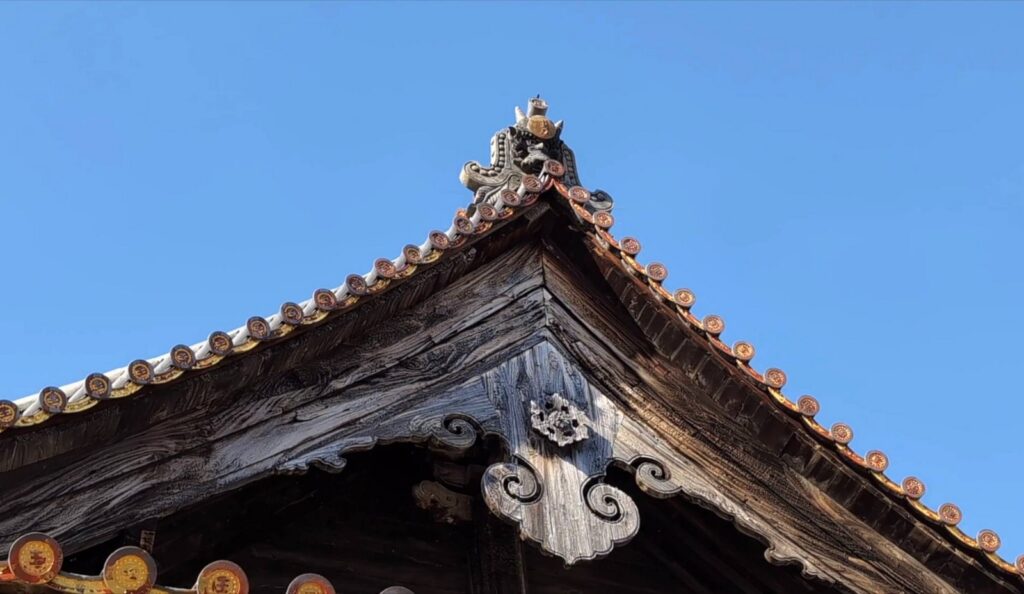
Itsukushima Shrine on Miyajima Island
Floating Torii Gate Shrine
Famed for its grand vermilion torii gate that appears to float upon the waves at high tide, Itsukushima Shrine is one of Japan’s most breathtaking sights. Elegant wooden corridors stretch over the water, connecting sacred halls against a backdrop of lush, forested hills. The constant interplay between the tides and the architecture creates a scene that feels truly magical.
Opening Hours: Hours vary depending on season and tide conditions
Entrance fee required for shrine interior areas
Tip from the Itinerary Expert: Try to see the shrine at both high and low tide—the shifting water levels completely transform the perspective and atmosphere.
Korakuen Garden and Okayama Castle
Okayama Korakuen
Consistently ranked as one of Japan’s three finest landscape gardens, Korakuen features expansive lawns, peaceful ponds, and meticulously curated seasonal flora. It sits just across the river from the striking black exterior of Okayama Castle. The harmony between the garden’s open design and the historic fortress makes this entire area feel spacious, calm, and incredibly photogenic throughout the year.
Opening Hours: Open daily; seasonal variations possible
Separate entrance fees for the garden and castle
Izumo Taisha Grand Shrine
Izumo Taisha
As one of Japan’s oldest and most significant Shinto sites, Izumo Taisha is steeped in ancient mythology and traditions surrounding destiny and relationships. The shrine’s massive wooden structures, iconic heavy rope decorations, and tranquil forest setting create an aura of solemnity and spiritual power that is felt the moment you enter the grounds.
Opening Hours: Open year-round
Free to enter shrine grounds
Matsue Castle
Matsue-jo
One of the few remaining original wooden castles from Japan’s feudal era, Matsue Castle offers a rare and authentic look at the past. Inside the ‘Black Castle,’ steep staircases lead to a top floor with commanding panoramic views of the city and lake. Its location near historic canals and samurai streets further enhances the feeling of stepping back in time.
Opening Hours: Open daily; hours vary by season
Entrance fee required for the castle tower
Kurashiki Historical Canal District
Bikan Historical Quarter
This beautifully preserved merchant area from the Edo period enchants visitors with its white-walled storehouses, willow-draped canals, and charming boutiques. The slow pace of the traditional boat rides and the timeless architecture create an incredibly atmospheric setting. It is a place that feels especially serene as the evening lanterns begin to glow.
Opening Hours: Public area accessible at all times; individual museums have set hours
Walking the district is free; museums charge entrance fees
Tip from the Itinerary Expert: Stay into the evening, when soft illumination reflects off the canals and turns the district into one of the region’s most atmospheric scenes.
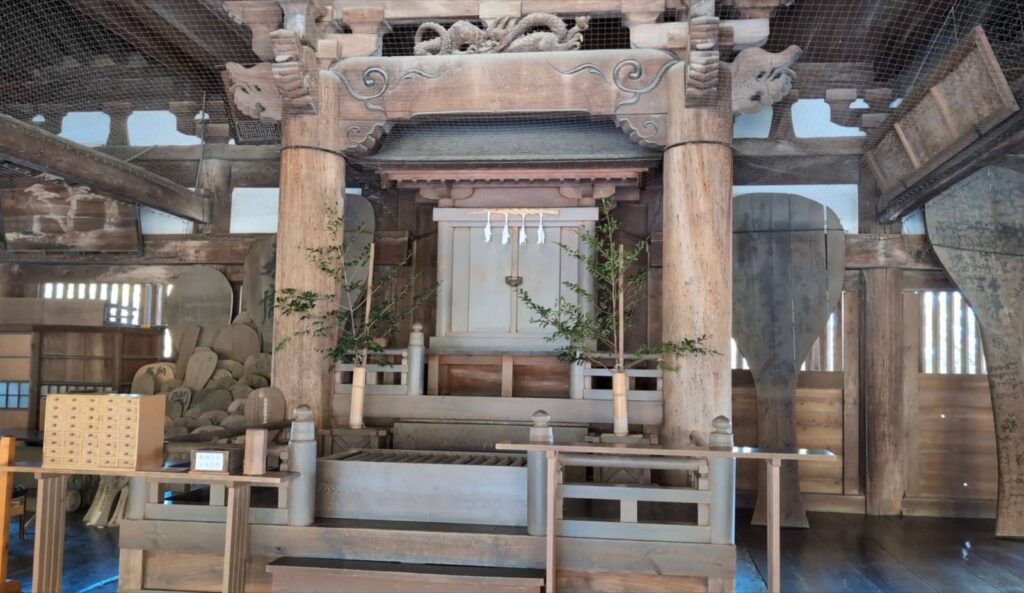
What natural landscapes define Chugoku?
The Chugoku region unfolds as a surprisingly diverse natural canvas. Here, windswept coastlines, rolling mountain ranges, ancient limestone formations, and scattered islands shape a breathtaking scenery. This variety creates the perfect space for slow outdoor exploration, striking photography, and quiet moments in nature, far removed from the intensity of Japan’s larger cities.
Key natural highlights of the region include:
- Tottori Sand Dunes. An unexpected, desert-like stretch of coastline where vast sandy slopes meet the sea. Walking across these dunes feels almost surreal, with wide-open views and shifting patterns carved by the ocean wind.
- Oki Islands. A designated geopark known for its crystal-clear waters, dramatic cliffs, and peaceful beaches. These islands are ideal for snorkeling, diving, fishing, kayaking, or simply enjoying the rhythm of the ocean in a quieter setting.
- Akiyoshido Cave and Akiyoshidai Karst Plateau. An impressive limestone cave system paired with sweeping karst landscapes above ground. The unusual rock formations create a geological scene that feels distinct from anywhere else in Japan.
- Lake Shinji. A serene lakeside setting especially admired for its glowing sunsets. At dusk, the water’s surface mirrors the sky in soft, shifting shades of gold and pink.
- Mountain trails and the Shimanami Kaido cycling route. Scenic pathways that link islands across the Inland Sea, blending gentle physical activity with expansive coastal panoramas that stay with you long after the ride.
Together, these landscapes reveal a quieter, more spacious side of western Honshu, where nature is not just a backdrop but a defining part of the journey itself.
Click here to learn more about creating a personal itinerary
Tip from the itinerary expert: Pair one coastal stop with one inland nature site in a single day. This approach highlights the region’s geographical contrasts while keeping travel time manageable.
Discovering the hidden gems of Chugoku
Beyond the famous landmarks, Chugoku reveals its most intimate treasures—places where time seems to stand still and life unfolds at a gentle, rhythmic pace. These atmospheric towns, coastal lookouts, and traditional landscapes offer a refreshing escape from the busier tourist routes, often leaving the most lasting impressions because they feel so undiscovered and personal.
Notable hidden gems to include in your journey:
- Onomichi and Tomonoura coastal towns. Charming seaside communities filled with narrow lanes, vintage wooden houses, and peaceful harbor views that capture the soul of old Japan.
- Evening canal walks in Kurashiki. As the lanterns flicker to life and reflections shimmer across the water, the preserved merchant district transforms into one of the most romantic and atmospheric night scenes in western Honshu.
- Quiet hot spring villages in Tottori. Intimate onsen towns where relaxation comes naturally, tucked away in calm landscapes with a fraction of the crowds found elsewhere.
- Mountain hiking routes in Shimane. Lush, forested trails that open onto wide panoramas, offering silence, fresh air, and a profound sense of immersion in nature.
- Hidden beaches of Yamaguchi. Peaceful, pristine coastal stretches perfect for slow walks, refreshing sea breezes, and unhurried sunset views over the horizon.
Adding these stops to your itinerary provides a rich layer of depth and texture, revealing a tranquil, authentic side of Japan that many travelers overlook.
Tip from the Itinerary Expert: Plan hidden gems for early morning or late afternoon, when softer light and fewer visitors enhance their atmosphere and make the experience feel even more personal.
What family-friendly adventures can you enjoy in the region?
Chugoku offers a wonderful balance of outdoor adventure and cultural experiences that keep every day interesting without being overwhelming. The region is perfectly suited for family exploration, where beautiful scenery and engaging activities go hand in hand.
Memorable activity ideas for all ages:
- Cycling the Shimanami Kaido. An island-hopping adventure across the Inland Sea that combines light physical activity with expansive coastal views. It is a fantastic way to experience the sea air together.
- Exploring the Tottori Sand Dunes and Sand Museum. A striking natural playground paired with incredible sand sculptures that add a unique creative and educational element to your visit.
- Boat rides through Kurashiki’s historic canals. A gentle, relaxed way to admire the traditional architecture and soak in the district’s timeless character from the water.
- Parks and museums in Hiroshima. Thoughtfully designed cultural spaces that are easy to navigate, well-organized, and encourage meaningful family reflection in a peaceful setting.
These experiences create a travel rhythm that blends nature, culture, and light adventure, ensuring the journey remains engaging and comfortably paced from start to finish.

Tip from the Itinerary Expert: Alternate more active outdoor experiences with calmer cultural visits on the same day to maintain energy and keep the overall pace enjoyable.
The best of Chugoku: A 4-day journey
Trip Duration: 4 days
Day 1 - Hiroshima and Miyajima Island
Morning (10:00–13:00). Start your journey in Hiroshima at the Peace Memorial Park and the Atomic Bomb Dome. Walk slowly through the memorial grounds, pause by the monuments, and spend time inside the museum to absorb the deeper historical context. We recommend allowing at least two to three hours so your visit feels thoughtful rather than rushed.
Lunch (13:00–14:00). Choose a relaxed local restaurant in central Hiroshima to enjoy a proper break and sample some local soul food before continuing your day.
Afternoon and evening (14:30–18:00). Take the train and ferry to Miyajima Island, an easy journey of under an hour. Visit Itsukushima Shrine and its iconic torii gate that appears to float at high tide. Wander the island paths and forested coastline, giving yourself enough time to experience the shifting light and tides before returning to Hiroshima for the night.
Tip from the Itinerary Expert: Time your ferry so you arrive around high tide and stay as the water begins to recede. Seeing the torii gate in changing conditions adds depth to the experience without extending your schedule.
Overnight Location: Hiroshima
Places to Visit
Hiroshima Peace Memorial Park and Atomic Bomb Dome
Time: 10:00–13:00
Duration: 2–3 hours
A central memorial site dedicated to remembrance and peace, offering powerful historical context in a thoughtfully designed park setting.
Itsukushima Shrine, Miyajima
Time: 15:00–18:00
Duration: 2–3 hours
A coastal shrine famous for its vermilion torii gate and scenic island surroundings shaped by the tides.
Day 2 - Okayama and Kurashiki
Morning (10:00–12:30). Travel by Shinkansen from Hiroshima to Okayama in about an hour. Spend your late morning strolling through Korakuen Garden and visiting Okayama Castle. The combination of manicured lawns, peaceful ponds, and historic architecture creates a calm, balanced start to the day. Plan for about two hours of unhurried exploration.
Lunch (12:30–13:30). Enjoy a fresh lunch near the garden or close to Okayama Station before heading onward to your next stop.
Afternoon and evening (14:00–18:00). Take a short train ride to Kurashiki to explore the beautifully preserved canal district. Walk along the willow-lined waterways, browse the traditional boutiques, and perhaps take a relaxed boat ride. As the afternoon light softens, the reflections along the water become especially magical.
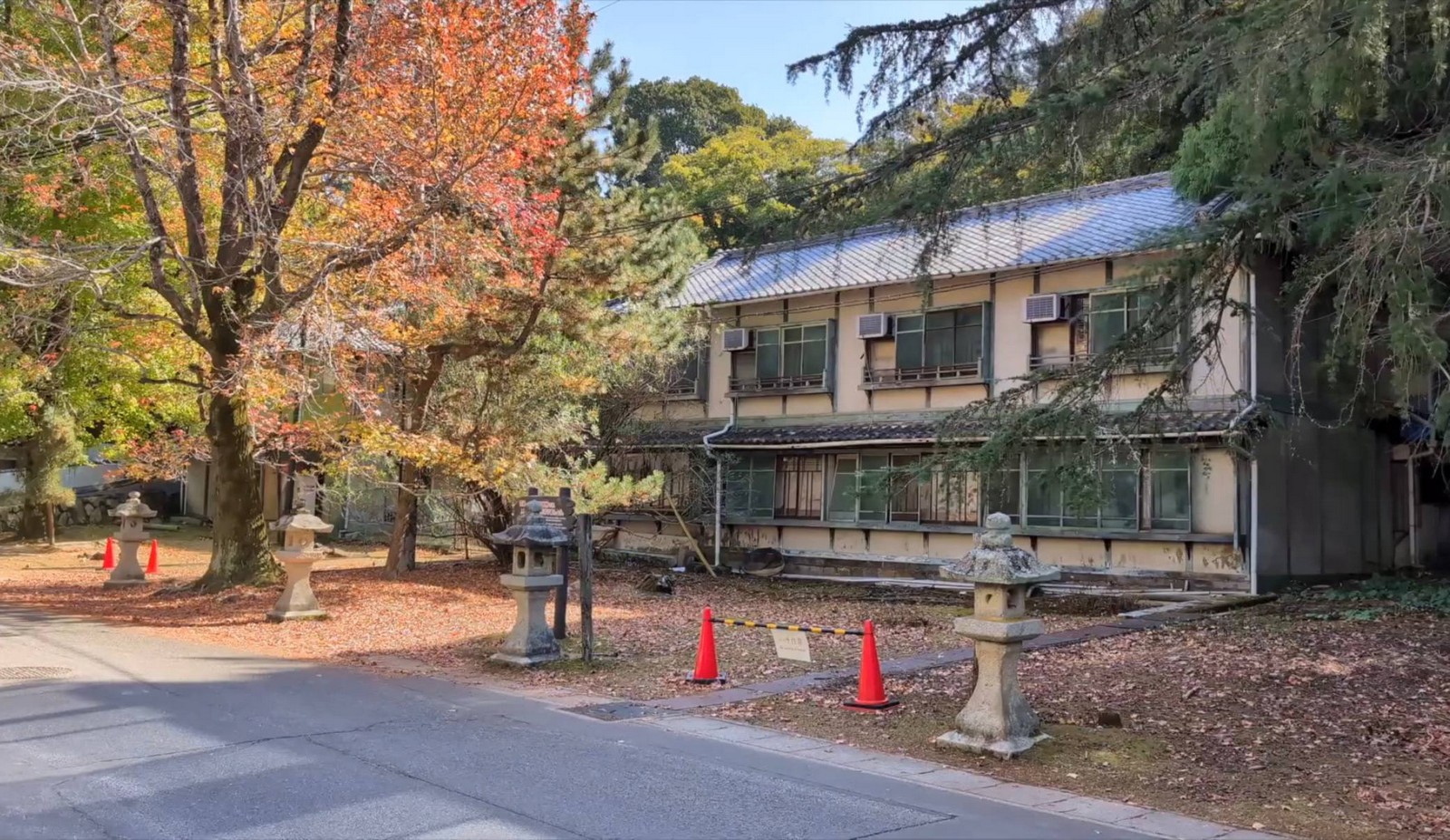
A quiet corner of Chugoku where autumn leaves, stone lanterns, and an old building tell stories of another era.
Tip from the Itinerary Expert: Stay in Kurashiki until early evening. The gentle illumination along the canals creates one of the most photogenic moments of the entire route.
Overnight Location: Okayama or Kurashiki
Places to Visit
Korakuen Garden and Okayama Castle
Time: 10:30–12:30
Duration: 2 hours
A celebrated landscape garden paired with a striking historic castle overlooking its grounds.
Kurashiki Historical Canal District
Time: 14:00–18:00
Duration: 3–4 hours
An Edo-period merchant quarter with canals, preserved architecture, and peaceful walking paths.
Day 3 - Shimane Heritage and Coastal Nature
Morning (10:00–12:30). Head toward Izumo Taisha, one of Japan’s oldest and most spiritually significant shrines. Walk beneath the towering wooden structures and follow the forested paths that frame these sacred grounds. One to two hours allows for a meaningful visit that captures the shrine’s unique aura.
Lunch (12:30–13:30). Stop at a local eatery nearby to try the famous Izumo soba before continuing your adventure.
Afternoon and evening (14:00–18:00). Spend the afternoon soaking in Shimane’s natural scenery. Whether it is coastal viewpoints, quiet mountain roads, or a lakeside walk around Lake Shinji, the day flows best when you leave room for spontaneous stops and unhurried discovery.
Tip from the Itinerary Expert: Keep your driving schedule flexible in Shimane. Some of the region’s most memorable views appear unexpectedly along the coast or countryside.
Overnight Location: Matsue or Izumo area
Places to Visit
Izumo Taisha Grand Shrine
Time: 10:30–12:00
Duration: 1–2 hours
An ancient Shinto shrine deeply rooted in mythology and traditional belief.
Lake Shinji sunset viewpoints
Time: 16:00–18:00
Duration: 1–2 hours
A tranquil lakeside setting known for calm reflections and beautifully colored evening skies.
Day 4 - Tottori Sand Dunes and Departure
Morning (10:00–12:30). Drive to the Tottori Sand Dunes, where sweeping coastal sands stretch out toward the Sea of Japan. Walk across the rolling dunes, enjoy the open panoramas, and visit the nearby sand sculpture museum. We recommend planning two to three hours to fully experience this surreal landscape.
Lunch (12:30–13:30). Enjoy a final regional lunch in Tottori city before beginning your return journey.
Afternoon (14:00–18:00). Travel back toward a major transport hub like Okayama or Hiroshima. Leave generous time for your journey so your regional exploration concludes at a relaxed and comfortable pace.
Tip from the Itinerary Expert: Visit the dunes earlier in the day when temperatures are milder and the shadows emphasize the natural sand patterns for stronger photos.
Overnight Location: End of itinerary or return to major city
Places to Visit
Tottori Sand Dunes
Time: 10:30–12:30
Duration: 2–3 hours
A striking coastal landscape of rolling sand formations with expansive sea views.
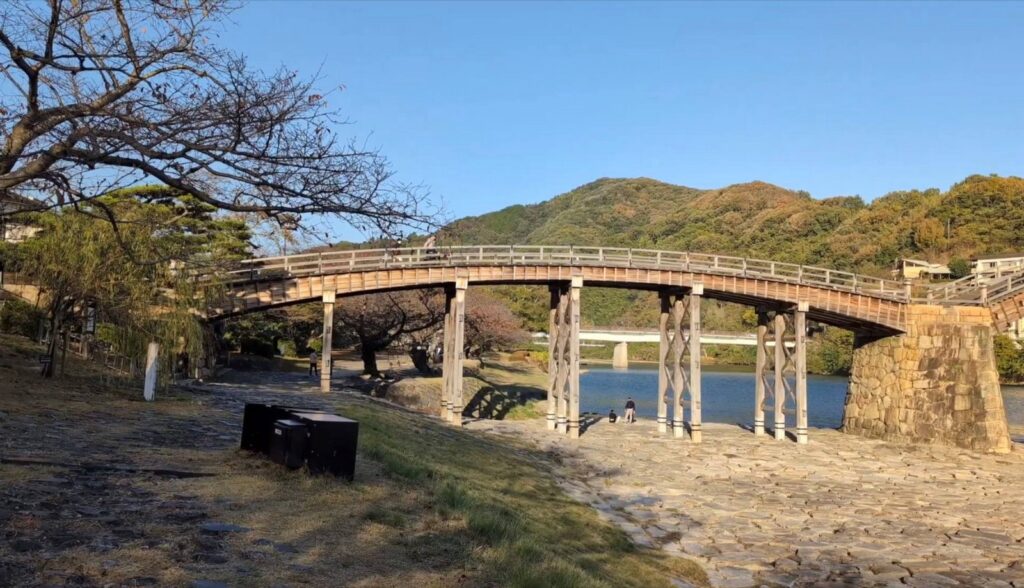
Voices from the road: Traveller experiences in Chugoku

Daniel Cohen
April 2019

Standing near the Atomic Bomb Dome in Hiroshima, I was struck by the profound silence. It was deeply moving and powerful, yet the memorial park itself was beautifully maintained and surprisingly peaceful. Later, Miyajima offered a completely different mood, with its calm forest paths, friendly local deer, and that iconic torii gate. Tip from the itinerary expert: Stay until evening, as the soft light around the gate makes the entire island feel truly magical.
Omar Hassan
October 2022

I loved how naturally this region blends deep history with expansive landscapes. The coastal cycling routes and lakeside sunsets were real highlights of my trip. While getting between cities was smooth, the ferry schedules required a bit of attention. I found that keeping each day simple—one main attraction and one nature stop—made the whole journey feel much more relaxed and rewarding.
Michael Rivera
June 2023
Kurashiki completely exceeded my expectations. Walking along the canals in the late afternoon felt like stepping back into another century. The shimmering reflections on the water, the small traditional shops, and the unhurried pace created a peaceful atmosphere we didn’t find in the larger cities. Arriving just before sunset made the whole experience feel almost cinematic.
Samira Al-Nouri
March 2021
The Tottori Sand Dunes were unlike anything I expected to see in Japan. Climbing to the top and looking out over the Sea of Japan felt almost surreal. The wind and sun can be quite strong, so going earlier in the day made a big difference. Reaching the crest and seeing the open coastline stretch out before me made every step through the sand worth it.
Jonathan Blake
November 2024
Shimane felt wonderfully peaceful compared to the more typical tourist routes. Visiting Izumo Taisha in the quiet morning hours set a beautiful, reflective tone for the day, and watching the sunset over Lake Shinji was an experience I’ll never forget. Having a car allowed us to pull over at scenic viewpoints along the way, and those spontaneous moments became some of our favorite memories.
Layla Rahman
August 2018
The overall pace of our trip was comfortable and easy to manage. Short train rides, clear signage, and pleasant walking routes made navigating the region very straightforward. Miyajima stood out because the entire scenery changes with the tide. Waiting to see both high and low tide required a bit of patience, but it felt like discovering two different versions of the same sacred place.
Ethan Walker
May 2025
What impressed me most was the perfect balance between historical depth and natural beauty. Hiroshima was moving and thought-provoking, yet just a short distance away we found tranquil gardens and charming coastal towns. Choosing a slower pace instead of rushing allowed us to truly absorb the local atmosphere and enjoy the photography and regional food along the way.
Tips from the itinerary expert
- I always recommend planning your Miyajima visit around the tide schedule. Arriving shortly before high tide and staying as the waters recede allows you to witness the torii gate both floating and standing on the sand—two entirely different atmospheres in one single afternoon.
- In Hiroshima Peace Memorial Park, I suggest aiming for the early morning hours. The morning stillness provides a much-needed space for reflection, making your visit feel far more personal and meaningful.
- When scheduling Kurashiki, ensure your walk coincides with the sunset. The soft evening light reflecting off the canals completely transforms the historic district, turning even simple photos into something cinematic.
- For the Tottori Sand Dunes, it is best to head out early in the day. Cooler temperatures and longer shadows make the walk across the sand far more comfortable and the desert-like landscape even more dramatic.
- While driving through Shimane, try to avoid over-planning every minute. Leaving room for spontaneous stops along the coast often leads to the most rewarding viewpoints and those unexpected moments that become the highlight of a trip.
- I find the best travel rhythm comes from balancing one major cultural site with one nature experience each day. This keeps the journey engaging and diverse without feeling exhausting.
- When traveling along the Sanyo Shinkansen, try to group nearby cities into the same travel day. Minimizing transfers leaves you with more energy for exploring, sampling local food, and truly soaking in the scenery at a relaxed pace.
Insights from the Itinerary Expert
I explored the Chugoku region in October 2023, and from the very first day, I felt a noticeable shift in pace compared to Japan’s busier destinations. Mornings in Hiroshima Peace Memorial Park unfolded quietly and thoughtfully, while afternoons on Miyajima Island offered fresh sea air and gentle coastal views. By evening, the canals of Kurashiki Historical Quarter moved at an almost cinematic rhythm. The balance between emotional history, open landscapes, and photogenic streets made the entire journey feel incredibly rich yet never overwhelming.
Traveling across the region was straightforward thanks to the Sanyo Shinkansen, but what stayed with me most were the moments between the main stops—the unexpected viewpoints along the Shimane coast and the vast stillness of the Tottori Sand Dunes. I quickly realized that planning fewer destinations per day created a much more enjoyable rhythm, especially when pairing one cultural highlight with one natural setting.
Chugoku is where Japan feels quieter and more introspective. It’s a region that invites families and thoughtful travelers to slow down, notice the fine details, and truly connect with both the scenery and the history. Designing a personalized route here is always rewarding, because this part of Japan reveals its true character when explored with intention.
Tip from the Itinerary Expert: Don’t try to rush through the prefectures. Choosing one central base like Hiroshima or Okayama for a few nights allows you to explore deeper and discover those quiet, local spots that make Chugoku so special.
Budgeting for your Chugoku adventure
| Name | Amount | Description |
|---|---|---|
| Budget-friendly stays | ¥2,000–4,000 JPY | Perfect for solo travelers or light packers, this includes capsule hotels, clean hostels, and simple, no-frills guesthouses. |
| Mid-range comfort | ¥8,000–18,000 JPY | Reliable business hotels or traditional ryokans that offer a private room, essential amenities, and easy access to city centers. |
| High-end properties (for two) | Up to ¥50,000 JPY | Elegant luxury hotels or premium ryokans. Prices vary based on the season, room view, and proximity to major landmarks. |
| Family apartments (up to 5 people) | ¥5,000–50,000 JPY | A flexible option for groups; prices depend heavily on the apartment size, location, and the level of amenities provided. |
| Car rentals per day | ¥8,000–30,000 JPY | Includes standard rental fees, which shift according to vehicle class, rental length, and seasonal demand. |
| City public transport | ¥170–400 JPY | The typical cost for a single trip on local metro lines or city buses within the urban areas. |
| Casual dining out | ¥800–1,500 JPY | A satisfying meal at a local eatery. On average, expect to spend around ¥4,500 per person per day on food. |
| City parking | Varies by location JPY | Parking fees change based on proximity to city centers; these costs are usually factored into a daily driving budget. |
| Groceries and snacks for two | ¥2,000–4,500 JPY | Covers daily essentials, light breakfasts, or simple evening meals picked up from local supermarkets or convenience stores. |
Frequently asked questions about visiting Chugoku
08
How should I plan my days for the most comfortable experience?
A practical approach is to pair one cultural highlight with one nature setting each day. This keeps travel distances manageable and leaves plenty of space to enjoy local food, photography, and the surrounding scenery without having to rush.
What we propose

Emma Heidi
Customer Experience Manager
Take all the stress out of planning your trip!
With our experts, you can create the perfect itinerary for you – complete, comfortable, and tailored to all your dreams, wishes, and needs.
We take care of every little detail, so you can simply focus on enjoying your journey.
We’ve been designing personalized itineraries since 2015, and over the years we’ve created thousands of custom itineraries for happy clients.

Save time, avoid confusion – we do the work for you. Our service saves you weeks of searching, reading, comparing, and complicated planning. Instead of wasting endless hours – you receive a ready-to-use, accurate and clear itinerary.

A tailor-made itinerary – built just for you. Your itinerary is personally designed based on our experts’ real field experience and genuine feedback from hundreds of travelers – including hidden discoveries and insider tips that don’t appear in any travel guide.

Smart accommodation selection – often saves you hundreds or even thousands of dollars. We help you choose verified and recommended places to stay, checking availability for your exact travel dates. Sometimes we suggest hotels not “in the center,” but in safe, convenient, and highly strategic locations – which can significantly reduce travel costs and save you even thousands of dollars.

We’re by your side even during the trip. We stay with you throughout your vacation – providing professional help whenever needed. If the weather changes, there’s a strike, a local event, heavy crowds, or any unexpected situation – we are here to update, guide, and adjust your itinerary in real time.

Easy-to-use itinerary – with direct navigation links. Your itinerary includes direct Waze / Google Maps links – no need to search for parking addresses, no stress, no mistakes. Just tap – and go.

Service cost: from only $420. (Special price for short itineraries up to 5 days). Clients tell us the itinerary saves them costly mistakes, fines, wrong choices – plus exclusive discounts on car rentals, better-priced accommodations, and money-saving local tips.
Want to know if it’s really worth it?
Take a look at the experiences of travelers who built their personal itinerary with us.
Click here and let’s start building the itinerary that will save you time, money, and stress – and turn your vacation into perfection.
Of course, your first inquiry is completely free – with no commitment whatsoever.
How it works


- You are welcome to contact us
- We discuss your trip
- You fill out a special form
- We create your itinerary
- You get it with all useful tips
- We are in touch with you all the time