My love for Japan began the moment I arrived in Tokyo. The country amazed me with its harmony of ancient traditions, cutting-edge technology, breathtaking nature, and a culture unlike any other. Since then, Japan has become a part of my life, and I return there again and again. Today I help travelers discover the real Japan: I create personalized itineraries, give lectures, and prepare guests for their unforgettable journey. I would be delighted to open Japan for you too!

Kanto
Kanto feels like Japan in constant motion. It is a region where centuries-old shrines and the echoes of samurai history sit comfortably beside neon-lit streets and groundbreaking modern architecture. While Tokyo often takes the spotlight, the wider region opens up into serene mountain valleys, quiet temple towns, and hot spring retreats that reveal a calmer, more reflective side of Japan.
What makes Kanto especially appealing is how effortlessly it blends these contrasts. In a single trip, you can wander through lively urban neighborhoods, explore sacred forested sites, and relax by a peaceful lake or in a historic town—all without the need for long, exhausting journeys. This balance of deep-rooted culture, wild nature, and vibrant modern life gives Kanto a rhythm that feels rich, layered, and endlessly rewarding to explore.
How Is Transport Managed in the Kanto Region?
Getting around Kanto is remarkably smooth, thanks to one of the most efficient transport systems in the world. High-speed trains, dense regional rail networks, and reliable buses connect cities, national parks, and seaside destinations with impressive precision. From Tokyo, many places feel much closer than expected, turning even spontaneous plans into realistic day trips.
This seamless connectivity allows you to shape your days around experiences rather than logistics. You can move from busy shopping streets to peaceful temple grounds or scenic landscapes without complicated transfers. In Kanto, transportation supports your journey instead of slowing it down, letting you focus on the beauty of the destination.
Click here to learn more about creating a personal itinerary
Tip from the Itinerary Expert: Start your day early and focus on sights along the same rail line to minimize transfers and keep your schedule flexible and unhurried.

When Is the Best Time to Visit the Kanto Region?
Kanto experiences clear, beautiful seasonal changes, and each one brings its own unique atmosphere. Summers tend to be hot and humid, while winters are cool and dry, often gifted with bright blue skies and a quieter, more intimate feel. Spring fills the parks and temple grounds with delicate blossoms, while autumn paints the mountains and countryside in deep reds and brilliant golds.
Because the region shifts so noticeably with the seasons, there is no single perfect time to visit. Warmer months invite outdoor walks and coastal adventures, while colder periods are perfect for hot springs and tranquil landscapes. Spring and autumn offer some of the most visually striking moments of the year. The best timing simply depends on whether you are drawn more to the energy of the city, the stillness of nature, or the specific colors of the season.

Since 2015, our website has specialized in individual planning of unique routes, taking into account personal preferences and desires.
Each of you will receive a unique PDF file from us, which contains everything you need: travel routes, car rentals, hotels, the best tourist attractions, attractions for kids and everything you need for a perfect vacation.
During the trip, we are available for you by phone via WhatsApp.
Our personal service provides information from A to Z, taking into account many small details that can become a decisive factor on the way from a wasted trip to an unforgettable vacation.
Our service will make your trip comfortable, save a lot of time on planning and preparation, and most importantly – will allow you to become freer and fully enjoy the pleasure of the trip.
Tip from the Itinerary Expert: Late spring and autumn are ideal for combining city exploration with nature outings, thanks to the mild temperatures and especially photogenic landscapes.
What Are the Top Attractions of the Kanto Region?
The Kanto region brings together an impressive collection of Japan’s most recognizable landmarks, historic towns, and scenic natural escapes, all within surprisingly easy reach. From richly decorated temple complexes and former samurai capitals to vibrant coastal cities and mountain retreats, the variety here allows you to build an itinerary that feels perfectly balanced rather than rushed.
Many of these highlights work beautifully as comfortable day trips, letting you explore widely without the hassle of frequent hotel changes. By combining cultural icons with breathtaking natural scenery, Kanto reveals a deeper, more complete picture of Japan beyond the neon lights of the capital.
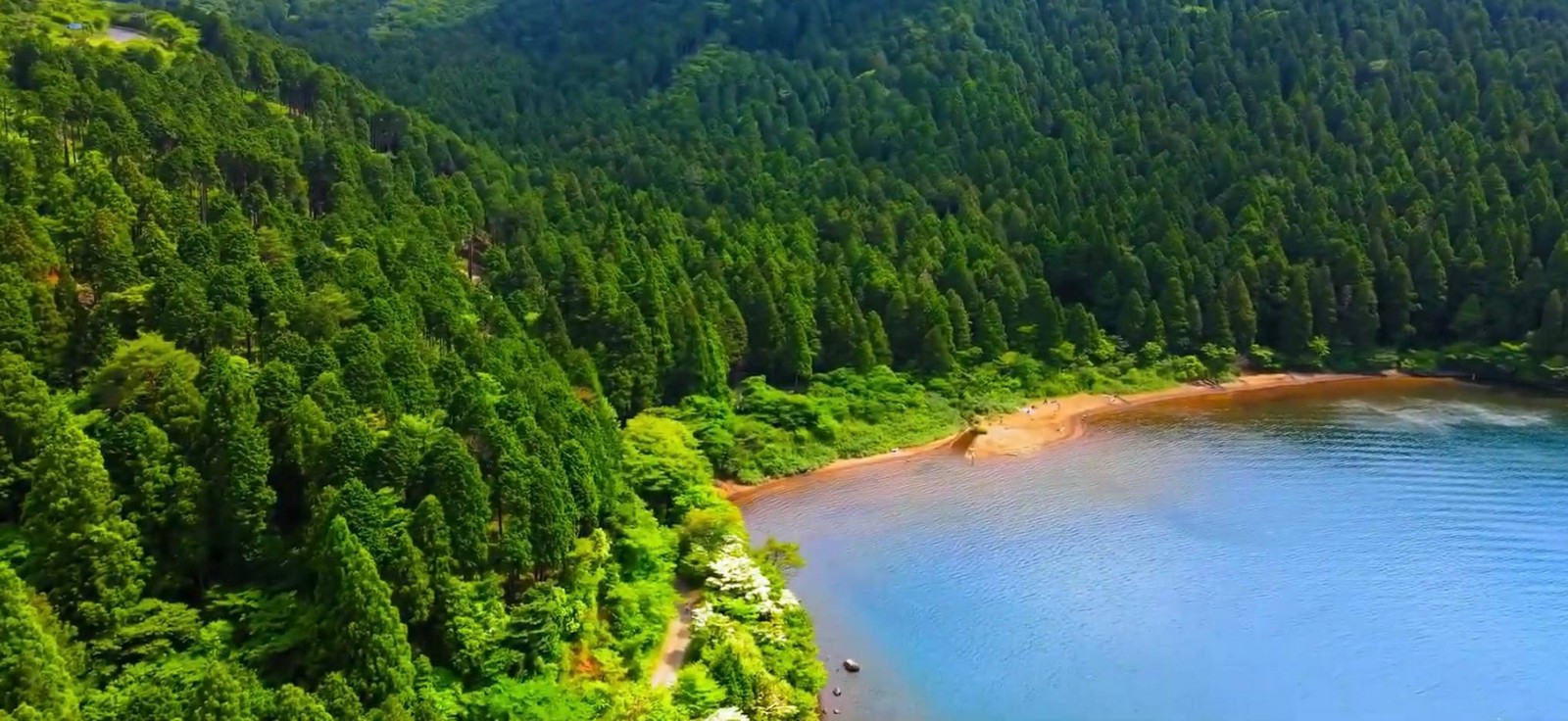
A quiet lakeshore hidden among dense green forests, revealing the calm natural side of the Kanto region.
Shrines and Temples of Nikko
This UNESCO World Heritage site is one of Japan’s most visually stunning historical areas, tucked away among towering cedar forests, mountain streams, and cascading waterfalls. The elaborate gold carvings, vivid colors, and sacred architecture create an atmosphere that feels both majestic and deeply spiritual.
Location & How to Get There
Located in Tochigi Prefecture, Nikko is easily reached from Tokyo by train, followed by a short local journey toward the historic shrine district.
Why Choose It
The rare combination of monumental architecture, wild mountain scenery, and a serene sacred ambiance makes Nikko one of the most unforgettable cultural destinations in the region.
Best For
A wonderful choice for travelers who enjoy deep cultural history paired with scenic walks through lush, forested landscapes.
Time Needed: Half to full day
Tip from the Itinerary Expert: Arriving early helps you experience the shrines in a much calmer atmosphere and leaves plenty of time to explore nearby bridges and forest paths without feeling rushed.
Kamakura and the Great Buddha
Once the political heart of Japan, Kamakura is now a charming seaside town filled with historic temples, quiet leafy streets, and coastal views, all anchored by the iconic bronze Great Buddha. The town has a relaxed, soulful pace that feels worlds away from the nearby metropolitan buzz.
Location & How to Get There
Set in Kanagawa Prefecture, Kamakura is very accessible from Tokyo via several direct train routes.
Why Choose It
The blend of refreshing seaside scenery, walkable temple routes, and a strong historical character makes Kamakura an incredibly rewarding cultural escape.
Best For
Ideal for slow-paced exploration, photography lovers, and those looking to pair historical sightseeing with gentle coastal walks.
Time Needed: Half day to full day
Tip from the Itinerary Expert: Mix your temple visits with some time along the coast to keep the day varied and allow for natural, relaxing pauses between stops.
Yokohama Waterfront City
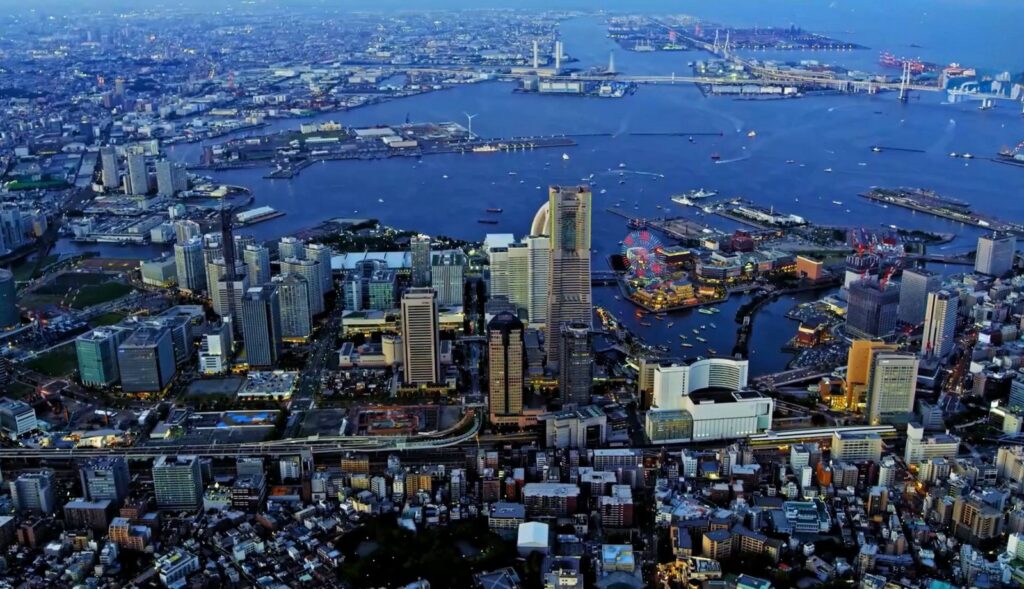
Yokohama is a vibrant port city famous for its wide waterfront promenades, the largest Chinatown in Japan, and modern entertainment districts. The atmosphere feels international and open, beautifully reflecting everyday Japanese urban life with a maritime twist.
Location & How to Get There
Frequent direct trains from central Tokyo make Yokohama one of the most convenient and accessible large cities in the region to visit.
Why Choose It
Spacious pedestrian areas, diverse food options, and stunning harbor views offer a relaxed city experience that provides a nice contrast to the intensity of Tokyo.
Best For
Perfect for unhurried strolling, casual dining by the sea, and enjoying the open, airy views of the water.
Time Needed: Half day
Tip from the Itinerary Expert: Try to arrive in the late afternoon so you can enjoy the harbor views in daylight before watching the waterfront light up beautifully in the evening.
Tokyo Imperial Palace Area
Standing on the former grounds of Edo Castle, the Imperial Palace represents the historical core of modern Japan. Wide moats, massive stone walls, and manicured green gardens create a surprisingly peaceful sanctuary right in the heart of the bustling city.
Location & How to Get There
Situated in the center of Tokyo, the area is easily reached via multiple subway lines and is just a short walk from Tokyo Station.
Why Choose It
The sharp contrast between the tranquil historic grounds and the surrounding skyscrapers perfectly illustrates Tokyo’s layered history and modern identity.
Best For
Great for gentle walks and finding a moment of quiet between visiting the busier, more crowded city attractions.
Time Needed: 1–2 hours
Tip from the Itinerary Expert: Pair the palace gardens with visits to nearby districts on the same day to experience the different faces of Tokyo without extra travel time.
Hakone and Lake Ashi
This classic mountain resort is famous for its dramatic volcanic landscapes, scenic ropeways, hot springs, and breathtaking views toward Mount Fuji. It is a place where nature and traditional relaxation come together in a setting designed for slowing down.
Location & How to Get There
Hakone is reached from Tokyo by train, with an integrated network of mountain transport connecting the main sights within the area.
Why Choose It
The combination of iconic viewpoints, outdoor experiences, and a rich hot spring culture creates a complete and refreshing escape from city life.
Best For
Ideal for travelers who want light activity during the day followed by a relaxed pace in beautiful, scenic surroundings.
Time Needed: Full day
Tip from the Itinerary Expert: Plan your circular route in advance so that your trains, boats, and ropeways connect smoothly without unnecessary backtracking.
What Are the Natural Sites of the Kanto Region?
Beyond its neon cities and famous landmarks, the Kanto region opens up into a surprisingly diverse natural world of mountains, ancient forests, and serene coastlines. These landscapes offer a quiet, refreshing counterpoint to urban sightseeing, inviting you to slow down, breathe the fresh mountain air, and experience Japan’s seasonal beauty at a much gentler pace.
Many of these areas are protected as national parks, which preserves their delicate ecosystems while keeping the trails and viewpoints accessible and well-maintained. Adding even one or two of these natural gems to your itinerary brings a wonderful sense of balance and visual variety to your journey through Japan.
Nikko National Park
This protected mountain sanctuary blends forested hills, sparkling lakes, and dramatic waterfalls into one of Kanto’s most breathtaking landscapes. Here, historic shrine complexes sit naturally within the ancient groves, creating a rare harmony between Japan’s cultural heritage and its wild heart.
Location & How to Get There
Located north of Tokyo, the park is easily reached by train, followed by local transport that takes you deep into the main natural areas.
Why Choose It
The compact layout of the park allows you to experience majestic waterfalls, tranquil lakes, and crisp mountain air all within a single, rewarding visit.
Best For
Perfect for gentle walks, scenic photography, and immersive nature experiences that don’t necessarily require strenuous hiking.
Time Needed: Full day
Tip from the Itinerary Expert: Mixing natural viewpoints with nearby shrine visits creates a well-paced day that balances walking time with fascinating cultural discovery.
Oze National Park
Famous for its high-altitude marshes, mirror-like ponds, and rare alpine flora, Oze offers a remote and peaceful atmosphere. Elevated wooden boardwalks guide you through the vast wetlands, protecting the fragile landscape while providing a unique walking experience.
Location & How to Get There
Situated in the mountainous interior, Oze is accessed by regional transport followed by short, pleasant walking approaches to the marshlands.
Why Choose It
The wide-open horizons and preserved wetlands create a calm, meditative setting that is perfect for slow exploration and nature photography.
Best For
Best for travelers who appreciate quiet trails, open scenery, and the feeling of being in a truly untouched corner of nature.
Time Needed: Full day
Tip from the Itinerary Expert: Start your day early to enjoy the soft morning light, fewer visitors, and more time to simply pause and take in the views along the boardwalks.
Chichibu-Tama-Kai National Park
This expansive park features deep river valleys, lush forest trails, and panoramic viewpoints, all located surprisingly close to the Tokyo metropolitan area. It offers a genuine sense of escape and wilderness without the need for long travel times.
Location & How to Get There
Reached from western Tokyo via convenient train connections, with short transfers that take you right to the trailheads.
Why Choose It
Its proximity to the capital makes it one of the easiest and most accessible places to experience authentic mountain scenery on a quick day trip.
Best For
Well-suited for day hikes, forest bathing, and short outdoor adventures that can be tailored to any pace.
Time Needed: Half to full day
Tip from the Itinerary Expert: When traveling with children, opt for the shorter loop trails to keep energy levels high while still enjoying the best scenic viewpoints.
Lake Kasumigaura and the Boso Peninsula Coast
These expansive waterscapes combine open lake horizons with the rugged Pacific coastline. The shift from calm inland waters to the dramatic ocean scenery offers fresh air and a relaxed outdoor atmosphere that provides a refreshing contrast to the city.
Location & How to Get There
Situated east of Tokyo, these areas are accessible by regional trains and local road connections through the scenic countryside.
Why Choose It
The spacious scenery and quiet surroundings provide an easy, airy escape from the density of Japan’s urban environments.
Best For
Very comfortable for slow walks, photography, and finding a bit of quiet time near the water.
Time Needed: Half day
Tip from the Itinerary Expert: Late afternoon visits often bring a softer, more beautiful light over the water and a peaceful mood to the lakeside viewpoints.
What Are the Top 5 Hidden Gems of the Kanto Region?
Beyond the famous landmarks, the Kanto region is full of quieter corners where nature, tradition, and everyday local life come together away from the large crowds. These destinations reveal a calmer, more personal side of the region, rewarding travelers who are willing to step off the main tourist routes.
Adding at least one of these lesser-known stops to your itinerary helps balance iconic sights with peaceful scenery and an authentic atmosphere, creating a journey that feels more varied, intimate, and memorable.
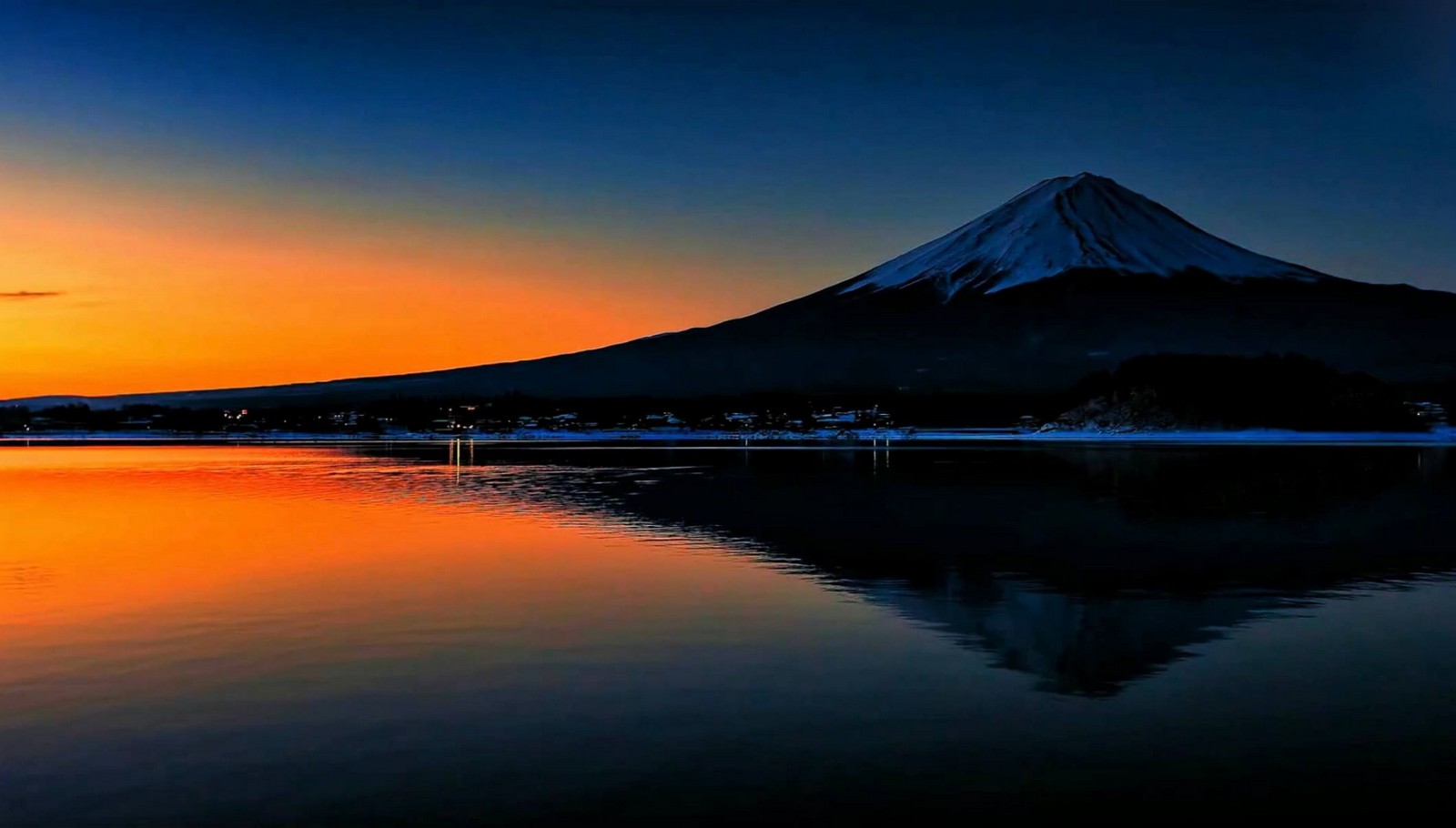
Mount Fuji at sunset reflected on still water, creating one of Japan’s most iconic and peaceful landscapes.
Mountain Hot Springs of Gunma
Tucked into volcanic landscapes and forested mountain valleys, these hot spring towns offer a quiet, soulful escape from urban life. Traditional inns, natural surroundings, and steaming mineral baths create an atmosphere entirely focused on rest and renewal.
Location & How to Get There
Located in Gunma Prefecture, these areas are reached from Tokyo by regional trains, followed by local transport into the mountain valleys.
Why Choose It
The peaceful setting and authentic onsen culture make this an ideal place to unwind and recharge after busy days in the city.
Best For
Perfect for slowing the pace and enjoying nature-centered relaxation in a traditional setting.
Time Needed: Half to full day
Tip from the Itinerary Expert: An overnight stay in a traditional inn allows you to enjoy the hot springs at different times of day, especially in the early morning when the surroundings are at their quietest.
Bonsai Village in Saitama
This distinctive cultural district is dedicated to the refined art of bonsai. Peaceful gardens and small museums display living works of art that have been shaped with patience and skill over many decades.
Location & How to Get There
Situated in Saitama Prefecture and easily reached by a short, convenient train ride from central Tokyo.
Why Choose It
The village offers a rare and beautiful chance to experience traditional craftsmanship in a calm, contemplative setting.
Best For
Well suited for unhurried walks, quiet cultural discovery, and those who appreciate fine details.
Time Needed: 1–2 hours
Tip from the Itinerary Expert: Pair the visit with nearby residential streets or local cafés to experience everyday Japanese life beyond the major tourist areas.
Fukuroda Waterfall in Ibaraki
One of the region’s most impressive waterfalls, Fukuroda cascades over four levels of rock formations. It is surrounded by lush forest scenery that changes dramatically and beautifully with each season.
Location & How to Get There
Located in northern Ibaraki and reached by train followed by local transport toward the natural area.
Why Choose It
The sheer scale of the waterfall and the vibrant seasonal colors create striking views throughout the year.
Best For
Ideal for short scenic walks combined with truly memorable nature viewing.
Time Needed: 1–2 hours
Tip from the Itinerary Expert: Morning visits often mean clearer light and fewer people at the main viewing platforms, perfect for photography.
Oku-Nikko Wetlands and Valleys
This lesser-visited area deep in the mountains near Nikko features vast marshlands, quiet trails, and wide mountain views that feel far removed from the crowded sightseeing routes.
Location & How to Get There
Reached from the Nikko area by local transport, followed by short walking paths that lead directly into the wetlands.
Why Choose It
The tranquil, open landscape allows for deep immersion in nature without the need for long or demanding hikes.
Best For
Ideal for calm walks, bird watching, and reflective time in open natural surroundings.
Time Needed: Half day
Tip from the Itinerary Expert: Bring water and light snacks, as services and shops can be limited in these more remote natural areas.
Chichibu Mountain Town
A scenic mountain town famous for its historic shrines, seasonal festivals, and the surrounding landscapes that highlight rural traditions surprisingly close to Tokyo.
Location & How to Get There
Accessible from Tokyo by regional train, taking you into the mountainous western part of the region.
Why Choose It
The blend of local culture, historic festivals, and raw nature creates a compact yet genuinely authentic experience.
Best For
Appeals to travelers looking for a local, small-town atmosphere alongside outdoor scenery.
Time Needed: Half to full day
Tip from the Itinerary Expert: Checking festival dates in advance can transform a simple visit into a memorable cultural highlight that you won’t find in a standard guide.
What Family-Friendly Activities Are Available in the Kanto Region?
Kanto offers a wide variety of experiences that combine entertainment, outdoor activity, and cultural discovery in a way that suits families perfectly. From world-class theme parks and scenic ropeways to nature walks and seasonal events, it is easy to plan days that feel full of wonder without being exhausting.
Balancing high-energy attractions with time in natural settings helps keep everyone’s energy levels steady while allowing space for curiosity, play, and shared discovery.
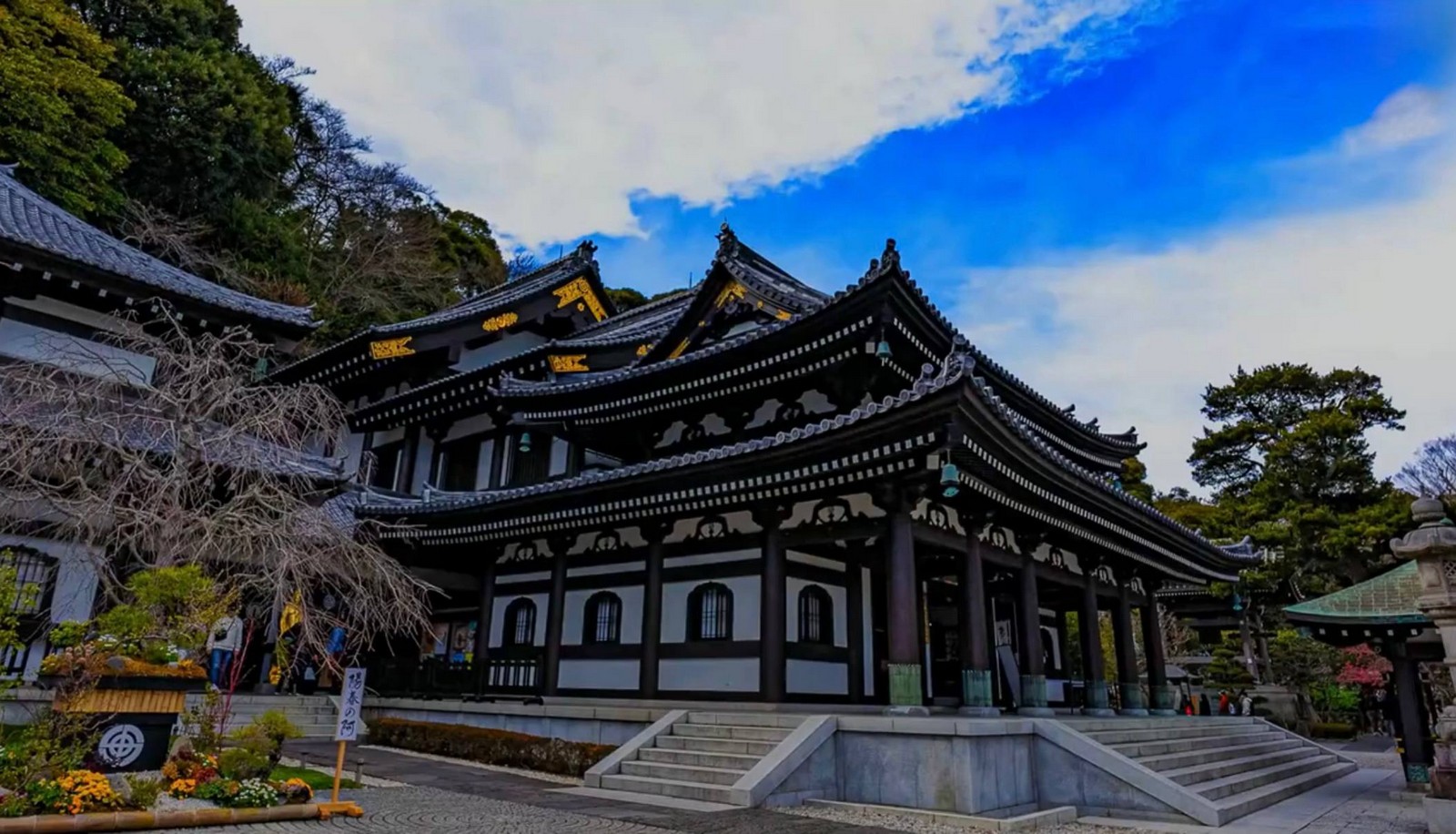
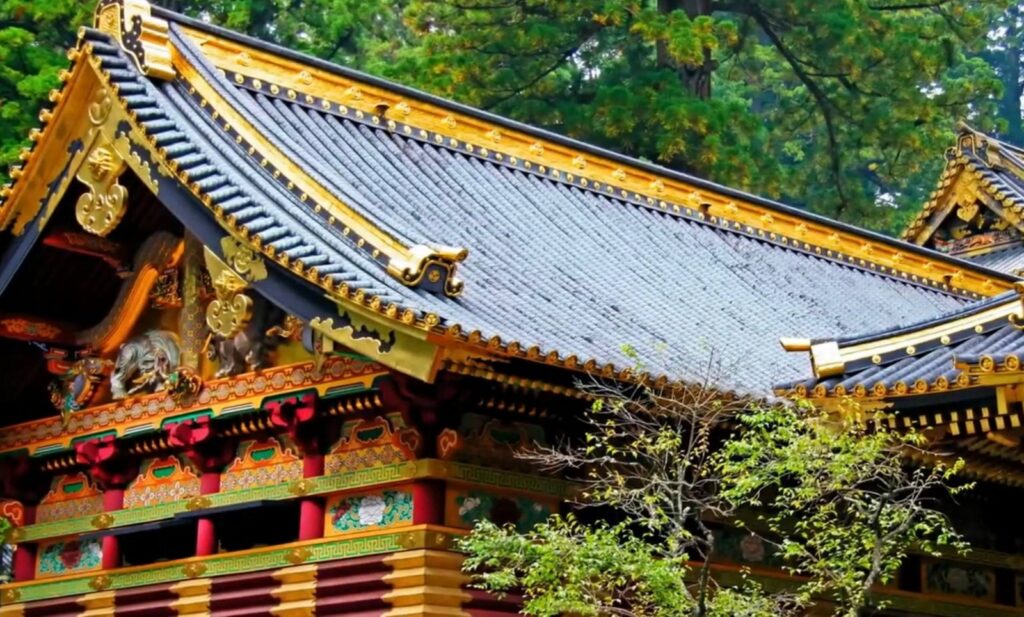
Traditional temple halls blending dark wood and curved roofs, expressing timeless Japanese elegance within Kanto.
Theme Parks around Tokyo and Yokohama
Large-scale entertainment parks offer immersive worlds filled with rides, shows, and colorful settings designed for full-day enjoyment for all ages.
Location & How to Get There
Well-connected by rail from central Tokyo and nearby cities, making them easy to include even on shorter trips.
Why Choose It
The vast range of attractions allows different age groups to enjoy the same destination at their own pace.
Best For
- Families
Ideal for high-energy days centered on fun, creativity, and shared family experiences.
Time Needed: Full day
Tip from the Itinerary Expert: Arriving before the gates open helps reduce queue times and makes it easier to enjoy the most popular attractions first.
Hakone Ropeways and Lake Cruises
Scenic transport routes over volcanic landscapes and across calm lake waters create a gentle sense of adventure with constantly changing, majestic views.
Location & How to Get There
Reached from Tokyo by train connections into the heart of the Hakone mountain area.
Why Choose It
The journey itself becomes the main experience, combining travel comfort with dramatic views toward Mount Fuji.
Best For
Well suited for families who enjoy light activity paired with some of Japan’s most iconic scenery.
Time Needed: Half to full day
Tip from the Itinerary Expert: Clear weather greatly improves mountain visibility, so keeping your schedule flexible can significantly enhance the views from the ropeway.
Educational Nature Trails in National Parks
Clearly marked paths, engaging visitor centers, and beautiful seasonal landscapes make outdoor exploration both accessible and fun for children.
Location & How to Get There
Accessible from major Kanto cities via train and short local transfers that lead directly to the trailheads.
Why Choose It
Combining gentle physical activity with discovery creates meaningful and enjoyable time in nature for the whole family.
Best For
Encourages curiosity, movement, and shared discovery in fresh, open-air environments.
Time Needed: Half day
Tip from the Itinerary Expert: Choosing shorter loop trails helps maintain a comfortable pace for little legs while still reaching the best scenic highlights.
Regional Festivals and Cultural Events
Seasonal celebrations featuring colorful parades, performances, and local food stalls bring communities together and add a special spark to the travel experience.
Location & How to Get There
Held across different prefectures and usually accessible by public transport from nearby cities.
Why Choose It
Festivals offer an authentic, lively way to connect with local traditions and everyday Japanese culture.
Best For
Creates vibrant, shared memories that go far beyond standard sightseeing.
Time Needed: Several hours
Tip from the Itinerary Expert: Reviewing festival calendars before setting your travel dates can unlock unique experiences available only at certain times of the year.
5-Day Family Route in the Kanto Region
Trip Duration: 5 days
Day 1 - Historic Tokyo and the Atmosphere of Asakusa
Your first day is dedicated to the historic soul of Tokyo. We’ll explore traditional neighborhoods, ancient temples, and refreshing riverside views that set a gentle, welcoming tone for your journey. To keep things easy for the family, movement is limited to short metro rides and pleasant walks.
The route flows naturally from grand cultural landmarks to open evening scenery, leaving plenty of time to sample local treats, snap photos, and enjoy unhurried exploration at your own pace.
Click here to learn more about creating a personal itinerary
Tip from the Itinerary Expert: I always recommend starting your Tokyo sightseeing in Asakusa early in the morning. The streets are much calmer then, and you can capture beautiful photos of the temple without the midday crowds.
Overnight Location: Tokyo
Places to Visit
Senso-ji Temple
Time: 10:00–12:00
Duration: 2 hours
Tokyo’s oldest and most beloved temple. You’ll enter through the iconic Kaminarimon Gate and walk down the lively Nakamise shopping street. The main hall and the swirling incense in the courtyard offer a powerful sense of tradition right in the heart of the city.
Sumida Riverside Walk
Time: 12:15–13:00
Duration: 45 minutes
A peaceful promenade along the river. It is the ideal spot for slowing down after the buzz of the temple area while enjoying wide-open views of the Tokyo skyline.
Tokyo Skytree Area Lunch and Shopping
Time: 13:15–15:00
Duration: 1.5 hours
This area offers a fantastic variety of restaurants, cozy cafés, and family-friendly shops gathered around one of the city’s most recognizable modern landmarks.
Evening in Central Tokyo
Time: 16:00–18:00
Duration: 2 hours
Enjoy a relaxed evening walk through beautifully illuminated streets, followed by dinner nearby. It’s a low-pressure way to end the day without long transfers.
Day 2 — Nikko UNESCO Heritage and Mountain Scenery
Today we take a scenic excursion from Tokyo into the breathtaking mountains of Tochigi Prefecture. Here, sacred architecture, ancient cedar forests, and rushing waterfalls come together in a visually stunning area.
While the walking distances are manageable, the terrain includes some steps and gentle slopes, so comfortable walking shoes will definitely make the day more enjoyable for everyone.
Tip from the Itinerary Expert: Buying your shrine tickets in advance and arriving close to opening time helps you bypass the longest queues and keeps the atmosphere of your visit serene and enjoyable.
Overnight Location: Tokyo
Places to Visit
Train from Tokyo to Nikko
Time: 08:30–10:30
Duration: About 2 hours
A pleasant rail journey where the cityscape gradually transforms into lush, forested mountain landscapes as you head north.
Nikko Toshogu Shrine
Time: 10:45–13:30
Duration: 2.5–3 hours
An incredibly ornate, UNESCO-listed shrine complex set among towering trees. It is world-famous for its intricate gold carvings and deep historical significance.
Lunch in the Nikko Area
Time: 13:30–14:30
Duration: 1 hour
Relax at a local restaurant near the shrine grounds, where you can try regional specialties in a fresh mountain setting.
Return to Tokyo
Time: 15:30–18:00
Duration: About 2.5 hours
A comfortable afternoon train ride back to the capital, leaving your evening free to rest or enjoy a quiet dinner near your hotel.
Day 3 - Kamakura Coast and the Great Buddha
Day three brings a refreshing change of pace as we head to Kamakura, a historic seaside gem south of Tokyo. After a direct train ride, we’ll enjoy easy walks between ancient temples, stunning coastal viewpoints, and charming dining spots.
The relaxed rhythm, salty sea air, and open horizons offer a wonderful contrast to the high-energy pulse of Tokyo.
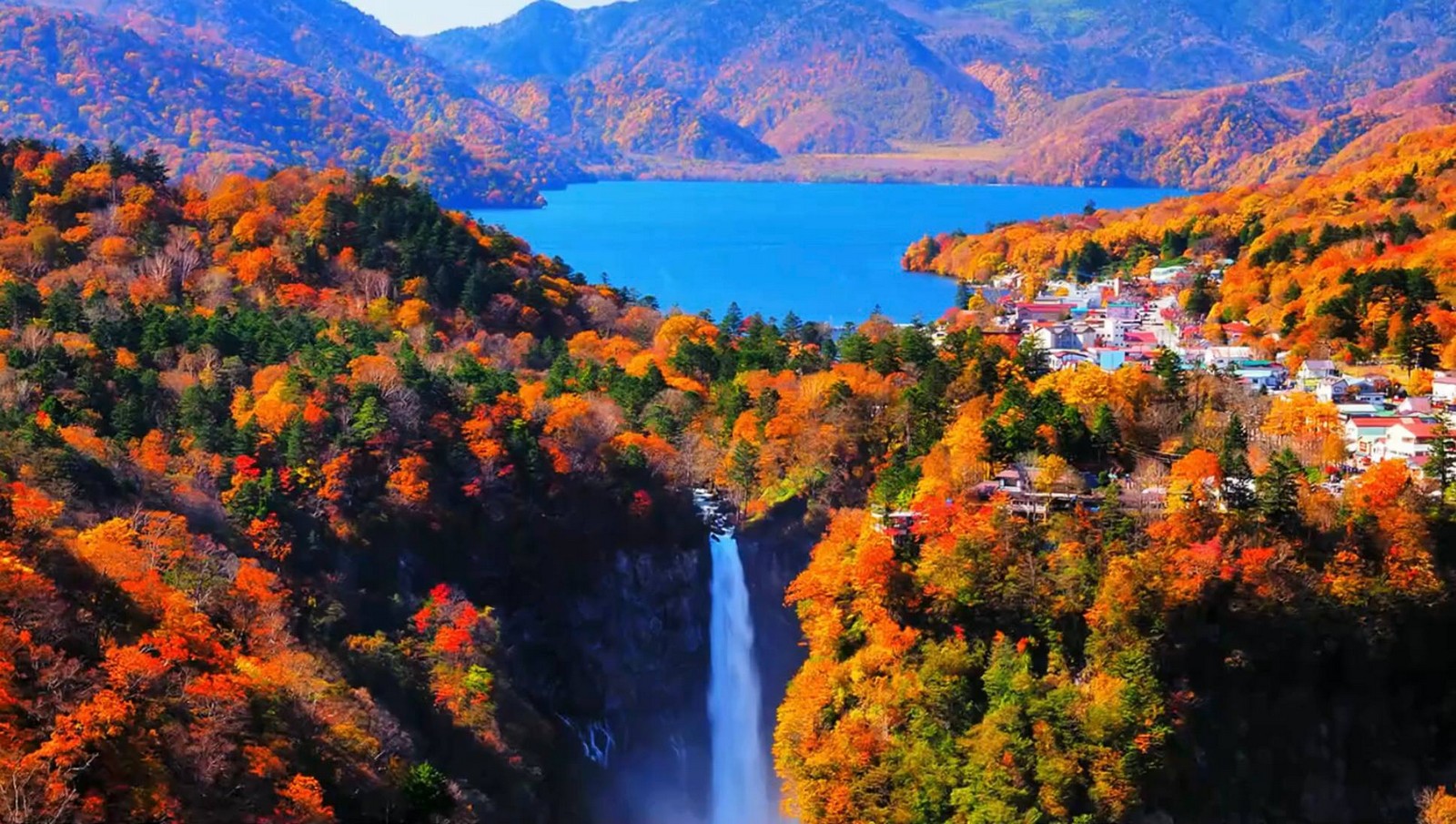
Kegon Falls flowing toward Lake Chuzenji, framed by brilliant autumn colors in the mountains of Nikko National Park.
Tip from the Itinerary Expert: I like to mix temple visits with some downtime by the sea. This ensures the day feels balanced and adventurous rather than just a long list of sights to check off.
Overnight Location: Tokyo
Places to Visit
Train to Kamakura
Time: 09:00–10:00
Duration: 1 hour
A smooth and easy direct train journey from central Tokyo straight to the heart of this historic coastal town.
Great Buddha of Kamakura
Time: 10:15–11:30
Duration: 1–1.5 hours
Marvel at the iconic bronze Daibutsu statue. Standing tall within quiet temple grounds, it remains one of the most recognizable and awe-inspiring landmarks in all of Japan.
Lunch near Komachi Street
Time: 12:00–13:30
Duration: 1.5 hours
Explore a lively pedestrian street packed with boutique cafés, traditional sweets, and local delicacies—perfect for a fun and relaxed family lunch.
Coastal Walk and Return
Time: 14:00–18:00
Duration: 4 hours including travel
Enjoy a gentle stroll along the beach to catch the ocean breeze before heading back to the station for your return trip to Tokyo.
Day 4 - Hakone Nature, Ropeways, and Lake Ashi
This full-day adventure is all about Hakone’s dramatic volcanic landscapes and panoramic views. We’ll use a mix of mountain trains, ropeways, and boats to explore the area.
The route follows a natural, circular loop, which keeps the journey smooth and ensures you see the best of the region without any unnecessary backtracking.
Tip from the Itinerary Expert: Clear weather makes a massive difference for those iconic Mount Fuji views. Whenever possible, I keep this day flexible in the schedule to catch the best visibility.
Overnight Location: Hakone or Tokyo
Places to Visit
Travel from Tokyo to Hakone
Time: 08:30–10:30
Duration: About 2 hours
Head out on a morning train into the heart of Japan’s premier mountain resort area.
Hakone Ropeway
Time: 10:45–12:00
Duration: 1 hour
Take to the skies on a scenic cable car journey over steaming volcanic valleys and rugged mountain ridges.
Lake Ashi Cruise and Lunch
Time: 12:15–14:30
Duration: 2 hours
Board a classic ship for a relaxing cruise across the lake, followed by a delicious lunch with peaceful views of the water.
Return or Onsen Relaxation
Time: 15:00–18:00
Duration: 3 hours
You can head back to Tokyo in the evening or, for the ultimate experience, stay overnight in a traditional Ryokan with a hot spring bath.
Day 5 - Yokohama Waterfront and Modern Leisure
Your final day is an easy-going outing to Yokohama. We’ll focus on the spacious waterfront promenades, international dining, and relaxed shopping centers.
This flexible schedule is perfect for a departure day, allowing you to enjoy the city without the pressure of long travel times or a tight itinerary.
Tip from the Itinerary Expert: Timing your walk for the late afternoon lets you enjoy the harbor in the sunlight and then see the city transform as the evening lights flicker on.
Overnight Location: Departure day
Places to Visit
Train from Tokyo to Yokohama
Time: 10:00–10:40
Duration: 40 minutes
A very short and direct train ride brings you to this stylish and open coastal city.
Yokohama Waterfront Walk
Time: 10:45–12:30
Duration: 1.5–2 hours
Stroll along wide-open promenades, taking in the refreshing harbor views and exploring the modern public spaces along the water.
Lunch in the Chinatown Area
Time: 12:30–14:00
Duration: 1.5 hours
Dive into one of the world’s largest Chinatowns to enjoy an incredible variety of restaurants and colorful street food stalls.
Return and Departure Preparation
Time: 15:00–18:00
Duration: Up to 3 hours
A final easy train ride back to Tokyo for your airport transfer or any last-minute souvenir shopping before you head home.
Traveller Experiences in the Kanto Region

Daniel Carter
April 2024

We spent several days exploring Tokyo, Nikko, and Hakone as a family, and it was the contrasts that left the deepest impression. One moment we were woven into the energy of busy city streets, and the next we were wandering through the silent, misty forests of ancient shrines. Visiting Senso-ji at dawn felt like a private audience with history, while Nikko’s temples, tucked away among towering cedars, had a truly magical atmosphere. Planning our train connections in advance was a total game-changer, helping everything flow effortlessly.
Leila Hassan
October 2023

The autumn colors around Nikko were absolutely breathtaking and easily became the highlight of our entire trip. I was so impressed by how quickly we could transition from the heart of Tokyo into deep nature without losing whole days to travel. My children still haven’t stopped talking about the ropeway ride and those incredible lake views in Hakone. While some spots were busy, starting our days early made every experience feel far more relaxed and intimate.
Michael Thompson
June 2022
Kanto really caught me off guard with its incredible variety. One day we were diving into street food and browsing artisan shops in Asakusa, and the very next we were surrounded by rushing waterfalls and cedar groves in Nikko. The food was consistently excellent everywhere we went. The summer humidity was definitely intense at times, so keeping water on hand and planning a few indoor breaks was essential for keeping our energy up.
Sara Nguyen
March 2025
Traveling through Kanto in the spring felt perfectly balanced. The mix of peaceful temple walks, scenic lakes, and lively urban districts kept everyone in the group interested and engaged. I especially loved the serene atmosphere around Nikko Toshogu and the wide-open, breezy waterfront spaces in Yokohama. The transport between destinations was so smooth and efficient that the whole trip felt like a holiday rather than a commute.
Omar Rahman
December 2021
Visiting Kanto in winter gave the region a completely different, almost crystalline character. The crisp air, deep blue skies, and quieter temple grounds made for some stunning photography. Soaking in Hakone’s hot springs was the ultimate reward after a few long days of walking. Some outdoor sites closed a bit earlier than we expected, so checking the winter hours in advance would have made our planning just a little smoother.
Emily Roberts
May 2019
This was honestly one of the easiest and most rewarding trips I’ve ever taken with children. The parks, scenic walks, and boat rides kept them totally engaged without ever feeling overwhelming. Moving between Tokyo and the nearby nature spots was incredibly simple, and every destination felt visually unique. I really appreciated how naturally the itinerary blended relaxation, deep culture, and genuine fun.
David Miller
September 2018
Kanto delivered exactly what I was looking for: historic temples, dramatic mountain landscapes, and vibrant modern life all wrapped into one journey. Nikko was the standout for me, thanks to its stunning architecture and forest setting. The most popular sites did get busy around midday, but visiting first thing in the morning or later in the afternoon made a world of difference to the mood.
Tip from the itinerary expert
1. I always recommend starting your sightseeing as early as possible in iconic spots like Asakusa or Nikko. The morning light is softer and more flattering for photos, and you will appreciate the noticeably calmer atmosphere before the daytime crowds arrive.
2. When planning day trips from Tokyo, try to group your destinations along the same rail line. This keeps the logistics simple, minimizes transfers, and makes the day flow much more smoothly—which is especially important when traveling with the whole family.
3. If you can, leave one day of your itinerary flexible for Hakone or other mountain areas. Visibility makes a world of difference there; waiting for a clear day can easily turn a scenic visit into the absolute highlight of your trip.
4. When traveling with children, I find it best to balance cultural landmarks with wide-open spaces like waterfront promenades, lakes, or parks. Mixing history with light outdoor activity helps prevent fatigue and keeps everyone’s spirits high.
5. Whenever possible, choose your accommodation near a major train hub. Reducing your daily commute time makes your evenings far more enjoyable, leaving you with more energy for a spontaneous walk, a relaxed dinner, or some quick evening shopping.
6. Don’t forget that light snacks and water are essential during nature outings in Nikko or the national parks. Facilities can be sparse in more remote areas, and being prepared ensures your time in the great outdoors remains comfortable and fun.
7. I always try to plan at least one sunset moment, particularly along the Yokohama waterfront or at elevated viewpoints. Watching the daylight scenery fade into the glow of evening city lights adds a wonderful depth to the experience without requiring extra travel.
8. For the most popular temples, viewpoints, or ropeways, make it a habit to double-check opening hours and arrive right at the start of the day. This simple step consistently saves time and keeps your journey moving effortlessly.
Insights from the Itinerary Expert
I explored the Kanto region in May 2024, and what impressed me most was how naturally everything flows together. In a single journey, I moved from the historic atmosphere of Senso-ji Temple to the quiet, forested setting of Nikko Toshogu Shrine, and then on to the dramatic volcanic landscapes of Hakone and the calm waters of Lake Ashi. This constant shift between vibrant city energy and natural calm creates a rhythm that works especially well for families who want variety without the burden of exhausting travel days.
The main challenge I noticed was timing. Popular sights fill up quickly, and those iconic mountain views depend heavily on the weather. Starting the day early and keeping the schedule flexible made a clear difference in how relaxed the journey felt. I also found that alternating cultural landmarks with waterfront walks, scenic ropeways, and easy meals helped maintain everyone’s energy and avoided that dreaded feeling of being rushed.
Tip from the itinerary expert: Kanto is a perfectly well-rounded introduction to Japan-scenic, atmospheric, and emotionally engaging without ever becoming overwhelming. It offers enough diversity for every family to shape a trip around their own pace and interests. Together, we can turn this region into a carefully planned, personal journey that feels smooth, balanced, and genuinely memorable.
Typical Travel Costs in the Kanto Region
| Name | Amount | Description |
|---|---|---|
| Budget hotels for two | ¥6,000–¥12,000 per night JPY | Simple, practical choices for those on the move. These spots offer basic comfort and are usually located near train stations or within convenient urban hubs. |
| Mid-range hotels for two | ¥10,000–¥20,000 per night JPY | Inviting rooms featuring reliable service and great facilities. These hotels offer easy access to major transport lines and popular sightseeing districts. |
| Luxury hotels for two | ¥25,000–¥80,000+ per night JPY | High-end stays with spacious layouts, refined design, and premium amenities—often including stunning city views or relaxing on-site spa facilities. |
| Apartment for a family of five | ¥20,000–¥50,000 per night JPY | Spacious, family-friendly apartments with multiple beds and kitchen facilities. Prices fluctuate based on the specific neighborhood and travel season. |
| Car rental per day | ¥6,000–¥12,000 JPY | The typical daily rate for a rental vehicle. Costs vary depending on the size of the car, the season, and your chosen insurance coverage. |
| Public transport per day | ¥800–¥2,000 JPY | Average daily spending for using the efficient network of trains, subways, and buses within the cities or for short hops between regional towns. |
| Restaurant meals per day | ¥3,000–¥6,000 per person JPY | Estimated costs for dining at casual to mid-range restaurants. This covers plenty of delicious local options without venturing into formal fine dining. |
| Parking per day | ¥1,000–¥3,000 JPY | Daily parking fees to keep in mind if you are driving. Rates are generally higher in central city districts compared to the outskirts. |
| Basic supermarket groceries for two | ¥500–¥3,000 JPY | Perfect for grabbing quick snacks, ready-to-eat meals, or simple ingredients for a light breakfast or a quiet evening in. |
Frequently Asked Questions about the Kanto Region
01
When is the best time to visit Kanto?
Kanto is a joy to visit year-round, as every season paints the landscape in a new light. Spring is famous for its delicate blossoms and mild breeze, while summer feels lush and full of energy. In autumn, the region transforms with fiery foliage, and winter brings crisp, clear skies—perfect for soaking in a hot spring with a view.
02
Is Kanto suitable for a family trip?
Absolutely. The region is a wonderful playground for families, seamlessly blending nature, entertainment, and gentle city walks. Because the travel distances between major spots are relatively short, it is easy to balance fun activities with necessary downtime to keep everyone happy.
03
Do I need to rent a car in Kanto?
Not necessarily. The public transport network is world-class for cities and popular tourist routes. However, Tip from the itinerary expert: renting a car can be a game-changer if you want to explore deeper into the mountain areas, secluded lakes, or nature spots where bus connections are less frequent.
04
How easy is transportation between major attractions?
The transportation here is incredibly efficient and reliable. Between the high-speed trains, regional rail lines, and local buses, getting from the heart of Tokyo to national parks or the coast is straightforward and very well organized, making day trips a breeze.
05
Are there enough outdoor places to explore with children?
Yes, you will find plenty of fresh-air adventures. From the sprawling national parks and volcanic ropeways to calm lakes and waterfront promenades, there is no shortage of space for kids to roam. Mixing these nature spots with light sightseeing helps maintain a relaxed pace that keeps children engaged.
06
How many days are enough to explore the region?
I find that about five days allows for a perfect highlights tour. It gives you enough time to experience Tokyo, Nikko, and Hakone, plus a visit to a coastal city, all without feeling rushed. This timeframe still leaves lovely gaps for rest and spontaneous discoveries along the way.
07
Can popular places feel crowded?
Like any world-class destination, the most famous landmarks can get busy, especially around midday. To enjoy a more intimate and serene atmosphere, I always recommend arriving early in the morning or waiting until the late afternoon, when the light is beautiful and the crowds have thinned.
What we propose

Emma Heidi
Customer Experience Manager
Take all the stress out of planning your trip!
With our experts, you can create the perfect itinerary for you – complete, comfortable, and tailored to all your dreams, wishes, and needs.
We take care of every little detail, so you can simply focus on enjoying your journey.
We’ve been designing personalized itineraries since 2015, and over the years we’ve created thousands of custom itineraries for happy clients.

Save time, avoid confusion – we do the work for you. Our service saves you weeks of searching, reading, comparing, and complicated planning. Instead of wasting endless hours – you receive a ready-to-use, accurate and clear itinerary.

A tailor-made itinerary – built just for you. Your itinerary is personally designed based on our experts’ real field experience and genuine feedback from hundreds of travelers – including hidden discoveries and insider tips that don’t appear in any travel guide.

Smart accommodation selection – often saves you hundreds or even thousands of dollars. We help you choose verified and recommended places to stay, checking availability for your exact travel dates. Sometimes we suggest hotels not “in the center,” but in safe, convenient, and highly strategic locations – which can significantly reduce travel costs and save you even thousands of dollars.

We’re by your side even during the trip. We stay with you throughout your vacation – providing professional help whenever needed. If the weather changes, there’s a strike, a local event, heavy crowds, or any unexpected situation – we are here to update, guide, and adjust your itinerary in real time.

Easy-to-use itinerary – with direct navigation links. Your itinerary includes direct Waze / Google Maps links – no need to search for parking addresses, no stress, no mistakes. Just tap – and go.

Service cost: from only $420. (Special price for short itineraries up to 5 days). Clients tell us the itinerary saves them costly mistakes, fines, wrong choices – plus exclusive discounts on car rentals, better-priced accommodations, and money-saving local tips.
Want to know if it’s really worth it?
Take a look at the experiences of travelers who built their personal itinerary with us.
Click here and let’s start building the itinerary that will save you time, money, and stress – and turn your vacation into perfection.
Of course, your first inquiry is completely free – with no commitment whatsoever.
How it works


- You are welcome to contact us
- We discuss your trip
- You fill out a special form
- We create your itinerary
- You get it with all useful tips
- We are in touch with you all the time