My love for Japan began the moment I arrived in Tokyo. The country amazed me with its harmony of ancient traditions, cutting-edge technology, breathtaking nature, and a culture unlike any other. Since then, Japan has become a part of my life, and I return there again and again. Today I help travelers discover the real Japan: I create personalized itineraries, give lectures, and prepare guests for their unforgettable journey. I would be delighted to open Japan for you too!

Nagasaki
Nagasaki has a character entirely its own, standing apart from any other city in Japan. Tucked away in a sheltered bay on the island of Kyushu, this historic port was shaped by centuries of global exchange. Even during Japan’s long era of isolation, Nagasaki remained a rare gateway to the outside world – a legacy you can still feel today in its unique architecture, eclectic cuisine, and subtly international soul.
While the city carries the profound weight of the 1945 atomic bombing, contemporary Nagasaki isn’t defined by tragedy alone. Instead, it has woven remembrance into a peaceful, vibrant everyday life. With hills rising gently around the harbor and breathtaking viewpoints overlooking the water, the city moves at a relaxed pace that invites you to slow down, reflect, and explore its winding streets at your own leisure.

Since 2015, our website has specialized in individual planning of unique routes, taking into account personal preferences and desires.
Each of you will receive a unique PDF file from us, which contains everything you need: travel routes, car rentals, hotels, the best tourist attractions, attractions for kids and everything you need for a perfect vacation.
During the trip, we are available for you by phone via WhatsApp.
Our personal service provides information from A to Z, taking into account many small details that can become a decisive factor on the way from a wasted trip to an unforgettable vacation.
Our service will make your trip comfortable, save a lot of time on planning and preparation, and most importantly – will allow you to become freer and fully enjoy the pleasure of the trip.
Getting there and finding your way
Reaching Nagasaki is a breeze. The city is well-connected to Fukuoka’s Hakata Station by efficient limited express and bullet train services. If you’re flying in, Nagasaki Airport handles frequent domestic flights, with a simple bus transfer whisking you straight into the heart of the city. Whether you’re touring Kyushu or arriving from Tokyo, the journey is smooth and scenic.
Once you arrive, the best way to experience Nagasaki is by foot and its charming vintage trams. The city’s compact layout wraps around a narrow bay and climbs into the surrounding hills, so the reliable tram network is a lifesaver for linking the main districts. The short distances between sights mean you can spend your time actually enjoying the atmosphere rather than rushing between connections.
Tip from the itinerary expert: Choose a hotel near a central tram stop to make your daily explorations effortless. Try to group nearby sights together to avoid unnecessary climbs up the hills, keeping your pace steady and enjoyable.

The best seasons to experience the city
Spring is arguably the most magical time to wander through Nagasaki. From late March to early April, delicate cherry blossoms soften the historic streets and line the riverbanks, followed by the vibrant iris season from late May to mid-June. These months bring a wonderful freshness to the coastal scenery.
If you prefer a quieter experience, traveling just after the New Year holidays is quite practical. While many spots in Japan pause on January 1–2, Nagasaki quickly regains its rhythm. Whenever you choose to visit, the city’s seasonal festivals and changing floral displays ensure there is always a beautiful backdrop to your journey.
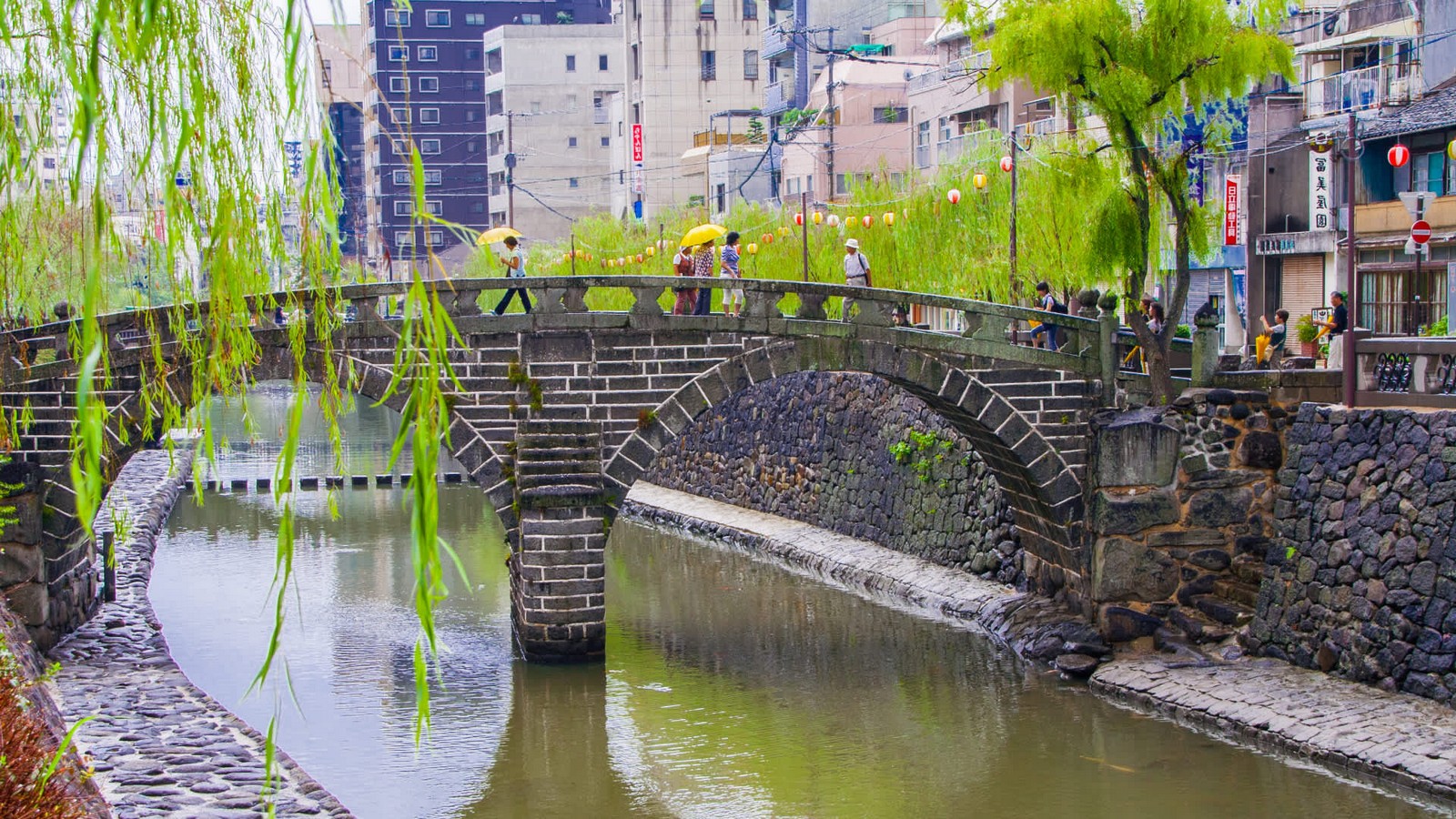
A historic stone bridge over a peaceful canal in the city center
Nagasaki: Essential Sights
Nagasaki brings together the prefecture’s most poignant memorials, historic landmarks, and breathtaking viewpoints. Set within a compact city defined by steep hills and a calm, sheltered bay, the short distances make it easy to transition from powerful historical reflection to sweeping harbor views in a single day.
Nagasaki Peace Park
A deeply moving space dedicated to the victims of the 1945 atomic bombing. The park is a peaceful blend of symbolic sculptures, quiet fountains, and open walkways, all centered around the iconic Peace Statue – a powerful expression of remembrance and a global plea for hope.
Free entry
Nagasaki Atomic Bomb Museum
Located just steps from the bombing’s epicenter, this museum offers vital historical context through personal testimonies and preserved artifacts. It conveys the immense scale and human impact of that August day in 1945 in a way that is both clear and profoundly affecting.
Tip from the Itinerary Expert: Visit the museum before walking through the Peace Park. The historical context you gain inside makes the symbolism of the outdoor monuments far more meaningful.
Mount Inasa
Rising high above the harbor, Mount Inasa offers what is famously known as one of Japan’s top three night views. From the summit’s observation deck, you can watch the city lights sparkle as they curve beautifully around the dark waters of the bay.
Hirado: Footsteps of Early Explorers
Hirado captures the spirit of Japan’s early international trade and Christian history. Its preserved merchant houses, harbor vistas, and unique landmarks tell the story of a small coastal city that once served as a vital bridge to the West.
Hirado Castle
Perched on a hill overlooking the sea, this reconstructed castle was the seat of the powerful Matsuura clan. A walk through its grounds offers a fascinating look at Hirado’s maritime importance and the political strength that once guarded these shores.
St. Francis Xavier Memorial Church
An elegant landmark dedicated to the early spread of Christianity in Japan. With its distinct green spires, the church stands as a beautiful symbol of the cultural exchange that defined Hirado as a rare point of contact between Japan and the wider world.
Hirado Dutch Trading Post
This meticulously restored warehouse recalls the days when European traders first arrived in Japan. The site highlights Hirado’s pivotal role in shaping early international relations, commerce, and the introduction of Western technology.
Ōmura: Heritage and Seasonal Blooms
Ōmura offers a gentle blend of history and natural beauty. Its quiet parks, ancient castle ruins, and traditional shrines are at their most enchanting during the spring cherry blossom season and the early summer iris blooms.
Ōmura Park
Built around the former grounds of Kushima Castle, this expansive park is famous for its thousand cherry trees and sprawling iris fields. It is widely considered one of the region’s most photogenic spots for seasonal flower viewing.
Free entry
Kushima Castle Ruins
These peaceful stone walls and gate remains were once the heart of the Ōmura clan’s territory. Today, the ruins are integrated into the park’s greenery, offering a quiet space to reflect on local history while surrounded by nature.
Omura Shrine
A traditional shrine that embodies the spiritual soul of the city. Nestled within the calm landscape of Ōmura Park, it reinforces the area’s tranquil atmosphere and provides a lovely example of local architecture.
Sasebo: Island Vistas and European Charm
Sasebo showcases the lighter side of Nagasaki Prefecture, where island-dotted seascapes meet grand-scale entertainment. From elevated observatories to a full-scale Dutch village, the coast here is all about leisure and spectacular views.
Huis Ten Bosch
A massive theme park that recreates a Dutch town in incredible detail. Complete with winding canals, museums, and windmill-dotted gardens, it’s a unique leisure destination famous for its spectacular seasonal festivals and world-class dining.
Tip from the Itinerary Expert: Plan for a full day and stay well into the evening. The park’s illumination events are breathtaking and are often the most memorable part of the entire experience.
Kujukushima Pearl Sea Resort
This charming waterfront complex is your gateway to the “99 Islands.” From here, you can board a cruise to weave through the emerald islands and calm waters of the bay – a must-do for nature lovers.
Tenkaiho Observatory
Offering perhaps the best view in Sasebo, this observatory provides a 180-degree panorama of the Kujukushima archipelago. The sight of the islands scattered across the blue sea, especially when the seasonal flowers are in bloom on the hillside, is truly unforgettable.
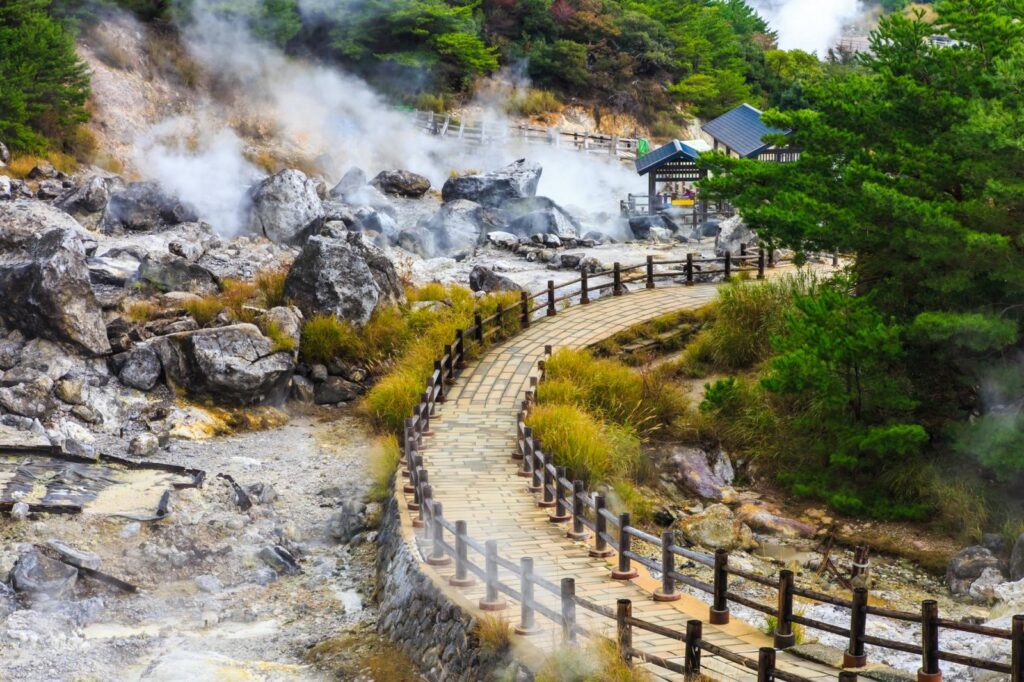
The natural beauty of Nagasaki Prefecture
Beyond the historic city streets, Nagasaki Prefecture reveals a serene, wilder side shaped by volcanic mountains, ancient forests, and a dramatic, winding coastline. These landscapes offer a breath of fresh air, inviting you to enjoy unhurried walks and wide-open panoramas that feel a world away from the urban rhythm.
Mount Tara
A rugged mountain range defined by lush, forested slopes and expansive views. Its winding hiking trails and vibrant seasonal colors offer a beautiful contrast to the seaside scenery found elsewhere in the prefecture.
Isahaya Park
A tranquil green oasis featuring gentle walking paths, open lawns, and seasonal floral displays. It is the perfect spot for a relaxed break to stretch your legs between drives or after a busy day of sightseeing.
Saikai National Park
A stunning coastal park celebrated for its cluster of emerald islands and calm, sparkling waters. The layered maritime views here perfectly capture the breathtaking natural character of western Kyushu.
Tip from the Itinerary Expert: Plan extra time for spontaneous stops along the way. The small roadside viewpoints and short hidden trails often turn out to be the most memorable parts of a visit to this coastal park.
Hidden gems and local treasures
Beyond the famous landmarks, Nagasaki hides smaller, intimate sites that speak to the city’s layered history and cultural heart. These quieter corners allow for a more personal connection with the local traditions and stories that define this unique region.
Sanno Shrine
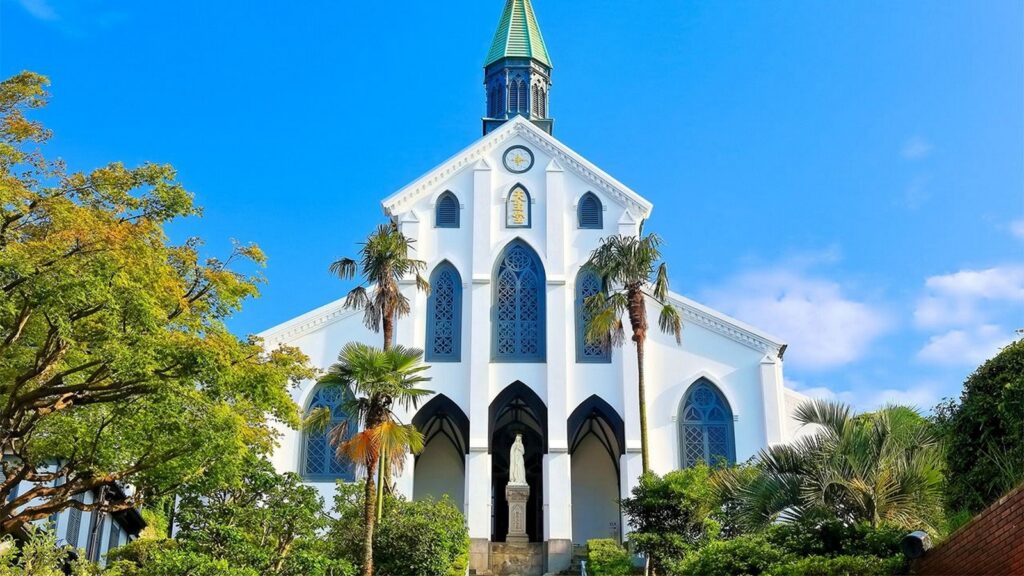
A historic sanctuary known for its incredible spiritual resilience. Its famous one-legged torii gate and ancient camphor trees stand as living symbols of survival and hope, marking the city’s journey through its most challenging times.
Sofuku-ji Temple
An architecturally striking temple that showcases the deep Chinese influence on Nagasaki. From its intricate red gates to its ornate decorative details, it offers a fascinating look into the city’s rich, multicultural heritage.
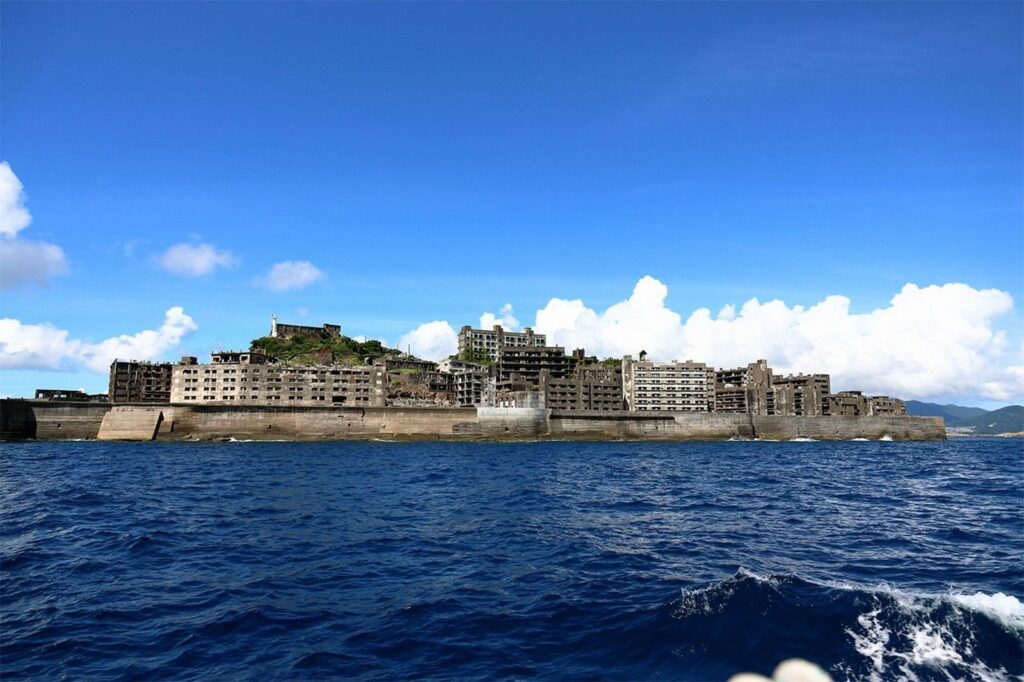
Hashima Island (Gunkanjima)
Also known as Battleship Island, this abandoned coal-mining outpost is a haunting landscape of decaying concrete ruins. Accessible only by boat, it offers a powerful and atmospheric glimpse into Japan’s rapid industrial past.
Nagasaki Confucius Shrine
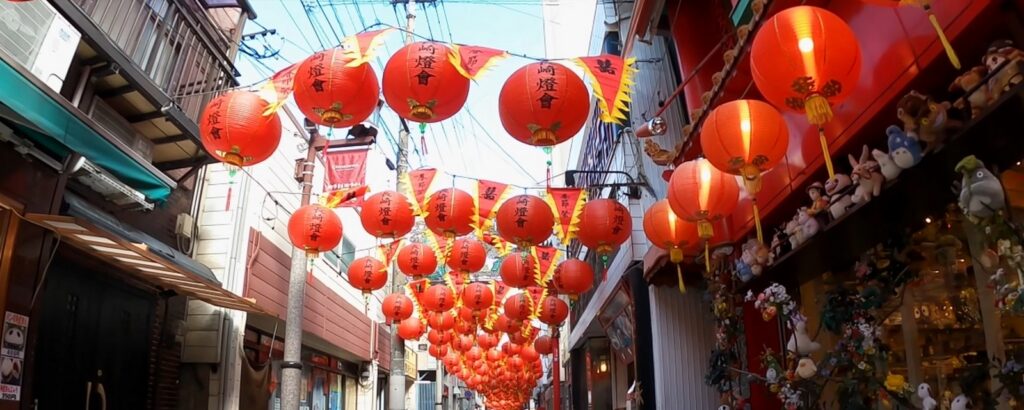
The only Confucius shrine built by Chinese hands outside of China. This vibrant cultural complex, with its colorful shrines and statues, reflects the long-standing intellectual and spiritual bond between Nagasaki and its neighbors.
Megane Bridge
One of Japan’s oldest stone arch bridges, famously named for the “spectacles” its arches form in the river’s reflection. The surrounding historic stone embankments are perfect for a quiet stroll along the water.
Tip from the Itinerary Expert: Come early in the morning when the Nakashima River is perfectly still. This is when the water creates the clearest “spectacles” reflection and the atmosphere is at its most peaceful.

Discovering Nagasaki: A 3-day family journey
Trip Duration: 3 days
Day 1 – Heritage of peace and harbor views
Your first day focuses on Nagasaki’s powerful history while easing into the city’s unique, hilly atmosphere. We’ve balanced moving memorial sites with open-air viewpoints, keeping the pace comfortable for families. Short distances make it easy to hop between walking and the city’s charming trams without getting tired.
Overnight Location: Nagasaki
Places to Visit
Nagasaki Atomic Bomb Museum
Time: 10:00–11:30
Duration: 1.5 hours
A deeply moving experience that tells the story of August 1945 through personal artifacts and clear historical context, handled with great care and respect.
Nagasaki Peace Park
Time: 11:40–13:00
Duration: 1–1.5 hours
A tranquil space filled with symbolic monuments and the iconic Peace Statue, offering a calm environment for a family walk and quiet reflection.
Lunch near Peace Park
Time: 13:00–14:00
Duration: 1 hour
Take a break at a local neighborhood spot to rest and recharge before heading toward the afternoon’s coastal views.
Mount Inasa
Time: 16:30–18:00
Duration: 1–1.5 hours
Take the ropeway up for spectacular views over the harbor. The sight of the city lights beginning to twinkle against the water is truly magical.
Day 2 – Coastal gems and historic horizons
Today, we head north along the scenic coastline to explore Nagasaki’s deep international roots. From samurai castles to hidden churches, this route tells the story of Japan’s early contact with the West. Traveling by car gives you the flexibility to stop whenever a beautiful view catches your eye.
Overnight Location: Nagasaki
Places to Visit
Hirado Castle
Time: 10:00–11:00
Duration: 1 hour
Explore this grand hilltop fortress overlooking the bay, which offers a fascinating look at the maritime power of the Matsuura clan.
St. Francis Xavier Memorial Church
Time: 11:10–11:40
Duration: 30 minutes
A beautiful landmark with distinct green spires that symbolizes the early spread of Christianity and Western culture in the region.
Hirado Dutch Trading Post area
Time: 11:45–12:30
Duration: 45 minutes
Wander through this historic district where European traders once lived, a quiet area that feels like stepping back in time.
Coastal lunch in Hirado
Time: 12:30–13:30
Duration: 1 hour
Enjoy a fresh seafood lunch by the water, soaking in the peaceful harbor atmosphere before the drive back.
Day 3 – Flowers, islands, and a touch of Holland
Your final day shifts to a more playful mood, combining the natural beauty of Kyushu’s parks with world-class coastal leisure. It’s an easygoing finale designed to keep spirits high for the whole family.
Overnight Location: Departure or additional night in Nagasaki
Places to Visit
Ōmura Park
Time: 10:00–11:30
Duration: 1–1.5 hours
A lovely park set around castle ruins, particularly famous for its incredible cherry blossoms and iris fields in the spring and early summer.
Travel to Sasebo
Time: 11:30–12:30
Duration: 1 hour
A comfortable regional drive toward the Sasebo coast, offering beautiful views of the Kujukushima islands along the way.
Huis Ten Bosch
Time: 12:30–18:00
Duration: 5+ hours
An impressive Dutch-themed park with canals, windmills, and fun attractions. It’s a wonderful place for children to explore while adults enjoy the flowers and architecture.
Voices from the road: Traveller experiences

Daniel Carter
April 2019

Taking a slow walk through Peace Park after visiting the Atomic Bomb Museum was one of the most powerful moments of our entire trip. The atmosphere was incredibly calm and respectful, and the open layout made it easy for the children to stay engaged without feeling overwhelmed. Ending our evening on Mount Inasa, watching the city lights curve around the harbor, was a sight we’ll never forget.
Leila Hassan
May 2021

The vintage tram system made moving around Nagasaki surprisingly simple, even at a relaxed family pace. While Peace Park was deeply emotional, the surrounding green spaces gave us much-needed time to pause and reflect. The hills can be a bit of a workout, so good walking shoes are essential – but those sunset views over the harbor make every climb worth it.
Michael Thompson
October 2022
Our trip to Hirado felt like stepping into a hidden chapter of history. Between the quiet streets, the sea views, and the castle rising above the harbor, it was truly magical. The drive took a little longer than expected, so I’m glad we left early. A long lunch by the water was the highlight, and the slower pace compared to central Nagasaki made it a perfect family day out.
Sara Williams
March 2018
Ōmura Park during blossom season looked like something straight out of a postcard. The soft colors and wide-open spaces were perfect for the kids to run around and explore. It was a lovely, gentle counterbalance to the more intense historical sites. We only planned for a quick stop but ended up staying for hours just soaking in the peaceful atmosphere.
Omar Rahman
July 2023
Spending a full day at Huis Ten Bosch was the best decision for keeping everyone entertained. The themed streets and wide-open plazas created a fun, almost surreal atmosphere after our days of historical exploration. My advice: arrive before midday and stay until well after dark – the evening illuminations are truly something special.
Emily Rodriguez
November 2024
Nagasaki felt much more intimate and welcoming than many other large Japanese cities. The mix of waterfront walks, short tram hops, and finding unexpected viewpoints between attractions created a wonderful, relaxed rhythm. Some of the history is emotionally heavy, so balancing those visits with nature and scenic stops made the trip comfortable for the whole family.
Expert advice for a seamless journey
I always recommend starting your first morning at the Atomic Bomb Museum before walking through Peace Park. Gaining that deep historical context early on shapes how you perceive the rest of the city and helps children engage with the memorial spaces in a thoughtful, unhurried way.
Choosing a hotel near a central tram stop makes a world of difference in Nagasaki. It saves you from the strain of the city’s famous hills, leaving you with plenty of energy for spontaneous evening strolls along the waterfront or quick trips to nearby viewpoints.
When it comes to Mount Inasa, timing is everything. Try to arrive at least thirty minutes before sunset – watching the city slowly change colors as the lights begin to twinkle is a far richer experience than visiting only after dark.
For the trip to Hirado, I like to set off earlier than necessary and treat the coastal drive as a destination in itself. The scenic pull-offs and hidden viewpoints you find between landmarks often result in the most memorable photos of the trip.
If you are visiting Ōmura Park during the cherry blossom or iris seasons, be sure to leave plenty of open space in your schedule. Children often respond better to these wide-open green spaces than to tightly planned sightseeing, and these peaceful pauses provide a necessary balance to the emotional weight of historical sites.
At Huis Ten Bosch, don’t feel pressured to see every single attraction. Focusing on just a few key areas and staying for the world-class evening illuminations creates a much more magical atmosphere and is almost always the highlight for families.
Throughout your journey, try to alternate emotionally intense sites with nature or seaside views. This natural rhythm keeps the trip engaging for younger travelers and ensures the experience feels balanced and inspiring rather than overwhelming.
Reflections from the itinerary expert
When I last visited Nagasaki in October 2023, I was struck by how gracefully the city balances deep reflection with sheer beauty. Starting your day at the Atomic Bomb Museum and continuing on foot into Peace Park creates a powerful emotional opening, yet the city’s peaceful atmosphere ensures it never feels overwhelming. Short, charming tram rides and the cooling breeze along the waterfront help shift the mood, leading you naturally toward the evening ascent of Mount Inasa.
One of the most valuable lessons this city teaches is the importance of contrast. After visiting meaningful historical sites, children often need to reconnect through fresh air and wide-open spaces. By moving at a slower pace, choosing fewer stops, and leaving room for spontaneous photos or a quiet café break, you’ll find the journey far more rewarding. In a place like Nagasaki, a simple sunset over the harbor often becomes the moment your family remembers most.
Nagasaki is a city that feels thoughtful, calm, and deeply human. Here, history, landscape, and everyday life blend into an experience that stays with you long after you’ve returned home. I invite you to use these insights to build a personalized itinerary – here or anywhere in Japan – that perfectly matches your family’s rhythm and travel dreams.
Budgeting for your Nagasaki adventure
| Name | Amount | Description |
|---|---|---|
| Budget hotel (double room) | 7,000–10,000 JPY | Clean and simple business hotels or cozy guesthouses – perfect if you plan on spending most of your day out exploring the city. |
| Mid-range hotel (double room) | 12,000–18,000 JPY | Comfortable, well-appointed hotels often located near key tram stops or the lively waterfront; a great choice for families and couples. |
| High-end hotel (double room) | 22,000–35,000 JPY | Premier properties offering stunning harbor views, spacious rooms, and a higher standard of service and amenities. |
| Apartment for a family of 5 | 15,000–25,000 JPY | Spacious serviced residences or apartments with kitchen facilities, allowing for flexible mealtimes and plenty of room to relax. |
| Car rental (per day) | 6,000–9,000 JPY | Economy or compact cars, ideal for scenic day trips to Hirado or Sasebo and for exploring the hidden corners of the prefecture. |
| Public transport (tram) | 150 JPY | A flat fare for a single ride on the city’s iconic tram network. For a full day of sightseeing, a day pass is a steal at around ¥600. |
| Restaurant meal (per person) | 1,200–2,500 JPY | Delicious local dining, from steaming bowls of noodles and set lunches to the freshest regional seafood. |
| Parking (per hour) | 200–400 JPY | Standard rates for paid parking lots in the city center and near the main tourist attractions. |
| Basic supermarket shopping (2 people) | 3,000–4,000 JPY | Daily essentials, including fresh local snacks, drinks, and groceries for simple, home-style meals. |
Frequently asked questions about Nagasaki
03
Do I really need to rent a car during my stay?
While the city center is perfectly served by trams, a car is a fantastic asset for exploring the wider prefecture. It gives you the freedom to reach Hirado, Ōmura, or Sasebo on your own schedule and stop at those hidden coastal viewpoints along the way.
06
Are the historical sites too heavy for younger children?
While some memorial areas are naturally quite solemn, the city is designed with plenty of green spaces and sea air. Balancing a museum visit with a trip to a viewpoint or a park helps children process the history in a way that is meaningful rather than overwhelming.
What we propose

Emma Heidi
Customer Experience Manager
Take all the stress out of planning your trip!
With our experts, you can create the perfect itinerary for you – complete, comfortable, and tailored to all your dreams, wishes, and needs.
We take care of every little detail, so you can simply focus on enjoying your journey.
We’ve been designing personalized itineraries since 2015, and over the years we’ve created thousands of custom itineraries for happy clients.

Save time, avoid confusion – we do the work for you. Our service saves you weeks of searching, reading, comparing, and complicated planning. Instead of wasting endless hours – you receive a ready-to-use, accurate and clear itinerary.

A tailor-made itinerary – built just for you. Your itinerary is personally designed based on our experts’ real field experience and genuine feedback from hundreds of travelers – including hidden discoveries and insider tips that don’t appear in any travel guide.

Smart accommodation selection – often saves you hundreds or even thousands of dollars. We help you choose verified and recommended places to stay, checking availability for your exact travel dates. Sometimes we suggest hotels not “in the center,” but in safe, convenient, and highly strategic locations – which can significantly reduce travel costs and save you even thousands of dollars.

We’re by your side even during the trip. We stay with you throughout your vacation – providing professional help whenever needed. If the weather changes, there’s a strike, a local event, heavy crowds, or any unexpected situation – we are here to update, guide, and adjust your itinerary in real time.

Easy-to-use itinerary – with direct navigation links. Your itinerary includes direct Waze / Google Maps links – no need to search for parking addresses, no stress, no mistakes. Just tap – and go.

Service cost: from only $420. (Special price for short itineraries up to 5 days). Clients tell us the itinerary saves them costly mistakes, fines, wrong choices – plus exclusive discounts on car rentals, better-priced accommodations, and money-saving local tips.
Want to know if it’s really worth it?
Take a look at the experiences of travelers who built their personal itinerary with us.
Click here and let’s start building the itinerary that will save you time, money, and stress – and turn your vacation into perfection.
Of course, your first inquiry is completely free – with no commitment whatsoever.
How it works


- You are welcome to contact us
- We discuss your trip
- You fill out a special form
- We create your itinerary
- You get it with all useful tips
- We are in touch with you all the time