My love for Japan began the moment I arrived in Tokyo. The country amazed me with its harmony of ancient traditions, cutting-edge technology, breathtaking nature, and a culture unlike any other. Since then, Japan has become a part of my life, and I return there again and again. Today I help travelers discover the real Japan: I create personalized itineraries, give lectures, and prepare guests for their unforgettable journey. I would be delighted to open Japan for you too!

Kagoshima
Reaching Kagoshima is part of the adventure. You can sweep in on a high-speed Shinkansen to Kagoshima-Chuo Station or land at the local airport via a quick domestic flight. For those traveling from nearby islands, scenic ferries link the mainland directly with the iconic Sakurajima area.
Navigating the city is easy thanks to the charming Kagoshima City Tram and an extensive bus network. However, if you plan to visit the wild beauty of Yakushima or the sand baths of Ibusuki, renting a car is highly recommended. Having your own wheels grants you the freedom to explore at your own pace without relying on infrequent rural transport.

Since 2015, our website has specialized in individual planning of unique routes, taking into account personal preferences and desires.
Each of you will receive a unique PDF file from us, which contains everything you need: travel routes, car rentals, hotels, the best tourist attractions, attractions for kids and everything you need for a perfect vacation.
During the trip, we are available for you by phone via WhatsApp.
Our personal service provides information from A to Z, taking into account many small details that can become a decisive factor on the way from a wasted trip to an unforgettable vacation.
Our service will make your trip comfortable, save a lot of time on planning and preparation, and most importantly – will allow you to become freer and fully enjoy the pleasure of the trip.
Getting Around Kagoshima
Reaching Kagoshima is part of the adventure. You can sweep in on a high-speed Shinkansen to Kagoshima-Chuo Station or land at the local airport via a quick domestic flight. For those traveling from nearby islands, scenic ferries link the mainland directly with the iconic Sakurajima area.
Navigating the city is easy thanks to the charming Kagoshima City Tram and an extensive bus network. However, if you plan to visit the wild beauty of Yakushima or the sand baths of Ibusuki, renting a car is highly recommended. Having your own wheels grants you the freedom to explore at your own pace without relying on infrequent rural transport.
Since 2015, our website has specialized in individual planning of unique routes, taking into account personal preferences and desires.
Each of you will receive a unique PDF file from us, which contains everything you need: travel routes, car rentals, hotels, the best tourist attractions, attractions for kids and everything you need for a perfect vacation.
During the trip, we are available for you by phone via WhatsApp.
Our personal service provides information from A to Z, taking into account many small details that can become a decisive factor on the way from a wasted trip to an unforgettable vacation.
Our service will make your trip comfortable, save a lot of time on planning and preparation, and most importantly – will allow you to become freer and fully enjoy the pleasure of the trip.
Tip from the itinerary expert: For the most seamless experience, consider a rental car for at least part of your trip. It allows you to weave together volcanic vistas, rural hidden gems, and hot spring towns in one relaxed loop, saving you the hassle of multiple transfers.

When to Visit
Spring is a delight, featuring mild temperatures and cherry blossoms that frame the riverbanks. It is a perfect time for long, leisurely coastal walks.
Summer turns the region into a subtropical paradise of bright beaches and deep emerald greenery. However, visitors should be prepared for the characteristic southern warmth and humidity.
Autumn brings clearer air, making conditions ideal for hitting the forest trails or heading to mountain viewpoints for crisp panoramas.
Winter remains relatively temperate compared to the rest of Japan. This makes it a wonderful time to embrace the “onsen” culture, as there is nothing quite like soaking in a steaming hot spring while looking out over the quiet scenery.
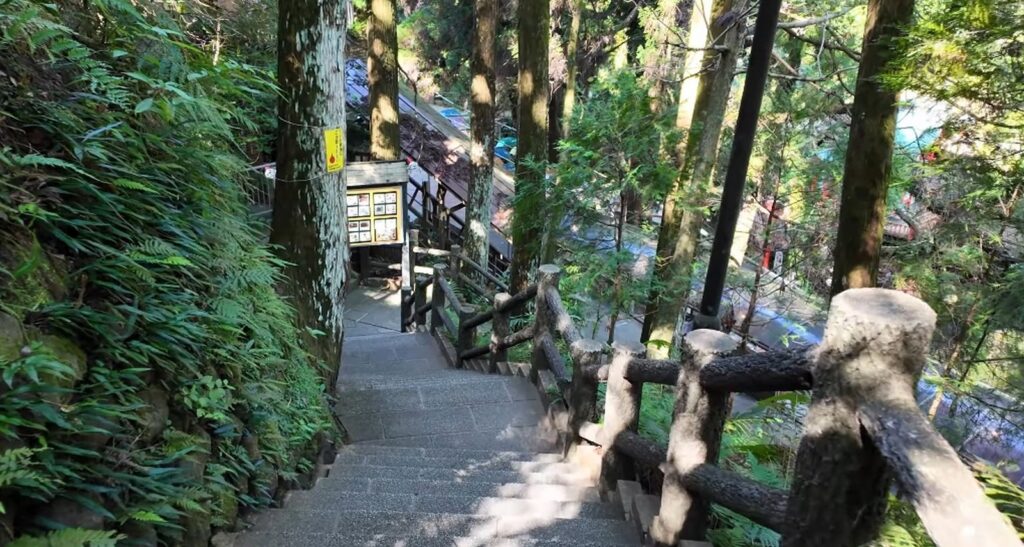
A quiet staircase path through a dense green forest
Tip from the itinerary expert: If you’re heading to the volcanic viewpoints, try to time your visit for the late afternoon. The light is much softer for photos, the air often clears up, and the atmosphere becomes far more peaceful as the daytime crowds begin to head back.
Yakushima - Forests and Natural Heritage
Yakushima is a mystical subtropical island famed for its ancient cedar forests, misty ravines, and untouched landscapes protected as a World Heritage site.
Shiratani Unsuikyo Ravine
A lush, moss-covered forest ravine where gentle walking trails wind among ancient trees, crystal streams, and deep, emerald greenery.
Tip from the Itinerary Expert: Start your walk early to enjoy cooler temperatures and a quieter, more atmospheric forest experience before the midday sun hits.
Yakusugi Land
A protected woodland park offering a range of hiking paths that lead you through towering cedar groves and some of the island’s most impressive ancient trees.
Tip from the Itinerary Expert: Choose one of the shorter boardwalk loops when traveling with children to keep the experience enjoyable and stress-free.
Yakusugi Museum
A thoughtful museum dedicated to the natural history, ecology, and cultural significance of Yakushima’s legendary thousand-year-old cedar forests.
Tip from the Itinerary Expert: Visiting here after a forest walk adds a wonderful layer of depth to the natural wonders you’ve just seen outdoors.
Kagoshima City - Main Attractions
Kagoshima seamlessly blends panoramic viewpoints, elegant historic gardens, and relaxed family-friendly attractions, all set within an easy-to-navigate coastal city.
Shiroyama Observatory
A hilltop lookout offering sweeping views over Kagoshima Bay, the city below, and the striking silhouette of the Sakurajima volcano-perfect for a scenic pause and wide-angle photography.
Tip from the Itinerary Expert: Visit later in the day to enjoy softer light and watch the city gradually transition into a sparkling evening landscape.
Sengan-en Garden
A refined historic garden where winding paths, tranquil ponds, and traditional architecture were carefully designed to frame the volcano as a stunning backdrop.
Tip from the Itinerary Expert: Take your time and explore the full garden loop to experience how the scenery shifts and reveals new perspectives from every angle.
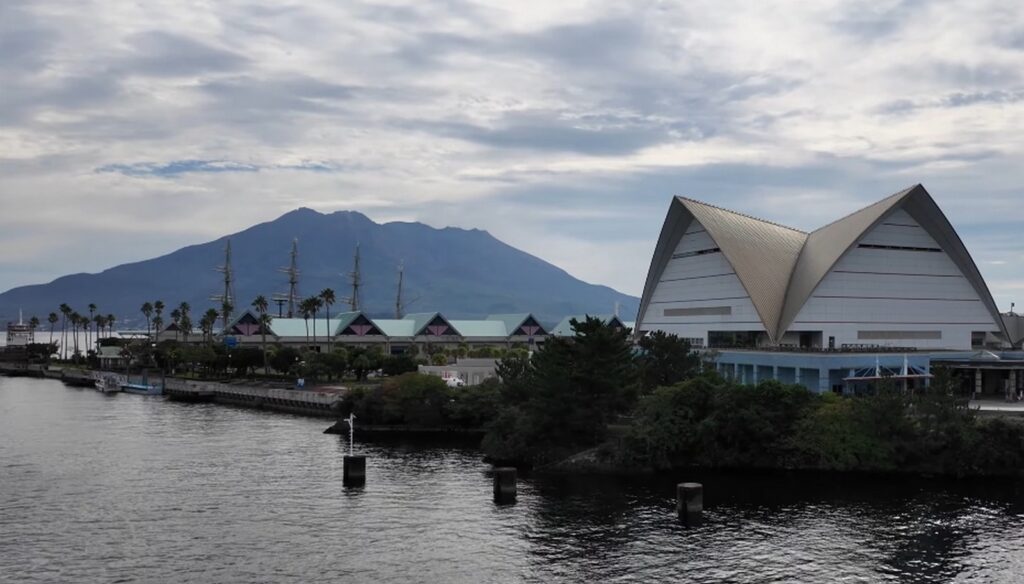
Kagoshima City Aquarium
A spacious, modern aquarium showcasing the vibrant marine life of southern Japan, featuring large panoramic tanks and calm exhibits that appeal to all ages.
Tip from the Itinerary Expert: This is a great midday stop, especially on warmer days, to rest and reset in a cool environment between outdoor sightseeing sessions.
Kagoshima’s Natural Wonders
Kagoshima’s dramatic landscape is a masterpiece of restless volcanoes, emerald coastal mountains, and shimmering water. These natural highlights are curated in the order of our travel plan, each revealing the powerful geological spirit that makes southern Kyushu so unique.
Sakurajima
Rising majestically from the center of Kagoshima Bay, this active volcano is the region’s most iconic landmark. Walking through its dark lava fields and watching the shifting volcanic activity against the sea horizon feels like witnessing the earth in its rawest form. With beautifully positioned observation points, you can experience this powerful natural giant safely and from incredible vantage points.
Opening Hours: Accessible daily
Free access to viewpoints; ferry required to reach the island
Tip from the itinerary expert: Try to visit on a day with clear skies; the difference is remarkable, offering much sharper views of the smoking crater and the rugged coastline.
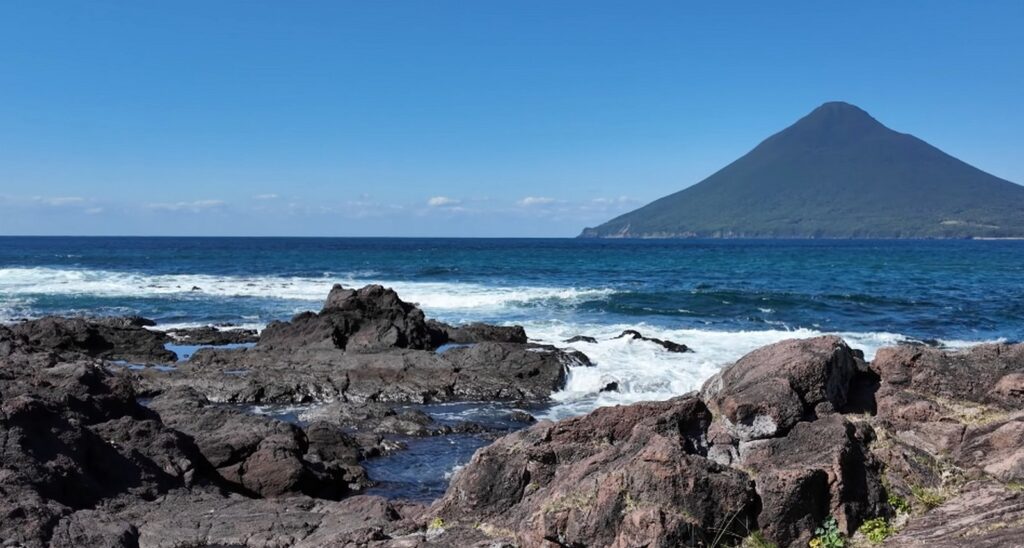
Mount Kaimondake
Known as the ‘Fuji of Satsuma,’ this perfectly symmetrical volcanic cone rises gracefully above the coastal plains. Scenic trails wind their way up the slopes, offering ever-changing views of the sparkling ocean and the rural landscape below. Its elegant silhouette and serene presence make it one of the most photogenic spots in all of Kagoshima.
Opening Hours: Open for hiking depending on weather conditions
Free hiking access
Tip from the itinerary expert: I highly recommend starting your climb early in the morning. Not only is the air cooler and more comfortable, but you’ll also have a much better chance of reaching the summit before any clouds roll in.
Toroki Falls
In a rare and beautiful display of nature, the fresh mountain waters of Toroki Falls spill directly into the sea. This unique meeting point of lush forest greenery and the salt-sprayed coastline is incredibly peaceful. The gentle roar of the falls combined with the ocean breeze creates a refreshing contrast to the region’s more rugged, volcanic landscapes.
Opening Hours: Accessible daily
Free entry
Tip from the itinerary expert: If you can, visit shortly after a rain shower. The water flow is much stronger, making the sight of the falls crashing into the ocean even more impressive.
Sakurajima - Volcanic Landscapes and Viewpoints
Just across the bay, Sakurajima offers dramatic volcanic scenery, fascinating lava formations, and observation points that reveal the raw, majestic power of the landscape.
Arimura Lava Observatory
A unique walking area across hardened lava fields, providing a close-up look at the rugged volcanic terrain set against the dramatic, rocky coastline.
Tip from the Itinerary Expert: Morning hours often bring clearer air and sharper views, making it the best time to capture the scale of the volcanic landscape.
Sakurajima Visitor Center
An engaging and informative stop that explains the volcano’s eruptions, geological history, and its unique, ongoing relationship with daily life in Kagoshima.
Tip from the Itinerary Expert: Begin your island visit here to gain valuable context before heading out to the various observation points.
Yunohira Observatory
The highest viewpoint accessible to the public on Sakurajima, offering wide, breathtaking panoramas over the crater, the bay, and the distant city skyline.
Tip from the Itinerary Expert: Stop here for photos, then continue along the scenic island road to enjoy the changing perspectives of the mountain.
Chiran - History and Samurai Heritage
Chiran offers a calm, reflective atmosphere, where perfectly preserved samurai residences and historical sites invite a slow and thoughtful exploration of the past.
Chiran Peace Museum
A deeply moving museum that shares personal stories, historical artifacts, and poignant wartime memories connected to the region’s history.
Tip from the Itinerary Expert: Give yourself plenty of time to move slowly through the exhibits and absorb the quiet, contemplative atmosphere of the museum.
Chiran Samurai Residence Garden
A beautifully preserved street of former samurai homes, each featuring meticulously maintained traditional gardens that have remained unchanged for centuries.
Tip from the Itinerary Expert: Walk at an unhurried pace to notice the intricate details in the stone walls and the artistic layout of each private garden.
Ibusuki - Coastal Views and Culture
Ibusuki is known for its wide-open ocean views, gentle coastal scenery, and unique cultural sites that create a relaxed and scenic conclusion to your journey.
Cape Nagasakibana
A dramatic coastal viewpoint offering endless ocean horizons and the striking silhouette of Mt. Kaimon rising across the water.
Tip from the Itinerary Expert: The late afternoon light brings warmer tones and a magical quality to the coastline, perfect for your final vacation photos.
Satsuma Denshokan Museum
An exquisite cultural museum showcasing the world-class art, intricate crafts, and noble traditions of the historic Satsuma domain.
Tip from the Itinerary Expert: Pair this museum visit with a relaxed coastal walk nearby for a well-balanced and restorative final stop on your itinerary.

Hidden Gems of Kagoshima
Beyond the famous landmarks, Kagoshima hides a collection of quiet corners where nature and culture feel deeply personal. These lesser-known spots offer a glimpse into unusual landscapes, rare geothermal settings, and peaceful historical spaces that remain far from the typical tourist trail of southern Kyushu.
Hirauchi Kaichu Onsen
Tucked away on the rugged shoreline of Yakushima, this rare seaside hot spring is a true natural wonder that reveals itself only as the tide goes out. As the ocean recedes, warm geothermal pools emerge right among the salt-sprayed rocks. Bathing here under the open sky, with the rhythm of the waves just feet away, is easily one of the most atmospheric experiences you can have in Japan.
Opening Hours: Accessible during low tide
Small local fee may apply
Tip from the itinerary expert: Be sure to check the local tide tables before you head out, otherwise the springs might be completely hidden beneath the sea when you arrive.
Chikura Cavern
Located on the shores of Tanegashima Island, this dramatic sea cave is a hidden masterpiece of nature. Reachable only at low tide, the cavern opens up to reveal vast chambers carved by the Pacific waves. Inside, the interplay of shifting light and shadowed stone creates a striking, ethereal glow that is a dream for photographers and explorers alike.
Opening Hours: Accessible during low tide
Free entry
Tip from the itinerary expert: Choose a day with calm sea conditions. Not only is access safer, but the light reflecting off the quiet pools inside the cavern is much clearer and more beautiful.
Genji Park
A peaceful sanctuary where the landscape changes its colors with the passing seasons. Far from the busier sightseeing spots, Genji Park maintains a lovely local feel. It is the perfect place for a slow afternoon walk or a quiet pause among the greenery, offering a gentle break from the more rugged volcanic adventures of the region.
Opening Hours: Open daily
Free entry
Tip from the itinerary expert: If your timing allows, visit during the peak bloom seasons; the vibrant colors transform the park into a truly tranquil escape.
Shoko Shuseikan Museum
Housed in a beautiful historic building, this museum tells the fascinating story of the Satsuma domain’s industrial revolution. It dives into the craftsmanship and technology that helped modernize Japan, offering a sophisticated look at local history that goes much deeper than your average sightseeing tour.
Opening Hours: Varies by season
Ticket required
Tip from the itinerary expert: I suggest pairing this visit with the nearby historic gardens. Together, they provide a complete picture of how the region’s culture and industry evolved side-by-side.
Ohko Waterfall
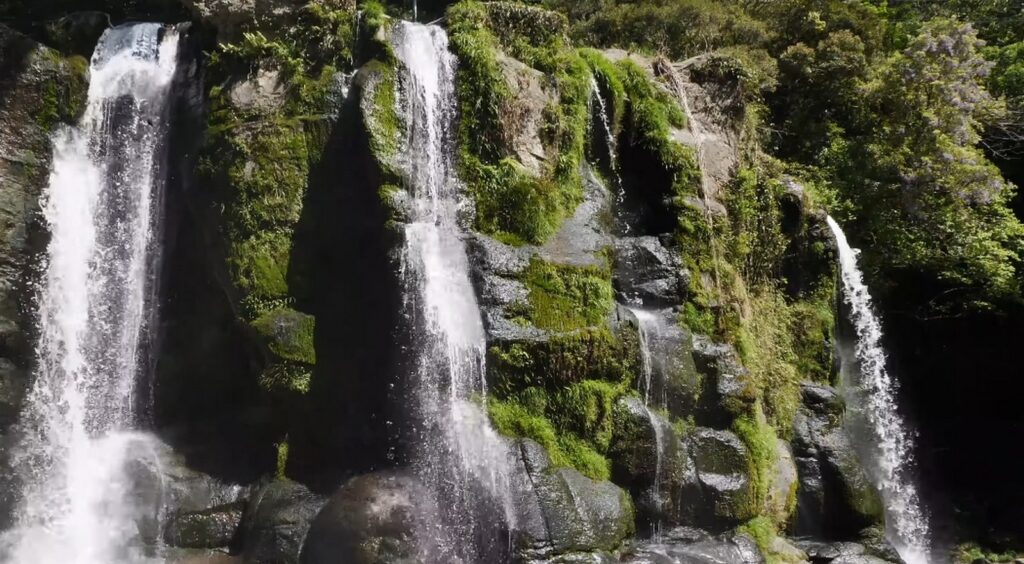
One of Yakushima’s most powerful natural displays, this broad cascade thunders down from a height of 88 meters into a lush subtropical basin. Surrounded by deep forest, the site feels ancient and untouched. The combination of cooling mist, emerald greenery, and the roar of the water creates a scene of raw, primeval beauty.
Opening Hours: Accessible daily
Free access
Tip from the itinerary expert: If there has been a recent rain, make it a priority to stop here. The increased volume makes the waterfall look absolutely spectacular as it crashes over the cliffs.

Kagoshima Travel Itinerary
Trip Duration: 5 days
Day 1 - Kagoshima City panoramas and culture
Our journey begins in the coastal heart of Kagoshima, where the city unfolds between the shimmering sea and the ever-present silhouette of Sakurajima. There is a wonderful sense of scale here; everything feels close and manageable, making your first day calm, welcoming, and full of moments to pause for photos and local flavors.
We moved effortlessly between landmarks using a mix of charming trams, short taxi rides, and easy walks, keeping the rhythm light and flexible without ever feeling rushed.
Overnight Location: Kagoshima City
Places to Visit
Shiroyama Observatory
Time: 10:00
Duration: 45-60 minutes
A hilltop lookout offering the city’s most iconic panorama. From here, you can watch the steam rise from Sakurajima across the bay-a perfect spot for getting oriented and capturing wide landscape shots.
Sengan-en Garden
Time: 11:30
Duration: 1.5-2 hours
An elegant historical residence where ponds, bamboo groves, and architecture are masterfully arranged to frame the volcano as a “borrowed” backdrop. It’s a quiet, refined introduction to the region’s noble heritage.
Kagoshima City Aquarium
Time: 15:00
Duration: 1-1.5 hours
A spacious, modern space showcasing the diverse marine life of Japan’s southern islands. With its impressive Kuroshio Tank and immersive exhibits, it’s a fascinating stop for both curious adults and families.
Day 2 — Volcanic landscapes of Sakurajima
A short, scenic ferry ride brings us face to face with one of Japan’s most dramatic natural wonders-an active volcano rising straight from the blue waters of the bay. The day is spent exploring rugged lava fields and coastal viewpoints under wide skies shaped by tectonic forces.
Whether you choose a rental car or the local island buses, it’s easy to link the main observation points into a smooth loop, allowing you to see the smoking peak from multiple angles without any backtracking.
Overnight Location: Kagoshima City
Places to Visit
Arimura Lava Observatory
Time: 10:30
Duration: 60 minutes
Winding paths lead you across fields of solidified lava, offering a tactile, close-up look at the rugged volcanic terrain set against the backdrop of the crashing sea.
Sakurajima Visitor Center
Time: 12:30
Duration: 45 minutes
A compact but engaging museum that explains the volcano’s fascinating history of eruptions and the unique way of life for those living in its shadow.
Yunohira Observatory
Time: 15:00
Duration: 45-60 minutes
As the highest point accessible to the public, this observatory offers a truly breathtaking perspective of the crater’s rugged slopes and the distant mainland skyline.
Day 3 - Ancient forests of Yakushima
Today we step into a completely different world: a mystical, subtropical island wrapped in mist, ancient cedar forests, and crystal-clear streams. Reaching Yakushima is part of the adventure, involving a high-speed ferry or a short hop by air, followed by peaceful drives toward the deep woods.
The pace here naturally slows down. Rather than chasing sights, the focus is on the simple act of walking, breathing in the moss-scented air, and letting the primeval atmosphere set the rhythm of your day.
Overnight Location: Yakushima
Places to Visit
Shiratani Unsuikyo Ravine
Time: 10:30
Duration: 2-3 hours
A lush, emerald-green ravine that inspired famous animations. Well-marked trails weave among ancient roots and moss-covered stones, creating an ethereal forest experience.
Yakusugi Land
Time: 14:30
Duration: 1.5-2 hours
This protected forest area offers several walking loops through some of the island’s most impressive and ancient cedar groves, where the sheer size of the trees is humbling.
Day 4 - Samurai heritage of Chiran
Returning to the mainland, our route transitions to a deeply atmospheric exploration of samurai history and perfectly preserved streetscapes. Reaching the town of Chiran from Kagoshima is a straightforward and pleasant journey by car or regional bus.
This is a destination that rewards the patient traveler, inviting you to walk slowly, notice the small architectural details, and absorb the quiet, dignified spirit of the past.
Overnight Location: Kagoshima City
Places to Visit
Chiran Peace Museum
Time: 11:00
Duration: 1-1.5 hours
A poignant and moving museum that shares deeply personal stories and historical artifacts, offering a thoughtful perspective on the region’s wartime history and the cost of peace.
Chiran Samurai Residence Garden
Time: 13:00
Duration: 1-1.5 hours
Stroll through a beautifully preserved district of former samurai homes. Each residence features a meticulously designed dry garden that has remained largely unchanged for centuries.
Day 5 - Coastal scenery of Ibusuki
Our final day unfolds along the southern coastline, where open ocean vistas and the striking outlines of volcanic peaks create a calm, expansive atmosphere. The journey south by scenic train or car is the perfect way to reflect on the trip.
It’s an easygoing finale to our Japanese adventure, ideal for unhurried coastal walks and a final, deep dive into the local traditions of the peninsula.
Overnight Location: Departure or Kagoshima City
Places to Visit
Cape Nagasakibana
Time: 11:00
Duration: 45-60 minutes
A dramatic coastal viewpoint offering sweeping panoramas of the East China Sea and the perfect silhouette of Mt. Kaimon, often called the “Mt. Fuji of Satsuma.”
Satsuma Denshokan Museum
Time: 13:00
Duration: 1-1.5 hours
A stunning cultural museum dedicated to the exquisite arts, crafts, and history of the Satsuma domain, providing a rich context for the region’s unique identity.
Traveller experiences in Kagoshima

Daniel Moore
April 2024

Kagoshima turned out to be far calmer and greener than I ever expected. The ferry ride to Sakurajima was short, simple, and surprisingly memorable-especially as the volcano began to fill the entire horizon. Sengan-en Garden felt like a natural pause between viewpoints, a place where we could truly slow down and breathe. Traveling with kids was remarkably easy here; everything felt close, and nature was always just around the corner.
Leila Hassan
October 2023

Yakushima completely stole my heart. Walking through those moss-covered forests in the early morning mist felt almost unreal, like stepping into another world entirely. We deliberately kept our hiking day slow, and it became the absolute highlight of our entire Kyushu trip. While getting around the island requires a bit of planning, renting a car gave us the freedom to make the experience smooth and personal.
Michael Rivera
June 2022
One of the things I appreciated most was how uncrowded Kagoshima felt compared to Japan’s larger hubs. Watching the sunset from Shiroyama Observatory was a standout moment and remains one of my favorite photo memories. The food scene surprised us too, particularly the fresh seafood and local sweet potato dishes. We found that mixing quiet museums with rugged outdoor scenery kept our days perfectly balanced and engaging.
Sara Bennett
March 2025
Traveling with two children, we were looking for destinations that combined wild nature with easy logistics, and Kagoshima delivered exactly that. The aquarium was perfect for a relaxed afternoon, while the following day’s volcano exploration felt like a real family adventure. I loved how quickly the scenery shifted from gentle seaside walks to dramatic, prehistoric lava landscapes.
Omar Khalid
November 2021
Chiran left the strongest emotional impression on me. The quiet samurai gardens and the museum created a reflective atmosphere that contrasted beautifully with the wilder coast. It’s not a place for rushed sightseeing; slowing down there added a layer of depth and meaning to our journey. I’d highly recommend pairing it with a nature stop to keep the itinerary’s energy balanced.
Emily Carter
August 2019
Ibusuki was the perfect way to wrap up our trip. The open ocean views, warm southern weather, and easy walking paths helped us unwind after several busy days of exploring. Visiting the cape later in the afternoon gave us that beautiful, soft light that travel photographers dream of. That slower pace made our final day feel incredibly calm and restorative.
Thomas Weber
May 2018
What impressed me most about Kagoshima was how naturally it blends urban comfort with raw, wild landscapes. Within very short distances, we moved from volcanic terrain to ancient forests and traditional cultural sites. While planning the logistics ahead of time was important, once we were on the ground, the trip flowed effortlessly and felt rewarding for the whole family.
Tips from the Itinerary Expert
I like to begin the journey at Shiroyama Observatory in the early morning. Starting with a high-angle view helps you get your bearings-you’ll understand how the city is laid out, see which landmarks are close to each other, and spot the best photographic angles of the volcano.
When taking the ferry to Sakurajima, I recommend traveling light. Moving freely between the different viewpoints saves a lot of time and energy, and more importantly, it prevents unnecessary fatigue when you are exploring with children.
In Yakushima, I always leave at least half a day without a rigid schedule. A slow, unhurried walk through the forest allows you to truly notice the mist, the scents, and the sounds-it’s these small details that turn a hike into an unforgettable experience.
On a family trip, I find it best to balance open-air nature with indoor attractions like the Kagoshima City Aquarium. Alternating between outdoor exploration and indoor comfort keeps everyone engaged and helps balance the day’s energy, especially for younger travelers.
Chiran is a place to be experienced slowly. I recommend dedicating time for a quiet stroll through the samurai gardens without rushing to the next destination—the historical atmosphere here is everything.
In the Ibusuki area, I plan to reach the coastline in the late afternoon. The light is much softer then, making for far superior photos, and the overall vibe is much more relaxed and pleasant than during the midday heat.
Staying near Kagoshima-Chuo Station makes your logistics significantly easier. It serves as a perfect hub, allowing you to combine city life, nature, and ferry trips without wasting precious vacation time on long commutes.
Before heading to the volcanic viewpoints, I always check the local visibility forecast. A clear day completely transforms the experience; sometimes it’s worth swapping your daily schedule around just to ensure a cloud-free view of the peak.
Insights from the Itinerary Expert
I explored Kagoshima in May 2024, and what stayed with me most was the rare harmony between dramatic natural power and a quiet, unhurried daily rhythm. Standing at Shiroyama Observatory, watching Sakurajima rise across the bay feels cinematic and immense, yet only moments later, while strolling through Sengan-en Garden, the atmosphere shifts into something deeply calm and introspective. This constant contrast is exactly what makes the region so perfect for a balanced family journey.
Yakushima left a very different impression on me. Slow walks through Shiratani Unsuikyo Ravine and the island’s ancient cedar forests demand patience, but that slower pace is exactly what reveals the true spirit of southern Kyushu. While transportation planning is key and the weather can be unpredictable, the reward is a landscape that feels raw, silent, and completely immersive.
Kagoshima isn’t a destination that tries to impress loudly; instead, it draws you in gradually through its soft light, wide-open spaces, and incredible local flavors. When explored thoughtfully, it becomes one of those places that stays with you long after the journey ends. I warmly invite you to create a personalized route here, and across Japan, together with the itinerary expert.
Typical travel costs in Kagoshima (JPY)
| Name | Amount | Description |
|---|---|---|
| Budget hotels (per couple) | Varies JPY | Rates shift noticeably depending on the season, room size, and how far in advance you secure the booking. |
| Mid-range hotels (per couple) | Varies JPY | Prices tend to be higher near Kagoshima-Chuo Station, while quieter neighborhoods often offer better overall value. |
| Luxury hotels (per couple) | Varies JPY | Premium rates usually reflect stunning bay or volcano views, spacious rooms, and full-service amenities. |
| Family apartment (5 people) | Varies JPY | Costs depend on the number of bedrooms, kitchen facilities, and proximity to major transport hubs. |
| Car rental (per day) | Varies JPY | A practical choice for trips to Yakushima, Chiran, and Ibusuki, where extra flexibility makes the day flow much smoother. |
| Public transport (city bus single ride) | 230 JPY | Standard fare for city buses connecting central areas like Tenmonkan and Kagoshima-Chuo. |
| Restaurant meal | Varies JPY | Spending ranges widely, from casual local eateries to refined set-menu restaurants and fresh seafood dining. |
| Parking | Free parking is available near Shiroyama Observatory, making short, scenic stops effortless. | |
| Basic supermarket groceries for two | Varies JPY | The total depends on whether you opt for convenient ready-made meals or plan to cook with fresh local ingredients. |
Frequently asked questions about Kagoshima
01
How many days are recommended for visiting Kagoshima?
A stay of three to five days is ideal for most travelers. This allows you to explore the city’s highlights, take a ferry to Sakurajima, and dedicate a full day or two to Yakushima’s ancient forests or the coastal beauty of Ibusuki without feeling like you’re rushing through the experience.
02
Is Kagoshima suitable for traveling with children?
Absolutely. Kagoshima is very kid-friendly, offering a mix of high-energy spots like the City Aquarium and dinosaur-themed parks near the volcano, alongside calm, open spaces like Sengan-en Garden. The short distances between attractions make it easy to manage a family schedule.
03
Do I need to rent a car in Kagoshima?
While the city center is well-served by trams and the ‘City View’ bus, renting a car is highly recommended for exploring further afield. It provides the necessary flexibility for visiting Yakushima, the Chiran samurai district, or the Ibusuki coastline, especially when traveling with luggage or children.
04
When is the best season to visit Kagoshima?
Spring (March–May) and Autumn (October–November) are the prime times to visit. You’ll enjoy mild temperatures and generally clearer skies, which are perfect for volcano photography and hiking. Winter is also surprisingly pleasant, often offering the crispest, most unobstructed views of Sakurajima.
05
Is Sakurajima safe for visitors?
Yes, it is very safe. As one of the world’s most active volcanoes, it is under constant 24/7 surveillance by experts. Visitor areas and observation points are located at safe distances, and local authorities provide clear real-time updates to ensure a worry-free experience.
06
What impressed you most during your visit?
The most striking thing is the dramatic shift in scenery over short distances. You can start your morning in a refined 17th-century garden and by the afternoon be standing on a rugged, prehistoric lava field. That blend of high-end culture and raw nature is truly unique.
07
Was exploring Yakushima difficult without preparation?
Yakushima requires a bit more logistics than the mainland—specifically regarding ferry bookings and trail timing. However, with a little advance planning, the experience becomes very smooth, allowing you to focus entirely on the mystical atmosphere of the cedar forests.
What we propose

Emma Heidi
Customer Experience Manager
Take all the stress out of planning your trip!
With our experts, you can create the perfect itinerary for you – complete, comfortable, and tailored to all your dreams, wishes, and needs.
We take care of every little detail, so you can simply focus on enjoying your journey.
We’ve been designing personalized itineraries since 2015, and over the years we’ve created thousands of custom itineraries for happy clients.

Save time, avoid confusion – we do the work for you. Our service saves you weeks of searching, reading, comparing, and complicated planning. Instead of wasting endless hours – you receive a ready-to-use, accurate and clear itinerary.

A tailor-made itinerary – built just for you. Your itinerary is personally designed based on our experts’ real field experience and genuine feedback from hundreds of travelers – including hidden discoveries and insider tips that don’t appear in any travel guide.

Smart accommodation selection – often saves you hundreds or even thousands of dollars. We help you choose verified and recommended places to stay, checking availability for your exact travel dates. Sometimes we suggest hotels not “in the center,” but in safe, convenient, and highly strategic locations – which can significantly reduce travel costs and save you even thousands of dollars.

We’re by your side even during the trip. We stay with you throughout your vacation – providing professional help whenever needed. If the weather changes, there’s a strike, a local event, heavy crowds, or any unexpected situation – we are here to update, guide, and adjust your itinerary in real time.

Easy-to-use itinerary – with direct navigation links. Your itinerary includes direct Waze / Google Maps links – no need to search for parking addresses, no stress, no mistakes. Just tap – and go.

Service cost: from only $420. (Special price for short itineraries up to 5 days). Clients tell us the itinerary saves them costly mistakes, fines, wrong choices – plus exclusive discounts on car rentals, better-priced accommodations, and money-saving local tips.
Want to know if it’s really worth it?
Take a look at the experiences of travelers who built their personal itinerary with us.
Click here and let’s start building the itinerary that will save you time, money, and stress – and turn your vacation into perfection.
Of course, your first inquiry is completely free – with no commitment whatsoever.
How it works


- You are welcome to contact us
- We discuss your trip
- You fill out a special form
- We create your itinerary
- You get it with all useful tips
- We are in touch with you all the time