My love for Japan began the moment I arrived in Tokyo. The country amazed me with its harmony of ancient traditions, cutting-edge technology, breathtaking nature, and a culture unlike any other. Since then, Japan has become a part of my life, and I return there again and again. Today I help travelers discover the real Japan: I create personalized itineraries, give lectures, and prepare guests for their unforgettable journey. I would be delighted to open Japan for you too!


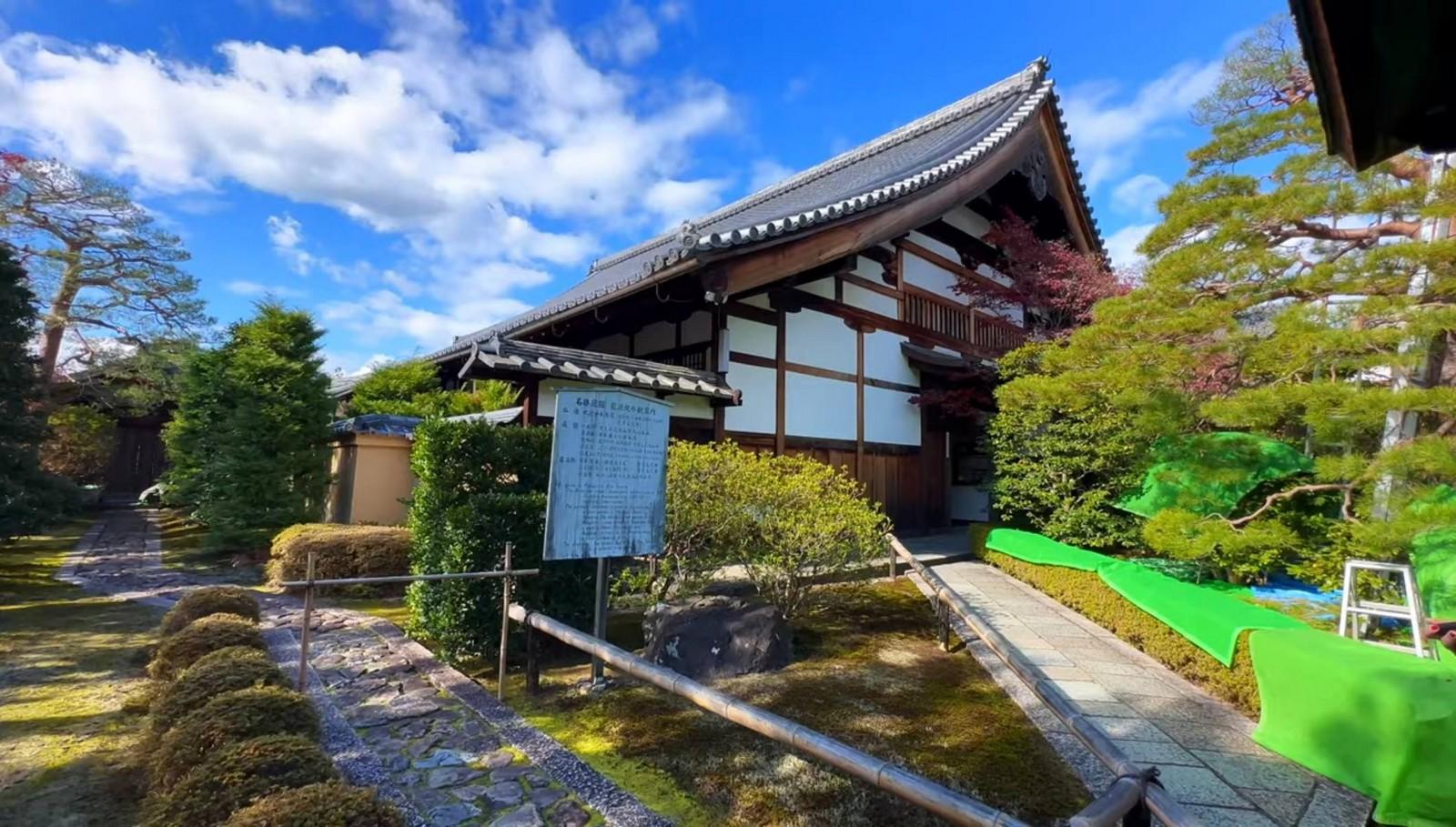
Fushimi Inari Taisha
Fushimi Inari Taisha is one of Kyoto’s most iconic sights – an endless corridor of red-orange torii gates winding through forested hills, small shrines, lookout points, and quiet pockets of nature. It stands as one of the city’s most recognisable landmarks, embodying the fusion of Shinto spirituality, natural scenery, and traditional Japanese culture.
For families who enjoy light-to-moderate hiking, atmospheric photography spots, local snacks, and authentic cultural experiences, this is one of Kyoto’s most rewarding destinations and a highlight often recommended by the Itinerary Expert.
Where is the shrine located – and how do you get there?
Fushimi Inari Taisha is located in Kyoto’s Fushimi district, directly next to Inari Station on the JR Nara Line. As soon as you step off the train, you find yourself almost immediately in front of the Romon Gate, the shrine’s impressive main entrance.
It is also easy to reach the area by bus or taxi from central Kyoto. A taxi ride is relatively short and affordable, making it a convenient door-to-door option for families, especially when traveling with children.
Parking – should you come by car?
Parking around Fushimi Inari is very limited, and most parking lots are small and fill up quickly. Despite this, some families still choose to drive, as having a car can provide greater flexibility when traveling with children.
Tip from the Itinerary Expert: Even with limited parking, a car can make timing easier for families. Arriving before 07:00 significantly increases the chances of finding a nearby parking spot.
Click here to learn more about creating a personal itineraryWhat to See at the Shrine?
1. The Romon Gate – your grand entrance into the world of Inari
This impressive, centuries-old wooden gate is your first connection to the spiritual world of the mountain. Around it stand the fox statues – the Kitsune, messengers of Inari. They are often shown holding symbolic objects in their mouths: a rice granary key, a scroll, or a sacred rice ball.
Tip from the Itinerary Expert: Children love spotting the “foxes with keys,” and this is one of the best spots for your first family photo at Fushimi Inari.
2. The Path of a Thousand Gates – Senbon Torii
This is Kyoto’s most photographed sight. More than 10,000 torii gates line the mountain trail, packed so closely together that they form a tunnel-like walkway glowing in red and orange. Each gate carries the donor’s name and the date of donation on its back.
The experience changes as you climb. The lower section can be extremely crowded, while higher up the trail the atmosphere becomes noticeably quieter and more spacious, even during the day.
Tip from the Itinerary Expert: Arrive as early as possible. Early mornings offer the best chance for quiet walking, relaxed exploration, and clean photos without crowds.
First-hand note: I reached the upper gates around sunset, and the atmosphere was calm and almost mystical. Very few visitors climb that high, and the feeling changes completely once you leave the main crowds behind.
3.Small shrines, stone statues, and traditional rituals
Along the trail you’ll encounter hundreds of miniature shrines, stone fox statues, and sacred markers that create a deeply spiritual atmosphere. You’ll also see purification basins, prayer bells, and coin-offering spots where visitors can take part in simple Shinto customs.
Tip from the Itinerary Expert: Teach children the basic Shinto ritual – two bows, two claps, and one final bow. It’s easy, respectful, and helps them feel actively involved in the experience.
Click here to create a personal itinerary for Japan4. Bamboo forests, waterfalls, and ancient trees
The trail is memorable not only for its torii gates but also for the surrounding nature. Dense forest, sections of tall bamboo, quiet streams, and small waterfalls all contribute to the mountain’s almost otherworldly mood.
Tip from the Itinerary Expert: Take time to explore the side paths. Short detours often lead to peaceful bamboo groves and quiet corners that feel completely removed from the busy main route.
5. The summit of Mount Inari – peaceful views over Kyoto
The summit of Mount Inari is not very high (233 meters), but the walk to the top is scenic and rewarding. Near the summit, the trail opens to calmer viewpoints with far fewer visitors and broad views over Kyoto’s rooftops.
Tip from the Itinerary Expert: For families traveling with teenagers, this is an ideal spot for dramatic “summit photos” with the city spread out below.
What’s Nearby and How to Combine the Day?
Many visitors combine a visit to Fushimi Inari Taisha with other Kyoto highlights on the same day. Popular options include:
- the traditional streets of Gion
- major temples such as Sanjusangendo, Kinkaku-ji, and Ryoan-ji
- a lively food street just outside the shrine area, offering takoyaki, grilled beef, dried seafood snacks, and other Kyoto-style street foods
Tip from the Itinerary Expert: For families, an excellent day plan is to start at Fushimi Inari, continue to Gion, and finish with sweets by the river – a balanced mix of nature, culture, and food that works well for both adults and children.
Who Is Fushimi Inari Suitable For?
This site works well for a wide range of travelers, including:
- families with children who enjoy nature
- teens who love “Instagram-worthy” spots
- travelers interested in light hiking
- anyone looking for an authentic Japanese experience beyond museums
The trail is mostly shaded and includes resting points as well as places to buy drinks, which makes the walk manageable even with younger children.
Tip from the Itinerary Expert: You don’t need to reach the summit with little kids. It’s better to enjoy the atmosphere, take breaks, and stop when everyone is comfortable rather than rush to complete the entire climb.
Since 2015, our website has specialized in individual planning of unique routes, taking into account personal preferences and desires. Each of you will receive a unique PDF file from us, which contains everything you need: travel routes, car rentals, hotels, the best tourist attractions, attractions for kids and everything you need for a perfect vacation. During the trip, we are available for you by phone via WhatsApp. Our personal service provides information from A to Z, taking into account many small details that can become a decisive factor on the way from a wasted trip to an unforgettable vacation. Our service will make your trip comfortable, save a lot of time on planning and preparation, and most importantly – will allow you to become freer and fully enjoy the pleasure of the trip.
Three-Day Sample Itinerary
Day 1 – Fushimi Inari Taisha and the surrounding nature
Take the JR Nara Line to Inari Station, about eight minutes from Kyoto Station. Step off the train directly in front of the Romon Gate, pause for a moment to spot the Kitsune fox statues with their keys and scrolls, and then begin walking through the famous Senbon Torii – the path of a thousand gates. The full loop usually takes around two to two and a half hours.
Within 5-10 minutes of climbing, you’ll reach a quieter middle section where the atmosphere already feels calmer. Near the station, small bakeries and convenience stores such as 7-Eleven offer simple breakfast options if you arrive early.
Continue along the trail toward the small shrines scattered across the mountain. Side paths often lead away from the main route into peaceful bamboo groves, making them ideal for a short rest away from the crowds. After 20-30 minutes, you can stop at one of the small eateries along the path serving Kitsune Udon, Inari Sushi, or grilled fish.
After lunch, continue climbing toward the mid-mountain viewpoint, where the number of visitors drops noticeably. From there, descend along a comfortable path that takes about 30-40 minutes. Near the exit, a lively food street awaits with takoyaki, grilled beef skewers, and seaweed pastries – a fun and relaxed way to end the first day.
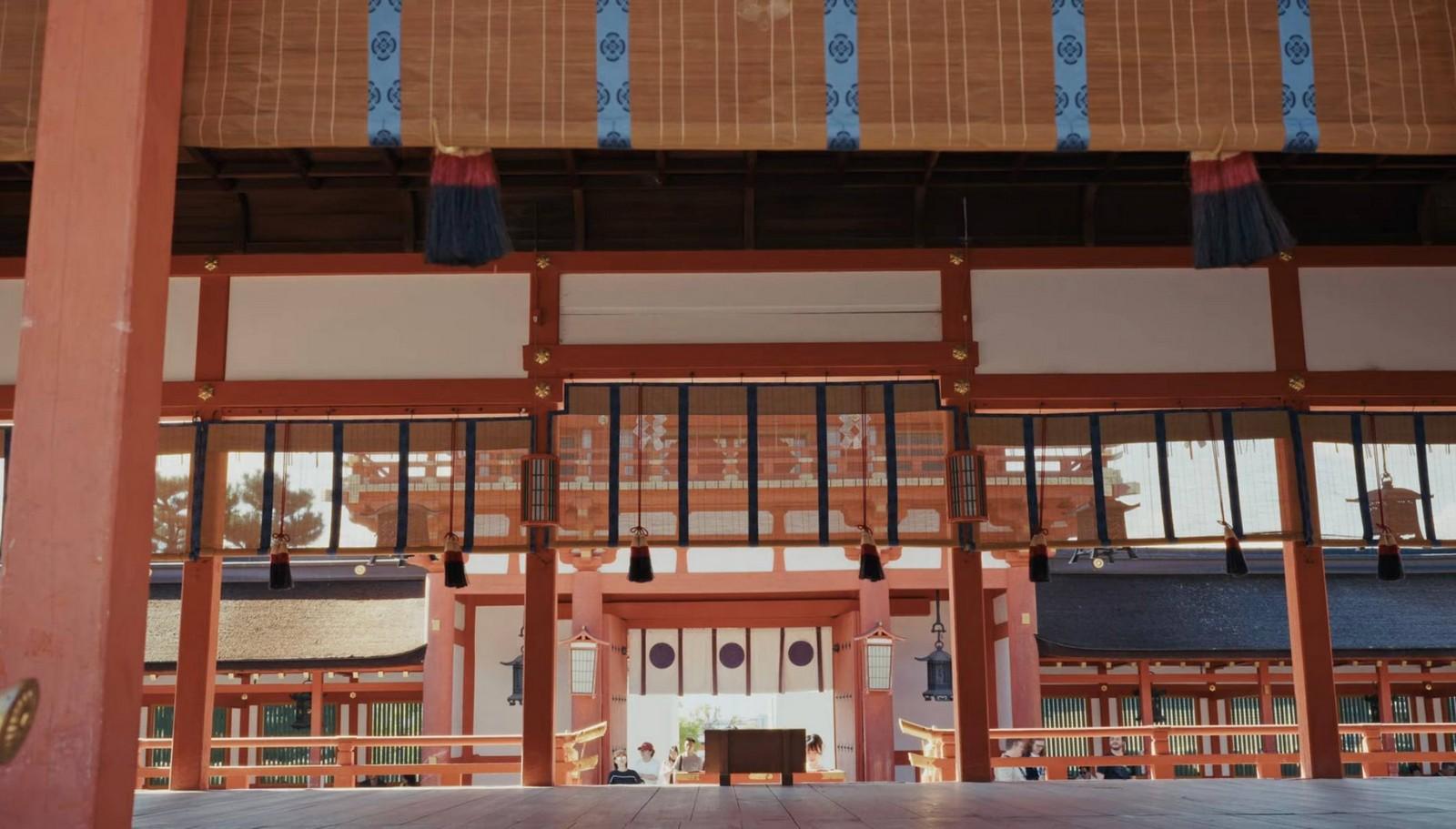
Standing here, I feel like time has paused. The calm of the shrine wraps around me, and for a moment, I’m part of something ancient.
Day 2 – Nature paths, small villages and nearby temples
The second day begins with a gentle walk along a rural trail near the mountain. From the southern exit of Fushimi Inari, walk about 10-15 minutes until you reach quiet side paths leading into traditional villages. This area offers a peaceful mix of old houses, rice fields, and forest routes. Along the way you may notice moss-covered steps, tall cedar trees, and postcard-like corners that feel completely different from the busy shrine area. The route takes about 1.5-2 hours and works very well for families – it is mostly flat, shaded, and calm.
After the walk, continue to the Tofukuji area, located about 15 minutes away from the rural paths. Here you’ll find home-style restaurants serving simple, comforting dishes such as warm udon, rice bowls, omelette-don, and light soups. This is an excellent lunch stop, especially for families with children who prefer mild flavors.
After lunch, take the train from Tofukuji Station to Gion-Shijo Station (a short 12-15-minute ride). Once there, spend the afternoon wandering through one of Kyoto’s most atmospheric traditional districts. Narrow alleys, wooden houses, and small cafés create a relaxed setting, especially toward the evening, when the light softens and the streets become calmer – a perfect way to end the day.
Click here to create a personal itinerary for JapanDay 3 – A soft, easy day around the area
Start the morning at Sanjusangendo, reachable by a 10-12-minute bus ride from Gion. It is one of the temples that works especially well for families thanks to its impressive hall and distinctive atmosphere. A full visit usually takes 45-60 minutes and involves very little walking, making it ideal for a calm, unhurried start to the day.
After the temple, take a short walk to a small nearby food market. It’s simple and relaxed, yet perfect for lunch. You’ll find juicy grilled meats, soft tamago sandwiches, and light Japanese snacks that children usually enjoy – a quick and satisfying meal before continuing.
In the afternoon, return to Fushimi Inari Taisha for a final round of photos. Toward dusk, the shrine takes on a special character: the gates glow under the evening lights, the crowds thin out, and the atmosphere becomes noticeably calmer. Walking among the red torii at twilight feels peaceful and unhurried, offering a beautiful and memorable way to end the day.
Traveler Reviews
- Emily Carter – April 2023
“I visited the shrine with my husband and our two kids, and the long walk through the endless torii felt magical. Once we left the crowded lower area, the path became quiet and peaceful – just the forest, the red gates and us. We even found a bamboo side trail, which the kids loved. Bring water, though – the humidity is real.”
- Daniel Morris – October 2024
“I thought I knew what to expect from the photos, but walking through thousands of torii in person was an entirely different experience. We climbed high enough to get a beautiful Kyoto view, and suddenly there were almost no people around. The vending machines get pricier the higher you go, but that cold drink at the top tasted like heaven.”
- Sarah Johnson – June 2019
“Our family came early in the morning, and it made all the difference. Soft light, quiet forest sounds and almost no crowds. The kids ran ahead, fascinated by the fox statues with keys in their mouths. We didn’t reach the very top, but even halfway the atmosphere felt sacred and calm. Snacks on the mountain were a bit overpriced, though.”
- Michael Turner – August 2025
“We reached the shrine late in the afternoon after a long day in Kyoto, and the night atmosphere was unreal – dim lanterns, deep shadows between the torii and almost no tourists. The climb was gentle enough even after a busy day, and the quietness made it feel mysterious rather than tiring. If you want photos without crowds, evening is perfect.”
- Olivia Scott – November 2018
“My teens were skeptical about ‘another temple,’ but Fushimi Inari completely won them over. The torii tunnel feels endless, and every turn reveals a new small shrine or mossy statue. We stopped at one lookout with a fantastic city view – absolutely worth the climb. Just avoid carrying big bags: the narrow torii corridors make it tricky.”
- Anthony Brooks – May 2021
“I took the side path halfway up the mountain and ended up in a quiet bamboo grove – one of my favourite moments in Japan. It’s incredible how fast the crowds disappear once you start climbing. The final view over Kyoto was beautiful, especially with the sunset. My only regret is not bringing a towel – it gets sweaty!”
- Laura Bennett – September 2023
“We visited during light rain, and honestly, it was perfect. The forest smelled amazing, the orange torii looked brighter against the wet ground and the drizzle kept most people away. There’s a rest area halfway with matcha and snacks, which was a pleasant break for the kids. Just watch your step – the stone stairs get slippery.”
Click here to learn more about creating a personal itineraryExpert Recommendations
Arrive before 07:00
From the Itinerary Expert’s perspective, this is the difference between overwhelming crowds and quiet, almost magical moments among the gates. Even very early in the morning the area can start filling up, so the earlier you arrive, the better the experience.
Take the side trails
On almost every visit, the side paths are noticeably quieter. They often lead through bamboo forests, past fox statues, and to tiny shrines hidden away from the main route – calmer and often more atmospheric than the central trail.
Climb only a quarter to half the mountain with young kids
The upper sections are calmer and more scenic, but reaching the summit is not essential. The climb includes many steps and is best enjoyed at a relaxed pace, with plenty of stops for photos and snacks.
Bring water from the city
Drinks on the mountain are more expensive. When traveling with children, it’s best to bring at least one liter of water per person to stay comfortable.
Photograph from behind the gates
A small trick from the Itinerary Expert: the back side of the torii gates is usually less crowded. This angle often allows for cleaner photos, even during busier hours.
Avoid side temples at midday
These areas can become very warm and usually have no cooling. During the hottest hours, it’s more comfortable to return to the food street or take a break in nearby cafés.
Choose a cloudy or rainy day
Fog, light drizzle, or soft overcast light give the gates a cinematic, mysterious look. Photos taken in these conditions often feel especially atmospheric.
Turn it into a “fox hunt” for kids
Many Kitsune statues hold keys or scrolls. Turn this into a game by asking children to spot as many different foxes as they can along the way – it keeps them engaged and makes the walk more fun.
Stop at mid-mountain stations
The middle sections often feel cooler and quieter, with fresh air, small waterfalls, and miniature shrines – perfect spots for short breaks.
Return again in the evening
Evening brings a completely different mood. As the crowds thin out and the torii begin to glow under soft lighting, the entire area feels calm, peaceful, and memorable.
Insights from the Itinerary Expert
I visited Fushimi Inari Taisha in April 2024, and it quickly became one of the most memorable places of my trip. Nothing truly prepares you for the first moment you step into the corridor of red torii gates – the color, shifting shadows, and the soft sounds of the forest create an almost cinematic atmosphere.
Like many families, we started at the lower gates, where the crowds were intense. But after just a short climb, everything changed. The side paths became my favorite part of the visit: quiet bamboo groves, tiny hidden shrines, and a feeling of stepping into a calmer, more authentic side of Japan, far from the main flow of visitors.
There are some challenges – summer humidity, higher prices at mountain kiosks, and staircases that can tire younger children. At the same time, the trail is largely shaded, offers regular resting points, and includes simple local snacks like Kitsune Udon and Inari Sushi, which make the experience comfortable and enjoyable for families.
In the end, Fushimi Inari Taisha offers a near-perfect balance of nature, culture, and photography. As the Itinerary Expert, I’d be happy to help you create a personalized Kyoto itinerary that matches your family’s pace, interests, and energy level, ensuring a smooth and memorable journey.
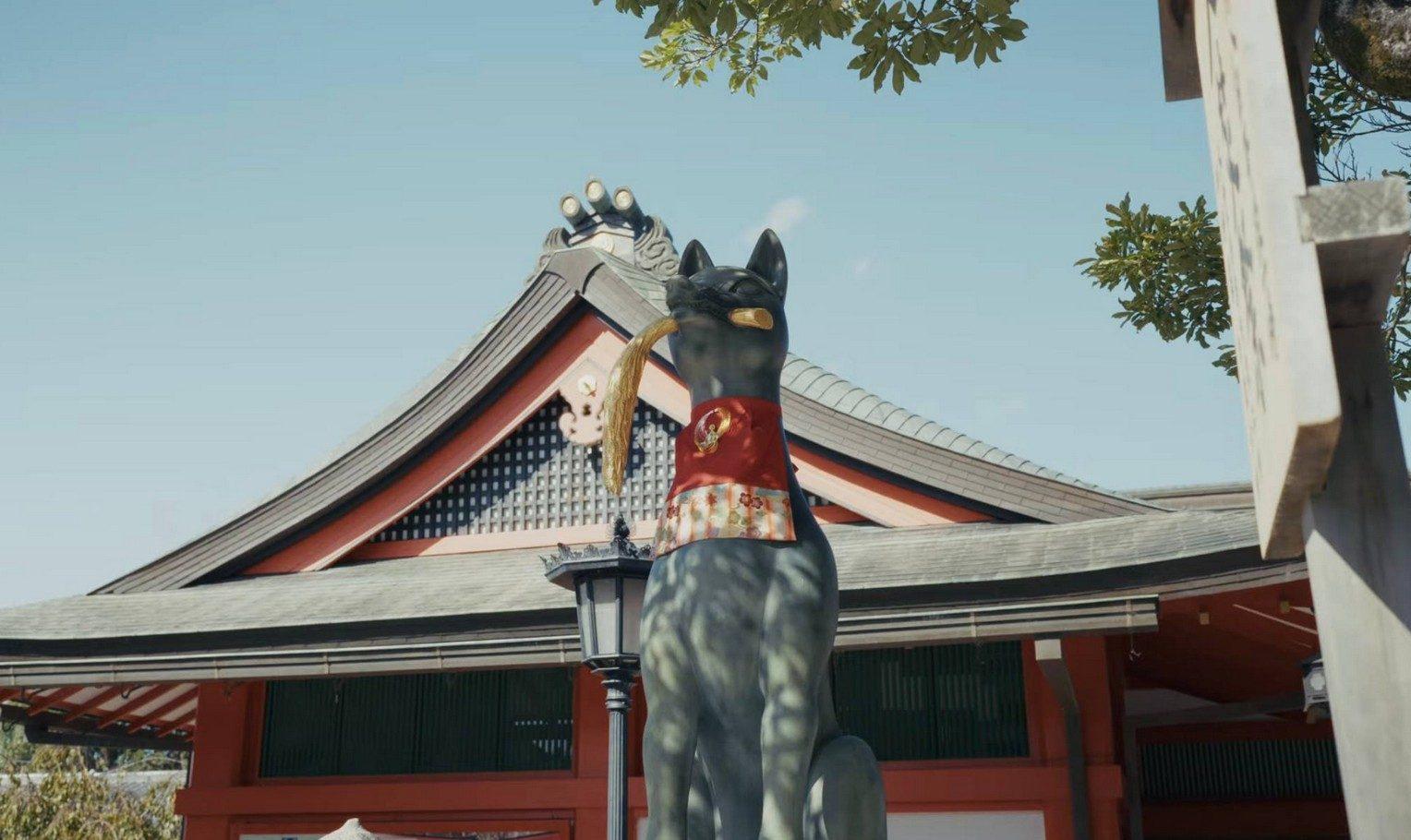
I looked up at the fox statue, and it felt like she was watching over my journey—silent, proud, and full of mystery.
Price Table – Visiting Fushimi Inari Taisha
| Category | Notes | Estimated Price (USD) |
| Budget meal (per person) | Street food near the shrine: takoyaki, beef bites, Inari Sushi | 13-20 |
| Mid-range lunch/dinner | Small local restaurants with set meals (e.g. Omi beef menu) | 14-20 |
| Public transport (one way) | JR Nara Line – Kyoto Station → Inari Station | 1.5-2.1 |
| Taxi (one way) | From central Kyoto to Fushimi Inari | 6.5-26 |
| Parking (per hour) | Very limited spots near the shrine | varies |
| Temple entrance | Access to the shrine grounds | Free |
| Mountain trail | Hiking routes and summit area | Free |
| Souvenirs (per person) | Torii magnets, fox charms, ema plaques | 3-15 |
| Torii gate donation | Sponsoring a full-size torii gate | 2,600-6,600 |
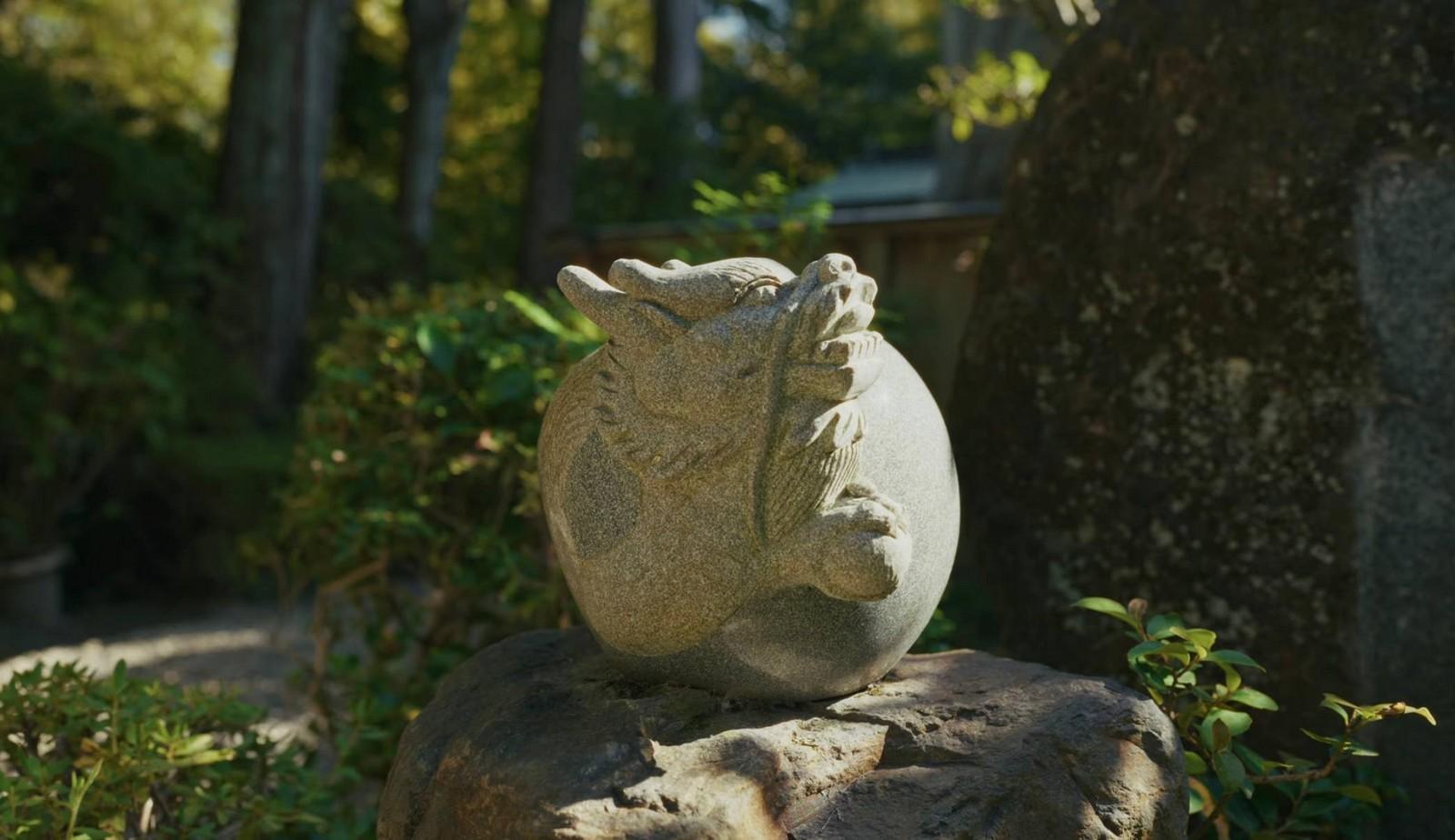
This little dragon made me smile—like a tiny guardian hiding in the garden, waiting for me to notice him.
Popular Questions
Is the shrine suitable for families with kids?
Yes. The path is wide, visually engaging, and filled with fox statues and colorful torii gates. Only the upper mountain becomes physically demanding, so families can easily choose how far to go.
How long does a visit take?
The lower section takes about 40-60 minutes. A partial climb usually lasts 1-1.5 hours, while a full round trip to the summit takes around 2-3 hours.
When is it most crowded? When should I arrive?
The busiest time is between 09:00 and 13:00. For a calmer experience, it’s best to arrive very early – ideally before 07:00.
Is the climb difficult for children? (formal answer)
The trail includes many steps and some steeper segments. Families are not required to complete the entire climb and may stop at any point. Mid-mountain sections are calmer and more comfortable for children.
Should you climb to the summit or stop halfway?
Stopping after just 10 minutes already brings a noticeable drop in crowds. Higher sections are quieter and more scenic, but reaching the summit is entirely optional.
Is there food nearby?
Yes. Along the trail and near the shrine you’ll find stalls and small restaurants serving Inari Sushi, Kitsune Udon, and grilled snacks. Water and snacks are more expensive on the mountain than in the city.
Are there side paths with fewer people? (first-hand experience)
Yes. During my visit, a side trail led into a nearly empty bamboo forest. It felt like stepping into a completely different, much quieter world.
Is it worth returning in the evening? (first-hand experience)
Absolutely. Returning at dusk reveals a different atmosphere – illuminated gates, fewer people, softer light, and a calm, almost magical mood compared to daytime.
What we propose Emma Heidi Take all the stress out of planning your trip! With our experts, you can create the perfect itinerary for you – complete, comfortable, and tailored to all your dreams, wishes, and needs. We take care of every little detail, so you can simply focus on enjoying your journey. We’ve been designing personalized itineraries since 2015, and over the years we’ve created thousands of custom itineraries for happy clients. Save time, avoid confusion – we do the work for you. Our service saves you weeks of searching, reading, comparing, and complicated planning. Instead of wasting endless hours – you receive a ready-to-use, accurate and clear itinerary. A tailor-made itinerary – built just for you. Your itinerary is personally designed based on our experts’ real field experience and genuine feedback from hundreds of travelers – including hidden discoveries and insider tips that don’t appear in any travel guide. Smart accommodation selection – often saves you hundreds or even thousands of dollars. We help you choose verified and recommended places to stay, checking availability for your exact travel dates. Sometimes we suggest hotels not “in the center,” but in safe, convenient, and highly strategic locations – which can significantly reduce travel costs and save you even thousands of dollars. We’re by your side even during the trip. We stay with you throughout your vacation – providing professional help whenever needed. If the weather changes, there’s a strike, a local event, heavy crowds, or any unexpected situation – we are here to update, guide, and adjust your itinerary in real time. Easy-to-use itinerary – with direct navigation links. Your itinerary includes direct Waze / Google Maps links – no need to search for parking addresses, no stress, no mistakes. Just tap – and go. Want to know if it’s really worth it? Take a look at the experiences of travelers who built their personal itinerary with us. Click here and let’s start building the itinerary that will save you time, money, and stress – and turn your vacation into perfection. Of course, your first inquiry is completely free – with no commitment whatsoever. How it works
Customer Experience Manager


Service cost: from only $420. (Special price for short itineraries up to 5 days). Clients tell us the itinerary saves them costly mistakes, fines, wrong choices – plus exclusive discounts on car rentals, better-priced accommodations, and money-saving local tips.


Latest articles